What Ingredients Are Good for Acne-Prone Skin?
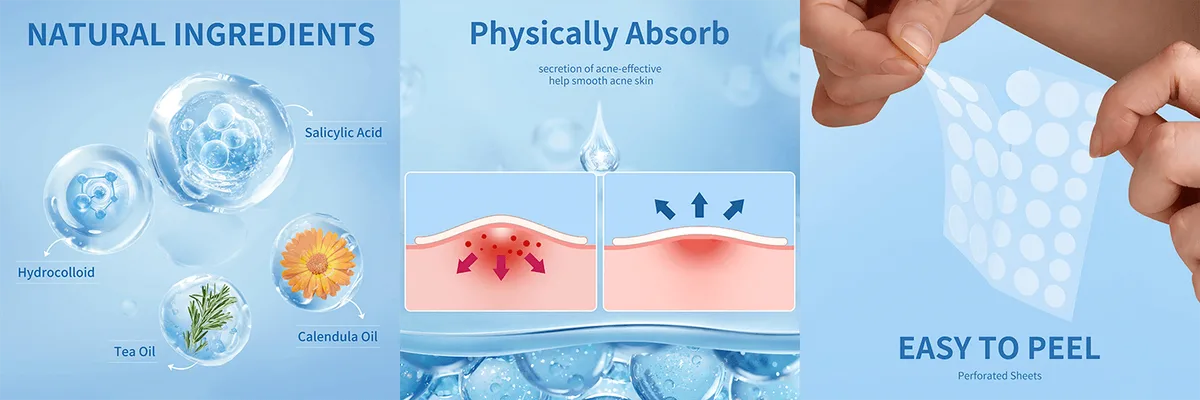
Image source: Bing (Web (fair-use with source credit))
What Ingredients Are Actually Good for Acne-Prone Skin?
Figuring out what to put on acne-prone skin can feel like a minefield, but the right ingredients can make a huge difference. Instead of guessing, let's get you sorted with what the science and practical use show works. You want skin that feels calm, clear, and healthy, and that starts with choosing ingredients wisely.
When it comes to effective ingredients, research highlights that consistency is key, often with treatments used for several weeks to see significant changes, as noted by dermatology standards. Understanding how they work and how to use them prevents irritation and maximizes benefits. Let's dive into what actually helps.
Quick Answer
The best ingredients for acne-prone skin include salicylic acid, benzoyl peroxide, niacinamide, and retinoids. Salicylic acid clears pores. Benzoyl peroxide kills bacteria.
Niacinamide calms redness and inflammation. Retinoids promote cell turnover. Hyaluronic acid offers needed hydration.
Azelaic acid targets pores and inflammation. These work best when introduced slowly and used with a consistent routine.
Understanding Your Acne: It's Not One-Size-Fits-All
The key to tackling acne effectively isn't just about using the right products, but understanding why your skin is breaking out in the first place. Acne isn't a single entity; it's a spectrum of conditions that can be influenced by many factors. Knowing your specific type of acne helps you pick the ingredients that will actually address the root cause, rather than just masking symptoms or, worse, making things more complicated.
Different Types of Acne and Their Needs
Acne can manifest in various ways, and each type often responds best to different approaches. For instance, oily skin that tends to get clogged pores might benefit from ingredients that can penetrate and dissolve sebum and dead skin cells.
- Comedonal Acne: This includes blackheads and whiteheads. These are typically caused by a buildup of oil and dead skin cells in the hair follicles. Ingredients that help exfoliate the skin's surface and within the pore are most beneficial here.
- Inflammatory Acne: This is what most people think of when they picture acne, red, swollen pimples, pustules (pimples with pus), nodules, and cysts. These are often accompanied by redness and pain. They involve bacteria and a significant inflammatory response in the skin. Ingredients that fight bacteria and reduce inflammation are crucial.
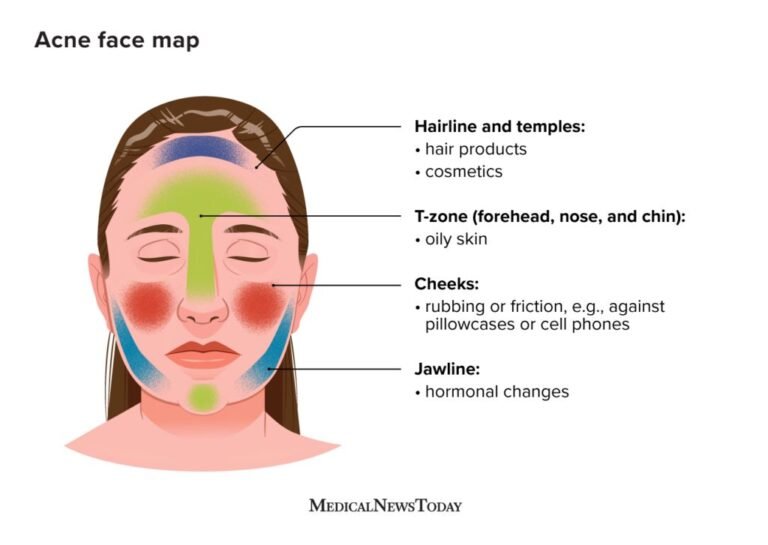
- Hormonal Acne: Often seen along the jawline and chin, this type can fluctuate with menstrual cycles or other hormonal changes. It can present as both comedonal and inflammatory lesions. These breakouts might require a more targeted approach. You can learn more about how hormones can affect your skin by checking resources from the National Institutes of Health.
- Adult Acne: This is common and can be persistent, often linked to stress, hormones, or even changes in skincare habits. It can appear anywhere on the face, chest, or back. The causes can be multifaceted, and a balanced approach with gentle yet effective ingredients is usually recommended. Learn more about why adults still get acne at https://bestacnetreat.com/why-do-adults-still-get-acne/.
Understanding these distinctions helps us tailor ingredient choices. For example, if you’re dealing with a lot of red, angry spots, you'll want to prioritize anti-inflammatory and antibacterial agents. If blackheads are your main concern, pore-clearing exfoliants will be your go-to.
The Powerhouse Ingredients Your Skin Will Thank You For
We've got a solid lineup of ingredients that consistently perform well for acne-prone skin, backed by research and widespread clinical use. They work through different mechanisms to help clear pores, reduce inflammation, and prevent future breakouts.
Salicylic Acid (BHA): Your Pore's Best Friend
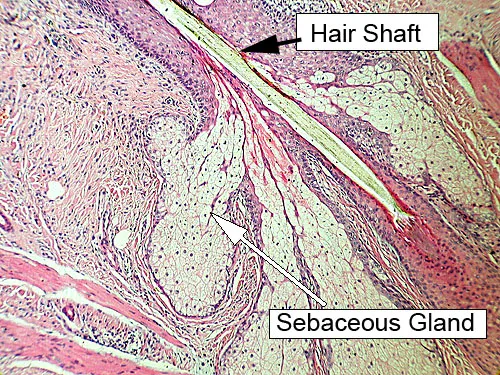
Salicylic acid is a beta-hydroxy acid (BHA) that's oil-soluble. This means it can penetrate deep into your pores, unlike alpha-hydroxy acids (AHAs) which stay on the skin's surface.
- How it Works: It exfoliates the skin, helping to break down and dissolve the mixture of oil and dead skin cells that clog pores. This makes it incredibly effective for blackheads and whiteheads. It also has anti-inflammatory properties, which can help calm down redness associated with breakouts.
- Best For: Blackheads, whiteheads, mild inflammatory acne, oily and combination skin.
- Consider: While generally well-tolerated, it can cause dryness or mild irritation if overused, especially at higher concentrations. Look for it in cleansers, toners, and spot treatments.

Image source: Web (Bing) / youtube.com (Web image (fair-use with source credit))
Benzoyl Peroxide: The Breakout Buster
Benzoyl peroxide is a potent ingredient that works by releasing oxygen into the pore. This kills the bacteria, specifically Propionibacterium acnes (P. acnes), that can contribute to inflammatory acne.
- How it Works: It's a powerful antimicrobial agent. It also has a mild exfoliating effect.
- Best For: Inflammatory acne, pustules, and papules. It's often used as a spot treatment or in washes.
- Consider: Benzoyl peroxide can be drying and may cause redness or peeling. It also has a tendency to bleach fabrics, so be mindful of pillowcases and clothing. It's usually available in concentrations ranging from 2.5% to 10%. Starting with a lower concentration (like 2.5% or 5%) is recommended to minimize irritation. If you're wondering if salicylic acid or benzoyl peroxide is the better choice for you, you might find insights at https://bestacnetreat.com/is-salicylic-acid-or-benzoyl-peroxide-better-for-acne/.
Niacinamide: The Soothing Superstar
Niacinamide, a form of Vitamin B3, is a true multi-tasker that's gentle enough for most skin types, including sensitive ones. It's fantastic for calming down the inflammation that often accompanies acne.
- How it Works: It helps to reduce redness and inflammation, which can make breakouts look less angry. It also plays a role in strengthening the skin's natural barrier, which can improve overall skin health and resilience. Plus, it can help regulate oil production and minimize the appearance of pores over time.
- Best For: Redness, inflammation, oily skin, overall skin health, and as a supportive ingredient alongside stronger actives.
- Consider: It's widely available in serums, moisturizers, and cleansers and is generally very well-tolerated.
Retinoids: For Long-Term Cell Turnover
Retinoids, such as retinol and adapalene, are Vitamin A derivatives that are incredibly effective for long-term acne management. They work by influencing how skin cells grow and shed.
- How it Works: Retinoids speed up skin cell turnover. This means dead skin cells are shed more quickly, preventing them from accumulating and clogging pores. They can also help to improve the texture of the skin and fade post-acne marks. Adapalene, for example, is a retinoid specifically formulated for acne and is available over-the-counter in many regions. You can learn more about whether retinol can treat acne at https://bestacnetreat.com/can-retinol-help-treat-acne/.
- Best For: Congested pores, blackheads, whiteheads, and preventing future breakouts. They are also beneficial for addressing acne scarring.
- Consider: Retinoids can cause initial dryness, peeling, and increased sun sensitivity. It's crucial to start with a low concentration a few times a week and always apply sunscreen during the day. Nighttime application is typically recommended.
Hyaluronic Acid: Hydration That Won't Clog Pores
While not directly an "acne-fighting" ingredient, hyaluronic acid is crucial for maintaining healthy, hydrated skin, which is essential when using potentially drying acne treatments.
- How it Works: It's a humectant, meaning it attracts and holds moisture in the skin. This keeps the skin plump and hydrated without feeling heavy or greasy. Dehydrated skin can sometimes overcompensate by producing more oil, so adequate hydration can indirectly help manage breakouts.
- Best For: All skin types, especially those using drying acne treatments. It’s found in many serums and moisturizers.
- Consider: Look for "non-comedogenic" formulas for moisturizers to ensure they won't clog pores. Is moisturizer good for acne-prone skin? You can find out more at https://bestacnetreat.com/is-moisturizer-good-for-acne-prone-skin/.
How to Introduce These Helpers: A Step-by-Step Approach
You've got the lineup of ingredients, but how do you actually bring them into your routine without causing a riot on your face? It's all about a gradual introduction and letting your skin adapt.
Step 1: Assess Your Skin's Current State
Before you grab any new product, take a good look at your skin. What are your main concerns? Is it super oily, dry, sensitive, or a mix?
Are you dealing with whiteheads, blackheads, or angry red pimples? If your skin is currently irritated or you have active, inflamed breakouts, it might be best to focus on calming it down with gentle, hydrating products first before introducing strong actives.
Step 2: Start Low and Slow with New Actives
This is the golden rule. When you introduce a new active ingredient, like salicylic acid or benzoyl peroxide, don't use it every day or even every other day right off the bat.
- Start: Use the new product just 2-3 times a week.
- Monitor: Pay close attention to how your skin reacts. Look for signs of redness, excessive dryness, peeling, or stinging.
- Increase (If Tolerated): If your skin handles it well after a week or two, you can gradually increase the frequency. You might eventually work up to daily use for some ingredients, while others are best used a few times a week.
- Single Ingredient Focus: Try to introduce only one new active ingredient at a time. This helps you pinpoint exactly what's working or what might be causing a reaction.
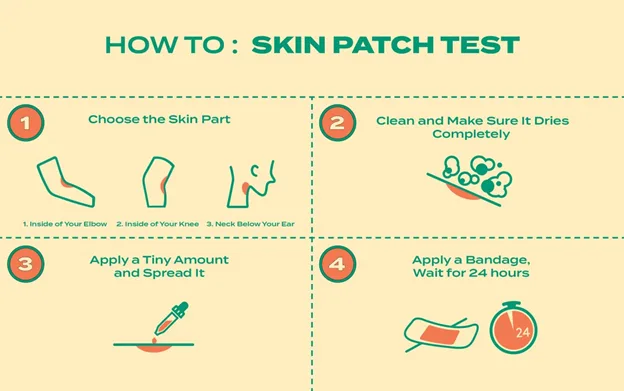
Image source: Bing (Web (fair-use with source credit))
Step 3: Prioritize Hydration and Barrier Support
Using active ingredients, especially exfoliants and retinoids, can sometimes strip the skin or lead to dryness. A compromised skin barrier can actually make acne worse and increase sensitivity.
- Choose Wisely: Opt for lightweight, non-comedogenic moisturizers. Ingredients like hyaluronic acid, glycerin, and ceramides are excellent for supporting hydration and barrier function.
- Don't Skip: Even if your skin is oily, it still needs moisture. Skipping moisturizer can cause your skin to produce even more oil to compensate for the lack of hydration, potentially leading to more breakouts. You can find out more about why moisturizer is good for acne-prone skin at https://bestacnetreat.com/is-moisturizer-good-for-acne-prone-skin/.
Step 4: Don't Forget Sunscreen
Many acne treatments, particularly retinoids and benzoyl peroxide, can increase your skin's sensitivity to the sun. This makes it more prone to sunburn and can worsen post-acne marks, causing them to darken.
- Daily Application: Apply a broad-spectrum sunscreen with an SPF of 30 or higher every single day, even when it's cloudy.
- Non-Comedogenic Formulas: Look for sunscreens specifically formulated for the face or for acne-prone skin. These are less likely to clog pores. Can sunscreen help prevent acne? Learn SPF tips for clear skin at https://bestacnetreat.com/can-sunscreen-help-prevent-acne/.
Common Pitfalls: Mistakes to Avoid with Acne Ingredients
Even with the best intentions and the right ingredients, it's easy to make missteps that can hinder progress or even worsen your acne. Being aware of these common errors can save your skin a lot of trouble.
Overdoing It: The Danger of Too Much, Too Soon
This is probably the most frequent mistake. Seeing a new breakout might make you want to pile on all your strongest treatments at once, but this usually backfires. Applying multiple harsh actives, like a salicylic acid cleanser, a benzoyl peroxide spot treatment, and a strong retinoid serum all in one routine, can severely irritate your skin.
This irritation can lead to increased redness, peeling, and a damaged skin barrier. A damaged barrier can make acne more persistent and harder to treat. It’s far better to use one or two well-chosen actives correctly than to overload your skin.
Skipping Moisturizer: A Recipe for Irritation
As mentioned before, acne treatments, especially those that exfoliate or reduce oil production, can dry out your skin. When your skin becomes too dry, it can react by producing more oil to compensate. This can create a vicious cycle of dryness, increased oiliness, and more breakouts.
Furthermore, dry, stripped skin is more prone to inflammation and sensitivity, making it harder for acne treatments to work effectively and increasing the risk of side effects. Always follow cleansing and treatment steps with a hydrating, non-comedogenic moisturizer.
Ignoring Your Skin's Signals
Your skin communicates with you. If it's feeling tight, red, flaky, or unusually sensitive, that's a signal that something is off. Pushing through these signs by continuing to use harsh products will likely exacerbate the problem.
Instead, scale back. This might mean reducing the frequency of your active ingredients, switching to a gentler cleanser, or focusing solely on calming and hydrating products for a few days until your skin recovers. Listening to your skin is key to a sustainable and effective acne-fighting routine.
The Right Ingredients for Your Skin Type
The "best" ingredients aren't universal; they're highly personal. What works wonders for someone with very oily, resilient skin might be too harsh for those with drier, sensitive, acne-prone skin. The decision-making process should always start with understanding your individual skin's characteristics.
- For Oily & Congested Skin: Salicylic acid is your primary ally. It dives into those oily pores to clear out blockages. Niacinamide is also excellent here, as it can help regulate oil production and reduce the shiny appearance. Benzoyl peroxide can be useful for inflammatory spots that arise from congestion.
- For Sensitive & Dry Acne-Prone Skin: You'll want to tread more carefully. Gentle exfoliants are key. Azelaic acid is a fantastic option because it's effective but generally less irritating than other actives. Niacinamide is a must-have for its soothing and barrier-strengthening properties. Hyaluronic acid is essential for maintaining hydration without greasiness. Retinoids can be used, but only with extreme caution, starting at very low concentrations and infrequent use, perhaps just once or twice a week.
- For Combination Skin: You might have areas that are oily and congested (like the T-zone) and other areas that are drier or more sensitive. You can tailor your approach. For example, use a salicylic acid product on your T-zone and a gentler, hydrating serum on your cheeks. Or, use a stronger treatment on alternate nights. Consistency with hydration and sun protection is vital across all zones.
Remember, these are general guidelines. If you're unsure, consulting with a dermatologist can provide personalized recommendations based on a thorough assessment of your skin. They can help you determine the right treatments and ingredient combinations.
When to Consider Professional Help
While many acne ingredients are available over-the-counter and can be very effective, some situations call for expert intervention. If your acne is severe, persistent, or causing significant distress, a dermatologist can offer more potent prescription treatments and personalized advice.
- Severe Acne: This includes deep, painful cysts and nodules that cover large areas of the face, chest, or back. These often require prescription-strength topical or oral medications.
- Acne Not Responding: If you've consistently used OTC treatments for several months without improvement, it's time to seek professional guidance. Your condition might require a different approach or a combination therapy.
- Scarring Concerns: If you're worried about acne leaving permanent scars, a dermatologist can help manage active breakouts and discuss treatments for existing scarring. You can learn more about acne scarring prevention at https://bestacnetreat.com/can-acne-leave-permanent-scars/.
- Underlying Conditions: Sometimes, acne can be linked to underlying medical conditions, like hormonal imbalances. A doctor can help diagnose and manage these issues.
Don't hesitate to book a consultation. Dermatologists can prescribe treatments like stronger retinoids, oral antibiotics, or isotretinoin, and offer procedures like chemical peels or laser therapy when needed.
Maintaining Your Progress: Long-Term Skin Health
Once you've found a routine that clears up your acne, the work isn't over. Maintaining clear skin is about consistent care and preventing future flare-ups. This involves sticking to a balanced regimen and being mindful of lifestyle factors.
- Consistency is Key: Continue using your chosen active ingredients regularly, as advised by your dermatologist or as your skin tolerates. A consistent routine is more effective than sporadic, intense treatments.
- Listen to Your Skin: Even with a stable routine, your skin's needs can change due to weather, stress, or hormonal shifts. Be prepared to adjust your products or frequency if you notice new irritation or breakouts.
- Lifestyle Factors: Remember that diet, stress, and sleep all play a role in skin health. While diet's impact is debated, some find reducing high-glycemic foods helps. Managing stress and ensuring adequate sleep are universally beneficial for skin. You can explore if stress triggers breakouts at https://bestacnetreat.com/can-stress-cause-acne/.
- Gentle Cleansing: Always use a mild, non-stripping cleanser. Over-cleansing can damage your skin barrier and lead to more issues.
Think of long-term maintenance as nurturing your skin, not just treating a problem. It’s about building healthy habits that support clear, resilient skin for the future.
Frequently Asked Questions About Acne Ingredients
What is the difference between salicylic acid and benzoyl peroxide?
Salicylic acid is a BHA that exfoliates inside pores to unclog them, ideal for blackheads and whiteheads. Benzoyl peroxide kills acne-causing bacteria and reduces inflammation, best for red, pustular pimples. They work differently but can sometimes be used together with caution.
Can I use salicylic acid and benzoyl peroxide at the same time?
Using both simultaneously can be too harsh for most skin types, leading to significant irritation. It's generally recommended to use them on alternate days or at different times of the day (e.g., salicylic acid in the morning, benzoyl peroxide at night) and only after your skin has built up tolerance to each.
How long does it take to see results from acne ingredients?
Results vary, but typically you'll need to use consistent treatments for at least 4-8 weeks to see noticeable improvement. Some ingredients, like retinoids, may even take 3-6 months for their full effects on cell turnover and scar reduction. Patience is key in managing acne.
Are there any natural ingredients that help with acne?
While many natural ingredients have beneficial properties, they often lack the potency or targeted action of scientifically proven actives. Ingredients like tea tree oil have some antibacterial properties, but they can also be irritating if not diluted properly. For significant acne, targeted ingredients like salicylic acid and benzoyl peroxide are generally more reliable.
You can explore natural prevention tips at https://bestacnetreat.com/how-can-i-prevent-acne-naturally/.
Should I pop pimples if I'm using acne ingredients?
No, you should absolutely avoid popping pimples, regardless of what ingredients you are using. Popping can push bacteria deeper into the skin, increase inflammation, spread infection, and lead to scarring. It's better to let acne treatments work or to use a targeted spot treatment.
Learn more about why you should not pop pimples at https://bestacnetreat.com/should-you-pop-pimples/.