How Can I Remove Blackheads Safely?

Image source: Web (Bing) / epsos.de (Web image (fair-use with source credit))
So, you're asking yourself, "How can I remove blackheads safely?" It's a question many of us ponder, looking in the mirror at those tiny, dark dots that seem to appear out of nowhere. Getting rid of them effectively without causing more harm to your skin is the ultimate goal.
We'll explore the science behind safe blackhead removal, focusing on ingredients and practices that protect your skin's health. Research confirms that as of 2026, consistent, gentle care is key, and aggressive methods can lead to complications like inflammation or scarring, potentially requiring professional intervention.
Quick Answer
Safely remove blackheads using ingredients like salicylic acid. Introduce gentle chemical exfoliants and clay masks into your routine a few times weekly. Avoid harsh scrubbing and picking your skin.
Consistent cleansing and moisturizing are vital.
What Are Blackheads, Really?
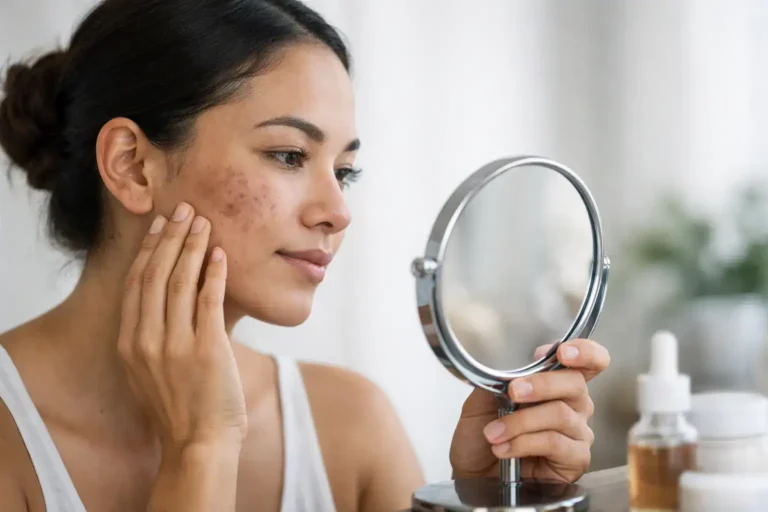
Blackheads, scientifically known as open comedones, aren't actually caused by dirt. They form when a pore becomes clogged with a mixture of sebum (your skin's natural oil) and dead skin cells. This mixture, when exposed to air, oxidizes and turns dark, giving it that characteristic black appearance.
It's a common skin concern affecting many people.
Understanding this fundamental difference is key because it guides how we approach treatment. Because they are an oxidation issue within a clogged pore, not surface grime, treatments need to address the pore's contents and oil production.
Your Safest Bet: Key Ingredients for Clearer Pores
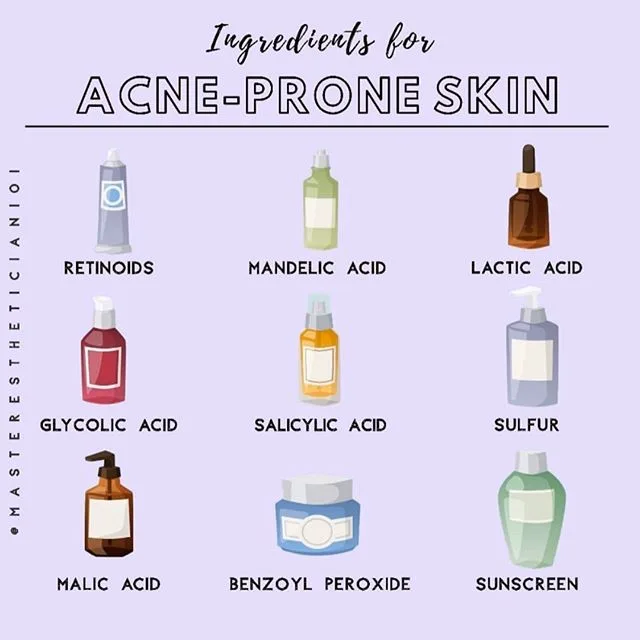
When it comes to tackling blackheads, the right ingredients are your best allies. They work by penetrating the pore, breaking down the clog, and preventing future blockages. It’s important to introduce these gradually to see how your skin reacts.
Salicylic Acid: The Pore's Best Friend
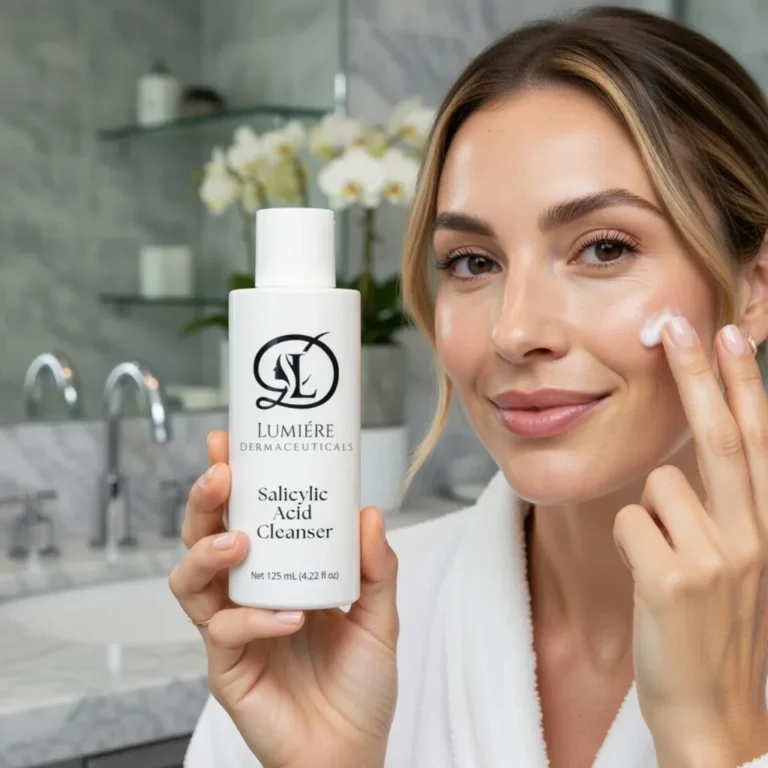
Salicylic acid is a beta-hydroxy acid (BHA) and it's often considered the gold standard for blackhead treatment. Its molecular structure allows it to be oil-soluble, meaning it can penetrate deep into your pores. Once inside, it helps to dissolve the mixture of sebum and dead skin cells that form the clog.
This process exfoliates the pore lining from the inside out.
- How it works: It breaks down the bonds holding dead skin cells together and helps to regulate oil production within the pore.
- Why it's safe: When used as directed, it's generally well-tolerated and effective without causing excessive dryness or irritation for most skin types.
- In product formulations: You'll find salicylic acid in cleansers, toners, serums, and spot treatments. Start with a concentration of 1-2% and use it a few times a week, gradually increasing frequency as your skin builds tolerance.

Image source: Web (Bing) / jabarekspres.com (Web image (fair-use with source credit))
For those dealing with persistent blackheads, exploring Is Salicylic Acid Or Benzoyl Peroxide Better For Acne: Why can offer a deeper dive into ingredient comparisons.
Benzoyl Peroxide: For Tougher Cases
Benzoyl peroxide is another powerful ingredient in the fight against acne, including blackheads. It’s an antimicrobial agent that kills the bacteria that can contribute to acne. It also possesses exfoliating properties, helping to shed dead skin cells and reduce pore blockages.
- Benefits: Effectively reduces acne-causing bacteria and helps unclog pores.
- Considerations: It can be more drying than salicylic acid. Start with lower concentrations (2.5% or 5%) and use it less frequently, perhaps as a wash-off treatment or spot application. Always follow with a good moisturizer.
- Potential issue: Benzoyl peroxide can bleach fabrics, so be mindful of towels and pillowcases.
Retinoids: The Long-Term Game Changer
Retinoids, a class of vitamin A derivatives, are incredibly effective for promoting skin cell turnover. By speeding up the rate at which skin cells shed, retinoids help prevent pores from becoming clogged in the first place. This makes them a fantastic preventative measure as well as a treatment for existing blackheads.
- Types: Over-the-counter options include retinol, while prescription-strength treatments like tretinoin are also available.
- Usage: Begin with a low concentration, perhaps 2-3 nights a week, and apply it to dry skin. Increase frequency as tolerated. Retinoids can increase sun sensitivity, so daily sunscreen use is absolutely essential.
- Patience: Research shows Can Retinol Help Treat Acne?: Does It Really Work for a full picture on efficacy over time; results can take weeks to become apparent.
Gentle Giants: Masks and Chemical Exfoliation
Beyond targeted ingredients, incorporating masks and chemical exfoliants into your routine can provide a significant boost in clearing pores and refining skin texture. These methods work to draw out impurities and gently remove dead skin cells from the surface and deeper within pores.
Why Clay Masks Work Wonders
Clay masks are excellent for absorbing excess oil and drawing out impurities from the skin's surface and within pores. They are particularly beneficial for individuals with oily or combination skin types. The absorbent nature of clay can help to visibly reduce the appearance of blackheads by lifting out the trapped sebum and debris.
- How they work: Various clays, like bentonite or kaolin, have a negative charge that binds to positively charged impurities in the pores.
- Application: Apply a thin, even layer to clean skin, avoiding the delicate eye and lip areas. Let it sit for about 10-15 minutes, or until it's dry but not uncomfortably tight, then rinse thoroughly with warm water.
- Frequency: Once or twice a week is typically sufficient. Overusing them can lead to dryness.
The Power of AHAs and BHAs
While we've discussed specific ingredients like salicylic acid (a BHA), other chemical exfoliants, particularly alpha-hydroxy acids (AHAs), also play a crucial role. AHAs, such as glycolic and lactic acid, work on the skin's surface to loosen the bonds between dead skin cells, promoting shedding. BHAs, like salicylic acid, go deeper into the pores.
- Combined effect: Using products with both AHAs and BHAs can offer comprehensive exfoliation, addressing both surface texture and pore congestion.
- Starting slow: It’s best to introduce these ingredients gradually, perhaps in separate products or alternating nights, to avoid overwhelming your skin. Listen to your skin’s response; redness or stinging means you need to reduce frequency or concentration.
- Smart use: Look for formulations that balance efficacy with gentleness.
What to Absolutely Stay Away From
While the desire to quickly eliminate blackheads can be strong, certain methods can cause more harm than good. Aggressive approaches might seem like a quick fix, but they often lead to inflammation, increased breakouts, or even long-term skin damage. Prioritizing skin health means avoiding these common pitfalls.
The Dangers of Picking and Squeezing
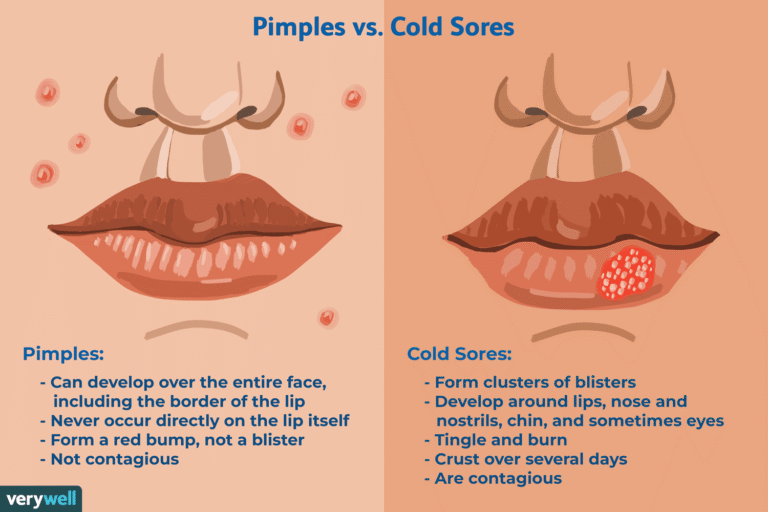
One of the most tempting, yet most damaging, habits is picking at or squeezing blackheads. While it might feel like you're getting rid of the problem, this action can actually push bacteria deeper into the pore. This can lead to inflammation, infection, and the development of more severe acne.

Image source: Web (Bing) / kr.pinterest.com (Web image (fair-use with source credit))
- Risk of scarring: Aggressive squeezing can rupture the follicle wall. This not only causes immediate inflammation but can also lead to post-inflammatory hyperpigmentation or even permanent scarring. Addressing Can Acne Leave Permanent Scars: Causes And Prevention highlights the long-term consequences.
- Spread of bacteria: Your fingertips carry bacteria, which can easily be transferred to your skin, exacerbating existing issues and potentially causing new ones.
Why Harsh Scrubs and Aggressive Strips Can Backfire
Physical exfoliants, like harsh scrubs with large, jagged particles, can create micro-tears in the skin's surface. This can compromise your skin barrier, leading to increased sensitivity and redness. For some skin types, this irritation can even stimulate more oil production, worsening the problem.
Pore strips, while offering a momentarily satisfying visual of what’s been removed, can be too aggressive for many. They essentially rip the top layers of the pore lining and anything within it. This can cause significant redness, irritation, and for those with sensitive skin or conditions like rosacea, can lead to broken capillaries.
Their use is generally discouraged by dermatologists as a safe, long-term blackhead solution.
Building Your Blackhead-Busting Routine
Creating a consistent skincare routine is the most effective way to manage blackheads. It's not about a single miracle product, but a combination of daily care and targeted treatments. Consistency ensures that your pores are regularly cleansed and oil production is balanced, preventing future clogs.
Morning & Evening Cleansing
Start and end your day with a gentle cleanser. This removes surface oil, sweat, and any impurities that have accumulated. If you're using a cleanser with salicylic acid or benzoyl peroxide, it adds an extra layer of pore-clearing action to your daily regimen.
- Morning: A gentle cleanse wakes up your skin and removes any oil or sweat from the night.
- Evening: This step is crucial for removing makeup, sunscreen, and the day's grime, preparing your skin for treatments.
Applying Treatments Effectively
This is where your targeted ingredients come into play. Whether it's a salicylic acid serum, a retinoid, or a benzoyl peroxide spot treatment, application is key. Always apply treatments to clean, dry skin.
- Drying time: Allow your cleanser and any other preceding products to dry completely before applying treatments like retinoids to minimize irritation.
- Spot treatments: For targeted care, apply a small amount directly to the blackhead area.
- Serums/Toners: Apply an even layer over the affected areas, following product instructions.
Moisturizing & Sun Protection: Non-Negotiables
Even if you have oily skin, moisturizing is essential. Skipping this step can cause your skin to overcompensate by producing even more oil. Opt for lightweight, oil-free, and non-comedogenic formulas that won't clog pores.
Additionally, daily sunscreen application is vital, especially when using ingredients like retinoids or AHAs that increase sun sensitivity. A broad-spectrum SPF 30 or higher protects against UV damage and helps prevent dark spots from forming after breakouts. Research indicates Can Sunscreen Help Prevent Acne: SPF Tips For Clear Skin highlights this importance.
When to Call in the Pros
Sometimes, despite your best efforts with over-the-counter products and consistent routines, blackheads can be stubborn. If you're finding that your pores remain persistently clogged, or if you're experiencing significant inflammation, redness, or discomfort, it's a good sign to seek professional advice. Dermatologists are experts in skin health and can accurately diagnose the cause of your breakouts and recommend the most effective treatment plan.
They have access to prescription-strength treatments and advanced procedures that can offer more potent results. Don't hesitate to schedule a consultation if you've tried multiple approaches without success. Early intervention can prevent more serious skin issues, like scarring, and guide you toward clearer skin more efficiently.
What can a dermatologist do for blackheads?
A dermatologist can offer several solutions beyond what's available in drugstores. They might prescribe stronger topical retinoids or other targeted medications. For more immediate results, they can perform professional extractions, which are done using sterile tools and techniques to minimize the risk of infection and scarring.
In some cases, chemical peels or microdermabrasion might be recommended to deeply exfoliate the skin and unclog pores. These procedures are performed under controlled conditions, ensuring they are safe and effective for your specific skin type and condition. The dermatologist can also help identify any underlying factors contributing to your acne, such as hormonal imbalances or specific sensitivities.
Frequently Asked Questions About Blackheads
How long does it take to see results from salicylic acid?
Typically, you'll start noticing improvements within 2-4 weeks of consistent use. Results vary based on individual skin type and the severity of the blackheads. Keep using it regularly, as directed, to maintain progress and prevent new clogs from forming.
Can makeup cause or worsen blackheads?
Yes, some makeup products, especially those that are heavy or contain pore-clogging ingredients (comedogenic), can contribute to blackheads. It's important to choose non-comedogenic makeup and always remove it thoroughly before bed. Research indicates Can Makeup Cause Acne: Causes And Prevention provides more detailed information on this topic.
Are pore strips effective for removing blackheads permanently?
Pore strips can offer a temporary visual removal of the blackheads' tops, but they don't address the underlying cause. The pore will likely become clogged again as oil and dead skin cells accumulate. They can also be harsh, potentially irritating the skin, and are not a long-term solution for preventing blackheads.
Can stress or diet affect my blackheads?
Yes, both stress and diet can play a role in skin health and breakouts. While the exact mechanisms are complex, studies suggest that high-stress levels and certain dietary factors, like high-glycemic foods, can influence hormonal balance and inflammation, potentially contributing to clogged pores. Exploring Does Diet Affect Acne: Best Foods And Facts or Can Stress Cause Acne: How Stress Triggers Breakouts can offer more context.