What Causes Acne?: Common Triggers And Proven Tips
Acne usually develops when clogged pores, extra oil, hormones, bacteria, and inflammation work together.
What causes acne is more complex than poor hygiene or eating chocolate. Acne begins inside the pore, where oil, dead skin cells, hormones, and inflammation can combine to form blackheads, whiteheads, pimples, or deeper cysts. This guide explains the science in simple terms, clears up common myths, and shares practical steps that can help protect your skin.
What causes acne?
Acne starts in a tiny hair follicle, often called a pore. Each follicle contains a sebaceous gland that makes sebum, an oily substance that helps keep skin soft. When the gland makes too much sebum, the pore can become blocked.
Four main changes usually drive acne:
• Excess oil production
• A buildup of dead skin cells
• Growth of Cutibacterium acnes bacteria inside blocked pores
• Inflammation from the body’s immune response
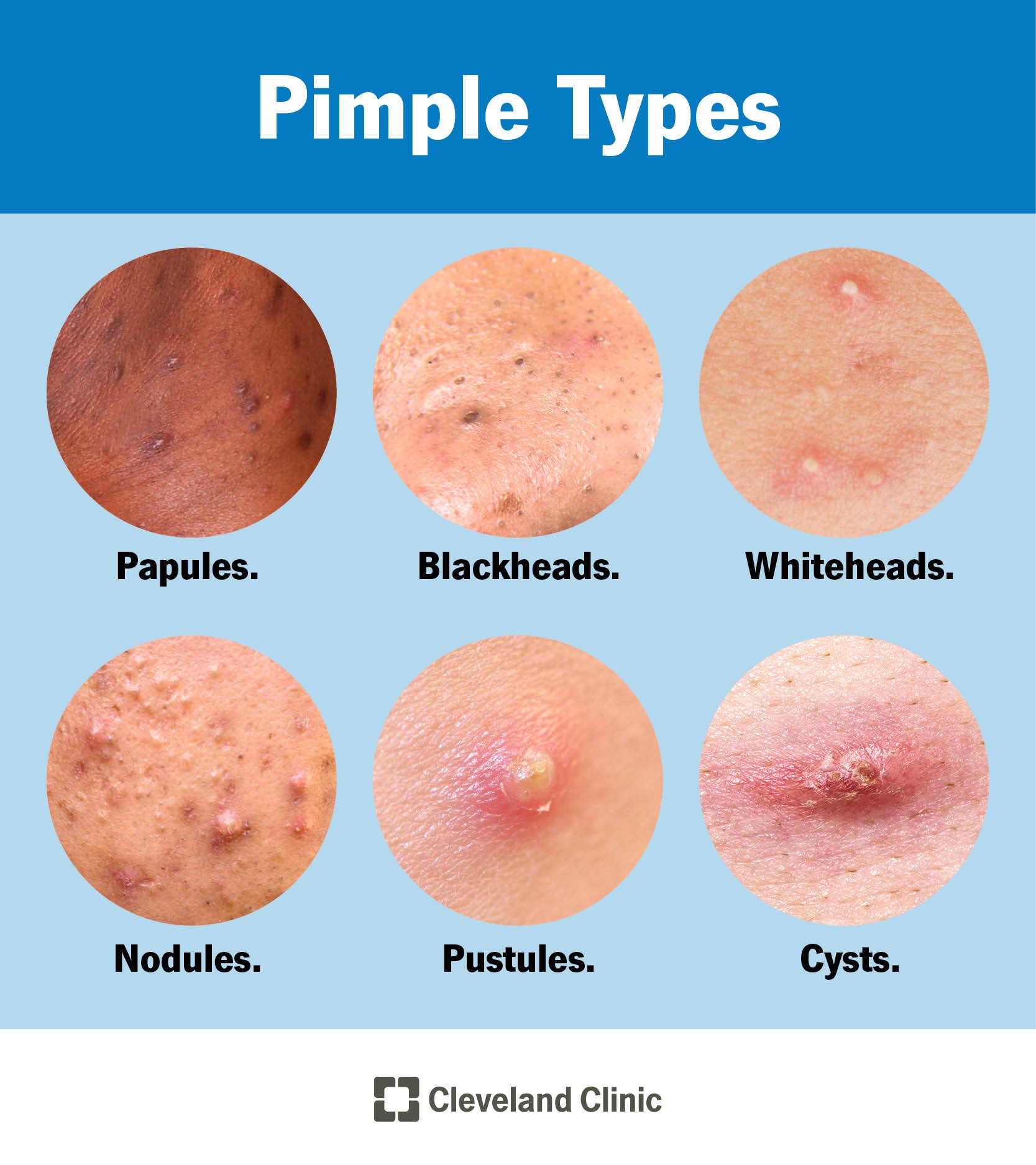
A clogged pore is like a small traffic jam. Oil and skin cells enter the pore, but the mixture cannot move out well. As pressure and inflammation build, the pore may become a blackhead, whitehead, red bump, pustule, or painful cyst.
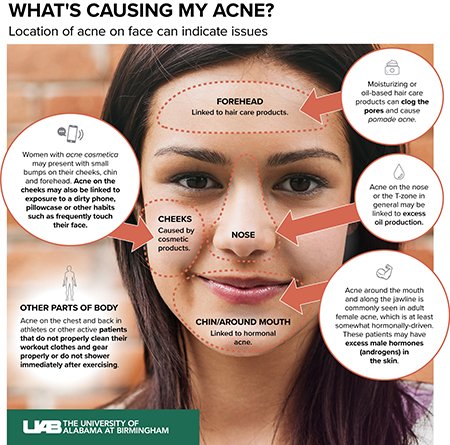
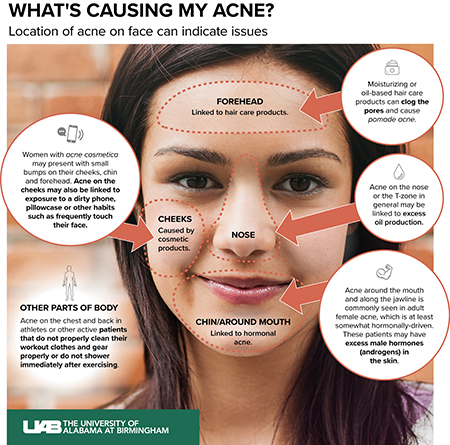
What causes acne can differ from person to person. One person may mainly have hormonal acne along the jawline, while another may develop forehead bumps from hair products, sweat, or friction. Many people have more than one trigger at the same time.
How clogged pores lead to pimples
A pimple does not appear from nowhere. It often develops through a series of steps:
- The sebaceous gland produces oil.
- Dead skin cells become sticky and do not shed normally.
- Oil and skin cells form a plug inside the follicle.
- Air may darken the exposed plug, creating a blackhead.
- A closed plug may become a whitehead.
- Bacteria multiply in the trapped oil.
- The immune system creates redness, swelling, and tenderness.
Blackheads are not caused by dirt. Their dark color comes from a chemical reaction called oxidation, not from poor washing. Scrubbing them hard can irritate the skin and make inflammation worse.
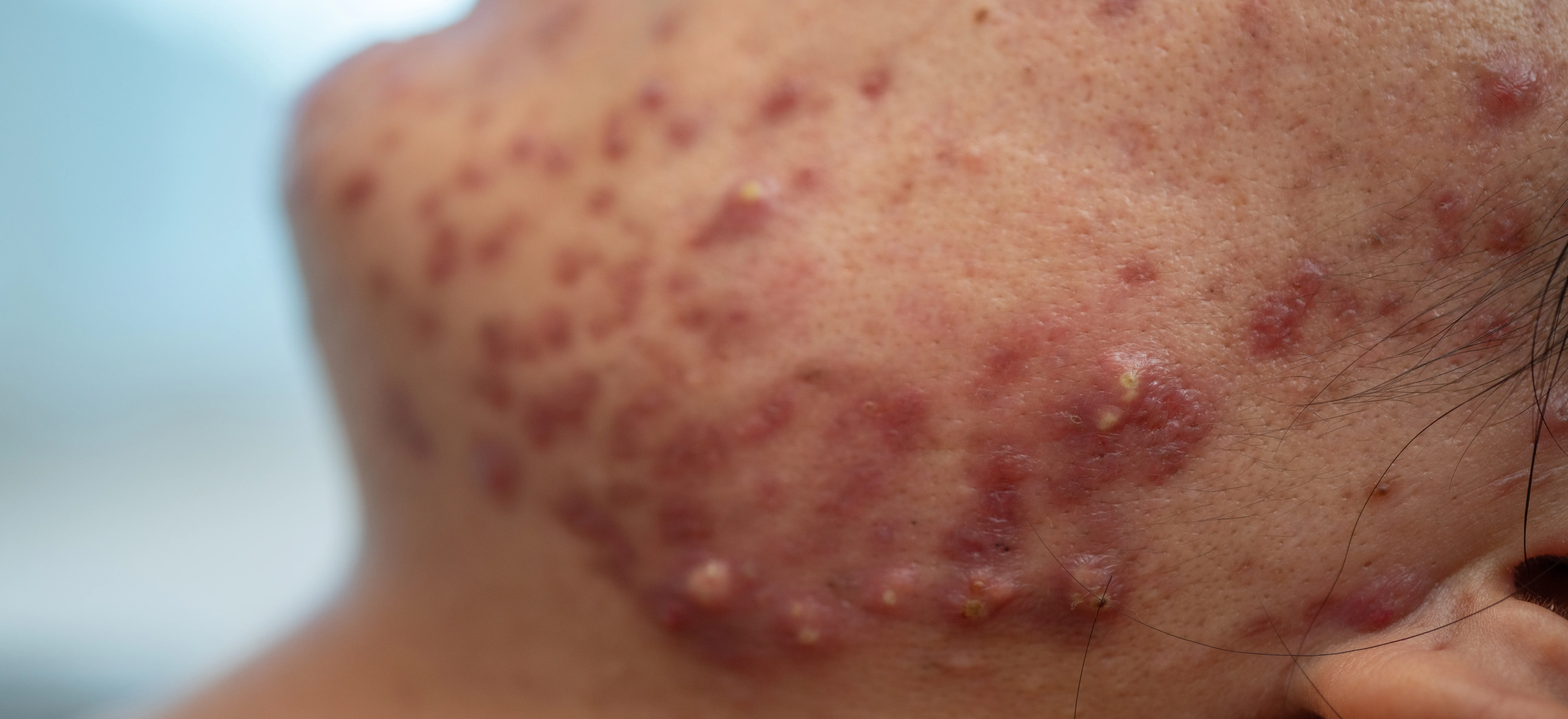
Whiteheads form when the pore stays closed at the surface. Papules are small, red, raised bumps. Pustules contain visible pus. Nodules and cysts form deeper in the skin and can cause scars.
This process explains what causes acne at a basic level: a blocked pore becomes an inflamed pore. The deeper the inflammation, the greater the risk of dark marks and permanent scars.
Hormones and acne
Hormonal changes are one of the most common answers to what causes acne. Androgens, including testosterone, can increase oil production and make the sebaceous glands more active. This effect can occur in people of all genders.
Hormonal acne often appears:
• During puberty
• Before or during a menstrual period
• During pregnancy
• After stopping or starting some forms of birth control
• During times of hormonal imbalance
• Around the lower face, jawline, chin, and neck
Puberty is a common time for acne because androgen levels rise quickly. However, adults can also develop acne for the first time. Adult acne is especially common in women, though it can affect anyone.
Some people with irregular periods, excess facial hair, scalp hair thinning, or sudden severe acne may have an underlying hormone condition, such as polycystic ovary syndrome. Acne alone does not prove that a hormone disorder exists, but these symptoms deserve medical attention.
Hormonal changes may also explain why acne seems to follow a monthly pattern. The skin can become oilier before a period, and inflammation may rise at the same time.
:max_bytes(150000):strip_icc()/Health-acne-skin-map-A-3a2c4602277649ae981a4bd8d57f65fa.jpg)
Genetics and family history
Your genes can influence what causes acne and how severe it becomes. If a parent or sibling had severe acne, you may have a higher chance of developing it too. Genetics can affect oil production, pore structure, inflammation, and how your skin heals.
Family history does not mean that acne is unavoidable. It means your skin may be more sensitive to common triggers. Two people can use the same skin care products and have very different results because their skin biology is not the same.
Genetics also affect the risk of acne scars. Some people develop dark marks or raised scars after small pimples, while others heal with little visible change. Early treatment can reduce the chance of lasting damage.
A useful lesson is not to compare your skin with a friend’s skin. The same routine may work well for one person and irritate another. Skin care should match your oil level, sensitivity, acne type, and medical needs.
Can stress cause acne?
Stress is not the only answer to what causes acne, but it can make existing acne worse. During stress, the body releases hormones that may increase oil production and inflammation. Stress can also affect sleep and daily habits.
When people feel overwhelmed, they may:
• Touch or pick their face more often
• Sleep less
• Skip skin care
• Eat more high-sugar foods
• Use harsh products in an attempt to “fix” acne quickly
These habits can create a cycle. A breakout causes stress, stress changes behavior, and those changes may worsen the breakout.
Stress does not mean acne is your fault. Acne is a medical skin condition, not a sign of weak self-control. Better sleep, movement, relaxation, and support may help your overall health, but they should not replace proven acne treatment when acne is persistent or painful.

Food and diet: what does the evidence show?
People often ask what causes acne in relation to food. The answer is not simple. Current evidence suggests that some diets may influence acne for certain people, but food is rarely the sole cause.
Research has found possible links between acne and:
• High-glycemic foods, such as sugary drinks, candy, white bread, and some refined snacks
• Large amounts of skim milk in some studies
• Overall eating patterns that may increase blood sugar and inflammation
A high-glycemic diet can raise blood sugar quickly. This may affect insulin and other hormone signals linked to oil production and inflammation. Still, studies do not prove that one food directly causes every breakout.
Chocolate is not a proven universal cause of acne. However, chocolate products with a lot of sugar or milk may affect some people. Instead of removing many foods at once, track patterns for several weeks and discuss major diet changes with a health professional.
A balanced eating pattern with vegetables, fruit, beans, whole grains, protein, and healthy fats supports general health. It should not be used as a replacement for topical or prescription acne treatment.
Skin care products and cosmetics
Some makeup, sunscreen, moisturizers, and hair products can clog pores or irritate sensitive skin. This is one reason what causes acne may be hard to identify. A product may be safe for most people but trigger bumps in someone with acne-prone skin.
Look for labels such as:
• Noncomedogenic
• Oil-free
• Won’t clog pores
• Fragrance-free, especially if your skin is sensitive
These labels can help, but they are not perfect guarantees. A product may still irritate your skin or cause bumps. Introduce one new product at a time so you can notice a reaction.
Hair products may cause small bumps along the forehead, hairline, and upper back. Oils, waxes, pomades, and heavy conditioners can move onto the skin while you sleep or sweat. Keep hair products away from the face and wash pillowcases regularly if you notice this pattern.
Do not sleep in makeup. Remove it gently, then use a mild cleanser. Scrubbing, alcohol-based toners, and strong brushes can damage the skin barrier and lead to more redness.
Sweat, friction, and pressure
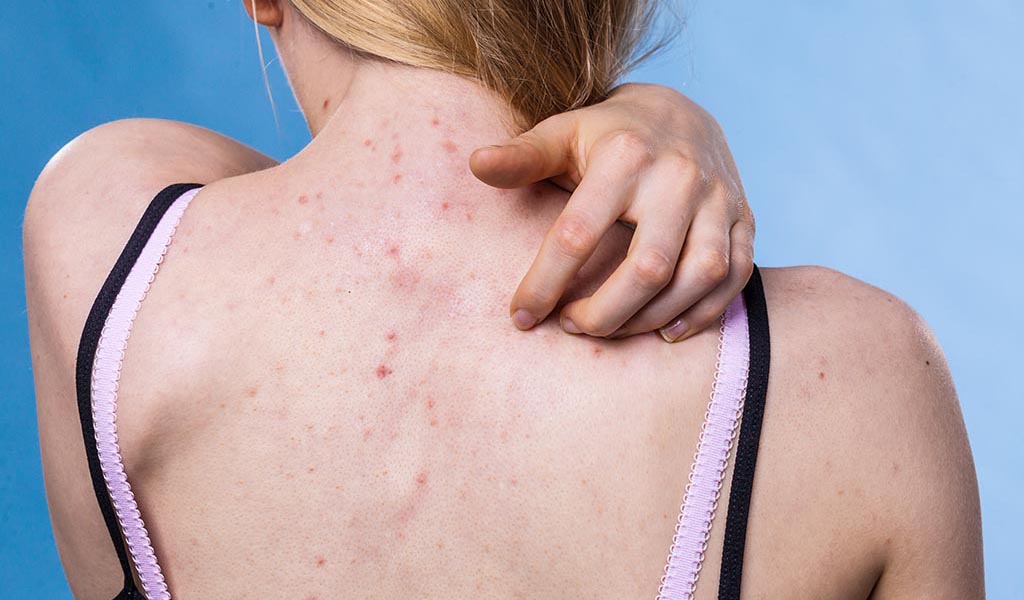
Sweat alone does not always cause acne, but sweat mixed with oil, bacteria, and friction can block pores. Tight clothing, helmets, masks, chin straps, sports equipment, and backpack straps may create a type of acne called acne mechanica.
This form often appears where pressure and rubbing occur. It can affect the forehead under a helmet, the shoulders beneath straps, or the cheeks under a mask.
Helpful steps include:
• Shower or cleanse gently after heavy sweating
• Wear clean, breathable clothing
• Wash sports gear and helmet liners often
• Avoid tight straps when possible
• Do not sit in sweaty clothes for long periods
• Use clean towels and avoid sharing them
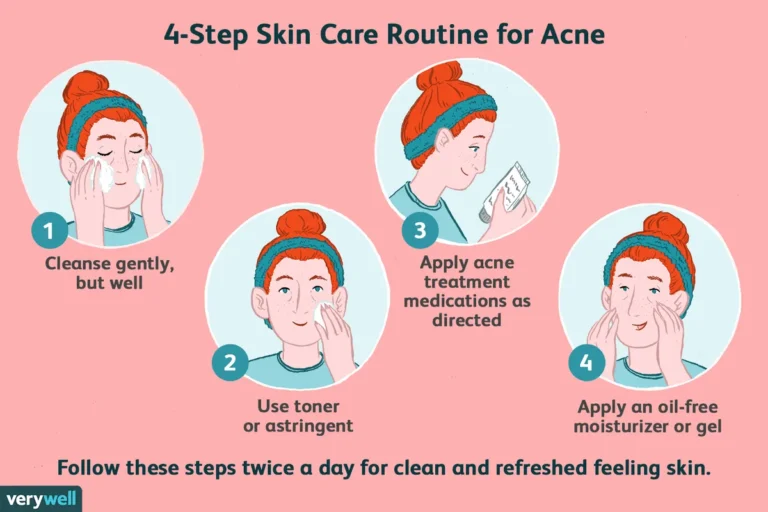
Washing your face many times a day is not the answer to what causes acne. Too much washing can remove protective oils, cause dryness, and increase irritation. Gentle cleansing twice a day is usually enough.
Medicines and health conditions
Some medicines can trigger acne-like eruptions or worsen existing acne. Examples may include corticosteroids, lithium, some seizure medicines, and certain hormone-related treatments. Do not stop a prescribed medicine on your own.
Speak with the prescriber if acne begins soon after starting a medicine. They can decide whether the medication is involved and whether another option is safe.
Health conditions may also affect the skin. Sudden, severe, or unusual acne can sometimes occur with hormonal disorders or other medical problems. Seek professional advice if acne appears with irregular periods, excess hair growth, sudden weight changes, or other new symptoms.
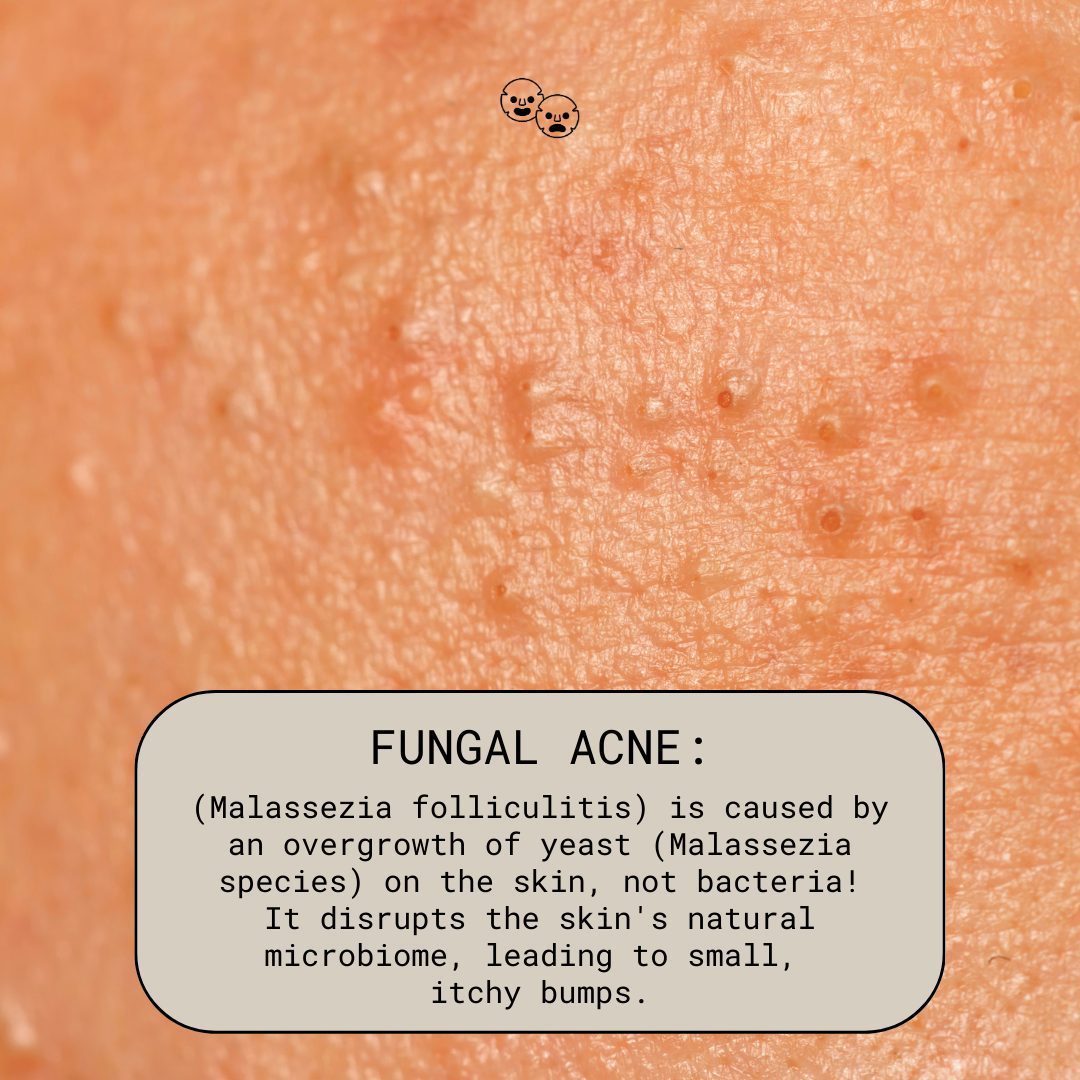
Not every acne-like rash is common acne. Rosacea, folliculitis, perioral dermatitis, and allergic reactions can look similar but need different care. A dermatologist can identify the pattern and avoid unnecessary treatment.

What does not cause acne?
Many old myths make people feel ashamed. Acne is not caused by being dirty, lazy, or careless. Washing harder will not remove the biological factors that cause blocked pores.
Common myths include:
• Acne is caused by poor hygiene. In reality, acne begins deeper in the pore.
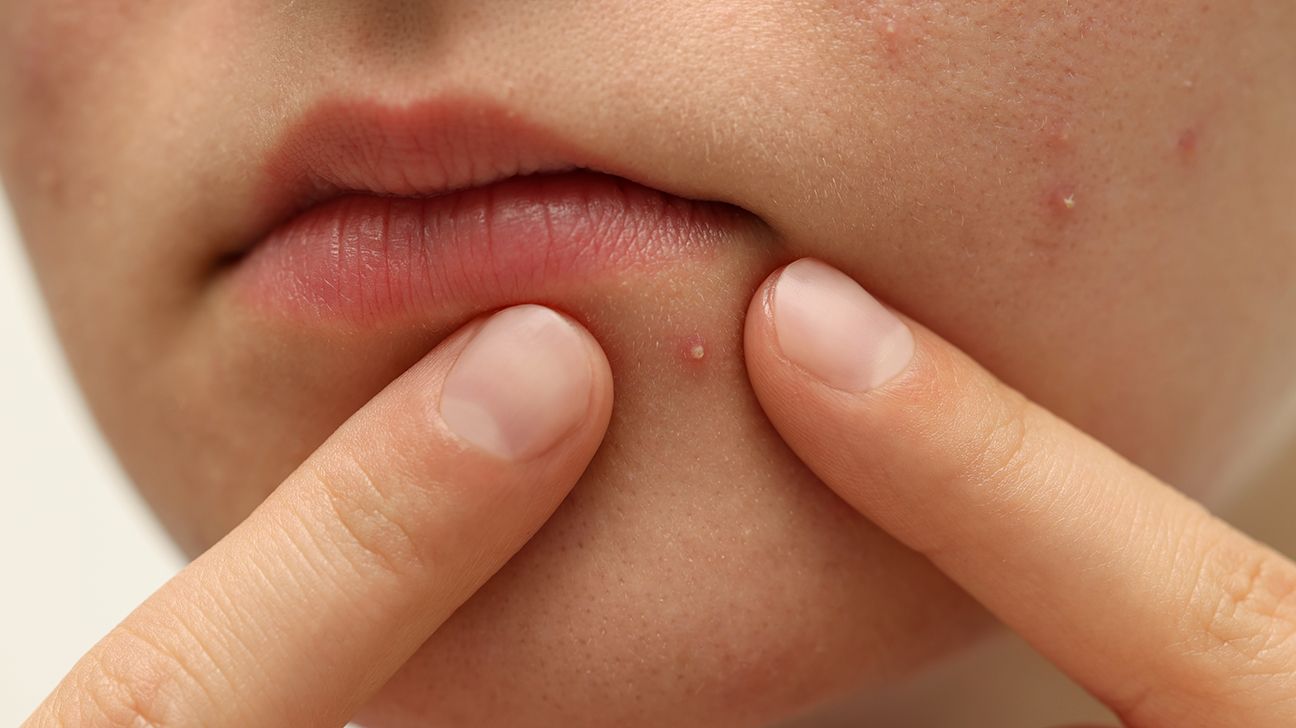
• Popping pimples makes them heal faster. It can push inflammation deeper and increase scarring.
• Tanning clears acne. It may temporarily hide redness, but ultraviolet exposure damages skin and can darken acne marks.
• Toothpaste treats pimples. It may burn or irritate the skin.
• Only teenagers get acne. Adults can develop acne at any age.
• You must stop all oily foods. There is no universal food rule that prevents acne.
Understanding what causes acne helps replace blame with a better plan. Your skin is not dirty, and a breakout is not a personal failure.
Practical steps to prevent and manage acne
You cannot control every cause of acne, especially genetics and hormones. You can, however, reduce irritation and support clearer skin with consistent habits.
- Wash gently twice a day and after heavy sweating.
- Use lukewarm water and your fingertips.
- Choose noncomedogenic skin care and makeup.
- Avoid picking, squeezing, and harsh scrubs.
- Keep hair clean and away from your face.
- Wash pillowcases, hats, towels, and sports equipment often.
- Introduce one new product at a time.
- Use sunscreen to help prevent dark marks.
- Give an acne treatment several weeks to work.
- Seek medical care for painful, deep, widespread, or scarring acne.
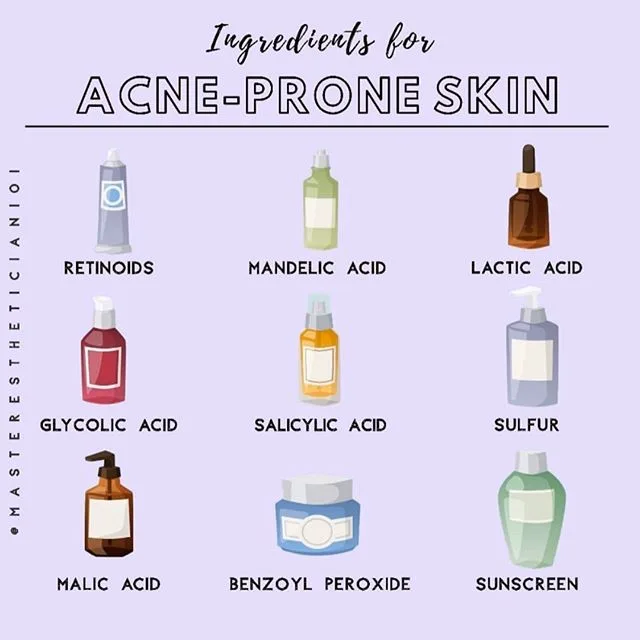
Common over-the-counter ingredients include benzoyl peroxide, salicylic acid, and adapalene. Benzoyl peroxide helps reduce acne-causing bacteria and inflammation. Salicylic acid helps loosen dead skin cells. Adapalene, a topical retinoid, helps prevent clogged pores.
Start slowly. Use a small amount, follow the product directions, and apply moisturizer if your skin becomes dry. Irritation can make acne look worse, so more product is not always better.
If you are pregnant, trying to become pregnant, or breastfeeding, ask a health professional before using acne medicines. Some treatments are not appropriate during pregnancy.
When to see a dermatologist
Mild acne may improve with a steady home routine. Professional care is wise when acne is painful, deep, widespread, or leaving scars and dark marks.
Make an appointment if:
• Acne does not improve after consistent over-the-counter care
• You have nodules or cysts
• You notice pitted or raised scars
• Breakouts affect your mood or confidence
• Acne suddenly becomes severe
• You suspect a medicine or health condition is involved
• You are unsure whether the rash is acne
A dermatologist may recommend prescription retinoids, antibiotics, hormonal treatment, or isotretinoin, depending on the type and severity of acne. Each option has benefits, risks, and limits. Treatment should be personalized rather than based on social media advice.
One practical lesson from acne care is that patience matters. Many treatments need six to eight weeks before improvement becomes clear. Changing products every few days can irritate the skin and make it impossible to know what works.
Frequently Asked Questions
What causes acne on the face?
Acne on the face usually comes from clogged pores, extra oil, dead skin cells, bacteria, and inflammation. Hormones, genetics, stress, skin products, and friction can make these changes more likely.
Can dirty skin cause acne?
No. Dirt is not the main cause of acne. Acne develops inside blocked hair follicles, and harsh washing can irritate the skin and worsen redness.
Does stress cause acne?
Stress may worsen acne by affecting hormones, oil production, inflammation, sleep, and skin-picking habits. Stress is usually a contributing factor rather than the only cause.
Can certain foods cause acne?
Some studies link high-glycemic foods and large amounts of skim milk with acne in some people. Food effects vary, so avoid extreme restriction and track your own patterns with professional guidance.
Why do adults get acne?
Adults can get acne because of hormones, genetics, stress, medications, cosmetics, or health conditions. Adult acne often appears around the jawline, chin, and lower face, but it can occur anywhere.
Does popping a pimple make acne worse?
Popping can push oil and bacteria deeper into the skin. It may increase inflammation, delay healing, and raise the risk of scars or dark marks.
How long does acne treatment take to work?
Many acne treatments need six to eight weeks before clear improvement appears. Severe acne may need longer care and prescription treatment from a dermatologist.
Conclusion
What causes acne is usually a mix of clogged pores, excess oil, hormones, bacteria, inflammation, and genetic risk. Stress, friction, certain products, medicines, and diet may add to the problem, but acne is not caused by poor hygiene or personal failure.
Use gentle skin care, avoid picking, choose noncomedogenic products, and give treatments time to work. If acne is painful, persistent, or leaving scars, contact a dermatologist for a plan that fits your skin. Explore trusted skin care resources, talk with a qualified professional, and share your experience in the comments.