Can Stress Cause Acne: How Stress Triggers Breakouts
Yes, stress can contribute to acne by raising hormones, oil production, inflammation, and habits that affect your skin.
Can stress cause acne? The answer is more nuanced than a simple yes or no. Stress may not create acne from nothing, but it can worsen clogged pores, trigger inflammation, and slow healing. This guide explains the biology behind stress acne, how to tell it apart from other breakouts, and what you can do to help your skin and your stress levels.
Can stress cause acne?
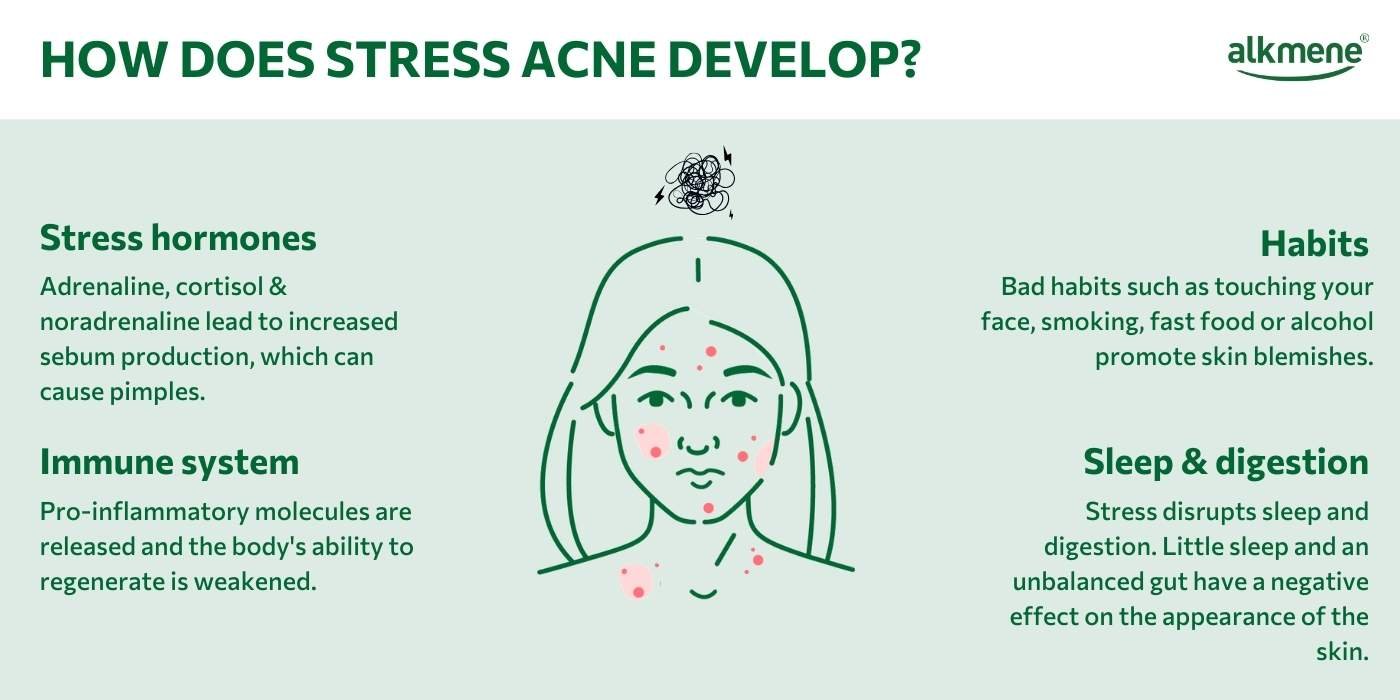
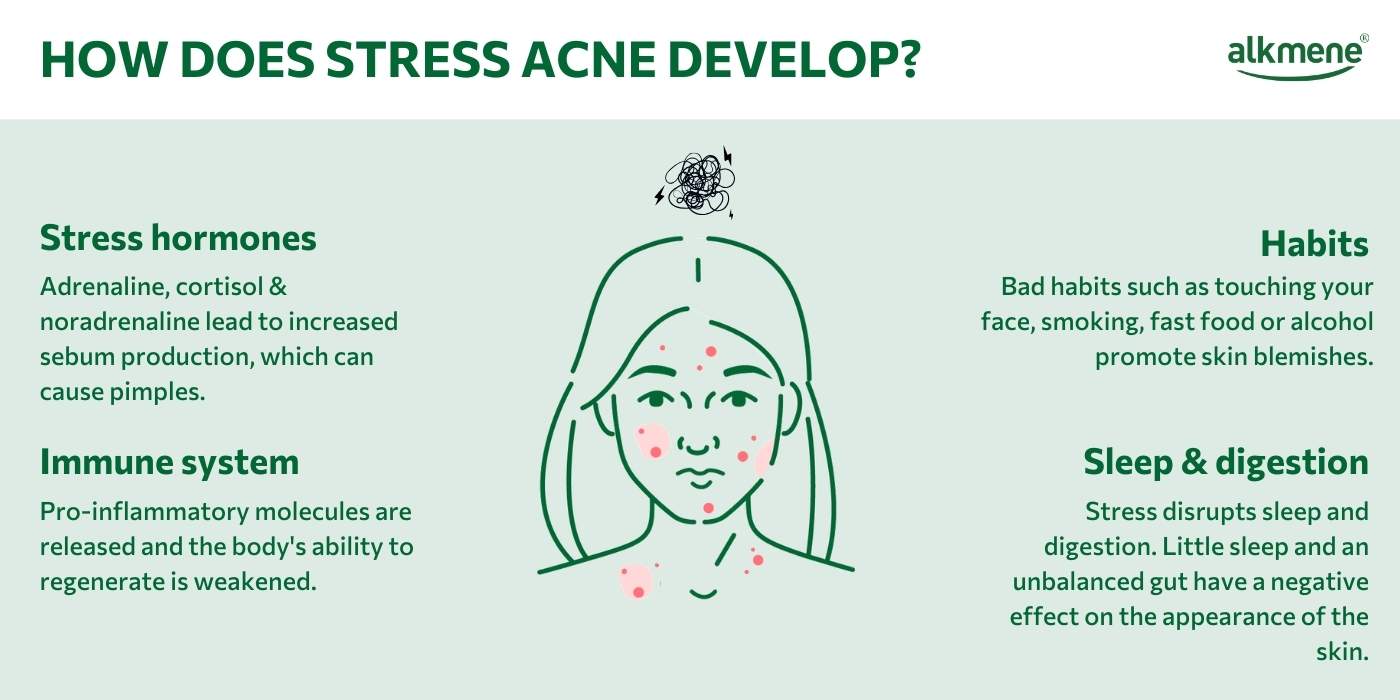
Stress can contribute to acne, especially if you already have acne-prone skin. When you feel stressed, your body releases hormones such as cortisol and adrenaline. These hormones help you respond to pressure, but ongoing stress may affect your skin in several ways.
Cortisol can increase oil production in some people. Extra oil can mix with dead skin cells and block pores. A blocked pore creates an ideal setting for acne-causing bacteria and inflammation.
Stress can also affect the immune system and skin barrier. This may make red, swollen pimples more likely or make existing acne take longer to heal. Research has found a link between psychological stress and more severe acne, although stress is only one part of the picture.
Can stress cause acne in everyone? No. Some people notice a clear flare during exams, work deadlines, illness, or major life events. Others see little change. Genetics, hormones, skin care, medications, sleep, and diet may also shape your acne pattern.
How stress affects your skin
Stress does not act like a single acne switch. It affects several body systems at the same time. Think of it as turning up the volume on problems that may already be present.
Stress hormones and oil production
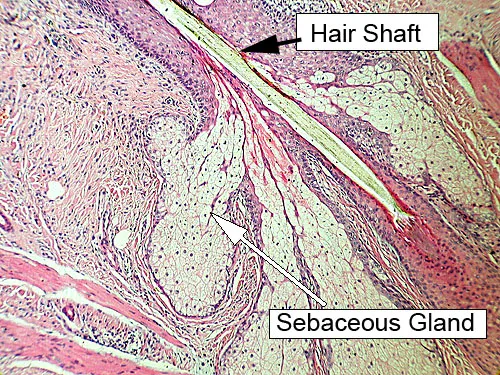
Your skin contains sebaceous glands. These glands make sebum, an oily substance that protects the skin. When hormone levels shift, the glands may produce more sebum.
Too much sebum can make pores feel greasy and easier to clog. This is one reason some people notice more acne during stressful weeks.
Inflammation
Acne is an inflammatory condition. Stress may increase inflammatory signals in the body. This can make pimples look more red, tender, and swollen.
Inflammation may also make small clogged pores develop into larger papules, pustules, or cysts. This does not mean every stressful day will cause a breakout. It means long-term stress may make your skin more reactive.
Slower skin healing
The skin repairs itself every day. Long-lasting stress may interfere with that repair process. As a result, a pimple may remain active longer or leave a temporary red or dark mark.
People with deeper skin tones may be more likely to notice post-inflammatory hyperpigmentation after acne heals. Avoiding picking is especially important because squeezing can increase the chance of lasting marks.
Stress-related habits
Stress often changes behavior. You may:
- Touch your face more often
- Pick or squeeze pimples
- Sleep less
- Skip skin care
- Forget to remove makeup
- Eat irregularly
- Exercise less or sweat more
- Use harsh products to “fix” a breakout quickly
These habits can worsen acne even when stress itself is not the direct cause.
Source: tsskincare.com
What does stress acne look like?
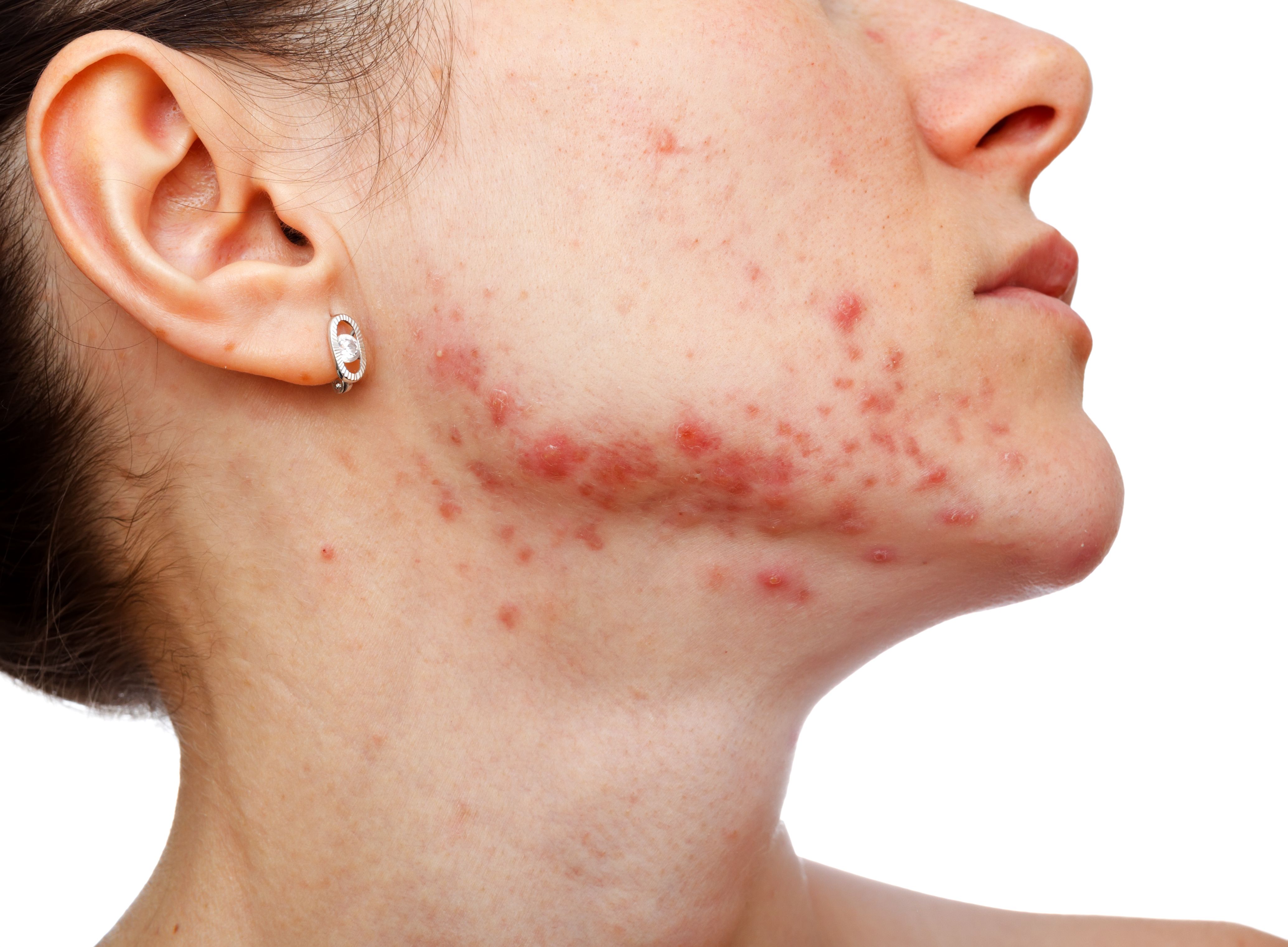
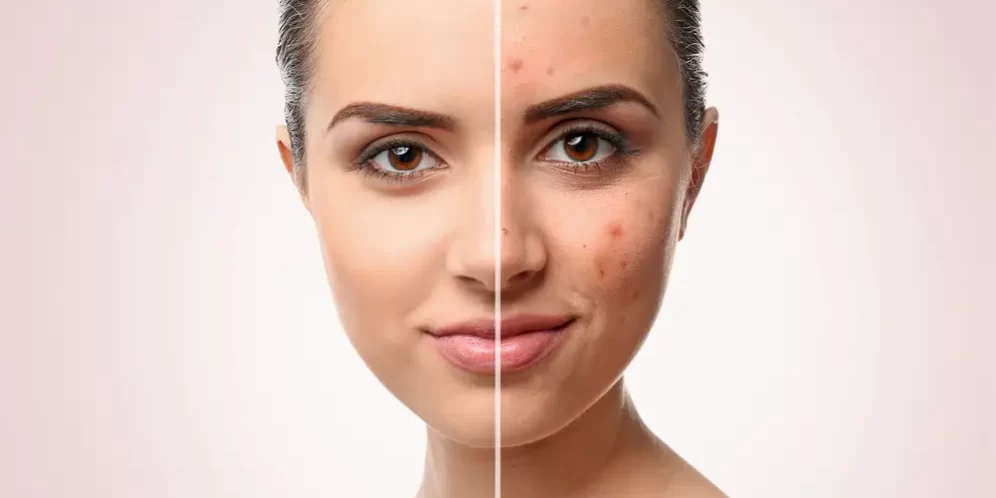
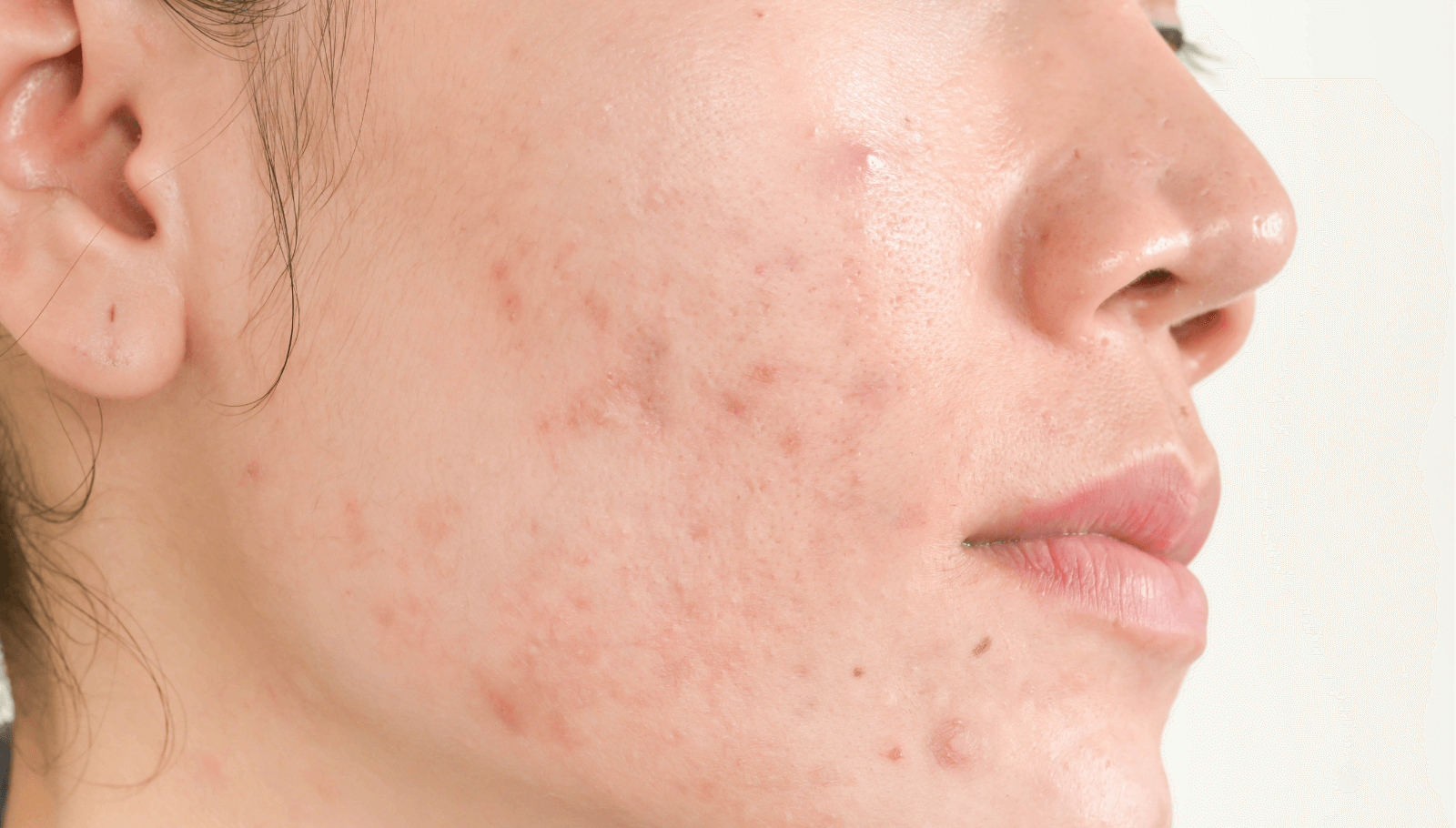
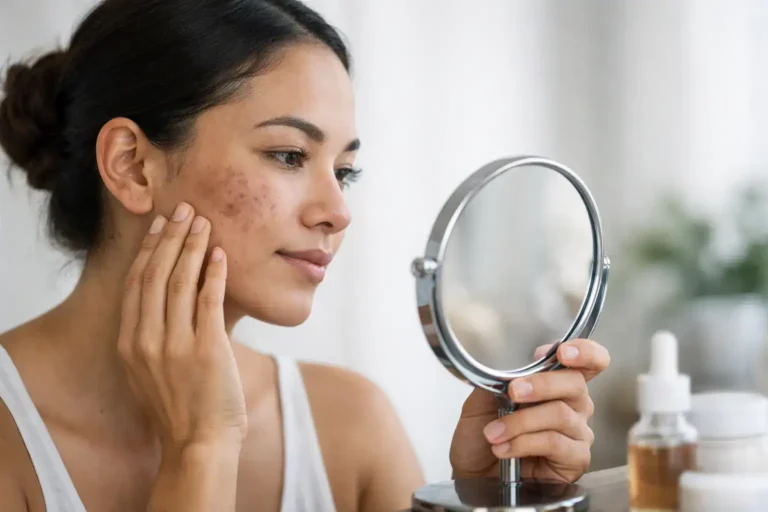
Stress acne can look like other forms of acne. There is no single rash or pimple type that proves stress is the cause.
Many people notice:
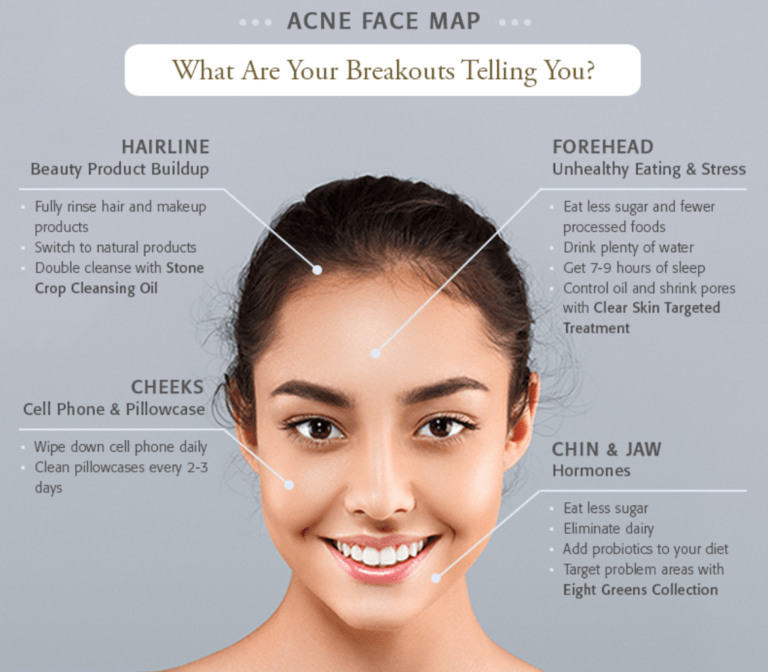
- More small red bumps on the forehead, cheeks, or chin
- Whiteheads and blackheads
- Tender pimples that appear in clusters
- More breakouts during stressful events
- Acne that improves after sleep and stress levels improve
- Increased picking or irritation around existing pimples
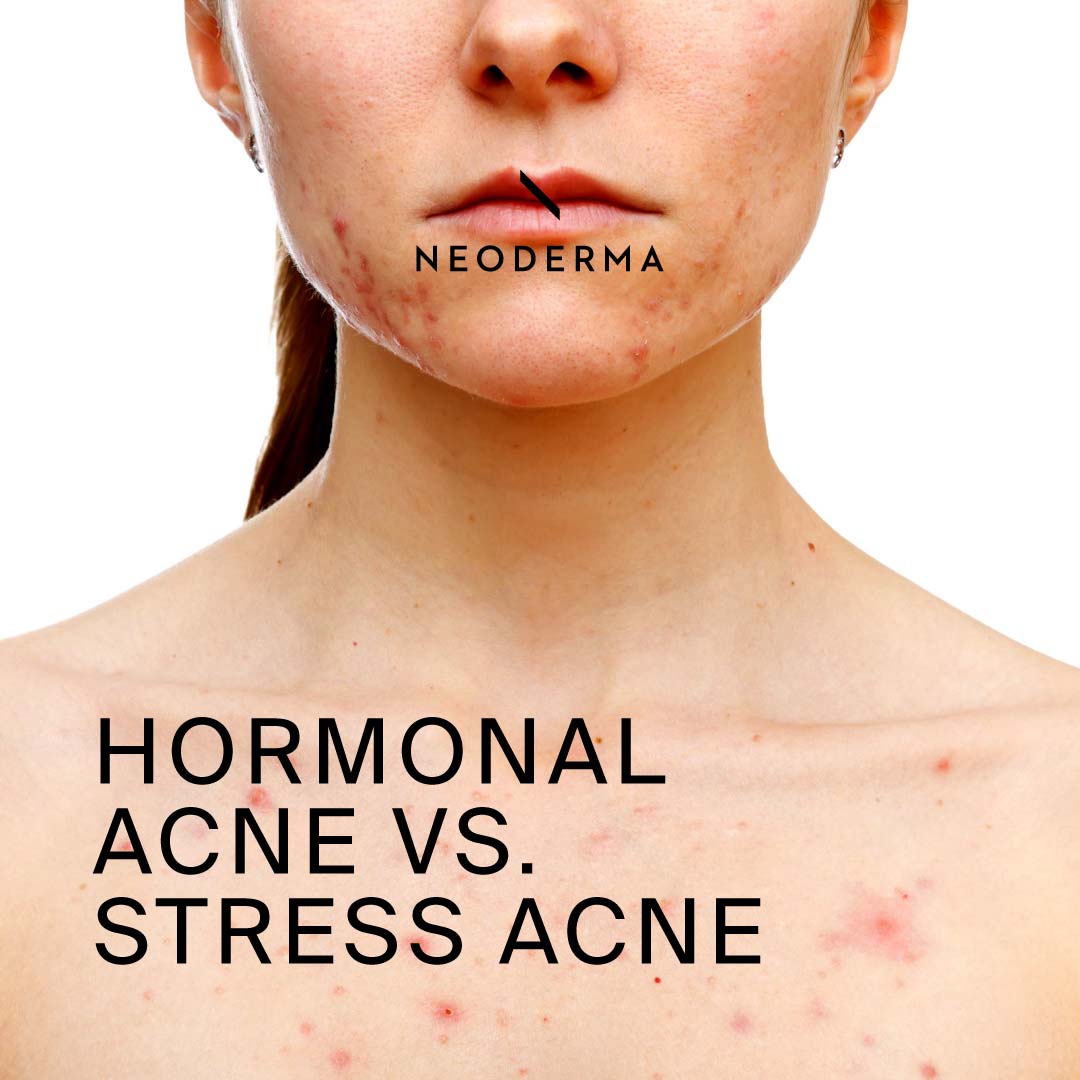
Stress acne may appear on the face, chest, shoulders, and upper back. Sweat, friction, tight clothing, and hair products can also cause acne in these areas.
A sudden breakout around the mouth may have another cause. For example, perioral dermatitis can look like acne but often needs different care. It may cause small red bumps, burning, or dry, flaky skin around the mouth and nose.
Can stress cause acne that appears overnight? A pimple may seem to appear overnight, but the pore often began clogging days or weeks earlier. Stress may speed up inflammation and make the problem more noticeable.
Source: calmclinic.com
Stress acne versus other acne triggers
It is easy to blame every breakout on stress. However, acne often has several causes. Finding the right pattern can help you choose better treatment.
Hormonal acne
Hormonal acne often appears around the chin, jawline, and lower face. It may flare before a menstrual period or during other hormone changes.
Hormonal acne can be deep, painful, and slow to heal. Stress may worsen it, but hormonal shifts may be the main driver.
Product-related acne
Some skin, hair, and makeup products can clog pores. Oils, waxes, pomades, and heavy creams may cause bumps along the hairline, forehead, neck, or back.
Look for products labeled noncomedogenic. This means they are designed to be less likely to block pores, although no product works perfectly for everyone.
Friction and sweat
Helmets, masks, chin straps, collars, and tight workout clothing can trap heat and sweat. Repeated rubbing may lead to acne mechanica, a type of acne caused by pressure and friction.
Wash sweaty skin gently after exercise. Clean items that touch your face, such as phone screens, pillowcases, hats, and helmet straps.
Medication-related acne
Some medicines may trigger acne-like eruptions. Steroids, lithium, some seizure medicines, and certain hormone treatments can play a role.
Do not stop a prescribed medicine without speaking with your health care professional. A clinician can help decide whether the medication or another condition is affecting your skin.

Source: mohs-md.com
How to manage stress-related acne
The best approach treats both sides of the problem: the skin and the stress. You do not need a complex routine. Consistency matters more than using many products.
Build a simple acne routine
Try this basic plan:
- Wash your face gently twice a day and after heavy sweating.
- Use lukewarm water and your fingertips.
- Apply a noncomedogenic moisturizer.
- Wear broad-spectrum SPF 30 or higher during the day.
- Choose one proven acne ingredient and use it consistently.
- Avoid scrubbing, picking, and frequent product changes.
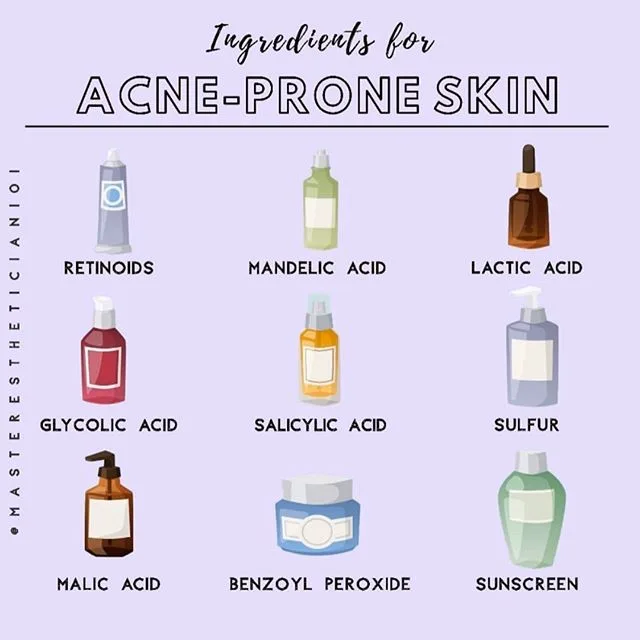
Common over-the-counter ingredients include:
- Benzoyl peroxide, which helps reduce acne-causing bacteria and inflammation
- Salicylic acid, which helps clear excess oil and dead skin from pores
- Adapalene, a topical retinoid that helps prevent clogged pores
- Azelaic acid, which may help acne and leftover dark marks
Start slowly. Apply a small amount every other day if your skin is sensitive. Dryness and irritation can make acne look worse, so more product is not always better.
Reduce stress in realistic ways
Stress management does not need to mean a perfect morning routine or an expensive wellness plan. Small habits can help your nervous system settle.
You might try:
- Taking a 10-minute walk
- Doing slow breathing for two minutes
- Keeping a regular sleep schedule
- Limiting late-night screen use
- Writing down tasks before bed
- Talking with a friend or therapist
- Breaking large tasks into smaller steps
- Practicing gentle exercise
These habits may not clear acne by themselves. They can support sleep, reduce face touching, and make your treatment routine easier to follow.
Avoid common mistakes
A frequent mistake is attacking a stressful breakout with strong scrubs, alcohol-based toners, or several acids at once. This can damage the skin barrier and cause burning, dryness, and more irritation.
Another mistake is expecting fast results. Most acne treatments need several weeks to show clear improvement. Take photos once a week in the same lighting instead of checking your skin many times a day.
Source: thrivecarolinas.com
When should you see a dermatologist?
Consider professional care if acne is painful, deep, spreading, or leaving scars. A dermatologist can check whether you have acne, folliculitis, rosacea, perioral dermatitis, or another skin condition.
You should also seek help if:
- Over-the-counter treatment has not helped after 8 to 12 weeks
- You have frequent cysts or nodules
- Acne is causing dark marks or scars
- Breakouts affect your confidence or daily life
- Acne began after starting a medicine
- You have irregular periods, excess facial hair, or sudden severe acne
- You feel intense anxiety or distress about your skin
A dermatologist may recommend prescription retinoids, benzoyl peroxide combinations, antibiotics, hormonal treatment, or isotretinoin. The right option depends on your acne type, health history, pregnancy status, and treatment goals.
Mental health matters too. Severe stress, anxiety, and depression deserve care just as much as a skin condition. Getting support is not overreacting. It is part of treating the whole person.
Source: alkmene.de
Can stress cause acne scars or dark spots?
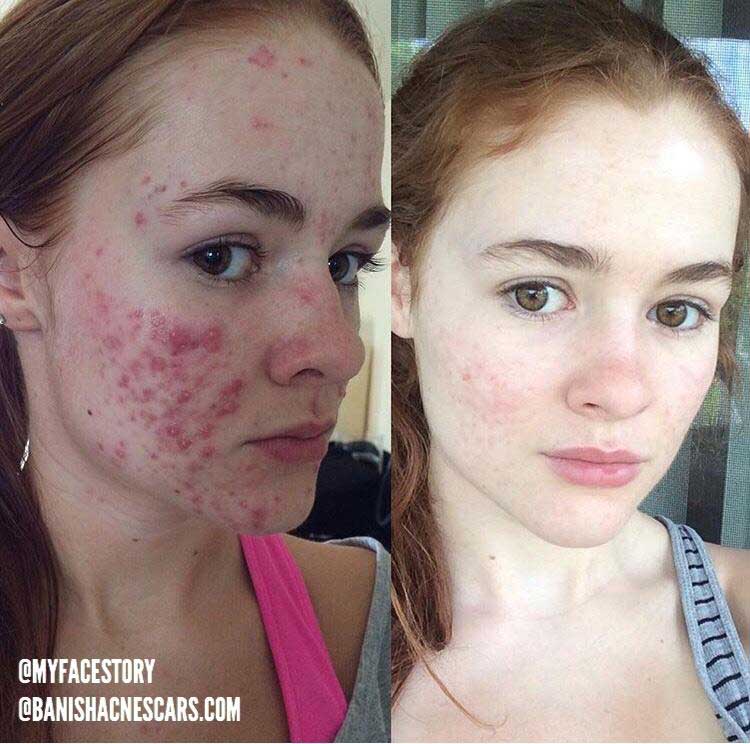
Stress does not usually create a scar by itself. However, stress may lead to picking, squeezing, or rubbing, which can damage the skin and increase the risk of scars.
Inflamed acne is also more likely to leave post-inflammatory marks. These marks may look red, purple, brown, or gray, depending on your skin tone. They often fade over time but may take months.
To reduce the risk:
- Do not squeeze pimples
- Treat acne early
- Use sunscreen every day
- Avoid harsh scrubs
- Keep your routine gentle
- Ask a dermatologist about persistent scars or marks
Sunscreen is especially useful for dark spots because ultraviolet light can make them last longer. Choose a product that feels comfortable enough to use every day.
Source: banish.com
Myths about stress and acne
Myth: Stress is the only cause of acne
Stress is one possible trigger, not the only cause. Acne also involves oil production, dead skin cells, bacteria, inflammation, genetics, and hormones.
Myth: Washing your face more will remove stress acne
Overwashing can strip the skin barrier and cause dryness. Gentle cleansing twice a day is usually enough.
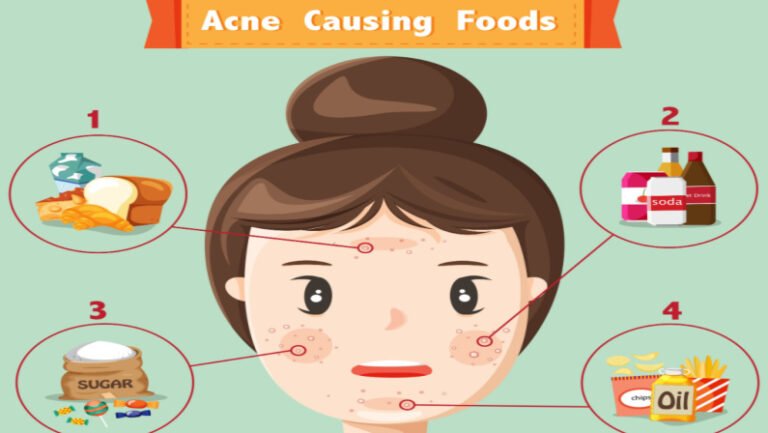
Myth: Chocolate always causes acne
The evidence is not strong enough to say that chocolate causes acne for everyone. Some research links high-glycemic foods and certain dairy products with acne in some people, but individual responses vary.
Myth: You must eliminate all stress to clear your skin
That goal is not realistic. Stress is part of life. A better aim is to reduce chronic stress where possible and use a steady treatment plan.
Myth: Natural products are always safer
Natural ingredients can still irritate the skin or cause allergies. Tea tree oil, essential oils, lemon juice, and undiluted apple cider vinegar may burn or inflame the skin.
Source: neoderma.com
Frequently Asked Questions
Can stress cause acne on the forehead?
Yes, stress may contribute to forehead acne by increasing oil, inflammation, and face touching. Hair products, sweat, hats, and bangs can also clog pores in this area.
How long does stress acne last?
A stress-related flare may improve within a few weeks after the trigger settles, but acne treatment often needs 6 to 12 weeks for clear results. Persistent or painful acne may need prescription care.
Can anxiety cause acne?
Anxiety may contribute to acne through stress hormones, poor sleep, skin picking, and changes in daily habits. Anxiety does not prove that stress is the cause, so other acne triggers should also be considered.
Does lack of sleep cause stress acne?
Poor sleep may increase stress and inflammation, which can worsen acne for some people. Better sleep alone may not clear acne, but it can support skin healing and treatment success.
Can stress cause cystic acne?
Stress may worsen deep, painful acne in people who are already prone to cysts and nodules. Cystic acne can scar, so it is best to seek advice from a dermatologist rather than treating it only at home.
What is the best treatment for stress acne?
The best plan usually combines gentle skin care, a proven acne ingredient, and practical stress management. A dermatologist can create a treatment plan if acne is severe, painful, or not improving.
Conclusion
Can stress cause acne? Yes, stress can worsen acne by affecting hormones, oil, inflammation, healing, sleep, and skin-related habits. Still, stress is only one possible factor, and a breakout does not mean you have done anything wrong.
Use a gentle routine, avoid picking, give treatments time, and look for patterns in your sleep, stress, products, and hormones. If acne is painful, persistent, or leaving scars, schedule an appointment with a dermatologist. Share your experience or questions in the comments, and explore more trusted skin care resources for practical, evidence-based advice.

One Comment