What Skincare Ingredients Should Acne-Prone Skin Avoid?
When you're dealing with acne-prone skin, figuring out which skincare ingredients to use can feel like a minefield. The wrong product can trigger a fresh wave of breakouts, leaving you frustrated. Understanding exactly what skincare ingredients acne-prone skin should avoid is your first step toward a clearer complexion.
It's not just about avoiding one or two things; it's about recognizing patterns of ingredients that commonly cause issues for sensitive, breakout-prone complexions. For example, research compiled by the American Academy of Dermatology indicates that certain ingredients, even in small amounts, can clog pores or irritate the skin. We'll break down what those are and why they matter for your skin's health.
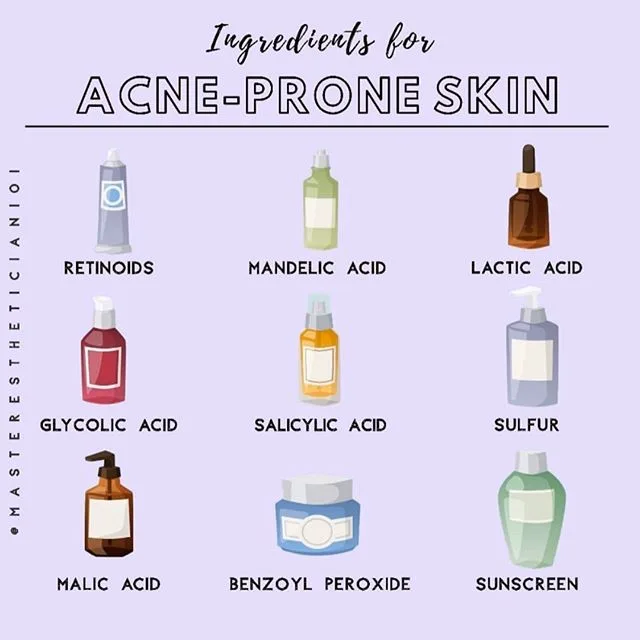
Image source: Bing (Web (fair-use with source credit))
Quick Answer
Acne-prone skin should avoid heavy oils, pore-clogging emollients, and certain harsh chemicals. Specifically, avoid ingredients like mineral oil, isopropyl myristate, and lanolin if you're prone to breakouts. Fragrance and dyes can also irritate sensitive skin.
Always check product labels for these culprits to prevent new blemishes.
What Ingredients Trigger Breakouts?
The long list of ingredients on your skincare labels can be overwhelming, but a few categories consistently cause trouble for acne-prone skin. Identifying these troublemakers is key to building a routine that soothes, rather than aggravates, your complexion. It’s less about a single ingredient and more about understanding how different components interact with your skin’s natural balance.
The Usual Suspects: Heavy Oils and Waxes
Some oils and waxes are fantastic for dry or normal skin, providing deep hydration and a protective barrier. However, for skin that’s already prone to congestion, these can be a disaster. Ingredients like mineral oil, petroleum jelly, and various plant-based oils, when formulated in high concentrations, can sit on the skin’s surface and contribute to clogged pores.
Here's a look at some common heavy ingredients and why they might cause issues:
- Mineral Oil: A byproduct of petroleum, it's known for being highly occlusive, meaning it forms a barrier that can trap sebum, dead skin cells, and bacteria.
- Petrolatum (Petroleum Jelly): Similar to mineral oil, it's very effective at sealing in moisture but can also seal in pore-clogging elements.
- Lanolin: Derived from sheep's wool, this waxy substance is a potent emollient but is also frequently cited as a pore-clogging ingredient.
- Cocoa Butter: While lovely for its scent and moisturizing properties, its thick, waxy nature often makes it too heavy for facial skin prone to acne.
- Certain Nut and Seed Oils: Oils like coconut oil, wheat germ oil, and even almond oil can be comedogenic for some individuals, meaning they have a higher likelihood of blocking pores.
It's important to note that not all oils are bad for acne-prone skin. Lighter, non-comedogenic oils like jojoba oil or squalane can actually be beneficial. The key is understanding the type and weight of the oil or wax.
Fragrance and Dyes: Unseen Irritants
You might think fragrance and colorants are harmless additions, just there to make a product smell and look nice. But for sensitive and acne-prone skin, they can be significant irritants. These ingredients don't directly clog pores, but they can trigger inflammation, redness, and even sensitivity that can indirectly worsen breakouts or make existing ones more noticeable.
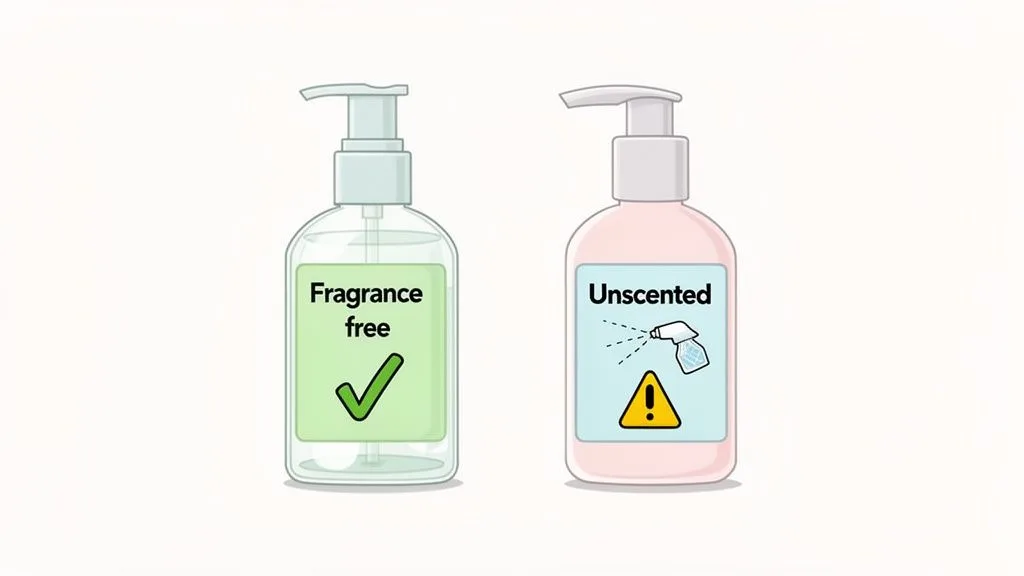
Image source: Bing (Web (fair-use with source credit))
- Synthetic Fragrances: These are often complex mixtures of dozens of chemicals, and any one of them can be a trigger for sensitive skin. They are a common cause of contact dermatitis and can lead to a more reactive skin barrier.
- Natural Fragrances (Essential Oils): While often marketed as "natural" and therefore "better," essential oils like lavender, peppermint, or citrus oils can be highly concentrated and just as irritating as synthetic perfumes for some people.
- Dyes (Colorants): Added to make products appealing, artificial colors can sometimes cause skin reactions and irritation. Unless a color is essential for the product's function, it's best to avoid it.
When you see "parfum" or "fragrance" on an ingredient list, it's a broad term that can hide many potential irritants. Similarly, look for colorants like FD&C Red No. 4 or other numbered dyes. Opting for fragrance-free and dye-free products is generally a safer bet if your skin is easily upset.
Harsh Surfactants and Alcohols: Drying Them Out Too Much
While some cleansing agents and alcohols are necessary in skincare, certain types can strip your skin of its natural oils too aggressively. This might seem counterintuitive for oily, acne-prone skin, but over-drying can actually trigger your skin to produce more oil to compensate, leading to a cycle of greasiness and breakouts. It can also damage your skin's protective barrier, making it more vulnerable to irritation and infection.
Here are some common culprits:
- Sodium Lauryl Sulfate (SLS) and Sodium Laureth Sulfate (SLES): These are powerful cleansing agents, often found in foaming cleansers and soaps. They effectively remove oil and dirt but can be too harsh, leading to dryness, redness, and irritation.
- Denatured Alcohol (SD Alcohol, Alcohol Denat.): While some alcohols can help other ingredients penetrate the skin or act as preservatives, high concentrations of denatured alcohols can be very drying and strip the skin's natural moisture barrier. Look for products that specify "alcohol-free" or contain only fatty alcohols (like cetyl alcohol or stearyl alcohol), which are moisturizing.
If a cleanser leaves your skin feeling squeaky clean or tight after washing, that's a sign it might be too stripping. A good cleanser for acne-prone skin should clean effectively without leaving your skin feeling parched or uncomfortable.
Why These Ingredients Are a Problem for You
It’s not enough to just know what ingredients to avoid; understanding why they cause issues for acne-prone skin can empower you to make better choices. The fundamental problems usually boil down to two things: clogging your pores or causing inflammation. These two factors create the perfect environment for acne to develop and persist.
How Clogging Happens: Comedogenicity Explained
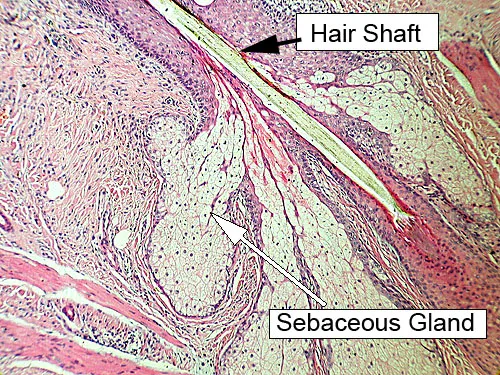
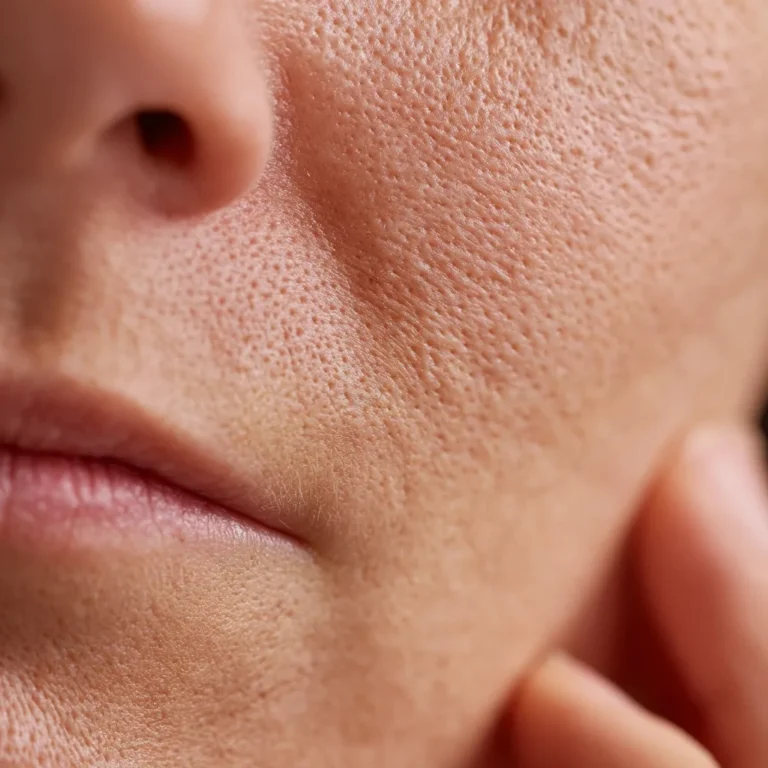
Comedogenicity refers to an ingredient's potential to clog pores, which is the root cause of many acne lesions like blackheads and whiteheads. When the hair follicles in your skin become blocked with a combination of oil (sebum), dead skin cells, and sometimes bacteria, a pimple can form. Ingredients that are highly comedogenic are more likely to contribute to this blockage.
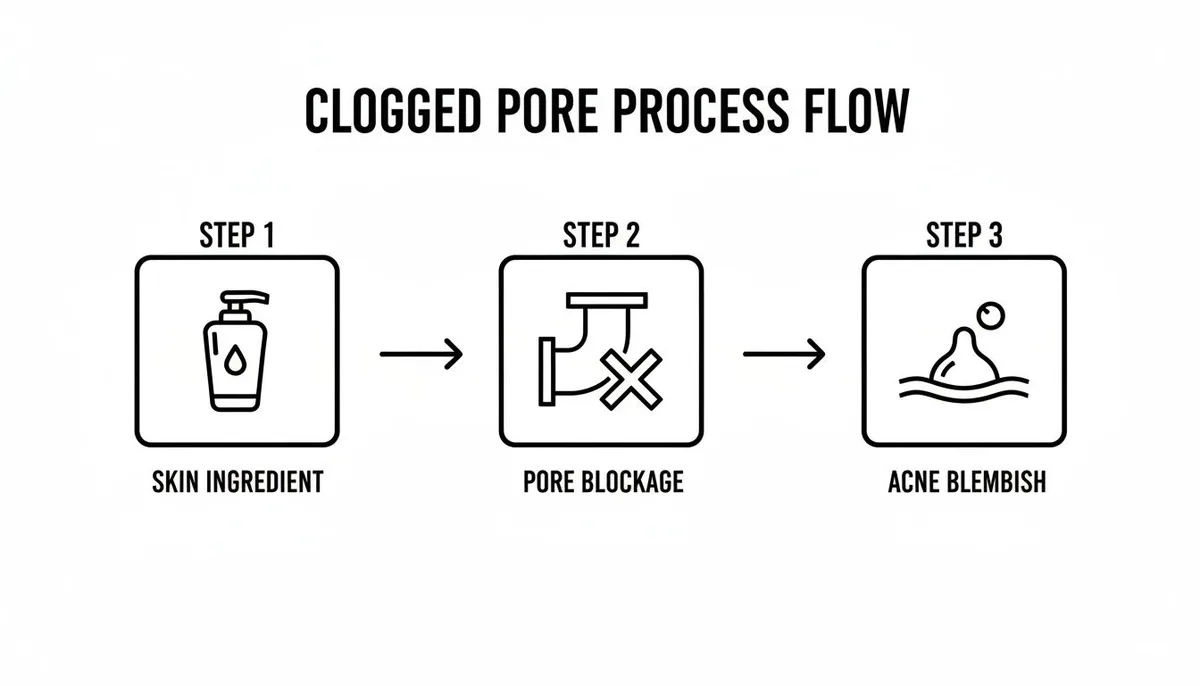
Image source: Bing (Web (fair-use with source credit))
Think of your pores like tiny pipes. When you pour thick, sticky gunk into them, they get blocked. Ingredients that are particularly oily, waxy, or have large molecular structures can contribute to this "gunk."
- Sebum: Your skin naturally produces oil called sebum. While essential for keeping skin moisturized, too much can combine with other substances.
- Dead Skin Cells: Your skin is constantly shedding dead cells. Normally, these slough off, but if they don't shed properly, they can mix with sebum.
- Ingredient Build-up: When you apply products with comedogenic ingredients, they can add to the mix already inside the pore, making the blockage more likely and more stubborn.
According to various dermatological studies, ingredients are often rated on a scale of 0 to 5 for their comedogenic potential, with 5 being the most likely to cause comedones. While individual reactions vary, products with ingredients rated 3 or higher are generally considered best avoided by those with acne-prone skin. Checking ingredient lists against known comedogenic compounds is a crucial step.
Inflammation and Redness: The Body's Reaction
Beyond just blocking pores, many skincare ingredients can directly trigger inflammation in the skin. For acne-prone individuals, whose skin may already be sensitive or prone to inflammatory responses, this is a significant concern. Inflammation doesn't just make pimples red and swollen; it can also exacerbate acne scarring and lead to a generally unhappy, reactive complexion.
Ingredients that are known irritants can disrupt the skin's delicate balance in several ways:
- Barrier Disruption: Harsh chemicals, fragrances, and some alcohols can damage the skin's outer layer, its protective barrier. This barrier normally keeps irritants out and moisture in. When compromised, it allows allergens and bacteria to enter more easily, triggering an inflammatory response.
- Immune System Activation: Certain ingredients can activate specific immune cells in the skin. This leads to the release of inflammatory mediators, resulting in redness, swelling, and discomfort.
- Increased Sensitivity: When skin becomes inflamed and its barrier is weakened, it becomes more sensitive to other products and even environmental factors like sun exposure. This can create a vicious cycle where you react to more and more things.
Products containing high levels of fragrance, harsh sulfates, or certain preservatives can contribute to this inflammatory cascade. Even ingredients that are otherwise beneficial, like some strong exfoliants, can cause inflammation if they are too potent or used too frequently. For acne-prone skin, managing inflammation is just as important as managing oil and pore blockages.
Spotting the Offenders: Reading Your Labels
Navigating skincare aisles can feel like deciphering a secret code. Ingredient lists are often long and filled with scientific names. However, becoming familiar with the most common culprits is your best defense against accidental breakouts.
Learning to read labels is a skill that pays off immensely for acne-prone skin.
Decoding Ingredient Lists
Ingredient lists are always presented in descending order of concentration, meaning the ingredient at the top is present in the largest amount, and the one at the very end is in the smallest. This is a crucial piece of information. If you see a heavy oil or a known irritant listed as one of the first five ingredients, it's a strong signal to be cautious.
Here's what to look for:
- Familiar Names: Many common acne triggers are ingredients you've likely encountered before.
- Position Matters: Ingredients listed higher up are more influential. If you see "mineral oil" or "fragrance" near the top, proceed with extreme caution.
- "Free From" Claims: Look for labels that explicitly state "fragrance-free," "oil-free," or "non-comedogenic." However, always verify these claims by checking the full ingredient list, as sometimes these labels can be misleading.
What "Non-Comedogenic" Really Means (and Doesn't)
The term "non-comedogenic" is a lifesaver for many with acne-prone skin. It means the product has been formulated with ingredients that are less likely to clog pores. However, it’s not a guarantee.
This claim is usually based on manufacturer testing, not a universal standard.
- Testing is Key: Brands test their products to see if they cause blackheads or whiteheads in controlled conditions. While helpful, individual skin reactions can still vary.
- "Free of" vs. "Non-Comedogenic": A product might be labeled "non-comedogenic" but still contain ingredients that some people find problematic. Conversely, a product that isn't explicitly labeled as "non-comedogenic" might still work well for you if its ingredients are generally considered safe for breakout-prone skin.
- "Oil-Free" is Not Always Enough: A product can be oil-free but still contain other pore-clogging ingredients. Conversely, some oils, like jojoba oil, are excellent for acne-prone skin and are considered non-comedogenic.
Always remember that your skin is unique. What works for one person might not work for another. Becoming a label detective is your most powerful tool for managing acne.
Ingredients That Help, Not Harm: Safer Choices
Once you know what to avoid, it's equally important to know what ingredients are generally safe and even beneficial for acne-prone skin. Building a routine with these ingredients can help improve your skin's health and clarity without causing further irritation or breakouts. Focusing on gentle, effective formulas is key to long-term success.
Gentle Cleansers and Moisturizers
The foundation of any good skincare routine for acne-prone skin is a gentle cleanser and a suitable moisturizer. These shouldn't strip your skin or add to congestion.
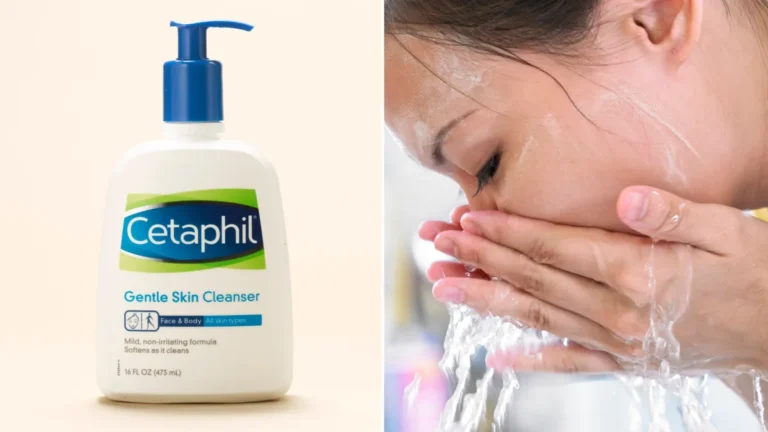
- Cleansers: Look for mild, sulfate-free foaming cleansers or creamy, non-foaming cleansers. Ingredients like glycerin, hyaluronic acid, and ceramides help retain moisture. A cleanser that effectively removes dirt and excess oil without leaving your skin feeling tight is ideal.
- Moisturizers: This is where many people with oily skin make a mistake by skipping it. Hydrated skin functions better and can even regulate oil production more effectively. Opt for lightweight, oil-free, water-based lotions or gels. Ingredients like hyaluronic acid, niacinamide, and ceramides are excellent for barrier support and hydration without clogging pores. You can find more about this topic at https://bestacnetreat.com/is-moisturizer-good-for-acne-prone-skin/.
Key Acne-Fighting Actives (When Used Wisely)
While avoiding problem ingredients is crucial, actively treating acne often requires specific active ingredients. When chosen carefully and used correctly, these can make a significant difference.
- Salicylic Acid (BHA): This is a beta-hydroxy acid that is oil-soluble, meaning it can penetrate into pores to exfoliate and dissolve blockages. It's fantastic for blackheads and whiteheads. You can learn more about its benefits at https://bestacnetreat.com/is-salicylic-acid-or-benzoyl-peroxide-better-for-acne/.
- Benzoyl Peroxide: This ingredient kills acne-causing bacteria and helps to shed dead skin cells. It can be very effective but also potentially drying, so starting with a lower concentration (2.5% or 5%) is recommended.
- Niacinamide (Vitamin B3): A versatile ingredient that helps reduce inflammation, control oil production, improve the skin barrier, and minimize the appearance of pores. It's generally well-tolerated.
- Retinoids (like Retinol or prescription Tretinoin): These vitamin A derivatives promote cell turnover, preventing pores from getting clogged and helping to treat existing acne. Prescription-strength retinoids are highly effective but require careful introduction to avoid irritation. If you're curious about how retinol works, check out https://bestacnetreat.com/can-retinol-help-treat-acne/.
When incorporating active ingredients, always start slowly, patch test, and monitor your skin's reaction. It’s a balancing act between treating the acne and not irritating your skin.
Mistakes That Make Breakouts Worse
Even with the best intentions, it's easy to fall into common skincare traps that can undo your progress or even worsen acne. These mistakes often stem from misunderstanding how your skin works or falling for misleading product claims. Being aware of these pitfalls is just as important as knowing which ingredients to choose.
Over-Cleansing and Stripping the Skin
This is probably one of the most common mistakes people with oily or acne-prone skin make. The thinking is that if your skin is oily, you need to scrub and cleanse it as much as possible to remove every trace of oil. However, this approach backfires.
- The Rebound Effect: When you strip your skin of its natural oils too aggressively, your sebaceous glands go into overdrive trying to rehydrate your skin. This can lead to even oilier skin and more breakouts.
- Damaging the Skin Barrier: Harsh cleansers and over-washing can disrupt your skin's natural protective barrier. A compromised barrier makes your skin more vulnerable to bacteria and inflammation, which can worsen acne.
- Increased Sensitivity: Your skin may become red, tight, and sensitive, reacting poorly to other products in your routine.
Instead of multiple harsh cleanses, opt for one gentle cleanse in the morning and evening. If you wear makeup, a double-cleansing method (starting with an oil-based cleanser or micellar water, followed by a gentle water-based cleanser) can be effective without over-stripping.
Ignoring Ingredients in "Natural" Products
There’s a common misconception that just because a product is labeled "natural" or "organic," it's automatically safe and beneficial for all skin types, especially acne-prone skin. This simply isn't true. Many natural ingredients can be just as irritating or pore-clogging as their synthetic counterparts.
- Essential Oils: As mentioned before, potent essential oils like tea tree, peppermint, or citrus oils, while having some beneficial properties, can be highly irritating and allergenic for many.
- Coconut Oil: A popular natural moisturizer, but for many, it's highly comedogenic and can lead to significant breakouts.
- Shea Butter and Cocoa Butter: These are also natural emollients but are quite heavy and can clog pores if your skin doesn't tolerate them well.
The "natural" label doesn't automatically mean "good for acne." Always scrutinize the ingredient list, even in natural formulations. Look for terms like "non-comedogenic" and understand the specific ingredients being used. For more on preventing acne naturally, you might find tips at https://bestacnetreat.com/how-can-i-prevent-acne-naturally/.
The Temptation of "Quick Fix" Products
Sometimes, when you're battling breakouts, you might be tempted by products that promise immediate, dramatic results. These often contain harsh ingredients that can cause more harm than good in the long run.
- Over-Exfoliation: Products with very high concentrations of acids (like AHA or BHA) or physical scrubs with large, jagged particles can irritate and damage the skin if used too often or too aggressively. This can lead to increased redness, sensitivity, and even more breakouts.
- Drying Spot Treatments: While spot treatments are useful, some rely on extremely harsh ingredients that can dry out the blemish and surrounding skin so severely it becomes red, flaky, and painful, and can even worsen inflammation.
It’s important to remember that treating acne is often a marathon, not a sprint. Consistent, gentle care is more effective and less damaging than aggressive, quick-fix attempts. Patience and a well-chosen routine are your best allies.
Expert Tips for a Clearer Routine
Building a skincare routine that works for acne-prone skin is an ongoing process, but a few expert-backed strategies can make a big difference. It’s about being mindful, consistent, and choosing products wisely. Think of it as nurturing your skin rather than fighting it.
Here are some top tips to integrate into your daily and weekly care:
- Patch Test Everything: Before applying a new product all over your face, test a small amount on an inconspicuous area, like behind your ear or on your jawline. Wait 24-48 hours to see if any redness, itching, or breakouts occur. This simple step can save you a lot of trouble.
- Clean Your Tools: Sponges, brushes, and even your phone screen can harbor bacteria. Regularly wash your makeup brushes and sponges with a mild cleanser. Wipe down your phone screen daily with an antibacterial wipe to prevent transferring acne-causing germs to your face.
- Don't Pick or Pop: We know it's tempting, but picking at pimples can push bacteria deeper into the skin, leading to more inflammation, longer healing times, and increased risk of scarring. If you struggle with this, consider reading up on safe practices at https://bestacnetreat.com/should-you-pop-pimples/.
- Introduce New Products Slowly: Don't overhaul your entire routine at once. Introduce only one new product every few weeks. This way, if a breakout occurs, you'll know exactly which product is the likely culprit.
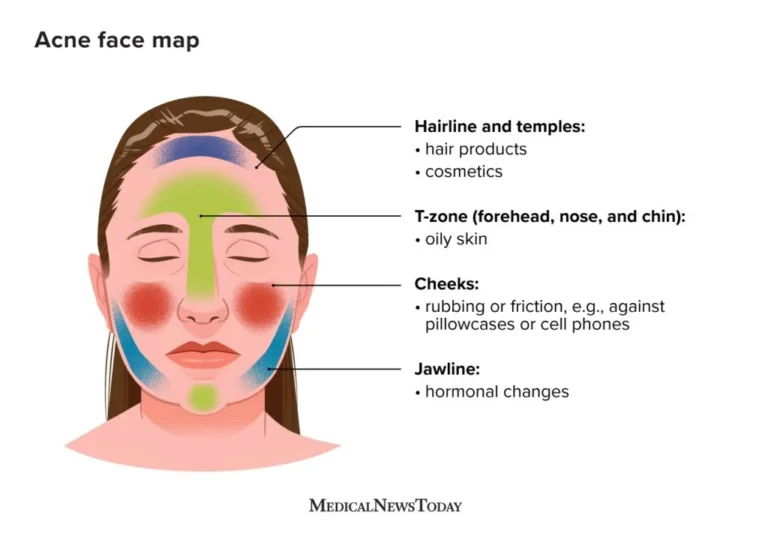
- Be Mindful of Hair Products: Heavy gels, pomades, and styling creams can migrate from your hair onto your face, especially if you have bangs or tend to touch your hair. Opt for lighter formulas or make sure to rinse your face thoroughly after rinsing hair products.
- Hydration is Key: Even oily skin needs hydration. Skipping moisturizer can cause your skin to produce more oil. Choose lightweight, oil-free, non-comedogenic moisturizers to keep your skin balanced. The role of moisturizer is discussed more at https://bestacnetreat.com/is-moisturizer-good-for-acne-prone-skin/.
- Consistency is Crucial: Skincare results don't happen overnight. Stick to a consistent routine for at least 4-6 weeks to see significant improvements. Remember that acne takes time to clear up, as explained in resources like https://bestacnetreat.com/how-long-does-acne-take-to-clear-up/.
- Manage Stress: Stress can significantly impact your skin. Find healthy ways to manage stress, such as exercise, meditation, or hobbies. For more on this connection, you can explore https://bestacnetreat.com/can-stress-cause-acne/.
Frequently Asked Questions About Acne-Prone Skin Ingredients
How quickly do ingredients cause a reaction?
Reactions can happen immediately for some people, especially with strong irritants, while for others, it might take days or even weeks of consistent use to notice breakouts or irritation. Patch testing is your best first step.
Are "hypoallergenic" or "dermatologist-tested" claims reliable?
These claims can be helpful indicators, but they aren't guarantees. "Hypoallergenic" means a product is formulated to minimize allergic reactions, but you can still be allergic. "Dermatologist-tested" simply means a dermatologist oversaw some testing, but it doesn't specify the results or rigor.
Always check the ingredient list.
Can I use products with essential oils if they're listed further down?
While ingredients listed lower down are in smaller concentrations, it's still a risk. For very sensitive or acne-prone skin, even small amounts of potentially irritating essential oils can cause issues over time. It's often best to err on the side of caution and choose truly fragrance-free options.
What about silicones? Are they bad for acne-prone skin?
Silicones, like dimethicone, are often used to give skincare products a smooth, silky feel. They are generally considered non-comedogenic and safe for most acne-prone skin types. However, if you find your skin feels suffocated or you experience breakouts after using silicone-heavy products, you might want to explore silicone-free alternatives.