Should You Pop Pimples: Safe Skin Care Advice
Most pimples should not be popped because squeezing can spread bacteria, worsen inflammation, and cause lasting scars.
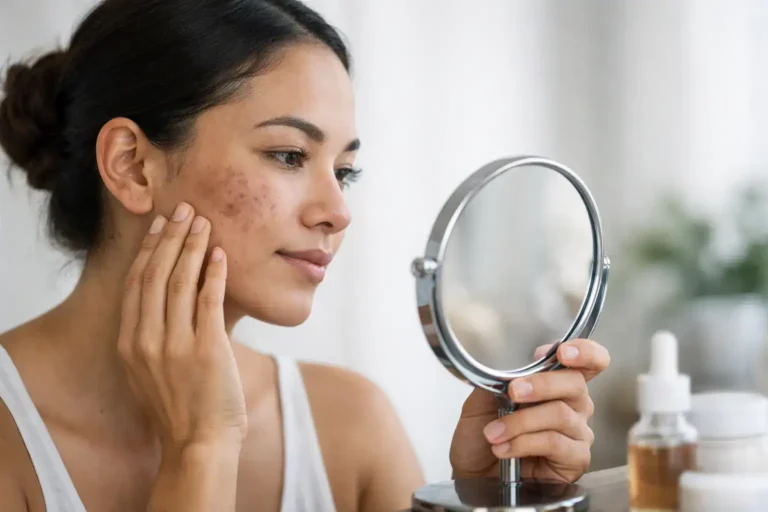
If you have ever stood in front of a mirror and wondered, “Should you pop pimples?” you are not alone. The urge is strong, especially when a whitehead looks ready to burst. However, acne is more than a surface problem. It begins deeper in the pore, where oil, dead skin cells, bacteria, and inflammation meet. This guide explains when popping is risky, what to do instead, and when a dermatologist can help.

Should you pop pimples? The short answer
In most cases, no. Popping pimples can push their contents deeper into the skin. This may increase swelling, redness, pain, and the risk of acne scars.
Squeezing can also damage the pore wall. Think of the pore like a small tube under the skin. Pressure may force oil and bacteria into nearby tissue, much like squeezing toothpaste out through a crack in the tube.
There is one limited exception. A trained dermatologist may safely drain certain lesions with sterile tools and the right technique. That is very different from using your fingernails in a bathroom mirror.
If you are asking, “Should you pop pimples?” the safest general rule is simple:
• Do not pop deep, painful, red, or swollen pimples.
• Do not squeeze pimples near the nose and upper lip.
• Do not use needles, pins, or sharp tools at home.
• Do not keep pressing after a pimple starts to bleed.
• Consider professional treatment for large or repeated breakouts.
Why do people want to pop pimples?
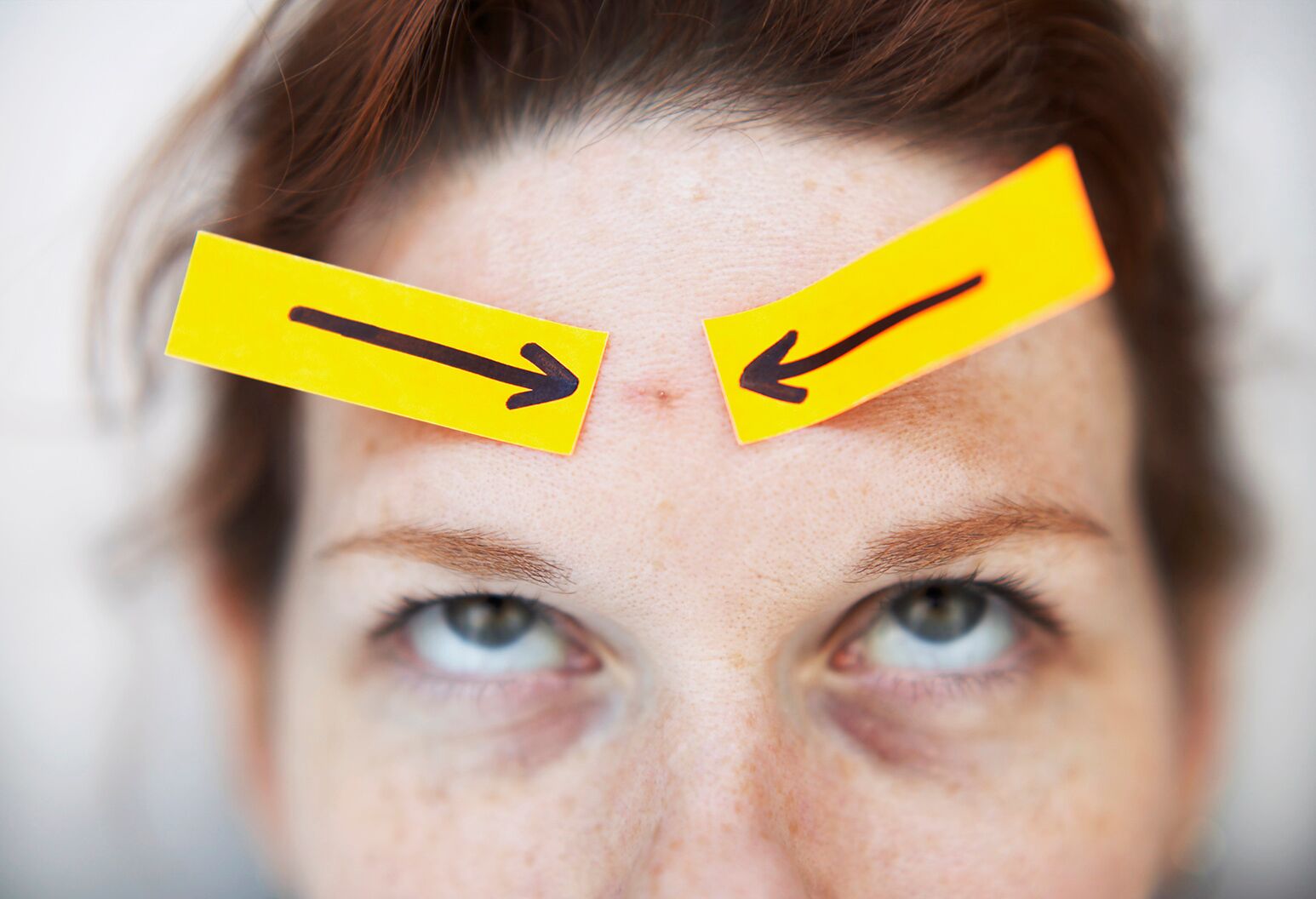
Popping a pimple can give a quick feeling of relief. You may see fluid come out, and the bump may look smaller for a short time. That instant change can make squeezing feel successful.
The problem is that the visible part is only one piece of the acne lesion. Inflammation may still be active below the skin. Even when a whitehead empties, the pore can remain irritated and may refill.
Common reasons people pop pimples include:
• The pimple feels tender or tight.
• A white tip is easy to see.
• The person wants quick cosmetic results.
• Stress makes picking feel soothing.
• The pimple is in a noticeable place.
• Previous squeezing seemed to make a bump disappear.
A common lesson in skin care is that short-term satisfaction can create a longer problem. One minute of squeezing may lead to days of redness or months of dark marks.
The habit can also become repetitive. Some people pick at skin without noticing, especially while watching television, studying, or using a phone. This may develop into skin-picking behavior that needs support from a health professional.

What happens when you pop a pimple?
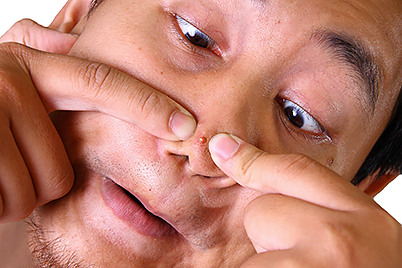
When you squeeze a pimple, your fingers place pressure on the skin around the pore. This pressure may release some material, but it can also push oil, bacteria, and inflammatory cells deeper into the skin.
The skin may respond with more inflammation. The area can become warmer, redder, and more painful. A small blemish may turn into a larger, deeper lesion.
Popping pimples can also cause:
• Broken skin
• Bleeding
• Crusting
• Infection
• Dark spots after healing
• Depressed or raised acne scars
• More pimples near the original spot
Your fingernails can create tiny cuts that are hard to see. Even clean-looking hands carry bacteria. Tools used at home may add more bacteria or cause deeper injury.
This does not mean every popped pimple will scar. Skin type, acne severity, healing speed, picking pressure, and sun exposure all affect the result. Still, squeezing raises the odds of trouble, so it is usually not worth the risk.
Can popping pimples cause acne scars?
Yes. Popping pimples can increase the risk of both temporary marks and true scars.
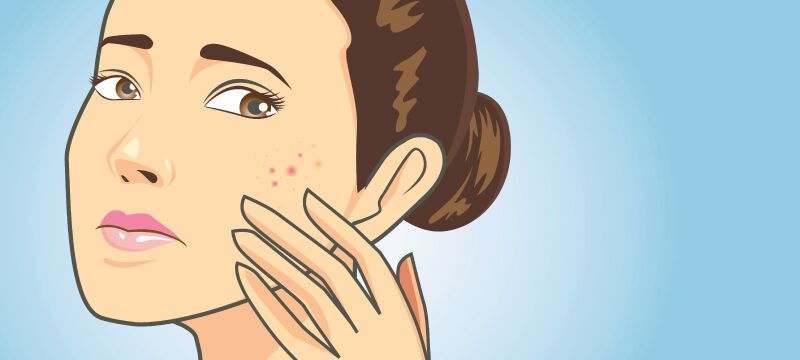
A dark or red mark after acne is often post-inflammatory hyperpigmentation or redness. These marks are not always permanent, but they may last for weeks or months. People with medium to deep skin tones may be more likely to notice dark marks after inflammation.
A scar forms when deeper skin tissue is damaged during inflammation or healing. Acne scars may look like:
• Small dents in the skin
• Deep narrow pits
• Wide shallow depressions
• Firm raised areas
• Thick, uneven patches
The risk is higher with cysts, nodules, repeated picking, and forceful squeezing. Deep acne already creates pressure under the skin. Popping it adds physical trauma to an area that is trying to heal.
If you wonder, “Should you pop pimples?” because a spot looks ready, remember this: a white tip does not guarantee that squeezing will prevent a scar. It may only make the inflammation more severe.
Daily broad-spectrum sunscreen can help reduce the contrast of dark marks. Acne treatment can also prevent new lesions, which is often more useful than treating marks after they appear.

What should you do instead of popping pimples?
The best alternative depends on the type of pimple. Gentle care can calm many small breakouts without damaging the skin.
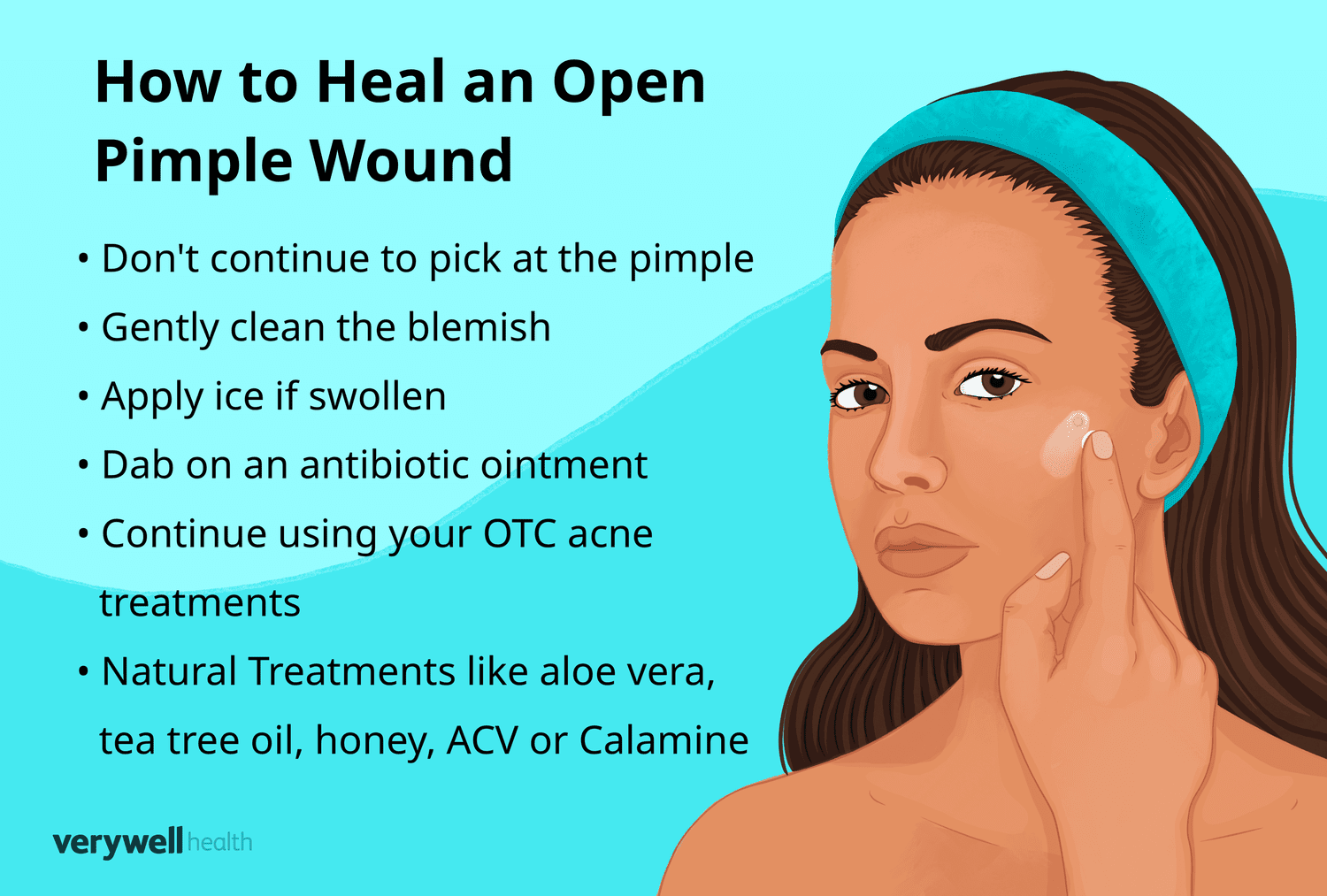
For a small whitehead
Wash your face with a mild cleanser and lukewarm water. Do not scrub the area. You can apply a thin layer of an acne treatment that contains benzoyl peroxide or salicylic acid.
A hydrocolloid pimple patch may protect the spot from rubbing and touching. It can also absorb some surface fluid from an open or draining blemish. These patches do not treat deep acne, but they can help stop picking.
For a red, swollen pimple
Use a cold compress wrapped in a clean cloth for a few minutes. Cold can temporarily reduce swelling and discomfort. Avoid placing ice directly on the skin.
Benzoyl peroxide may help reduce acne-causing bacteria on the skin. It can dry or irritate the area, so use a small amount and follow the product directions.
For a deep, painful lump
Do not squeeze it. A warm, damp compress may feel soothing, but deep nodules and cysts often need medical treatment. A dermatologist may use prescription medicine or a carefully placed corticosteroid injection for a large, painful lesion.
For repeated acne
Treat the pattern, not just each pimple. A consistent routine may include:
• A gentle cleanser twice a day
• A noncomedogenic moisturizer
• Daily sunscreen
• Salicylic acid for clogged pores
• Benzoyl peroxide for inflamed acne
• Adapalene for ongoing acne prevention
Start one new active product at a time. Using several strong products at once can cause dryness, burning, and peeling. Irritated skin may make acne care harder, not better.

Is it ever safe to pop a pimple?
There is no completely risk-free way to pop a pimple at home. A superficial whitehead may seem easier to drain, but home squeezing can still injure the skin.
A dermatologist or licensed medical professional may extract some acne lesions under clean conditions. They understand how much pressure to use and when to stop. Professional extraction is not suitable for every type of acne, and it does not replace long-term acne treatment.
If you decide to touch a spot despite the risks, reduce harm by avoiding sharp tools, washing your hands, and stopping if there is pain or bleeding. However, the better choice is still to leave the pimple alone and use a patch or topical treatment.
So, should you pop pimples when they have a white head? Usually not. The white material may be close to the surface, but the surrounding skin can still be inflamed and fragile.
Why the area around your nose needs extra care
People often hear that the area from the nose to the corners of the mouth is a “danger triangle.” This phrase refers to veins in that region that connect with deeper structures near the brain.
Serious infections from facial pimples are rare. Still, squeezing or picking infected skin can introduce bacteria and worsen a local infection. The risk is not a reason to panic, but it is a good reason to avoid forceful popping around the nose and upper lip.
Seek medical care if a facial lesion becomes rapidly more swollen, hot, painful, or red. Fever, vision changes, severe headache, or swelling near the eye require urgent medical attention.
:max_bytes(150000):strip_icc()/VWH-ZoeHansen-HowToHealAPoppedPimple-4000x2700-500b56f1c9ce495cbd70a5cec951d7da.png)
How to stop popping pimples
Knowing that popping pimples is risky does not always stop the habit. You also need a plan for the moment when the urge appears.
Try these practical steps:
-
Cover the pimple with a hydrocolloid patch.
-
Move away from a magnifying mirror.
-
Keep your nails short and smooth.
-
Place a clean tissue over your fingers if you must touch your face.
-
Use a cold compress for discomfort.
-
Keep your hands busy with a stress ball or small object.
-
Notice when picking happens, such as during stress or boredom.
-
Ask a trusted person to help you stay accountable.
Avoid examining your skin up close for long periods. Bright lights and magnifying mirrors can make normal skin texture seem like a problem that needs fixing.
If picking causes wounds, bleeding, shame, or repeated distress, talk with a dermatologist or mental health professional. Skin-picking symptoms are real and treatable. Support is not a sign of weak self-control.
When should you see a dermatologist?
Consider professional care if your acne is painful, persistent, widespread, or leaving marks. You should also seek help when over-the-counter products have not improved your skin after about eight to twelve weeks of consistent use.
A dermatologist may recommend:
• Prescription topical retinoids
• Benzoyl peroxide combinations
• Prescription antibiotics for selected cases
• Hormonal treatment for some patients
• Oral isotretinoin for severe or treatment-resistant acne
• Steroid injections for large, painful nodules
• Procedures for certain scars
Do not share prescription acne medicine with another person. Treatment depends on age, pregnancy status, skin type, medical history, and the kind of acne present.
A medical visit is especially important when acne begins suddenly in adulthood, causes deep scars, or affects your mood and confidence. Acne is common, but that does not mean you have to manage severe acne alone.
Simple skin care habits that reduce breakouts
Good skin care cannot prevent every pimple, but it can reduce irritation and clogged pores.
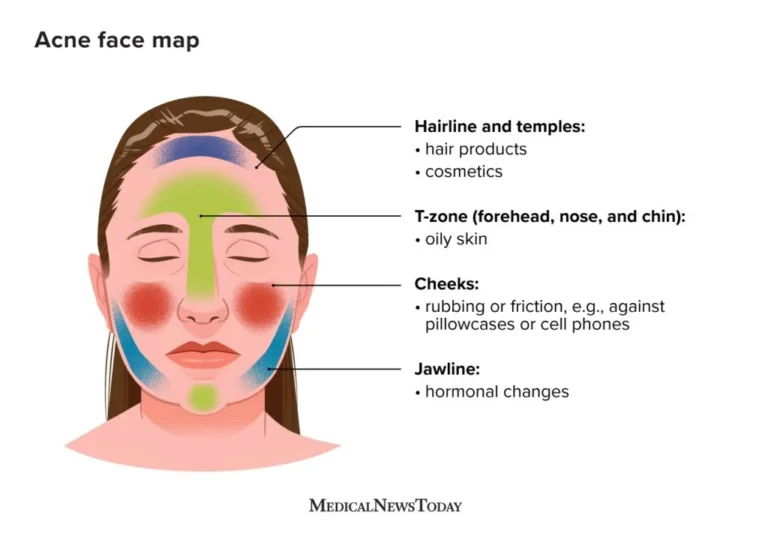
Use a gentle cleanser in the morning and evening. If you sweat heavily, rinse your face afterward. Avoid harsh scrubs, rough brushes, and strong rubbing.
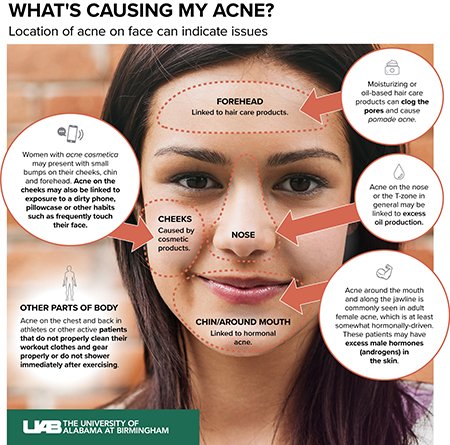
Choose products labeled noncomedogenic or oil-free when possible. These labels suggest that a product is less likely to clog pores, although no label can guarantee that every person will tolerate it.
Other helpful habits include:
• Change pillowcases regularly.
• Clean phones and eyeglasses that touch your face.
• Remove makeup before bed.
• Avoid sharing makeup or face towels.
• Use clean hands when applying skin products.
• Apply moisturizer even if your skin feels oily.
• Wear sunscreen every day.
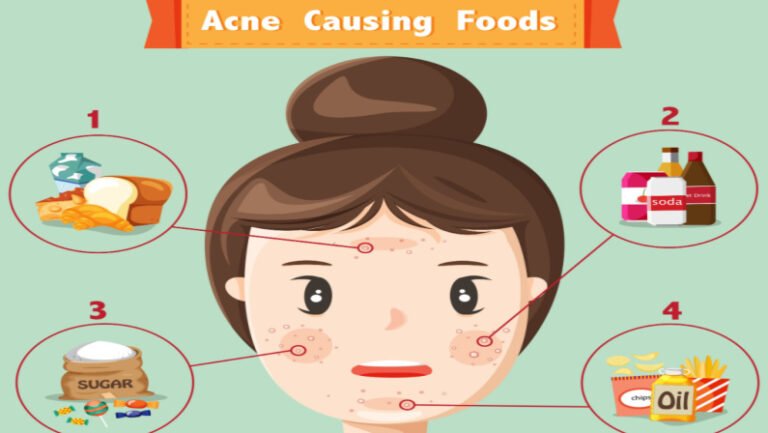
Diet may affect acne for some people, but there is no single acne diet that works for everyone. Some research links high-glycemic foods or large amounts of skim milk with more acne in certain groups. More research is needed, and food changes should not replace proven treatment.
Stress may also worsen acne in some people. Better sleep, movement, and stress support can help overall health, even though they are not a cure.
Common mistakes to avoid when treating pimples
Many people make acne worse while trying to make it better. These mistakes are easy to understand, especially when a breakout feels urgent.
Avoid the following:
• Washing your face many times a day
• Scrubbing until the skin feels tight
• Applying rubbing alcohol or hydrogen peroxide
• Using toothpaste as a spot treatment
• Layering several harsh acne products
• Picking at scabs
• Stopping treatment after a few days
• Expecting overnight results
Most acne treatments need time. Benzoyl peroxide may begin helping within weeks, while topical retinoids often need several weeks or longer for clear improvement. Dryness can occur early, so start slowly and use moisturizer.
The best routine is one you can follow. Gentle, steady care usually beats an aggressive routine that damages the skin barrier.
Should you pop pimples before a special event?
It is tempting to squeeze a pimple before a wedding, photo, date, or job interview. Yet popping pimples shortly before an event can create more redness, swelling, and visible damage.
Instead, apply a cold compress and use a small amount of suitable acne treatment. A hydrocolloid patch can protect the spot overnight. If the lesion is large and painful, a dermatologist may offer a safe, fast treatment.
For makeup, use clean tools and noncomedogenic products. Do not cover an open, bleeding area with makeup. Let the skin close, then apply products gently.
The goal is to make the area calmer, not to force it flat. Skin often looks better when you reduce inflammation rather than attack the spot.
Frequently Asked Questions About Should You Pop Pimples?
Should you pop pimples with a white head?
Usually, you should not. A whitehead may look ready, but squeezing can still push material deeper and cause redness, infection, or scarring.
What happens if you accidentally pop a pimple?
Wash your hands and gently clean the area with mild cleanser and water. Do not squeeze again, and cover the spot with a clean hydrocolloid patch if the skin is open.
Does popping a pimple make it heal faster?
It may look smaller for a short time, but popping does not reliably speed healing. It can increase inflammation and make the spot last longer.
Is it better to pop a pimple or leave it alone?
Leaving it alone is generally safer. Use a gentle acne treatment, a cold compress, or a pimple patch instead of applying pressure.
Can popping pimples cause permanent scars?
Yes, especially when the pimple is deep or you squeeze repeatedly. Popping can also cause dark marks that may last for months, even when they are not true scars.
When should a pimple be checked by a doctor?
See a dermatologist for painful deep acne, frequent breakouts, spreading redness, repeated infection, or scars. Seek urgent care for severe swelling near the eye, fever, vision changes, or a rapidly worsening facial infection.
Conclusion
Should you pop pimples? For most breakouts, the safest answer is no. Squeezing can damage the pore, spread inflammation, cause infection, and increase the chance of dark marks or permanent acne scars.
Use gentle cleansing, a suitable acne treatment, a cold compress, or a hydrocolloid patch instead. If acne is painful, persistent, or affecting your confidence, a dermatologist can offer safer and more effective options. Treat your skin with patience, and explore trusted acne resources or professional care for a routine that fits your needs.