How Can I Prevent Acne Naturally: 7 Simple Tips
You can prevent acne naturally by using gentle skin care, healthy habits, and proven lifestyle changes.
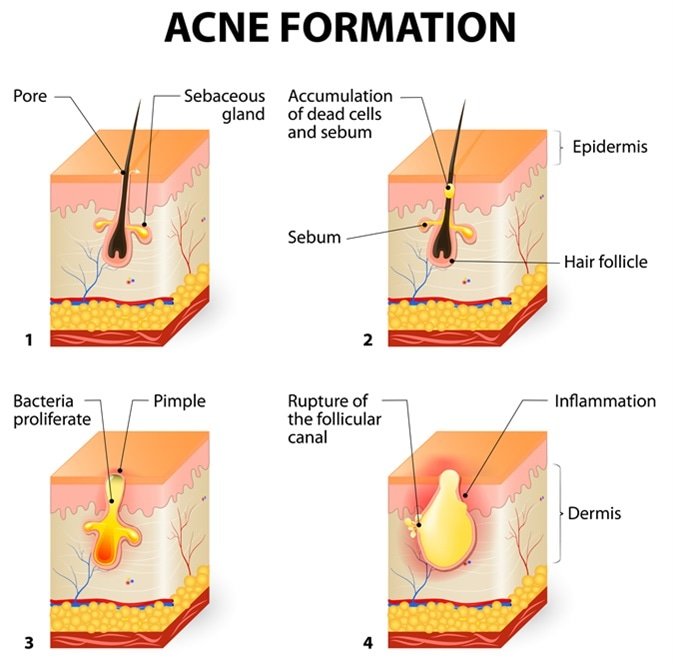
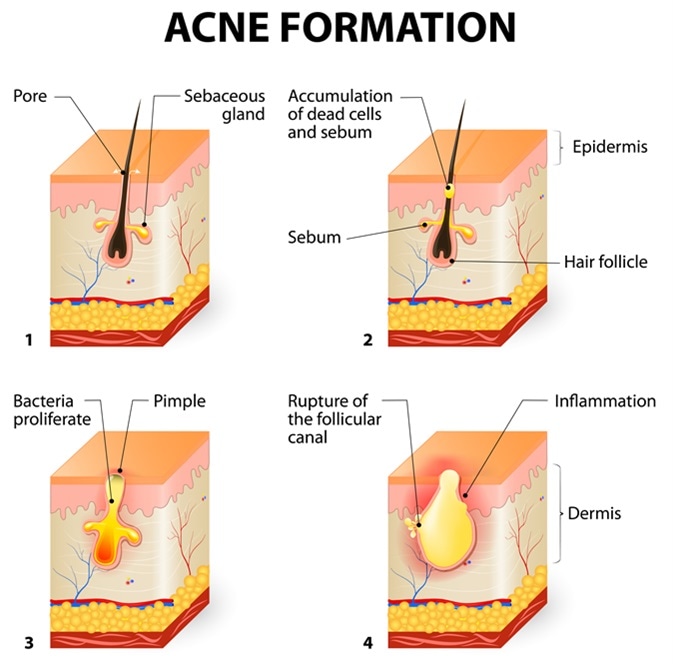
If you are asking, “How can I prevent acne naturally?” you are not alone. Acne often comes from a mix of oil, dead skin, bacteria, hormones, stress, and daily habits. The good news is that small, steady changes can help reduce clogged pores without harsh routines. This guide explains what works, what may help, what to avoid, and when to see a dermatologist.
How can I prevent acne naturally?
To understand how can I prevent acne naturally, start with the basics: keep pores clear, protect the skin barrier, and reduce triggers that increase oil or irritation. Acne prevention is not about making your face feel dry or “squeaky clean.” In fact, over-washing can strip the skin and lead to more redness and irritation.
A simple natural acne prevention plan includes:
• Wash your face gently twice a day and after heavy sweating.
• Use lukewarm water instead of hot water.
• Choose products labeled noncomedogenic, which means they are less likely to clog pores.
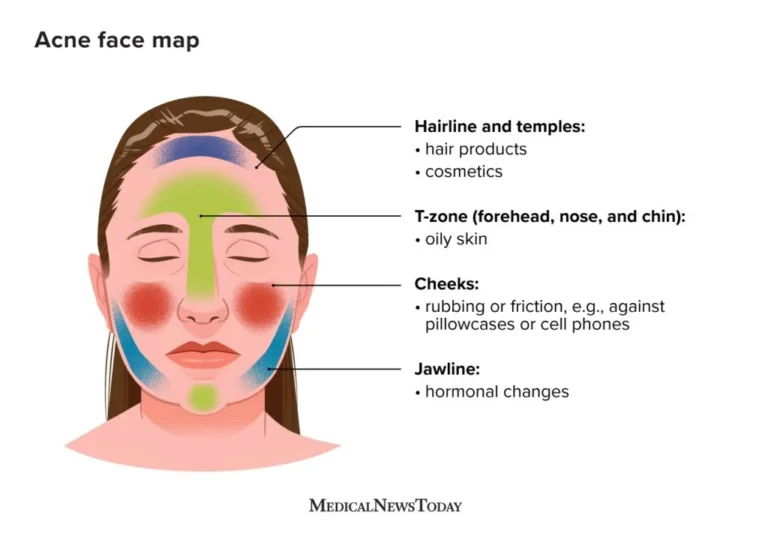
• Keep your hands away from your face.
• Remove makeup before bed.
• Wash pillowcases, hats, and phone screens often.
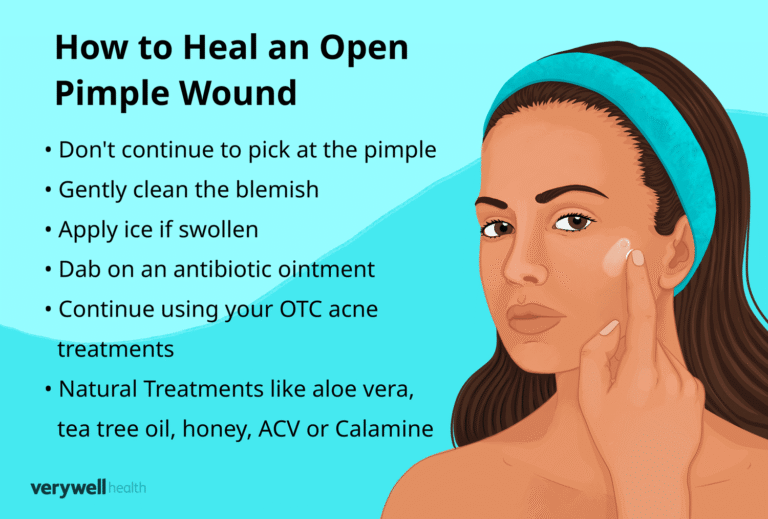
• Avoid picking or squeezing pimples.
Think of your skin barrier as a protective wall. When the wall is strong, it helps keep irritants out and moisture in. When it is damaged by scrubbing, strong alcohol, or too many products, acne and sensitivity can become harder to manage.
Build a gentle skin care routine
When people ask how can I prevent acne naturally, I often recommend simplifying their routine first. Many acne-prone people use several scrubs, masks, oils, and spot treatments at once. This can create irritation that looks like worsening acne.
A basic routine can work well:
Morning
-
Cleanse with a mild, fragrance-free cleanser, or rinse with water if your skin is very dry.
-
Apply a light, noncomedogenic moisturizer.
-
Use broad-spectrum SPF 30 or higher.
Evening
-
Remove makeup and sunscreen.
-
Cleanse gently with your fingertips.
-
Apply moisturizer while the skin is slightly damp.
Choose products made for sensitive or acne-prone skin. Heavy oils, greasy hair products, and thick makeup may block pores in some people. “Natural” does not always mean gentle. Coconut oil, cocoa butter, and some essential oils can cause problems for acne-prone skin.
Avoid rough scrubs, cleansing brushes, and frequent clay masks. These may remove surface oil, but they do not solve the deeper causes of acne. Scrubbing a pimple is like rubbing a small cut; it usually makes the area angrier.
:max_bytes(150000):strip_icc()/butt-acne-treatments-15666-final-v1-a27c59e1fdf8475683e5571feeeddbf9.png)
Improve diet without extreme rules
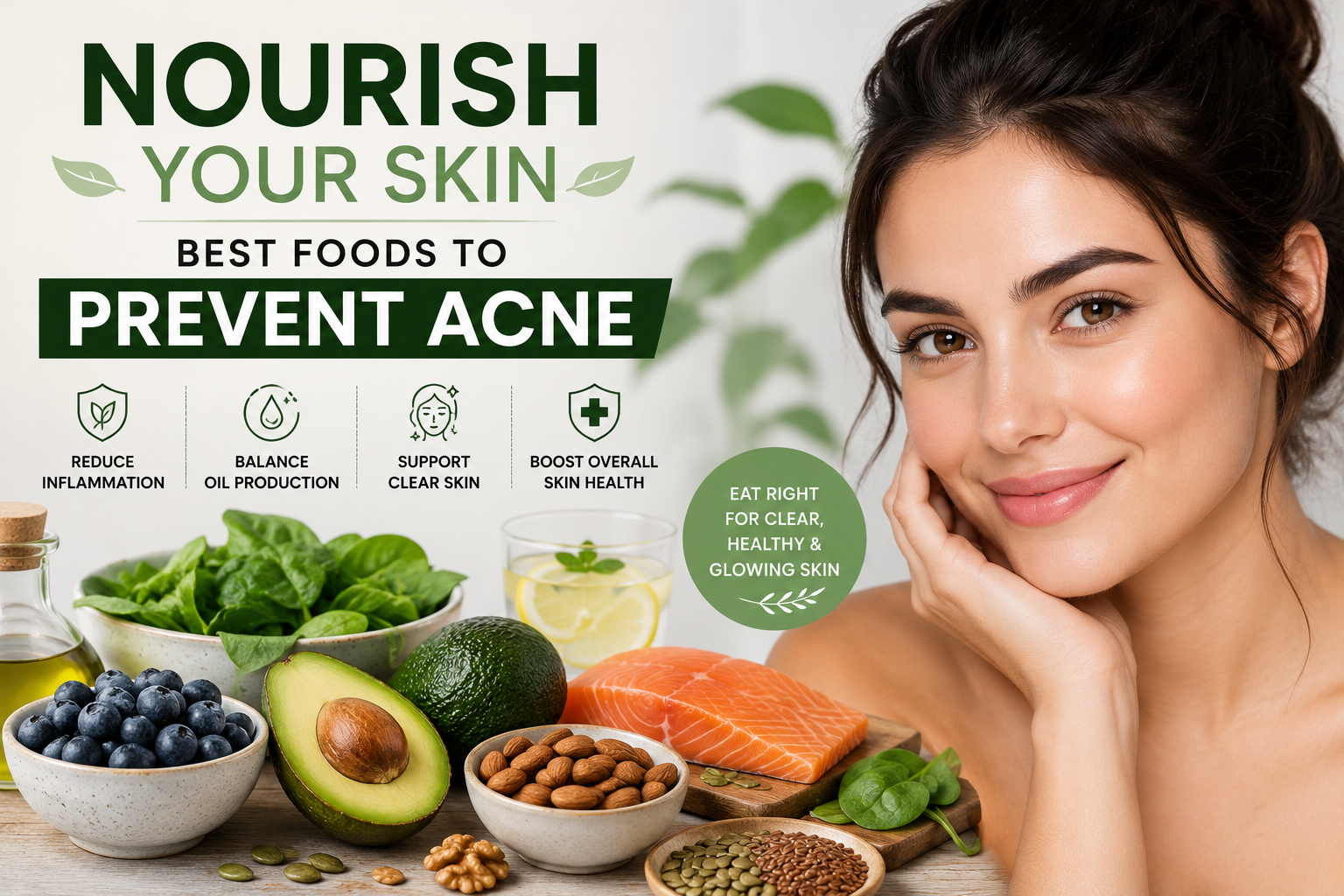
Diet may play a role in acne, but food is not the only cause. Research suggests that a lower-glycemic eating pattern may help some people. This pattern limits foods that quickly raise blood sugar, such as sugary drinks, candy, white bread, and many highly refined snacks.
Instead, build meals around:
• Vegetables and fruit.
• Beans, lentils, and whole grains.
• Eggs, fish, chicken, tofu, or other protein sources.
• Nuts and seeds in moderate portions.
• Healthy fats such as olive oil and avocado.
Some studies also link cow’s milk, especially skim milk, with acne in certain people. The connection is not strong enough to suggest that everyone should stop drinking milk. If you notice breakouts after a specific food, keep a simple food and skin diary for several weeks. Change one thing at a time so you can spot patterns.
Do not follow harsh “detox” diets. They can reduce important nutrients and make eating stressful. A balanced diet supports the whole body, but it cannot replace medical acne treatment when acne is severe.
If you are still wondering how can I prevent acne naturally through food, focus on steady habits rather than one magic ingredient. No single tea, juice, or supplement has been proven to prevent all acne.
Manage sweat, friction, and everyday triggers
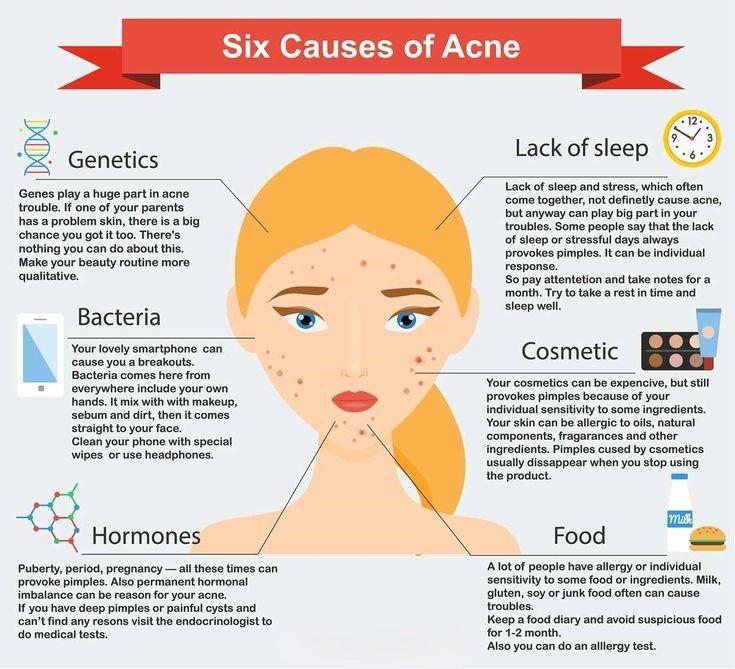
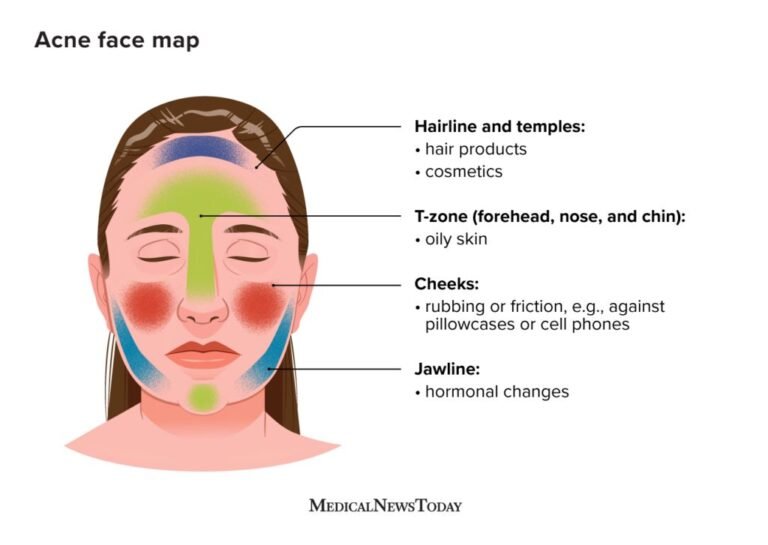
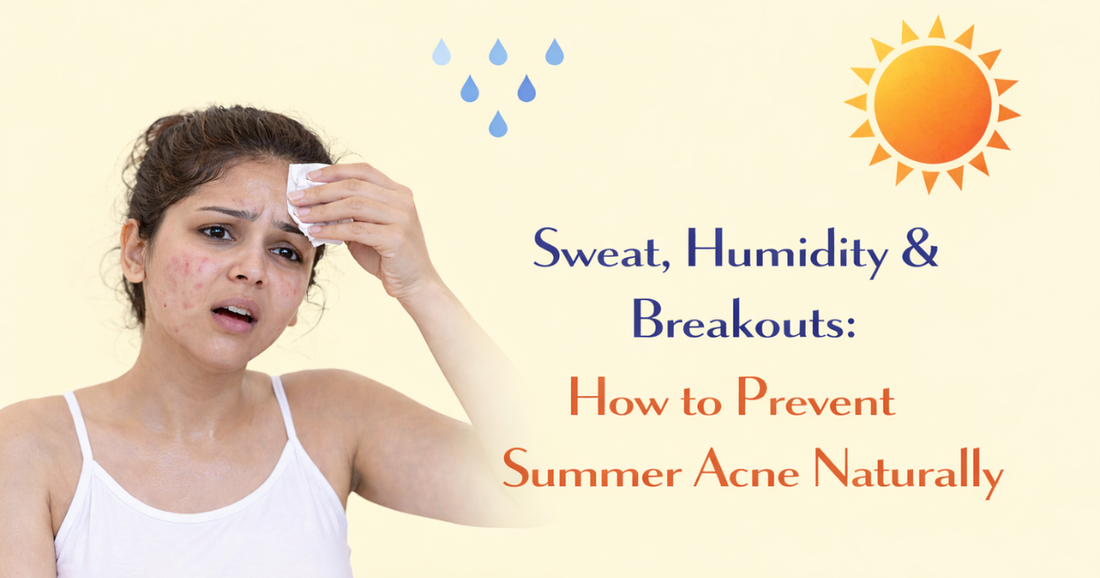
Sweat does not directly cause acne, but it can mix with oil, bacteria, makeup, and dirt. Friction can then irritate the skin and trap this mixture in pores. This is sometimes called acne mechanica.
To reduce these triggers:
• Shower or rinse soon after exercise.
• Change out of sweaty clothing.
• Wash sports helmets, headbands, and chin straps often.
• Choose loose, breathable fabrics.
• Avoid wearing tight hats for long periods.
• Clean your phone screen regularly.
• Keep hair away from your face.
• Wash pillowcases at least once a week if they become oily.
Hair products can also cause small bumps along the forehead, hairline, neck, and upper back. Look for lightweight, noncomedogenic products. If you use oils, sprays, or pomades, keep them away from your face and wash your hands afterward.
One practical lesson is that acne prevention often depends on small contact points. A dirty phone, tight mask, or oily pillowcase may not cause acne alone, but reducing several small triggers can make a real difference.
:max_bytes(150000):strip_icc()/VWH-ZoeHansen-HowToHealAPoppedPimple-4000x2700-500b56f1c9ce495cbd70a5cec951d7da.png)
Use stress and sleep habits to support clearer skin
Stress does not mean acne is “all in your head.” Stress hormones may increase oil production and inflammation in some people. Stress can also lead to poor sleep, face touching, skipped cleansing, or a diet high in sugary comfort foods.
Healthy stress habits may support acne prevention:
• Aim for a regular sleep schedule.
• Take a short walk most days.
• Try slow breathing, yoga, prayer, or meditation.
• Keep your hands busy when you feel tempted to pick.
• Make your skin routine simple enough to follow on difficult days.
Sleep will not cure acne by itself, but poor sleep can make it harder for the body to manage inflammation and stress. A realistic goal is more useful than a perfect one. Even adding 30 minutes of sleep or taking a short daily walk can be a helpful start.
If stress feels overwhelming, speak with a health professional. Mental health support is part of skin health, especially when acne affects confidence or social life.
Consider natural ingredients carefully
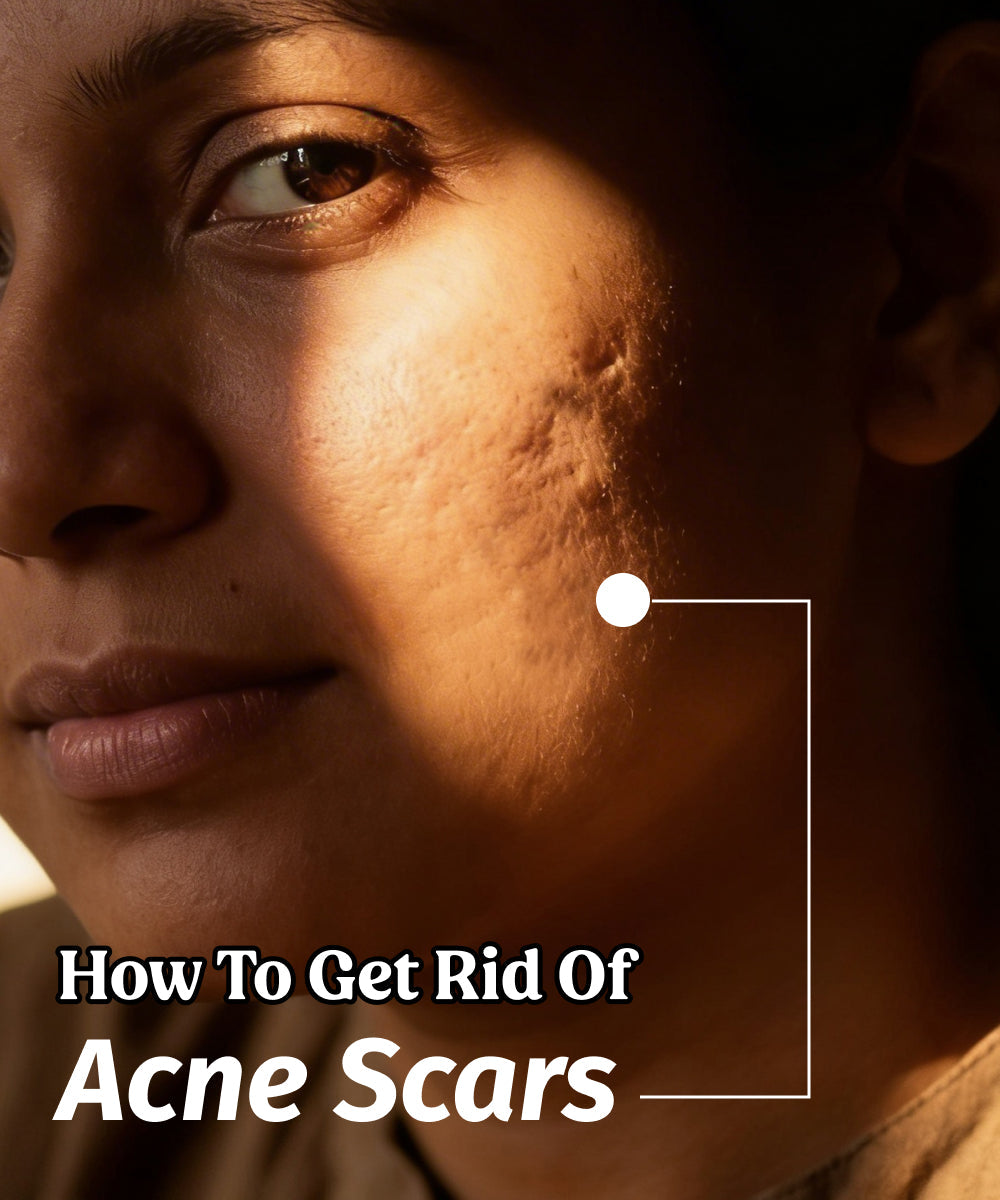
Some natural ingredients may soothe the skin, but evidence varies. Always patch-test a new product on a small area first. Stop using it if you develop burning, swelling, itching, or a rash.
Tea tree oil
Diluted tea tree oil may reduce mild acne for some people. Studies suggest it can help because of its antibacterial and anti-inflammatory effects. However, pure tea tree oil can cause burns, dryness, or allergic reactions.
Never swallow tea tree oil. Do not apply it directly without proper dilution. A ready-made product with a low concentration is safer than mixing essential oil at home.
Aloe vera
Plain aloe vera gel may calm irritation and add light moisture. It may be useful alongside proven acne care, but it does not prevent clogged pores on its own. Avoid products with added alcohol, fragrance, or color if your skin is sensitive.
Green tea
Drinking green tea is generally safe for most adults and may support overall health. Applying green tea products to the skin may help inflammation, but the evidence is still limited. It should not be treated as a stand-alone acne cure.
What to avoid
Do not use lemon juice, baking soda, toothpaste, rubbing alcohol, or undiluted essential oils on acne. These can damage the skin barrier, cause burns, or leave dark marks after the pimple heals.
Natural acne care should be gentle, not painful. If a product stings for more than a few seconds, it is not a sign that it is “working.”
Prevent acne scars and dark marks
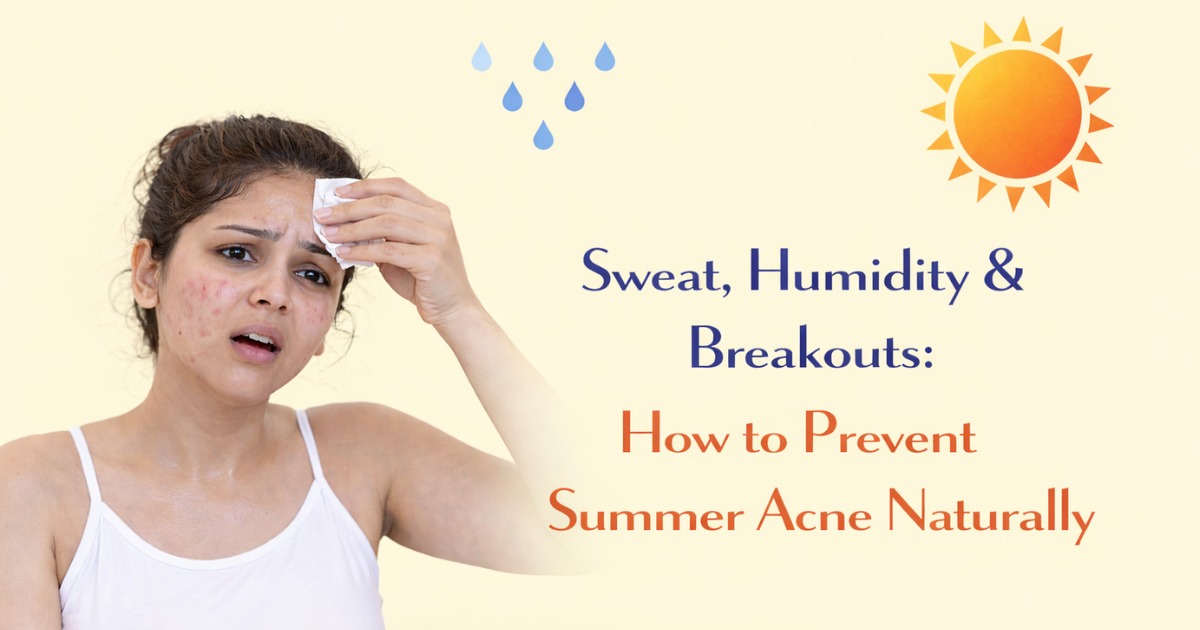
Learning how can I prevent acne naturally also means preventing long-lasting marks. Picking, squeezing, and scratching increase the risk of scars and post-inflammatory hyperpigmentation.
Try these habits:
• Use a clean pimple patch to reduce touching.
• Keep fingernails short.
• Apply sunscreen every morning.
• Treat new breakouts early with a consistent routine.
• Avoid harsh scrubs after a pimple opens.
Dark marks can last longer in deeper skin tones, so sun protection is especially important. Sunscreen does not usually cause acne when you choose an oil-free, noncomedogenic formula. It helps prevent existing marks from becoming darker.
A pimple may feel urgent, but squeezing it rarely makes it disappear faster. It often pushes inflammation deeper into the skin. Patience is less satisfying in the moment, but it can protect your skin later.
Know when natural prevention is not enough
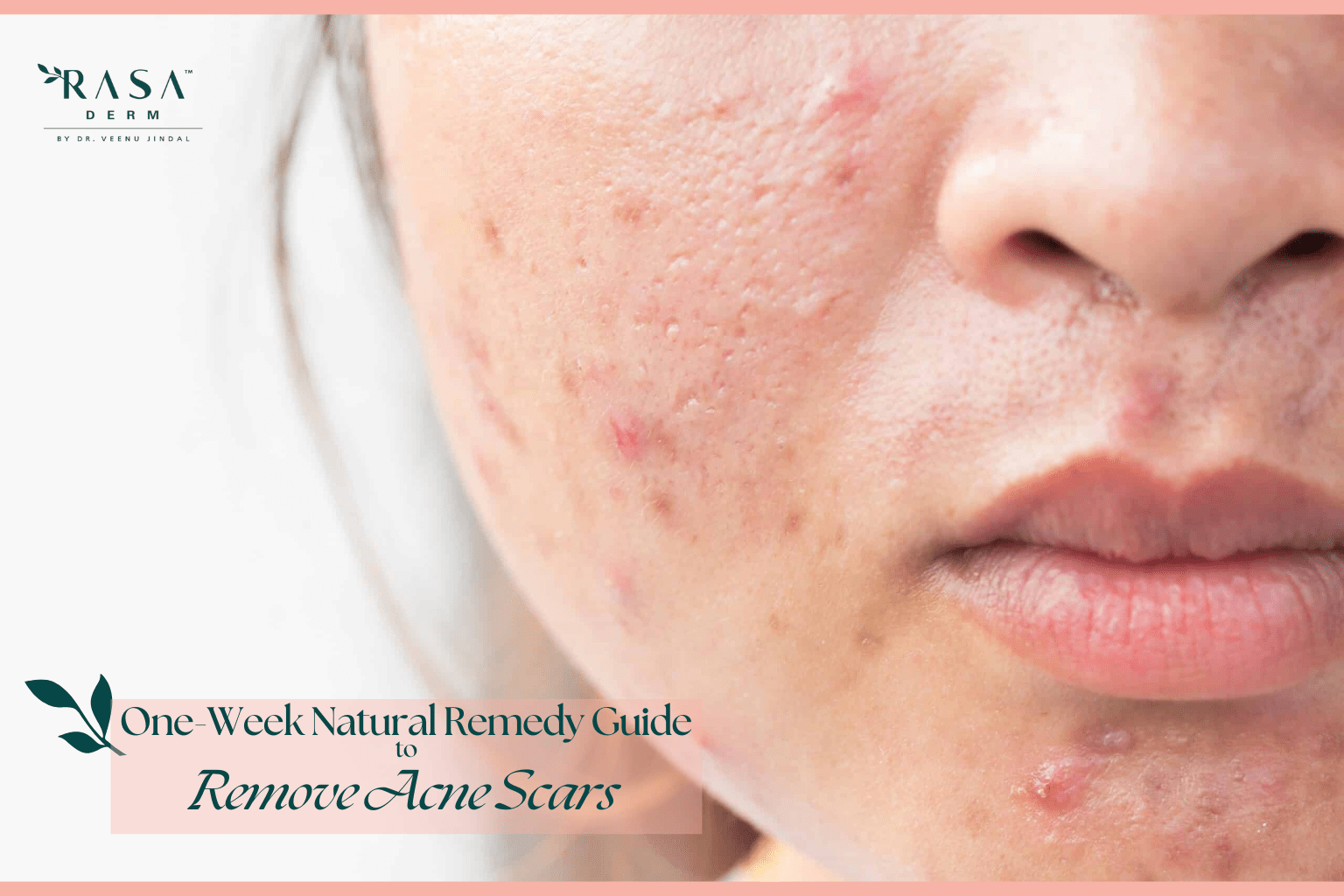
Natural habits can help mild acne, but they may not control moderate or severe acne. You should consider professional care if you have:
• Painful nodules or cysts.
• Deep acne on the face, chest, or back.
• Scars or many dark marks.
• Acne that does not improve after two to three months of consistent care.
• Sudden acne with irregular periods, excess facial hair, or hair thinning.
• Emotional distress, anxiety, or avoidance of social activities.
A dermatologist may recommend treatments such as benzoyl peroxide, topical retinoids, antibiotics, hormonal therapy, or isotretinoin. These treatments are not “natural,” but they can prevent scars and reduce long-term suffering. The safest plan may combine gentle lifestyle habits with medical treatment.
Pregnant or breastfeeding people should ask a clinician before using acne products, supplements, or essential oils. Some ingredients, including topical retinoids, may not be appropriate during pregnancy.
The most important answer to how can I prevent acne naturally is to know the limits of natural methods. Good habits can lower triggers, but acne is also a medical skin condition influenced by hormones and genetics.
A simple 30-day acne prevention plan
If you want a clear starting point, use this plan for one month:
Week 1: Simplify
• Use one gentle cleanser.
• Add a light moisturizer.
• Stop scrubs, toothpaste, lemon, and harsh alcohol products.
• Change your pillowcase and clean your phone.
Week 2: Reduce contact
• Keep hands away from your face.
• Wash after sweating.
• Keep hair products off your forehead.
• Avoid tight hats, straps, or masks when possible.
Week 3: Review habits
• Add more vegetables, beans, whole grains, and protein.
• Reduce sugary drinks and highly refined snacks.
• Track foods that seem to trigger breakouts.
• Set a regular sleep time.
Week 4: Check progress
• Take a photo in the same light.
• Look for fewer new pimples, less redness, or faster healing.
• Keep helpful habits.
• See a dermatologist if acne is painful, spreading, or leaving scars.
Skin often needs several weeks to show a clear change. Do not switch products every few days. Constant change makes it difficult to know what helps and may increase irritation.
Frequently Asked Questions
How can I prevent acne naturally overnight?
You cannot reliably prevent or clear acne overnight. You can reduce irritation by washing gently, avoiding picking, removing makeup, and using a clean pillowcase.
Does drinking water prevent acne?
Water supports normal body function, but drinking extra water has not been proven to prevent acne by itself. Staying hydrated is helpful, yet skin care, hormones, genetics, and inflammation also matter.
Can a healthy diet stop acne?
A balanced, lower-glycemic diet may reduce acne for some people, but it does not stop every case. Avoid extreme food restrictions, and track personal patterns instead of blaming one food without evidence.
Is tea tree oil safe for acne?
Diluted tea tree oil may help mild acne, but it can irritate or cause an allergic reaction. Use a tested product, never swallow it, and stop if burning, swelling, or a rash occurs.
Should I wash my face more often to prevent acne?
No. Washing twice daily and after heavy sweating is usually enough. Over-washing and scrubbing can damage the skin barrier and make redness or irritation worse.
Does sunscreen cause acne?
Some heavy sunscreens may clog pores, but many oil-free, noncomedogenic formulas are suitable for acne-prone skin. Daily sunscreen also helps prevent dark marks from becoming more noticeable.
Conclusion
How can I prevent acne naturally? Start with gentle cleansing, light moisture, daily sunscreen, balanced meals, good sleep, stress care, and less touching or picking. Avoid harsh home remedies, and remember that natural does not always mean safe or effective.
Give your routine time to work, track your results, and seek professional help if acne is painful, persistent, or leaving scars. Choose one small change today, then explore trusted skin-care resources or share your experience with a health professional.