Why Do Adults Still Get Acne?: Adult Acne Causes & Tips
Adults still get acne because hormones, oil, clogged pores, stress, and some medicines can trigger breakouts.
If you wonder why do adults still get acne, you are not alone. Acne can begin in adulthood, return after years of clear skin, or continue from the teen years. Dermatology research shows that adult acne often has several causes at once, so the best solution depends on your skin, health, habits, and treatment history.
What adult acne is
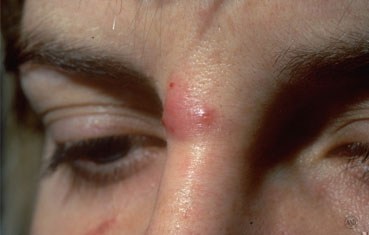
Adult acne is an inflammatory skin condition that affects people in their 20s, 30s, 40s, and beyond. It can cause blackheads, whiteheads, red bumps, painful cysts, and dark marks after healing.
Acne forms when dead skin cells and oil block a hair follicle. Bacteria then grow inside the blocked pore, and the body creates inflammation. Think of the pore as a tiny drain. When oil and skin cells plug it, pressure and swelling can follow.
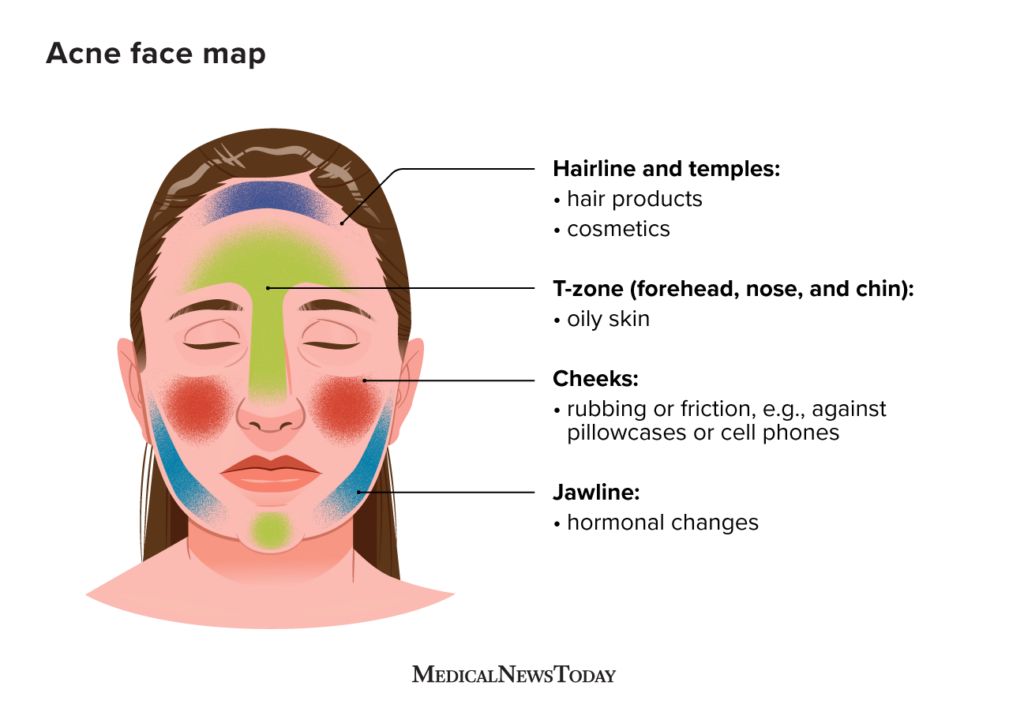
Adult acne may appear on the:
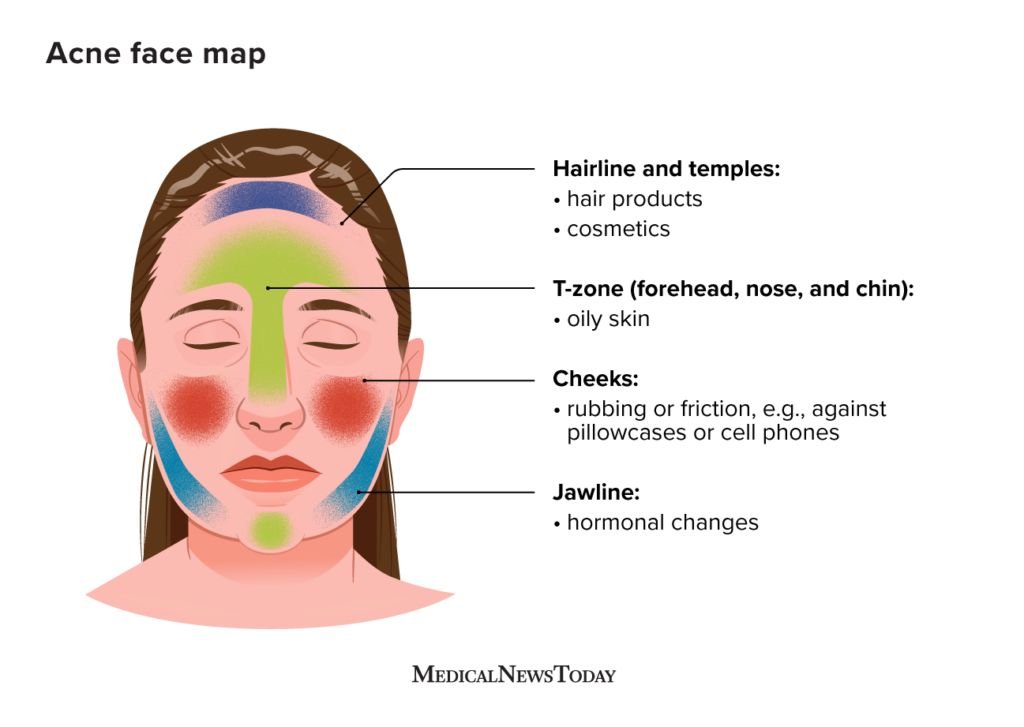
• Lower face and jawline
• Chin and around the mouth
• Neck
• Chest and upper back
• Hairline and forehead
A key reason why do adults still get acne is that adult skin can remain sensitive to hormone changes even after puberty ends. The skin may also react to stress, cosmetics, friction, or medication.

Why do adults still get acne?
Why do adults still get acne when puberty is over? The answer usually involves hormones, genetics, oil production, inflammation, and blocked pores. These factors can work together rather than act alone.
Hormonal changes
Hormones are one of the most common reasons why do adults still get acne. Androgens, such as testosterone, can increase oil production and make pores more likely to clog.
Women may notice breakouts before or during their periods. Acne may also change during pregnancy, after stopping birth control, during perimenopause, or after starting certain hormone treatments.
Hormonal acne often appears on the lower face. Deep, tender bumps along the jawline and chin are common, but this pattern does not prove that hormones are the only cause.
Genetics
Your genes can affect how much oil your skin makes and how strongly it reacts to blocked pores. If one or both parents had persistent acne, you may have a higher chance of developing it as an adult.
Genetics can also affect the risk of acne scars. Some people develop dark marks or raised scars after small breakouts, while others heal with little visible change.
Stress and poor sleep
Stress does not create acne from nothing, but it can make existing acne worse. Stress hormones may affect oil glands and immune activity. Stress can also lead to habits such as touching your face, sleeping in makeup, or picking at spots.
Poor sleep may add to the problem. Research links sleep loss with changes in inflammation and stress hormones, although sleep is not a single cure for acne.
Skin and hair products
Some products contain oils, waxes, or ingredients that can block pores. Heavy moisturizers, hair pomades, styling creams, sunscreen, and makeup may cause small bumps around the hairline or forehead.
Look for products labeled:
• Noncomedogenic
• Oil-free
• Won’t clog pores
These labels can help, but they are not perfect guarantees. Every person’s skin reacts differently, so introduce one new product at a time.
Friction and pressure
Friction can cause or worsen breakouts. This type of acne may develop where skin rubs against masks, helmets, chin straps, tight collars, phone screens, or sports equipment.
Sweat and heat can trap oil and bacteria under clothing or equipment. Clean items that touch your face often, and avoid wearing tight gear for longer than needed.
Medications and health conditions
Some medicines can trigger acne-like breakouts. Examples may include corticosteroids, lithium, some seizure medicines, and certain hormone treatments. Do not stop a prescribed medicine without speaking with the prescriber.
Acne may also be linked with conditions such as polycystic ovary syndrome, or PCOS. Signs that deserve medical attention include irregular periods, excess facial hair, scalp hair thinning, or sudden severe acne.

Adult acne in women and men
Adult acne affects all genders, but the pattern may differ. Women often report acne around the chin, jaw, and mouth. Hormonal changes can make these breakouts flare at regular times each month.
Men may develop acne on the face, back, shoulders, and chest. Shaving can also irritate the skin and spread inflammation. A dull or dirty razor is not the root cause of acne, but it can cause small cuts and worsen irritation.
For both women and men, why do adults still get acne may have more than one answer. A person may have hormonal acne, use a pore-blocking product, and experience stress at the same time.
Adult acne can also begin after a major life change. Starting a new job, changing birth control, moving to a new climate, or beginning intense exercise may affect the skin.
Does diet cause adult acne?
Diet is a common concern when people ask why do adults still get acne. Food is not the sole cause of acne for most people, and strict food rules are rarely helpful.
Some studies suggest that a high-glycemic diet may be linked with more acne in certain people. This diet includes many foods and drinks that raise blood sugar quickly, such as sugary beverages, white bread, and highly processed snacks.
Cow’s milk, especially skim milk, has also been linked with acne in some research. The connection is not fully understood, and studies do not prove that milk causes acne in every person.
A balanced approach works best:
• Eat more vegetables, fruit, beans, whole grains, and lean proteins.
• Limit sugary drinks and highly processed foods.
• Track possible food triggers for several weeks.
• Avoid cutting out major food groups without medical advice.
A food diary can show patterns, but do not blame one meal for a breakout. Acne often develops over days, not hours.

Common adult acne triggers
Daily habits can influence acne, even when they are not the main cause. Small changes may reduce irritation and help treatment work better.
Common triggers include:
• Picking or squeezing pimples
• Washing the face too often
• Scrubbing with rough cloths or brushes
• Sleeping in makeup
• Using alcohol-based products that dry the skin
• Wearing sweaty clothing for long periods
• Touching the face throughout the day
• Using dirty pillowcases, phones, helmets, or makeup tools
• Applying thick hair products near the forehead
• Changing several skin products at once
One mistake people often make is trying to “dry out” acne. Harsh products can damage the skin barrier. When skin becomes red and tight, it may feel clean, but irritation can make breakouts look worse.
A simple routine is often better than a crowded shelf of products. Use a gentle cleanser, a suitable moisturizer, and daily broad-spectrum sunscreen.

How to treat adult acne
Treatment depends on the type and severity of acne. Mild acne may improve with over-the-counter products, while painful or scarring acne often needs a dermatologist.
Step 1: Cleanse gently
Wash your face twice a day and after heavy sweating. Use lukewarm water and your fingertips. Avoid scrubbing, as friction can increase redness and swelling.
Step 2: Choose one active ingredient
Start with one acne treatment rather than several. Common options include:
• Benzoyl peroxide: Helps reduce acne-causing bacteria and inflammation. It may bleach towels and clothing.
• Salicylic acid: Helps loosen dead skin cells inside pores.
• Adapalene: A topical retinoid that helps prevent clogged pores.
• Azelaic acid: Can help acne and the dark marks left after breakouts.
Apply a small amount as directed. More product does not mean faster results. It often means more dryness.
Step 3: Moisturize
Acne treatments can dry or irritate the skin. A noncomedogenic moisturizer helps support the skin barrier and can make treatment easier to continue.
Step 4: Use sunscreen
Sun exposure can darken acne marks and increase irritation. Choose a broad-spectrum sunscreen with SPF 30 or higher. Use one that feels comfortable enough to wear every day.
Step 5: Give treatment time
Many acne treatments need six to eight weeks before you see clear improvement. Full results may take several months. Stopping after one week is a common mistake because the skin needs time to change.

When to see a dermatologist
Make an appointment if acne is painful, deep, widespread, or leaving scars. You should also seek care if over-the-counter treatment has not helped after about two to three months.
A dermatologist may recommend:
• Prescription-strength topical retinoids
• Prescription benzoyl peroxide combinations
• Oral antibiotics for short-term use
• Hormonal treatment for selected patients
• Isotretinoin for severe or treatment-resistant acne
• Injections for large, painful cysts
• Procedures for scars or persistent marks
Isotretinoin can be highly effective, but it requires careful medical supervision. It can cause serious risks during pregnancy and may have other side effects. A qualified clinician must explain the benefits, limits, and monitoring needs.
Doctors may also check for an underlying condition when acne appears suddenly or comes with unusual hair growth, irregular periods, or other hormone-related symptoms.

Adult acne and acne scars
Acne scars are different from temporary dark marks. A dark or red mark may fade over time, while a true scar changes the skin’s texture.
The best way to reduce acne scars is to treat acne early and avoid picking. Squeezing pushes inflammation deeper and increases the chance of lasting marks.
Scarring treatments may include:
• Prescription retinoids
• Chemical peels
• Microneedling
• Laser treatments
• Subcision
• Scar-specific injections
Treatment depends on the scar type, skin tone, budget, and risk of pigment changes. A dermatologist should guide these treatments, especially for deeper skin tones that may be more prone to post-inflammatory hyperpigmentation.
A simple routine for adult acne
A basic routine can reduce irritation and make it easier to judge what works.
Morning
- Wash with a gentle cleanser.
- Apply a light, noncomedogenic moisturizer.
- Use broad-spectrum SPF 30 or higher.
Evening
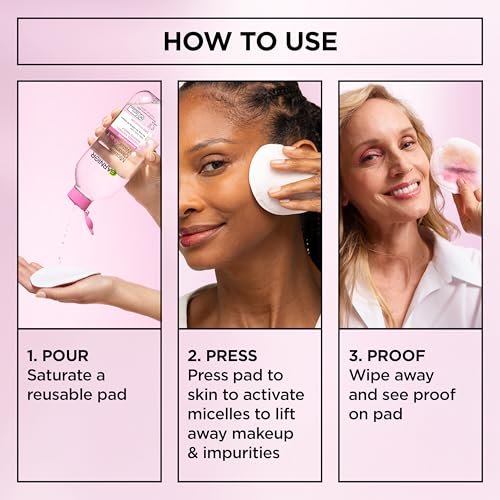
- Remove makeup and sunscreen.
- Cleanse gently.
- Apply one acne treatment.
- Use moisturizer after the treatment or before it if your skin is sensitive.
Introduce new products slowly. If your skin burns, cracks, or becomes severely red, stop the irritating product and ask a health professional for advice.
A useful lesson from real-world acne care is that consistency beats intensity. People often apply too much, change products every few days, and then cannot tell what caused improvement or irritation.
What not to do when you have adult acne
Avoid advice that promises instant results. Acne develops below the skin’s surface, so quick fixes often treat the appearance without addressing the cause.
Do not:
• Use toothpaste on pimples
• Scrub with sugar, salt, or baking soda
• Pop deep cysts
• Use several strong acids at once
• Stop prescribed medicine without guidance
• Blame yourself for having acne
• Expect one “perfect” diet to cure it
Acne is a medical skin condition, not a sign of poor hygiene. Washing harder will not remove the biological factors that drive clogged pores and inflammation.
Frequently Asked Questions
Why do adults still get acne after age 30?
Adults can get acne after age 30 because hormone shifts, genetics, stress, products, and medications can continue to affect the pores. Acne may also persist from the teenage years or return after a period of clear skin.
Is adult acne always caused by hormones?
No. Hormones are common contributors, but blocked pores, genetics, inflammation, friction, cosmetics, and medication can also play a role. A dermatologist can help identify the main triggers.
Can stress cause adult acne?
Stress may worsen acne by affecting hormones, inflammation, sleep, and daily habits. It is not usually the only cause, but reducing stress and improving sleep may support an effective acne treatment plan.
What is the best treatment for adult acne?
The best treatment depends on the type of acne, skin sensitivity, pregnancy status, and risk of scarring. Common options include benzoyl peroxide, salicylic acid, adapalene, azelaic acid, and prescription treatments.
Does washing your face more often clear acne?
Washing more than twice a day usually does not clear acne and may irritate the skin. Gentle cleansing twice daily and after heavy sweating is usually enough.
When should I worry about sudden adult acne?
Sudden acne with irregular periods, excess facial hair, scalp hair loss, or rapid worsening may signal a hormone-related condition. Ask a health professional for an evaluation rather than trying to treat the symptoms alone.
Conclusion
Why do adults still get acne? Usually, the answer is a mix of hormone changes, genetics, clogged pores, inflammation, stress, products, friction, or medication. Adult acne is common, treatable, and not a sign that you are doing something wrong.
Start with a gentle routine, add one proven treatment, protect your skin from the sun, and give the plan time to work. If acne is painful, persistent, or causing scars, schedule a dermatology visit. Explore trusted skin-care resources, and share your questions or experience with adult acne in the comments.