
Can Acne Leave Permanent Scars: Causes And Prevention
Yes, acne can leave permanent scars, especially when deep inflammation damages the skin’s support layer.
Can acne leave permanent scars? The answer depends on the type of acne, how long inflammation lasts, your skin tone, and whether you pick or squeeze spots. Most acne marks fade with time, but true scars can remain without treatment. This guide explains the difference, the warning signs, prevention steps, and proven ways to improve scarred skin.

Can acne leave permanent scars?
Yes, acne can leave permanent scars. A pimple may heal and leave no trace, while a deep cyst can damage collagen below the skin. Collagen is the protein that helps skin stay smooth and firm.
When the body makes too little collagen during healing, the skin may sink. This creates an indented, or atrophic, scar. When the body makes too much collagen, the scar may rise above the skin.
The risk is higher with:
• Deep, painful cysts and nodules
• Acne that lasts for many months or years
• Frequent picking, squeezing, or scratching
• Slow wound healing
• A family history of acne scarring
• Delayed acne treatment
• Darker skin tones, which may be more likely to develop raised scars or dark marks after inflammation
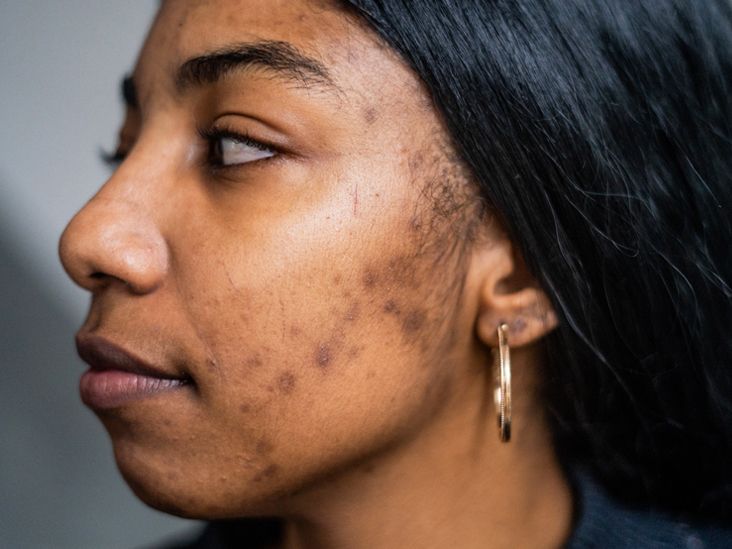
Not every lasting spot is a permanent scar. A flat red, brown, or purple mark is often post-inflammatory discoloration. These marks can fade, even when they take several months.
A useful rule is simple: if the skin surface is flat, the change may be a mark. If the skin is indented or raised, it is more likely to be a true scar.
Acne scars versus acne marks
Many people use the words “scar” and “mark” as if they mean the same thing. They do not. Knowing the difference helps you choose the right treatment and set realistic goals.
Post-inflammatory hyperpigmentation
Post-inflammatory hyperpigmentation, or PIH, appears as a brown or gray spot after acne heals. It is common in medium and deep skin tones because inflammation can stimulate extra melanin.
PIH is not a change in skin texture. It often fades slowly with daily sunscreen and gentle treatment. However, new acne can keep creating fresh dark spots, so controlling breakouts matters.
Post-inflammatory erythema
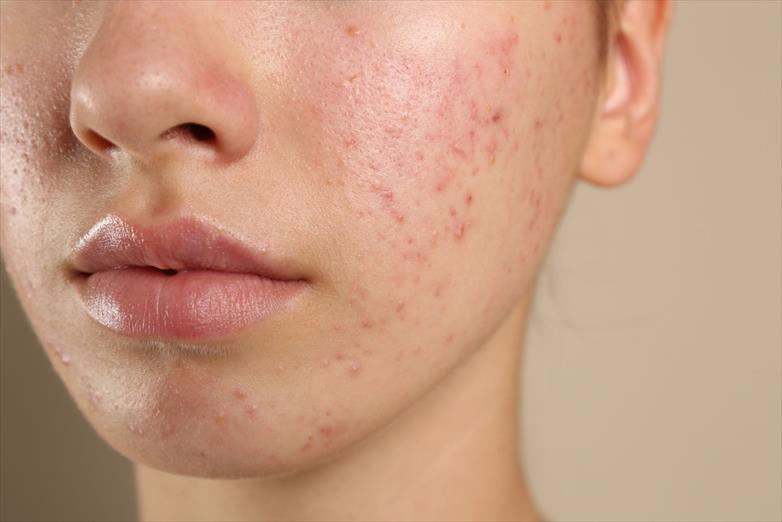
Post-inflammatory erythema means a red or pink area remains after a pimple heals. It may be more noticeable on fair skin, but it can affect any skin tone.
These red marks often improve over time. Sun exposure, heat, and ongoing irritation may make them look stronger.
Atrophic acne scars
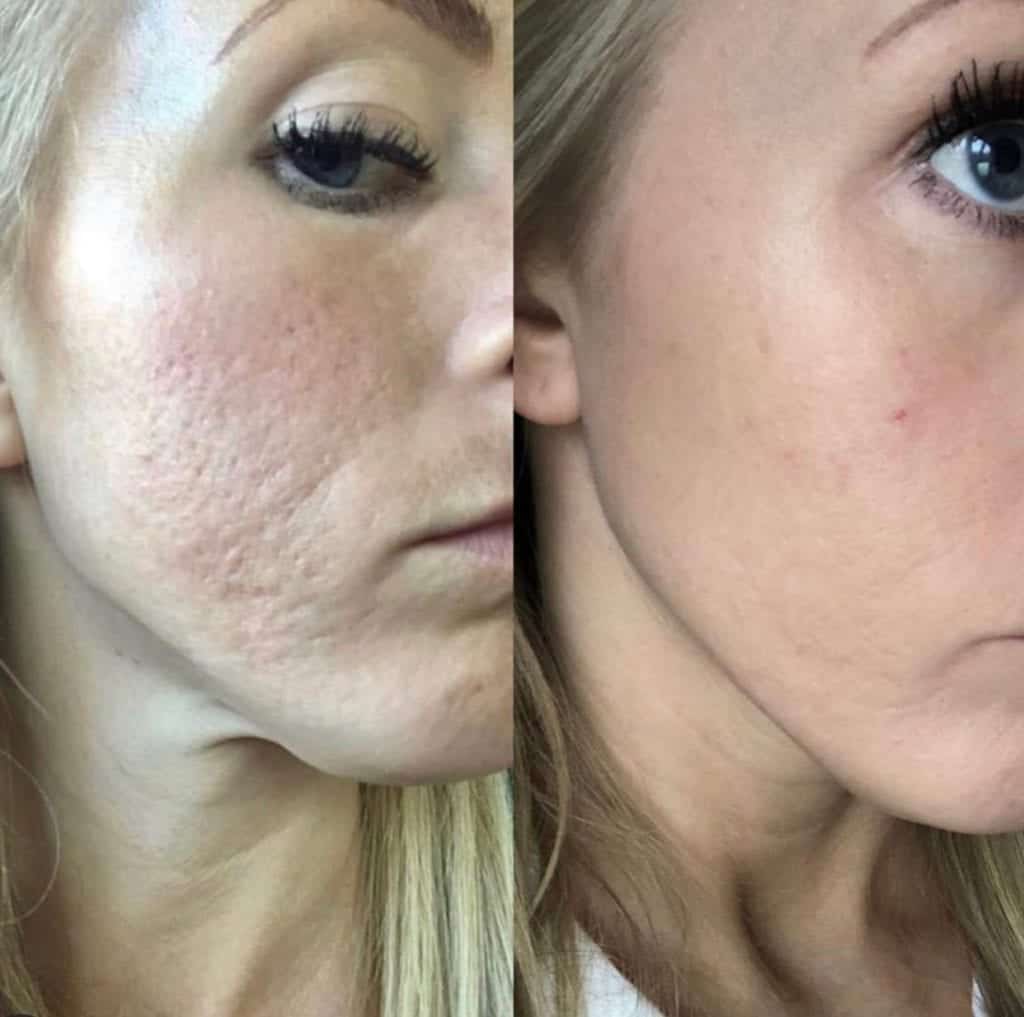
Atrophic scars are depressions in the skin. They form when inflammation destroys collagen.
Common types include:
• Ice pick scars, which are narrow and deep
• Boxcar scars, which have wider edges and a clear border
• Rolling scars, which create soft waves across the skin
Raised acne scars
Raised scars form when the body produces too much collagen. They may be called hypertrophic scars or keloids.
Raised scars are more common on the jaw, chest, shoulders, and back. They can itch, feel tender, or grow beyond the original pimple area.
So, can acne leave permanent scars even when the acne seems mild? It can, but lasting texture changes are more strongly linked with deep inflammation than with small surface pimples.
Why does acne cause permanent scarring?
Acne scarring starts with inflammation. A clogged pore traps oil, dead skin cells, and bacteria. The immune system responds, and that response can spread into the deeper layers of the skin.
Think of the skin as a soft mattress. A small surface blemish may leave the mattress unchanged. A deep cyst is more like a heavy object pressing into it. When the pressure and damage end, the surface may not spring back fully.
Several factors affect the final result:
Depth of the acne lesion
Deep nodules and cysts carry the greatest risk. They affect tissue below the visible surface and may damage collagen and elastin.
Length of inflammation
The longer a lesion stays swollen, painful, or tender, the more time it has to injure the skin. Early treatment can reduce this risk.
Picking and squeezing
Squeezing acne pushes inflammation deeper and can break the follicle wall. This may spread oil, bacteria, and immune cells into nearby tissue.
Picking also creates small wounds. Those wounds can increase the chance of infection, dark marks, and scars.
Genetics
Some people scar more easily than others. Family history can influence both depressed scars and raised scars.
Skin tone
Melanin-rich skin may be more likely to develop dark marks after acne. This does not mean darker skin cannot heal well. It means treatment should avoid unnecessary irritation and include careful sun protection.
Hormonal and medical factors
Hormonal changes, certain medicines, and some health conditions can make acne harder to control. A dermatologist can help identify these factors when acne is severe or unusual.
How to prevent permanent acne scars
The best treatment for acne scars is often prevention. Once a scar forms, treatment may soften it, but no method can promise perfect, untouched skin.
Use these steps:
-
Treat acne early. Do not wait for painful cysts to become frequent. A dermatologist can suggest treatments such as benzoyl peroxide, topical retinoids, antibiotics, hormonal therapy, or isotretinoin when appropriate.
-
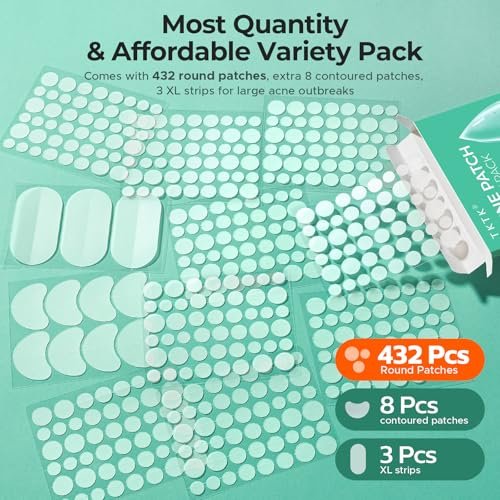
Do not pick or squeeze. Covering a pimple with a hydrocolloid patch may help reduce touching. It can also protect the area from friction.
-
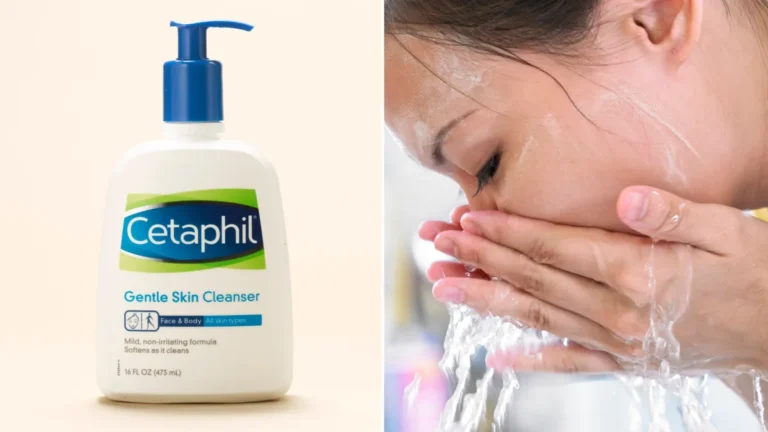
Use gentle skin care. Wash with a mild cleanser. Avoid rough scrubs, stiff brushes, and strong alcohol-based products.
-
Wear broad-spectrum sunscreen. Choose SPF 30 or higher and apply it every morning. Sunscreen helps reduce darkening and supports more even healing.
-
Keep treatment consistent. Acne medicines often need several weeks to show clear improvement. Stopping too soon can allow new lesions to form.
-
Avoid too many active products at once. Combining several strong acids, retinoids, and scrubs can irritate the skin and worsen discoloration.
-
Ask for help with deep acne. Painful cysts, fast scarring, or acne on the chest and back deserve professional care.
A practical lesson is that prevention does not need to be complicated. A gentle cleanser, a proven acne treatment, moisturizer, and sunscreen are often more useful than a crowded shelf of harsh products.
Can acne leave permanent scars if you follow a good routine? It is still possible, because genetics and lesion depth matter. However, early care greatly lowers the chance of severe scarring.

How to treat acne scars
Treatment depends on whether you have discoloration, depressed scars, or raised scars. A dermatologist may use one treatment or combine several.
Treatments for dark acne marks
Dark marks may improve with:
• Daily sunscreen
• Topical retinoids
• Azelaic acid
• Vitamin C
• Hydroquinone under professional guidance
• Chemical peels performed by a trained clinician
These products work slowly. Irritation can make discoloration worse, especially in darker skin tones. Start one product at a time and stop if you develop severe burning, swelling, or a rash.
Treatments for depressed scars
Indented acne scars may respond to:
• Microneedling
• Fractional laser resurfacing
• Chemical reconstruction techniques
• Subcision for rolling scars
• Dermal fillers
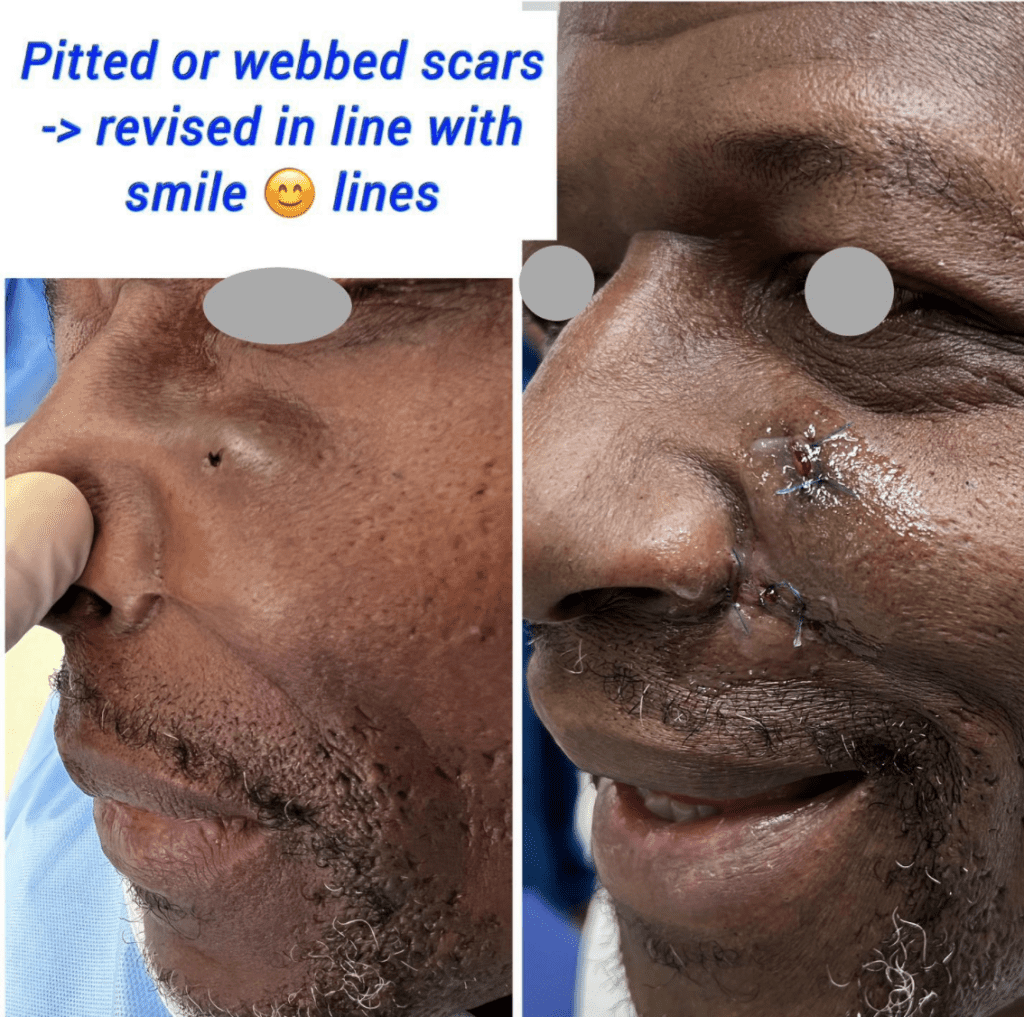
• Punch excision for selected deep scars
Microneedling uses small needles to create controlled injury. The healing response may encourage new collagen. Laser treatment can resurface the skin, but the best laser type depends on skin tone, scar pattern, and risk of discoloration.
A dermatologist should assess deep scars before treatment. Ice pick scars, boxcar scars, and rolling scars do not all respond to the same method.
Treatments for raised scars
Raised acne scars may be treated with:
• Corticosteroid injections
• Silicone gel or silicone sheets
• Cryotherapy
• Laser treatment
• Surgical removal in selected cases
Keloids can return after treatment, so follow-up care is important. Never cut off or burn a raised scar at home.
What results should you expect?
Most treatments improve the look of scars rather than erase them. Several sessions may be needed, and results can take months because collagen changes slowly.
Treatment also has limits. Procedures may cause redness, swelling, temporary darkening, infection, or changes in skin texture. Ask about the clinician’s experience with your skin tone and scar type before booking a procedure.
When should you see a dermatologist?
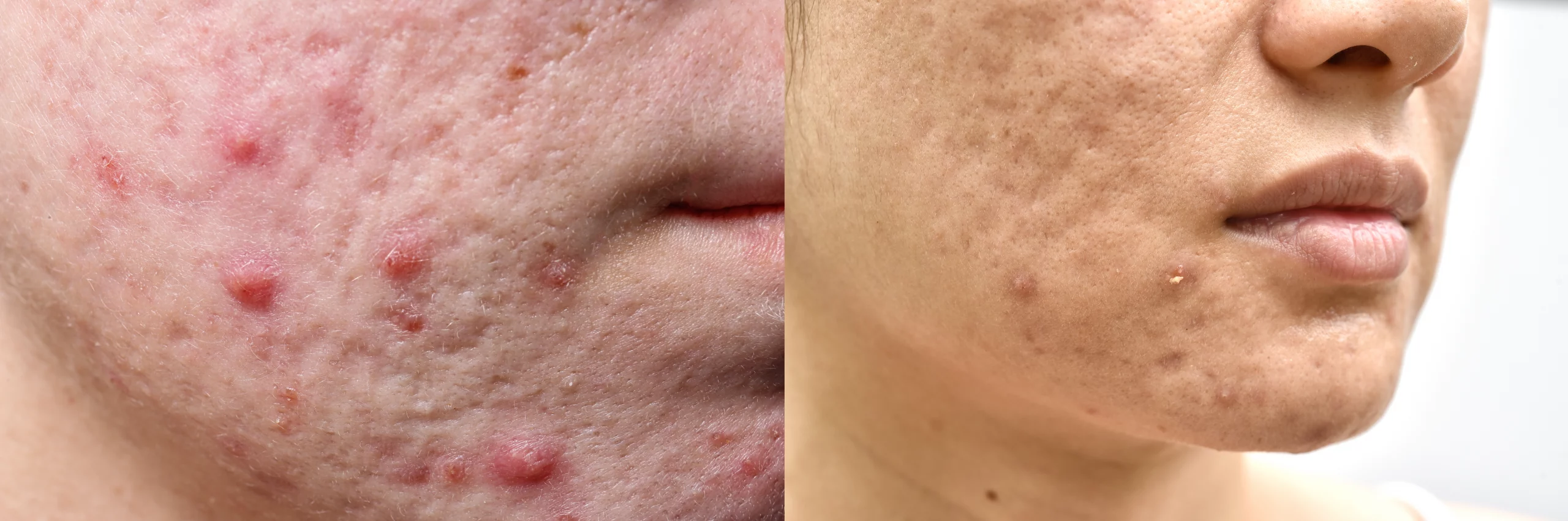
Make an appointment if acne is painful, widespread, or leaving dents. You should also seek care if over-the-counter products have not helped after about eight to twelve weeks.
A dermatologist can:
• Confirm whether you have marks or true scars
• Treat active acne and scars at the same time
• Reduce the risk of new scars
• Choose safe options for your skin tone
• Explain costs, side effects, and expected results
• Check whether another condition is causing the bumps
Seek medical advice sooner if acne affects your mood, causes severe distress, or makes you avoid work, school, photos, or social events. Acne scarring is not only a cosmetic concern. It can affect confidence and mental health, and support is available.
If you are pregnant, trying to conceive, or breastfeeding, ask a clinician before using acne medicines. Some treatments, including certain retinoids, are not suitable during pregnancy.
Common mistakes that can make acne scars worse
Some popular acne tips can cause more harm than good.
• Using lemon juice can irritate skin and increase sensitivity.
• Applying toothpaste may cause burning and dryness without treating acne.
• Scrubbing hard can worsen inflammation.
• Tanning may temporarily hide discoloration but can deepen dark marks and damage skin.
• Using steroid creams without medical advice can trigger new acne and thinning skin.
• Starting several strong products at once makes it hard to identify the cause of irritation.
• Treating scars while ignoring active acne allows new damage to form.
The safest approach is steady and gentle. Skin does not heal faster because it is made uncomfortable.
How long do acne scars and marks last?
The timeline varies. Red and brown acne marks may fade in a few months, but some can last a year or longer. Sun exposure and repeated breakouts may extend that timeline.
True acne scars often remain without treatment. They may soften slightly over time, but they usually do not vanish on their own.
Healing is not always a straight line. A mark may look darker after a hot day, a breakout, or irritation from a new product. That does not always mean permanent worsening.
Take photos every four weeks in the same light. Daily mirror checks can make small changes hard to notice. Clear photos give you a more honest view of progress.
So, can acne leave permanent scars after many years? Yes, structural scars can remain for years. Still, professional treatment may improve their depth, edges, color, and overall visibility.
Frequently asked questions
Can acne leave permanent scars after one pimple?
It is possible, especially if the pimple is a deep cyst or gets picked. Small surface pimples are less likely to cause permanent texture changes.
How can I tell if an acne spot is a scar?
A flat red, brown, or purple area is usually a post-acne mark, not a true scar. A dent or raised area that changes the skin’s texture is more likely to be a permanent acne scar.
Do acne scars fade naturally?
Dark and red marks often fade naturally, although the process can take months. Depressed and raised scars usually need professional treatment to improve significantly.
Can sunscreen help acne scars?
Sunscreen cannot fill an indented scar, but it can prevent dark marks from becoming deeper and more noticeable. Use a broad-spectrum SPF 30 or higher each day.
Does picking acne always cause scars?
Picking does not always cause a visible scar, but it raises the risk of deeper inflammation, infection, dark marks, and permanent texture changes. Keeping hands away from active acne is one of the simplest prevention steps.
What is the best treatment for acne scars?
There is no single best treatment because scar types differ. A dermatologist may recommend microneedling, laser treatment, subcision, fillers, chemical treatment, or injections based on your skin and scar pattern.
Can acne scars be completely removed?
Most treatments improve acne scars rather than remove them completely. Good results often require the right procedure, several sessions, sun protection, and control of active acne.
Conclusion
Can acne leave permanent scars? Yes, deep and inflamed acne can create lasting dents or raised areas, while many flat red and brown marks fade with time. Early acne treatment, daily sunscreen, gentle skin care, and avoiding picking can lower your risk.
If scars are already present, do not blame yourself. A dermatologist can identify the scar type and build a safe plan that fits your skin tone, budget, and goals. Start with consistent care, seek expert advice for deep scars, and explore trusted dermatology resources or share your questions in the comments.

One Comment