Why Do My Pores Look so Large?
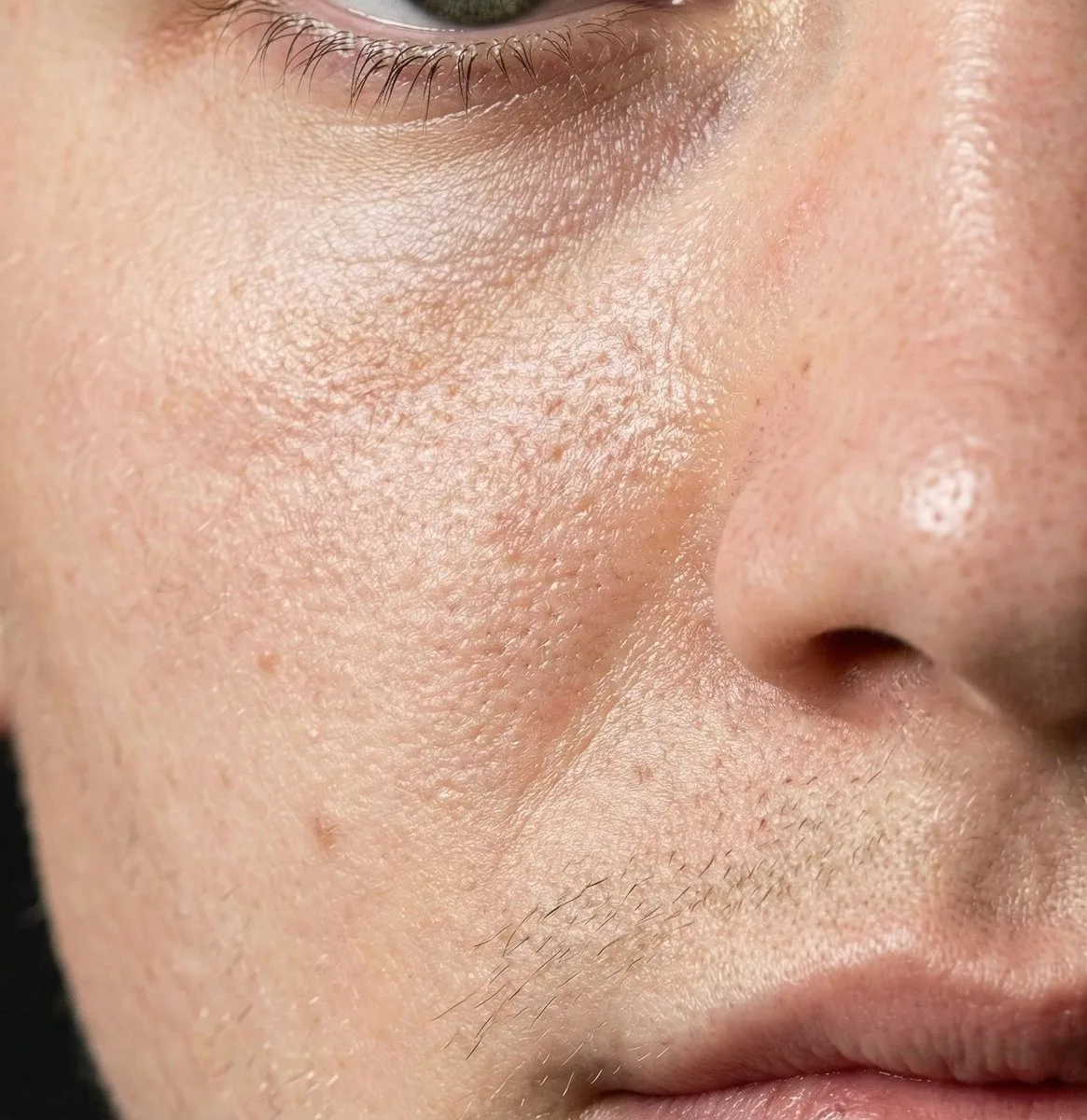
Image source: Bing (Web (fair-use with source credit))
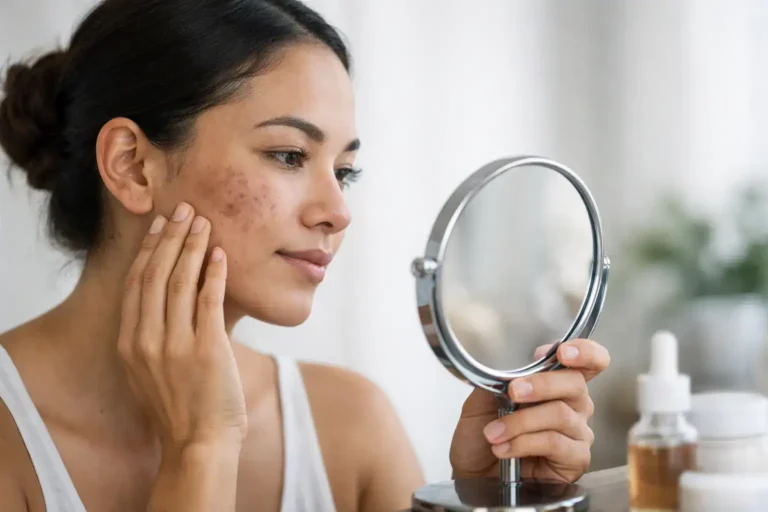
It's a common question: "Why do my pores look so large?" You look in the mirror, and those little openings on your skin seem to be shouting for attention. While you can't actually shrink your pores, you can definitely make them appear smaller and less noticeable. This involves understanding what causes them to look enlarged in the first place.
Our pores are a natural and necessary part of healthy skin, acting as tiny openings for hair follicles and oil glands. Their visible size is influenced by a mix of genetics, skin type, and how well you care for your skin. According to dermatological research, a pore's diameter can range from 0.1 to 0.5 millimeters.
When they become clogged or lose elasticity, they tend to appear larger. Let's break down what's happening.
Why Pores Look Larger Than They Are
When you're trying to figure out why your pores look so large, it's often because they're either carrying extra baggage or have lost some of their youthful bounce. Think of your pores like tiny tunnels in your skin. If those tunnels get filled with gunk, they stretch out and look bigger.
If the skin around them gets a bit saggy, the openings just look more prominent.
There are a few main culprits that contribute to this. Genetics plays a huge role, some people are simply born with pores that are naturally larger. Your skin type is another big one; if you have oily skin, those pores are likely working overtime, producing more sebum (oil), which can lead to them appearing more dilated.
Finally, how you treat your skin matters. Damage from the sun, aging, and improper skincare can all affect the skin's structure, making pores more visible.
What's Really Going On With Your Pores?
At their core, pores are the small openings on the surface of your skin that lead to hair follicles and sebaceous glands. These glands produce sebum, an oil that helps keep your skin moisturized and protected. The size of your pores is largely determined by genetics, but several factors can make them appear larger.
When pores become clogged with oil, dead skin cells, and debris, they can stretch. This congestion can lead to conditions like blackheads and whiteheads, which further highlight the pore opening. Over time, or due to environmental damage like sun exposure, the collagen and elastin that support your skin can break down.
This loss of elasticity means the pore walls don't snap back as effectively, making the pores look more open and noticeable.
Seeing It Clearly: Understanding Visual Cues of Enlarged Pores
Let's be honest, we usually notice our pores because of how they look. It's like seeing a little divot in a perfectly smooth surface. Understanding the visual cues is key to knowing why they're drawing your eye.
Oiliness and Shine: The Usual Suspects
If your skin looks shiny, especially in the T-zone (forehead, nose, and chin), it's a strong indicator that your pores are working overtime. When sebaceous glands produce a lot of oil, it fills the pores and can make them stretch, appearing more prominent. This excess oil can also mix with dead skin cells and create blockages, further widening the pore opening.
Elasticity Loss and Aging's Role
As we age, our skin naturally loses some of its collagen and elastin. These are the proteins that keep our skin firm and plump. When these structural components weaken, the skin around the pores doesn't have as much support.
This can cause the pores to sag and appear more dilated, almost like a curtain that's lost its stiffness. You might notice this most on the cheeks where skin tends to be thinner.
Genetics: What You Inherit
It’s true, sometimes it really is just in the genes. Some people are genetically predisposed to having larger pores. This is related to the number, size, and activity of their oil glands.
If your parents or siblings have noticeable pores, there's a good chance you will too, regardless of your skincare routine. This is one factor you can't change, but you can manage its appearance.
Quick Wins for Minimizing Pore Appearance
You don't always need a complex routine to make your pores look less obvious. Simple, consistent steps can make a noticeable difference by keeping pores clear and supporting the skin around them. These are the everyday actions that help.
Your Daily Skincare Lineup
A solid daily routine is your first line of defense. Cleansing twice a day removes excess oil, dirt, and impurities that can clog pores. Using a gentle cleanser is key; harsh soaps can strip your skin, causing it to produce even more oil in an attempt to compensate, which can ironically make pores look larger.
Follow up with a lightweight, non-comedogenic moisturizer (meaning it won't clog pores) and always finish your morning routine with sunscreen. Sun damage accelerates the loss of skin elasticity, making pores more visible over time.
Gentle but Effective Exfoliation
Exfoliation helps shed dead skin cells that can accumulate and block pores. This is crucial for keeping them clear. There are two main types: chemical exfoliants, like alpha-hydroxy acids (AHAs) and beta-hydroxy acids (BHAs), and physical exfoliants, such as scrubs.
BHAs, particularly salicylic acid, are oil-soluble and can penetrate into the pore to dissolve blockages, making them excellent for oily and acne-prone skin.
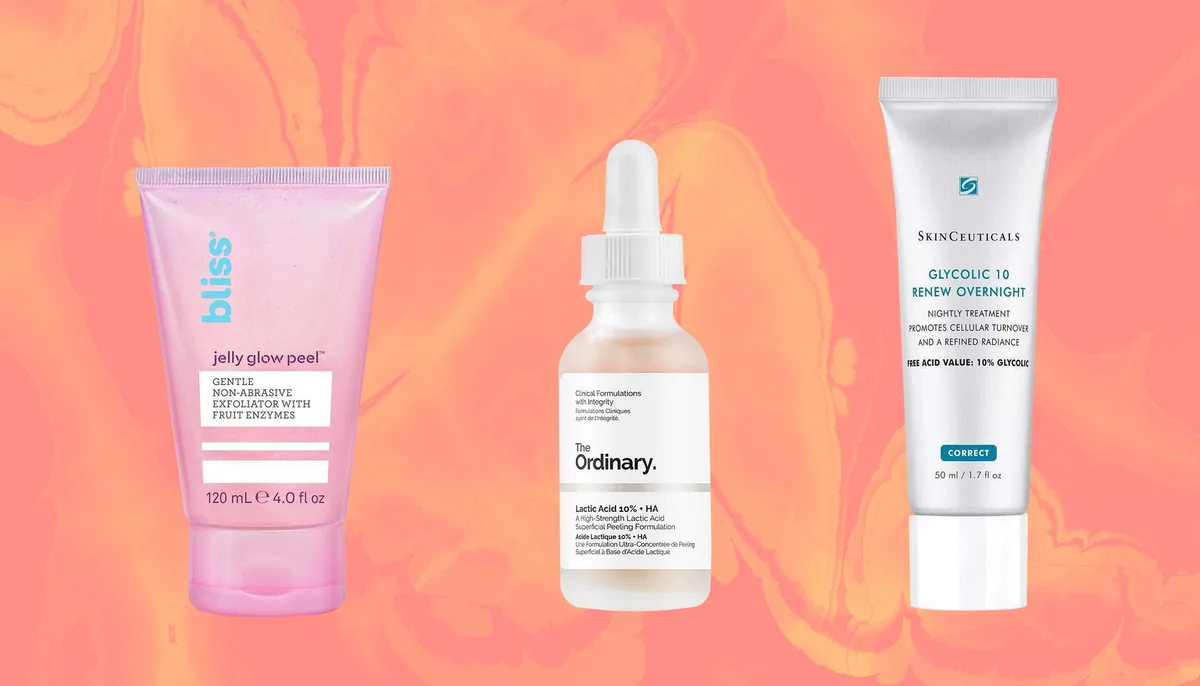
Image source: Bing (Web (fair-use with source credit))
It's important to exfoliate regularly, but not too often. Over-exfoliating can irritate your skin and damage its natural barrier, leading to increased sensitivity and potential breakouts. Aim for 1-3 times per week, depending on your skin type and tolerance.
The Power of Clay Masks
Clay masks are fantastic for drawing out impurities and excess oil from your pores. Ingredients like bentonite or kaolin clay can absorb sebum and dirt, leaving your skin feeling cleaner and your pores looking tighter. When the clay dries, it creates a gentle suction that helps pull congestion from deep within the pore.
Using a clay mask once or twice a week can be very beneficial, especially for those with oily or combination skin. Just be sure not to let the mask dry completely to the point of cracking, as this can dehydrate your skin. Rinse it off when it’s still slightly damp.
This is a great way to give your pores a deep clean without harsh scrubbing.
When to Call in the Pros
When you're looking to address pores that appear larger, the right treatments can make a significant difference. These focus on either deep cleaning to prevent clogging or on improving the skin's structure to make pores less noticeable.
At-Home Treatments that Help
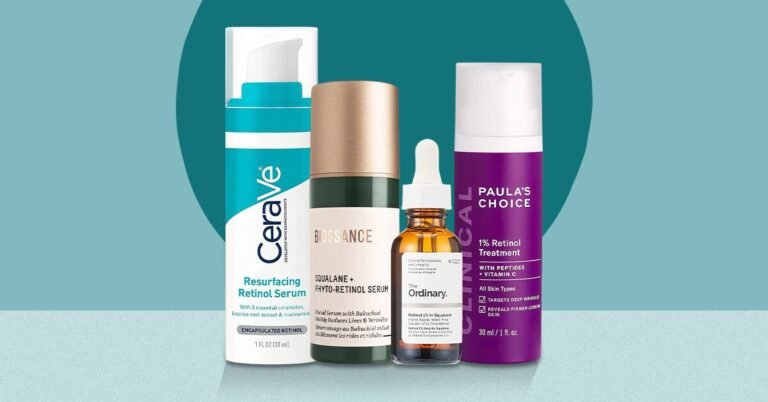
Beyond daily cleansing and regular exfoliation, several ingredients and products can target pore appearance. Retinoids, including retinol and prescription tretinoin, are well-known for their ability to speed up cell turnover and boost collagen production. This can help firm the skin and make pores look tighter.
Ingredients like niacinamide (Vitamin B3) are also beneficial, as they can help improve skin elasticity and reduce inflammation, indirectly minimizing the look of pores.
If you struggle with persistent pore congestion and oiliness, consider incorporating these ingredients into your routine gradually. Using a serum with these active ingredients before your moisturizer can be very effective. For example, consistent use of a retinol product, as recommended by dermatological guidelines for improving skin texture, can yield visible results over several months.
You can learn more about treating acne at bestacnetreat.com/what-ingredients-are-best-for-treating-acne/.
Professional Procedures for Impact
For more significant concerns, professional treatments offer a more intensive approach. Chemical peels use higher concentrations of acids than you'd find in at-home products to deeply exfoliate the skin and reveal smoother, refined texture. Microdermabrasion uses fine crystals or a diamond-tipped wand to manually remove the outermost layer of skin, unclogging pores and stimulating new cell growth.
More advanced options include laser resurfacing and microneedling. Lasers can target specific skin concerns, promoting collagen production and skin tightening. Microneedling creates tiny controlled injuries in the skin, triggering the body's natural healing process, which in turn boosts collagen and elastin.
These procedures often require multiple sessions for optimal results and should always be performed by a qualified professional.
Common Missteps That Worsen Pore Visibility
You might be making a few skincare mistakes without realizing it, and these can actually make your pores look worse. It’s easy to fall into these traps, but knowing them can help you avoid them.
Over-Washing and Stripping Your Skin
Washing your face too often, or using a cleanser that's too harsh, can strip away your skin's natural oils. Your skin's response to this dryness is often to produce more oil to compensate. This excess sebum can then fill and stretch pores, making them more visible.
Aim for cleansing twice a day with a gentle, pH-balanced product.
Picking and Squeezing
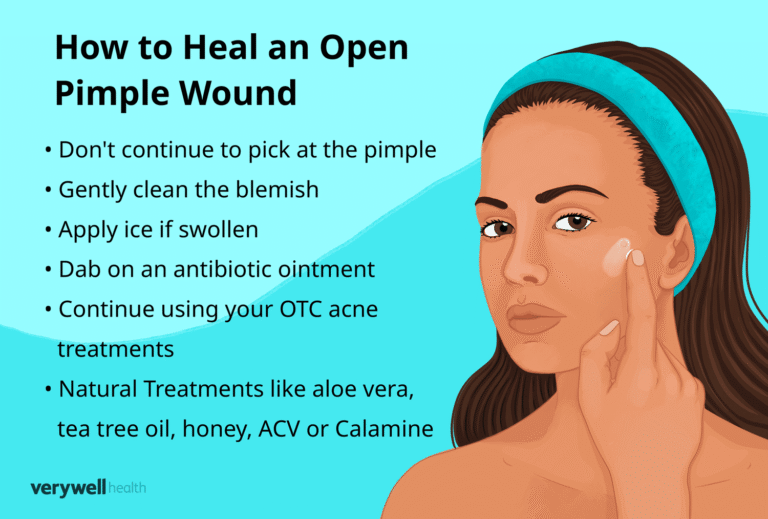
Resist the urge to pick at or squeeze your pores, especially blackheads and pimples. Doing so can push bacteria deeper into the skin, cause inflammation, and even lead to permanent scarring. This can damage the pore walls and the surrounding skin, making the pores appear larger and more noticeable over time.
It’s better to use targeted treatments to clear congestion. For more on this, see advice on bestacnetreat.com/should-you-pop-pimples/.
Using the Wrong Products
Not all skincare products are created equal, and some can actually clog your pores. Look for products labeled "non-comedogenic," which means they are formulated not to block pores. Ingredients like heavy oils, certain silicones, or pore-clogging fragrances can contribute to congestion and make pores look larger.
Always check ingredient lists if you're prone to breakouts or visible pores.
Frequently Asked Questions About Pore Size
Can you permanently shrink pores?
No, you cannot permanently shrink the size of your pores. Pore size is primarily determined by genetics and is also influenced by factors like skin elasticity and the amount of sebum produced. However, you can make them appear smaller and less noticeable through consistent skincare and treatments.
Do pore strips actually work?
Pore strips can remove the very top layer of debris and oxidized oil (blackheads) from your pores, making them appear clearer temporarily. They don't change the underlying size of the pore, and the effects are short-lived. Overuse can also sometimes irritate the skin or cause broken capillaries.
Is oily skin the main cause of large pores?
Oily skin is a major contributing factor because excess sebum can stretch pores and become trapped, leading to congestion. However, genetics, aging, and loss of skin elasticity also play significant roles. Some people with dry skin can still have visibly large pores if genetics or aging is the primary cause.