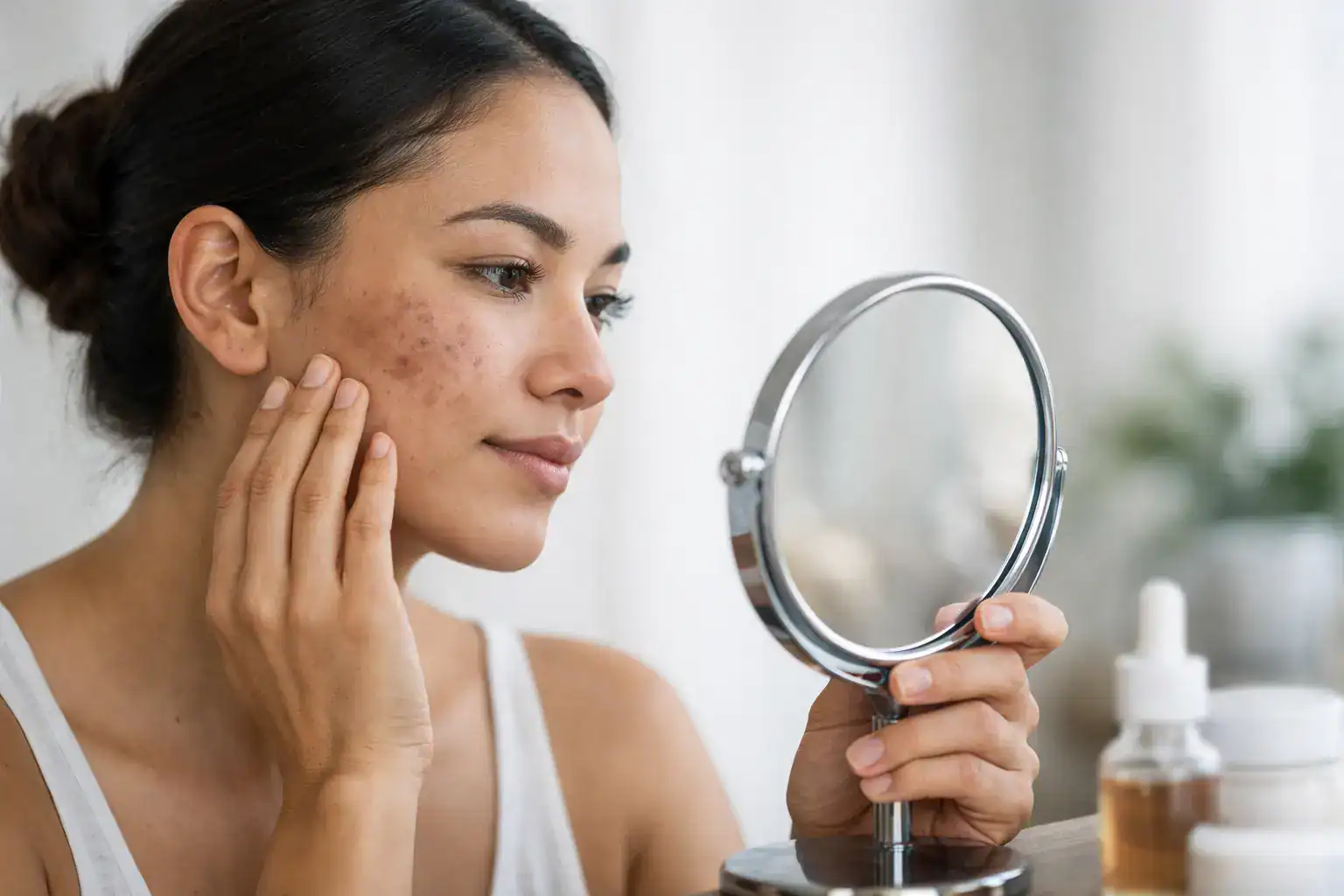
Can Sunscreen Help Prevent Acne: SPF Tips For Clear Skin
Yes, sunscreen can help prevent acne by reducing irritation, dark marks, and pore-clogging sun damage.
Can sunscreen help prevent acne? The answer is more nuanced than a simple yes or no. Sunscreen does not treat the bacteria, oil, or blocked pores that cause acne, but the right formula can protect healing skin and reduce problems that make breakouts look and feel worse. This guide explains how sunscreen affects acne, which ingredients to seek, what to avoid, and how to build a simple daily routine.

Can sunscreen help prevent acne?
Can sunscreen help prevent acne directly? Usually, no. Sunscreen is not an acne medicine, and it does not replace proven treatments such as benzoyl peroxide, salicylic acid, adapalene, or prescription care.
However, sunscreen can support clearer skin in several important ways. Sun exposure may worsen inflammation, dark acne marks, and skin irritation. It can also make some acne treatments harder to tolerate because products such as retinoids and exfoliating acids may increase sun sensitivity.
Daily sunscreen may help by:
- Protecting healing blemishes from ultraviolet radiation
- Reducing the chance of dark spots after pimples heal
- Limiting redness caused by sun exposure
- Supporting the skin barrier during acne treatment
- Preventing sunburn, which can trigger dryness and extra oil production
Think of sunscreen as a seat belt, not a repair shop. It helps protect your skin from more damage, but it does not remove the original cause of acne.
A noncomedogenic sunscreen is often the best choice for acne-prone skin. “Noncomedogenic” means the product is designed not to block pores, although no label can guarantee that every person will tolerate it perfectly.
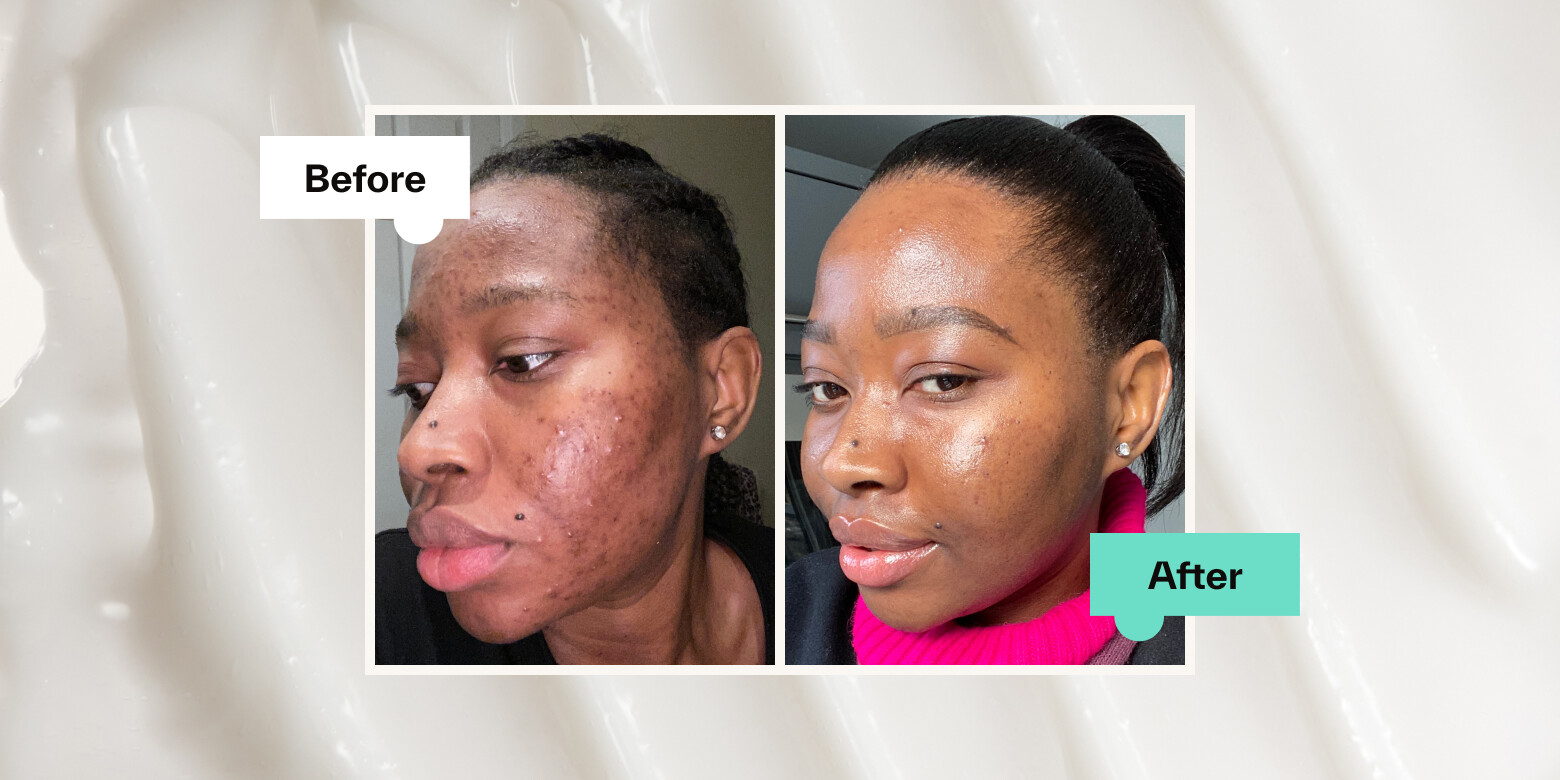
:max_bytes(150000):strip_icc()/byr-innisfree-daily-uv-defense-invisible-broad-spectrum-spf-36-sunscreen-before-after-austen-tosone-02-905675d96f2849a2807232bc2789b9b6.jpeg)
How does sun exposure affect acne-prone skin?
Sunlight can make acne seem better for a short time. It may dry the surface of a pimple and temporarily reduce visible redness. This effect can be misleading because ultraviolet exposure can cause deeper irritation and damage.
When skin becomes dry from the sun, it may produce more oil to protect itself. Extra oil can mix with dead skin cells and block pores. For some people, this cycle leads to more blackheads, whiteheads, and inflamed pimples.
Sun exposure also affects post-inflammatory hyperpigmentation. These are the brown, red, or purple marks left after acne heals. On medium to deep skin tones, these marks can be especially persistent. Without sunscreen, a small blemish may leave a visible mark that lasts for months.
Sunscreen does not stop every acne mark. It does help reduce the ultraviolet exposure that can make those marks darker and slower to fade.

Can sunscreen help prevent acne scars and dark spots?
Can sunscreen help prevent acne scars? It can help prevent dark marks, but it cannot fully prevent true acne scars.
There are two common types of acne marks:
- Post-inflammatory hyperpigmentation causes flat brown or gray spots.
- Post-inflammatory erythema causes flat red or pink spots.
- Depressed or raised acne scars change the skin’s texture.
Sunscreen is most useful for the first type and may also help reduce ongoing color changes in the second type. It has less power over indented or raised scars, which may need treatments from a dermatologist.
Apply sunscreen every morning, even when you do not plan to spend much time outside. Ultraviolet rays can reach your skin through windows and during short trips such as walking to the car or getting coffee.
For better protection, choose broad-spectrum sunscreen with at least SPF 30. Reapply every two hours when outdoors, and reapply after sweating or swimming. Hats and shade add extra protection.
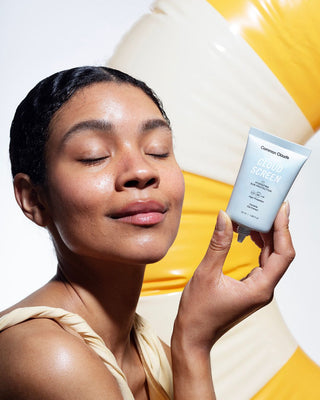
What sunscreen is best for acne-prone skin?
The best sunscreen for acne-prone skin is one that protects well and feels comfortable enough to use every day. A product that stays in your bathroom cabinet cannot protect your face.
Look for these features:
- Broad-spectrum protection against UVA and UVB rays
- SPF 30 or higher
- A noncomedogenic label
- An oil-free or lightweight texture
- Gel, fluid, serum, or lotion formulas
- Fragrance-free options if your skin is sensitive
- Water resistance if you sweat or exercise
Mineral sunscreens contain zinc oxide or titanium dioxide. They often suit sensitive skin because they sit on the skin and reflect or scatter ultraviolet rays. Some people with acne prefer them, but thick mineral creams may feel heavy or leave a white cast.
Chemical sunscreens use filters that absorb ultraviolet energy. Many have thin, elegant textures that work well under makeup. They are not automatically worse for acne, despite some online claims.
The most important factor is your response. If a sunscreen causes small bumps, itching, burning, or new breakouts, stop using it and test another formula.

Ingredients that may suit acne-prone skin
Sunscreen filters protect against ultraviolet radiation, but some formulas include extra ingredients that may support oily or blemish-prone skin.
Helpful options may include:
- Niacinamide, which may help support the skin barrier and reduce the look of excess oil
- Zinc oxide, a mineral sunscreen filter that may feel calming on sensitive skin
- Silica, which can reduce shine in some matte formulas
- Glycerin, which helps draw water into the skin
- Ceramides, which support the skin barrier
- Hyaluronic acid, which adds light hydration without heavy oil
Do not assume that every “acne-fighting” sunscreen will work for you. A product may contain salicylic acid or other active ingredients, but the amount may be too low to treat acne. It may also irritate skin when combined with a retinoid or acne cleanser.
Can sunscreen help prevent acne when it contains niacinamide or zinc? It may support healthier skin, but the sunscreen’s main job is still ultraviolet protection. You may need a separate acne treatment for blocked pores and active pimples.
Ingredients and textures that may cause problems
Sunscreen does not cause acne for everyone. Still, certain textures or ingredients may trigger bumps in people with sensitive or oily skin.
Potential trouble signs include:
- A thick, greasy cream that feels difficult to remove
- Heavy plant oils or rich butters
- Strong fragrance or essential oils
- A formula that causes burning or itching
- Products that leave a sticky film and collect sweat
- Makeup and sunscreen layered without proper cleansing
This does not mean these ingredients are always harmful. Skin care is personal. Coconut oil, for example, may clog pores for some people but not others.
Patch testing can prevent a full-face reaction. Apply a small amount near the jaw or behind the ear once daily for several days. If you notice itching, swelling, rash, or clusters of bumps, choose another product.

How to use sunscreen without worsening breakouts
A careful routine can make sunscreen easier for acne-prone skin.
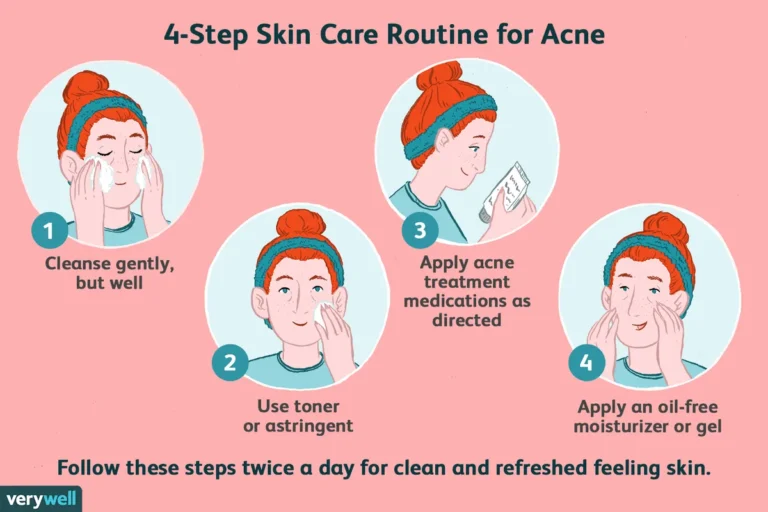
- Wash with a gentle cleanser. Use lukewarm water and your fingertips. Avoid scrubbing.
- Apply acne treatments as directed. Let products settle if they feel wet or slippery.
- Use a light moisturizer if your skin feels dry or tight.
- Apply enough sunscreen to cover your face, ears, and neck.
- Reapply when you are outdoors for long periods, sweat, or swim.
- Cleanse your skin at night to remove sunscreen, makeup, sweat, and pollution.
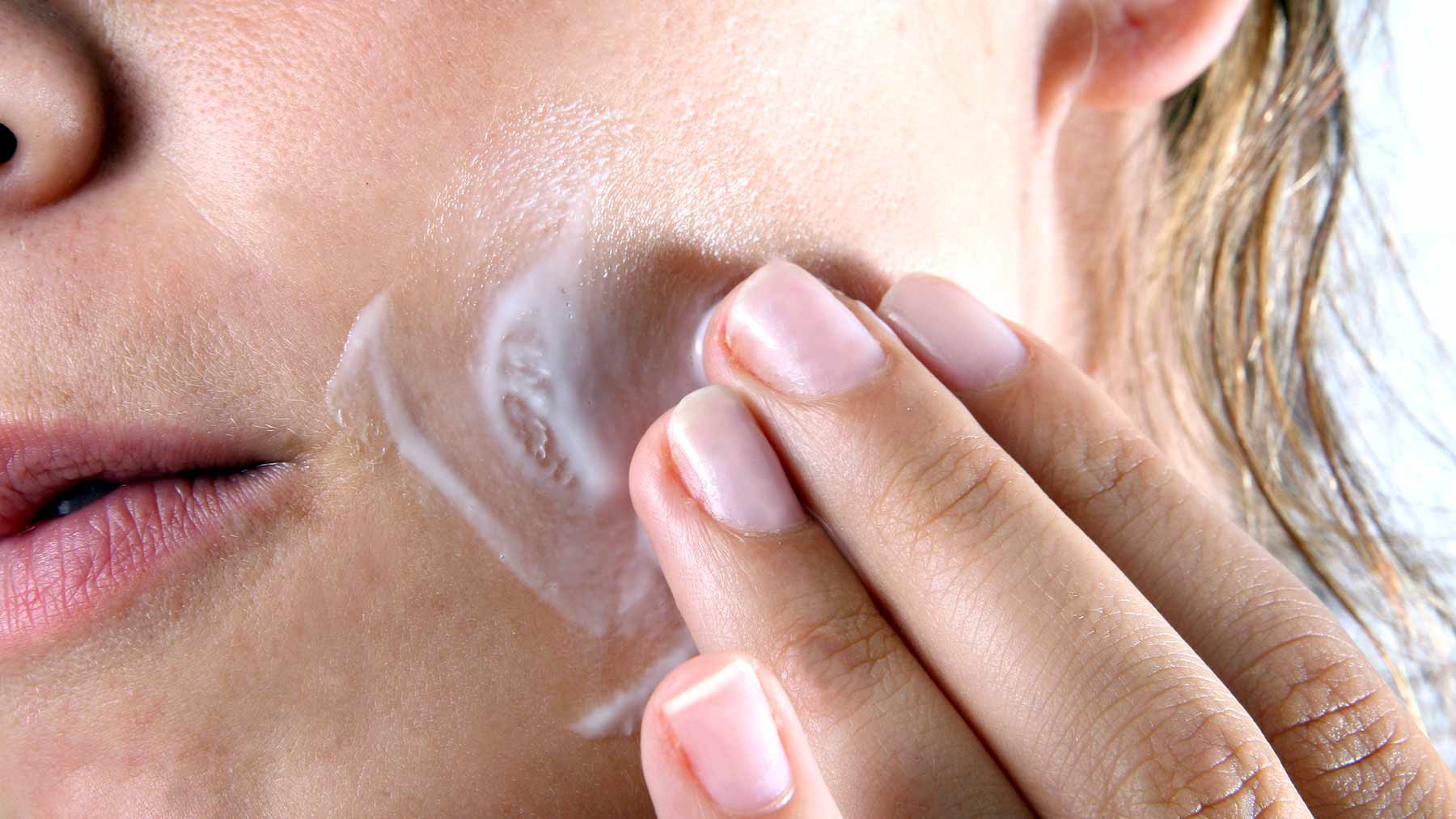
For the face, many dermatology professionals suggest about two finger lengths of sunscreen for the face and neck. This amount can vary by product, but using too little lowers protection.
Do not rub harshly to remove sunscreen. If one gentle cleanser does not remove a water-resistant formula, try an oil cleanser or micellar water first, followed by a gentle cleanser. Rinse well, but do not scrub until your skin feels “squeaky clean.” That tight feeling often means your barrier is too dry.
Can sunscreen help prevent acne while using acne medication?
Can sunscreen help prevent acne treatment irritation? It can help protect sensitive skin from ultraviolet exposure, but it does not prevent every side effect.
Retinoids such as adapalene and tretinoin can cause dryness, peeling, and increased sensitivity during the first weeks. Benzoyl peroxide may also cause dryness and irritation. Sun protection is especially important while your skin adjusts.
Use a simple routine when starting an acne treatment:
- Gentle cleanser
- One acne treatment
- Light moisturizer
- Broad-spectrum sunscreen in the morning
Avoid adding several new products at once. If your skin becomes very red, cracked, swollen, or painful, stop irritating products and contact a health professional.
Prescription acne medicines may have special instructions. Follow the guidance from your dermatologist or pharmacist. Sunscreen supports treatment, but it cannot correct a medication reaction.

Common mistakes to avoid
Many sunscreen problems come from routine mistakes rather than the sunscreen itself.
Avoid these habits:
- Skipping sunscreen because the day feels cloudy
- Using a body sunscreen on the face when it feels greasy
- Applying too little product
- Forgetting the ears, hairline, and neck
- Reapplying with dirty hands
- Sleeping in sunscreen and makeup
- Scrubbing hard to remove residue
- Changing products every few days
- Believing a tan will clear acne
A tan can hide redness for a short time, but it does not heal acne. It increases ultraviolet damage and may deepen dark marks.
In skincare routines I have reviewed, the biggest practical lesson is simple: comfort improves consistency. People often choose a thick product because it promises intense protection, then stop using it because it feels oily. A lighter sunscreen used correctly is usually more useful than a perfect product used only once in a while.
When sunscreen is not enough
Can sunscreen help prevent acne on its own? No. Persistent acne usually needs a complete plan.
Common acne treatments include:
- Salicylic acid to help clear oil and dead skin from pores
- Benzoyl peroxide to reduce acne-causing bacteria and inflammation
- Adapalene to help prevent clogged pores
- Azelaic acid to support acne control and reduce the look of dark marks
- Prescription treatments for moderate or severe acne
Start with one active ingredient. Using many strong products at once can damage the skin barrier and make acne appear worse.
See a dermatologist if you have painful cysts, deep nodules, spreading acne, frequent scars, or no improvement after several weeks of consistent care. Professional treatment can reduce the risk of permanent scarring.
How to choose between mineral and chemical sunscreen
Both mineral and chemical sunscreens can work for acne-prone skin. The best choice depends on your skin type, comfort, and personal response.
Mineral sunscreen may be a good option if:
- Your skin stings easily
- You have eczema or rosacea
- You prefer zinc oxide or titanium dioxide
- You want a formula that feels calming
Chemical sunscreen may be a good option if:
- You prefer a clear finish
- You dislike a white cast
- You want a thin product under makeup
- Mineral formulas feel too heavy
Some products combine both types. Always check the full ingredient list if you know that a certain ingredient causes irritation.
Can sunscreen help prevent acne better when it is mineral? Not necessarily. Acne prevention depends more on regular use, a noncomedogenic formula, gentle cleansing, and appropriate acne treatment.
How long does it take to see a difference?
Sunscreen may protect your skin from the first day you use it, but visible changes take longer.
Dark acne marks may gradually look less noticeable over several weeks or months when you combine sunscreen with an appropriate treatment. New breakouts may also seem less likely to leave dark marks when ultraviolet exposure is reduced.
Sunscreen will not clear active acne overnight. Most acne treatments need several weeks of steady use. Take a photo once a month in similar lighting so you can judge progress more fairly.
Be patient with your skin. Frequent product changes can create irritation and make it hard to know what actually works.
Frequently Asked Questions
Can sunscreen clog pores and cause acne?
Some sunscreens can feel heavy or may trigger clogged pores in certain people. Choose a noncomedogenic, lightweight formula and stop using it if you notice repeated bumps after application.
Can sunscreen help prevent acne?
Can sunscreen help prevent acne indirectly? Yes. It protects healing skin, reduces sun-related irritation, and helps prevent dark marks from becoming deeper, but it does not treat the main causes of acne.
Should I wear sunscreen if I have oily skin?
Yes. Choose an oil-free, gel, fluid, or matte sunscreen made for oily or acne-prone skin. Apply enough product, then gently blot excess shine if needed.
Is mineral sunscreen better for acne?
Mineral sunscreen is not automatically better for acne, but zinc oxide formulas may suit sensitive skin. Chemical and mineral products can both work if they are broad-spectrum, comfortable, and noncomedogenic.
Can sunscreen remove acne scars?
Sunscreen cannot remove indented or raised scars. It can help prevent ultraviolet exposure from darkening flat acne marks and may support a more even-looking complexion over time.
Should I apply sunscreen over acne medication?
In most routines, sunscreen goes on in the morning after treatment and moisturizer. Follow your dermatologist’s instructions, especially if you use prescription products or your skin becomes irritated.
Conclusion
Can sunscreen help prevent acne? It can help indirectly by protecting sensitive skin, reducing dark marks, and limiting sun damage that may worsen irritation. It does not replace acne treatment, but it is a key part of a healthy daily routine.
Choose a broad-spectrum SPF 30 or higher sunscreen with a lightweight, noncomedogenic texture. Use it every morning, cleanse gently at night, and give your routine time to work. If acne is painful, persistent, or leaving scars, consult a dermatologist for personalized care. Try one suitable sunscreen consistently, and share your skin-care experience or questions in the comments.