What Causes Forehead Acne: Main Triggers And Fixes
Forehead acne often comes from clogged pores, excess oil, hormones, sweat, hair products, or skin irritation.
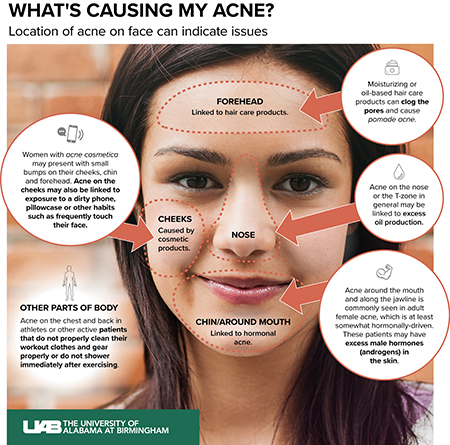
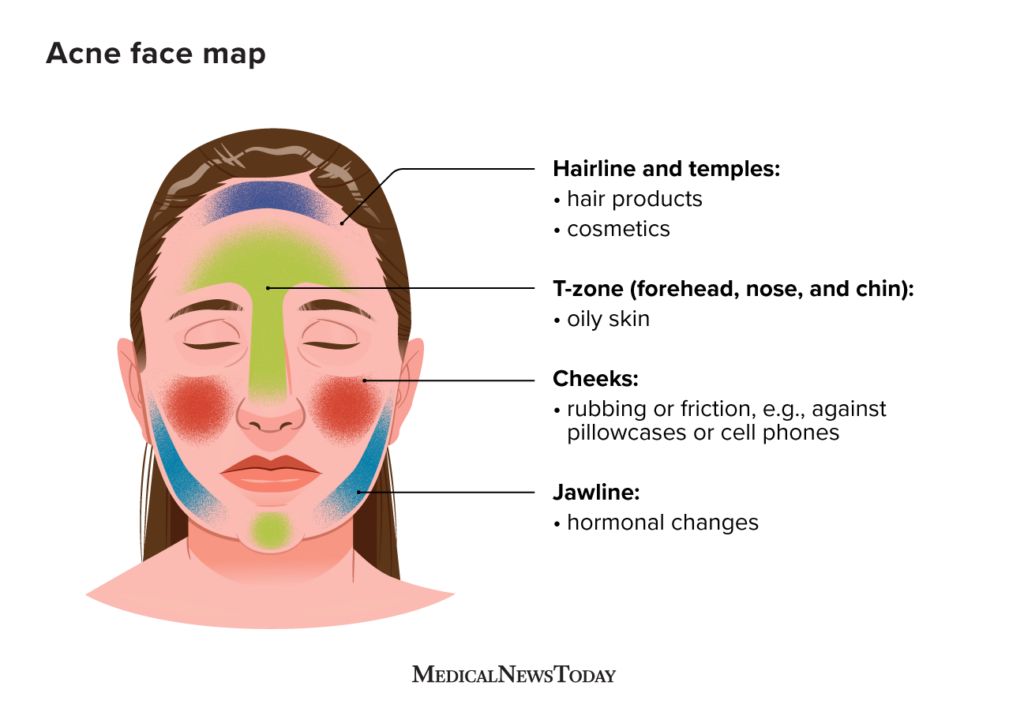
What causes forehead acne can vary from person to person, and several triggers often work together. The forehead is part of the “T-zone,” where oil glands are more active, so it can act like a small traffic jam when oil, dead skin, bacteria, and product buildup block the pores. This guide explains the main causes, how to spot your triggers, what can help, and when to see a dermatologist.
What causes forehead acne?
Forehead acne develops when hair follicles become clogged with sebum, dead skin cells, and bacteria. Sebum is the natural oil made by your skin. In the right amount, it protects the skin. Too much of it can trap debris inside a pore and create a bump.
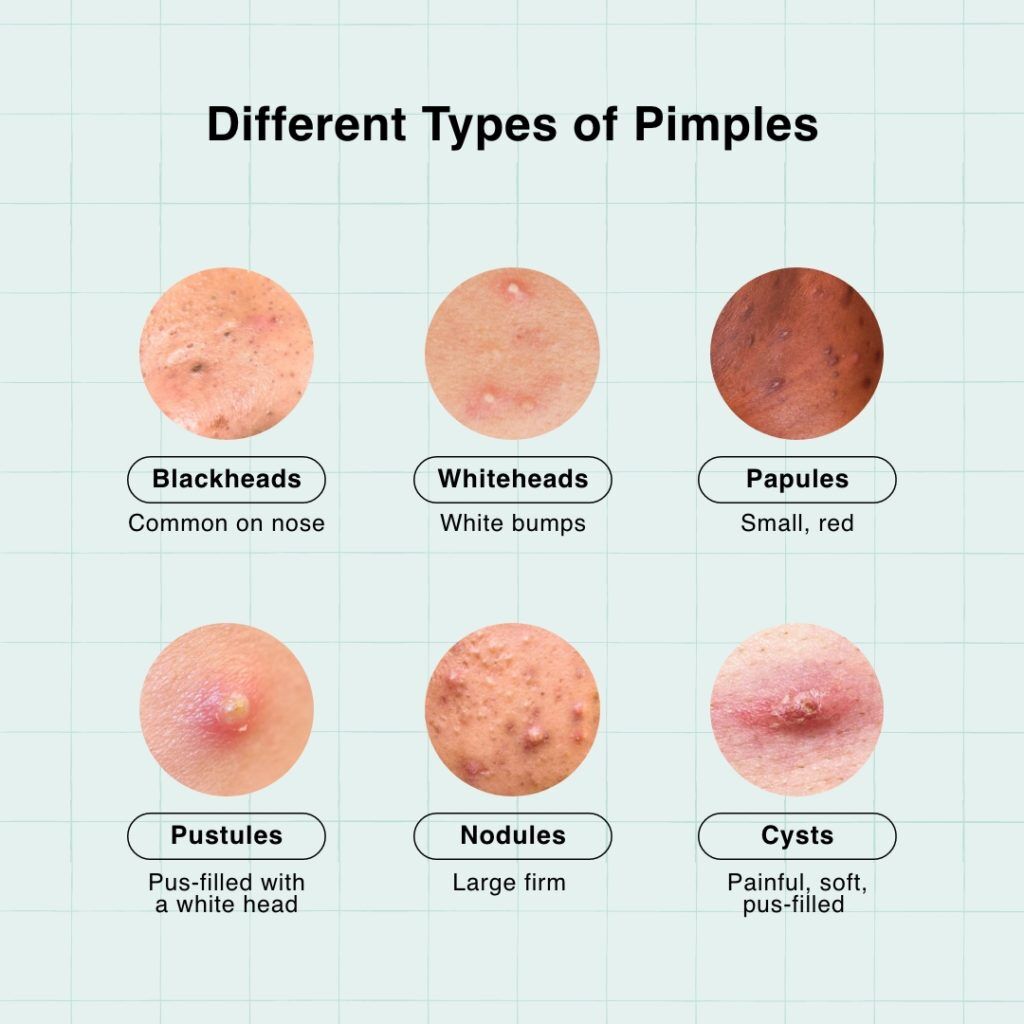
Many cases have more than one cause. For example, stress may increase oil production, while bangs or a heavy styling product may keep that oil pressed against the forehead. That combination can lead to whiteheads, blackheads, red pimples, or small flesh-colored bumps.
Common causes include:
- Excess oil production
- Dead skin cell buildup
- Hormonal changes
- Sweat and heat
- Hair care products
- Friction and pressure
- Certain medicines
- Stress and poor sleep
- Skin conditions that look like acne
Forehead acne is not a sign that your skin is dirty. Scrubbing too hard may irritate the skin and make the problem worse.

Common causes of forehead acne
Excess oil and clogged pores
The forehead has many sebaceous glands. These glands release oil, which helps keep the skin soft. If they produce more oil than your pores can handle, the oil mixes with dead skin cells and forms a plug.
This plug may stay under the skin as a whitehead or become exposed to air and form a blackhead. Blackheads are dark because the material inside the pore reacts with oxygen. The color does not mean the pore contains dirt.
Hormonal changes
Hormones can increase oil production and inflammation. This is why acne may appear during puberty, before a menstrual period, pregnancy, or times of major hormonal change.
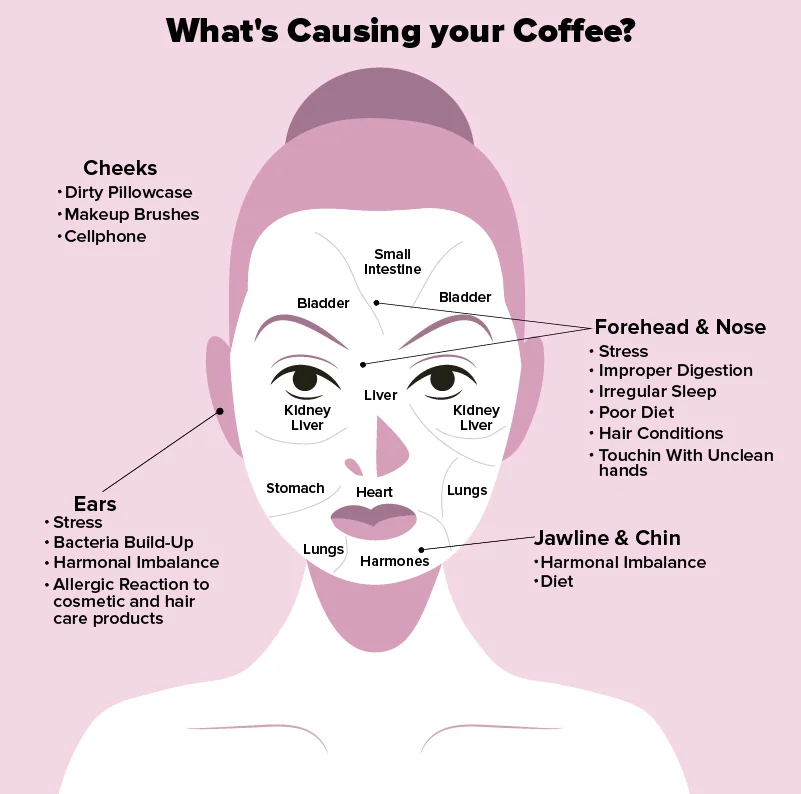
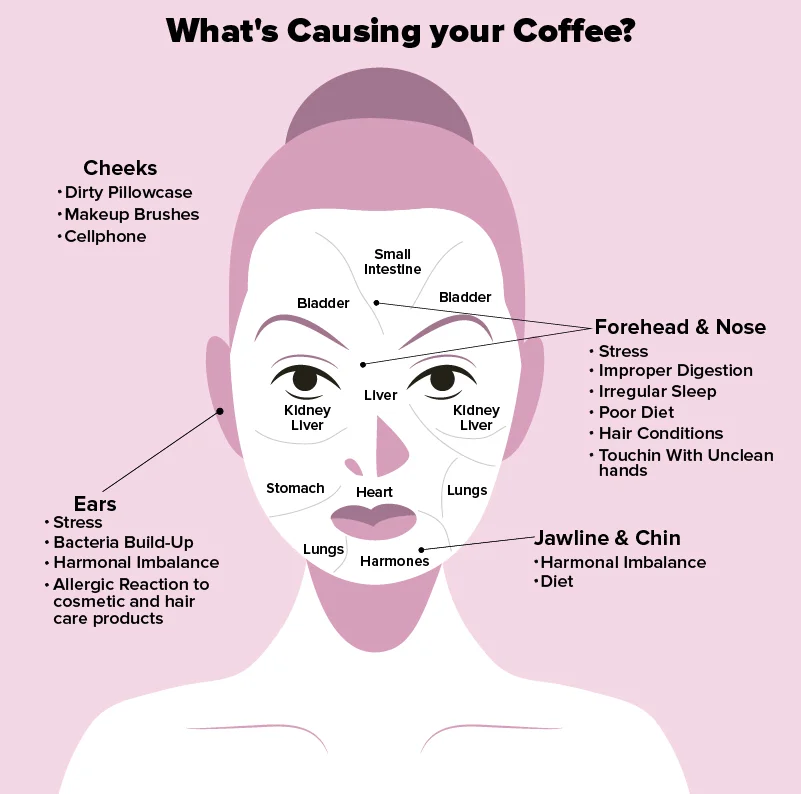
Hormonal acne often appears along the forehead, chin, jaw, or lower face. Still, location alone cannot prove that hormones are the cause. A dermatologist may need to review your symptoms, cycle, medicines, and skin history.
Sweat, heat, and humidity
Sweat does not directly cause acne, but it can create a warm, damp setting that encourages clogged pores. Sweat can also mix with oil, sunscreen, makeup, and hair products.
This is common after workouts, outdoor work, sports, or time spent in hot and humid weather. Leaving sweat on your skin for hours may increase irritation, especially if a hat or helmet presses against your forehead.
Hair products
Hair oils, pomades, waxes, gels, creams, and leave-in conditioners can move onto the forehead. Some contain ingredients that are too rich for acne-prone skin.
This type of breakout is sometimes called pomade acne. It may appear as many small bumps near the hairline or across the upper forehead. If the bumps began after changing a hair product, that product deserves close attention.
Bangs, hats, and headbands
Hair that rests on the forehead can hold oil and sweat against the skin. Hats, headbands, helmets, and sports gear can add heat and friction.
This pattern is often called acne mechanica. It happens when pressure, rubbing, and trapped sweat irritate the hair follicles. Washing the item regularly and giving your skin breaks may help.
Stress and poor sleep
Stress does not create acne from nothing, but it can worsen an existing tendency. Stress hormones may affect oil production and inflammation. Stress can also lead to habits such as touching your face, skipping skin care, or sleeping in makeup.
Poor sleep may make it harder for the skin to recover from irritation. The connection is real, but it is not a reason to blame yourself. Acne is a skin condition, not a personal failure.
What causes tiny bumps on the forehead?
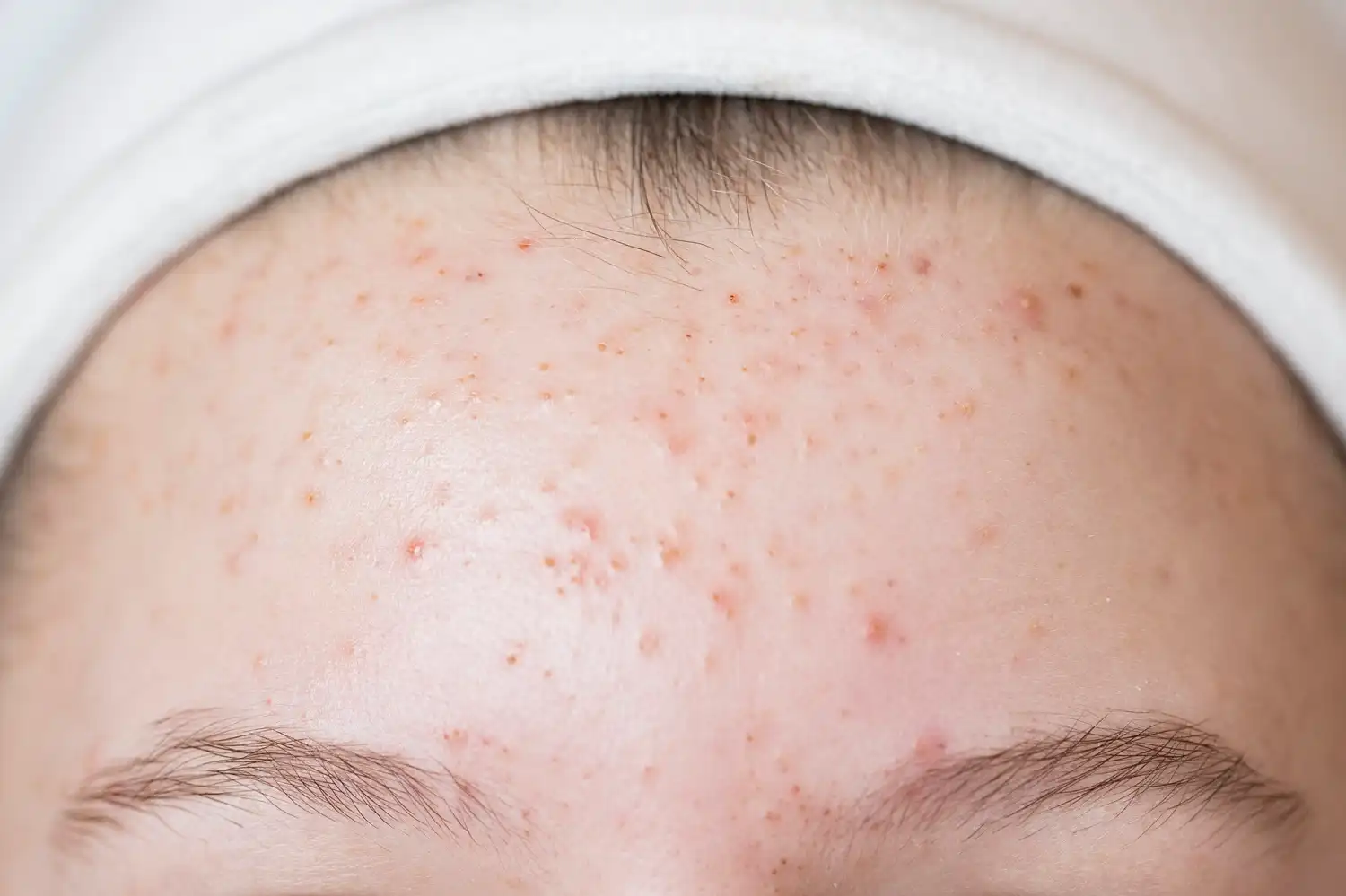
Tiny forehead bumps may come from closed comedones, which are clogged pores covered by a thin layer of skin. They often feel rough and look like small skin-colored or white bumps.
However, not every tiny bump is acne. Possible causes include:
- Folliculitis, which is inflammation around hair follicles
- Malassezia folliculitis, sometimes called fungal acne
- Irritant contact dermatitis
- Allergic contact dermatitis
- Milia, which are small keratin-filled cysts
- Heat rash
Malassezia folliculitis often causes many small, itchy bumps. It may worsen with heat, sweat, and oily products. Traditional acne treatments may not help it and can sometimes irritate the skin.
A useful lesson is not to treat every forehead bump the same way. If the bumps are very itchy, all look alike, or do not improve with basic acne care, seek medical advice.
Can diet cause forehead acne?
Diet may influence acne for some people, but food is rarely the only cause. Research has linked a high-glycemic diet with more acne in some groups. High-glycemic foods can raise blood sugar quickly and may affect hormones involved in oil production.
Examples include:
- Sugary drinks
- Candy
- White bread
- Pastries
- Highly refined snack foods
Some studies also suggest a possible link between acne and certain dairy products, especially skim milk. The evidence is not strong enough to say that everyone with forehead acne should avoid dairy.
Instead of cutting out many foods at once, track patterns for several weeks. Keep your diet balanced, and avoid extreme restriction. If you notice a clear link, discuss it with a health professional or registered dietitian.
How to tell which cause is affecting you
Finding the cause of forehead acne can feel like solving a small skin puzzle. Look for timing, location, and product changes rather than focusing on one isolated pimple.
Ask yourself:
- Did the acne begin after using a new hair or skin product?
- Does it worsen after exercise, hot weather, or wearing a hat?
- Are the bumps itchy, painful, or all the same size?
- Did the breakout appear around a menstrual period?
- Have you started a new medicine or supplement?
- Are you touching, rubbing, or picking the area?
- Does the acne also appear on your chest, back, jaw, or hairline?
Take clear photos once a week in the same light. This can show whether your routine is helping. Changing products every few days makes it hard to know what works and may irritate your skin.
One practical mistake people often make is treating a breakout too aggressively. Using several strong products at once can damage the skin barrier, causing redness, dryness, and more visible bumps. A simple routine is easier to test and usually kinder to the skin.
How to prevent forehead acne
Prevention starts with reducing oil, friction, and product buildup without stripping the skin.
Try these habits:
- Wash your face gently twice a day and after heavy sweating.
- Use lukewarm water rather than very hot water.
- Choose non-comedogenic skin and hair products when possible.
- Keep hair products away from the forehead.
- Wash pillowcases, hats, headbands, and helmets often.
- Keep bangs clean and consider pinning them back during workouts.
- Avoid squeezing or picking pimples.
- Clean makeup brushes regularly.
- Remove makeup before bed.
- Use a broad-spectrum, non-comedogenic sunscreen.
- Change sweaty clothes and rinse your face after exercise.
A gentle cleanser is usually enough. Harsh scrubs, rough brushes, and frequent alcohol-based products can weaken the skin barrier.
If you use pomade or hair oil, apply it carefully and wash your hands before touching your face. Keep product residue off pillowcases, since it can transfer back to the forehead at night.

Effective treatments for forehead acne
The best treatment depends on the type and severity of the acne. Start with one active ingredient and give it time. Most acne treatments need several weeks to show clear improvement.
Benzoyl peroxide
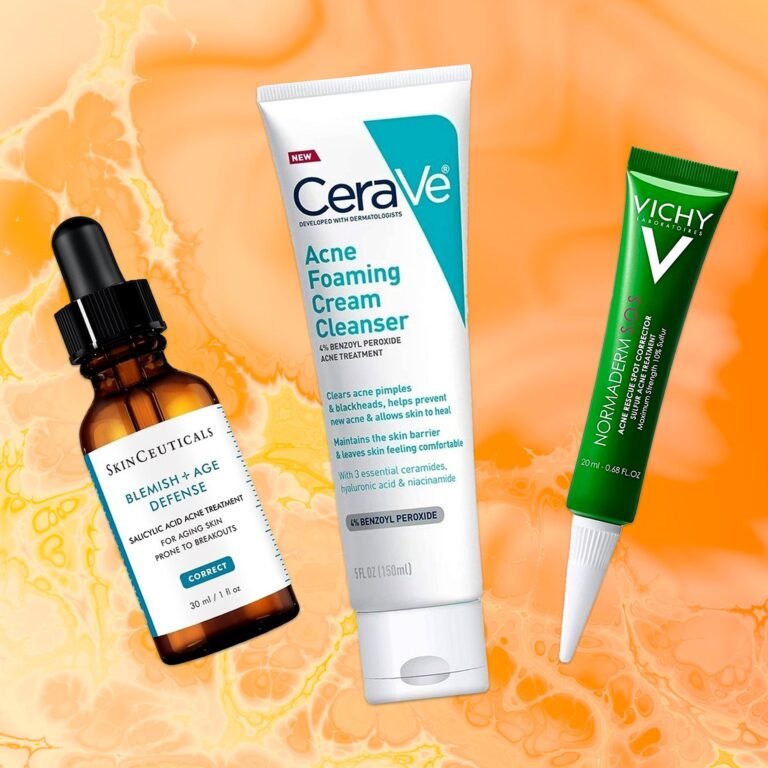
Benzoyl peroxide helps reduce acne-causing bacteria and inflammation. It may work well for red, inflamed pimples.
Start with a low-strength product a few times per week. It can dry the skin and bleach towels, pillowcases, and clothing.
Salicylic acid
Salicylic acid helps loosen dead skin cells inside pores. It may be useful for blackheads, whiteheads, and mild clogged pores.
Use it as directed. More is not better, especially if your skin becomes tight, burning, or flaky.
Adapalene
Adapalene is a topical retinoid that helps prevent clogged pores. It is often useful for recurring forehead acne and small bumps.
Apply a thin layer to acne-prone skin, not just individual pimples. Begin slowly, use moisturizer, and protect your skin from the sun. People who are pregnant or trying to become pregnant should ask a clinician before using retinoids.
Azelaic acid
Azelaic acid can help with acne, redness, and dark marks left after pimples heal. It is often a good option for sensitive skin, although it may cause mild tingling at first.
Professional treatment
A dermatologist can prescribe stronger retinoids, antibiotics, hormonal treatment, or other options when needed. Severe, painful, scarring, or persistent acne deserves professional care.
Do not use leftover antibiotics or someone else’s prescription. Antibiotic treatment must be used carefully to reduce the risk of resistance and side effects.
:max_bytes(150000):strip_icc()/VWH-GettyImages-2194561618-6950033a0ed54cc295dcb2b68edc7515.jpg)
When to see a dermatologist
Make an appointment if your forehead acne:
- Does not improve after 8 to 12 weeks of consistent care
- Causes deep, painful lumps
- Leaves scars or dark marks
- Spreads quickly
- Itches intensely
- Looks different from your usual acne
- Affects your confidence or daily life
- Started after a new medicine
A dermatologist can tell whether the problem is acne, folliculitis, dermatitis, or another condition. This matters because the wrong treatment may delay healing.
Seek prompt medical help for a severe rash with swelling, trouble breathing, fever, or signs of a serious allergic reaction. These symptoms are not typical of ordinary acne.
Frequently Asked Questions About What Causes Forehead Acne?
Does touching your forehead cause acne?
Touching your forehead can transfer oil, sweat, bacteria, and product residue to the skin. It may also create friction and irritation, so reducing face-touching can help, although it is usually not the only cause.
Is forehead acne caused by dirty hair?
Dirty hair is not the direct cause of acne, but oily hair and styling products can transfer residue to the forehead. Wash hair as needed, keep heavy products away from the hairline, and clean items that touch your head.
Why does forehead acne get worse after exercise?
Exercise increases heat and sweat, while hats, headbands, and helmets can trap moisture and create friction. Rinse or gently cleanse your face after exercise and wash sweaty gear often.
Can dandruff cause forehead acne?
Dandruff does not usually cause standard acne, but scalp oil, flakes, and hair products can irritate or clog the hairline. Itchy, uniform bumps may point to folliculitis rather than typical acne.
How long does forehead acne take to clear?
Mild acne may start improving within four to eight weeks after a consistent routine. Many treatments need about three months for their full effect, so changing products too often can slow progress.
Should you pop forehead pimples?
Popping pimples can push inflammation deeper and increase the risk of scars, infection, and dark marks. Use a suitable acne treatment and let the spot heal without squeezing it.
Conclusion
What causes forehead acne is often a mix of clogged pores, oil, hormones, sweat, friction, and hair product buildup. Tiny bumps may also come from folliculitis or irritation, so the right diagnosis matters.
Start with gentle cleansing, non-comedogenic products, clean headwear, and one proven acne ingredient. Track your skin for several weeks, avoid harsh scrubbing, and see a dermatologist if the acne is painful, itchy, scarring, or persistent. Share your experience or explore more evidence-based skin care resources to find a routine that works for you.