Can Hormones Cause Acne?: Causes And Treatments
Yes, hormones can cause acne by increasing oil, clogging pores, and triggering skin inflammation.
Can hormones cause acne? It is a common question, especially when breakouts appear around the chin, jaw, or mouth. Hormonal shifts can affect oil glands and skin cells at almost any age. This guide explains the science, the warning signs, treatment options, and when to seek medical care.
How hormones cause acne
Can hormones cause acne through several connected changes in the skin? The main drivers are hormones called androgens. Testosterone is one example. Everyone has androgens, although levels differ by sex, age, and stage of life.
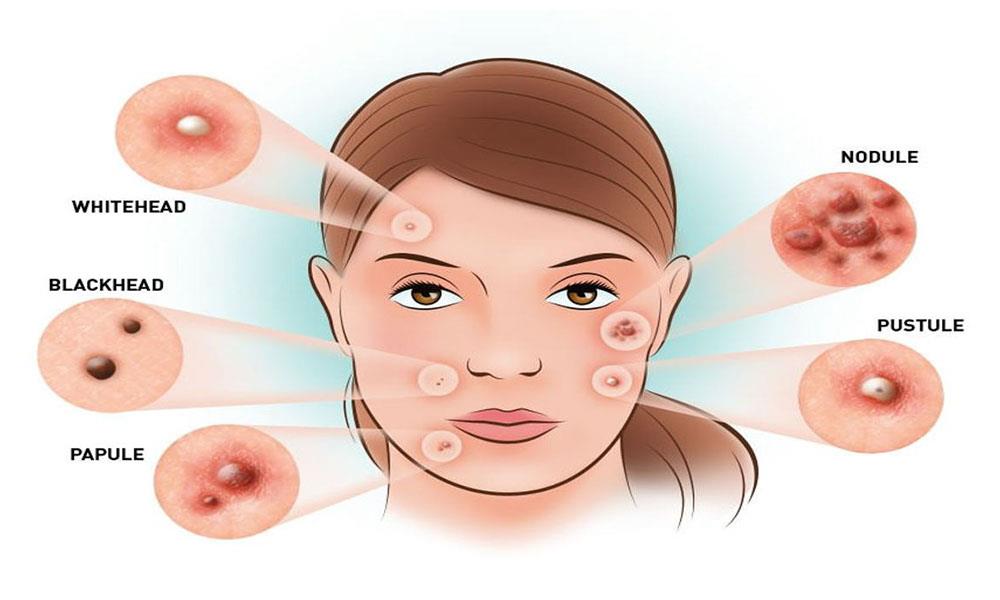
Androgens can make the sebaceous glands produce more sebum, or skin oil. Extra oil can mix with dead skin cells and block a pore. Once the pore is blocked, bacteria and inflammation may turn it into a whitehead, blackhead, papule, or cyst.
Hormones may also change how skin cells shed inside the pore. Think of a pore as a small drain. Too much oil and too many dead cells can slow the flow until the drain becomes blocked.
Hormonal changes can affect acne in these ways:
- More oil production
- Faster buildup of dead skin cells
- Greater swelling around blocked pores
- Increased sensitivity to normal androgen levels
- Slower healing of inflamed spots
Can hormones cause acne even when hormone levels look normal? Yes. Some people have skin that reacts strongly to normal hormone levels. A blood test may be normal, while the skin still responds to androgens with excess oil and inflammation.

When hormonal acne is most likely to appear
Can hormones cause acne during puberty? Yes. Puberty is one of the clearest examples because androgen levels rise quickly. This can lead to oily skin, clogged pores, and acne on the face, chest, and back.
Hormonal acne may also appear during other times of change. Common examples include:
- The days before a menstrual period
- Pregnancy
- The months after giving birth
- Perimenopause and menopause
- Starting or stopping hormonal birth control
- Changing certain medicines
- Periods of intense stress or poor sleep
Many people notice a pattern before their period. Breakouts may appear about one week before bleeding starts and may improve afterward. This pattern does not prove that hormones are the only cause, but it offers a useful clue.
Can hormones cause acne after age 25? They can. Adult acne is common, and it may begin for the first time in the late 20s, 30s, or 40s. Adult acne often affects the lower face, jawline, and neck, but it can occur elsewhere.
Age alone does not confirm hormonal acne. Skin care products, genetics, stress, medications, and friction from masks or helmets can also play a role.

Signs that acne may be hormone-related
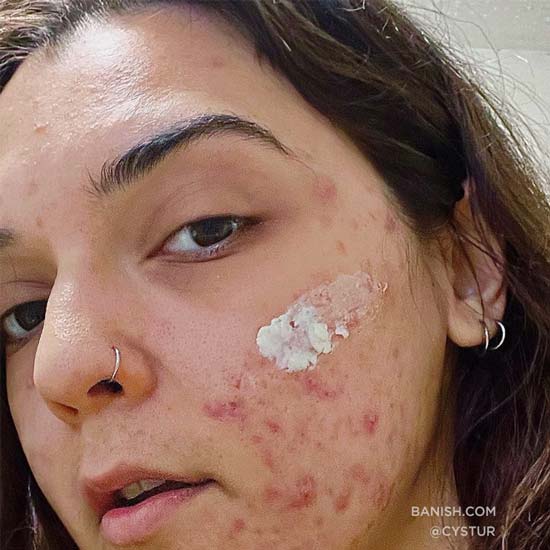
Can hormones cause acne in a specific pattern? Often, yes, but no single sign can confirm the cause. Hormonal acne often appears as tender, deep bumps near the lower face. These lesions may feel sore before they become visible.
Common clues include:
- Breakouts around the chin, jawline, or neck
- Deep, painful pimples under the skin
- Acne that returns at the same time each month
- Sudden acne after starting or stopping birth control
- Acne that continues into adulthood
- Flare-ups linked with irregular periods
- Excess facial hair or scalp hair thinning
- Darkened, thicker skin in body folds
Cysts and nodules are more likely to scar. Do not squeeze them. Pressure can push inflammation deeper and increase the chance of lasting marks.
Hormonal acne can also look like ordinary acne. A person may have both hormonal and nonhormonal triggers at the same time. For example, hormones may increase oil, while a heavy hair product blocks pores along the forehead.
A simple acne diary can help. Record your cycle dates, new products, medicines, stress, sleep, and breakout locations for two or three months. Patterns are easier to spot on paper than from memory.
Health conditions linked with hormonal acne
Can hormones cause acne because of an underlying health condition? Sometimes. Acne can be one sign of a hormone imbalance, but acne alone does not diagnose one.
Polycystic ovary syndrome, or PCOS, is a common condition linked with higher androgen activity. Some people with PCOS have acne, irregular periods, extra facial or body hair, weight changes, or trouble with ovulation. Others have only a few symptoms.
Other possible causes of hormone-related acne include:
- Certain adrenal or ovarian hormone disorders
- Thyroid problems
- Use of anabolic steroids
- Testosterone therapy
- Some seizure medicines
- Corticosteroids
- Lithium
- Certain supplements marketed for muscle growth
Sudden, severe acne with rapid hair growth, a deep voice, or major menstrual changes needs medical attention. These symptoms can signal a stronger hormone shift.
A clinician may ask about your period, medicines, family history, skin care, and other symptoms. Testing is not needed for everyone with acne. It may be considered when acne is severe, sudden, resistant to treatment, or paired with signs of androgen excess.

How doctors check for hormonal acne
There is no single test labeled “hormonal acne.” A diagnosis usually comes from the acne pattern, timing, medical history, and physical exam.
A health professional may review:
- Where the acne appears
- Whether lesions are deep or tender
- When breakouts occur
- Menstrual regularity
- Current medicines and supplements
- Signs of PCOS or another hormone disorder
- Past acne treatments and their results
Blood tests may measure hormones such as total testosterone, free testosterone, or dehydroepiandrosterone sulfate. The right tests depend on symptoms and medical history. Testing at the wrong time or using an unreliable test can create confusing results.
A dermatologist may diagnose acne clinically without lab work. A primary care clinician or gynecologist may help when acne occurs with irregular periods or other hormone symptoms.
It is also important to check for other skin conditions. Folliculitis, rosacea, perioral dermatitis, and irritation from products can resemble acne but need different care.

Treatment options for hormone-related acne
Can hormones cause acne that needs prescription treatment? Yes, especially when breakouts are deep, painful, widespread, or leaving scars. Treatment often works best when it targets both clogged pores and hormone-related oil production.
Gentle daily skin care
Start with a simple routine:
- Wash gently twice a day and after heavy sweating.
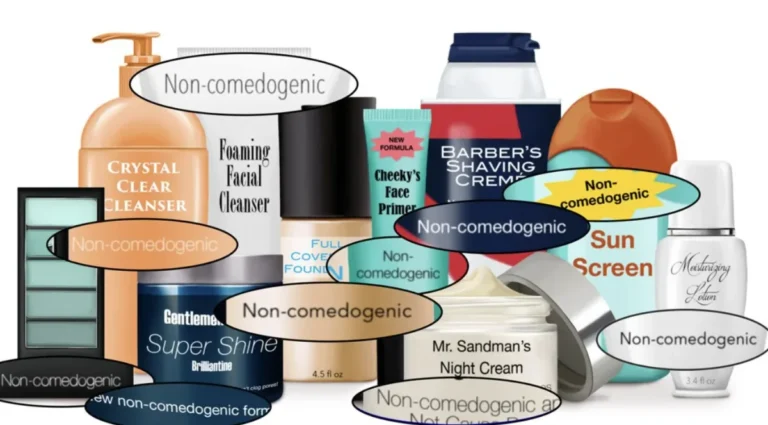
- Use a noncomedogenic moisturizer.
- Apply broad-spectrum SPF 30 or higher.
- Avoid scrubs, harsh brushes, and rubbing.
- Remove makeup before bed.
- Choose products labeled oil-free or noncomedogenic.
Washing more often does not remove the root cause. It may damage the skin barrier and cause more redness or dryness.
Over-the-counter treatments
Common acne ingredients include:
- Benzoyl peroxide, which reduces acne-causing bacteria and inflammation
- Salicylic acid, which helps clear dead skin from pores
- Adapalene, a topical retinoid that helps prevent clogged pores
- Azelaic acid, which can help acne and post-acne dark marks
Use one new active ingredient at a time. Apply a thin layer, start every other day if your skin is sensitive, and use moisturizer. Improvement often takes six to eight weeks, while stronger results may take three months.
Prescription options
A dermatologist may prescribe topical retinoids, antibiotics for limited use, or other medicines. For some patients, hormonal treatment may help reduce androgen effects on the skin.
Options can include:
- Combined oral contraceptives for appropriate patients
- Spironolactone for some women with androgen-related acne
- Stronger topical medicines
- Oral isotretinoin for severe or scarring acne
These treatments have limits and risks. Spironolactone is not right for everyone and requires medical guidance. Isotretinoin has strict safety rules because it can cause serious birth defects during pregnancy.
Hormonal birth control affects acne differently from person to person. Some forms may improve acne, while others may worsen it. Never start or stop a prescription medicine without speaking with a qualified clinician.
Can diet, stress, and sleep affect hormonal acne?
Can hormones cause acne, while diet and stress make it worse? Yes, these factors may interact. Stress does not mean acne is your fault. Stress can influence inflammatory signals and may affect habits such as sleep, skin touching, and food choices.
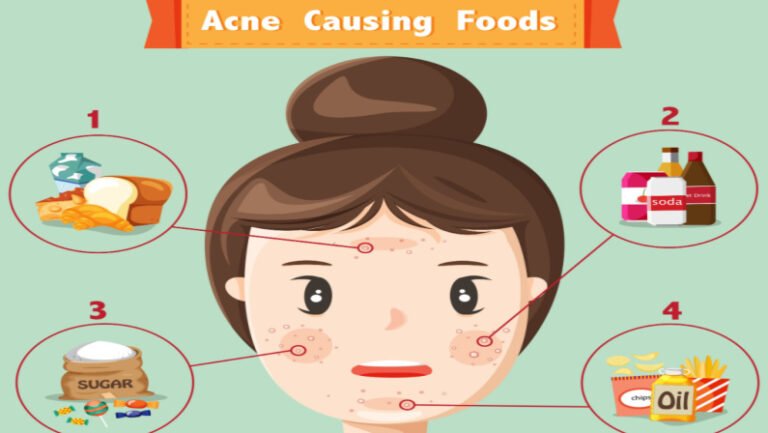
Some studies link high-glycemic foods with more acne in certain people. These foods can raise blood sugar quickly. Examples include sugary drinks, sweets, white bread, and some highly processed snacks. The evidence is not strong enough to support one universal acne diet.
Cow’s milk, especially skim milk, has also been linked with acne in some studies. The connection is not certain, and dairy affects people differently. Removing whole food groups without a clear reason can create nutrition problems.
A balanced approach is safer:
- Eat regular meals with protein, fiber, fruits, and vegetables.
- Limit sugary drinks and highly processed snacks.
- Notice whether a specific food repeatedly matches a flare.
- Aim for steady sleep.
- Use stress tools that fit your life, such as walking, breathing exercises, or counseling.
Do not blame yourself for hormonal acne. Lifestyle habits may support treatment, but they cannot always replace medical care.

Common mistakes that can make acne worse
Can hormones cause acne even when your skin care routine is careful? Yes, but some routine mistakes can add to the problem.
Frequent errors include:
- Scrubbing the face hard
- Using several strong acne products at once
- Picking or squeezing pimples
- Skipping moisturizer because the skin feels oily
- Applying heavy oils or pore-clogging products
- Changing treatments every few days
- Using leftover antibiotics
- Ignoring acne on the chest or back
- Stopping treatment as soon as the skin improves
One practical lesson is to give a treatment enough time to work. Acne products often cause mild dryness at first. That does not always mean they are harmful, but severe burning, swelling, blistering, or rash requires stopping the product and getting medical advice.
Another useful lesson is to treat the whole acne-prone area, not only visible pimples. A thin layer of a suitable preventive product can help stop new clogged pores from forming.
When to see a dermatologist
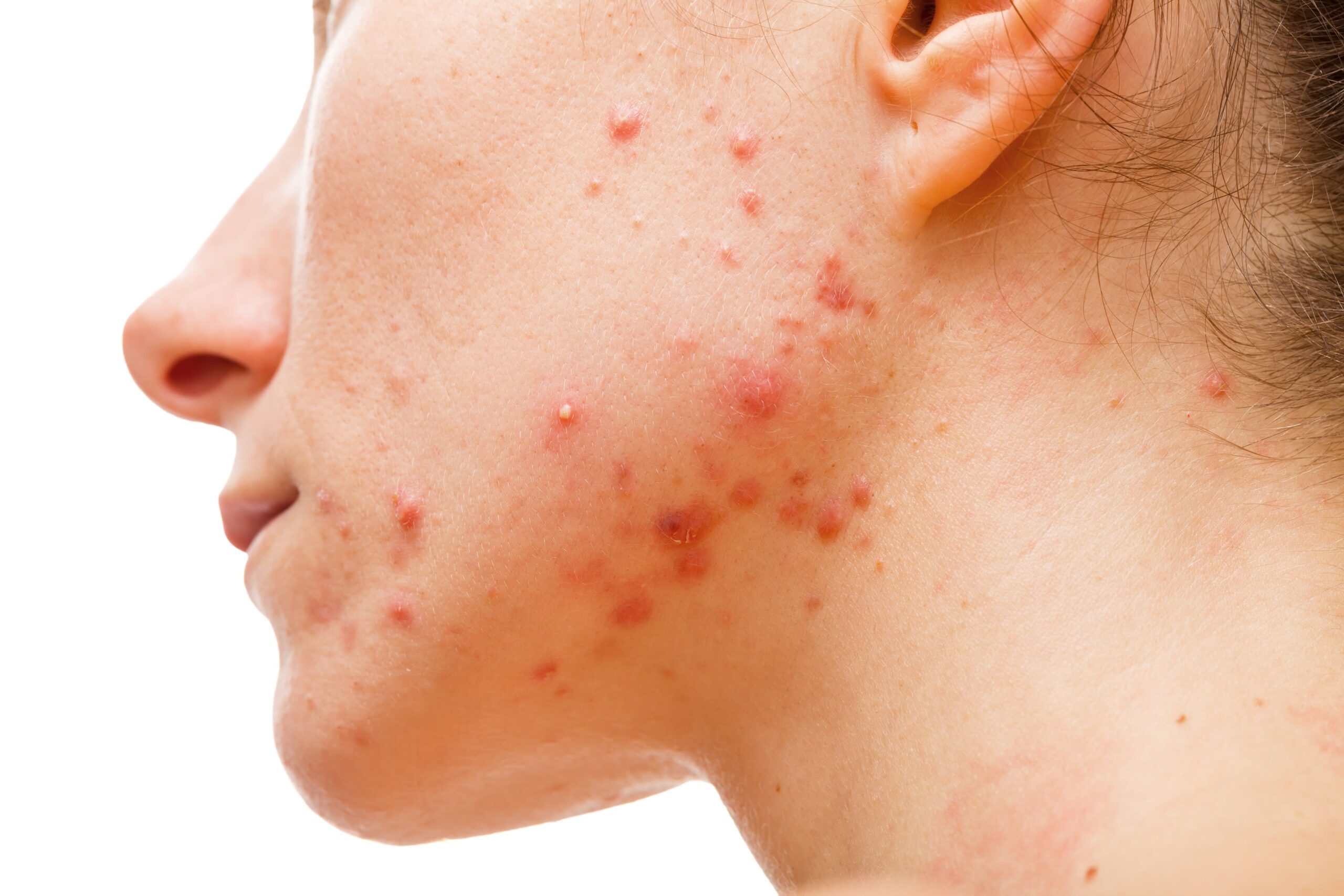
Can hormones cause acne that requires professional care? Yes. Make an appointment if acne is painful, deep, widespread, or leaving scars and dark marks.
Professional care is also wise when:
- Acne does not improve after about eight to twelve weeks of consistent treatment
- Breakouts begin suddenly in adulthood
- Periods become irregular
- You notice excess facial hair or scalp hair loss
- Acne affects your mood or confidence
- You suspect a medicine or supplement is causing acne
- You are pregnant, trying to become pregnant, or breastfeeding
Early treatment can reduce scarring. A dermatologist can also help choose safe products for your skin tone and type. This matters because inflammation can leave dark marks after the pimple itself is gone, especially in deeper skin tones.
Seek urgent care for signs of a severe allergic reaction, such as facial swelling or trouble breathing. Acne itself is rarely an emergency, but a sudden severe change with other body symptoms should not be ignored.
Frequently Asked Questions About Can Hormones Cause Acne?
Can hormones cause acne before a period?
Yes, hormone changes before menstruation can increase oil production and inflammation. Breakouts often appear on the chin, jawline, or lower face during this time.
Can hormones cause acne in men?
Yes. Androgens can stimulate oil glands in men, just as they can in women. Testosterone therapy, anabolic steroids, and genetic sensitivity may increase the risk.
Can hormones cause acne during pregnancy?
Pregnancy can change hormone levels and may trigger acne in some people. Treatment must be chosen carefully because several acne medicines are unsafe during pregnancy, so speak with a health professional before using them.
How do I know if my acne is hormonal?
A monthly pattern, deep lower-face breakouts, adult onset, or acne with irregular periods may suggest hormonal involvement. These signs are clues, not proof, because other acne triggers can create a similar pattern.
Does hormonal birth control help acne?
Some combined birth control pills can improve acne by lowering the effect of certain androgens. Other methods may have little effect or may worsen acne, so the best option depends on your health history.
Can stress hormones cause acne?
Stress may worsen acne by affecting inflammatory signals, oil production, sleep, and skin habits. Stress is usually one contributor rather than the only cause.
Will hormonal acne go away on its own?
It may improve as hormone levels change, but persistent or severe acne can scar. A steady skin care routine and timely medical treatment often work better than waiting.
Conclusion
Can hormones cause acne? Yes. Hormonal shifts can increase oil, block pores, and drive inflammation, especially during puberty, menstrual changes, pregnancy, menopause, or certain medical conditions.
Still, acne is often caused by several factors at once. Track your breakouts, use gentle and consistent skin care, avoid picking, and seek professional advice for deep, painful, sudden, or persistent acne. Take the next step by discussing your symptoms with a dermatologist or qualified clinician, and explore trusted skin health resources to build a plan that works for you.
One Comment