How Can I Reduce Oily Skin and Acne?
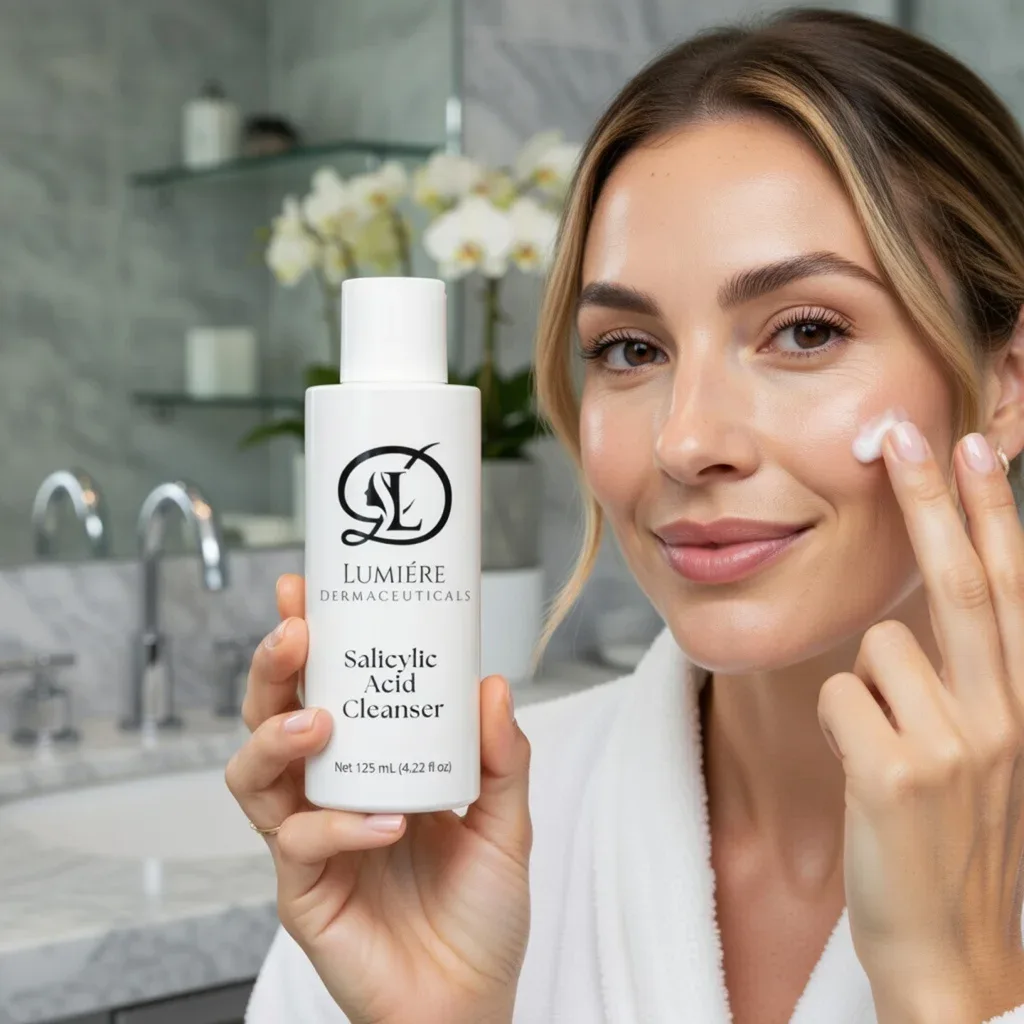
Image source: Bing (Web (fair-use with source credit))
Dealing with oily skin and breakouts can be frustrating, and figuring out how to reduce oily skin and acne often feels like a complex puzzle. It's a common struggle, but understanding the right steps can make a significant difference in achieving clearer, more balanced skin.
Our research indicates that a consistent, tailored approach is key. For instance, manufacturer specifications for many oil-free cleansers confirm they are formulated to avoid pore-clogging ingredients, a crucial factor when tackling acne. Let’s break down what works, step by step.
Your Personalized Plan for Oily Skin and Acne
Start Here: Understanding Your Oily Skin and Acne
To effectively tackle oily skin and acne, it helps to know a bit about what’s happening. Oily skin is caused by an overproduction of sebum, the natural oil your skin produces. While sebum is essential for keeping skin moisturized and protected, too much can lead to shine, clogged pores, and ultimately, acne.
Acne itself is a condition that occurs when hair follicles become plugged with oil and dead skin cells.
What's Happening with Oily Skin and Acne?
The overproduction of sebum often stems from a variety of factors, including genetics, hormones, stress, and even certain medications. When this excess oil mixes with dead skin cells, it can create a perfect environment for bacteria to thrive within your pores. This leads to inflammation, manifesting as different types of blemishes.
Common Acne Types and What They Mean
Understanding the type of acne you're experiencing helps in choosing the right treatment.
- Non-inflamed acne includes blackheads (open pores clogged with sebum and dead skin cells that oxidize and turn dark) and whiteheads (closed pores with the same blockage, appearing as small white bumps).
- Inflamed acne is more serious and includes papules (small, red, tender bumps), pustules (papules with pus at their tips), nodules (large, solid, painful lumps beneath the skin's surface), and cysts (painful, pus-filled lumps deep within the skin).
Your Daily Skincare Routine: Cleansing for Clarity
A consistent cleansing routine is the cornerstone of managing oily skin and preventing breakouts. It’s not about stripping your skin, but about effectively removing excess oil, dirt, and impurities without causing irritation.
Morning Cleanse: Gentle Refresh
Waking up, your skin has likely accumulated some oil and perhaps residue from nighttime products. The goal of your morning cleanse is to gently remove this without over-drying. For most individuals experiencing oiliness, a mild, water-based cleanser is sufficient.
This step helps prepare your skin for the day ahead and the application of other products like moisturizers and sunscreen.
Evening Cleanse: Deep Cleanse with Salicylic Acid
This is where you tackle the day's accumulation of oil, sweat, and environmental pollutants. A cleanser containing salicylic acid is often recommended for oily and acne-prone skin because it’s a beta-hydroxy acid (BHA). BHAs are oil-soluble, meaning they can penetrate into your pores to dissolve the mixture of sebum and dead skin cells that lead to clogs.
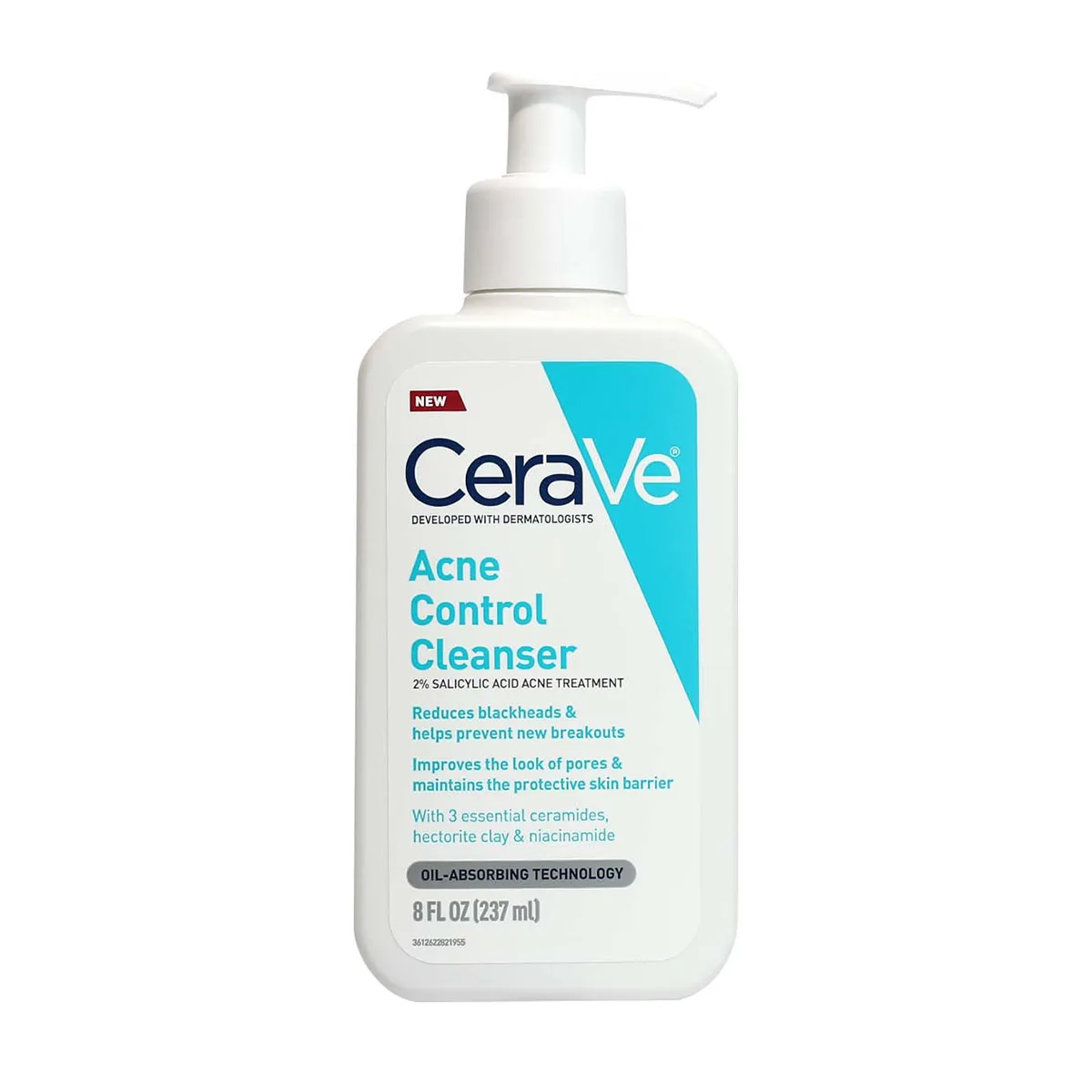
Image source: Bing (Web (fair-use with source credit))
Our research shows that products with around 2% salicylic acid are effective for many. You can start by using a salicylic acid cleanser a few times a week, and gradually increase to daily use if your skin tolerates it well. This ensures you’re getting a deep clean without causing excessive dryness or irritation, which can paradoxically trigger more oil production.
Hydration is Key: Moisturizing Your Oily Skin
It might seem counterintuitive, but skipping moisturizer when you have oily skin is a common mistake that can actually worsen oiliness and breakouts. Your skin needs hydration to maintain a healthy barrier, and if it doesn't get it from a moisturizer, it might overcompensate by producing even more oil.
Why Oily Skin Needs Moisture
When you use harsh cleansers or acne treatments that strip your skin's natural moisture, you disrupt its balance. Your skin then senses it's dehydrated and signals its oil glands to produce more sebum to compensate. This creates a cycle of increased oiliness and potential irritation.
A good moisturizer helps to lock in hydration, regulate oil production, and support a healthy skin barrier.
Choosing the Right Oil-Free Moisturizer
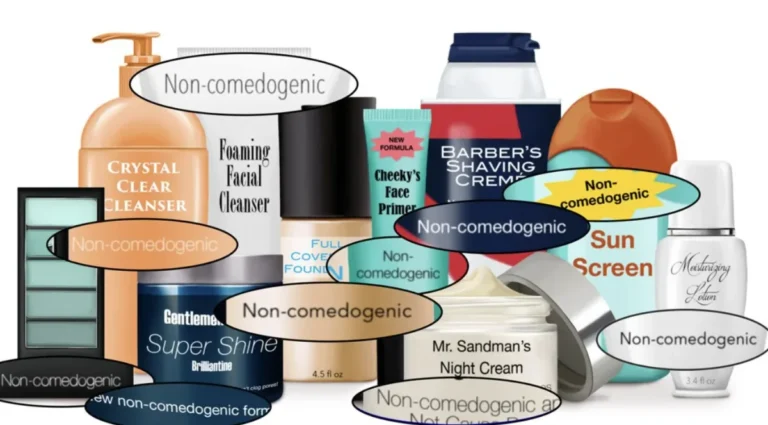
The key here is selecting a moisturizer that hydrates without adding to your oiliness or clogging your pores. Look for labels that clearly state "oil-free" and "non-comedogenic." These terms indicate that the product is formulated to not clog pores. Gel-based or lightweight lotion formulas are generally best for oily skin types.
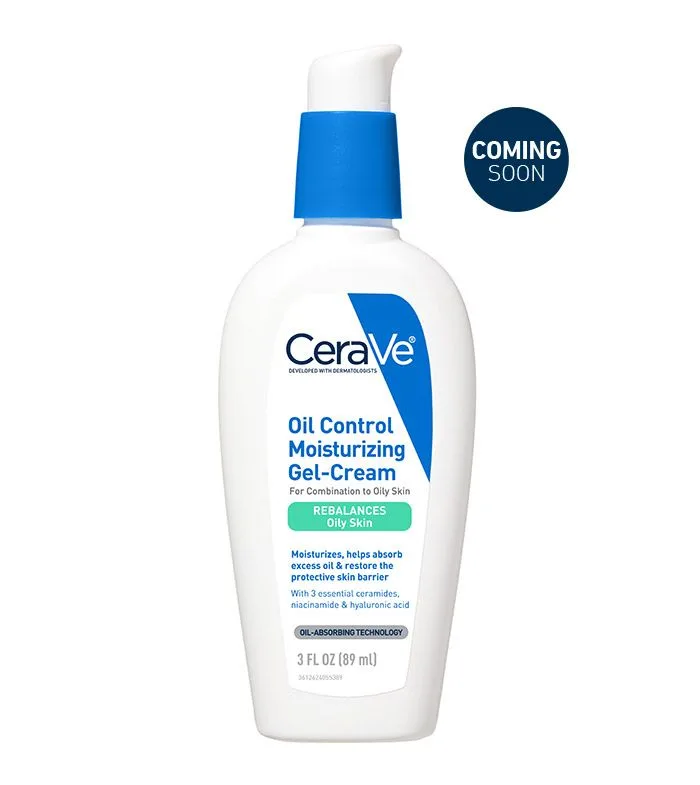
Image source: Bing (Web (fair-use with source credit))
Ingredients like hyaluronic acid are excellent for providing lightweight hydration as they attract and hold moisture in the skin. Niacinamide is another beneficial ingredient, as it can help regulate oil production and reduce inflammation, contributing to a more balanced complexion. Applying this after cleansing, while your skin is still slightly damp, helps to seal in moisture effectively.
Targeted Treatments: Tackling Breakouts Effectively
Beyond daily cleansing and moisturizing, targeted treatments are crucial for addressing active breakouts and preventing future ones. These products contain active ingredients designed to combat the causes of acne.
Salicylic Acid: Your Pore-Unclogging Hero
As mentioned in cleansing, salicylic acid is a star ingredient for oily and acne-prone skin. It’s a beta-hydroxy acid (BHA) that exfoliates the skin and, more importantly, is oil-soluble. This means it can penetrate deep into pores to break down the sebum and dead skin cell mixture that causes blockages.
You can find salicylic acid in toners, serums, and spot treatments. Its ability to work inside the pore makes it particularly effective against blackheads and whiteheads.
Benzoyl Peroxide: The Bacteria Buster
If your acne is more inflammatory, involving red bumps and pustules, benzoyl peroxide is a powerful ally. It works by killing the Cutibacterium acnes (formerly Propionibacterium acnes) bacteria that contribute to acne inflammation. Benzoyl peroxide is available in various concentrations, typically from 2.5% to 10%.
It’s often recommended to start with a lower concentration, like 2.5% or 5%, to minimize potential dryness and irritation. Be aware that benzoyl peroxide can bleach fabrics, so take care with towels and pillowcases. For more persistent or widespread acne, consulting a dermatologist about prescription-strength options is advisable.
Retinoids and Azelaic Acid: Powerful Allies
Retinoids, like adapalene (often found as Differin in over-the-counter formulations), are vitamin A derivatives that speed up skin cell turnover. This prevents pores from becoming clogged in the first place and can help treat existing acne. When using retinoids, it’s essential to start slowly, perhaps a few times a week, as they can cause initial dryness and peeling.
Always follow with sunscreen during the day, as retinoids can make your skin more sensitive to the sun. Can Retinol Help Treat Acne?: Does It Really Work offers more detail on their benefits. Azelaic acid is another beneficial ingredient that helps unclog pores, reduce inflammation, and can also improve the appearance of post-acne marks.
It's generally well-tolerated and offers a gentler alternative for some individuals.
Sun Protection: A Non-Negotiable Step
When you're actively treating oily skin and acne, sun protection becomes even more critical. Many acne treatments, especially retinoids, increase your skin's sensitivity to the sun. Furthermore, sun exposure can worsen post-acne marks, making them darker and more noticeable.
Why Sunscreen Matters for Acne-Prone Skin
Sunlight can cause post-inflammatory hyperpigmentation (PIH) to become more pronounced, turning red or brown marks left by acne into darker spots that take longer to fade. Protecting your skin with sunscreen helps to prevent this and supports the overall healing process. Consistent daily use of sunscreen is vital, regardless of the weather or season.
For instance, manufacturer specifications for broad-spectrum sunscreens confirm their ability to block both UVA and UVB rays, which are responsible for different types of sun damage. Can Sunscreen Help Prevent Acne: SPF Tips For Clear Skin provides more guidance.
Best Sunscreen Choices for Oily Skin
The ideal sunscreen for oily and acne-prone skin will be lightweight, oil-free, and non-comedogenic. Look for formulations labeled "matte finish" or "for oily skin." Gel or fluid textures often feel more comfortable than heavy creams. Mineral sunscreens containing zinc oxide or titanium dioxide can sometimes be a good choice as they tend to be less irritating.
Always ensure your chosen sunscreen offers broad-spectrum protection with an SPF of 30 or higher. Applying it as the last step in your morning skincare routine provides a protective shield against UV damage.
Common Mistakes That Make Oily Skin and Acne Worse
It’s easy to fall into habits that we think will help our skin, but sometimes they actually make things worse. Recognizing these common errors is a big step toward clearer skin.
Over-Washing and Harsh Products
A common impulse when you have oily skin is to wash your face constantly or use very harsh, stripping cleansers. This can strip away your skin’s natural protective barrier. When this happens, your skin often tries to compensate by producing even more oil to rehydrate itself.
Aggressive scrubbing with abrasive physical exfoliants can also cause micro-tears in the skin, leading to inflammation and potentially more breakouts. Aim for gentle but effective cleansing twice a day.
The Temptation to Pick and Squeeze
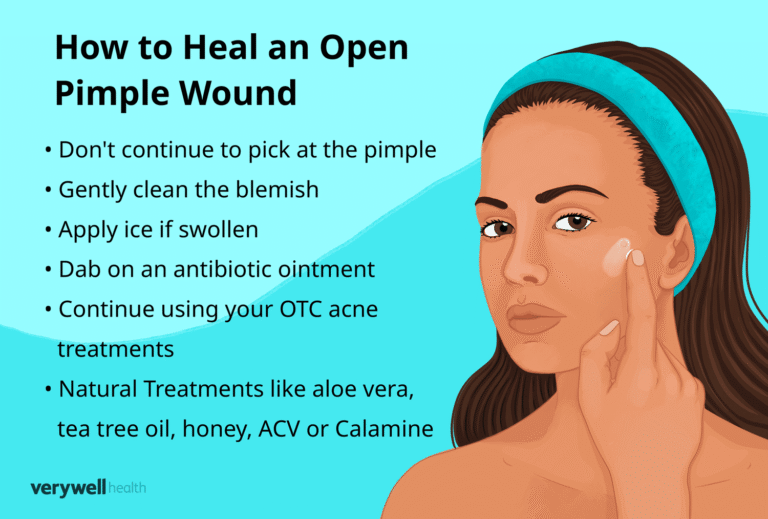
We know the urge is strong, but picking or squeezing pimples is one of the worst things you can do. This action can push bacteria and inflammation deeper into the skin. It significantly increases the risk of infection, prolongs healing time, and can lead to persistent acne scarring.
As of 2026, dermatologists consistently advise against this practice. For stubborn spots, a targeted spot treatment is a much safer bet. Learn more about why you shouldn't pop pimples here: Should You Pop Pimples: Safe Skin Care Advice.
Ignoring Hydration and Sunscreen
Skipping moisturizer because your skin is oily is a frequent mistake. As covered earlier, dehydrated skin often ramps up oil production. Likewise, not wearing sunscreen can worsen acne marks and make skin more susceptible to damage.
Many modern sunscreens are designed to be lightweight and non-greasy, so they won’t add to your oiliness. Protecting your skin is crucial for healing and preventing future issues.
When to Seek Professional Help
While a consistent at-home routine can manage many cases of oily skin and acne, there are times when professional intervention is necessary. If your breakouts are severe, painful, or resistant to over-the-counter treatments after several months of consistent use, it's time to consult a dermatologist.
When is it Time to See a Doctor?
Persistent acne, especially when it's cystic or nodular, can lead to significant scarring and emotional distress. If your acne is leaving dark marks that don't fade or if you’re experiencing a sudden, severe breakout, professional assessment is important. Dermatologists can offer prescription-strength topical treatments, oral medications like antibiotics or hormonal therapies, and advanced procedures.
They can also help identify underlying causes you might not be aware of, such as hormonal imbalances that you can learn more about here: Can Hormones Cause Acne?: Causes And Treatments.
What to Expect from a Dermatologist
A dermatologist will first examine your skin to determine the type and severity of your acne. They’ll ask about your current skincare routine, medical history, and lifestyle. Based on this, they can recommend the most effective treatment plan, which might involve prescription creams, oral medications, or even in-office procedures.
They can prescribe retinoids that are stronger than what’s available over-the-counter or recommend specific ingredients that best suit your skin's needs, such as those detailed in articles about What Ingredients Are Best For Treating Acne: Top Picks.
Frequently Asked Questions about Oily Skin and Acne
### How long does it take to see results from an acne treatment?
Results vary widely depending on the treatment and individual skin. Generally, you might start noticing improvements within 4 to 8 weeks of consistent use. However, significant changes, especially for moderate to severe acne, can take 2 to 3 months.
Patience is key when managing breakouts. How Long Does Acne Take To Clear Up: What To Expect offers more detailed timelines.
### Can makeup cause or worsen acne?
Yes, certain makeup products can contribute to or worsen acne. If makeup is comedogenic (pore-clogging) or contains heavy oils, it can block pores and lead to breakouts. Always look for "oil-free" and "non-comedogenic" labels on your cosmetics.
Removing makeup thoroughly each night is also critical to prevent pore blockage. You can find more details on this topic here: Can Makeup Cause Acne: Causes And Prevention.
### Does diet really affect acne?
For some individuals, diet can play a role in acne severity. While there’s no one-size-fits-all diet for clear skin, some research suggests that high-glycemic index foods (like white bread and sugary drinks) and certain dairy products might trigger breakouts in susceptible people. Focusing on a balanced diet rich in fruits, vegetables, and whole grains is generally beneficial for overall skin health.
Learn more about diet's impact here: Does Diet Affect Acne: Best Foods And Facts.
### Should I be worried about acne leaving permanent scars?
Acne can indeed leave permanent scars, especially if it's severe, inflamed, or if you pick at your blemishes. Picking or squeezing pimples significantly increases the risk of scarring by causing deeper inflammation and damage to the skin's structure. Early and effective treatment can help minimize the severity of breakouts and reduce the likelihood of permanent scarring.
For further insight, explore Can Acne Leave Permanent Scars: Causes And Prevention.