How Can I Prevent Acne?
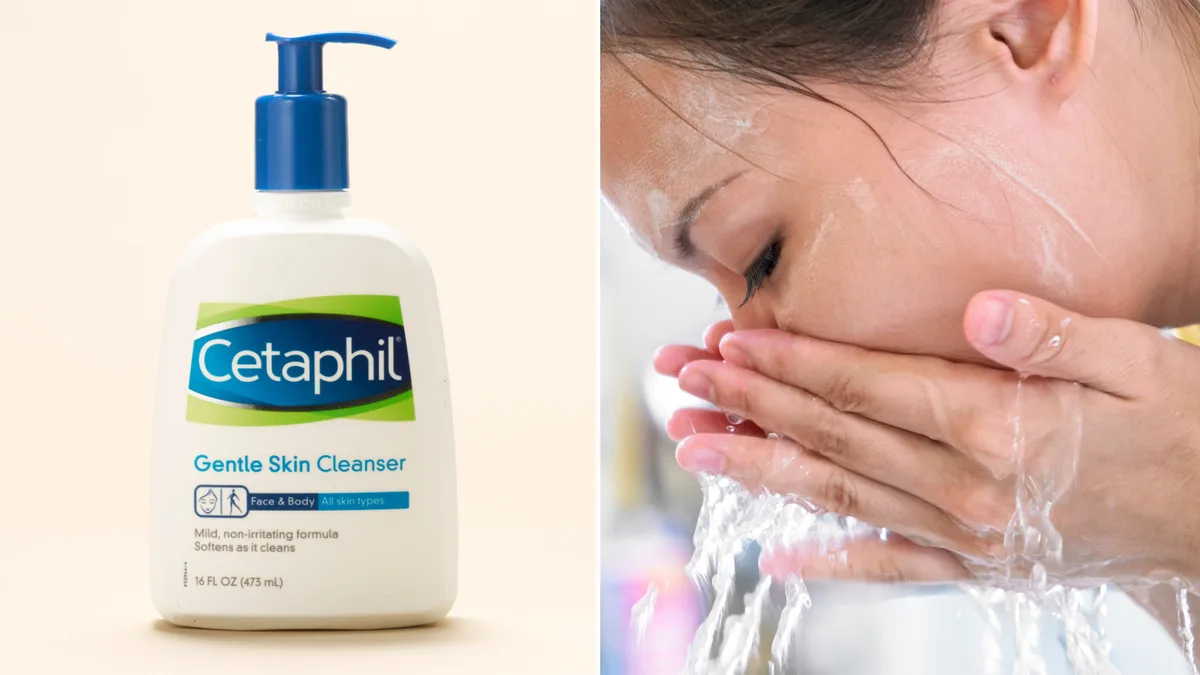
Image source: Bing (Web (fair-use with source credit))
Preventing acne effectively often feels like a puzzle, but understanding the pieces can make all the difference. If you've ever wondered, "How can I prevent acne?" you're in the right place. It's not just about washing your face; it's a holistic approach that considers your skin's unique needs and your daily habits.
Our research shows that a consistent, gentle skincare routine is the foundation, but lifestyle factors play a significant role too. For example, manufacturer specifications for many non-comedogenic moisturizers indicate they are formulated to minimize pore clogging. We'll break down the essentials and then explore how to personalize your strategy to keep breakouts at bay.
Quick Answer
Prevent acne by cleansing gently twice daily, moisturizing with oil-free products, and avoiding touching your face. Identify personal triggers like diet and stress, and use targeted OTC treatments like salicylic acid or benzoyl peroxide. Consult a dermatologist for persistent or severe cases.
Your Personal Acne Prevention Workflow
Preventing acne is less about a single magic fix and more about a structured approach tailored to you. Think of it as a workflow where you identify potential issues and then take targeted actions. This means understanding the fundamentals, spotting your personal triggers, and knowing when to use specific products or seek professional advice.
It’s about making informed choices based on what your skin tells you.
The goal here is to build resilience in your skin and minimize the conditions that lead to breakouts. We'll guide you through a process that starts with basic care and moves toward a deeper understanding of what truly impacts your complexion. This isn't about quick fixes; it's about establishing long-term healthy skin habits.
Fundamentals: The Non-Negotiable Skin Health Basics
Before we dive into anything fancy, let's nail down the absolute must-dos. These are the cornerstones of any good skincare regimen, and if they're not in place, other efforts might fall short.
Gentle Cleansing: Less Is More
Gentle cleansing is the first line of defense against acne. You want to remove dirt, oil, and impurities without stripping your skin's natural protective barrier. Over-washing or using harsh soaps can actually strip your skin, prompting it to produce more oil to compensate.
- Twice daily is usually enough for cleansing.
- Use a mild cleanser labeled "gentle" or "for sensitive skin."
- Wash your face with lukewarm water and your fingertips; avoid harsh scrubbing.
- Gently pat your skin dry with a clean towel.

Image source: Web (Bing) / pngall.com (Web image (fair-use with source credit))
Moisturize Wisely: Hydration for All Skin Types
It might sound contradictory, but moisturizing is crucial, even for oily or acne-prone skin. Keeping your skin hydrated prevents it from overproducing oil. Dehydrated skin signals your oil glands to ramp up production, which can lead to clogged pores and breakouts.
- Choose moisturizers labeled "oil-free" to avoid adding unnecessary oils.
- Look for products labeled "non-comedogenic," meaning they won't clog pores.
- Apply a thin layer to damp skin after cleansing for better absorption.
- You might need lighter formulas in humid weather and richer ones in dry conditions.
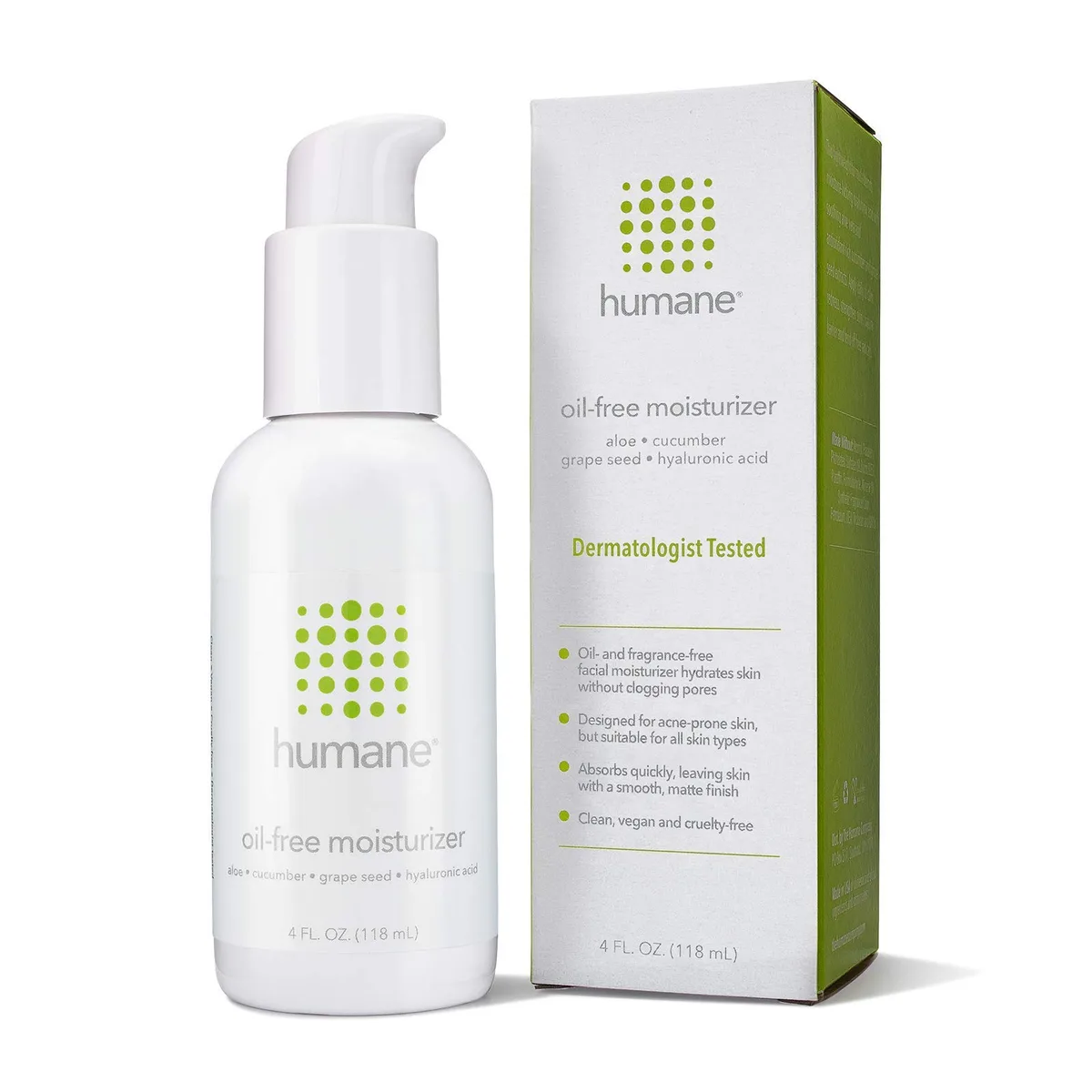
Image source: Bing (Web (fair-use with source credit))
Hands Off Your Face!
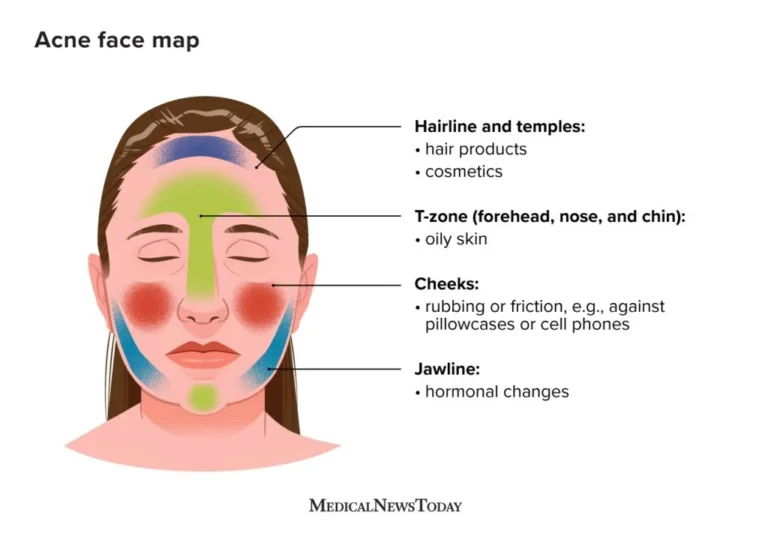
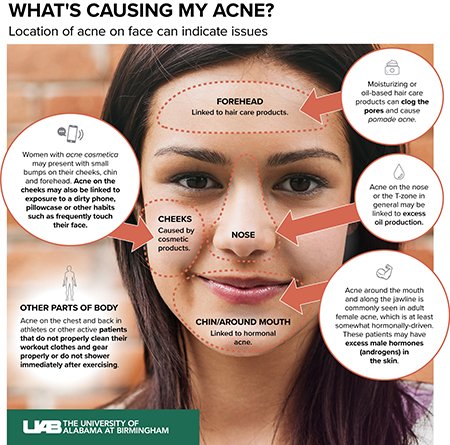
This is a tough habit for many people to break, but it's incredibly important. Your hands carry bacteria, oils, and dirt that can easily transfer to your face. Touching your face frequently, especially if you haven't washed your hands, can introduce blemish-causing germs directly to your pores.
- Simply try to notice how often you touch your face throughout the day.
- Avoid picking or squeezing blemishes, as this can push bacteria deeper into the skin, leading to more inflammation and potential scarring. For advice on whether to pop pimples, refer to safe skin care advice.
- If you find yourself touching your face habitually, try a fidget toy or keep your hands busy with something else.
Keep Your Gear Clean
Think about all the things your face touches daily. Maintaining cleanliness of these items is vital to prevent transferring bacteria and oils onto your skin.
- Phone Screen: Wipe your phone screen regularly with an antibacterial wipe or a microfiber cloth.
- Pillowcases: Change your pillowcases at least twice a week to reduce bacteria and oil buildup.
- Makeup Brushes & Applicators: Clean makeup brushes at least once a week to prevent them from harboring oil and bacteria. If makeup is a concern, consider whether makeup can cause acne.
- Headbands & Hats: Wash these items regularly, as they can also absorb oils and grime.
Identifying Your Acne Triggers
Once you've mastered the basic hygiene and skincare steps, it's time to look deeper. Many factors beyond just hygiene can contribute to acne. Pinpointing your personal triggers is key to preventing future breakouts.
Diet Detective: What You Eat Matters
The connection between diet and acne is complex and varies from person to person, but it's worth investigating. Certain foods can potentially influence inflammation and oil production in your skin. While no universal diet cures acne, paying attention to patterns can be insightful.
- High-Glycemic Foods: Foods that cause a rapid spike in blood sugar, like white bread and sugary snacks, have been linked to increased acne severity in some studies.
- Dairy: For some individuals, dairy products, particularly skim milk, may be associated with breakouts.
- Keep a Food Diary: Track what you eat and when breakouts occur to identify potential culprits. For more on this, explore which foods make acne worse. Research suggests diet affects acne significantly for many.
Stress & Your Skin
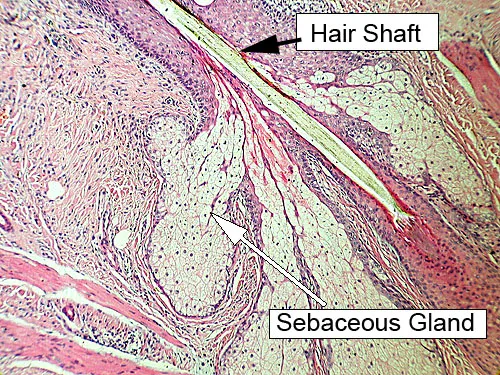
Stress doesn't directly cause acne, but it can definitely exacerbate existing conditions and trigger new breakouts. When you're stressed, your body releases hormones like cortisol, which can signal your skin to produce more oil. This excess oil can then clog pores.
- Cortisol's Role: This stress hormone can increase sebum production, creating a more favorable environment for acne development.
- Find Healthy Coping Mechanisms: Regular physical activity, as discussed in does exercise help reduce acne, mindfulness, meditation, or deep breathing exercises can help manage stress levels.
- Sleep is Key: Lack of sleep, often a byproduct of stress, also impacts skin health. Research indicates lack of sleep can cause acne.
- Link to Stress: Understanding how stress triggers breakouts is the first step to managing it.
Hair Products and Your Face
If you have oily hair or use heavy styling products, they can migrate to your face and contribute to breakouts, especially on your forehead and hairline. Oils and chemicals from hair products can clog pores.
- Try to keep your hair off your face, especially when you sleep or are sweating.
- Be mindful of the ingredients in your shampoos, conditioners, and styling products; some can be pore-clogging.
- Ensure you rinse all hair product residue out of your hair and avoid letting it run down your face in the shower.
Over-the-Counter Arsenal for Prevention
Sometimes, lifestyle changes and basic care aren't enough. Fortunately, a wide range of effective over-the-counter (OTC) treatments can help prevent acne. These products typically work by targeting bacteria or helping to unclog pores.
Understanding Key Ingredients: Salicylic Acid vs. Benzoyl Peroxide
Two of the most common and effective OTC ingredients for acne prevention are salicylic acid and benzoyl peroxide. They work differently, so understanding their mechanisms helps you choose the right one for your needs. Per studies, salicylic acid or benzoyl peroxide is better for acne depending on the individual.
- Salicylic Acid: A beta-hydroxy acid (BHA) that is oil-soluble. It penetrates pores to break down and dissolve the mixture of oil and dead skin cells that cause blockages. It also has mild anti-inflammatory properties, making it best for blackheads, whiteheads, and general pore unclogging.
- Benzoyl Peroxide: An antimicrobial agent that kills acne-causing bacteria (Cutibacterium acnes). It also helps shed dead skin cells, preventing pores from becoming clogged. This is best for inflammatory acne (red, swollen pimples) and preventing new bacterial breakouts.
Both can cause dryness and irritation, so starting with lower concentrations is advised.
How to Use Topical Treatments Effectively
Using OTC treatments correctly is vital to maximize their benefits and minimize side effects. Applying these ingredients too often or in excessive amounts can lead to irritation and dryness, counteracting your prevention goals.
- Start by applying the product every other day or just a few times a week to see how your skin reacts.
- Ensure your skin is clean and completely dry before applying any treatment. Waiting 15-20 minutes after cleansing is ideal.
- Apply a thin, even layer covering affected areas; you don't need to slather it on.
- Always follow up with an oil-free, non-comedogenic moisturizer to combat potential dryness and irritation.
- Daily broad-spectrum sunscreen with SPF 30 or higher is crucial, as many acne treatments increase sun sensitivity. Sunscreen can help prevent acne by protecting against UV damage.
When to Call in the Pros: Consulting a Dermatologist
Sometimes, despite your best efforts with over-the-counter products and lifestyle adjustments, acne can persist or become severe. This is when consulting a dermatologist becomes essential for effective prevention and treatment. They have access to prescription-strength medications and can diagnose underlying issues.
Recognizing When Professional Help Is Needed
It's easy to put off seeing a doctor, but knowing when to seek professional guidance can save you a lot of frustration and prevent long-term skin damage.
- Severe Acne: If you have deep, painful cysts or nodules, it's time to see a dermatologist.
- Persistent Breakouts: If OTC treatments haven't improved your skin after 8-12 weeks of consistent use.
- Scarring: If you're developing acne scars or post-inflammatory hyperpigmentation, a dermatologist can offer treatments to manage them. Research on how to get rid of acne scars shows professional intervention is often key.
- Emotional Impact: If your acne is significantly affecting your self-esteem or mental health, a dermatologist can help.
- Sudden Onset: For adults experiencing a sudden, severe breakout, it could signal an underlying medical condition that requires professional assessment. This is particularly true for adult acne causes.
What to Expect at Your Dermatologist Appointment
A visit to a dermatologist is generally straightforward but can provide significant clarity and effective treatment options. They will assess your skin, discuss your history, and recommend a personalized plan.
- Skin Examination: The dermatologist will carefully examine your skin to determine the type and severity of your acne.
- Medical History: They'll ask about your current skincare routine, any medications you're taking, your diet, and your stress levels.
- Treatment Options: Based on their assessment, they might prescribe topical treatments (like retinoids, e.g., can retinol help treat acne), oral medications (antibiotics, hormonal therapies, or isotretinoin), or suggest in-office procedures.
- Prevention Strategies: They will also offer tailored advice on lifestyle changes and daily care to prevent future breakouts.
- Timeline: They can provide a realistic timeline for when you can expect to see results, addressing questions like how long does acne take to clear up.
Common Mistakes That Sabotage Prevention Efforts
Even with the best intentions, a few common missteps can undermine your acne prevention strategy. Understanding these pitfalls can help you avoid them and stay on the path to clearer skin.
The Harsh Scrubbing Trap
Many people believe aggressive scrubbing removes more oil and dirt, leading to clearer skin. In reality, harsh scrubbing can irritate the skin, disrupt its natural barrier, and actually worsen inflammation and breakouts.
- It strips away natural oils, causing skin to overcompensate by producing even more oil.
- It can create micro-tears in the skin, making it more susceptible to bacteria.
- Opt for gentle cleansing methods with lukewarm water and fingertips; avoid abrasive scrubs.
Overdoing Treatments
Using too much of an active ingredient, like benzoyl peroxide or salicylic acid, in an attempt to speed up results is a common mistake. This can lead to severe dryness, redness, peeling, and increased sensitivity, which can paradoxically trigger more breakouts.
- Over-treating can damage your skin barrier, making it more inflamed and prone to acne.
- Stick to recommended usage frequency. If skin becomes irritated, reduce frequency or stop treatment for a few days.
- Always follow up with a moisturizer to combat dryness and irritation.
Ignoring Lifestyle Factors
Focusing solely on topical treatments while neglecting diet, stress, or hygiene can limit prevention success. Acne is often multifactorial, and a holistic approach is most effective.
- Your skin reflects your overall health. Ignoring stress, poor sleep, or unhealthy dietary habits means missing key prevention pieces.
- Integrate lifestyle adjustments: manage stress, prioritize sleep, and be mindful of your diet. Remember that can hormones cause acne and internal factors need addressing too.
FAQs About Preventing Acne
How long does it take to see results from an acne prevention routine?
Results vary greatly, but you might start noticing improvements in as little as 2-4 weeks. Consistent application of treatments and sticking to a routine is key. Some individuals see significant clearing within 2 to 3 months.
Can I use acne prevention products if I have sensitive skin?
Yes, but you need to be cautious. Look for products specifically formulated for sensitive skin, often with lower concentrations of active ingredients like salicylic acid or benzoyl peroxide. Always patch-test new products on a small area first.
Is it okay to wear makeup while trying to prevent acne?
It's generally advisable to use non-comedogenic, oil-free makeup. Always remove all makeup thoroughly before cleansing and going to bed. Allowing your skin to breathe, especially at night, is important for prevention.
Can I prevent acne scars from forming?
Preventing new breakouts is the best way to avoid scars. If you do develop acne, avoid picking or squeezing. For existing scars, consult a dermatologist for treatment options.
Some treatments focus on how to get rid of acne scars.
Does sun exposure help clear acne?
While a tan might temporarily mask redness, sun exposure actually damages skin and can worsen hyperpigmentation and lead to premature aging. It does not prevent acne and can make certain acne treatments less effective or cause increased sensitivity. Consistent sunscreen use is vital.