Does Exercise Help Reduce Acne?: The Skin Truth
Yes, exercise can support clearer skin, but sweat, friction, and poor hygiene may also trigger breakouts.
Does exercise help reduce acne? The answer depends on what happens before, during, and after your workout. Regular movement may lower stress and support healthy body functions, but it does not directly cure acne. This guide explains the skin benefits, common mistakes, best workout habits, and when to see a dermatologist.
Does exercise help reduce acne?
Does exercise help reduce acne? Sometimes, but the effect is indirect. Exercise can help reduce stress, improve sleep, and support blood flow. These changes may help your skin work better and may reduce some acne triggers.
Stress does not cause every pimple, but it can make acne worse. When you feel stressed, your body may release more cortisol and other hormones. These changes can increase oil production and inflammation in some people.
Exercise also raises your heart rate and improves circulation. Better blood flow helps deliver oxygen and nutrients to your skin. Still, exercise cannot wash away clogged pores or replace proven acne treatments.
The most accurate answer is simple: exercise may help acne, but your workout routine must be skin-friendly. Sweat, tight clothing, dirty equipment, and touching your face can work against you.

How exercise may benefit acne-prone skin
It may lower stress
Stress can affect the skin through hormonal and immune changes. Some people notice more pimples during exams, busy work periods, or major life changes.
Exercise is a useful stress tool. A brisk walk, bike ride, swim, or strength session may help you feel calmer. Lower stress may reduce the chance of stress-related acne flares.
The effect is not instant. One workout will not clear your skin overnight. Think of exercise as one small part of a wider acne care plan.
It may improve sleep
Good sleep supports the body’s repair systems. Poor sleep may increase stress and inflammation, which can make some skin problems harder to manage.
Many people sleep better when they exercise often. Better sleep may support a steady routine for cleansing, eating, and using acne medicine.
Avoid intense exercise right before bed if it keeps you alert. Give your body time to cool down before sleeping.
It supports overall health
Exercise can help support a healthy weight, heart, mood, and immune system. These benefits do not directly remove acne, but they can make it easier to follow healthy habits.
For example, a person who exercises may drink more water, sleep on a schedule, and spend less time feeling tense. These habits can support skin health without acting as acne treatment.
It may help with hormone-related changes
Some forms of acne relate to hormones, especially during puberty, menstrual cycles, pregnancy, or certain medical conditions. Exercise may support general hormone balance, but it does not correct every hormone problem.
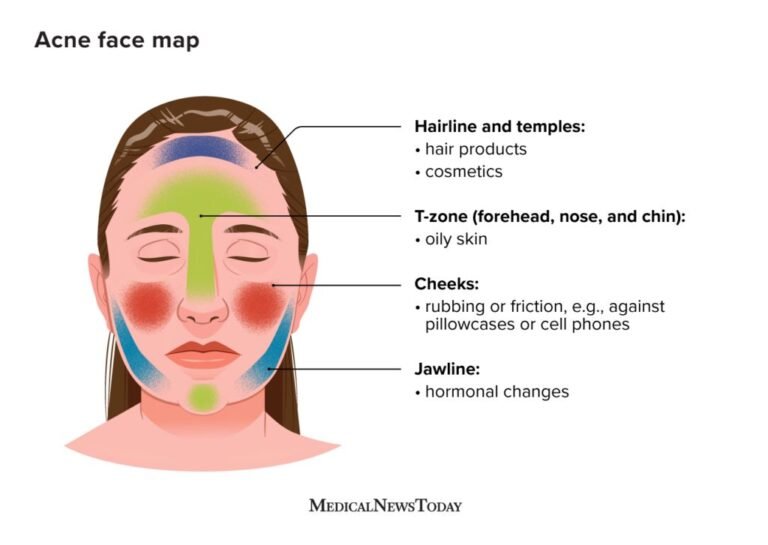
If you have painful jawline acne, irregular periods, excess facial hair, or sudden severe breakouts, speak with a healthcare professional. These signs may need medical review.
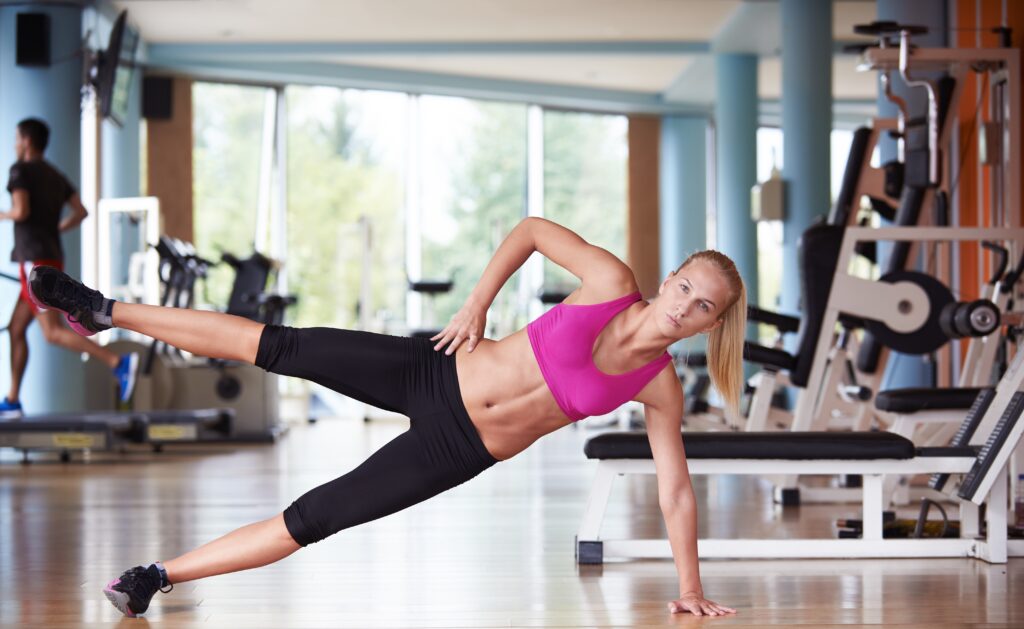
How workouts can make acne worse
Exercise itself is not usually the problem. The trouble often comes from sweat, heat, friction, and germs.
Sweat and clogged pores
Sweat does not directly cause acne. However, sweat can mix with oil, makeup, sunscreen, bacteria, and dead skin cells. This mixture may irritate pores and create a better setting for breakouts.
Sweat left on the skin for a long time can also cause itching and redness. This may lead you to rub or scratch your face, which can spread oil and germs.
Friction and pressure
Friction can cause a type of acne called acne mechanica. It may appear where sports gear rubs against the skin.
Common areas include:
• The forehead under a helmet
• The chin under a mask or chin strap
• The shoulders under backpack straps
• The back under tight athletic shirts
• The chest under protective equipment
Tight gear traps heat and sweat. It also presses against the skin. Choose clean, breathable equipment when possible, and loosen straps when it is safe to do so.
Dirty towels and equipment
Shared gym machines, yoga mats, helmets, and towels can hold oil and bacteria. Touching these items and then touching your face may irritate acne-prone skin.
You do not need to fear the gym. Just wipe shared equipment before use, place a clean towel between your skin and a bench, and wash your hands after training.
Makeup and heavy products
Working out in heavy makeup may block pores. Some creams, hair products, and oily sunscreens can also cause breakouts when mixed with sweat.
If you need coverage, choose products labeled noncomedogenic. This means they are less likely to clog pores. Remove makeup before exercise when possible.
Does exercise help reduce acne on the face and body?
Does exercise help reduce acne on the face and body? It may help indirectly, but body acne needs the same careful approach as facial acne.
Chest and back acne often worsen with sweat and tight clothing. A clean, loose shirt can help reduce heat and friction. Change out of wet workout clothes as soon as you can.
For body acne, a cleanser with salicylic acid or benzoyl peroxide may help. Benzoyl peroxide can bleach fabric, so rinse well and use white towels or clothing when needed.
Do not scrub hard. Rough scrubs can damage the skin barrier and increase irritation. Gentle washing works better than trying to “scrape away” acne.
Folliculitis can look like body acne. It may cause many small, itchy bumps around hair follicles. Yeast-related folliculitis may need a different treatment, so see a clinician if the bumps do not improve.

The best workout and skin care routine
A few simple steps can help you enjoy exercise without feeding breakouts.
Before exercise
-
Remove makeup and heavy skin products.
-
Wash your hands before touching your face.
-
Apply a lightweight, noncomedogenic sunscreen if you will exercise outdoors.
-
Wear clean clothing and use clean headbands or hats.
-
Tie back hair if hair products touch your forehead or cheeks.
Sunscreen remains important. Sun exposure can darken acne marks and damage skin, even on cloudy days. Choose a water-resistant, noncomedogenic formula for outdoor workouts.
During exercise
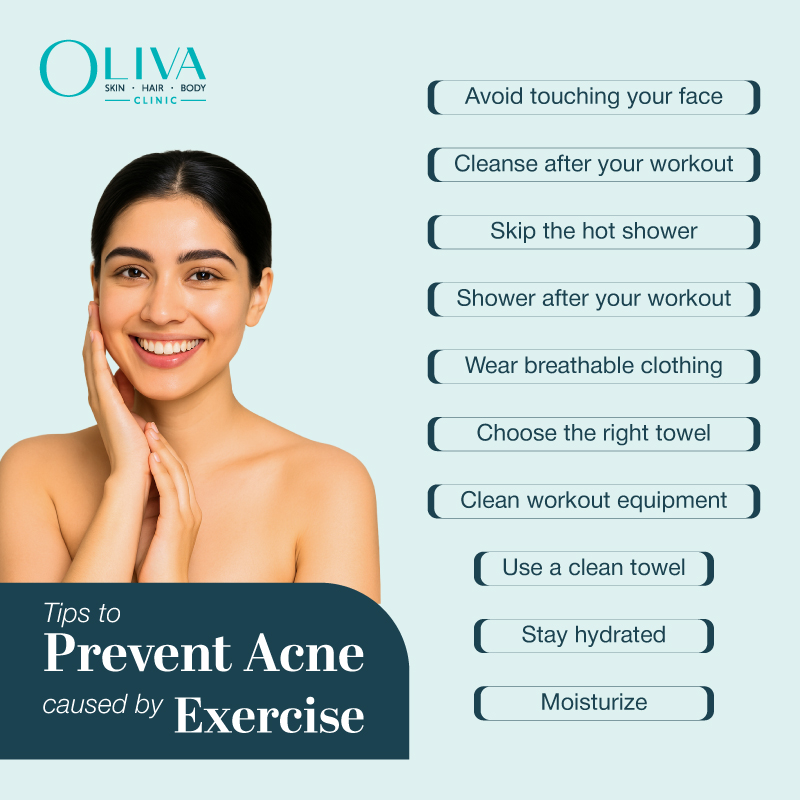
Use a clean towel to pat sweat. Do not rub hard.
Avoid touching your face, especially after holding gym equipment. If you exercise outdoors, protect your skin from strong sunlight with sunscreen, shade, and suitable clothing.
Drink water when you feel thirsty. Water supports normal body function, but drinking extra water will not flush acne away.
After exercise
Shower soon after your workout. Use lukewarm water and a gentle cleanser.
Change out of sweaty clothes. Wash sports bras, helmets, hats, and towels often.
If you cannot shower right away, gently wipe sweat from your face with a clean towel and change your shirt. Avoid alcohol-based wipes, which may sting and dry the skin.

Does exercise help reduce acne when you use acne medicine?
Does exercise help reduce acne while using treatment? Usually, yes, but you may need to adjust your routine.
Some acne treatments can make skin dry or sensitive. These include retinoids, benzoyl peroxide, and certain prescription medicines. Sweat, sun, and friction may feel worse when your skin barrier is weak.
Try these steps:
• Use a gentle cleanser after training.
• Apply a simple, fragrance-free moisturizer.
• Use sunscreen every morning.
• Avoid harsh scrubs and strong toners.
• Follow the instructions for prescription products.
Do not stop a prescribed treatment just because exercise causes temporary redness. Ask your dermatologist how to change timing, product strength, or workout habits.
If you use isotretinoin, your skin may be especially dry and sensitive. Your healthcare professional can give advice about sun care, skin products, and exercise during treatment.
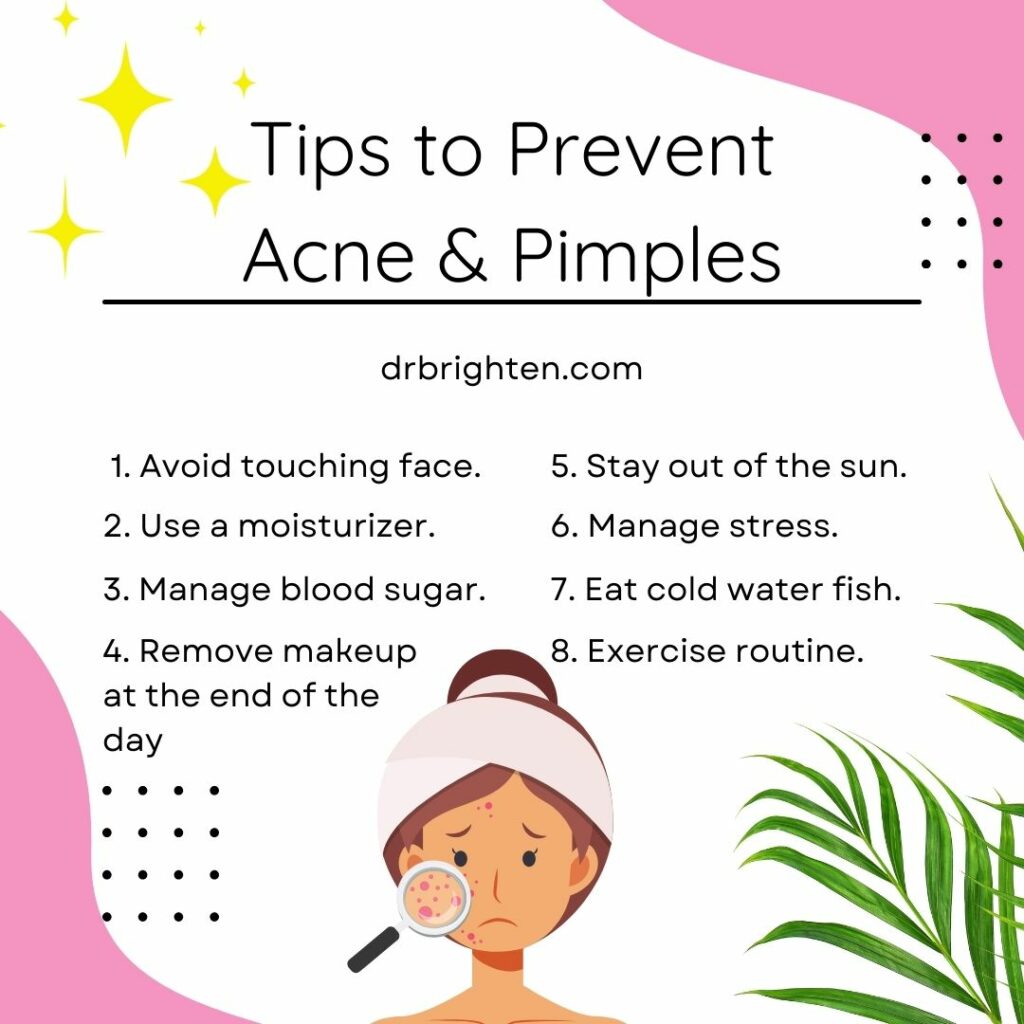
What type of exercise is best for acne?
There is no single best workout for acne. The best choice is an activity you enjoy and can do regularly without causing repeated skin irritation.
Good options include:
• Walking
• Cycling
• Swimming
• Yoga
• Pilates
• Strength training
• Dancing
• Team sports
Swimming may feel helpful because water cools the skin, but chlorine can dry and irritate some people. Rinse off after swimming and use a gentle moisturizer.
Outdoor exercise offers mood benefits, but sun exposure can worsen dark spots after acne. Wear sunscreen and avoid the strongest midday sun when possible.
High-intensity workouts are not automatically bad for acne. They simply create more sweat and heat, so post-workout cleansing becomes more important.

Common mistakes to avoid
Many acne problems linked to exercise come from small habits. The good news is that these habits are easy to change.
Waiting too long to wash
Do not stay in sweaty clothes for hours after training. Sweat, oil, and friction can irritate the skin over time.
Using a rough towel
Pat your skin dry instead of scrubbing it. A rough towel can cause tiny areas of irritation.
Reusing dirty gear
Wash headbands, hats, shirts, and towels after use. Clean equipment can make a real difference for people with acne mechanica.
Applying too many products
More products do not always mean better skin. A simple routine often works better:
• Gentle cleanser
• Noncomedogenic moisturizer
• Broad-spectrum sunscreen
• One proven acne treatment if needed
Picking at sweat-related bumps
Picking can push inflammation deeper into the skin. It also raises the risk of dark marks and scars.
Blaming food without evidence
Some people notice acne changes after eating certain foods. Research has found possible links between high-glycemic foods, dairy products, and acne in some people, but the evidence is not the same for everyone.
Do not remove major food groups without a clear reason. Focus first on consistent skin care, sleep, exercise, and medical advice.
When to see a dermatologist
Exercise may support healthier skin, but it cannot treat moderate or severe acne alone. Make an appointment if you have painful bumps, deep cysts, frequent scarring, or acne that affects your mood.
You should also seek medical advice if:
• Acne suddenly becomes severe
• Breakouts do not improve after several weeks of basic care
• You develop painful nodules or cysts
• Dark marks or scars keep appearing
• Acne begins after starting a medicine
• You have signs of a hormone problem
A dermatologist can identify the type of acne and suggest treatments such as topical retinoids, benzoyl peroxide, antibiotics, hormonal therapy, or other options. Early treatment can lower the risk of lasting scars.
A useful lesson from real-world skin care is to change one habit at a time. If you start a new cleanser, new workout plan, and several treatments on the same day, you may not know what helped or caused irritation.
Does exercise help reduce acne? Evidence and limits
Does exercise help reduce acne according to medical evidence? Current guidance supports exercise for overall health, stress control, and sleep, but exercise is not listed as a stand-alone acne cure.
Dermatology guidance focuses on proven acne treatments and gentle skin care. Research on stress suggests that stress may worsen acne in some people. Research on exercise and acne itself is more limited, so strong claims would be misleading.
This matters because skin differs from person to person. One individual may notice fewer breakouts after starting regular workouts. Another may see more acne because of sweat, equipment, hormones, or a new product.
The safest view is balanced: keep exercising for your overall health, but pair it with clean gear, gentle cleansing, sun protection, and suitable acne treatment.
Frequently Asked Questions About Does Exercise Help Reduce Acne?
Does exercise help reduce acne scars?
Does exercise help reduce acne scars? No, exercise does not remove acne scars. It may support general health, but scars usually need treatments such as retinoids, chemical peels, laser therapy, or other care from a dermatologist.
Can sweating clear your pores?
Sweating does not cleanse pores in the same way as a face wash. Sweat may loosen some surface debris, but leaving sweat on the skin can mix with oil and irritants, so wash gently after exercise.
Should I wash my face before or after working out?
Wash off makeup and heavy products before working out when possible. Cleanse again after exercise if your skin feels sweaty or dirty, but avoid washing so often that your skin becomes dry and sore.
Can working out cause body acne?
Working out can contribute to body acne when sweat, tight clothing, friction, and dirty equipment irritate the skin. Showering after exercise, changing clothes, and cleaning sports gear can help prevent these breakouts.
Is exercise good for hormonal acne?
Exercise may help lower stress and support sleep, but it does not treat every cause of hormonal acne. Severe jawline acne, irregular periods, or sudden changes should be discussed with a healthcare professional.
How soon should I shower after exercise?
Shower as soon as practical after a workout, especially after heavy sweating. If that is not possible, change out of wet clothes and gently clean your face and body when you can.
Conclusion
Does exercise help reduce acne? It can help indirectly by lowering stress, supporting sleep, and improving overall health. Still, sweat, friction, dirty gear, and heavy products may trigger breakouts if you do not manage them.
Keep exercising, but make your routine skin-friendly. Remove makeup before training, wear clean clothes, avoid touching your face, shower after workouts, and use noncomedogenic products. If acne is painful, severe, or leaving scars, seek professional care instead of waiting it out.
Try these steps for a few weeks and watch how your skin responds. Share your workout and skin care experience in the comments, or explore more evidence-based acne care resources for personalized guidance.