Can Moisturizer Cause Acne?
So, you're dealing with breakouts and wondering if that comforting layer of moisturizer might actually be the sneaky cause. It's a question many people ask, and the truth is, it's not always a straightforward "yes" or "no." Your skin's unique chemistry and the specific ingredients in your moisturizer play a huge role.
Think of it this way: what works wonders for one person's skin could be a recipe for disaster for another's. Understanding these nuances is key to figuring out if your current hydration is helping or hindering your quest for clear skin. We'll walk through how to tell.

Image source: Web (Bing) / pxcleanskin.com (Web image (fair-use with source credit))
Quick Answer
Yes, certain moisturizers can cause acne. Ingredients like heavy oils or waxes can clog pores, leading to breakouts. Moisturizers labeled "non-comedogenic" are formulated to be less likely to cause this.
What to Look For: Signs Your Moisturizer Might Be the Culprit
If you've noticed a sudden increase in pimples or small bumps, and you've recently introduced a new moisturizer, it's a strong signal to investigate. Breakouts don't just appear out of nowhere; they're often a reaction to something applied to the skin. When considering your skincare routine, your moisturizer is a prime suspect if other factors like diet or stress haven't changed.
It's about paying attention to patterns. Did the acne start around the same time you began using a particular product? Are the breakouts concentrated in areas where you apply the moisturizer most often?
These are the kinds of questions that help us zero in on the cause.
Recent Changes and Breakout Patterns
The most telling sign that your moisturizer might be contributing to acne is timing. If your skin was relatively clear, and then you started using a new moisturizer, and then you began experiencing breakouts, that's a pretty direct correlation. This pattern is your first clue.
Consider what constitutes a "new" product. It could be a completely different brand, a new formula from a brand you already use, or even a change in the product's texture or scent, which can sometimes indicate different ingredients. When evaluating your routine, systematically removing or swapping out products is key.
If you've recently started using a particular product and breakouts followed, this information on when acne starts to clear up can help set your expectations for how long it might take for your skin to improve after a change.
Identifying Problematic Ingredients
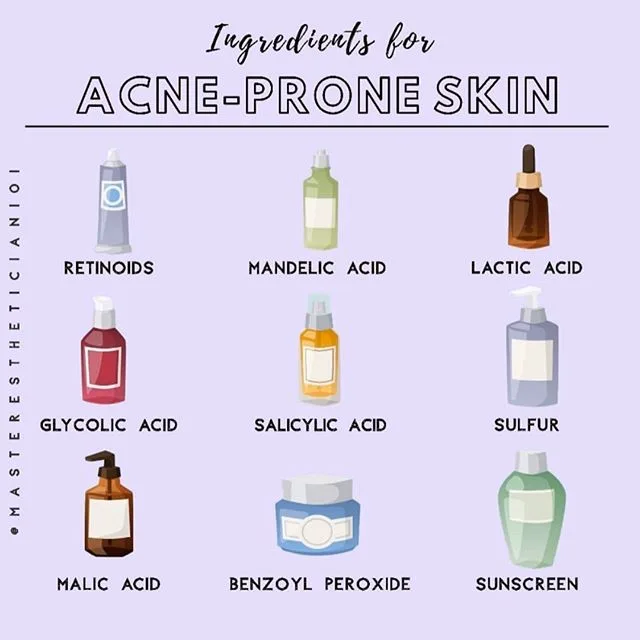
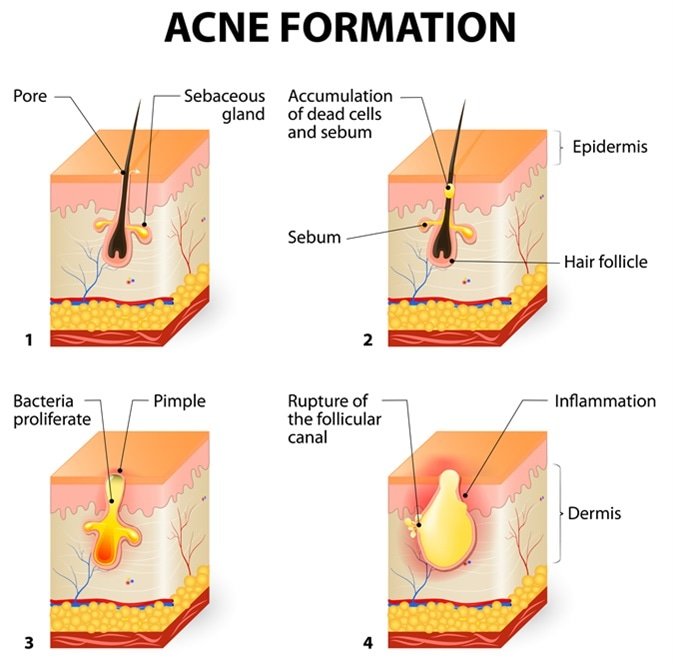
This is where we get a bit more specific about what to avoid. Certain ingredients are known to be more pore-clogging, a primary cause of acne. These are often referred to as "comedogenic" or "pore-clogging" ingredients.
When pores get blocked with oil, dead skin cells, and bacteria, they can become inflamed, leading to pimples.
The goal isn't to fear every ingredient, but to be aware. Some ingredients are generally fine for most people but can cause issues for those with acne-prone skin. Manufacturer specifications for some products might list their comedogenic rating, but this isn't a universal standard, making label reading crucial.
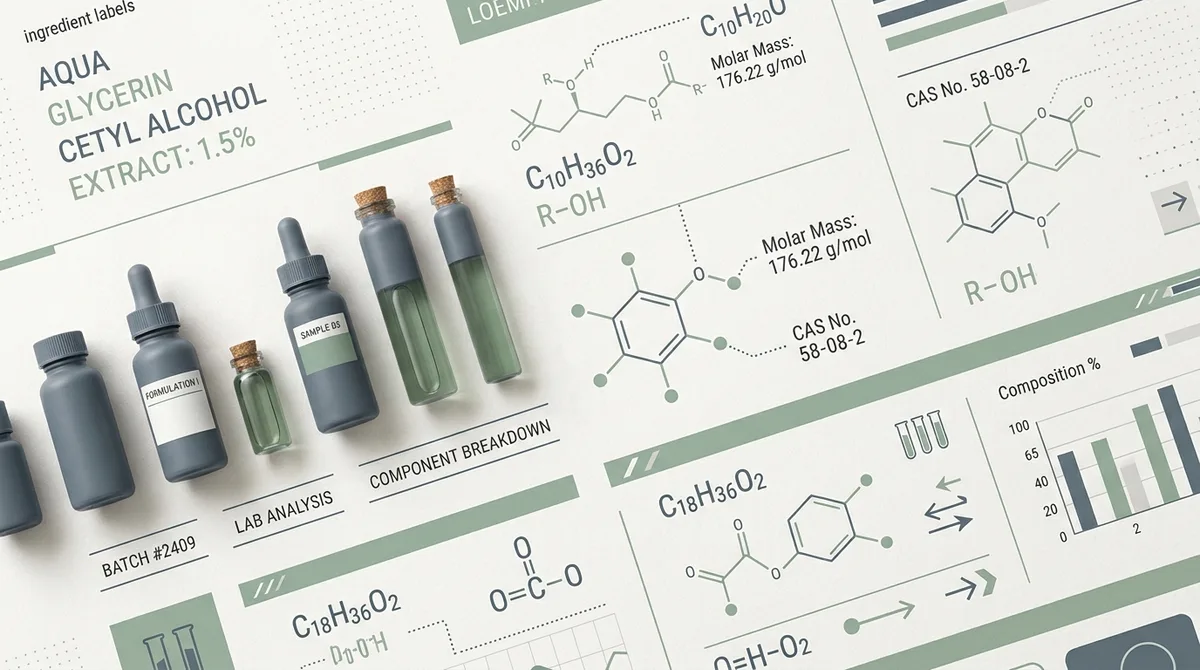
Image source: Web (Bing) / skintrig.com (Web image (fair-use with source credit))
Some common culprits include:
- Heavy Oils and Butters: While nourishing for dry skin, ingredients like coconut oil, cocoa butter, and sometimes even shea butter can be too rich for acne-prone skin.
- Certain Fatty Acids and Alcohols: Ingredients like isopropyl myristate and oleic acid can be problematic for some individuals.
- Lanolin: This ingredient, derived from sheep's wool, can clog pores for sensitive individuals.
It's important to remember that ingredient sensitivity is highly personal. What causes a breakout for one person might be perfectly fine for another.
Your Step-by-Step Guide to a Non-Breakout Routine
If you suspect your moisturizer is causing issues, don't worry. We can work through it systematically. The process involves temporarily pausing the suspect product, simplifying your routine, and then reintroducing products carefully.
This methodical approach helps you pinpoint the exact cause without making your skin worse.
The key is patience. Skin needs time to react and then to heal. Rushing the process can lead to more confusion and frustration.
By following these steps, you're building a clearer understanding of what your skin truly needs.
The "Stop and Test" Method
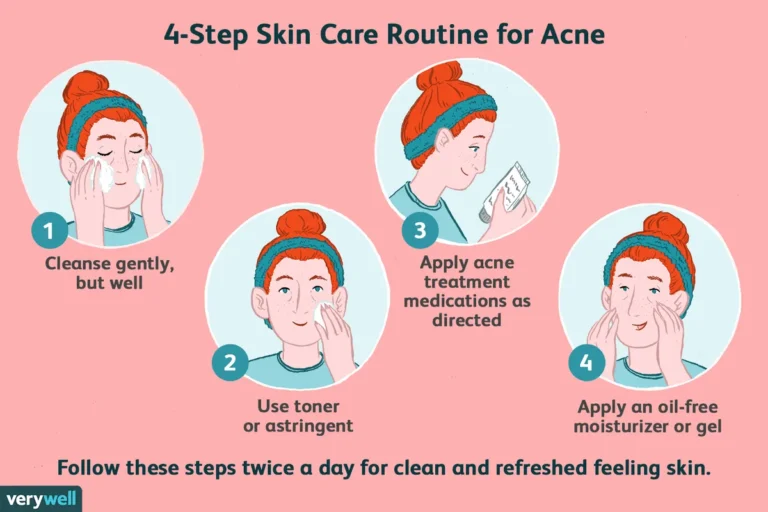
This is the most direct way to see if your current moisturizer is the problem. For a period, you'll temporarily stop using the moisturizer you suspect is causing breakouts. During this time, you'll want to simplify your entire skincare routine.
Strip it back to the absolute basics: a gentle cleanser and, if your skin feels very dry or tight, a very simple, known-to-be-non-comedogenic moisturizer.
The goal here is to give your skin a clean slate. By removing potential irritants or pore-cloggers, you allow your skin to calm down. You're essentially resetting your skin's environment to see if the breakouts subside.
This phase can last anywhere from one to three weeks, depending on how persistent your acne is.
During this "detox" period, avoid trying any other new products. You want to isolate the variable: your suspect moisturizer. If your skin visibly improves, fewer new pimples, less redness, and existing blemishes healing faster, then you've got a strong indicator that your original moisturizer was indeed the issue.
It's a clear signal that it's time to find a new hydrating option.
Choosing the Right Moisturizer: What to Look For
Once you've identified that your current moisturizer isn't working, the next step is finding a replacement that's less likely to cause breakouts. The keywords to look for on product labels are "non-comedogenic," "oil-free," and sometimes "hypoallergenic" or "for acne-prone skin." These labels suggest that the product has been formulated with ingredients that are less likely to clog your pores.
When investigating options, consider water-based formulas. These are often lighter and can provide hydration without the heaviness of oil-based creams. Gels and lightweight lotions tend to be good choices for oily or acne-prone skin types.
Manufacturer specifications often detail the base formulation and key ingredients, which can be helpful. For instance, research into common skincare formulations indicates that water-based moisturizers typically have a lower risk of pore occlusion compared to heavy creams or ointments, especially those containing mineral oil or petrolatum in high concentrations.
Think about your specific skin type:
- Oily or Combination Skin: Look for gels, serums, or very light lotions. Ingredients like hyaluronic acid can provide hydration without clogging.
- Dry Skin: Even dry skin can be sensitive to pore-clogging ingredients. Seek out "oil-free" or "non-comedogenic" creams that are still hydrating but avoid heavy, occlusive ingredients like pure shea butter or coconut oil if you're prone to breakouts.
- Sensitive Skin: Opt for fragrance-free and dye-free formulas, as these can sometimes be additional irritants.
Patch Testing Like a Pro
Before you slather any new product all over your face, you absolutely must patch test it. This is a crucial step in identifying potential irritants or pore-cloggers without risking a widespread breakout. It’s a simple process that can save you a lot of trouble.
Here’s how to do it:
- Choose a Discreet Spot: Apply a small amount of the new moisturizer to an area of skin that's not typically exposed, like behind your ear or along your jawline, near your hairline. These areas are good because they are less noticeable if a reaction occurs.
- Wait 24-48 Hours: Leave the product on without washing it off. Don't apply any other new skincare products to the same spot during this time.
- Observe for Reactions: After the waiting period, check the test area for any signs of irritation, redness, itching, or, most importantly for this topic, any new small bumps or pimples.
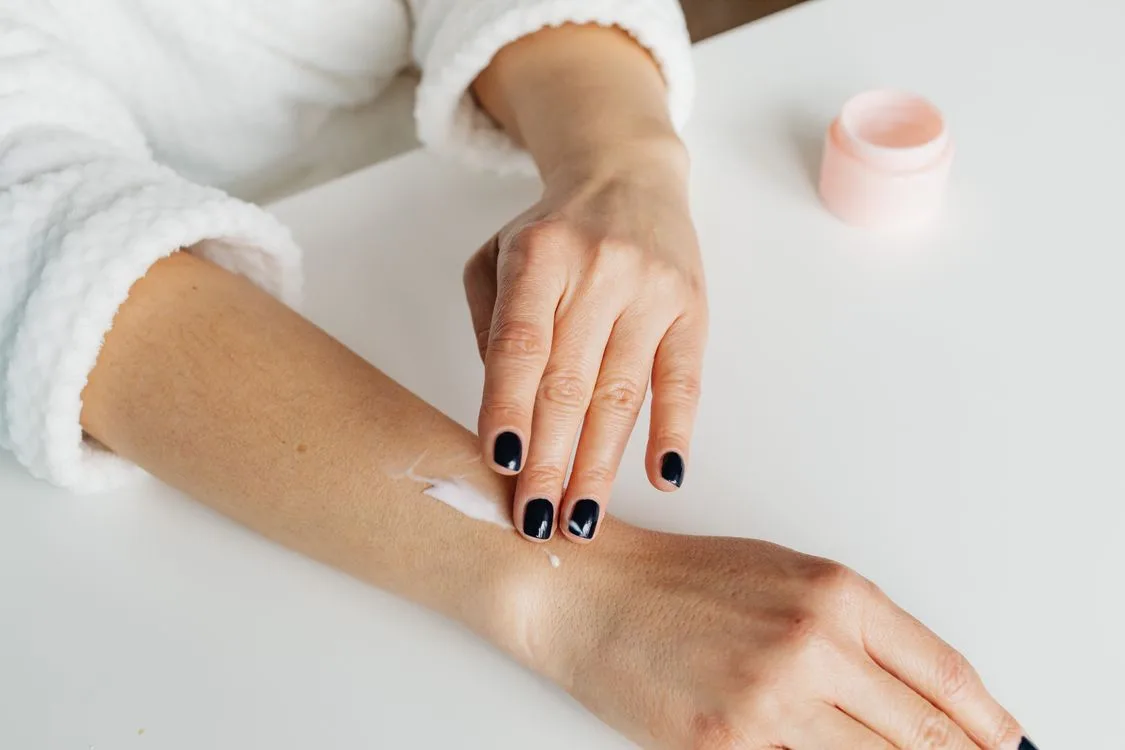
Image source: Bing (Web (fair-use with source credit))
If you don't see any adverse reactions, you can then try applying it to a slightly larger area, like a small section of your cheek. Continue this process gradually over several days. If any reaction occurs at any stage, discontinue use of the product immediately.
This careful approach helps ensure the product is compatible with your skin before you commit to using it daily.
When to Call in the Experts
Sometimes, despite your best efforts and careful ingredient checking, you might still be struggling with persistent acne. If you've tried switching moisturizers, simplifying your routine, and patch testing diligently, but your skin isn't improving, it's time to seek professional advice. A dermatologist is your best resource for understanding complex skin issues.
They can diagnose the specific type of acne you have and identify underlying causes that might not be apparent. Sometimes, acne is related to factors beyond topical products, such as hormonal imbalances or genetic predispositions. Consulting a dermatologist can provide you with targeted treatments that are much more effective than over-the-counter solutions alone.
They might recommend prescription-strength topicals, oral medications, or professional procedures.
Don't hesitate to reach out if you're feeling overwhelmed or if your breakouts are impacting your confidence. As of 2026, dermatologists have a wide array of advanced treatments and diagnostic tools available. They can help create a personalized plan to achieve and maintain clearer skin, ensuring you're using products and treatments that are truly beneficial, not detrimental.
Frequently Asked Questions About Moisturizer and Acne
Can all moisturizers cause acne?
No, not all moisturizers cause acne. Many are formulated to be non-comedogenic, meaning they are specifically designed not to clog pores. The risk comes from certain ingredients found in some formulations that can block pores.
How long does it take to see if a new moisturizer is causing acne?
It typically takes about two to six weeks of consistent use to determine if a new moisturizer is causing breakouts. This allows time for clogged pores to develop into visible pimples and for any underlying irritation to surface.
Is it okay to skip moisturizer if I have acne-prone skin?
Skipping moisturizer entirely can actually worsen acne for some. When skin is stripped of moisture, it can overcompensate by producing more oil, which can lead to more breakouts. The key is to use a lightweight, non-comedogenic moisturizer.
What's the difference between a comedone and a pimple?
A comedone is an early, non-inflamed form of acne, such as a blackhead or whitehead, caused by a clogged pore. A pimple is an inflamed comedone, where bacteria and inflammation have set in, resulting in a red, raised bump.