How Do You Get Rid Of Acne Scars: Best Treatment Tips
Acne scars fade with time, sunscreen, gentle skin care, and the right medical treatment.
How do you get rid of acne scars? The best answer depends on the type of scar you have. Flat red or brown marks often improve with simple skin care, while deep dents and raised scars may need help from a dermatologist. This guide explains the safest options, what results to expect, and which mistakes can make scars worse.
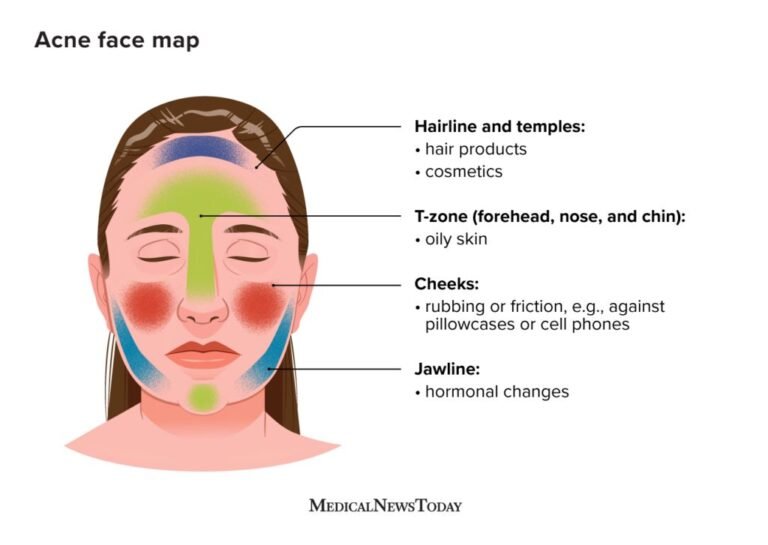
First, identify what you call an acne scar
Many people use “acne scars” to describe every mark left after a breakout. Yet not all marks are true scars. Knowing the difference helps you choose the right treatment and avoid wasting money.
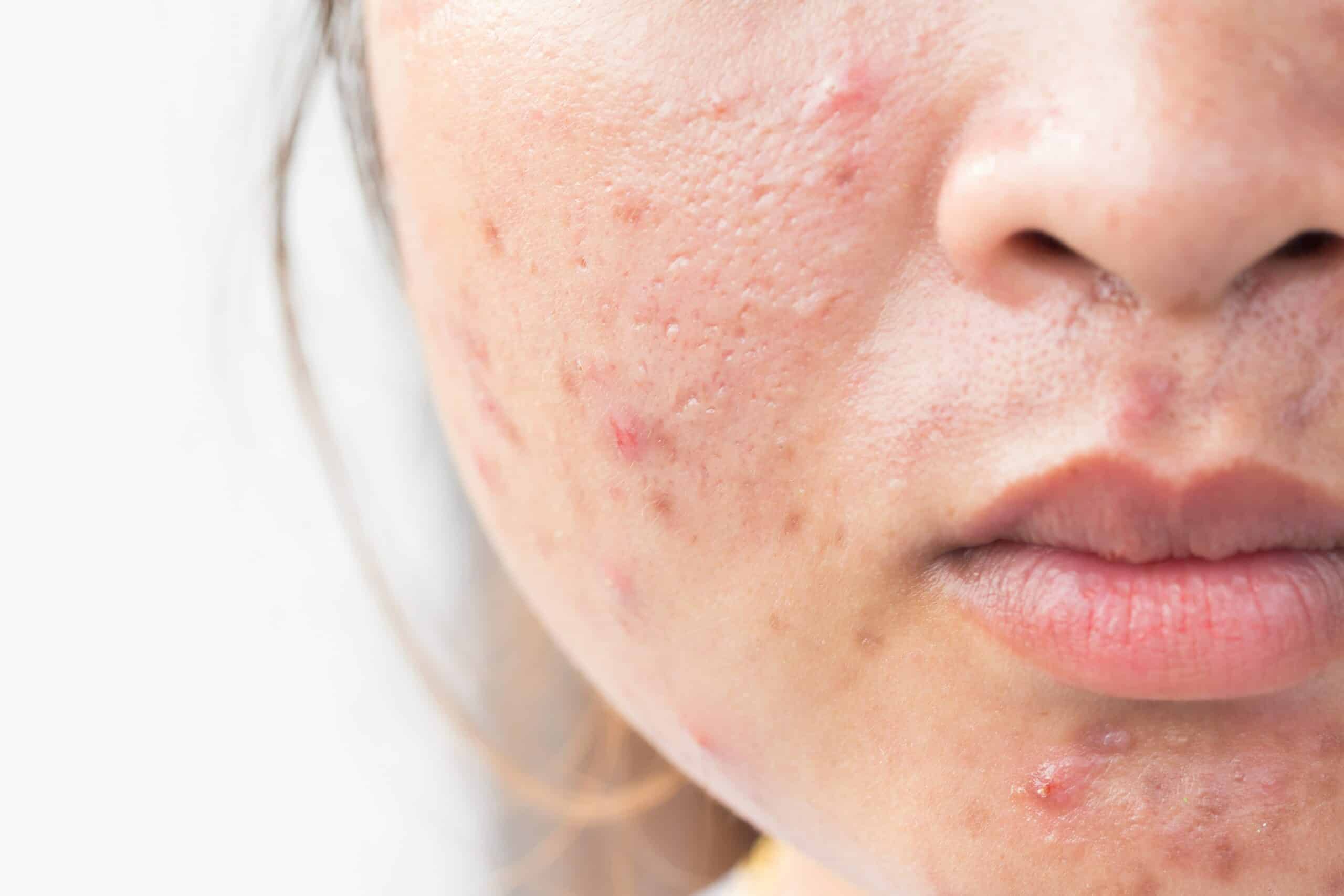
Post-inflammatory hyperpigmentation creates flat brown, gray, or dark marks. It is more common and more noticeable in medium to deep skin tones. These marks are not permanent scars, but they can last for months without treatment.
Post-inflammatory erythema causes flat red, pink, or purple marks. These marks can also fade with time. Sun exposure, picking, and new acne may make them last longer.
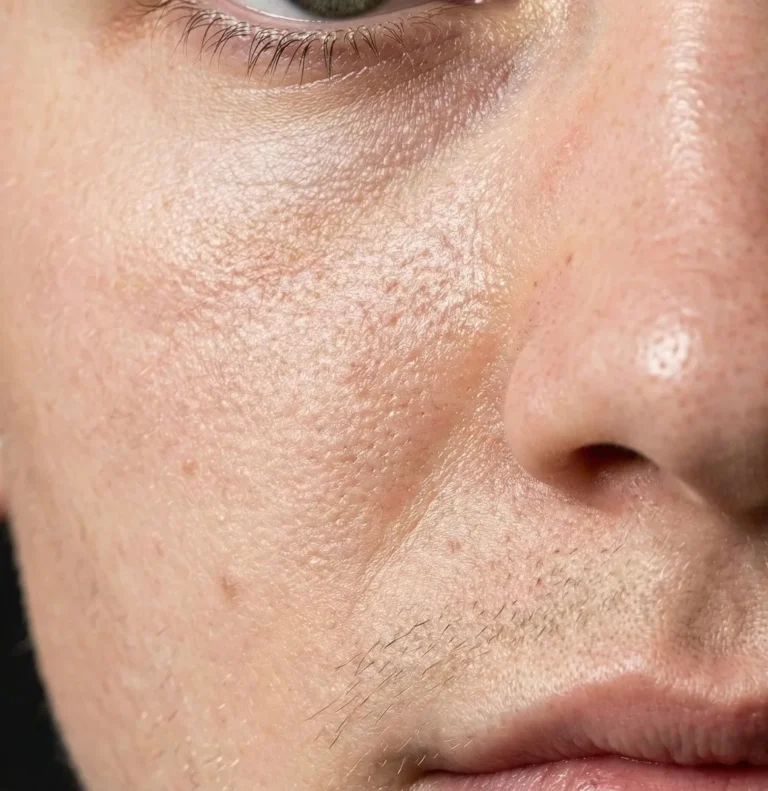
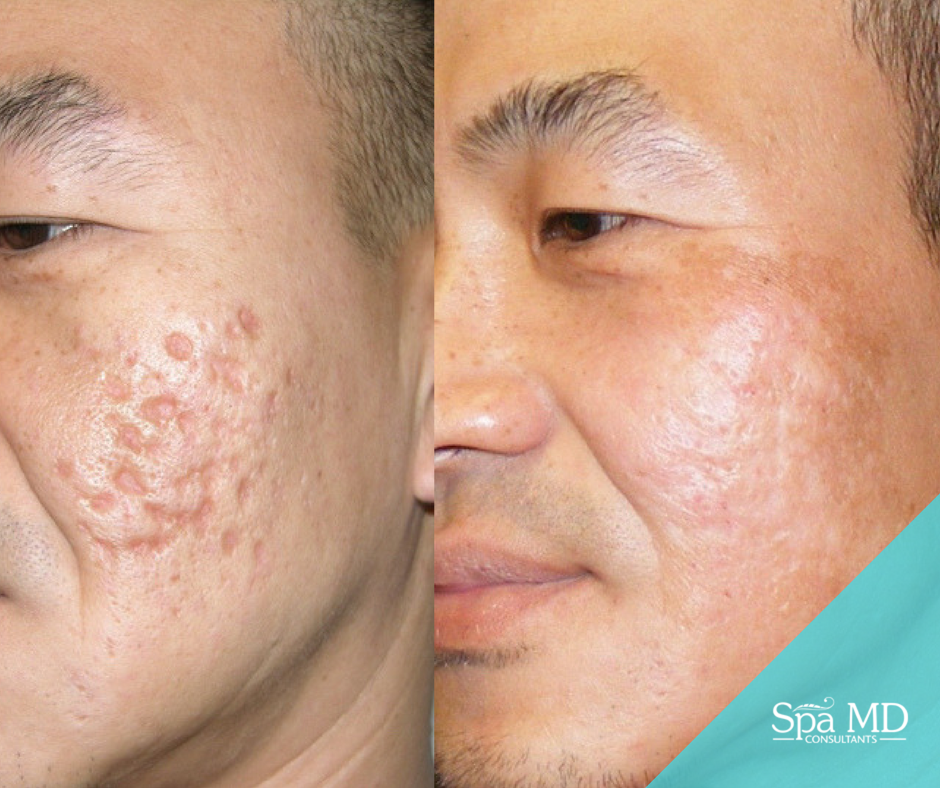
True acne scars change the skin’s texture. They usually fall into three groups:
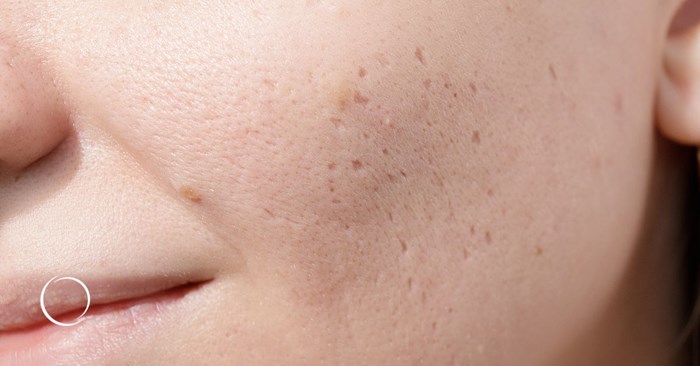
• Atrophic scars: These are small dents or depressions in the skin.
• Ice pick scars: These are narrow, deep holes.
• Boxcar scars: These are wider dents with sharper edges.
• Rolling scars: These create a wavy or uneven surface.
• Hypertrophic scars: These are raised, firm scars that stay within the original acne spot.
• Keloid scars: These are raised scars that grow beyond the original wound. They need medical care.
A simple test can help. If you close your eyes and feel a change in skin texture, you may have a true scar. If the skin feels smooth and only looks darker or redder, you may have a post-acne mark instead.

How do you get rid of acne scars at home?
At-home care works best for dark marks, red marks, and mild uneven tone. It cannot fully remove deep scars, but it may make the skin look clearer and more even.
Use sunscreen every day
Daily sunscreen is one of the most important steps. Ultraviolet light can darken post-acne marks and slow fading. It can also make some treatments more irritating.
Choose a broad-spectrum sunscreen with SPF 30 or higher. Use about two finger lengths for your face, and reapply when you stay outdoors, sweat, or swim. Look for a non-comedogenic formula if you still get acne.
Tinted sunscreen with iron oxides may offer extra protection against visible light. This can be helpful for people who develop dark marks easily.
Treat new acne early
New breakouts can create new marks and scars. A scar treatment plan works better when acne is under control.
Helpful ingredients may include:
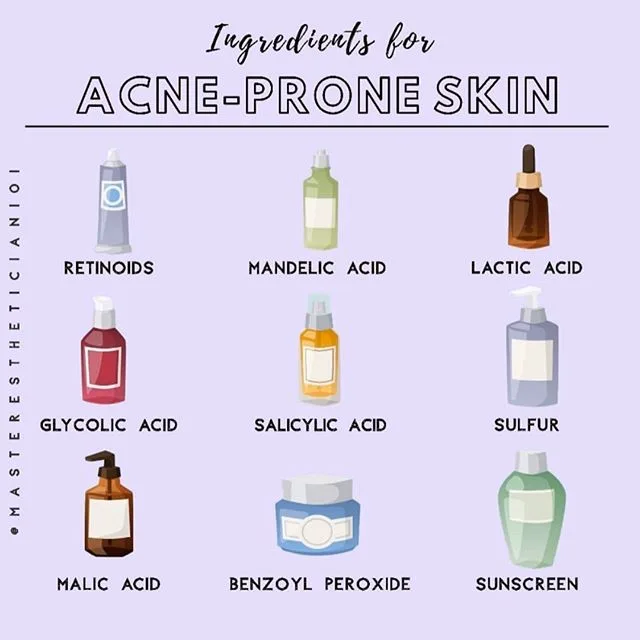
• Benzoyl peroxide to reduce acne-causing bacteria and inflamed pimples
• Salicylic acid to clear blocked pores
• Adapalene to prevent clogged pores and support skin renewal
• Azelaic acid to treat acne and reduce dark marks
Do not start several strong products at once. That can cause dryness, burning, and peeling. Irritated skin may develop more discoloration, especially in darker skin tones.
Try a retinoid
Adapalene is an over-the-counter retinoid in the United States. It helps prevent clogged pores and may gradually improve uneven tone. Prescription retinoids can be stronger, but a health professional should guide their use.
Apply a pea-sized amount to dry skin at night. Start two or three nights each week, then increase slowly if your skin tolerates it. Use moisturizer to reduce dryness.
Retinoids can irritate the skin. They are not usually recommended during pregnancy, so ask your doctor about safer options if you are pregnant, trying to conceive, or breastfeeding.
Consider azelaic acid
Azelaic acid can help mild acne, brown marks, and redness. It is often a useful choice for sensitive skin. Products range from lower over-the-counter strengths to stronger prescription formulas.
Apply it as directed and give it time. Most people need several weeks to see a change, and dark marks may need a few months to fade.
Keep your routine gentle
Think of your skin barrier as a brick wall. Harsh scrubs and strong acids can remove some surface cells, but they may also damage the “mortar” that protects your skin.
Use:
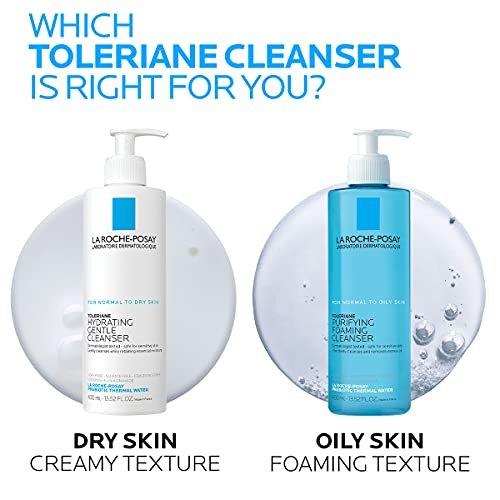
• A mild, fragrance-free cleanser
• A non-comedogenic moisturizer
• Lukewarm water
• Clean hands when applying products
Avoid rough scrubs, alcohol-heavy toners, and frequent at-home peels. Squeezing pimples is another common cause of lasting scars.
Professional treatments for true acne scars
How do you get rid of acne scars when creams are not enough? A dermatologist can match treatment to the scar’s depth, shape, color, and your skin type.
A consultation is especially useful when scars affect your confidence, keep changing, or do not improve after several months of careful care.
Chemical peels
A professional chemical peel uses a controlled acid to remove damaged outer skin layers. It may improve dark marks and some shallow scars.
Common options include glycolic acid, salicylic acid, and trichloroacetic acid. Stronger peels have a higher risk of burns and discoloration, so they should only be performed by a trained medical professional.
Microneedling
Microneedling uses tiny needles to create controlled openings in the skin. This stimulates collagen production and may soften depressed acne scars over a series of treatments.
The skin may look red for a few days. Results develop slowly as collagen forms. Microneedling should not be done over active, infected acne or by using unclean home devices.
Laser resurfacing
Laser treatment can improve scar texture, redness, or discoloration. Ablative lasers remove more of the skin’s surface and often require more recovery. Nonablative lasers cause less surface injury but may need more sessions.
Laser treatment can carry a higher risk of post-inflammatory hyperpigmentation in darker skin. A dermatologist with experience treating your skin tone should discuss the risks first.
Subcision
Subcision uses a small needle to release fibrous bands that pull rolling scars downward. It can improve rolling scars that do not respond well to surface treatments alone.
Doctors may combine subcision with fillers, microneedling, or laser treatment. The best plan depends on how deep and mobile the scar is.
Fillers
Dermal fillers can lift some depressed scars and create a smoother appearance. Results may appear quickly, but fillers are not always permanent.
Possible risks include swelling, lumps, infection, and, rarely, serious blood vessel problems. Always choose a licensed, qualified medical provider.
Punch techniques
Punch excision, punch elevation, and punch grafting may help deep ice pick or boxcar scars. These procedures target individual scars rather than treating the whole face.
They may leave a small line or spot that can later be improved with another treatment. A specialist can explain whether the likely benefit outweighs the risk.
Steroid injections
Steroid injections may flatten hypertrophic scars and keloids. They are not used for typical depressed scars.
Treatment may require more than one visit. Side effects can include skin thinning or light spots, so medical supervision is important.
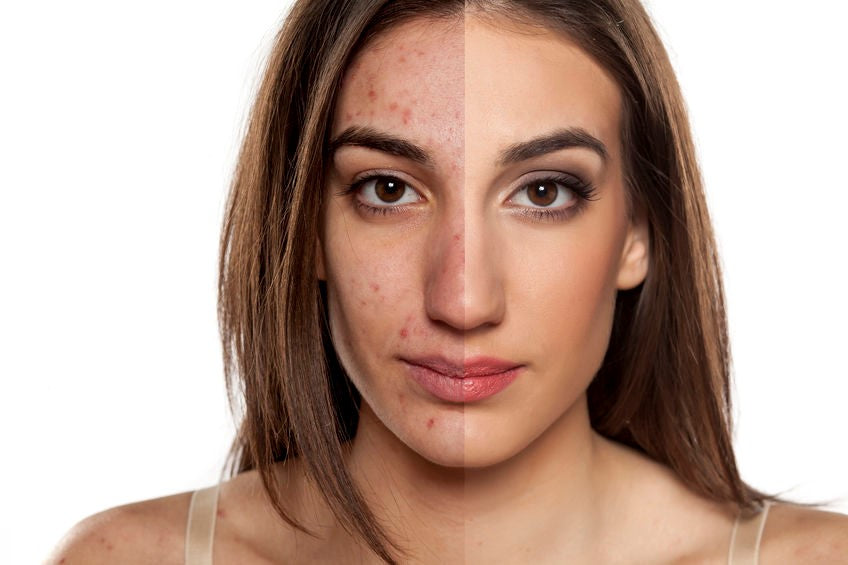
How do you get rid of acne scars safely on darker skin?
How do you get rid of acne scars without causing more dark spots? The key is to control inflammation and choose treatment carefully.
Darker skin contains more melanin and may respond to injury with extra pigment. This does not mean that professional treatments are unsafe. It means treatment settings, timing, and aftercare matter.
Ask your dermatologist about:
• Their experience with your skin tone
• The risk of post-inflammatory hyperpigmentation
• Whether pretreatment can reduce pigment changes
• How long you should avoid sun exposure
• What to do if you develop burning, swelling, or new dark patches
Do not use unregulated lightening creams. Products containing hidden steroids, mercury, or strong bleaching agents can damage the skin. Hydroquinone can help some cases of hyperpigmentation, but it should be used with professional guidance and for a limited time.
Gentle care is often the best foundation. A calm skin barrier gives treatments a better chance to work.

How long does it take to fade acne scars?
How do you get rid of acne scars quickly? In most cases, you cannot remove them overnight. Skin needs time to repair pigment and produce new collagen.
Flat dark marks may fade in three to six months, although deeper discoloration can last longer. Red marks may also take months to improve. True depressed scars usually need procedures for a noticeable change.
Your timeline depends on:
• Scar type and depth
• Skin tone and tendency to develop pigment
• Ongoing acne
• Sun exposure
• Treatment choice
• How well your skin tolerates treatment
Take photos once a month in the same light. Daily mirror checks can make small improvements hard to notice. Be cautious of products that promise perfect skin in days.
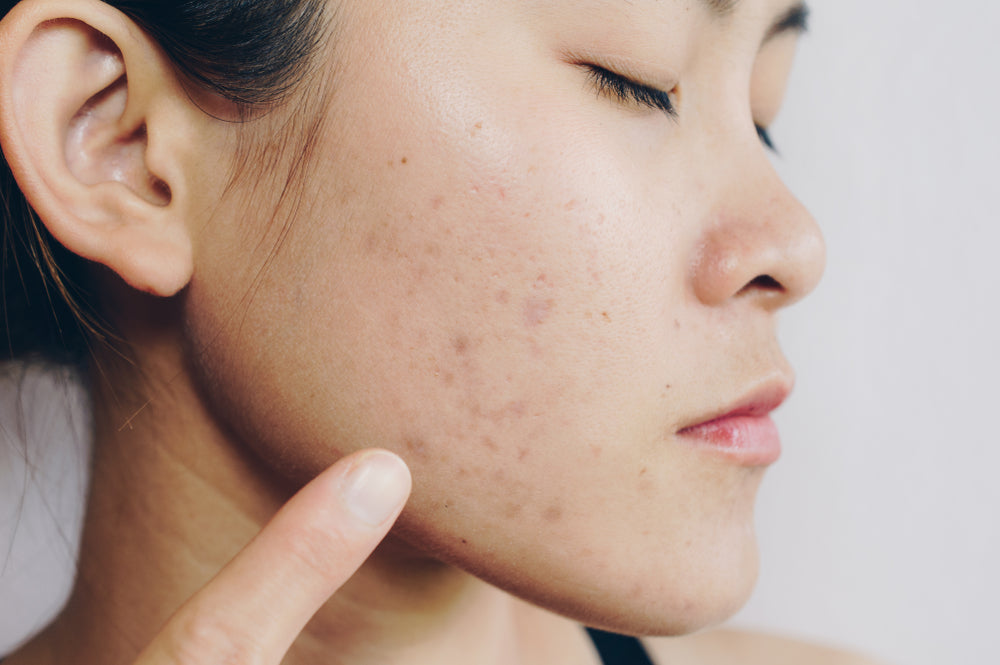
Common mistakes that make acne scars worse
Some habits can turn a short-term breakout into a long-term skin problem. Avoid these common mistakes:
• Picking or squeezing pimples: Pressure can push inflammation deeper and damage collagen.
• Skipping sunscreen: Sunlight can darken marks and prolong healing.
• Using too many active ingredients: Irritation may cause more redness and pigmentation.
• Scrubbing hard: Scrubbing does not remove deep scars and can injure the skin barrier.
• Applying lemon juice or baking soda: These kitchen remedies can cause burns and irritation.
• Using tanning beds: Ultraviolet exposure increases skin damage and can darken marks.
• Buying unlicensed injections or laser treatments: Poor technique can cause burns, infection, or permanent pigment changes.
A practical lesson from acne care is simple: more pain does not mean more progress. A steady routine usually beats an aggressive one.
A simple acne scar skin-care routine
How do you get rid of acne scars with a routine you can actually follow? Keep it simple and build slowly.
Morning
-
Wash with a gentle cleanser.
-
Apply azelaic acid or another product recommended for your skin.
-
Use moisturizer if your skin feels dry.
-
Apply broad-spectrum SPF 30 or higher.
Evening
-
Cleanse gently.
-
Apply adapalene two or three nights per week if appropriate for you.
-
Use moisturizer before or after the retinoid if you are sensitive.
-
On non-retinoid nights, use only gentle moisturizing products at first.
Give the routine at least eight to twelve weeks unless you develop severe irritation. Stop and seek medical advice if you have facial swelling, blistering, intense pain, or signs of infection.

When should you see a dermatologist?
How do you get rid of acne scars if home care has stopped helping? See a dermatologist when scars are deep, raised, painful, or affecting your daily life.
You should also seek care if:
• Acne is severe or leaves scars after nearly every breakout
• You have painful nodules or cysts
• A raised scar is growing
• Dark marks keep spreading
• Products cause burning or swelling
• You are unsure whether a mark is acne-related
A dermatologist can diagnose the scar type and create a treatment plan. Medical treatment may also help prevent new scars by controlling active acne.
How do you get rid of acne scars? Expert answers to common questions
Can acne scars disappear completely?
Flat acne marks often fade completely or become hard to notice. True depressed or raised scars usually improve rather than vanish, though treatment can make them much smoother.
What is the best treatment for acne scars?
There is no single best treatment for every scar. Sunscreen and gentle skin care help most people, while depressed scars may need microneedling, laser treatment, subcision, fillers, or another procedure.
Does vitamin C remove acne scars?
Vitamin C may help brighten dark marks and support sun protection when used with sunscreen. It does not usually remove deep, textured scars.
Does aloe vera remove acne scars?
Aloe vera may soothe irritated skin, but strong evidence that it removes true acne scars is limited. It should not replace sunscreen or proven acne treatment.
Can I pop a pimple if it has a white head?
It is safer not to pop it. Squeezing can increase inflammation, spread bacteria, and raise the risk of dark marks or permanent scarring.
How do you get rid of acne scars naturally?
Time, sun protection, and a gentle routine may help flat marks fade naturally. Deep scars usually do not respond well to natural remedies, and lemon juice or harsh scrubs can cause harm.
Can acne scar treatments cause more dark spots?
Yes. Peels, lasers, microneedling, and irritating products can trigger post-inflammatory hyperpigmentation. A qualified professional can lower this risk with suitable settings and careful aftercare.
Conclusion
How do you get rid of acne scars? Start by identifying whether you have a flat mark or a true texture change. Use gentle skin care, wear sunscreen every day, treat active acne, and introduce ingredients such as adapalene or azelaic acid slowly.
Deep, raised, or stubborn scars often need a personalized dermatology plan. Avoid picking, harsh home remedies, and fast promises. Take one steady step at a time, track your progress, and speak with a qualified dermatologist when home care is not enough.