Which Foods Make Acne Worse?: Top Foods To Avoid
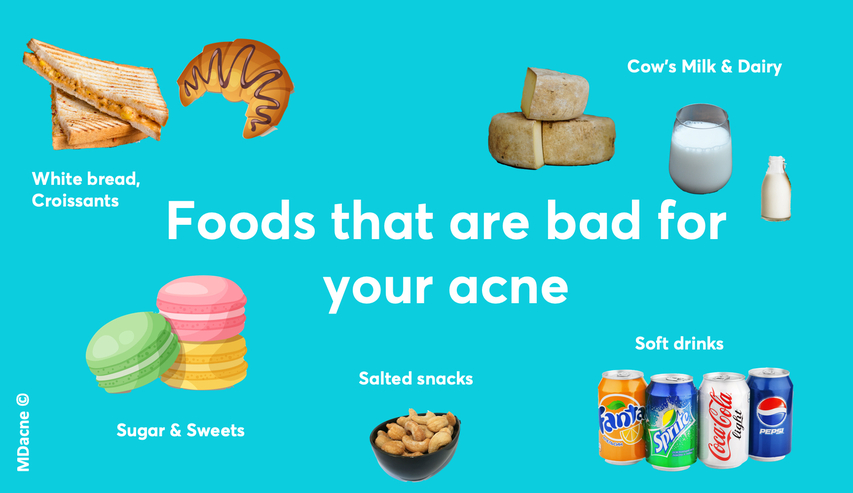
High-glycemic foods, dairy products, and sugary drinks are the foods most often linked with worse acne.
If you are wondering which foods make acne worse, the answer is not as simple as blaming one chocolate bar or slice of pizza. Acne can reflect several factors, including hormones, oil production, inflammation, stress, sleep, skin care, and genetics. Still, research suggests that some eating patterns may raise the risk of breakouts, while balanced meals may support clearer skin. This guide explains the evidence, practical food swaps, common mistakes, and when to seek medical care.

Which foods make acne worse?
The foods most often linked with acne are those that raise blood sugar quickly, contain a lot of added sugar, or may affect hormone signals. Dairy, especially skim milk, may also play a role for some people. However, food is only one piece of the acne puzzle.
Here are the main food groups to watch:
• High-glycemic foods, such as white bread, sugary cereal, pastries, and many refined snacks
• Sugary drinks, including soda, sweet tea, energy drinks, and some coffee drinks
• Certain dairy products, especially skim milk and low-fat milk
• Highly processed foods that combine refined starch, sugar, and unhealthy fats
• Large amounts of whey protein, often found in workout shakes and bars
This does not mean you must avoid every food on this list. Acne triggers vary from person to person. A food diary can help you notice patterns without placing your whole diet under strict rules.

How high-glycemic foods may trigger breakouts
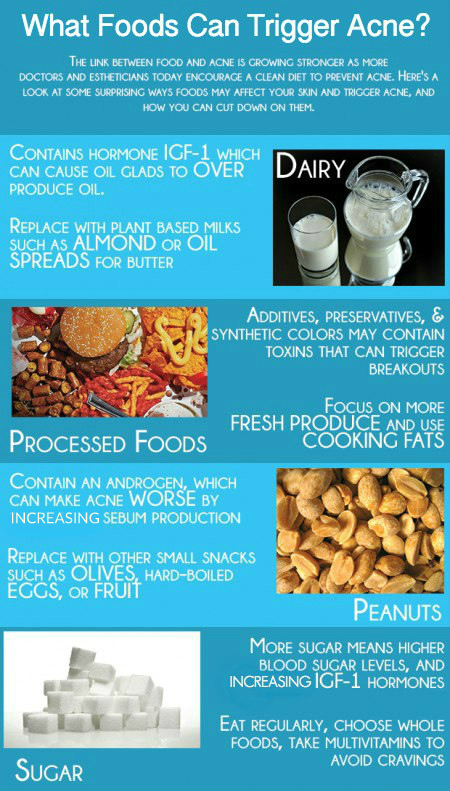
High-glycemic foods digest quickly. They can cause a rapid rise in blood glucose and insulin. This may increase signals linked to oil production, skin cell growth, and inflammation.
Insulin can also affect insulin-like growth factor 1, or IGF-1. Higher IGF-1 activity may encourage the skin to produce more sebum, the oily substance that can clog pores. When excess oil mixes with dead skin cells, pores become more likely to form whiteheads, blackheads, and inflamed pimples.
Common high-glycemic foods include:
• White bread and white bagels
• White rice
• Regular pasta in large portions
• Sugary breakfast cereal
• Cookies, cake, and doughnuts
• Potato chips and fries
• Candy and sweet snack bars
• Sweetened sports drinks
A meal does not need to be perfect. Pairing carbohydrates with protein, fiber, or healthy fat can slow digestion. For example, try oatmeal with nuts, brown rice with beans, or an apple with peanut butter.
Research on low-glycemic diets is encouraging but not absolute. Some clinical studies found fewer acne lesions when people reduced high-glycemic foods, yet more research is still needed. Diet may support acne care, but it should not replace proven treatment.

Sugary drinks and acne
Sugary drinks may be among the easiest acne triggers to overlook. They provide a large amount of sugar without much fiber, protein, or fullness. This can lead to repeated blood sugar spikes throughout the day.
A 20-ounce soda may contain more than 60 grams of added sugar. Sweetened iced tea, lemonade, flavored coffee, and energy drinks can also contain high amounts. Drinking these beverages often may create a stronger pattern than eating one dessert now and then.
Better options include:
• Plain or sparkling water
• Unsweetened tea
• Water with lemon or berries
• Coffee with little or no added sugar
• Milk or an unsweetened fortified milk alternative
You do not need to quit sweet drinks overnight. Start by replacing one drink each day. Small changes are easier to maintain and can reduce your total sugar intake without making meals feel restrictive.
Can dairy products make acne worse?
Dairy is one of the most discussed food groups in acne research. Some studies have found a link between milk intake and acne, particularly skim milk. The relationship may involve hormones, milk proteins, insulin, and IGF-1.
Skim milk may have a stronger association than whole milk in some studies. This could be related to processing, hormone effects, or the way skim milk affects blood sugar and insulin. Still, the research shows an association, not proof that milk directly causes acne in every person.
Cheese and yogurt appear less consistently linked with acne. Fermented yogurt may also affect the body differently from sweetened milk drinks. A flavored yogurt with added sugar is not the same as plain yogurt with berries.
If you suspect dairy is a trigger, try a careful test:
-
Track your acne and dairy intake for two weeks.
-
Remove one type of dairy, such as skim milk, for six to eight weeks.
-
Keep other major habits as steady as possible.
-
Record changes in new pimples, oiliness, and skin irritation.
-
Reintroduce the food if appropriate and watch for a repeated pattern.
Do not remove dairy without planning for calcium, vitamin D, and protein. Unsweetened fortified soy milk is often a useful replacement because it provides protein and key nutrients.

Whey protein and acne
Whey protein can worsen acne for some people, especially when breakouts begin soon after starting a new supplement. Whey comes from milk and may influence insulin and IGF-1 pathways. Reports often involve acne on the face, chest, shoulders, and back.
This does not mean all protein powders cause acne. Plant-based protein powders may be better tolerated by some people, though they can still contain sweeteners or additives that affect the skin indirectly.
If you use whey protein and notice new breakouts, consider:
• Stopping whey for six to eight weeks
• Choosing a plain plant protein powder
• Checking the label for added sugar
• Avoiding “mass gainer” products with very high carbohydrate content
• Getting protein from eggs, beans, fish, poultry, tofu, or Greek yogurt if tolerated
Fitness supplements are not always tested as carefully as medicines. Choose products with independent quality testing when possible. If acne continues after stopping whey, the supplement may not be the main cause.
Fast food, fried food, and processed foods
People often ask which foods make acne worse and expect a simple answer such as “greasy food.” Oil on your fingers does not travel through your digestive system and come out through your pores. However, a diet high in fast food may still affect acne because it often contains refined starch, sugar, excess calories, and low fiber.
Common examples include:
• Fries and fried chicken
• Burgers with white buns
• Pizza with refined crust and processed meat
• Packaged pastries
• Instant noodles
• Highly processed snack foods
These foods may promote inflammation or raise blood sugar when eaten often. Their effect may come from the overall eating pattern rather than one ingredient.
Try building a more balanced plate:
• Half vegetables or fruit
• One-quarter protein
• One-quarter high-fiber carbohydrate
• A small amount of healthy fat
You can still enjoy pizza, fries, or burgers. The goal is balance, not fear. Eating one favorite meal will not erase your skin progress.
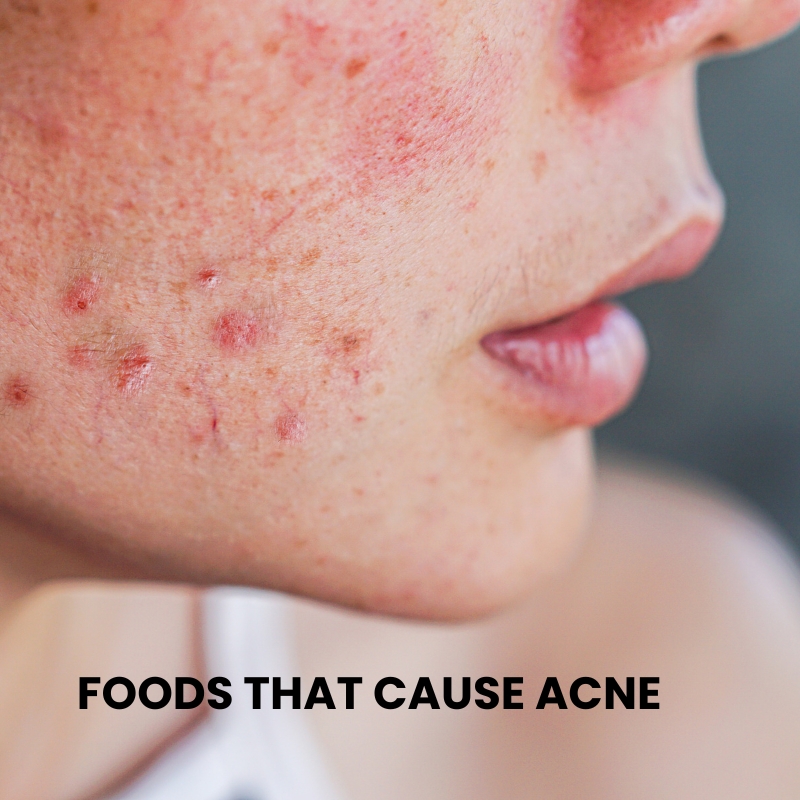
Chocolate and acne: what the evidence shows
Chocolate has a complicated reputation. Some small studies suggest that certain chocolate products may increase acne lesions, but the results do not prove that cocoa alone causes breakouts. Many chocolate foods also contain sugar, milk, and refined fat.
Dark chocolate with a high cocoa percentage may not have the same effect as a candy bar. Yet dark chocolate can still contain added sugar and dairy, so the full ingredient list matters.
If chocolate seems connected to your acne, track:
• The type of chocolate
• The portion size
• How often you eat it
• Other foods eaten at the same time
• Your stress, sleep, and menstrual cycle
This approach is more useful than labeling all chocolate as harmful. Acne often changes for several reasons at once.

Foods that may support clearer skin
No food can cure acne by itself. Still, a nutrient-rich eating pattern may help lower inflammation and support overall health.
Helpful choices may include:
• Vegetables of many colors
• Berries, apples, oranges, and other whole fruits
• Beans, lentils, and chickpeas
• Oats, quinoa, barley, and brown rice
• Fish rich in omega-3 fats, such as salmon or sardines
• Nuts and seeds
• Olive oil and avocado
• Plain yogurt if you tolerate dairy
• Water and unsweetened drinks
Omega-3 fats may help regulate inflammatory pathways, although they are not a replacement for acne medication. Fiber also supports healthy digestion and may help reduce sharp blood sugar swings.
A simple skin-friendly day might look like this:
• Breakfast: oats, berries, and walnuts
• Lunch: a chicken, tofu, or bean bowl with vegetables and brown rice
• Snack: fruit with unsweetened nut butter
• Dinner: salmon or lentils with roasted vegetables and quinoa
• Drink: water or unsweetened tea
The best diet is one you can follow. Extreme restriction can create stress, poor nutrition, and rebound eating.

How to test whether food affects your acne
It is easy to blame the last food you ate. Acne, however, often develops over days or weeks. A structured test gives you better information.
Follow these steps:
-
Take clear photos once a week in similar lighting.
-
Record new pimples, food intake, stress, sleep, and menstrual changes.
-
Change only one major food habit at a time.
-
Continue the change for six to eight weeks.
-
Review whether the pattern repeats.
-
Reintroduce the food when safe to see if acne changes again.
Do not remove several food groups at once. If you stop dairy, sugar, gluten, and oil together, you will not know which change mattered. You may also miss important nutrients.
A food diary cannot diagnose a food allergy or intolerance. Seek medical advice if you have hives, swelling, breathing trouble, severe stomach pain, or other allergy symptoms.
Common mistakes when changing your diet for acne
Many people search which foods make acne worse and then remove too many foods too quickly. This can make eating stressful and may lead to nutrient gaps.
Avoid these common mistakes:
• Blaming one food after a single breakout
• Cutting all dairy without replacing calcium and protein
• Replacing soda with juice, which may still contain a lot of sugar
• Choosing “healthy” snack bars with high added sugar
• Ignoring skin care and medication
• Expecting visible results in a few days
• Using supplements without checking safety
Acne treatment usually takes time. Topical medicines such as benzoyl peroxide, adapalene, and salicylic acid can help many people. A dermatologist can recommend treatment based on acne type, severity, skin tone, scarring risk, and pregnancy status.
One practical lesson is to make one small change and give it time. This is less dramatic than a strict cleanse, but it gives clearer answers and is far easier to maintain.
When to see a dermatologist
Food changes may help mild acne, but some forms need medical care. See a dermatologist if you have painful cysts, deep nodules, widespread body acne, or scars.
Professional advice is also important when:
• Acne affects your confidence or daily life
• Breakouts leave dark marks or scars
• Pharmacy products have not helped after several weeks
• Acne appears suddenly in adulthood
• You have irregular periods, excess facial hair, or hair thinning
• You are pregnant or planning pregnancy
Hormonal conditions, medication side effects, and other health concerns can sometimes look like ordinary acne. A dermatologist can check the cause and build a safe treatment plan.
Diet changes work best as support. They should not delay care for painful or scarring acne.
Frequently Asked Questions
Which foods make acne worse most often?
High-glycemic foods, sugary drinks, and some dairy products are most often linked with worse acne. Whey protein may also trigger breakouts in certain people, but individual responses differ.
Does chocolate cause acne?
Chocolate is not proven to cause acne in everyone. Sugary milk chocolate may be more likely to affect breakouts because it combines added sugar and dairy.
Should I stop eating dairy if I have acne?
Not necessarily. Some people notice fewer breakouts after reducing milk, especially skim milk, but dairy provides useful nutrients. Test one dairy product at a time and use suitable replacements if you remove it.
Can drinking water clear acne?
Water supports general health, but drinking more water alone will not cure acne. It is a better choice than sugary drinks, which may contribute to breakouts.
Are greasy foods directly responsible for pimples?
Grease from food does not directly come out through your pores. However, frequent fast food meals may contain refined carbohydrates and added sugar that can affect acne for some people.
How long does it take for diet changes to affect acne?
Give a consistent change about six to eight weeks before judging its effect. Acne develops slowly, so results may not appear right away.
Can a low-glycemic diet improve acne?
Some studies suggest that a low-glycemic diet may reduce acne lesions. The evidence is promising but limited, and diet should complement—not replace—medical treatment when needed.
Conclusion
The foods most often connected with worse acne are high-glycemic carbohydrates, sugary drinks, some dairy products, whey protein, and highly processed meals. Still, there is no universal acne diet. Your hormones, genes, stress, sleep, skin care, and medications also matter.
Start with one realistic change, such as replacing sugary drinks or reducing skim milk. Track your skin for six to eight weeks, protect your nutrition, and seek dermatology care for painful or scarring acne. Share your experience in the comments or explore more evidence-based skin care resources to build a plan that works for you.