What Is the Best Moisturizer for Acne-Prone Skin?
Finding the right moisturizer for acne-prone skin can feel like a minefield. You want something that hydrates without making breakouts worse, something that calms irritation instead of causing it. What is the best moisturizer for acne-prone skin?
It's one that balances effectiveness with gentleness, focusing on ingredients that support your skin barrier without clogging your pores.
Our research indicates that the most effective options are typically labeled "non-comedogenic," meaning they're formulated not to block pores, and often "oil-free." These criteria are crucial, especially as many acne treatments can leave skin feeling dry and stripped, making a good moisturizer a non-negotiable part of your routine.
What's the Deal with Moisturizers for Acne-Prone Skin?
It might seem counterintuitive, but skipping moisturizer when you have acne can actually make things worse. When your skin is dehydrated, it can overcompensate by producing more oil. This excess oil can then contribute to clogged pores and more breakouts.
The goal isn't to avoid moisture, but to use the right kind of moisture. Think of it as giving your skin exactly what it needs without any of the stuff it doesn't.
Quick Answer
The best moisturizer for acne-prone skin is non-comedogenic and oil-free. Look for lightweight, hydrating formulas with soothing ingredients. These help balance moisture levels without clogging pores or causing new blemishes.
Why a "Non-Comedogenic" Label Matters (and What It Really Means)
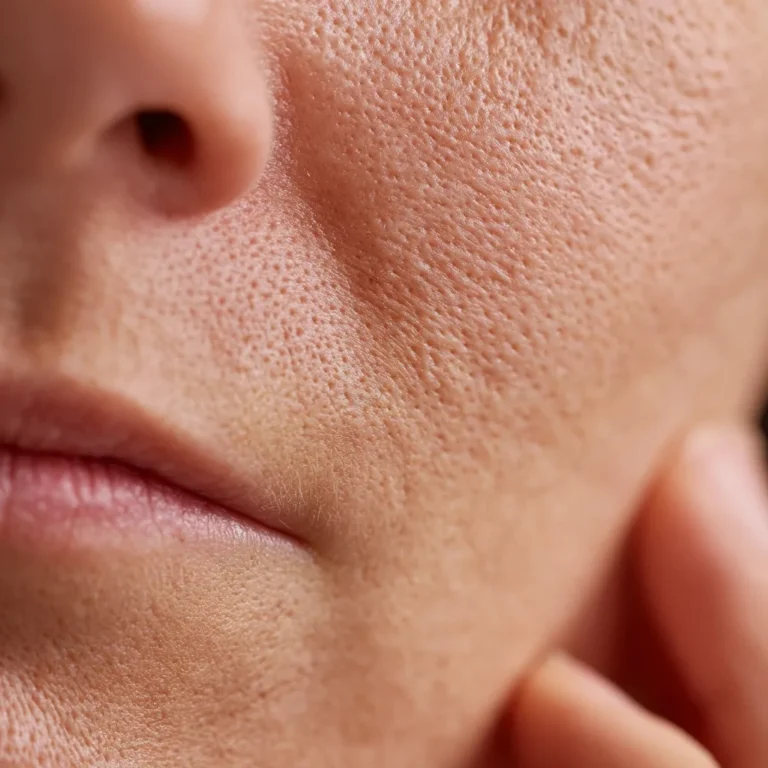
That "non-comedogenic" label isn't just marketing jargon; it's a key indicator. Per industry standards, products labeled as such have undergone testing to ensure they are less likely to block pores. This is vital because clogged pores are a primary cause of acne.
When pores get blocked with oil, dead skin cells, and bacteria, they can become inflamed, leading to pimples, blackheads, and whiteheads.
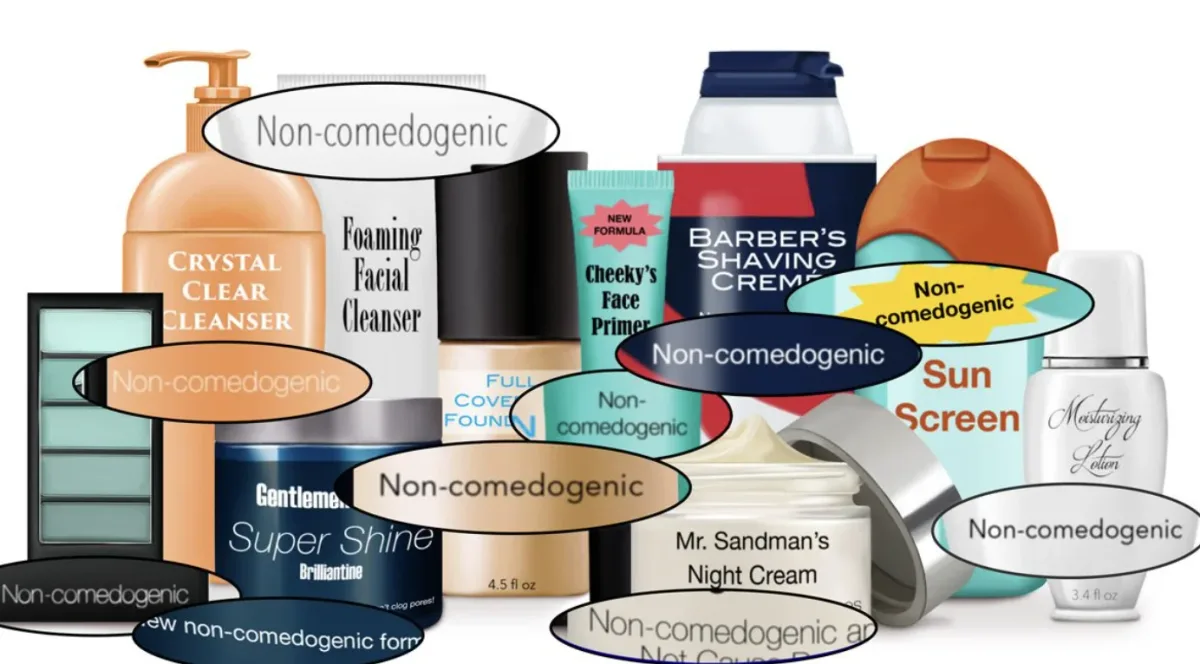
Image source: Bing (Web (fair-use with source credit))
So, when you see "non-comedogenic" on a moisturizer, it signals that it's been formulated with ingredients and in a way that minimizes the risk of contributing to pore blockages. This is a critical first step in choosing a product that won't aggravate your existing acne or lead to new breakouts.
Key Ingredients to Look For (and What to Steer Clear Of)
Navigating ingredient lists can be overwhelming, but focusing on a few key players makes it easier. For acne-prone skin, we want ingredients that hydrate effectively without adding heaviness or irritation.
Hydrators vs. Occlusives for Acne
Hydrators are your friends. Ingredients like hyaluronic acid and glycerin attract water to the skin, plumping it up and providing essential moisture. They keep the skin feeling dewy and comfortable.
Occlusives, on the other hand, create a barrier to prevent water loss. While beneficial for very dry skin, heavy occlusives can be problematic for acne-prone types because they might feel too thick and contribute to clogging. Lightweight occlusives, however, can be helpful in small amounts to support the skin barrier.
Soothing Agents and Barrier Support
Look for ingredients that calm inflammation and help repair your skin's natural barrier.
- Niacinamide: This multitasker can help reduce redness, improve skin texture, and regulate oil production. It's a fantastic ingredient for acne-prone skin.
- Ceramides: These are naturally found in your skin and are crucial for a healthy barrier. Moisturizers with ceramides help replenish what acne treatments might strip away.
- Centella Asiatica (Cica): Known for its soothing and healing properties, Cica can help calm irritated skin and reduce redness associated with breakouts.
Ingredients That Can Worsen Breakouts
Conversely, some ingredients are best avoided.
- Heavy oils: While some oils are beneficial, heavy ones like coconut oil or mineral oil (in some formulations) can be more prone to clogging pores for certain individuals.
- Fragrance and Dyes: These are common irritants and can exacerbate inflammation, making breakouts look and feel worse. Many people find fragrance-free options significantly improve their skin's tolerance.
- Alcohol (Denatured Alcohol): This can be very drying and irritating, stripping the skin and potentially leading to increased oil production to compensate.
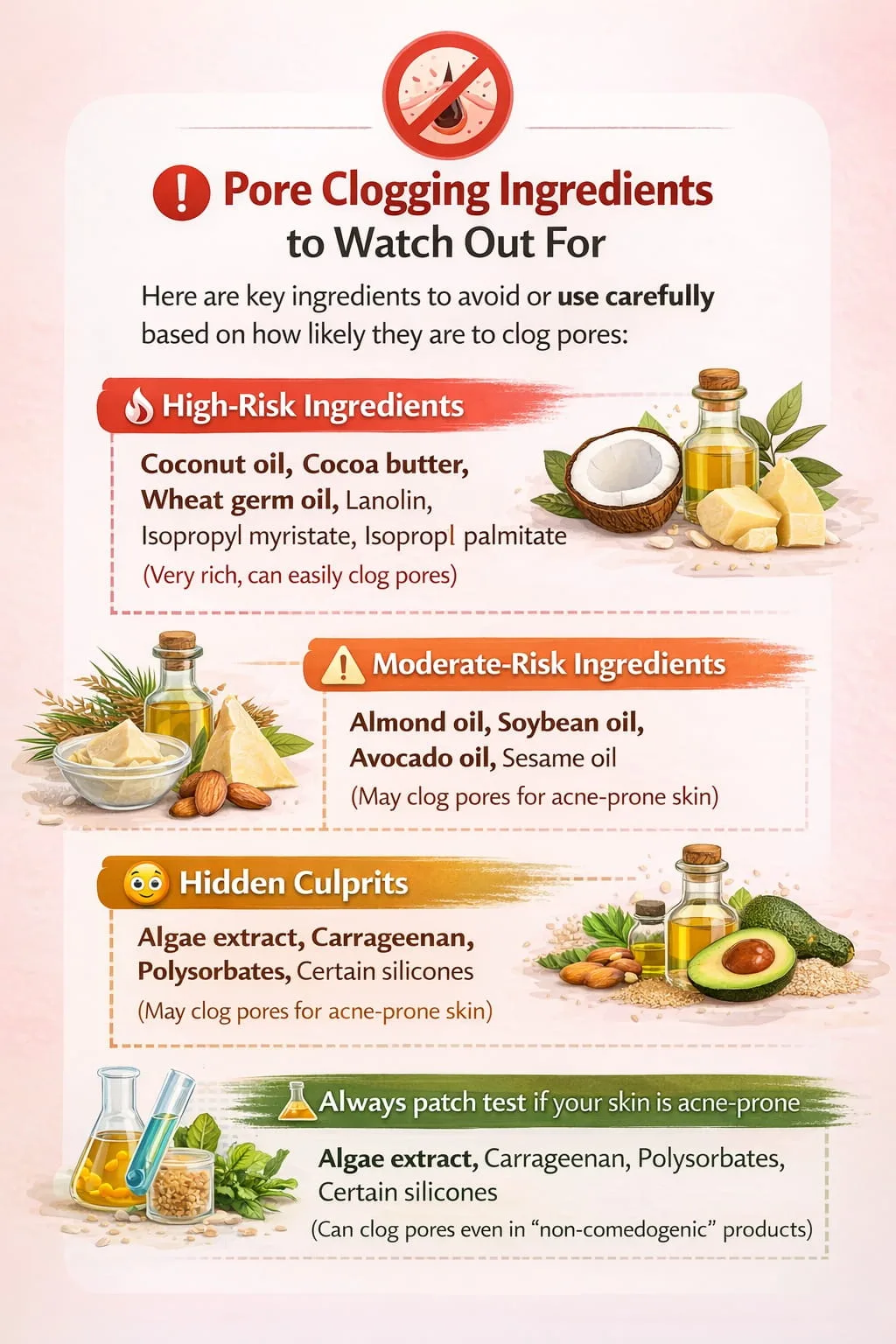
Image source: Bing (Web (fair-use with source credit))
Our research shows that prioritizing hydrating, soothing, and barrier-supporting ingredients while actively avoiding potential irritants is a winning strategy for managing acne.
How to Choose Your Best Match: Gel, Lotion, or Something Else?
The texture of a moisturizer plays a huge role in how it performs on acne-prone skin. Generally, lighter formulations are preferred because they absorb quickly and are less likely to feel heavy or greasy.
When Gel Moisturizers Shine
Gel-based moisturizers are often ideal for oily or combination skin types. They are typically water-based, incredibly lightweight, and provide hydration without any oiliness. Their thin consistency makes them absorb almost instantly, leaving the skin feeling refreshed and comfortable, not slick.
This makes them a great choice for both morning and night routines, especially in warmer climates or for those who find traditional creams too heavy.
Lotion's Role in Hydration
Lotions fall somewhere between gels and creams. They are usually a bit richer than gels but lighter than creams, offering a good balance of hydration and a less greasy feel. For those with acne-prone skin that isn't intensely oily but still prone to breakouts, a well-formulated lotion can be a fantastic option.
They provide enough moisture to combat dryness from treatments without feeling burdensome.
Sensitive Skin Considerations
If your acne-prone skin is also sensitive, you'll want to look for products specifically labeled "hypoallergenic" and "fragrance-free." These are formulated to minimize the potential for allergic reactions or irritation. Even within gel and lotion textures, always check the ingredient list for known irritants. Per manufacturer specifications, formulations designed for sensitive skin often omit common allergens and harsh chemicals.
Putting It Into Practice: Your Daily Routine
Integrating the right moisturizer into your daily skincare routine is key to seeing consistent results. It’s not just about what you use, but how and when you use it.
Patch Testing Like a Pro
Before committing a new moisturizer to your entire face, perform a patch test. Apply a small amount to a discreet area, such as behind your ear or on your inner wrist. Keep it there for at least 24 to 48 hours.
If no signs of redness, itching, or new breakouts appear in that test area, it's generally considered safe for wider application. This allows your skin to acclimate without widespread risk.
This methodical introduction is a best practice recommended by dermatologists to identify potential sensitivities early. It's a small step that can prevent significant irritation down the line.
Layering for Success
The order in which you apply skincare products can impact their effectiveness. Typically, you’ll cleanse your skin first. If you use any acne treatments, like serums or spot treatments containing active ingredients, apply those next.
They need direct contact with the skin to work best.
After your treatment has had a moment to absorb, apply your chosen moisturizer. This locks in hydration and helps to buffer any potential irritation from the active ingredients. For morning routines, this is also the point where you'd apply sunscreen as the final step.
Ensure each layer is absorbed before applying the next to prevent pilling and ensure maximum efficacy.
Common Mistakes That Can Sabotage Your Skin
It's easy to make simple mistakes when managing acne-prone skin, even with the best intentions. One common error is skipping moisturizer altogether if your skin feels oily. Our research shows that dehydrated skin can actually ramp up oil production, leading to a rebound effect that worsens breakouts.
Another pitfall is using products that are too harsh or stripping. While you might feel like you're getting a deep clean, this can compromise your skin's protective barrier. This damage can result in increased sensitivity, redness, and even more acne.
If your skin feels uncomfortably tight or "squeaky clean" after washing, the product is likely too aggressive.
Lastly, not giving products enough time to work is a frequent misstep. Visible results from acne skincare, including moisturizers, often take weeks to appear. Aggregate user feedback suggests that it typically requires 4 to 12 weeks to see significant improvements.
Patience is vital; switching products too quickly can prevent them from showing their full benefits.
How Do You Get Rid Of Acne Scars: Best Treatment Tips
Dealing with acne is one thing, but what about the marks left behind? Acne scars can range from subtle discoloration to noticeable indentations. The key to managing them is understanding that not all scars are created equal, and different types require different approaches.
Mild discoloration, often called post-inflammatory hyperpigmentation (PIH), usually appears as reddish or brownish spots where a pimple once was. These are not true scars but rather a lingering inflammation response. Deeper scars, like ice pick, boxcar, or rolling scars, involve actual changes to the skin's texture and structure.
They require more intensive treatments to help remodel the collagen and smooth the skin's surface.
Can Acne Leave Permanent Scars: Causes And Prevention
The unfortunate truth is that acne can leave permanent scars if not managed correctly. The risk increases with the severity of the breakouts and, crucially, with any picking or squeezing of pimples. Aggressive inflammation and physical trauma to the skin during a breakout can damage the underlying collagen and elastin fibers.
Prevention is always better than treatment. For instance, understanding that picking pimples can lead to scarring is crucial. Keeping breakouts under control with an appropriate skincare routine, and treating inflammatory acne promptly, significantly reduces the chances of permanent scarring.
Sunscreen is also a vital part of prevention, as UV exposure can darken and make existing scars more noticeable.
What Is The Best Treatment For Acne: Top Treatments
When it comes to treating acne itself, a multi-pronged approach often yields the best results. Over-the-counter options are a great starting point for mild to moderate acne. Ingredients like salicylic acid (a beta-hydroxy acid or BHA) are excellent for exfoliating inside pores, while benzoyl peroxide effectively kills acne-causing bacteria.
For more persistent or severe acne, prescription treatments may be necessary. These can include topical retinoids, which help regulate cell turnover and prevent pore blockages, or oral medications like antibiotics or isotretinoin. Dermatologists can assess your specific needs and recommend the most effective treatment plan.
Some of these prescription options, like retinol, work by encouraging skin cell renewal.
What Ingredients Are Best For Treating Acne: Top Picks
The effectiveness of acne treatments hinges on the right ingredients. Salicylic acid is a standout because it's oil-soluble, allowing it to penetrate deep into pores and clear out debris. It's particularly good for blackheads and whiteheads.
Benzoyl peroxide, on the other hand, is a potent antibacterial agent that targets Propionibacterium acnes, a common culprit in inflammatory breakouts.
Other beneficial ingredients include azelaic acid, which helps with inflammation and redness, and topical retinoids, such as adapalene (available over-the-counter) or tretinoin (prescription). These accelerate skin cell turnover, preventing pores from clogging and helping to improve existing acne and early-stage scarring. Understanding if salicylic acid or benzoyl peroxide is better for your specific needs is a common question for many.
How Long Does Acne Take To Clear Up: What To Expect
The timeline for acne clearing up varies greatly depending on the severity of the breakouts and the treatments used. Mild acne treated with over-the-counter products might start showing improvement within a few weeks, but significant clearing can take two to three months. For more severe acne, prescription treatments might be needed, and results can take longer.
It’s also important to remember that acne can be influenced by various factors, including hormones, stress, and diet. For example, stress can indeed trigger breakouts. Understanding that acne isn't always a quick fix and that it requires consistent management is part of setting realistic expectations.
For many, acne may eventually go away on its own, but treatment can speed up the process and minimize scarring.
Frequently Asked Questions
Can makeup cause acne?
Yes, certain makeup products can contribute to acne if they contain pore-clogging ingredients. Opt for "non-comedogenic" or "oil-free" makeup and always remove it thoroughly before bed to prevent pore blockage.
Does exercise help reduce acne?
Regular exercise can be beneficial for acne by reducing stress and improving circulation, which helps deliver oxygen and nutrients to the skin. However, it's important to cleanse your skin post-workout to remove sweat and bacteria that could otherwise clog pores.
Can lack of sleep cause acne?
Yes, a lack of sleep can exacerbate acne. Sleep deprivation disrupts your body's hormonal balance and increases inflammation, both of which can contribute to breakouts. Aim for 7-9 hours of quality sleep per night.
Can drinking more water help acne?
While staying hydrated is crucial for overall skin health, drinking excessive amounts of water alone is unlikely to clear up existing acne. Proper hydration supports a healthy skin barrier, but it needs to be combined with targeted acne treatments and a balanced skincare routine.
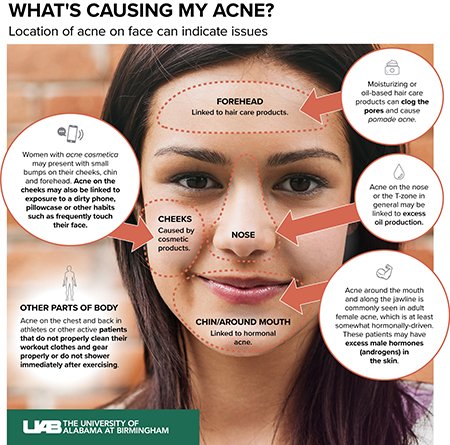
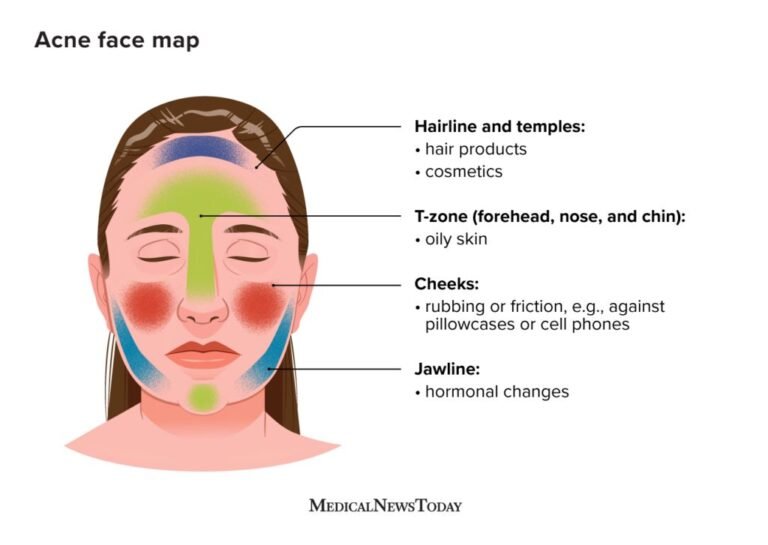
What causes forehead acne?
Forehead acne can be triggered by various factors including hair products, sweat, hats, or even stress and hormonal changes. Keeping your hairline clean and avoiding pore-clogging hair products can help manage breakouts in this area.
Can hormones cause acne?
Absolutely. Hormonal fluctuations, especially during puberty, menstruation, pregnancy, or menopause, can significantly impact oil production and trigger acne. This is why many experience breakouts around their chin and jawline during their cycle.
What is the difference between acne and pimples?
"Acne" is the broader medical term for a skin condition that occurs when hair follicles become plugged with oil and dead skin cells, leading to various types of blemishes. A "pimple," or pustule, is just one specific type of lesion that can occur as part of acne, characterized by redness and pus at the tip.
Your Final Move: Making the Right Choice
Choosing the best moisturizer for your acne-prone skin boils down to understanding your specific needs and carefully checking ingredient labels. It’s not about finding a single miracle product, but rather selecting one that complements your entire skincare routine and avoids aggravating your complexion.
Remember, the ideal moisturizer will be non-comedogenic and oil-free. These labels are your first line of defense against clogged pores. Pay close attention to ingredients known for their hydrating and soothing properties, like hyaluronic acid, glycerin, niacinamide, and ceramides.
Simultaneously, be mindful of potential irritants such as heavy oils, fragrances, and denatured alcohol, which can worsen inflammation and breakouts.
Consider the texture that best suits your skin type. Gels offer a lightweight, fast-absorbing option perfect for oily skin, while lotions provide a bit more hydration for normal-to-oily or sensitive skin. Always perform a patch test before full application to ensure compatibility.
By prioritizing these factors, you can confidently select a moisturizer that supports clearer, healthier skin without contributing to acne.