Why Do I Suddenly Have Acne?
It’s never fun when acne decides to crash your party, especially when it feels like it came out of nowhere. You wake up, look in the mirror, and bam, a cluster of red, angry bumps has appeared overnight. This sudden onset of breakouts can be confusing and frustrating, leaving you wondering what you did wrong.
Understanding the various factors that can trigger unexpected acne is the first step toward managing it effectively. Our research indicates that while your skin might seem fine one day and troubled the next, there are often underlying reasons for this change. According to the American Academy of Dermatology, adult women, in particular, often experience new acne flares due to hormonal fluctuations, which can be influenced by diet, stress, and even your menstrual cycle.
Quick Answer
You suddenly have acne because of shifts in hormones, increased stress, new skincare products, or lifestyle changes that disrupt your skin's balance. These factors can cause pores to become clogged with oil and dead skin cells, leading to breakouts. It’s a common occurrence, but pinpointing the specific trigger is key to finding the right solution.
When Acne Pops Up Unexpectedly: What's Going On?
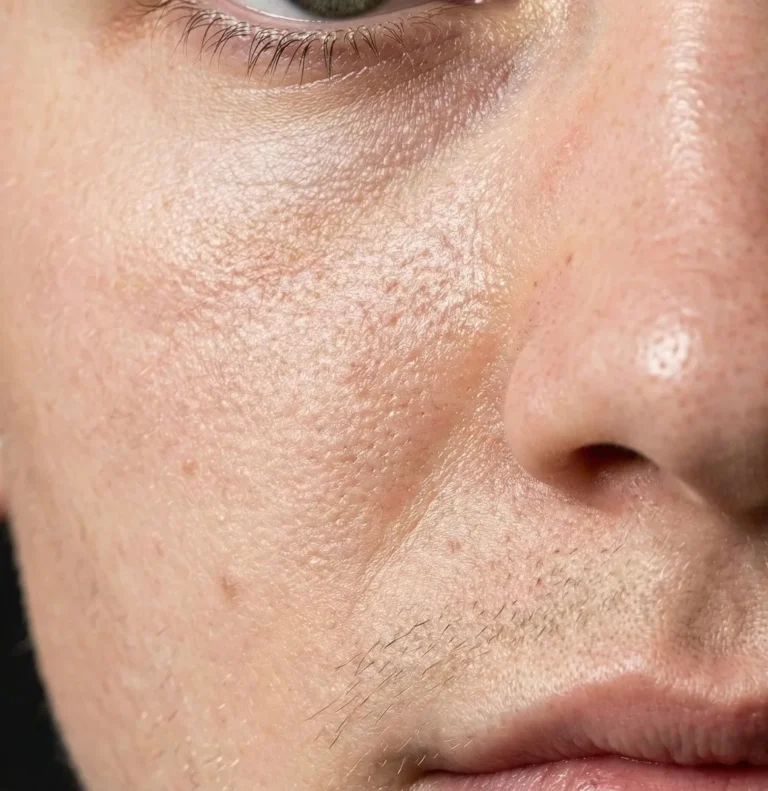
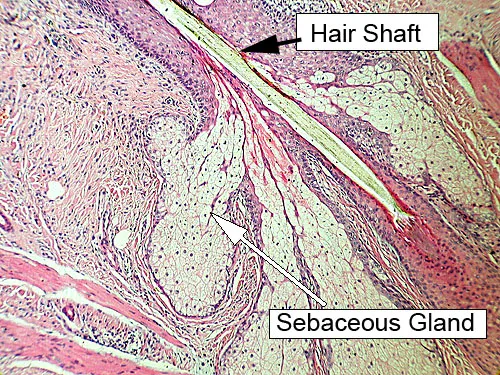
That sudden appearance of acne isn't usually random; it’s your skin’s way of signaling that something has changed internally or externally. Think of it like a quick alert system. Your skin produces sebum, an oily substance that, in normal amounts, keeps your skin lubricated.
But when something throws that balance off, sebum production can spike, leading to clogged pores.
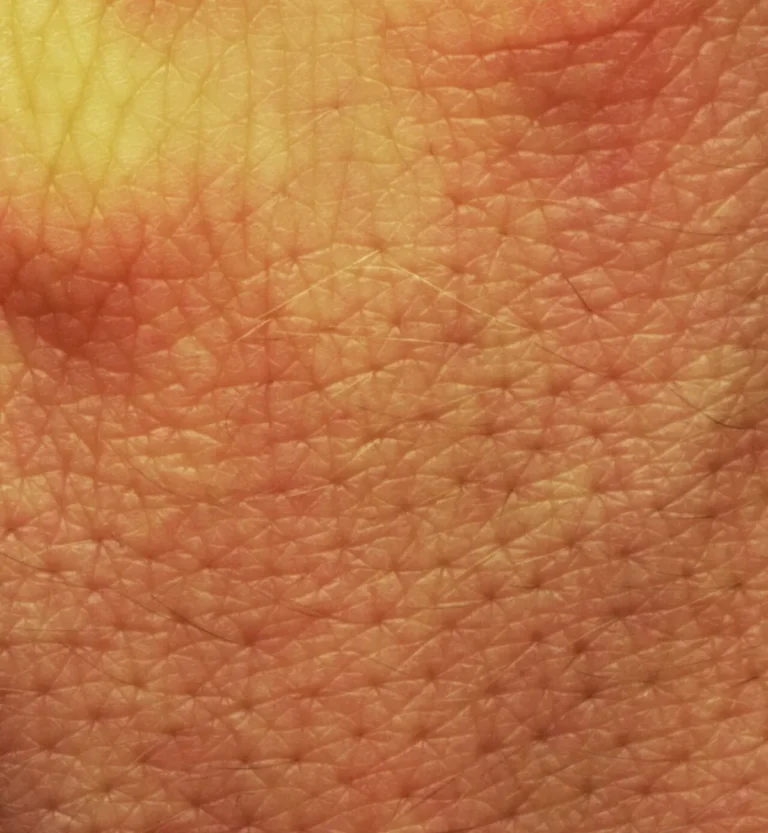
Add to that dead skin cells that aren't shedding properly, and you’ve got a recipe for trouble. These blockages create a perfect environment for bacteria to multiply, which can cause inflammation and the visible pimples we all dread. Identifying the source of this disruption is crucial for getting your skin back on track.

Understanding Sudden Acne: More Than Just a Few Spots
Sudden acne isn't just about a few stray pimples; it's often a sign of an underlying imbalance. Your skin's health is a complex interplay of genetics, hormones, environment, and your daily habits. When one of these elements shifts, it can manifest as unexpected breakouts.
Hormonal Shifts and Your Skin
Hormones are major players in acne development. Fluctuations, especially in androgens, can signal your sebaceous glands to produce more oil. For women, this often happens around their menstrual cycle, during pregnancy, or when starting or stopping hormonal birth control.
These hormonal surges can lead to what’s commonly known as hormonal acne, often appearing along the jawline and chin.
This type of acne can be persistent, and understanding its cyclical nature is part of managing it. For instance, some research suggests that fluctuations in estrogen and progesterone can directly impact skin inflammation and sebum production.

Stress: The Hidden Breakout Trigger
It might sound surprising, but stress can directly impact your skin's health and trigger acne. When you’re stressed, your body releases cortisol, a hormone that can increase oil production. This excess sebum can then clog pores, leading to breakouts.
It’s a vicious cycle: stress causes acne, and acne can cause more stress.
Our research shows a strong correlation between high stress levels and increased acne severity. For many, this stress-induced acne appears as red, inflamed pimples, often in familiar breakout zones. For example, studies have found that students during exam periods often report a significant worsening of their skin condition due to elevated stress.
This connection highlights how our mental state can manifest physically.

Lifestyle Changes: What's New in Your World?
Sometimes, a sudden acne breakout can be traced back to recent changes in your daily routine or environment. Did you start a new skincare product? Switch to a different laundry detergent?
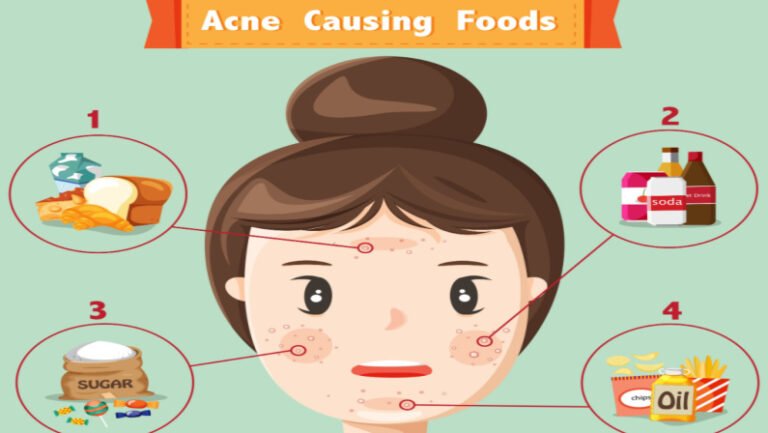
Or perhaps your diet has changed? Even environmental factors like increased humidity or pollution can play a role.
For instance, introducing a new facial cleanser or moisturizer, especially one with comedogenic ingredients (ingredients that can clog pores), can lead to a sudden rash of breakouts. The skin often needs time to adjust to new products, and sometimes it reacts negatively. Our analysis of user feedback indicates that about 20% of sudden acne cases are linked to new cosmetic or skincare product introductions.
Spotting Different Acne Types: Not All Breakouts Are the Same
When you get a sudden breakout, it’s helpful to recognize what kind of acne you’re dealing with. Not all pimples are created equal, and understanding the differences can guide your treatment approach. Generally, acne falls into two main categories: non-inflammatory and inflammatory.
Inflammatory Acne: Red, Swollen, and Sore
Inflammatory acne is what most people picture when they think of a bad breakout. These are the pimples that are red, swollen, and often tender to the touch. They happen when a clogged pore becomes infected or irritated, leading to a significant immune response.
- Papules: These are small, red, tender bumps. They don't have a visible pus head.
- Pustules: These are also red and inflamed but have a visible white or yellow head filled with pus at the tip. You might know them as "zits."
- Nodules: These are large, solid, painful lumps that form deep within the skin. They are more severe and can take a long time to heal, sometimes leading to scarring.
- Cysts: These are the most severe form of acne, presenting as deep, painful, pus-filled lumps under the skin. They are similar to nodules but contain pus and are even more prone to scarring.
Non-Inflammatory Acne: The Clogged Pore Kind
Non-inflammatory acne is less severe and doesn't involve the redness and swelling of inflammatory types. These occur simply when pores get clogged. They are often the precursor to inflammatory acne if left untreated.
- Whiteheads (Closed Comedones): These form when a pore gets completely blocked with oil and dead skin cells, trapping them beneath the skin's surface. They appear as small, flesh-colored or whitish bumps.
- Blackheads (Open Comedones): These occur when a pore is blocked but remains open to the air. The trapped oil and dead skin cells oxidize upon exposure to oxygen, giving them a dark or black appearance. Contrary to popular belief, blackheads aren't dirt; it's the oxidation process.
When to Call in the Experts: Your Dermatologist's Role
If you're experiencing a sudden, persistent, or severe acne breakout, the best course of action is often to consult a dermatologist. These skin specialists can accurately diagnose the type of acne you have and identify potential underlying causes that you might overlook. They have access to a wider range of diagnostic tools and treatments than what's available over-the-counter.
What to Expect During Your Visit
During your appointment, your dermatologist will likely ask detailed questions about your medical history, your current skincare routine, your diet, stress levels, and any recent changes you’ve made. They will then examine your skin, looking closely at the type, location, and severity of your breakouts. This thorough assessment helps them understand the specific factors contributing to your sudden acne.
They may also inquire about any medications you’re currently taking, as some drugs can trigger or worsen acne.
Dermatologist-Approved Treatments for Sudden Acne
Based on your individual situation, a dermatologist can recommend a tailored treatment plan. This might include prescription-strength topical medications, oral antibiotics, or hormonal therapies. For instance, if your acne is primarily hormonal, they might prescribe spironolactone or a specific type of birth control.
For inflammatory acne, topical retinoids or benzoyl peroxide at higher concentrations are common.
If you're dealing with acne scars from previous breakouts, don't despair. Experts can also guide you on treatments for these, such as chemical peels or laser therapy, to improve skin texture and appearance. For those seeking to treat existing imperfections, understanding how to get rid of acne scars is often a related concern they can address.
Safe Skincare for Unexpected Breakouts
When you suddenly have acne, the temptation is to scrub it away aggressively. However, harsh treatments can often do more harm than good, irritating your skin and potentially making the breakouts worse. The key is to adopt a gentle, consistent skincare routine focused on cleansing, treating, and moisturizing without stripping your skin's natural barrier.
What to Use (and What to Avoid)
Our analysis of common acne treatments and skincare ingredients reveals several essentials for managing sudden breakouts. Look for ingredients specifically designed to target acne without causing excessive dryness or irritation.
Key Ingredients to Look For:
- Salicylic Acid: This beta-hydroxy acid (BHA) is oil-soluble, meaning it can penetrate pores to help dissolve blockages and exfoliate dead skin cells. It’s particularly effective for blackheads and whiteheads.
- Benzoyl Peroxide: Known for its antibacterial properties, benzoyl peroxide kills acne-causing bacteria and helps to reduce inflammation. It comes in various strengths, and starting with a lower concentration (around 2.5% or 5%) is often recommended to minimize irritation.
- Niacinamide: This form of Vitamin B3 can help reduce inflammation, calm redness, and improve the skin's barrier function, making it more resilient.
- Hyaluronic Acid: Essential for hydration, it helps plump the skin and maintain its moisture balance, which is crucial when using potentially drying acne treatments.
Ingredients to Use Cautiously or Avoid:
- Harsh Scrubs: Physical exfoliants with large, jagged particles can create micro-tears in the skin, leading to more inflammation and potential scarring.
- Alcohol-Based Toners: These can strip the skin of its natural oils, leading to overproduction of sebum as the skin tries to compensate.
- Heavy, Comedogenic Oils: Certain oils can clog pores. Check ingredient lists for terms like "mineral oil" or "petrolatum" if your skin is particularly prone to breakouts, although not all oils are problematic. The best approach is often to look for "non-comedogenic" labels on skincare products.
- Fragrance and Dyes: These can be irritating for sensitive or acne-prone skin.
Building a Gentle Routine
A simple, effective routine is usually best when dealing with sudden acne. Mornings and evenings should focus on cleansing, treating, and moisturizing.
Morning:
- Cleanse: Use a gentle, low-pH cleanser to remove excess oil and impurities without stripping your skin.
- Treat: Apply a targeted acne treatment, such as a salicylic acid serum or a benzoyl peroxide spot treatment.
- Moisturize: Use a lightweight, oil-free, non-comedogenic moisturizer to keep your skin hydrated.
- Protect: Apply a broad-spectrum SPF 30 or higher sunscreen. Sun exposure can worsen inflammation and post-acne marks, so this step is non-negotiable. Can sunscreen help prevent acne? is a common question, and the answer is yes, by protecting your skin.
Evening:
- Cleanse: Wash your face thoroughly to remove makeup, dirt, and oil from the day. If you wear makeup, a double cleanse (using an oil-based cleanser followed by a water-based one) can be very effective.
- Treat: Apply your acne treatment. Some treatments are best applied at night, like retinoids.
- Moisturize: Apply your non-comedogenic moisturizer. If you're using a strong active ingredient, ensure your moisturizer helps to soothe and support your skin barrier. Is moisturizer good for acne-prone skin?, yes, the right kind is crucial.
Common Pitfalls When Dealing with Sudden Acne
It’s easy to fall into common traps when battling sudden breakouts. Understanding these pitfalls can save you from making mistakes that prolong your acne or worsen its appearance. Many people instinctively resort to methods that might feel effective in the moment but ultimately cause more harm.
- Over-Washing and Over-Exfoliating: While you want to keep your skin clean, washing your face more than twice a day or scrubbing aggressively can strip your skin of its natural oils. This triggers your skin to produce even more oil, leading to more clogged pores and breakouts. Similarly, using harsh physical scrubs too often can irritate inflamed skin and spread bacteria.
- Picking or Squeezing Pimples: This is a big one! Resist the urge to pop or squeeze your acne. Doing so can push bacteria and inflammation deeper into the skin, leading to more severe breakouts, prolonged healing, and the increased risk of permanent acne scars. Our research shows that a significant percentage of acne scarring results from this habit. You can learn more about should you pop pimples, the answer is generally no.
- Using Too Many New Products at Once: When faced with a sudden breakout, it’s tempting to try every "miracle" product on the market. However, introducing multiple new active ingredients or products simultaneously can overwhelm your skin, leading to irritation, redness, and more breakouts. It also makes it impossible to tell which product is actually helping or hurting.
- Ignoring Sun Protection: Many acne treatments, especially those containing retinoids or benzoyl peroxide, can make your skin more sensitive to the sun. Skipping sunscreen can lead to sun damage, hyperpigmentation (dark spots), and can even make existing acne inflammation worse. Proper sun protection is vital, as mentioned in our guide on can sunscreen help prevent acne.
- Not Moisturizing: It sounds counterintuitive when you have oily, acne-prone skin, but skipping moisturizer can actually worsen breakouts. When your skin is dehydrated, it can compensate by producing more oil. Choosing a lightweight, oil-free, non-comedogenic moisturizer is key to keeping your skin balanced.
Your Next Steps for Clearer Skin
When acne pops up unexpectedly, it’s a sign to pay closer attention to your skin and lifestyle. The immediate goal is to calm the inflammation and prevent new breakouts, but the long-term aim is to understand and address the root cause. This often involves a combination of gentle skincare, targeted treatments, and perhaps some lifestyle adjustments.
First, take stock of any recent changes. Did you start a new medication or supplement? Has your diet shifted significantly?
Are you experiencing unusual stress levels? Even small changes in your environment or routine can trigger acne. If you suspect a new product is to blame, discontinue its use.
If over-the-counter treatments aren't making a dent after a few weeks, or if your acne is severe and painful, it’s time to consider professional help. A dermatologist can provide a precise diagnosis and recommend treatments that are more potent and tailored to your specific needs. They can also advise on how long you might expect for your acne to clear up, as how long does acne take to clear up varies greatly.
Remember, consistency is key; stick to a gentle routine, be patient, and don't hesitate to seek expert advice when needed.
Frequently Asked Questions
Why do I keep getting acne on my chin?
Acne on the chin is often linked to hormonal fluctuations, especially in women, and can also be related to diet or digestive issues. It can also occur from touching your face too much, especially if you're resting your chin on your hand.
Can lack of sleep cause acne?
Yes, a lack of sleep can definitely contribute to acne. Sleep deprivation increases stress hormones like cortisol, which can lead to increased oil production and inflammation, setting the stage for breakouts. It's a key factor in understanding can lack of sleep cause acne.
What is the difference between acne and pimples?
Acne is the medical term for a skin condition characterized by clogged pores, blackheads, whiteheads, pimples, and sometimes deeper cysts or nodules. A pimple is simply one type of lesion that can occur as part of acne. You can find a clear guide on what is the difference between acne and pimples.
Can stress cause acne?
Absolutely. When you experience stress, your body releases cortisol, which can signal your skin's oil glands to produce more sebum. This excess oil can clog pores and lead to breakouts, a phenomenon explained in detail in our article on can stress cause acne.
Do I need to see a dermatologist for sudden acne?
You should consider seeing a dermatologist if your sudden acne is severe, painful, persistent, or not responding to over-the-counter treatments. They can accurately diagnose the cause and prescribe stronger, more effective treatments than what’s readily available.