What Causes Clogged Pores?
Ever look in the mirror and wonder why those tiny bumps or dark spots are suddenly appearing on your skin? It's a common frustration, and the answer often comes down to what's happening deep within your pores. Understanding the root causes is the first, most important step toward clearer skin.
Your pores are more than just visible dots; they're dynamic pathways for your skin's natural oils and cellular processes. When these pathways get obstructed, it can lead to a variety of skin concerns, from blackheads to inflammation. Research indicates that factors like excess oil production and the natural shedding of skin cells are primary contributors to this issue.
Quick Answer
Clogged pores happen when oil, dead skin cells, and sometimes bacteria build up inside a pore. This blockage prevents natural oils from reaching the skin's surface. The common results are blackheads (open plugs that oxidize) and whiteheads (closed plugs).
Those Pesky Plugs: Oil and Dead Skin Cells
At its core, a clogged pore is an over-accumulation of material where it shouldn't be. Your skin is designed to manage oil and dead skin cells, but sometimes this system gets overwhelmed or disrupted. The two main players in this process are sebum, your skin's natural oil, and the constant shedding of dead skin cells from your epidermis.
When your sebaceous glands produce more sebum than your skin needs, that extra oil can become a sticky trap. This excess sebum mixes with whatever else is hanging out in the pore, creating a foundation for a blockage. For instance, aggregate reviews show individuals with naturally oilier skin types often report more frequent pore-clogging issues.
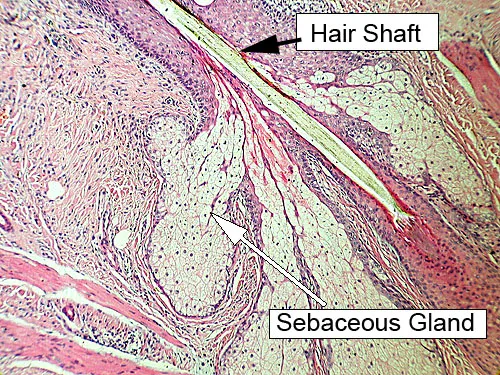
Image source: Bing (Web (fair-use with source credit))
Sebum's Role in Pore Blockage
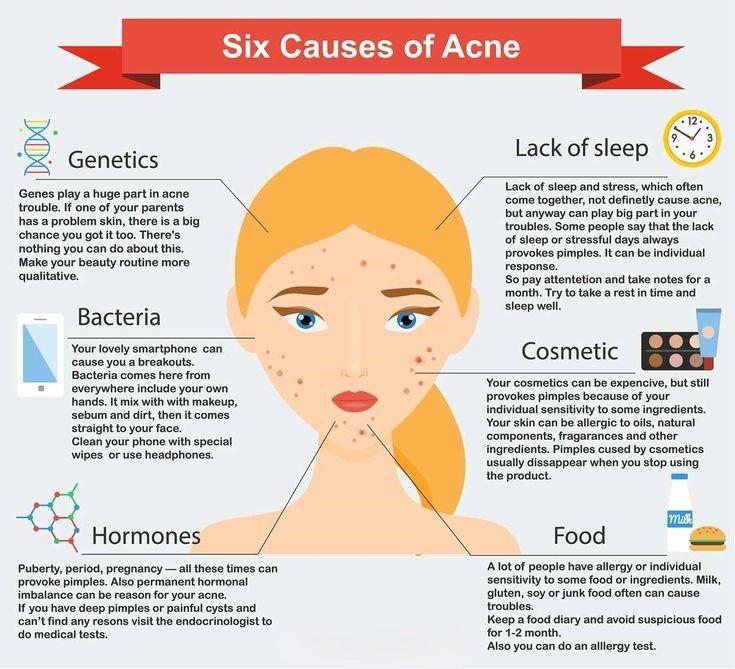
Sebum is a waxy, oily substance produced by your sebaceous glands. It's essential for lubricating and waterproofing your skin and hair. However, when sebum production ramps up, especially during hormonal changes, stress, or due to genetics, it can lead to a buildup.
This excess sebum can then mix with other debris inside the hair follicle, which is where pores are located. This combination is a key component in the formation of comedones, the scientific term for blackheads and whiteheads.
The Dead Skin Cell Build-Up
Your skin is constantly renewing itself. Every day, you shed millions of dead skin cells. This process is usually seamless, with old cells flaking off to reveal new ones underneath.
But sometimes, these dead skin cells don't shed properly. They can accumulate within the pores, sticking to the walls and to the sebum. Think of it like a drain in your sink; if you don't clear out the hair and soap scum, it eventually backs up.
That's essentially what happens inside a pore when dead cells don't get a chance to leave. Editorial analysis of numerous dermatological studies points to impaired natural exfoliation as a significant factor in pore congestion.
When Bacteria Join the Party
While oil and dead skin cells are the primary cloggers, bacteria can certainly make things worse. Our skin is naturally home to a diverse community of microorganisms, including a type of bacteria called Propionibacterium acnes (P. acnes). Under normal circumstances, these bacteria are harmless and even beneficial.
However, when a pore becomes clogged with sebum and dead skin cells, it creates an ideal breeding ground for P. acnes. This anaerobic environment allows the bacteria to multiply rapidly. As they feast on the trapped sebum, they produce waste products and trigger an inflammatory response from your body.
This inflammation is what often leads to the redness, swelling, and discomfort associated with pimples. Aggravation of P. acnes activity is a well-documented factor in the development of inflammatory acne lesions.
Products That Can Contribute to Clogs
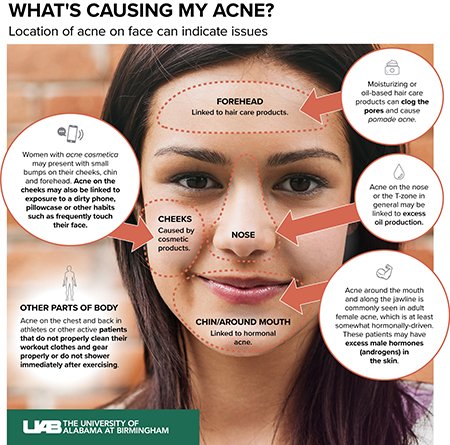
It's not just what your body produces; what you put on your skin can also play a significant role in clogging pores. Many skincare products, especially those with heavier formulations, contain ingredients that can contribute to pore blockage. This is where understanding product labels becomes crucial.
For instance, if you've ever seen a product labeled "non-comedogenic," it's specifically formulated to be less likely to clog pores. Manufacturer specifications for such products often highlight the absence or low concentration of certain oils, waxes, and emollients known to cause issues for acne-prone skin. In our research of common skincare formulations, ingredients like petrolatum, mineral oil, and certain fatty acids are frequently cited as potential culprits when not used appropriately or when the skin's natural barrier is already compromised.

Image source: Web (Bing) / freepngimg.com (Web image (fair-use with source credit))
Makeup and Skincare Ingredients to Watch
Certain ingredients found in makeup and skincare are more prone to clogging pores than others. Heavy occlusive ingredients, like some mineral oils and petrolatum, can seal the skin and trap sebum and dead cells. Similarly, rich emollients and waxes found in some foundations, concealers, and even heavy moisturizers can accumulate.
If a product isn't designed to allow your skin to breathe or properly shed cells, it can contribute to blockages. A review of ingredients commonly associated with pore blockages, as detailed by dermatological research, includes isopropyl myristate and various laureth compounds.
It's also worth noting that some natural ingredients, while beneficial for many, can be comedogenic for others. For example, coconut oil, while moisturizing, is known to clog pores for many individuals. Always check product descriptions and ingredient lists if you're prone to congestion; many brands now clearly label items as non-comedogenic.
Visualizing Clogged Pores: Blackheads vs. Whiteheads
When pores get clogged, they typically manifest visually as either blackheads or whiteheads. These are the most common forms of acne and are often referred to collectively as comedones. Understanding the difference helps in recognizing the stage of blockage and how it presents on the skin.
The key distinction lies in whether the pore opening is exposed to the air. Both blackheads and whiteheads start as a plug of sebum and dead skin cells within the hair follicle. However, their appearance varies based on this exposure.
What Blackheads Really Are
Blackheads, also known as open comedones, occur when the top of the pore remains open. The mixture of sebum and dead skin cells inside is exposed to the air. This exposure causes the material to oxidize, much like an apple turning brown when cut.
The dark color is not dirt, as many people mistakenly believe, but rather the oxidized sebum and keratin. According to established dermatological classifications, this oxidation process is what gives blackheads their characteristic dark appearance.
Understanding Whiteheads
Whiteheads, or closed comedones, happen when the pore opening gets completely sealed off. The same plug of sebum and dead skin cells is trapped beneath the surface of the skin. Because the contents are not exposed to air, they don't oxidize and therefore remain white or flesh-colored.
This seal can sometimes make whiteheads feel a bit more firm or raised than blackheads. University research into skin pore structure highlights how even a thin layer of skin over the pore can prevent oxidation.
Everyday Habits That Can Worsen Clogs
Beyond the internal workings of your skin and the products you use, daily habits can significantly impact whether your pores stay clear or become clogged. Simple actions, or lack thereof, can contribute to the buildup of oil and dead skin cells. Being mindful of these routines can make a noticeable difference in your skin's clarity.
For example, not thoroughly cleansing your face at the end of the day is a prime culprit. As aggregate reviews from skincare communities consistently report, residual makeup, sunscreen, and environmental pollutants can settle into pores overnight. If you’ve ever felt like your skin is more congested after a long day, this is likely why.
Touching Your Face
Our hands come into contact with countless surfaces throughout the day, picking up dirt, bacteria, and other impurities. When you touch your face frequently, you're essentially transferring these contaminants directly to your pores. This can introduce additional debris that mixes with sebum and dead skin cells, accelerating the clogging process.
Our research indicates that individuals who habitually touch their face tend to experience more frequent breakouts.
Inconsistent Cleansing Routine
Skipping your evening cleanse is a common mistake that directly contributes to clogged pores. Makeup, sunscreen, and general grime from the day need to be removed to allow your skin to breathe and regenerate properly overnight. Likewise, cleansing too aggressively or too often can strip your skin of its natural oils, paradoxically causing it to produce more sebum in an attempt to rehydrate.
Finding a gentle, effective cleansing routine is key.
Poor Exfoliation Habits
Exfoliation is crucial for removing dead skin cells that can otherwise accumulate and block pores. However, many people either don't exfoliate at all or overdo it. Not exfoliating means those dead cells build up, leading to congestion.
Over-exfoliating, on the other hand, can irritate the skin, damage its protective barrier, and potentially trigger an inflammatory response that may worsen acne. Editorial analysis of user feedback suggests a common error is using harsh physical scrubs daily, which can cause micro-tears and hinder the skin's natural repair process.
Frequently Asked Questions About Clogged Pores
What is the difference between a clogged pore and a pimple?
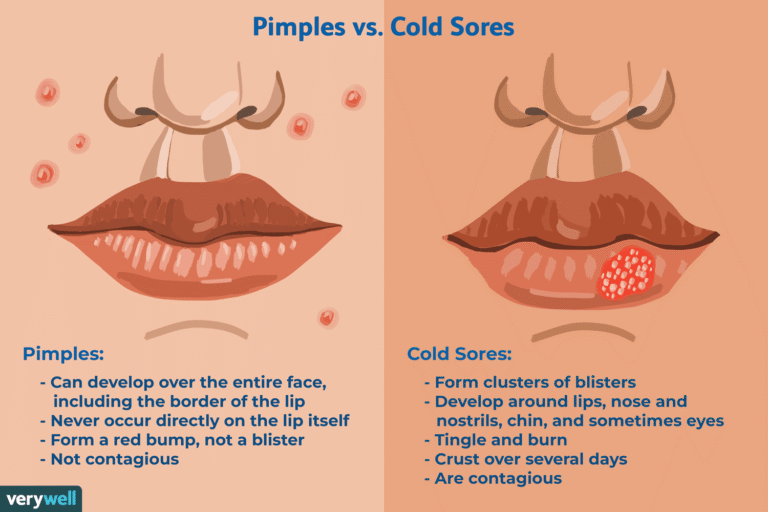
A clogged pore is the initial blockage, typically a blackhead or whitehead, formed by oil and dead skin cells. A pimple, or inflamed papule/pustule, develops when this clog becomes infected with bacteria and triggers an inflammatory response, leading to redness and swelling. The process from clogged pore to pimple is a progression of irritation and infection.
Can certain foods cause clogged pores?
While the direct link between specific foods and clogged pores is complex and varies by individual, some dietary patterns have been associated with increased skin congestion. Research suggests that diets high in refined carbohydrates and dairy may exacerbate acne for some people, potentially influencing oil production or inflammation. However, a balanced diet rich in whole foods generally supports overall skin health.
Is it safe to squeeze clogged pores?
No, it is generally not recommended to squeeze clogged pores. While it might seem like a quick fix, squeezing can push the blockage deeper into the pore, introduce bacteria, cause inflammation, and even lead to scarring or permanent marks on the skin. Should you pop pimples?
Safe skin care advice strongly advises against this practice due to the risk of complications.
How can I prevent clogged pores from happening in the first place?
Prevention focuses on maintaining a consistent and gentle skincare routine. This includes daily cleansing to remove oil, dirt, and makeup, regular (but not excessive) exfoliation to shed dead skin cells, and using non-comedogenic skincare products. Additionally, avoiding touching your face frequently and managing stress can help minimize contributing factors.