Does Acne Go Away On Its Own: What To Know
Acne often improves on its own, but many cases need treatment to prevent scars and lasting dark marks.
Does acne go away on its own? Sometimes, yes. Mild breakouts may settle as hormones change, pores clear, or a trigger ends. Yet acne can last for years, return in cycles, or leave permanent scars. Knowing your acne type, watching its pattern, and starting simple care early can make a major difference.

Does acne go away on its own?
Does acne go away on its own? The answer depends on its cause, type, and severity. A few small pimples may fade within days or weeks. Ongoing acne, deep lumps, or frequent breakouts are less likely to clear without help.
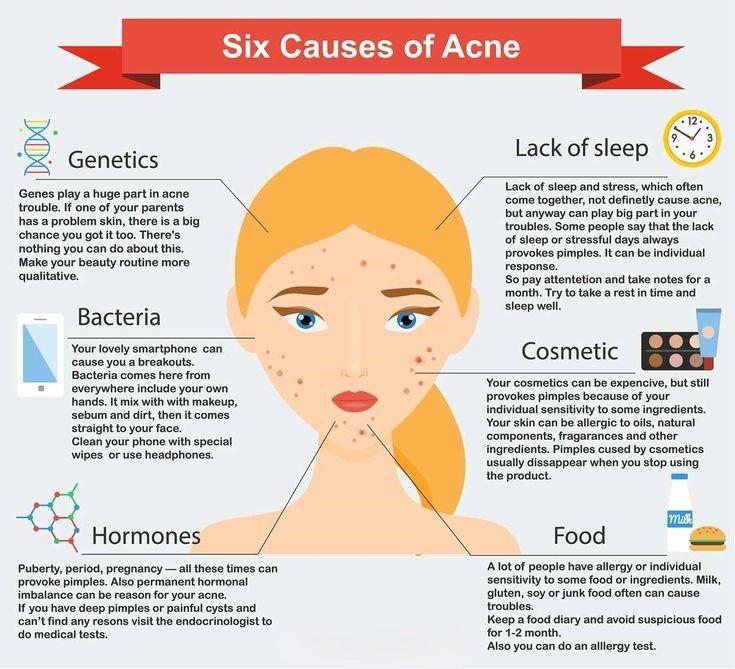
Acne starts when oil, dead skin cells, and bacteria block hair follicles. Hormones can increase oil, while genes, stress, medicines, and skin products may add to the problem. Think of a pore as a tiny drain. When oil and skin cells clog it, swelling can follow.
Mild acne often includes:
• A few blackheads or whiteheads
• Small red pimples
• Breakouts that come and go
Moderate or severe acne may include:
• Many inflamed pimples
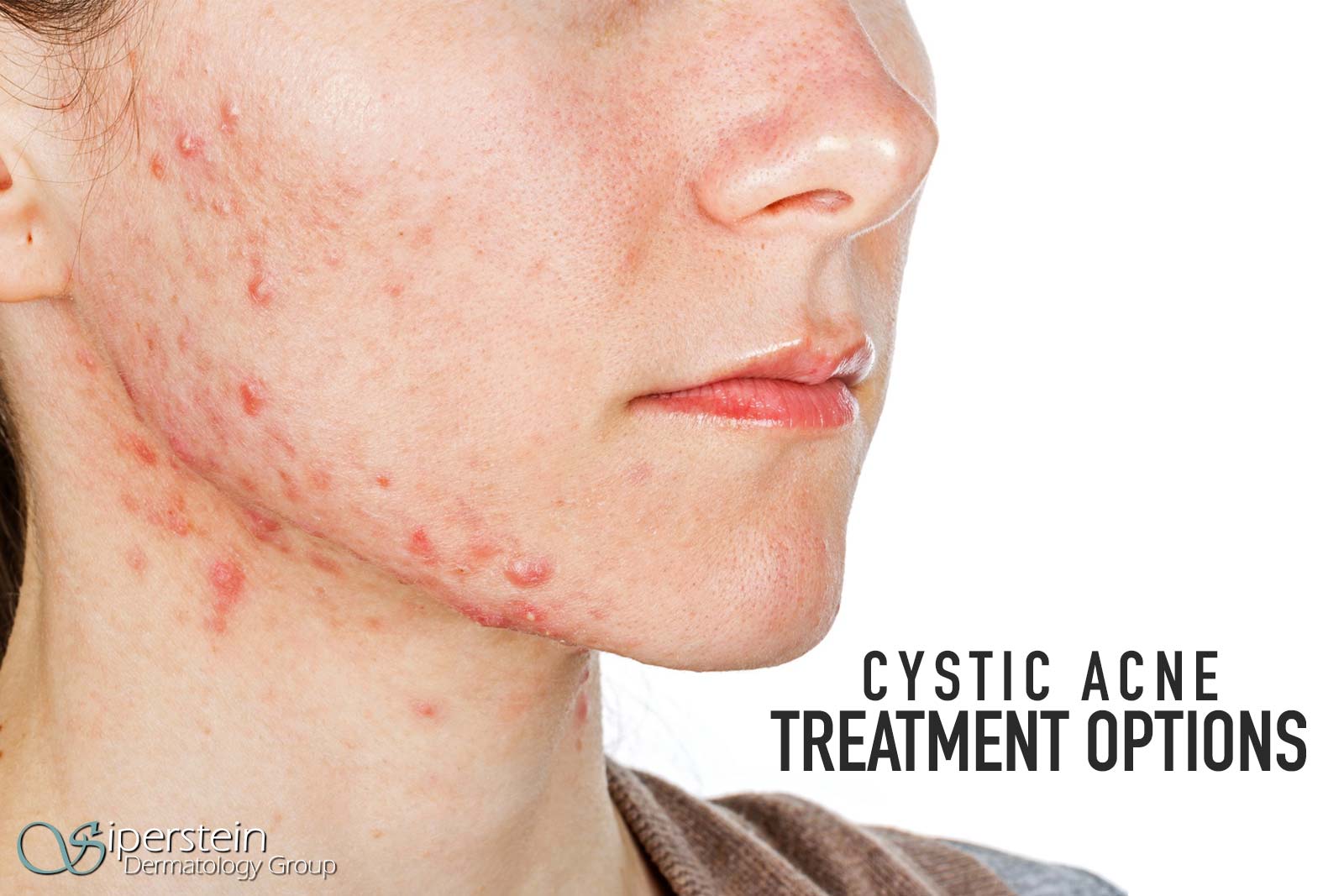
• Painful nodules or cysts
• Acne on the chest, back, or shoulders
• Scars or dark spots after spots heal
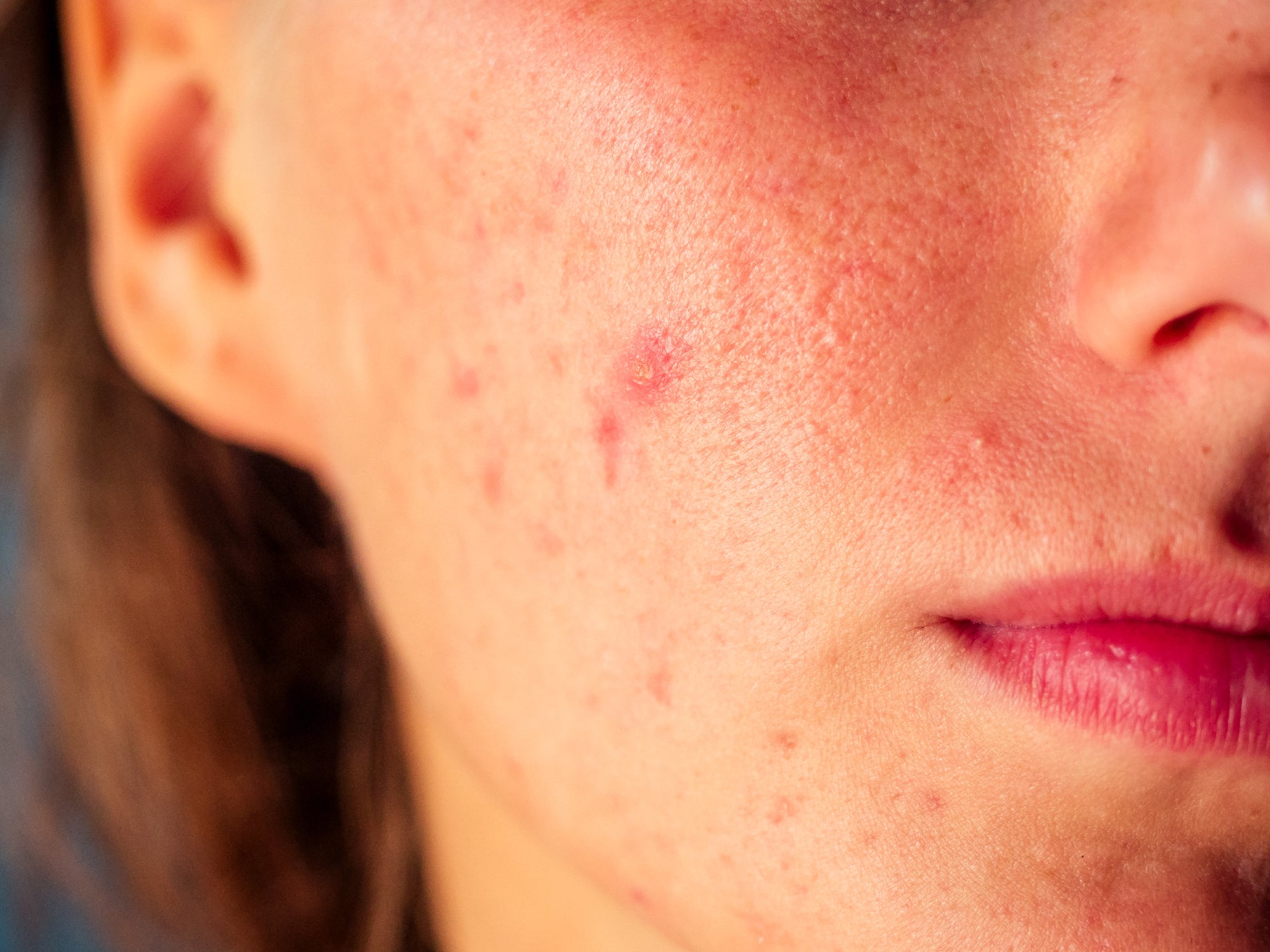
Does acne go away on its own? It may if the breakout has a clear, short-term trigger. For example, acne linked to a new product may improve after you stop using that product. However, waiting can allow deeper acne to cause scars.
:max_bytes(150000):strip_icc()/bigpimple-02last-5a218c4f842b170019aeccc5.png)
How long does acne usually last?
There is no single acne timeline. A small pimple may improve in three to seven days. A deeper cyst can remain for several weeks and may leave a mark after the swelling fades.
Teen acne often improves in the late teens or twenties. Still, adult acne is common. Some people first develop acne in their twenties, thirties, or later. Women may notice breakouts around the menstrual cycle, during pregnancy, or when changing hormonal birth control.
Acne may last longer when:
• Breakouts are deep or painful
• Acne runs in the family
• The skin produces a lot of oil
• You pick, squeeze, or scratch spots
• A medicine or health condition affects hormone levels
• Treatment is stopped too soon
Dark marks can last longer than the acne itself. These marks are called post-inflammatory hyperpigmentation. They are common in medium to deep skin tones and can take months to fade.
Does acne go away on its own? It can, but the longer active acne continues, the more important prevention becomes. Early care is not only about clearer skin. It is also about reducing the risk of scars.
When acne may clear without treatment
Mild acne sometimes clears with gentle daily care. This is more likely when the cause is temporary and the breakouts are not deep.
Possible short-term triggers include:
• A heavy hair or skin product
• Friction from helmets, masks, or tight clothing
• Sweating without washing the skin soon after
• A new cosmetic product
• Stress or poor sleep
• A short period of hormonal change
If you suspect a product, remove one new item at a time. This makes it easier to find the cause. Do not change five products at once, because irritation can make the skin harder to understand.
A basic routine can support natural healing:
-
Wash your face gently twice a day and after heavy sweating.
-
Use lukewarm water and your fingertips.
-
Choose products labeled non-comedogenic or oil-free.
-
Apply a light moisturizer, even if your skin is oily.
-
Wear broad-spectrum SPF 30 or higher during the day.
-
Keep hands away from active spots.
Does acne go away on its own? Mild acne may improve with these steps. Give a simple routine six to eight weeks before judging its full effect, unless your skin becomes painful or irritated.
Why acne may not go away by itself
Persistent acne usually has more than one cause. Oil production, clogged pores, inflammation, and bacteria can work together. Hormones may also keep stimulating the oil glands.
Some acne does not improve because the person treats only the visible pimple. The clog often starts below the surface before a spot appears. Popping the spot may remove some fluid, but it can push inflammation deeper and damage the surrounding skin.
Common reasons acne continues include:
• Puberty or ongoing hormonal shifts
• Family history of acne
• Irritating scrubs or harsh cleansers
• Thick makeup, sunscreen, or hair products
• Picking or squeezing
• Certain medicines, including some steroids and seizure medicines
• Polycystic ovary syndrome, or PCOS, in some women
• Repeated friction, heat, or pressure
A sudden acne outbreak can also point to a product reaction or another skin problem. Not every bump is acne. Folliculitis, rosacea, and perioral dermatitis can look similar but need different care.
Does acne go away on its own? Chronic acne often needs a steady plan. It is similar to weeds in a garden. Removing one leaf may help for a day, but the root problem needs attention.
What happens if you wait?
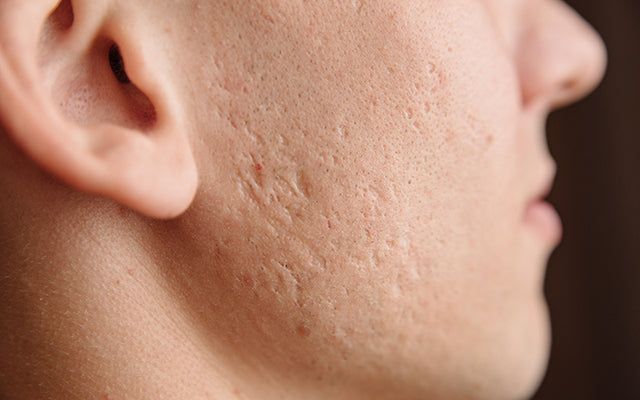
Waiting is not always harmful, especially when acne is mild. But severe or long-lasting acne can lead to atrophic scars, raised scars, and persistent dark marks.
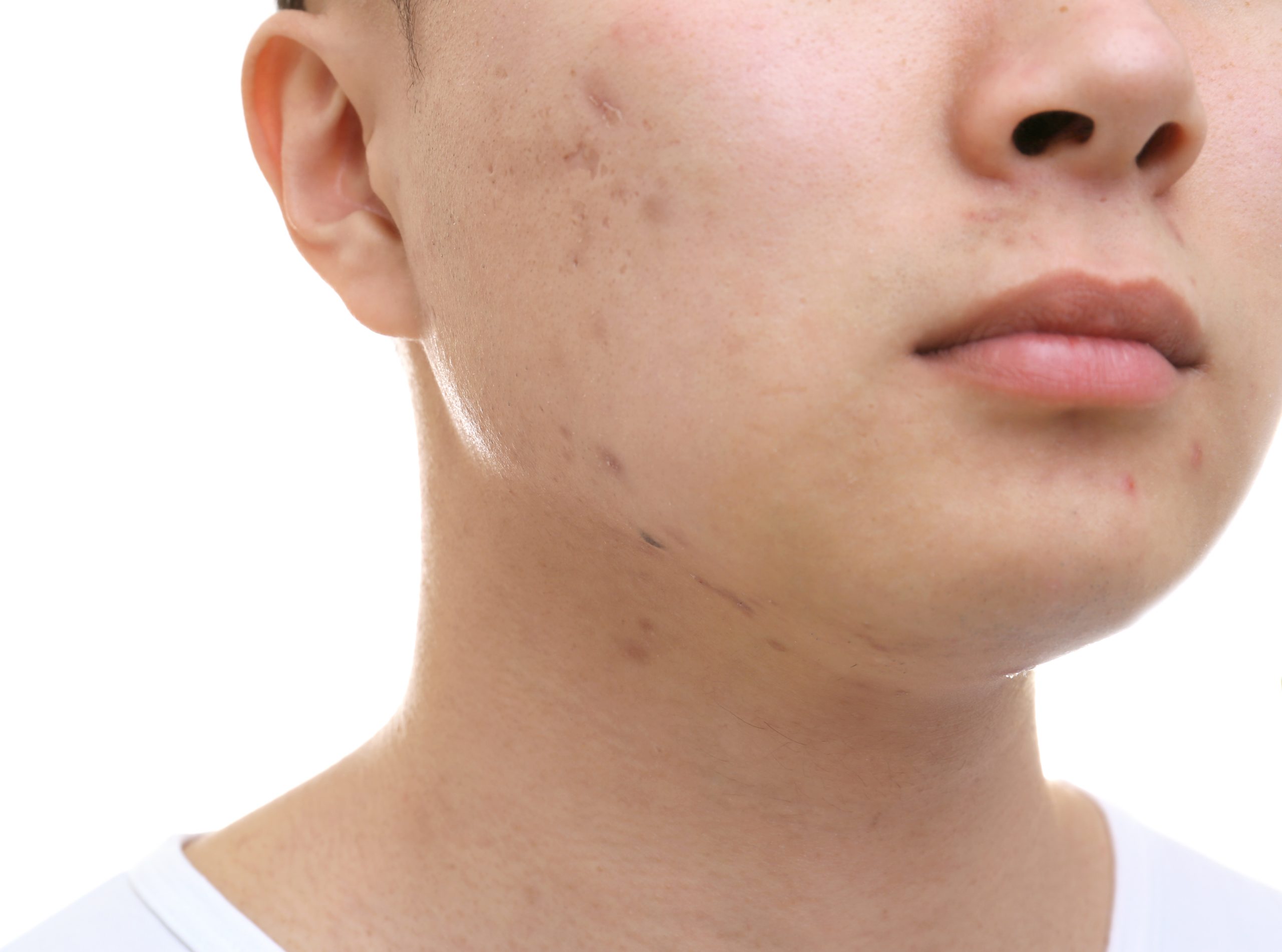
Acne scars form when inflammation damages deeper skin tissue. A scar may look like a small pit, dent, or raised area. Unlike a temporary red mark, a true scar may not fade without professional treatment.
Picking increases the risk of:
• Infection
• More swelling
• Longer healing
• Darker marks
• Permanent scars
Waiting can also affect confidence. Acne may make people avoid photos, social events, sports, or dating. These feelings are real and deserve care. Acne is a medical skin condition, not a sign of poor hygiene.
Does acne go away on its own? Even if it does, you do not need to suffer through pain or distress. Safe treatment can shorten the active phase and protect your skin.
Simple treatments that may help
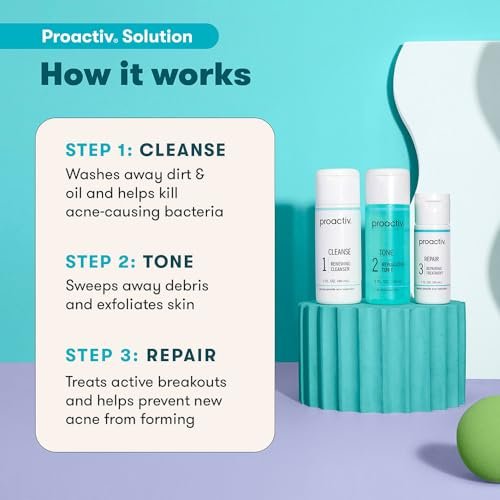
Over-the-counter treatment can help mild acne. Use one active ingredient at first, rather than layering several products.
Common options include:
• Benzoyl peroxide: Helps reduce acne-causing bacteria and inflammation. It can bleach fabric and may cause dryness.
• Salicylic acid: Helps loosen dead skin cells inside pores. It may work well for blackheads and whiteheads.
• Adapalene: A topical retinoid that helps prevent clogged pores. It may cause dryness at first and needs regular use.
• Azelaic acid: Helps with acne and may also improve dark marks. It is often useful for sensitive skin.
Apply a thin layer as directed. More product will not clear acne faster. It may only cause burning, peeling, or redness.
Start slowly if your skin is sensitive. Use a mild cleanser, a moisturizer, and sunscreen. If you are pregnant or trying to become pregnant, ask a health professional before using acne treatments, especially retinoids.
Does acne go away on its own? Treatment can improve the odds of clear skin when natural healing is slow. Most acne treatments need several weeks, so consistency matters more than using a large amount.

When to see a dermatologist
Consider professional care if acne is painful, deep, widespread, or leaving scars. A dermatologist can tell the difference between acne and similar skin conditions. They can also create a plan based on your skin type, age, health, and pregnancy status.
Make an appointment if:
• Acne lasts longer than two or three months
• Drugstore care has not helped
• You have painful nodules or cysts
• Scars or dark marks are forming
• Acne affects your mood or daily life
• Breakouts started after a new medicine
• You have irregular periods, excess facial hair, or sudden adult acne
Treatment may include prescription retinoids, antibiotics, hormonal treatment, or isotretinoin. Each option has benefits, risks, and rules for safe use. Antibiotics, for example, are usually used for a limited time and often with other treatments to reduce resistance.
A useful lesson from acne care is that patience does not mean ignoring warning signs. It means giving a safe plan enough time while seeking help when the pattern calls for it.
Habits that support clearer skin
Good habits cannot change your genes, but they can reduce irritation and support treatment. Keep the routine simple and repeat it every day.
Try these practical steps:
• Wash pillowcases and hats regularly.
• Clean phones and items that touch your face.
• Remove makeup before bed.
• Avoid rough scrubs, brushes, and alcohol-heavy toners.
• Do not share makeup or acne medicine.
• Shower after exercise when possible.
• Keep hair products away from the forehead.
• Use a clean razor and avoid shaving over inflamed spots.
Diet may affect some people, but no single food causes all acne. Research suggests that a high-glycemic diet and large amounts of skim milk may be linked with more acne in some people. The evidence is not strong enough to recommend severe food restrictions for everyone.
Instead, notice patterns without blaming yourself. Eat regular meals, choose a balanced diet, and avoid cutting out major food groups without medical advice.
Does acne go away on its own? Healthy habits may help, but they cannot replace treatment for moderate or severe acne. Clear skin is not a reward for perfect behavior.
Common mistakes that can make acne worse
Many people make acne worse while trying to fix it. These mistakes are understandable, but avoiding them can protect the skin barrier.
Common problems include:
• Washing the face many times a day
• Scrubbing until the skin feels tight
• Drying out the skin with strong alcohol products
• Popping pimples
• Switching treatments every few days
• Using too much acne medicine
• Applying toothpaste, lemon juice, or baking soda
Harsh home remedies can cause burns and irritation. They may also lead to darker marks, especially on deeper skin tones.
Another mistake is stopping treatment as soon as the skin looks better. Acne prevention often needs ongoing use. If a product causes severe swelling, blistering, or trouble breathing, stop using it and seek urgent medical care.
Does acne go away on its own? A careful routine gives your skin the best chance to heal without added damage.
Frequently Asked Questions About Does Acne Go Away on Its Own?
Can acne go away without treatment?
Mild acne can sometimes clear without medical treatment, especially when a temporary trigger is removed. Persistent, painful, or scarring acne is less likely to clear fully on its own.
At what age does acne usually stop?
Many people see improvement after the teen years, but there is no fixed age when acne stops. Adult acne can continue into the twenties, thirties, or beyond because of hormones, genetics, medicines, or other factors.
Should I pop a pimple if it looks ready?
No. Popping can push inflammation deeper and raise the risk of infection, dark marks, and scars. A warm compress and a suitable acne treatment are safer choices.
How long should I wait before treating acne?
You do not need to wait if acne bothers you. For mild acne, try a gentle routine and one proven over-the-counter ingredient for six to eight weeks, but seek care sooner for deep pain, scarring, or rapid worsening.
Can stress cause acne?
Stress may worsen acne in some people by affecting hormones and inflammation. Stress is not the only cause, and reducing stress alone may not clear acne, but sleep, movement, and relaxation can support overall skin health.
Does acne go away on its own after puberty?
Sometimes, but not always. Hormone levels may settle after puberty, yet genetic risk and adult hormonal changes can keep acne active.
Can acne scars go away on their own?
Dark marks often fade slowly, but true indented or raised scars usually do not disappear completely without treatment. Sunscreen and early acne control can help prevent marks from becoming darker and reduce new scars.
Conclusion
Does acne go away on its own? Mild breakouts may fade, but ongoing or severe acne often needs consistent care. Waiting too long can increase the risk of scars, dark marks, pain, and emotional stress.
Start with gentle cleansing, non-comedogenic products, sunscreen, and one proven acne ingredient. Avoid picking, harsh scrubs, and risky home remedies. If acne is deep, painful, persistent, or affecting your confidence, make an appointment with a dermatologist.
Your skin does not need perfection. It needs steady, informed care. Use this guide to choose your next step, and explore trusted dermatology resources or share your experience with a health professional.