How Can I Reduce the Appearance of Acne Marks?
Dealing with acne marks after breakouts can be frustrating. You've tackled the pimple, but now you're left with lingering redness or brown spots that just won't fade. Our research shows that understanding the type of mark is the first step in choosing the right approach.
This guide will help you navigate your options, from gentle at-home care to more advanced treatments. As of 2026, numerous effective strategies are available. We'll break down what works, what doesn't, and how to create a plan that’s right for your skin.
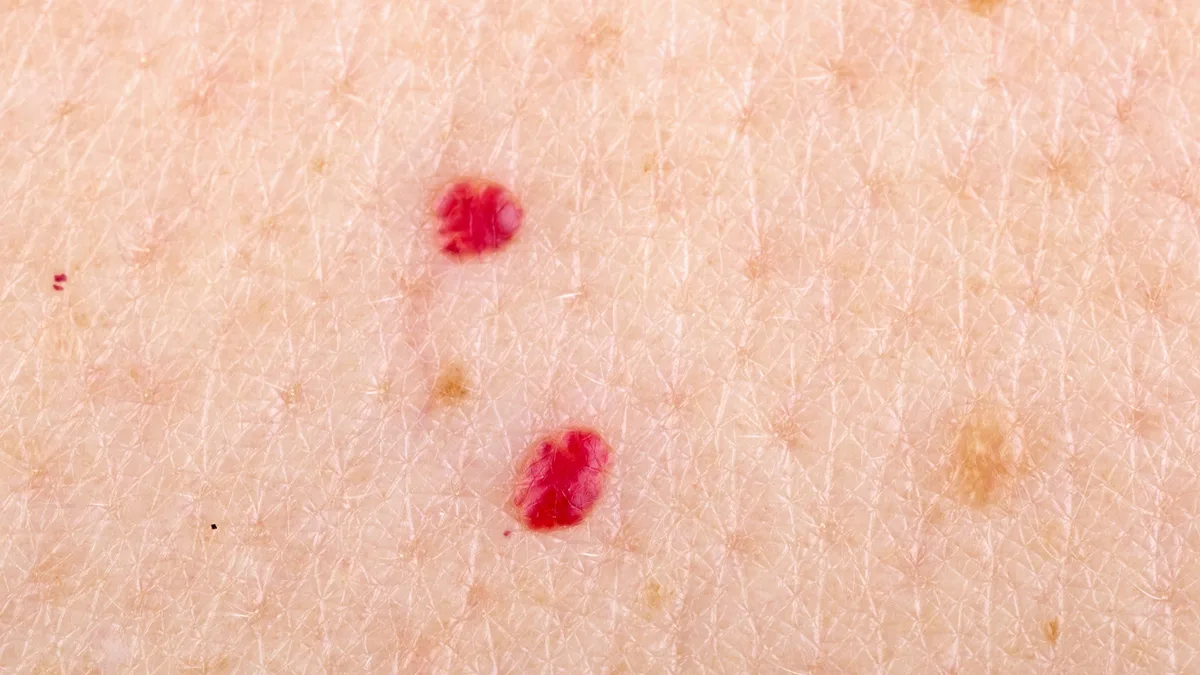
Image source: Bing (Web (fair-use with source credit))
Quick Answer
Reduce acne marks by protecting your skin from the sun with SPF 30+. For red marks (PIE), use anti-inflammatory ingredients. For brown marks (PIH), use brightening agents like Vitamin C or exfoliants.
Consistency and patience are key.
Understanding Your Acne Marks: Red vs. Brown
It’s easy to lump all post-acne discoloration together, but knowing the difference between the main types of marks is crucial for picking the most effective treatments. Think of it like trying to fix different types of leaks, you need the right tool for the job.
Post-Inflammatory Erythema (PIE): The Red Reminders
These are the red or pinkish spots you see after a breakout. They happen because the inflammation from the acne caused tiny blood vessels near the skin's surface to dilate or even develop microscopic bleeding. Because they involve blood vessels, PIE marks tend to be flatter than other types of marks.
Our research indicates they typically fade on their own over a few weeks to months, but certain ingredients can significantly speed up this process.
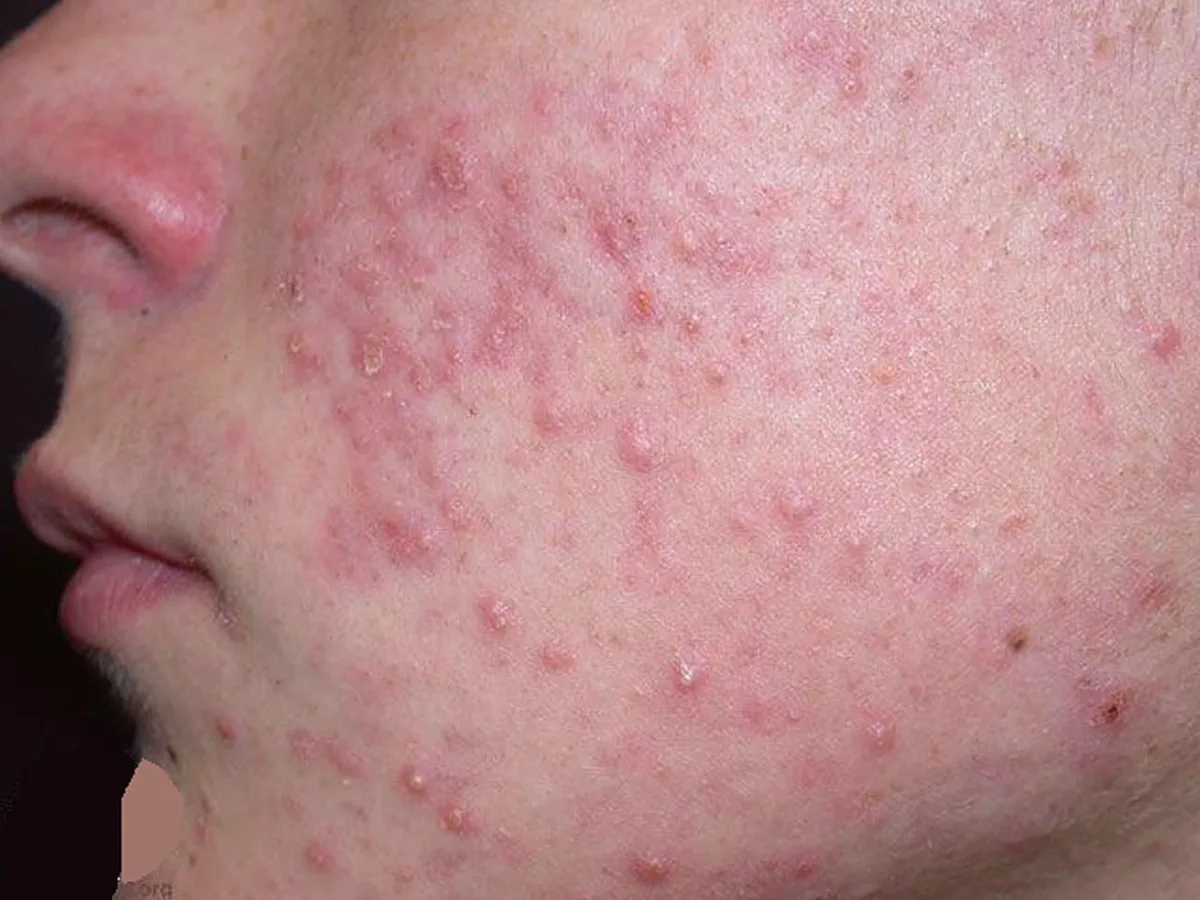
Image source: Bing (Web (fair-use with source credit))
- Appearance: Flat, red or pink patches.
- Cause: Inflammation causing blood vessel changes.
- Typical Resolution: Weeks to a few months.
- Key Treatments: Anti-inflammatory ingredients, sun protection.
If you've ever wondered about the impact of inflammation on your skin, you might find our deep dive into inflammation and acne insightful.
Post-Inflammatory Hyperpigmentation (PIH): The Brown Reminders
PIH marks are the brown or dark spots that appear after a pimple, especially common in individuals with medium to darker skin tones. This occurs when the skin overproduces melanin, the pigment responsible for skin color, in response to the inflammation or trauma of the breakout. Unlike PIE, PIH marks can sometimes linger for many months or even a year if not treated.
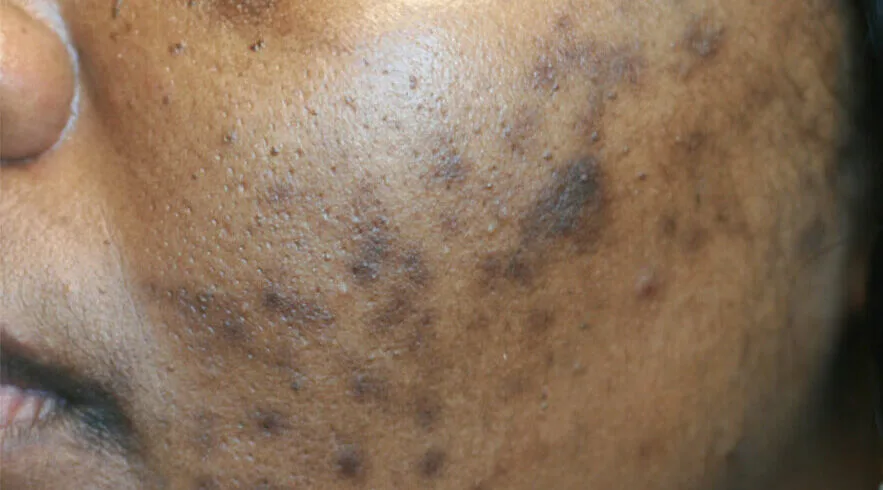
Image source: Bing (Web (fair-use with source credit))
- Appearance: Flat, brown, tan, or black spots.
- Cause: Excess melanin production after inflammation.
- Typical Resolution: Months to a year or more.
- Key Treatments: Brightening agents, exfoliants, retinoids, sun protection.
Dealing with persistent dark marks might lead you to ask, what ingredients are best for treating acne?
Acne Scars: What They Are (And Aren't)
It’s important to distinguish between acne marks (which are discoloration) and true acne scars (which are textural changes). Scars are physical imperfections in the skin's structure, often caused by deep inflammation or picking at pimples. You’ll see them as indentations (like ice pick, boxcar, or rolling scars) or raised areas (hypertrophic or keloid scars).
While some treatments for marks can improve very mild textural issues, deep scars often require more aggressive dermatological interventions. If you’re concerned about deeper marks, exploring how to get rid of acne scars is a separate, but related, journey.
- Appearance: Indentations or raised areas on the skin.
- Cause: Damage to skin's collagen and structure.
- Typical Resolution: Varies greatly; often requires professional treatment.
- Key Treatments: Microneedling, laser therapy, fillers, surgical procedures.
Your At-Home Arsenal: Gentle First Steps
Before diving into potent treatments, building a solid foundation with basic skincare is essential. These fundamental steps not only support healing but also prevent existing marks from worsening and new ones from forming. Consistency is more important here than intensity.
Sunscreen: Your Absolute Best Friend for Fading Marks
This cannot be emphasized enough: daily, diligent sunscreen use is non-negotiable if you want to reduce acne marks. Exposure to ultraviolet (UV) radiation from the sun can darken existing PIH marks and make PIE marks more prominent, essentially setting back your progress. Manufacturer specifications for broad-spectrum sunscreens indicate protection against both UVA (aging) and UVB (burning) rays.
- Why it matters: UV rays trigger melanin production, worsening PIH, and can increase inflammation, prolonging PIE.
- What to look for: Broad-spectrum SPF 30 or higher.
- When to use: Every single day, rain or shine, even indoors near windows.
- Application: Apply generously at least 15 minutes before sun exposure and reapply every two hours, or more often if sweating or swimming.
Our research indicates that even intermittent sun exposure can significantly impact mark fading. For more on this, see can sunscreen help prevent acne?
Gentle Cleansing and Hydration for Happy Skin
Harsh scrubbing or stripping the skin’s natural oils can actually exacerbate inflammation and delay healing, potentially leading to more marks or making existing ones worse. The goal is to keep your skin barrier healthy and intact. A damaged barrier struggles to repair itself effectively.
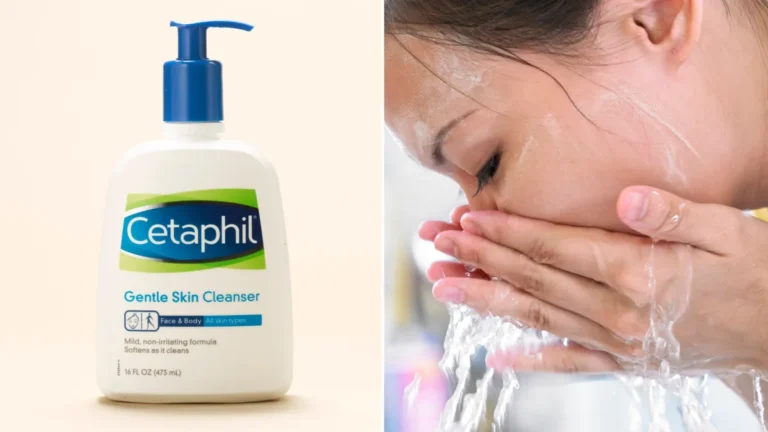
- Cleansing: Use a mild, non-foaming cleanser twice daily. Avoid abrasive scrubs or alcohol-based cleansers.
- Hydration: Apply a lightweight, non-comedogenic moisturizer after cleansing. Well-hydrated skin functions optimally and is more resilient.
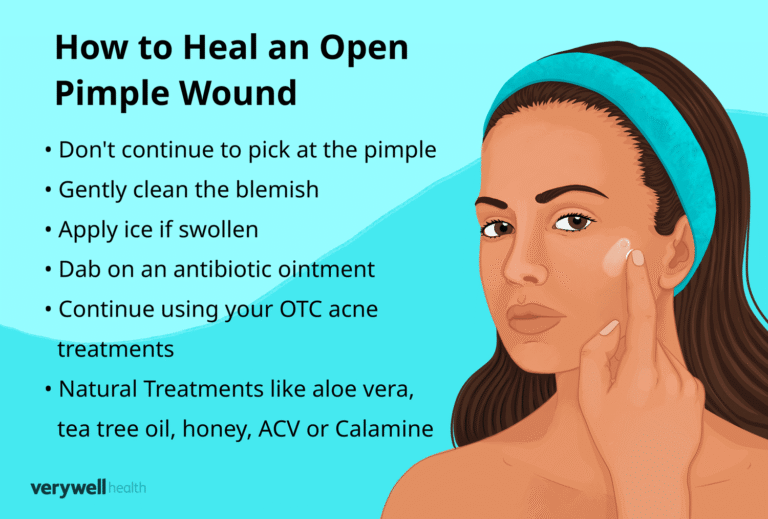
- Don't pick: As tempting as it is, picking or squeezing pimples can lead to deeper inflammation, infection, and definitely worsen both marks and scarring. Our research on acne habits strongly advises against this. If you've ever wondered about this, see should you pop pimples?
Topical Treatments That Target Marks
Once your basic routine is established, you can introduce targeted ingredients designed to speed up the fading process for PIE and PIH. It’s crucial to introduce these one at a time to monitor your skin’s reaction and avoid irritation.
Fighting Redness: Ingredients for PIE
For those persistent red marks (PIE), the focus is on calming inflammation and strengthening the skin barrier. Ingredients with anti-inflammatory properties are your best bet.
- Niacinamide: This form of Vitamin B3 is celebrated for its ability to reduce inflammation and redness. It also helps improve skin elasticity and barrier function. You can often find it in serums and moisturizers.
- Azelaic Acid: Known for its anti-inflammatory and mild exfoliating properties, azelaic acid can help calm redness and reduce the appearance of PIE. It’s available in over-the-counter products and stronger prescription forms.
- Centella Asiatica (Cica): This botanical extract is prized for its soothing and wound-healing capabilities. It helps to calm irritated skin and reduce redness associated with breakouts.
Fading Brown Spots: Ingredients for PIH
To tackle brown marks (PIH), we need ingredients that inhibit melanin production and gently encourage skin cell turnover. This helps to shed the pigmented skin cells and reveal brighter skin underneath.
- Vitamin C: A powerful antioxidant, Vitamin C is excellent for brightening the skin and reducing hyperpigmentation. It works by inhibiting the enzyme tyrosinase, which is necessary for melanin production. Look for stable forms like L-Ascorbic Acid.
- Alpha Hydroxy Acids (AHAs): Glycolic acid and lactic acid are common AHAs that exfoliate the skin's surface. This process removes pigmented dead skin cells, revealing lighter skin. AHAs can also improve skin texture over time.
- Retinoids: Derived from Vitamin A, retinoids like retinol and retinaldehyde accelerate skin cell turnover. This means newer, less pigmented skin cells are brought to the surface more quickly, fading dark spots. Prescription-strength tretinoin is also highly effective.
Introducing Actives: A Slow and Steady Approach
When you start using products with potent ingredients like AHAs or retinoids, it’s vital to do so cautiously. Aggressive use can lead to irritation, redness, and peeling, which can actually worsen your marks.
- Start Low and Slow: Begin with products at lower concentrations. Use them only a few nights a week.
- Monitor Your Skin: Pay attention to any signs of irritation. If you experience significant redness, burning, or peeling, scale back usage or take a break.
- One at a Time: Introduce only one new active ingredient product every few weeks. This helps you identify which product is causing any reaction.
- Sunscreen is Crucial: Ingredients like AHAs and retinoids can make your skin more sensitive to the sun. Daily SPF use is non-negotiable when using these actives. If you’re curious about how these work, see can retinol help treat acne?
When to Call in the Pros: Dermatologist Treatments
While at-home treatments can make a significant difference, some types of marks, or stubborn cases, may benefit from professional intervention. Dermatologists have access to stronger formulations and advanced technologies that can offer more rapid and dramatic results. If your marks haven't improved after consistent at-home care for several months, or if you have concerns about scarring, it's time to consider consulting a professional.
Chemical Peels, Microneedling, and Lasers
These are common in-office procedures that target skin concerns from multiple angles.
- Chemical Peels: These use higher concentrations of acids (like glycolic, salicylic, or TCA) than over-the-counter products to remove the outer layers of skin. This can effectively fade PIH and improve skin texture. Multiple sessions are usually needed for best results.
- Microneedling: This treatment involves using fine needles to create controlled micro-injuries in the skin. This stimulates the body's natural wound-healing process, promoting collagen and elastin production. It can help improve both PIH and, to some extent, the appearance of mild acne scars.
- Laser Treatments: Different types of lasers are used for various concerns. Pulsed Dye Lasers (PDL) are excellent for targeting redness (PIE) by shrinking visible blood vessels. Pigment-targeting lasers, like Q-switched or picosecond lasers, can effectively break down excess melanin to fade PIH.
Prescription Powerhouses
A dermatologist can prescribe stronger versions of topical treatments that offer more potent effects than their over-the-counter counterparts.
- Prescription Retinoids: Stronger than drugstore retinol, these can significantly boost skin cell turnover to fade PIH.
- Hydroquinone: A potent skin-lightening agent that can be very effective for stubborn PIH. However, it requires careful medical supervision due to potential side effects and is typically used for short periods.
- Combination Therapies: Dermatologists can also create custom treatment plans combining different actives or recommending specific product regimens tailored to your unique skin concerns.
If you're weighing treatment options and wondering about the efficacy of specific ingredients, exploring what is the best treatment for acne can provide further context.
Building Your Personalized Mark-Reduction Workflow
Now that we’ve covered the types of marks and the tools available, let’s put it all together. Creating a personalized workflow ensures you’re using the right strategies consistently. This isn't about a quick fix, but about a sustained approach to healthier, clearer skin.
Step 1: Assess Your Marks
Take a good look in natural light. Are the majority of your marks red and flat (PIE), or brown and flat (PIH)? Are there any indented or raised scars?
Knowing this helps you prioritize ingredients and treatments. For PIE, focus on anti-inflammatories; for PIH, target brighteners and exfoliants. If deep scarring is present, professional treatments will be more effective than topical solutions alone.
Step 2: Implement Your Daily Routine
This is your non-negotiable foundation. Every single day, morning and night:
- Cleanse: Use a mild cleanser.
- Treat (AM): Apply your Vitamin C serum (if using for PIH) or a calming serum (like niacinamide for PIE).
- Moisturize: Apply a suitable moisturizer.
- Protect (AM ONLY): Apply broad-spectrum SPF 30 or higher. This is crucial, even on cloudy days.
Step 3: Introduce Targeted Treatments
Incorporate your chosen active ingredients slowly, typically in the evening.
- For PIH: You might alternate nights between an AHA product and a retinoid, or use one more frequently depending on your skin's tolerance. Never use both on the same night when starting.
- For PIE: Consistent use of niacinamide or azelaic acid can be done nightly or as tolerated, alongside your other actives on alternate nights.
Step 4: Track Progress and Adjust
Give your routine at least 4-6 weeks to show results. Take progress photos in consistent lighting. If you're not seeing improvement, or if you experience irritation, reassess.
This might mean adjusting the frequency of actives, trying a different product formulation, or considering a professional consultation. Remember that significant changes often take months. If you're wondering about how long it takes for skin issues to resolve, check out how long does acne take to clear up?
Common Pitfalls: Mistakes That Stall Your Progress
Even with the best intentions, certain habits can hinder your progress or even make your acne marks worse. Recognizing these common mistakes is key to avoiding them.
Over-scrubbing and Harsh Products
Using abrasive physical scrubs, harsh cleansers with sulfates, or high-alcohol toners can strip your skin of its natural oils. This disrupts the skin barrier, leading to increased inflammation, redness, and delayed healing. It can turn PIE marks redder and potentially trigger more breakouts, leading to new PIH.
Skipping Sunscreen
This is perhaps the most detrimental mistake. The sun's UV rays significantly darken PIH, making them much harder to fade. For PIE, sun exposure can also make the redness more noticeable and prolong its duration.
Consistent daily SPF 30+ protection is paramount. If you’re wondering about its preventive role, see can sunscreen help prevent acne?
Impatience and Product Hopping
Skincare, especially for marks and discoloration, requires patience. Expecting dramatic results overnight leads many people to constantly switch products. This "product hopping" prevents any single treatment from working effectively and can overwhelm your skin, causing irritation and setbacks.
It's better to stick with a well-chosen routine for at least 2-3 months before making major changes.
Frequently Asked Questions About Acne Marks
How long does it take for acne marks to fade?
It varies significantly. Red marks (PIE) often fade within a few weeks to a few months. Brown marks (PIH) can take many months to a year or more, especially without treatment.
True acne scars are permanent unless treated professionally.
Can I use both Vitamin C and a retinoid?
Yes, but introduce them carefully. Typically, Vitamin C is used in the morning to brighten and protect, while retinoids are used at night to boost cell turnover. Use them on separate nights when starting, or use Vitamin C in the AM and a retinoid in the PM.
Always monitor for irritation.
Will makeup cover up my acne marks?
Makeup can temporarily cover marks, but it's important to choose non-comedogenic formulas that won't clog pores or exacerbate breakouts. However, makeup doesn't treat the marks themselves. Focusing on consistent skincare is key for long-term fading.
Our research on this topic found can makeup cause acne?
Is it okay to use salicylic acid and benzoyl peroxide together for marks?
These are primarily acne treatment ingredients, not direct mark-fading agents, though they can help prevent new marks. They can also be quite drying and irritating when used together. If you're targeting marks, focus on ingredients like Vitamin C, AHAs, or retinoids.
If you're still battling active acne, understanding the difference is key: see is salicylic acid or benzoyl peroxide better for acne?