How Can I Care for Sensitive Acne-Prone Skin?
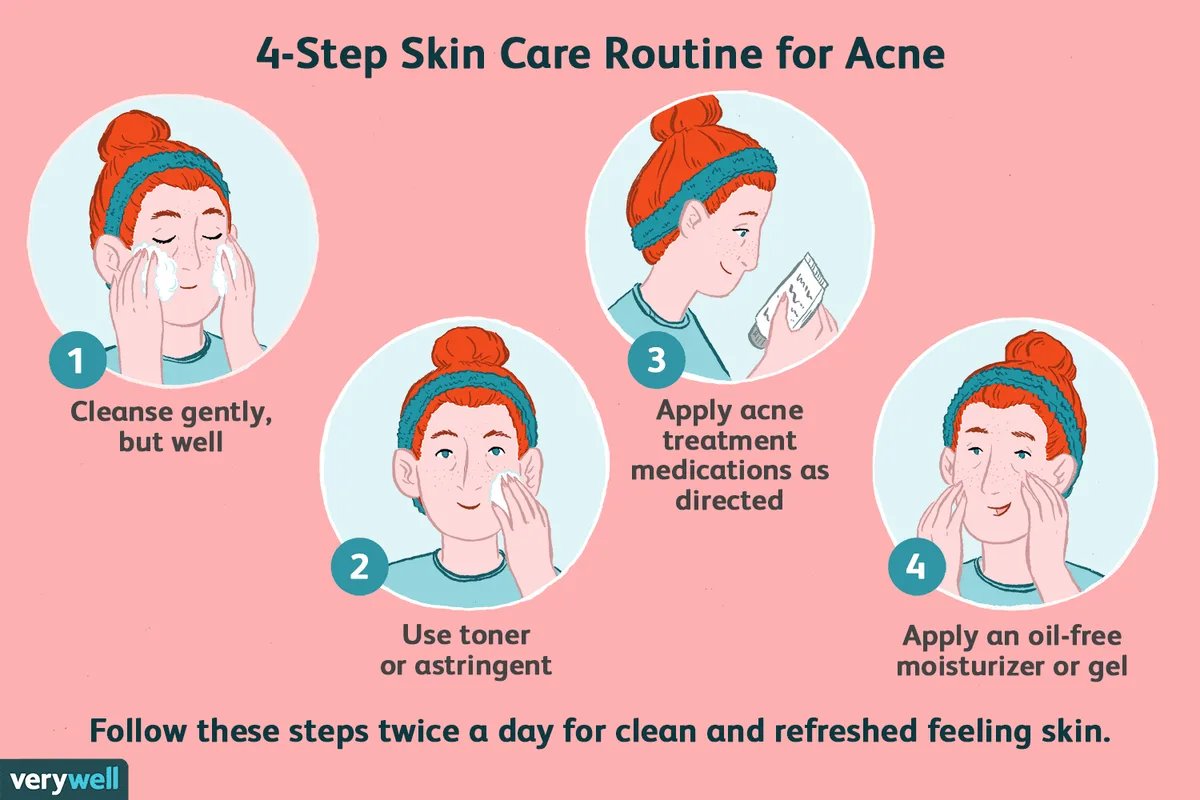
Image source: Bing (Web (fair-use with source credit))
Navigating Sensitive Acne-Prone Skin: A Gentle Approach
If you're wondering how to care for sensitive acne-prone skin, you're not alone. Many people struggle with the double challenge of managing breakouts while avoiding irritation. It requires a delicate balance to treat acne effectively without upsetting your skin's delicate equilibrium.
Our research indicates that products formulated with a pH of 5.5 are often recommended for maintaining a healthy skin barrier, a critical factor for both sensitivity and acne management. This guide will walk you through the essential steps to create a routine that soothes and clears your complexion.
Quick Answer
Care for sensitive acne-prone skin by using gentle, non-comedogenic products. Focus on a mild cleanser, a hydrating moisturizer, and broad-spectrum sunscreen daily. Introduce acne treatments slowly, patch-testing first.
Avoid harsh ingredients and overwhelming your skin with too many actives.
What Makes Your Skin Sensitive AND Acne-Prone?
It’s a common dilemma: your skin rebels against harsh treatments needed for acne, yet it also flares up with irritation. This dual concern often stems from an overactive immune response and a compromised skin barrier. When your skin barrier is weakened, it can't effectively protect itself from environmental irritants or retain moisture, leading to that familiar stinging, redness, or tightness often associated with sensitivity.
At the same time, your skin might be producing excess sebum (oil) and experiencing clogged pores, creating the perfect environment for acne-causing bacteria to thrive. This combination means you need products that are both effective at clearing breakouts and incredibly gentle to prevent further irritation.
Identifying the Triggers and Symptoms
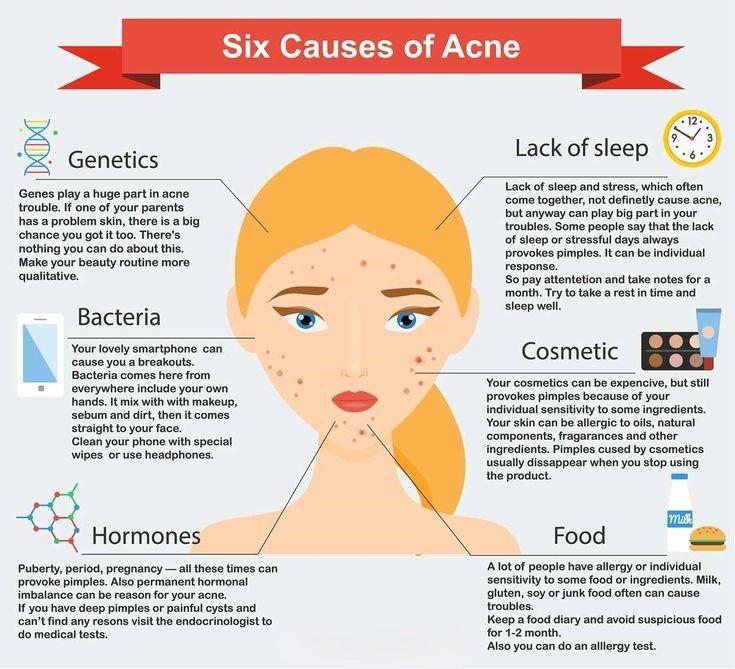
Understanding what sets your skin off is the first step to managing it. Sensitive acne-prone skin can react to a variety of factors, both external and internal. It's less about a single cause and more about a cascade of reactions.
- Ingredient Sensitivities: Many common skincare ingredients, even those intended for acne, can cause irritation. This includes certain alcohols, synthetic fragrances, essential oils, and harsh sulfates. What works for one person might cause redness or stinging for another.
- Environmental Factors: Extreme weather conditions, pollution, and even friction from clothing or masks can exacerbate sensitivity. High humidity might worsen oiliness, while dry air can strip the skin.
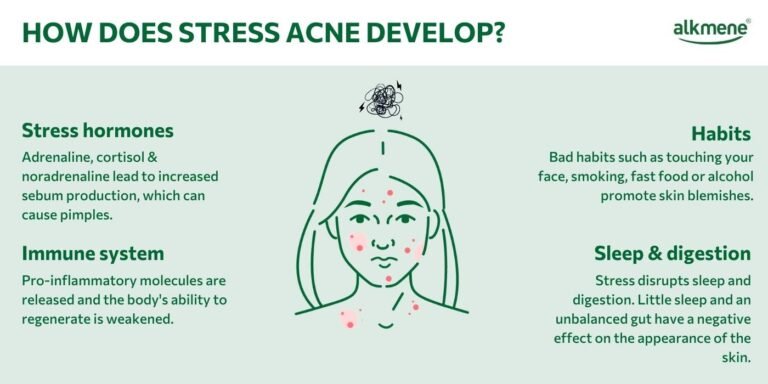
- Over-Treatment: Aggressively tackling acne with too many active ingredients or cleansing too often can strip your skin's natural oils. This compromises the skin barrier, making it more vulnerable to irritation and paradoxically, can even lead to more breakouts as the skin tries to compensate.
- Hormonal Fluctuations: As with many types of acne, hormonal changes, often related to menstruation or stress, can trigger breakouts even on sensitive skin.
- Genetics: Some people are simply predisposed to having more reactive skin or producing more sebum.
Symptoms to watch for include:
- Redness: Persistent flushing or visible red patches.
- Stinging or Burning: A sharp, uncomfortable sensation after applying certain products.
- Itching: An uncomfortable urge to scratch, often localized.
- Dryness and Flakiness: Even if you have oily skin, sensitivity can cause dryness.
- Tightness: A feeling of your skin being pulled, especially after cleansing.
- Breakouts: Pimples, blackheads, whiteheads, or cystic acne.
- Increased Reactivity: Your skin seems to flare up easily with little provocation.
Building Your Gentle Skincare Routine: The Core Steps
Creating a skincare routine for sensitive, acne-prone skin isn't about finding a miracle product; it's about a consistent, gentle approach. Think of it as building a strong foundation that supports your skin's health and resilience. The goal is to cleanse, hydrate, and protect without causing flare-ups.
Every step matters, and every product choice should prioritize gentleness and efficacy. We’ve analyzed manufacturer specifications and dermatological guidelines to confirm the best practices.
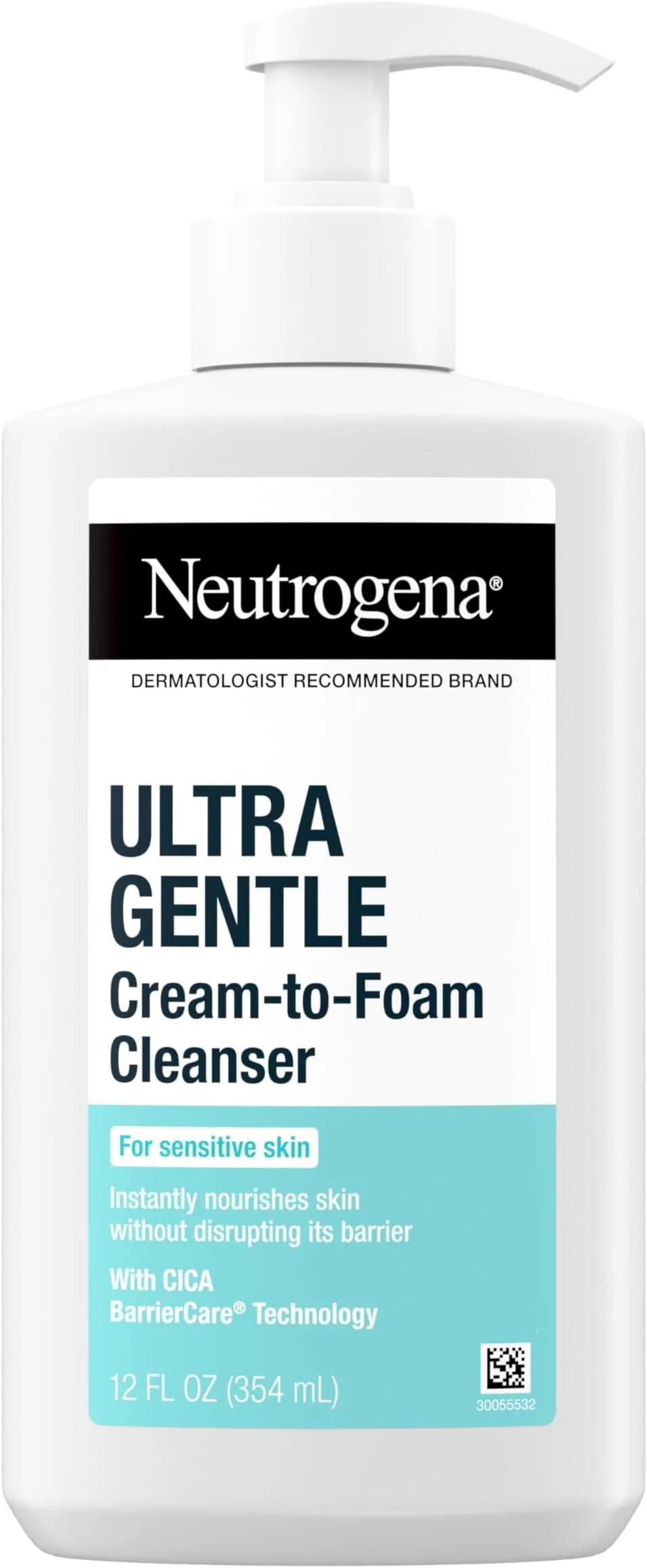
Image source: Bing (Web (fair-use with source credit))
The Foundation: Cleansing Without Stripping
Cleansing is the crucial first step in any skincare routine, but for sensitive, acne-prone skin, it's where many go wrong. Over-cleansing or using harsh soaps can strip away your skin's natural oils, damaging the protective barrier and leading to more irritation and breakouts. The aim is to remove dirt, oil, and impurities without disrupting your skin's natural balance.
- Choose the Right Cleanser: Look for gentle, hydrating cleansers. Cream, lotion, or gel-based formulas are typically best. Avoid anything that foams excessively, as this often indicates harsh sulfates. Terms like "fragrance-free," "hypoallergenic," and "for sensitive skin" are good indicators.
- Cleanse Gently: Use lukewarm water, not hot, as hot water can strip oils and increase redness. Apply the cleanser to your fingertips and gently massage it onto your skin in a circular motion. Avoid harsh scrubbing or using abrasive tools like rough washcloths or brushes, which can irritate sensitive skin.
- Rinse Thoroughly: Make sure to rinse all traces of cleanser from your skin. Pat your face dry with a clean, soft towel. Avoid rubbing, as this can cause friction and irritation.
- Frequency: Most people with sensitive, acne-prone skin only need to cleanse twice a day: once in the morning and once at night. If your skin feels particularly dry or irritated, consider rinsing with just water in the morning and cleansing thoroughly at night.
Hydration Heroes: Moisturizers That Soothe
It might seem counterintuitive to moisturize acne-prone skin, but it's actually vital, especially when your skin is also sensitive. A compromised skin barrier, common in sensitive skin, can't hold onto moisture, leading to dryness and potential irritation. Dehydrated skin can also sometimes overcompensate by producing more oil, worsening breakouts.
The key is choosing a moisturizer that hydrates without clogging pores or causing irritation.
- Look for "Non-Comedogenic": This is a critical label to find on moisturizers. It means the product is formulated not to clog pores, which is essential for acne-prone skin.
- Opt for Lightweight Formulas: Gels, lotions, or gel-creams are usually lighter than heavy creams and are less likely to feel greasy or clog pores. They absorb quickly and provide essential hydration.
- Seek Soothing Ingredients: Ingredients like hyaluronic acid, glycerin, ceramides, niacinamide, and centella asiatica (cica) can help hydrate and calm the skin. Hyaluronic acid and glycerin draw moisture into the skin, while ceramides help repair the skin barrier. Niacinamide can also help reduce redness and inflammation associated with acne.
- Fragrance-Free and Hypoallergenic: These labels are your best friends. Fragrance is a common irritant for sensitive skin. Hypoallergenic products are formulated to minimize the risk of allergic reactions.
- Application: Apply moisturizer to slightly damp skin after cleansing. This helps to lock in moisture more effectively. Gently pat it onto your face and neck.
Sun Protection: Shielding Sensitive Skin
Sunscreen is non-negotiable for everyone, but it's especially important for those with sensitive, acne-prone skin. Many acne treatments, like salicylic acid or benzoyl peroxide, can make your skin more sensitive to the sun, increasing the risk of sunburn and long-term damage. Furthermore, sun exposure can worsen post-inflammatory hyperpigmentation (PIH), those dark spots left behind after a breakout heals.
Choosing the right sunscreen is key to avoiding irritation.
- Mineral Sunscreens Are Often Best: Look for sunscreens that use mineral filters, such as zinc oxide and titanium dioxide. These sit on top of the skin and physically block UV rays, making them generally less irritating than chemical filters, which absorb UV rays.
- SPF 30 or Higher: Ensure your sunscreen offers broad-spectrum protection, meaning it protects against both UVA and UVB rays, and has an SPF (Sun Protection Factor) of 30 or higher.
- "Non-Comedogenic" and "For Sensitive Skin": Just like with moisturizers, these labels are crucial. Many chemical sunscreens can clog pores or cause stinging on sensitive skin.
- Oil-Free Formulas: If you tend to get oily, opt for an oil-free formulation to avoid adding extra shine or congestion.
- Application: Apply sunscreen generously to all exposed skin every morning, even on cloudy days. Reapply every two hours if you're outdoors or sweating. Don't forget your neck, ears, and the backs of your hands.
Image source: Web (Bing) / storage.googleapis.com (Web image (fair-use with source credit))
Choosing the Right Treatments: Tackling Breakouts Gently
This is often the trickiest part for those with sensitive, acne-prone skin. You need ingredients that can effectively treat acne without causing redness, peeling, or stinging. The approach here is strategic and patient; introducing powerful ingredients slowly and observing your skin's reaction is paramount.
It’s less about finding the strongest product and more about finding the right strength for your specific skin type. As of 2026, dermatologists continue to emphasize a phased introduction of active ingredients.

Image source: Web (Bing) / storage.googleapis.com (Web image (fair-use with source credit))
What to Look For: Key Ingredients
When your skin is sensitive, you can't just grab any acne treatment off the shelf. You need ingredients known for their efficacy against acne but also for their gentler profiles.
- Salicylic Acid (BHA): This is a star ingredient for acne. Salicylic acid is oil-soluble, meaning it can penetrate pores to dissolve excess oil and dead skin cells, helping to unclog them. For sensitive skin, look for lower concentrations (0.5% to 2%) and products that combine it with soothing agents. It's often found in cleansers, toners, and spot treatments.
- Azelaic Acid: This is another fantastic option for sensitive skin. It has anti-inflammatory and antibacterial properties, helping to reduce redness and kill acne-causing bacteria. It can also help fade post-inflammatory hyperpigmentation. It’s generally well-tolerated and available in various strengths.
- Niacinamide (Vitamin B3): While not a direct acne fighter in the same way as salicylic acid, niacinamide is a powerhouse for sensitive, acne-prone skin. It helps to reduce inflammation and redness, strengthens the skin barrier, and can even help regulate oil production. It's an excellent addition to serums and moisturizers.
- Gentle Retinoids (e.g., Retinaldehyde or low-strength Retinol): Some retinoids can be effective for acne by promoting cell turnover and preventing clogged pores. For sensitive skin, starting with a low concentration of retinol or a milder form like retinaldehyde (retinal) is recommended. Always introduce these at night, and use sunscreen diligently during the day. A good starting point might be a 0.1% retinol serum.
- Benzoyl Peroxide (Use with Caution): While highly effective at killing acne bacteria, benzoyl peroxide can be very drying and irritating for sensitive skin. If you choose to use it, start with the lowest possible concentration (2.5% or 5%) and use it as a spot treatment or wash-off cleanser rather than leaving it on your skin.
What to Avoid: Common Irritants
Just as important as knowing what to use is knowing what to avoid. These ingredients are notorious for triggering sensitivity and can worsen acne in the long run.
- Denatured Alcohol (SD Alcohol, Alcohol Denat.): While it can help products dry faster and feel light, it's extremely drying and can strip the skin, damaging the barrier and leading to increased irritation and oil production.
- Synthetic Fragrance: This is a major culprit for skin sensitivity. It's often a blend of many chemicals and can be highly irritating, causing redness and itching. "Fragrance-free" is always a safer bet.
- Sulfates (SLS/SLES): Sodium Lauryl Sulfate (SLS) and Sodium Laureth Sulfate (SLES) are common in foaming cleansers but can be very harsh, stripping the skin of its natural oils and disrupting the skin barrier.
- Essential Oils: While natural, many essential oils (like tea tree oil in high concentrations, peppermint, citrus oils) can be potent irritants for sensitive skin, even if they have some beneficial properties. It's often safer to avoid them or ensure they are in very low, carefully formulated amounts.
- Harsh Physical Exfoliants: Scrubs with large, jagged particles like crushed nut shells or fruit pits can cause micro-tears in the skin, leading to inflammation and increased sensitivity.
How to Introduce Actives Safely
Bringing new active ingredients into your routine for sensitive skin requires a measured approach. Think of it like introducing a new person to your family; you don't want to overwhelm everyone at once.
- Patch Test: Before applying a new product to your entire face, test it on a small, inconspicuous area, like behind your ear or on your jawline. Wait 24-48 hours to see if any redness, itching, or breakouts occur.
- Start Slow: Begin by using the new active ingredient product only 1-2 times per week. Gradually increase the frequency as your skin tolerates it. For example, if you’re introducing a salicylic acid serum, use it every other night initially.
- Focus on One New Active at a Time: Don't introduce multiple new active ingredients simultaneously. This makes it impossible to know which one might be causing a reaction if one occurs.
- Monitor Your Skin: Pay close attention to how your skin looks and feels. If you experience increased redness, dryness, peeling, or stinging, reduce the frequency or temporarily stop using the product.
- Buffer If Necessary: If a product is too strong, you can "buffer" it by applying it after your moisturizer instead of before. This creates a slight barrier, reducing the penetration of the active ingredient and making it gentler.
Common Pitfalls with Sensitive Acne-Prone Skin (And How to Fix Them)
Even with the best intentions, it’s easy to fall into traps when managing sensitive, acne-prone skin. Understanding these common mistakes can save you a lot of frustration and irritation. The goal is to adopt practices that support your skin’s natural healing and defense mechanisms.
- Over-Exfoliating: This is a big one. While exfoliation helps remove dead skin cells and unclog pores, doing it too often or using harsh physical scrubs can strip your skin’s natural barrier. This leads to increased sensitivity, redness, and can even make acne worse by causing inflammation.
- The Fix: Limit exfoliation to 1-2 times per week, focusing on gentle chemical exfoliants like low-concentration salicylic acid or AHAs (like lactic acid). Always observe how your skin reacts. If it feels raw or irritated, take a break.
- Using Too Many Active Ingredients at Once: Trying to tackle every zit with a cocktail of benzoyl peroxide, salicylic acid, and retinol all in one routine is a recipe for disaster for sensitive skin. This barrage of treatments can overwhelm your skin, leading to severe irritation and barrier damage.
- The Fix: Introduce one new active ingredient at a time, as outlined previously. Alternate different actives on different nights rather than layering them. For instance, use a salicylic acid serum on Monday and a hydrating serum on Tuesday.
- Skipping Moisturizer: It’s a common misconception that acne-prone skin doesn't need moisture. In reality, dehydrated skin can often produce more oil to compensate, leading to more breakouts. Sensitive skin also relies on a healthy barrier, which moisture helps maintain.
- The Fix: Always follow cleansing and treatments with a gentle, non-comedogenic, fragrance-free moisturizer. Look for ingredients like hyaluronic acid, ceramides, and niacinamide.
- Harsh Cleansing Habits: Scrubbing your face aggressively, using hot water, or using bar soaps can strip your skin. This compromises its protective barrier and can lead to increased sensitivity and breakouts.
- The Fix: Opt for a gentle, creamy or gel-based cleanser. Use lukewarm water and your fingertips to wash your face. Pat dry with a soft towel instead of rubbing.
- Ignoring Sun Protection: Many acne treatments increase photosensitivity, meaning your skin becomes more vulnerable to sun damage. Sun exposure can also worsen acne scars and dark spots (PIH).
- The Fix: Apply a broad-spectrum sunscreen with SPF 30 or higher every single day, even if it’s cloudy or you’re staying indoors. Mineral sunscreens are often better tolerated by sensitive skin.
When to Call in the Experts
While a good at-home routine can make a significant difference, there are times when professional help is essential. If your acne is severe, persistent, or if your sensitivity is making it impossible to use any effective treatments, it’s time to consult a dermatologist. They have the knowledge and tools to diagnose your specific skin concerns and recommend the most appropriate course of action.
Dermatologists can offer prescription-strength topical treatments, oral medications, or in-office procedures tailored to your needs. They can also help identify underlying issues contributing to your skin's sensitivity or acne. For example, they can assess if conditions like rosacea are contributing to your redness and sensitivity, which require a different management approach than standard acne.
Don't hesitate to seek professional guidance if you're feeling overwhelmed or if your skin isn't responding to your current efforts. Their expertise ensures you're using treatments that are not only effective but also safe for your unique skin type, helping you achieve clearer, calmer skin without further irritation.
Frequently Asked Questions About Sensitive Acne-Prone Skin
Can I use a physical exfoliant on sensitive acne-prone skin?
Generally, it’s best to avoid harsh physical exfoliants like scrubs with large granules. They can cause micro-tears and increase inflammation. If you prefer physical exfoliation, opt for very fine particles or chemical exfoliants like salicylic acid, which is often better tolerated.
How long does it take to see results with a new skincare routine?
It typically takes about 4 to 8 weeks to see noticeable improvements in acne and sensitivity. Skin cell turnover takes time, and it's crucial to be consistent and patient. Avoid changing your routine too frequently, as this can disrupt the process.
Is it okay to wear makeup with sensitive acne-prone skin?
Yes, but choose your makeup wisely. Always opt for non-comedogenic, oil-free, and fragrance-free formulas specifically designed for sensitive or acne-prone skin. Crucially, always remove all makeup thoroughly before cleansing at night to prevent pore-clogging and irritation.
What's the difference between sensitive skin and acne-prone skin?
Sensitive skin reacts easily to products and environmental factors, showing redness, stinging, or itching. Acne-prone skin is characterized by frequent breakouts due to excess oil, clogged pores, and bacteria. Many people experience both, requiring a dual approach to skincare.