How Can I Repair a Damaged Skin Barrier?
When your skin feels sensitive, red, or just plain unhappy, it's often a sign your natural defense system, the skin barrier, needs some attention. You're asking, "How can I repair a damaged skin barrier?" and that's a smart question because getting this right makes all the difference in your skin's health.
Understanding your skin's structure is key. The outermost layer, the stratum corneum, acts like a protective shield, keeping moisture in and irritants out. When this barrier is compromised, it's like a brick wall with weak mortar, leaving your skin vulnerable.
As of 2026, research consistently points to gentle, supportive care as the most effective path to restoration.
Quick Answer
Repairing a damaged skin barrier involves simplifying your routine and focusing on hydration. Ditch harsh actives and cleansing. Instead, use gentle cleansers and products rich in ceramides, hyaluronic acid, and niacinamide.
Patience is key; consistent, gentle care allows the barrier to rebuild itself over weeks.
Understanding Your Damaged Skin Barrier
What's Happening When Your Skin Barrier is Compromised?
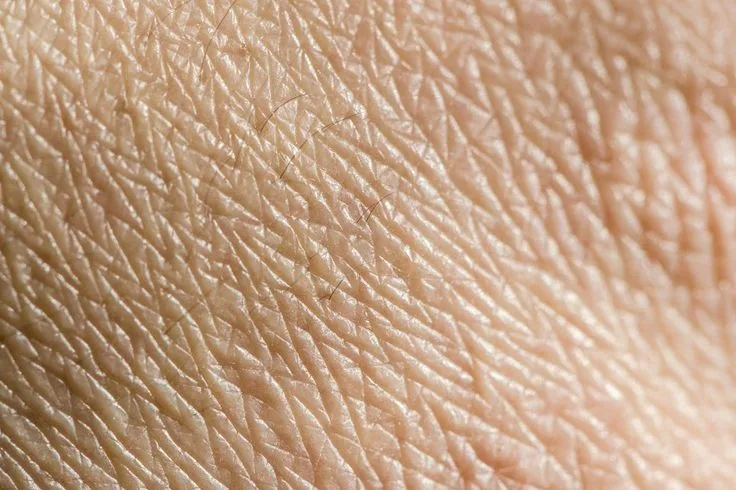
Think of your skin barrier as a sophisticated security system. Its primary job is to maintain a delicate balance: keeping essential water within your skin while acting as a formidable wall against environmental aggressors like pollution, allergens, and microbes. When this barrier is functioning optimally, your skin looks and feels healthy, smooth, and resilient.
However, when this barrier becomes damaged, a state often referred to as "compromised skin", its ability to perform these critical tasks diminishes significantly. This damage can stem from various factors, including over-exfoliation, harsh skincare products, environmental stressors, or even underlying skin conditions. The result is a visibly and tangibly compromised shield.
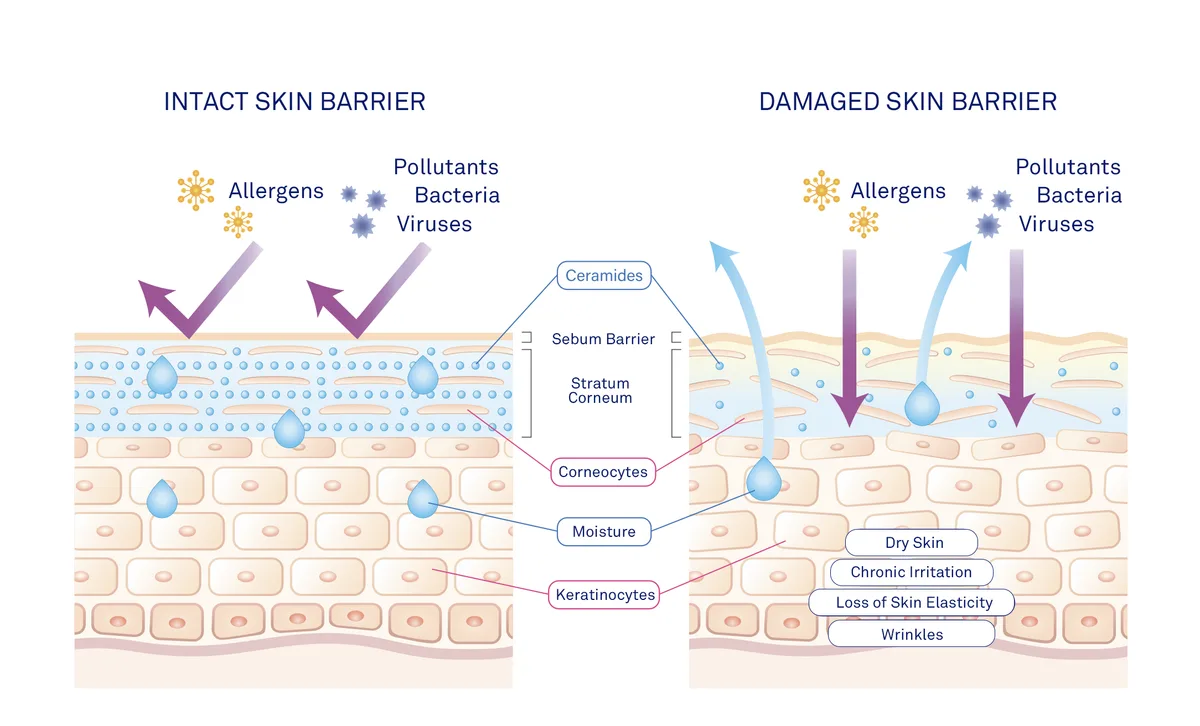
Image source: Bing (Web (fair-use with source credit))
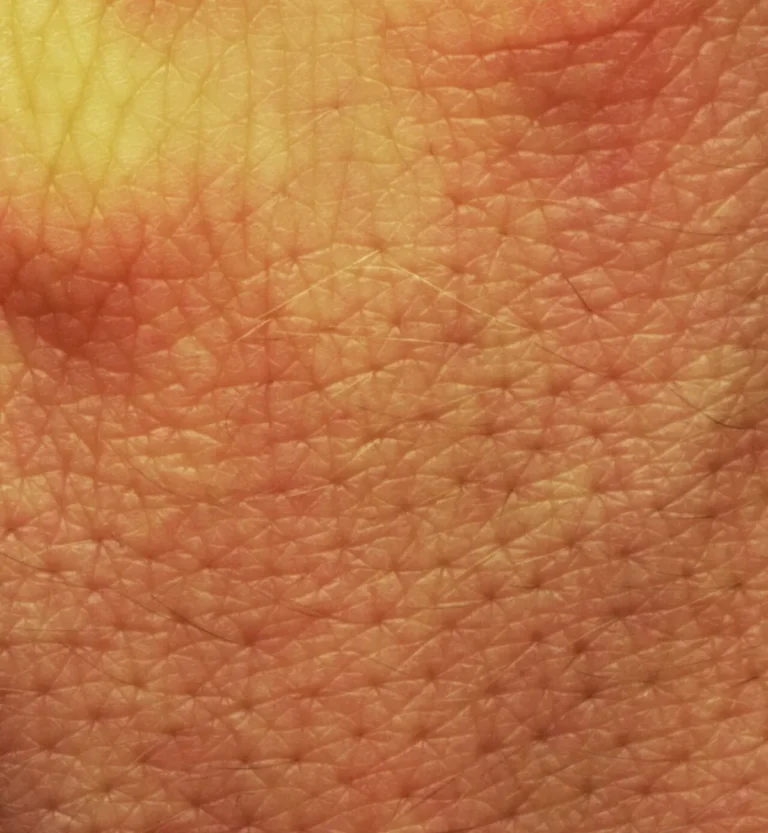
The consequences of a weakened skin barrier are multifaceted. Primarily, there's an increase in transepidermal water loss (TEWL), meaning your skin can't hold onto moisture effectively. This leads to dryness, flakiness, and a feeling of tightness.
Concurrently, the compromised barrier becomes more permeable, allowing irritants that your skin would normally tolerate to penetrate more easily. This can trigger inflammation, redness, stinging, and heightened sensitivity, making your skin react negatively to products or environmental changes it previously handled with ease. Addressing these issues is crucial for restoring skin comfort and health.
Rebuilding Starts Here: Your Gentle Skincare Reset
Step 1: The Great Skincare Purge (Temporarily!)
When your skin barrier is screaming for help, the most effective first move is to radically simplify your entire skincare routine. This means hitting a temporary pause button on anything that might further irritate or strip your skin. Think of it as giving your skin a much-needed vacation from demanding ingredients.
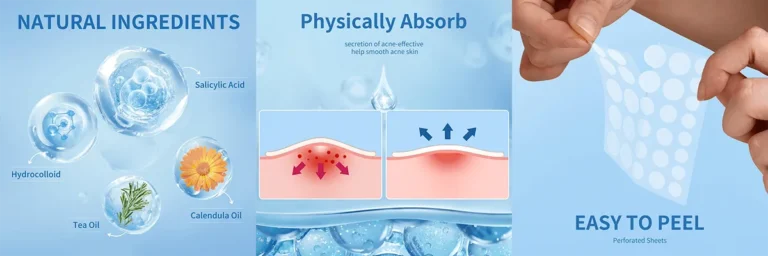
This "purge" involves setting aside anything that actively exfoliates or treats specific concerns for a while. For instance, aggressive exfoliants like alpha-hydroxy acids (AHAs), beta-hydroxy acids (BHAs), and retinoids, while beneficial for other issues, can be too harsh when your barrier is damaged. Even potent acne treatments or strong serums designed for brightening or anti-aging need to be sidelined.
The goal isn't to stop addressing these concerns permanently, but to create a calm, healing environment first.
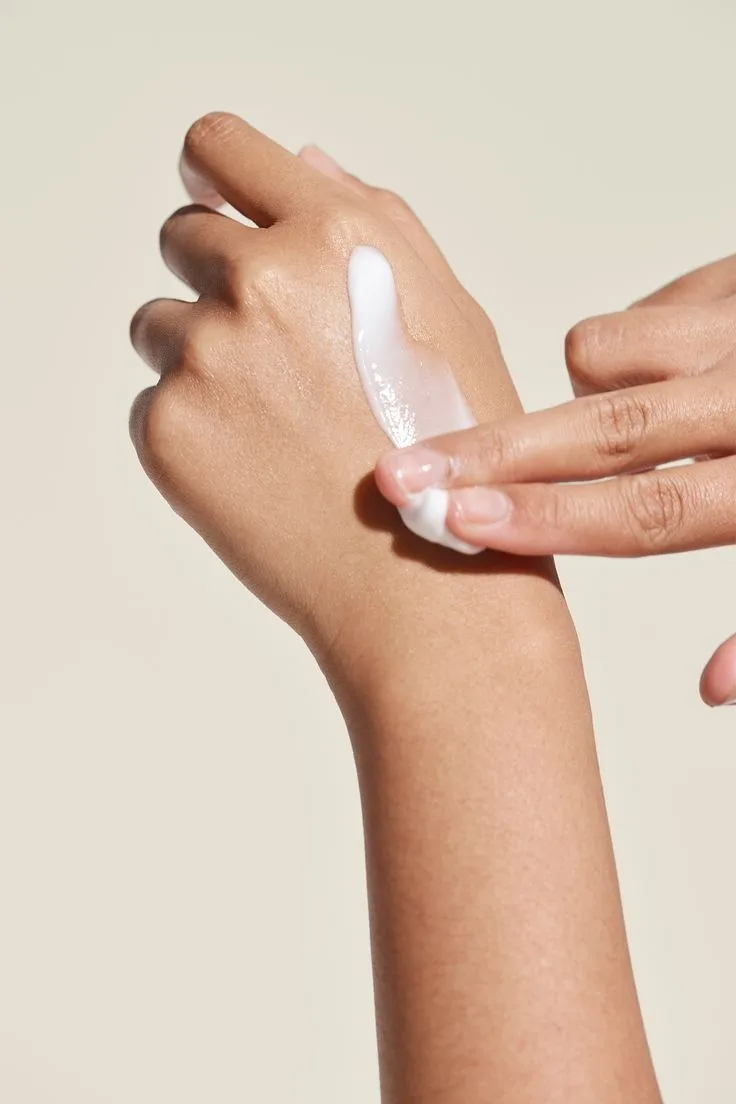
Image source: Bing (Web (fair-use with source credit))
Your cleansing routine needs a serious gentle-up. Forget those foaming cleansers that leave your skin feeling squeaky clean; that squeaky feeling is often a sign that natural oils have been stripped away. Instead, opt for ultra-mild options.
Creamy, milky, or oil-based cleansers are excellent choices. Their formulations are designed to lift away dirt, makeup, and impurities without disturbing the delicate lipid layers of your skin barrier. You’re aiming to cleanse, not to strip, ensuring that your skin feels comfortable and hydrated immediately after washing, not tight or taut.
Key Ingredients for Barrier Restoration
Once you've simplified your routine, it's time to introduce ingredients that actively support and rebuild your skin's natural defenses. These are the components that work with your skin, not against it, to restore its integrity and resilience. Focusing on these specific ingredients helps to replenish what's been lost and strengthen the skin's natural structure.
Ceramides: Your Skin's Mortar
Ceramides are fundamentally important lipids naturally found within the stratum corneum, making up about 50% of your skin's total lipid content. In simple terms, they act as the "mortar" that holds your skin cells (the "bricks") together. This structural role is absolutely vital for creating a cohesive, healthy skin barrier.
When your skin barrier is damaged, the levels of ceramides naturally present often decrease, leading to increased permeability and moisture loss.
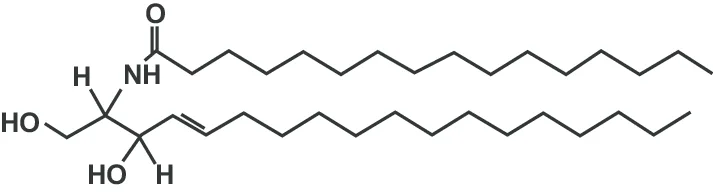
Image source: Bing (Web (fair-use with source credit))
Incorporating skincare products formulated with ceramides can significantly help in replenishing these essential lipids. They work by mimicking your skin's natural ceramide structure, effectively patching up the weakened areas. This replenishment helps to seal in moisture, prevent water loss, and restore the barrier's protective function, making your skin feel more comfortable, hydrated, and less susceptible to external irritants.
Look for products that list a blend of different ceramide types (e.g., ceramide NP, ceramide AP, ceramide EOP) for broader support.
Hyaluronic Acid: The Moisture Magnet
Hyaluronic acid (HA) is a potent humectant, a substance that attracts and holds onto water molecules. Naturally present in the skin, it plays a key role in maintaining hydration and plumpness. When your skin barrier is compromised, it struggles to retain moisture, leading to dryness and a lack of suppleness.
Hyaluronic acid helps counteract this by drawing moisture from the deeper layers of the skin and the surrounding environment, delivering it to the skin's surface.
This influx of hydration can temporarily plump the skin, reducing the appearance of fine lines and making the skin feel smoother and more comfortable. It doesn't actively repair the barrier itself, but by ensuring the skin is well-hydrated, it creates a better environment for the barrier to heal. Think of it as giving your skin the optimal conditions to recover.
When using hyaluronic acid, it's often best applied to damp skin to maximize its humectant properties, and it should be followed by an occlusive moisturizer to seal that moisture in.
Niacinamide & Panthenol: Soothing Superstars
Niacinamide, also known as Vitamin B3, is a multi-tasking ingredient that offers significant benefits for a compromised skin barrier. It's known for its anti-inflammatory properties, which can help calm redness and irritation commonly associated with barrier damage. Furthermore, research indicates that niacinamide can help boost the production of ceramides in the skin, directly contributing to strengthening the barrier's structure.
It also helps improve the skin's elasticity and can even regulate oil production over time, making it a valuable ally for many skin types.
Panthenol, or Vitamin B5, is another powerhouse ingredient for skin repair and hydration. It's a humectant that draws water into the skin, but its benefits go beyond simple moisture. Panthenol is also known for its soothing and healing properties.
It can help accelerate wound healing and improve the skin's barrier function by promoting the proliferation of fibroblasts, which are essential for collagen production and skin regeneration. Together, niacinamide and panthenol create a calming, reparative environment, helping to soothe stressed skin and support its recovery process.
Mistakes That Set You Back (And How to Avoid Them)
Overdoing It: The Temptation of Actives
When your skin is acting up, the natural instinct can be to "fix" it quickly, often by reaching for those powerful treatments you know can address specific issues. This is where the temptation to overdo it with active ingredients comes in. Products containing alpha-hydroxy acids (AHAs) like glycolic or lactic acid, beta-hydroxy acids (BHAs) like salicylic acid, or retinoids (including retinol and tretinoin) are designed to exfoliate, increase cell turnover, and treat concerns like acne, hyperpigmentation, or fine lines.
However, these actives work by encouraging the skin to shed its outer layers or by altering cellular processes. While highly effective for healthy skin, they can be incredibly damaging to an already compromised barrier. Using them too frequently, at too high a concentration, or in combination can strip away the essential lipids and proteins that form your skin's protective shield, exacerbating redness, irritation, and sensitivity.
The key here is patience; these treatments should be re-introduced only after your skin barrier has fully healed, often starting with lower concentrations and less frequent application.
Harsh Treatments and Aggressive Cleansing
Beyond potent actives, other common skincare practices can inadvertently sabotage your efforts to repair a damaged skin barrier. One of the biggest culprits is aggressive cleansing. Many foaming facial cleansers, particularly those that promise a deep-clean or a squeaky-clean finish, often contain sulfates or other harsh surfactants.
These ingredients are highly effective at removing oil and dirt, but they can also strip away the natural oils and lipids that make up your skin's protective barrier. This leaves the skin feeling dry, tight, and vulnerable, undoing any progress made with hydrating products.
Similarly, physical exfoliation methods like harsh scrubs with large, irregular particles (think crushed nut shells or fruit pits) can create micro-tears in the skin. These tiny abrasions further compromise the barrier's integrity, making it easier for irritants to enter and moisture to escape. Even over-washing your face, or washing it with water that's too hot, can disrupt the skin's natural balance and contribute to barrier damage.
The antidote is to swap out these aggressive approaches for milder alternatives, opting for creamy, milky cleansers and avoiding any rough physical exfoliation until your skin feels significantly more resilient.
How Long Does Skin Barrier Repair Really Take?
The timeline for repairing a damaged skin barrier isn't a one-size-fits-all answer; it truly depends on the extent of the damage and how consistently you implement a supportive routine. In general, you can expect to see initial improvements within two to four weeks of consistent, gentle care. This means noticing a reduction in redness, sensitivity, and tightness.
However, for more significant damage, or if the barrier has been compromised for a long time, it can take several months, sometimes even up to six months, for the skin to fully regain its optimal function. This is because the skin barrier is a complex, multi-layered structure that needs time to regenerate and rebuild its lipid matrix. Rushing the process by reintroducing harsh treatments too soon will likely set you back.
Think of it as a marathon, not a sprint; slow, steady, and gentle progress is the goal.
What to Expect and When to Seek Help
During the initial weeks of recovery, you might experience a temporary increase in dryness or flakiness as the skin sheds damaged cells and begins to renew itself. This is a normal part of the healing process. You should also notice that your skin becomes less reactive to products that previously caused stinging or redness.
As the barrier strengthens, it will better tolerate a wider range of ingredients, allowing you to gradually reintroduce treatments for other skin concerns.
While home care is effective for most cases of mild to moderate barrier damage, it's essential to know when to escalate to professional advice. If you're experiencing severe or persistent symptoms, it's always best to consult a dermatologist. They can accurately diagnose the cause of your skin barrier damage and rule out more serious underlying conditions that might require medical treatment.
If your skin presents with signs of infection, such as oozing blisters, intense pain, or fever, seek immediate medical attention. These symptoms can indicate a bacterial or fungal infection that needs prompt treatment with prescription medication. Additionally, if your skin barrier issues are not improving after several weeks of diligent at-home care, a dermatologist can provide personalized advice, prescription-strength treatments, or advanced therapies that may be more effective for your specific situation.
Don't hesitate to reach out if you're unsure or concerned about your skin's condition.
Expert Tips for Long-Term Barrier Health
Once your skin barrier has recovered, the goal shifts from active repair to maintenance and prevention. This involves building a consistent, supportive skincare routine that prioritizes barrier function. It's about making smart choices day-to-day to keep your skin resilient and healthy.
Think of it as ongoing care, not just a one-time fix.
Prioritize ingredients that naturally support your skin's lipid structure. Regularly incorporating products with ceramides, fatty acids, and cholesterol can help reinforce the barrier's integrity. Niacinamide continues to be a valuable ally for its anti-inflammatory and barrier-boosting properties.
When reintroducing treatments for concerns like acne or aging, do so gradually. Start with lower concentrations and patch-test new products to ensure they don't trigger sensitivity. A balanced approach ensures you can address other skin needs without compromising your hard-won barrier health.
Frequently Asked Questions About Damaged Skin Barrier Repair
How long does setup take?
This question seems to be misaligned with the topic of skin barrier repair. Setup time is not applicable to rebuilding a damaged skin barrier, as it involves a skincare routine rather than a physical setup process.
What are the immediate signs of a damaged skin barrier?
Immediate signs include increased redness, a feeling of tightness or stinging, heightened sensitivity to products, and visible dryness or flakiness. Your skin might also feel rough to the touch.
Can I use my usual acne treatments while repairing my barrier?
No, it's strongly advised to temporarily stop using most acne treatments, especially those containing harsh actives like salicylic acid, benzoyl peroxide, or retinoids, as they can further irritate and damage a compromised barrier.
Is exfoliation completely forbidden when my skin barrier is damaged?
Yes, all forms of exfoliation, both chemical (AHAs, BHAs) and physical (scrubs), should be avoided until your skin barrier has fully recovered. Gentle cleansing is the focus.
How often should I cleanse when my barrier is damaged?
Cleanse only once or twice a day, using a very gentle, non-foaming cleanser. Over-cleansing can strip necessary oils and further disrupt the skin's natural defenses.