What Is The Difference Between Acne And Pimples: Clear Guide
Acne is a long-term skin condition, while pimples are individual bumps caused by clogged or inflamed pores.
Many people use “acne” and “pimples” as if they mean the same thing. They are closely linked, but they are not identical. Understanding the difference between acne and pimples can help you choose better skin care, avoid harsh treatment, and know when to see a dermatologist.
What Is the Difference Between Acne and Pimples?
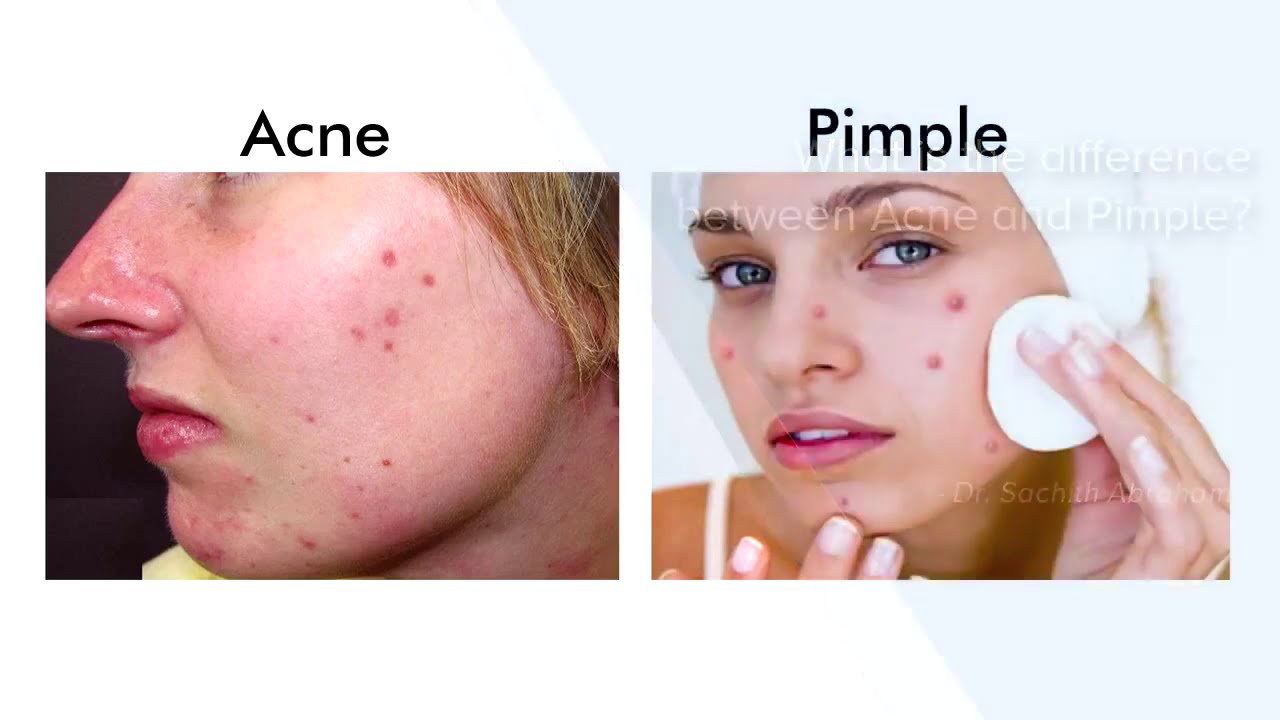
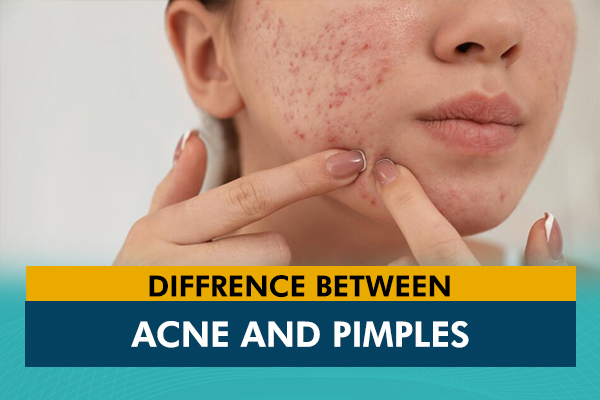
The simplest way to explain the difference between acne and pimples is this: acne is the condition, while a pimple is one possible symptom of that condition.
Acne develops when hair follicles become blocked by oil, dead skin cells, and bacteria. The blockage may cause blackheads, whiteheads, red bumps, pus-filled spots, deep lumps, or cysts. A pimple is one of these visible bumps.
Think of acne as a garden problem and a pimple as one weed. One weed may appear alone, but many weeds can signal a larger issue. In the same way, one pimple may be temporary, while repeated breakouts may point to acne.
The difference between acne and pimples also involves time and severity:
• A pimple may appear once and clear within a few days.
• Acne often causes repeated breakouts over weeks, months, or years.
• A pimple is usually small and limited to one area.
• Acne may affect the face, chest, back, shoulders, and upper arms.
• Acne can lead to dark marks, scars, pain, and emotional stress.

What Is a Pimple?
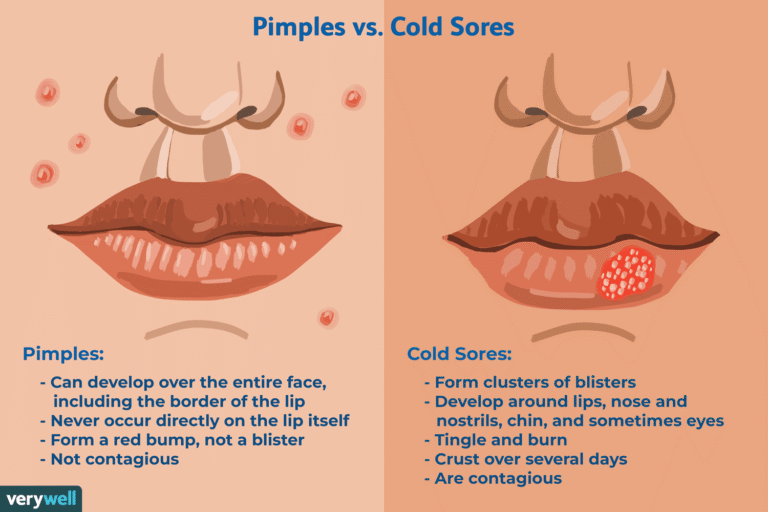
A pimple is a small, raised skin spot caused by an irritated or blocked pore. It may be red, tender, swollen, or filled with pus.
Pimples form when a hair follicle traps sebum, the natural oil made by your skin. Dead skin cells can mix with this oil and create a plug. Inflammation then turns the blocked pore into a visible bump.
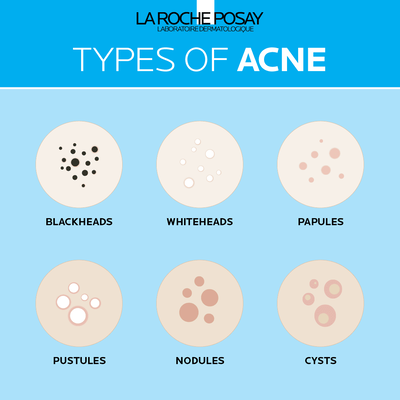
Common types of pimples include:
• Whiteheads: Closed clogged pores with a small white or skin-colored top.
• Blackheads: Open clogged pores that look dark because the material reacts with air. The dark color is not dirt.
• Papules: Small, firm, red bumps without visible pus.
• Pustules: Red bumps with a white or yellow center.
• Nodules: Large, firm, painful bumps that sit deep in the skin.
• Cysts: Deep, painful lesions filled with fluid or pus that may cause scars.
A single pimple can result from sweat, friction, hormones, stress, or a product that blocks pores. It does not always mean you have widespread acne.
What Is Acne?
Acne is a common inflammatory skin condition that affects the hair follicles and oil glands. It can cause several types of lesions at the same time.
The difference between acne and pimples becomes clearer when you look at acne as a pattern. Acne usually involves repeated clogged pores or inflamed spots. It may also appear in cycles, especially around puberty, menstrual periods, pregnancy, or times of stress.
Acne can range from mild to severe:
• Mild acne may include a few blackheads, whiteheads, or small pimples.
• Moderate acne may cause many red bumps and pustules.
• Severe acne may include painful nodules, cysts, widespread inflammation, or scarring.
Acne is not caused by poor hygiene. Washing too often or scrubbing hard may irritate the skin and make breakouts worse. Genetics, hormones, oil production, inflammation, and the way your skin sheds cells all play a role.
Why Do Acne and Pimples Develop?
The difference between acne and pimples does not mean they have completely different causes. A pimple is often the result of the same processes that create acne.
The main causes include:
• Excess oil: More sebum can make clogged pores more likely.
• Dead skin cells: These cells can stick together and block hair follicles.
• Bacteria: Cutibacterium acnes can grow inside blocked follicles and contribute to inflammation.
• Hormones: Androgens can increase oil production during puberty and other hormonal changes.
• Inflammation: The immune system reacts to blocked or irritated follicles.
• Genetics: Acne often runs in families.
Some factors can trigger or worsen breakouts:
• Oily skin and hair products
• Tight hats, helmets, masks, or sports equipment
• Sweat and friction
• Picking or squeezing spots
• Certain medicines, including some steroids and seizure medicines
• Hormonal shifts linked with menstrual cycles
• High stress, which may influence hormones and skin inflammation
Diet can affect some people, but the evidence is not the same for everyone. Studies suggest that foods with a high glycemic load and some dairy products may be linked with acne in certain individuals. Still, food is only one possible factor, and acne is not a sign that someone has a “dirty” diet.
Acne vs. Pimples: Key Differences
Knowing the difference between acne and pimples can make skin care less confusing.
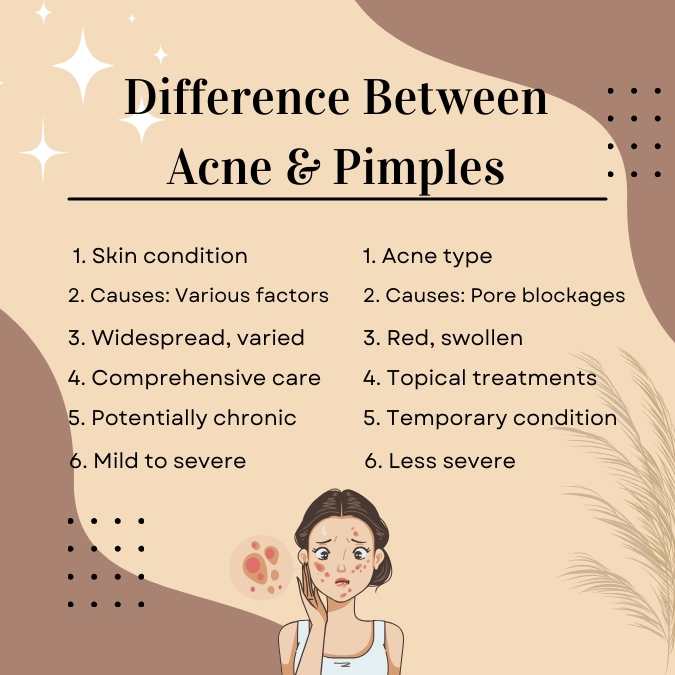
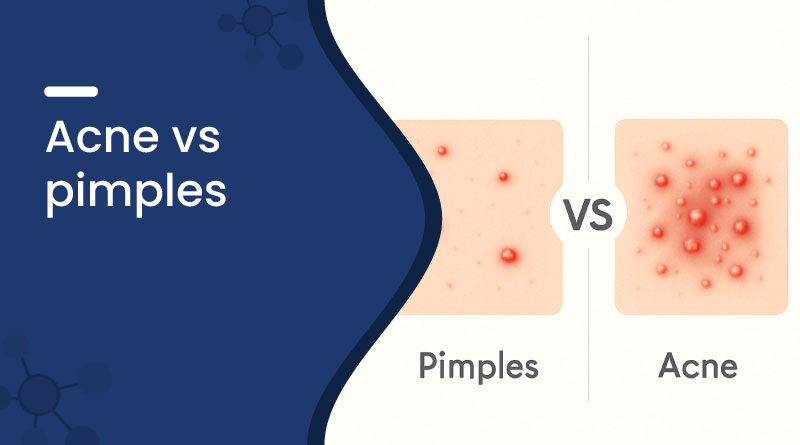
| Feature | Pimples | Acne |
|---|---|---|
| Meaning | One or several individual bumps | A recurring skin condition |
| Duration | Often clears within days | May continue for months or years |
| Pattern | Usually limited and occasional | Repeated or widespread breakouts |
| Types | Often a whitehead, blackhead, or small red bump | May include all lesion types |
| Risk | Usually low risk of scarring | Higher risk of dark marks and scars |
| Treatment | Gentle care may be enough | May need ongoing medical treatment |
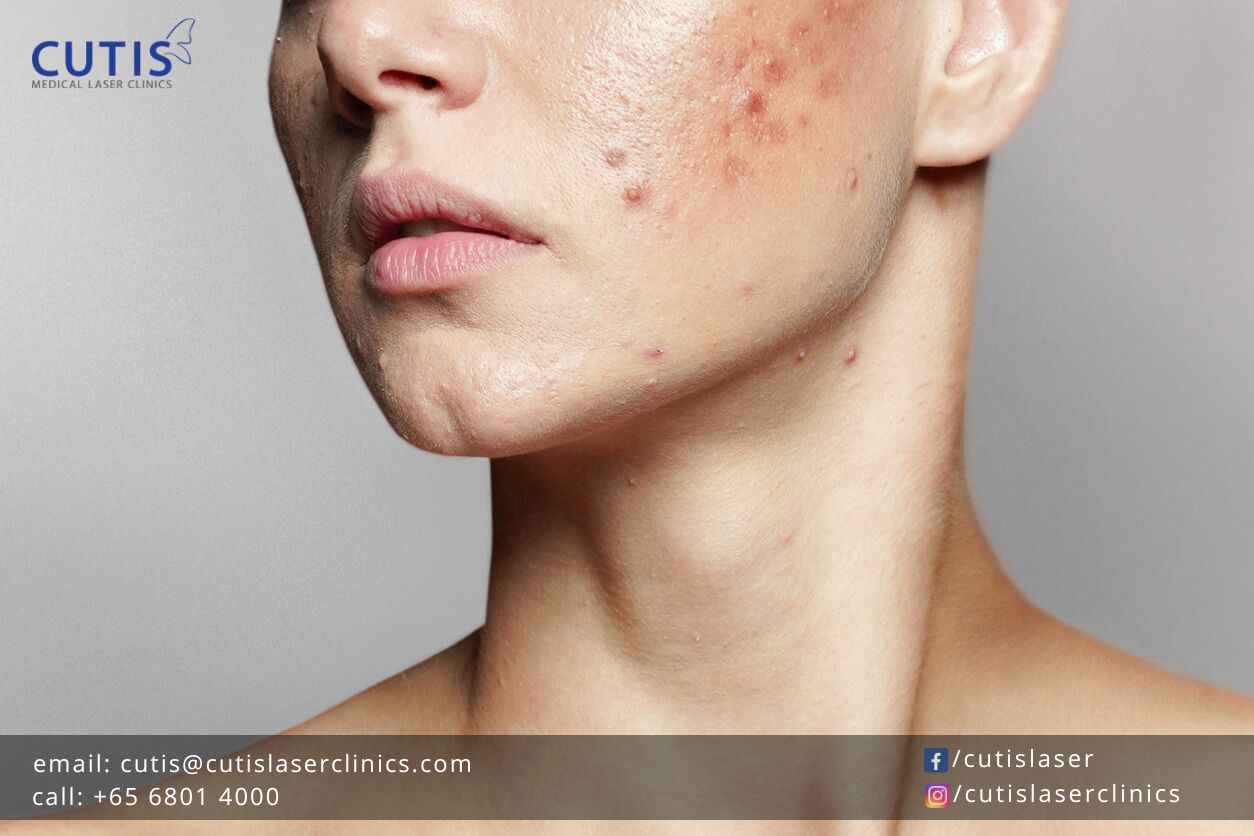
A person can have pimples without having chronic acne. However, repeated pimples, painful spots, or breakouts that leave marks may indicate acne.
The difference between acne and pimples is useful, but the terms overlap in everyday speech. Many people say “pimples” when they mean acne. A dermatologist focuses more on the pattern, type, severity, and risk of scarring than on the word you use.
How to Tell If You Have Acne or an Occasional Pimple
Ask yourself a few simple questions:
-
Do new spots appear often?
-
Do breakouts affect more than one area?
-
Are there blackheads, whiteheads, red bumps, or deep painful lumps?
-
Do spots leave dark marks or scars?
-
Have breakouts continued for several months?
-
Do over-the-counter products fail to help after consistent use?
One isolated bump is likely just a pimple. Frequent breakouts with several types of lesions are more consistent with acne.
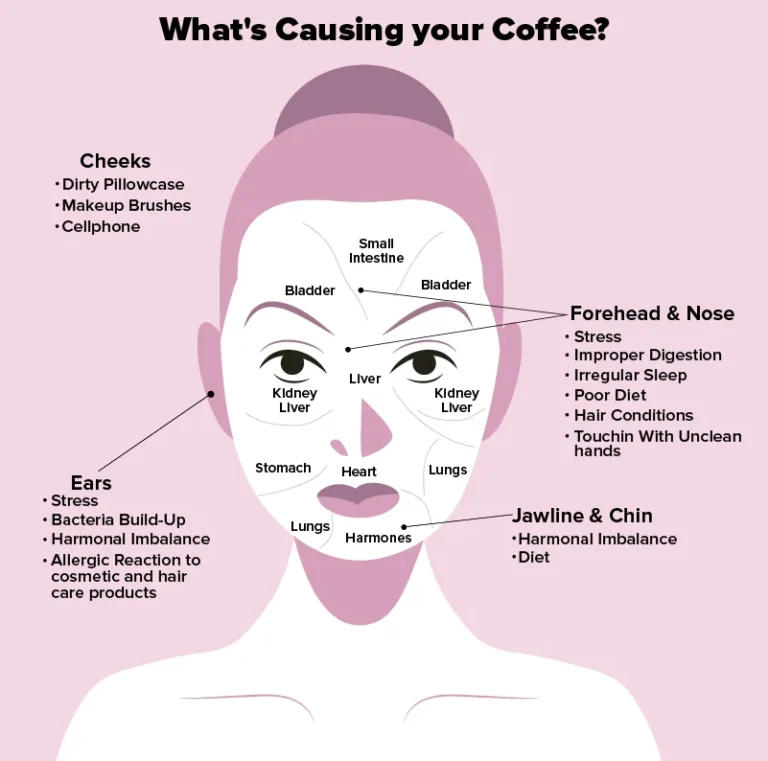
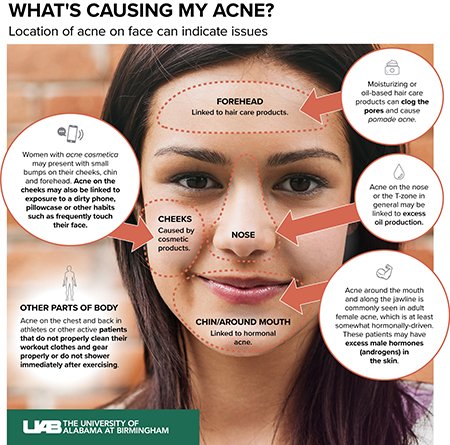
Location can offer clues, but it does not confirm the cause. Facial acne is common, yet acne can also affect the chest, shoulders, and back. Small bumps near the hairline may come from hair products, while itchy bumps after sweating may have another cause, such as folliculitis.
If the bumps are very itchy, all look alike, spread quickly, or appear after starting a medicine, seek medical advice. Not every bump is acne.
How Are Acne and Pimples Treated?
Treatment depends on the type and severity of the problem. This is another important part of the difference between acne and pimples: a single pimple may need simple care, while acne often needs a routine.
For an occasional pimple, try these steps:
• Wash gently twice a day and after heavy sweating.
• Apply a warm, clean compress for a few minutes if the spot is tender.
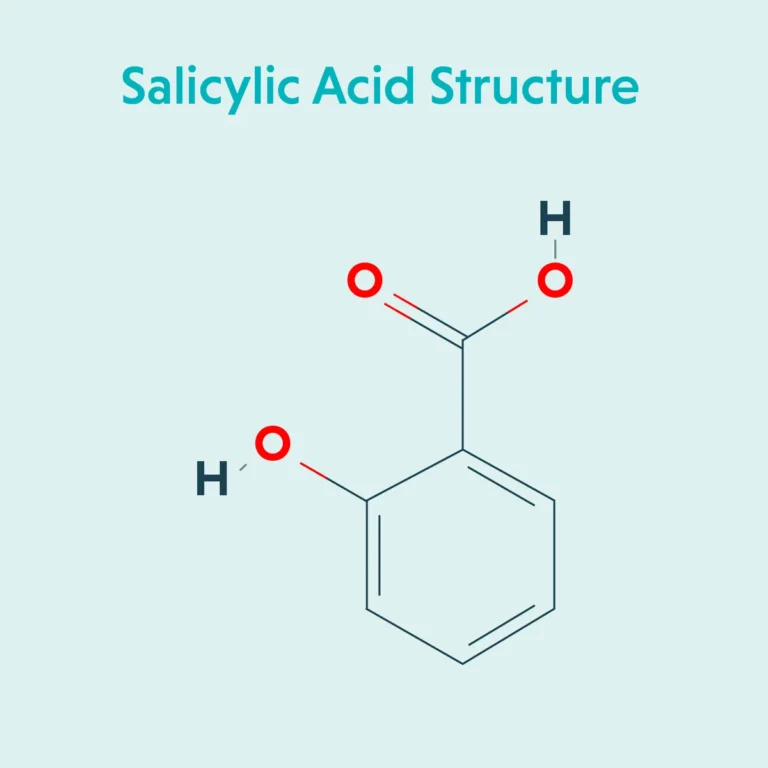
• Use a small amount of benzoyl peroxide or salicylic acid.
• Keep your hands away from the area.
• Use a noncomedogenic moisturizer and sunscreen.
For ongoing acne, common treatments include:
• Benzoyl peroxide to reduce acne-causing bacteria and inflammation.
• Salicylic acid to help clear dead skin cells from pores.
• Adapalene, a topical retinoid available over the counter, to prevent clogged pores.
• Prescription retinoids for stronger pore-clearing treatment.
• Topical antibiotics, usually paired with benzoyl peroxide, for inflamed acne.
• Oral antibiotics for some moderate or severe cases.
• Hormonal treatment for some women with hormone-related acne.
• Isotretinoin for severe acne or acne that has not improved with other treatments.
Use one new active product at a time. Apply a thin layer, follow the label, and give treatment several weeks to work. Dryness and mild irritation can occur, especially with retinoids and benzoyl peroxide.
Never squeeze deep pimples or cysts. Pressure can push inflammation farther into the skin and increase the chance of scars. This is one of the most common mistakes people make when trying to manage the difference between acne and pimples.
A Simple Skin Care Routine for Breakouts
A basic routine is often more helpful than a shelf full of products.
Morning
-
Wash with a gentle, fragrance-free cleanser.
-
Apply a light, noncomedogenic moisturizer.
-
Use broad-spectrum sunscreen with SPF 30 or higher.
Evening
-
Remove makeup and sunscreen.
-
Cleanse gently without scrubbing.
-
Apply your chosen acne treatment as directed.
-
Moisturize to protect the skin barrier.
Look for products labeled noncomedogenic, oil-free, or won’t clog pores. These labels are helpful, but they are not perfect guarantees. Every person’s skin can react differently.
Avoid harsh scrubs, rubbing alcohol, toothpaste, lemon juice, and frequent pore squeezing. These home remedies may cause irritation without treating the root problem.
In real-world skin care, consistency usually beats intensity. A gentle routine used for eight to twelve weeks is often more useful than changing products every few days.
When Should You See a Dermatologist?
See a dermatologist if you have painful nodules, cysts, spreading acne, scars, or breakouts that affect your confidence. Professional care can lower the risk of lasting scars.
You should also seek medical advice if:
• Acne begins suddenly in adulthood.
• Breakouts come with irregular periods or excess facial hair.
• Over-the-counter treatment has not helped after several weeks.
• You have deep, painful spots on the chest or back.
• Acne is causing sadness, anxiety, embarrassment, or social withdrawal.
• You are pregnant, trying to become pregnant, or breastfeeding and want to use acne medicine.
A dermatologist can check whether the problem is acne, folliculitis, rosacea, an allergic reaction, or another skin condition. Accurate diagnosis matters because the wrong treatment can increase irritation.
Treatment results take time. Most acne medicines need regular use for several weeks before clear improvement appears. Severe acne may improve slowly, but early treatment can help prevent scars.
Common Myths About Acne and Pimples
The difference between acne and pimples is often buried under skin care myths. Here are facts that can help.
• Myth: Acne means your face is dirty. Fact: Acne is linked to clogged follicles, oil, inflammation, hormones, and genetics.
• Myth: Popping a pimple makes it heal faster. Fact: Squeezing can worsen inflammation and cause infection or scarring.
• Myth: Only teenagers get acne. Fact: Adults can develop acne, especially during hormonal changes.
• Myth: Scrubbing removes acne. Fact: Rough scrubbing can damage the skin barrier and increase irritation.
• Myth: Sun exposure cures acne. Fact: Sun may temporarily hide redness, but it can worsen dark marks and raise skin cancer risk.
• Myth: Toothpaste is a safe spot treatment. Fact: Its ingredients can burn or irritate facial skin.
• Myth: Acne always disappears quickly. Fact: Some cases need long-term treatment and medical care.
Clear skin is not a measure of cleanliness, discipline, or personal worth. Acne is common, and needing treatment is not a personal failure.
How Long Do Pimples and Acne Last?
A small pimple may improve in several days, though some take one to two weeks to fully settle. Deep nodules and cysts can last much longer and may leave a mark.
Acne often follows a longer course. Even when one breakout clears, new lesions may form because the underlying process is still active.
Dark spots after acne are called post-inflammatory hyperpigmentation. They are not always scars, and they may fade over time. True acne scars change the skin’s texture and may need procedures such as microneedling, chemical peels, laser treatment, or subcision.
Do not judge a treatment after only a few days. Track changes with photos taken in the same light every few weeks. This can show progress more clearly than looking in the mirror each day.
Frequently Asked Questions About the Difference Between Acne and Pimples
Is a pimple the same as acne?
No. A pimple is one individual bump, while acne is a recurring skin condition that may cause many types of lesions. A person can have one pimple without having chronic acne.
What is the difference between acne and pimples in terms of treatment?
A single pimple may improve with gentle cleansing and a small amount of an over-the-counter treatment. Ongoing acne may need a daily routine, prescription medicine, or a dermatologist’s care.
Can pimples turn into acne?
A pimple does not “turn into” acne. However, repeated pimples can be a sign that an acne process is developing or already present.
Does popping pimples cause more acne?
Popping does not create the original cause of acne, but it can spread irritation and damage the skin. It may also increase the risk of dark marks, infection, and permanent scars.
Can adults get acne?
Yes. Adult acne is common and may relate to hormones, stress, genetics, skin products, or medicines. Sudden adult acne should be discussed with a health professional, especially when other hormone-related symptoms appear.
How can I prevent pimples?
Wash gently, choose noncomedogenic products, avoid picking, clean items that touch your face, and use acne treatment consistently if breakouts are frequent. Prevention is easier when you treat clogged pores before they become inflamed.
When is acne serious?
Acne may be serious when it causes deep pain, cysts, scarring, widespread inflammation, or emotional distress. A dermatologist can recommend treatment before the condition causes lasting skin changes.
Conclusion
The difference between acne and pimples is simple: acne is the ongoing skin condition, while pimples are individual bumps that can appear because of clogged and inflamed pores. One pimple may pass quickly, but repeated or painful breakouts deserve a more complete acne care plan.
Start with gentle cleansing, noncomedogenic products, sunscreen, and one proven treatment used consistently. Avoid squeezing spots, and seek professional advice when breakouts are painful, persistent, or leaving scars. Share this guide with someone who is still confused about acne and pimples, and explore trusted skin care resources for the next step.