How Can I Unclog Pores?
You're wondering, "How can I unclog pores?" It's a common skin concern, and thankfully, there are effective ways to tackle it without complicated routines or harsh chemicals. The key is understanding what causes those clogs and then applying a targeted, consistent approach that suits your skin.
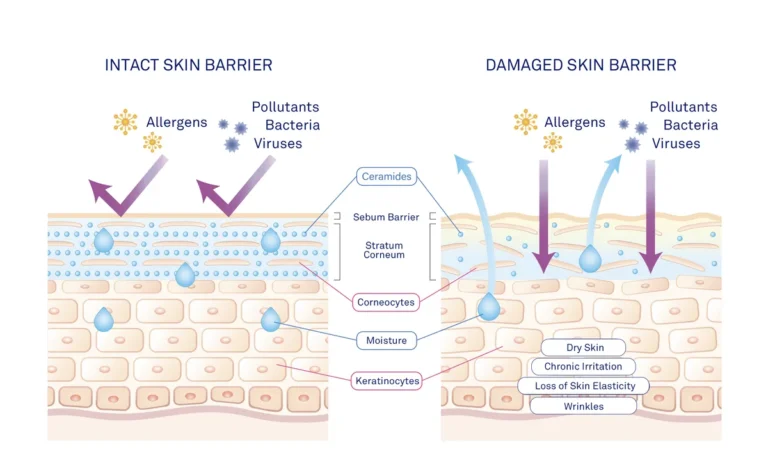
Our research indicates that clogged pores happen when oil, dead skin cells, and other debris get trapped in your hair follicles. This buildup can lead to blackheads, whiteheads, and general skin texture issues, but with the right ingredients and practices, you can achieve smoother, clearer skin. For instance, per skin health guidelines, it’s crucial to maintain a healthy skin barrier, which involves more than just cleansing.
Quick Answer
To unclog pores, use a gentle, oil-soluble cleanser like salicylic acid. Incorporate chemical exfoliants a few times weekly. Apply targeted masks and a non-comedogenic moisturizer.
Avoid harsh scrubbing and manual squeezing.
Hello, Clogged Pores: What's Really Happening?
What Are Clogged Pores?
Clogged pores are essentially tiny openings in your skin that have become obstructed. These pores are connected to hair follicles and produce sebum, a natural oil that helps keep your skin moisturized. When an excess of sebum mixes with dead skin cells, dirt, or product residue, it can form a plug within the pore.
This plug is what we commonly refer to as a clogged pore.
Why Do Pores Get Clogged?
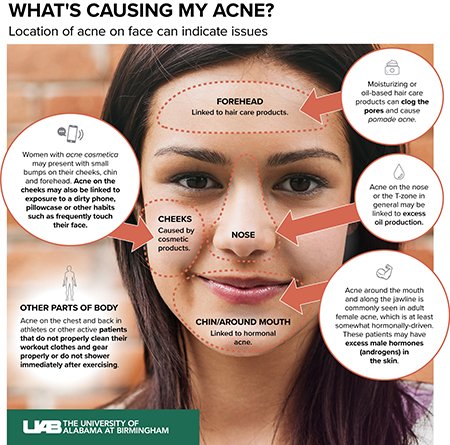
Several factors contribute to pore congestion. The primary culprits are an overproduction of sebum, often linked to hormonal fluctuations, and the accumulation of dead skin cells that aren't shed effectively. Environmental factors like pollution can also play a role, depositing debris onto the skin.
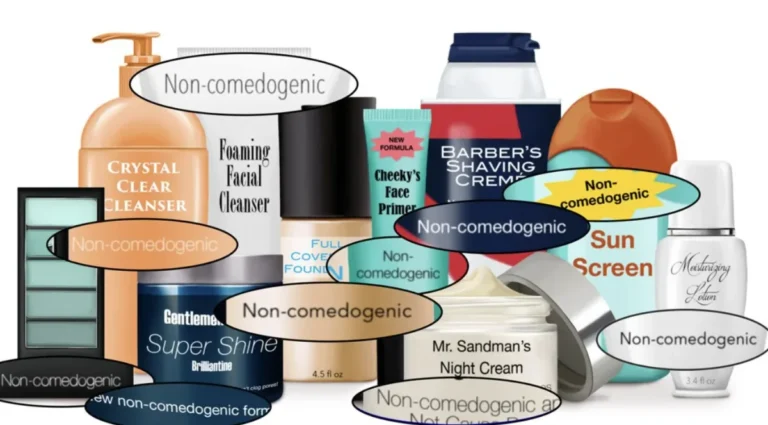
Additionally, using pore-clogging (comedogenic) makeup or skincare products can significantly contribute to blockages. This process can lead to various types of acne, including blackheads and whiteheads.
Your Pore-Unclogging Action Plan: Skin Type Matters
The most effective approach to unclogging pores is to tailor your routine to your specific skin type. What works for oily skin might be too drying for dry skin, and vice-versa. Understanding your skin's needs is the first step toward a clearer complexion.
Strategy for Oily Skin & Blackheads
If you have oily skin, you might notice larger pores and a tendency towards blackheads. This is because oily skin produces more sebum, increasing the likelihood of pore blockage. The goal here is to manage excess oil while gently removing debris.
- Cleansing: Opt for a cleanser containing salicylic acid. This beta-hydroxy acid (BHA) is oil-soluble, meaning it can penetrate deep into the pores to dissolve sebum and dead skin cells. Use it twice daily, morning and night.
- Exfoliation: BHAs, like salicylic acid, are your best friends. Use a BHA toner or serum a few times a week to keep pores clear.
- Masks: Incorporate a clay mask once or twice a week. Clay effectively draws out impurities and excess oil from the pores.
- Moisturizing: Don't skip moisturizer! Choose a lightweight, oil-free, and non-comedogenic formula to hydrate without adding to congestion.
Strategy for Dry/Normal Skin & Whiteheads
For dry or normal skin types, clogs are often due to a buildup of dead skin cells on the surface. Whiteheads are common, appearing as small, flesh-colored bumps because the pore opening is closed. Hydration and gentle exfoliation are key.
- Cleansing: Use a mild, hydrating cleanser that doesn't strip your skin's natural oils. Gentle cleansing morning and night is sufficient.
- Exfoliation: Alpha-hydroxy acids (AHAs) like lactic acid are ideal. They exfoliate the skin's surface and have hydrating properties. Use an AHA serum or toner a few times a week. If persistent clogs are an issue, consider a gentle over-the-counter retinol.
- Masks: A hydrating mask with ingredients like hyaluronic acid or ceramides can help replenish moisture and support skin barrier function.
- Moisturizing: Apply a richer, emollient, non-comedogenic moisturizer to keep dry skin comfortable and prevent further buildup.
What About Combination Skin?
Combination skin presents a unique challenge, often with oily areas (like the T-zone) and drier patches elsewhere. For this skin type, you might need to use different strategies for different parts of your face. For example, use a salicylic acid cleanser all over but a richer moisturizer on drier cheeks.
You could also use a clay mask only on your oily T-zone.
How to Adapt for Sensitive Skin?
If your skin is sensitive, introducing new ingredients can be daunting. Always start with the lowest concentration of active ingredients (like salicylic acid or AHAs) and use them less frequently, perhaps once or twice a week. Look for products specifically formulated for sensitive skin, often labeled as "gentle" or "hypoallergenic." Pay close attention to how your skin reacts and discontinue use if irritation occurs.
Key Ingredients for Clearer Pores
When you're looking at skincare labels, certain ingredients stand out for their ability to tackle clogged pores. These aren't magic bullets, but they are scientifically recognized for their efficacy. Understanding what they do helps you choose the right products for your routine.
Salicylic Acid: The Pore Penetrator
Salicylic acid is a type of beta-hydroxy acid (BHA) that has a unique advantage: it's oil-soluble. This means it can penetrate through the oily sebum that clogs pores, breaking down the mixture of oil and dead skin cells from within. Aggregate reviews show its effectiveness for managing blackheads and whiteheads, particularly in individuals with oily or acne-prone skin.
It also has mild anti-inflammatory properties.
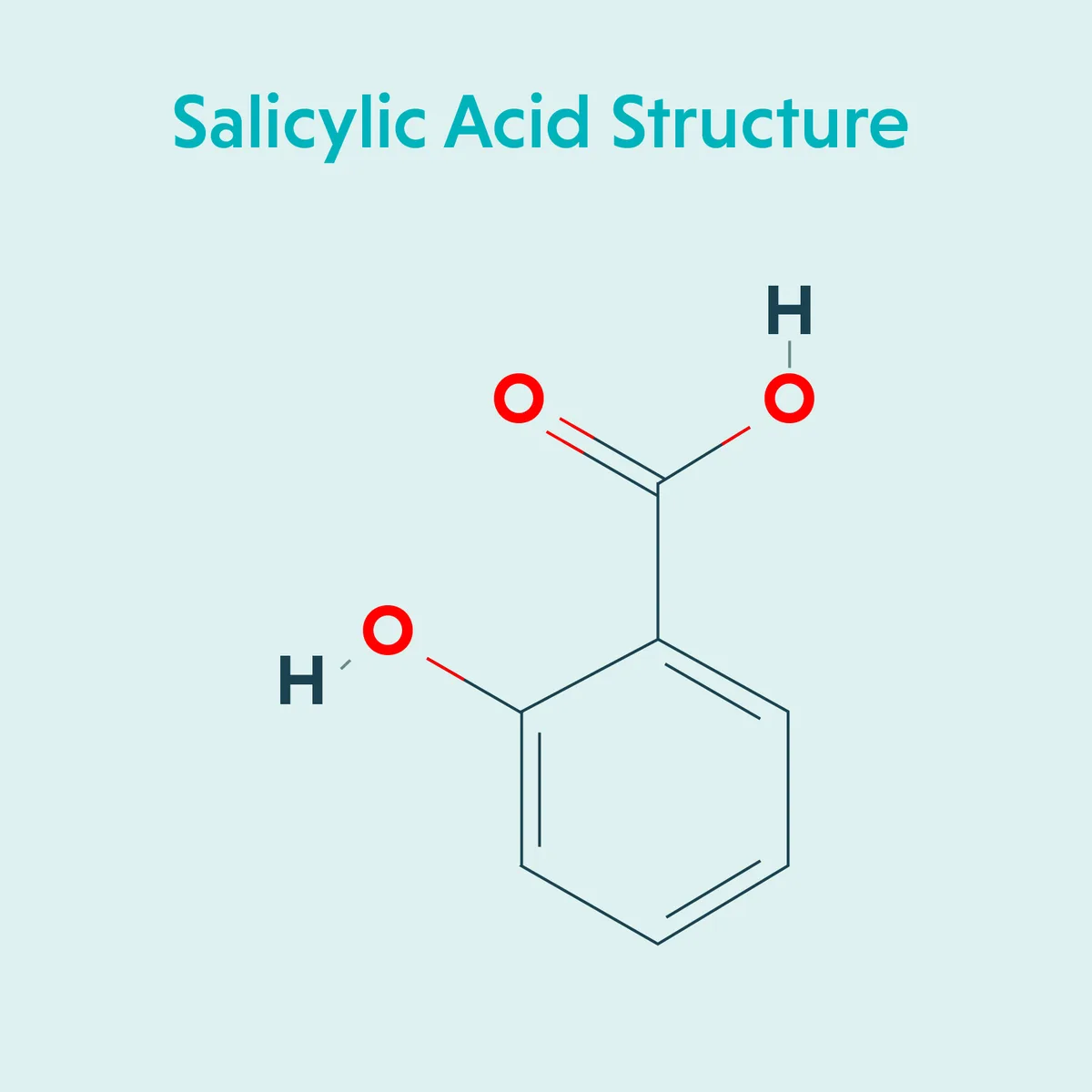
Image source: Bing (Web (fair-use with source credit))
When using salicylic acid, it's best to start with a lower concentration, around 1-2%, and apply it a few times a week. Overuse can lead to dryness and irritation, so listen to your skin. It's an ingredient found in many cleansers, toners, and spot treatments.
For more on comparing it with other acne fighters, you can look into salicylic acid versus benzoyl peroxide.
AHAs: Lactic & Glycolic for Smoothness
Alpha-hydroxy acids (AHAs) work on the skin's surface to exfoliate dead skin cells. Lactic acid, in particular, is a popular choice because it's gentler than glycolic acid and also offers hydrating benefits. Glycolic acid is a stronger AHA, excellent for improving skin texture and tone, but it can be more sensitizing for some.
Both AHAs help to reveal smoother skin and can prevent dead cells from contributing to pore blockages. Research indicates that regular use of AHAs can lead to a noticeable improvement in skin texture and a reduction in the appearance of pores.
Retinoids: The Cell Turnover Champion
Retinoids, including retinol, are vitamin A derivatives that are incredibly powerful for skin health, including pore unclogging. They work by speeding up the skin's cell turnover rate. This means dead skin cells are shed more efficiently, preventing them from accumulating and clogging pores.
Over time, retinoids can also help to normalize oil production and improve the overall appearance of pores. It's important to introduce retinoids slowly, as they can cause initial dryness or peeling, and always wear sunscreen during the day, as they increase sun sensitivity. For a deeper dive into their role, check out how retinol treats acne.
Masks & Treatments: Boosting Your Routine
Beyond daily cleansing and exfoliating, incorporating weekly treatments like masks can give your pore-clearing efforts a significant boost. These treatments offer a more concentrated dose of beneficial ingredients to target specific concerns like excess oil or dehydration.
Clay Masks for Oil Absorption
Clay masks are a godsend for anyone dealing with oily skin and congestion. They work by absorbing excess sebum, drawing out impurities, and helping to tighten the appearance of pores. Common types of clay include bentonite, kaolin, and French green clay.
Bentonite clay, for example, is known for its highly absorbent properties.
When you apply a clay mask, it forms a film on your skin. As it dries, it begins to absorb the oil and debris trapped in your pores. It’s important not to let the mask dry out completely to the point of cracking, as this can dehydrate your skin.
Rinse it off when it’s still slightly damp, typically after 10-15 minutes, depending on the product instructions.
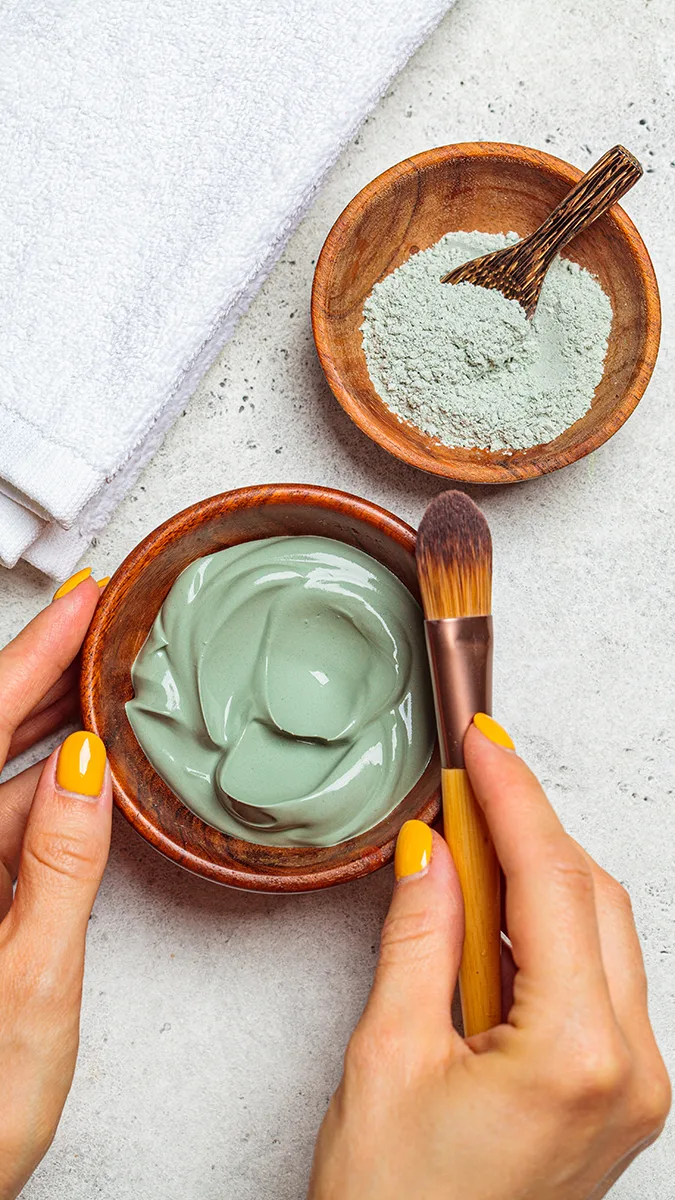
Image source: Bing (Web (fair-use with source credit))
These masks are generally recommended once or twice a week, especially for oily and combination skin types. For drier or more sensitive skin, a hydrating mask might be a better choice, or you can use a clay mask only on your T-zone.
Hydrating Masks for Balance
While targeting clogs, it's easy to sometimes over-dry your skin, especially if you're using potent active ingredients. This can actually cause your skin to produce more oil to compensate. Hydrating masks help to restore moisture and support your skin's natural barrier function.
Ingredients like hyaluronic acid, glycerin, and ceramides are excellent for drawing in and retaining moisture.
These masks are particularly beneficial for dry, normal, or sensitive skin types. They can be used more frequently than clay masks, even daily if your skin feels parched. A good hydrating mask can leave your skin feeling plump, soothed, and better equipped to handle other treatments.
A well-hydrated skin barrier also functions more efficiently, aiding in the natural shedding of skin cells and preventing future clogs. Many dermatologists emphasize the importance of moisturizer for acne-prone skin, and hydrating masks play a similar supportive role.
Expert Insights for Lasting Pore Health
Maintaining clear pores isn't just about what you do when a clog appears; it's about building a consistent routine that prevents them from forming in the first place. Small, daily habits can make a significant difference over time. Think of it as routine maintenance for your skin.
Daily Habits for Prevention
Start with a consistent cleansing routine, both morning and night. Even if your skin isn't oily, a gentle cleanser removes daily buildup of oil, sweat, and environmental pollutants. Follow with a suitable moisturizer to keep your skin hydrated and its barrier strong.
For oily or acne-prone skin, a lightweight, non-comedogenic formula is essential.
Furthermore, be mindful of what touches your face. Regularly clean your phone screen, change pillowcases often, and avoid touching your face throughout the day to minimize the transfer of bacteria and debris. If you wear makeup, always remove it thoroughly before bed.
For more on preventing breakouts naturally, consider these 7 simple tips.
When to Call in the Pros
While at-home care can manage many pore concerns, persistent or severe issues warrant professional attention. If you’re struggling with deep cystic acne, significant scarring, or if your clogged pores aren't improving with consistent over-the-counter treatments, it's time to consult a dermatologist. They can diagnose underlying conditions, prescribe stronger treatments like prescription retinoids or antibiotics, and perform safe, professional extractions or procedures like chemical peels.
Dermatologists can also offer personalized advice based on your specific skin type and concerns, helping you avoid common mistakes and achieve the best possible results. Remember, some skin conditions like acne can take time to clear up, with typical timelines varying from a few weeks to months, so patience and professional guidance are key.
FAQs About Unclogging Pores
How long does it take for salicylic acid to unclog pores?
Our research indicates that salicylic acid begins working immediately to dissolve oil and debris, but noticeable results for unclogging pores typically appear within a few weeks of consistent use. Patience is key, as it takes time for the ingredient to penetrate and clear existing blockages.
Can I use a facial steamer to unclog pores?
Facial steamers can help to soften sebum and dead skin cells, potentially making them easier to remove. However, they don't actively unclog pores on their own. They can be a helpful pre-treatment step before cleansing or masking, but they should be used cautiously to avoid burns or irritation.
What happens if I don't unclog my pores?
If clogged pores are left unaddressed, they can lead to more persistent acne, including blackheads, whiteheads, papules, and even cystic acne. Over time, chronic inflammation from breakouts can also contribute to changes in pore appearance and potentially lead to scarring.