How Do You Get Rid Of Acne Fast?: Quick Tips That Work
You can reduce acne fast with gentle cleansing, proven treatments, and habits that prevent new breakouts.
If you are wondering, “How do you get rid of acne fast?” the honest answer is that most pimples need time to heal. Still, the right steps can reduce swelling, redness, oil, and pain within hours or days. This guide explains what works, what to avoid, and when a dermatologist can help.
How do you get rid of acne fast?
Acne starts when oil, dead skin cells, and bacteria block a hair follicle. Hormones can increase oil, while stress, friction, some medicines, and genetics may make breakouts worse.
The fastest safe approach depends on the type of acne. A small whitehead needs different care from a deep, painful cyst. Trying to force every pimple to heal overnight often causes more redness, scarring, and dark marks.
For most mild breakouts, follow these steps:
- Wash your face with a gentle, non-scrubbing cleanser.
- Apply a thin layer of benzoyl peroxide to inflamed pimples.
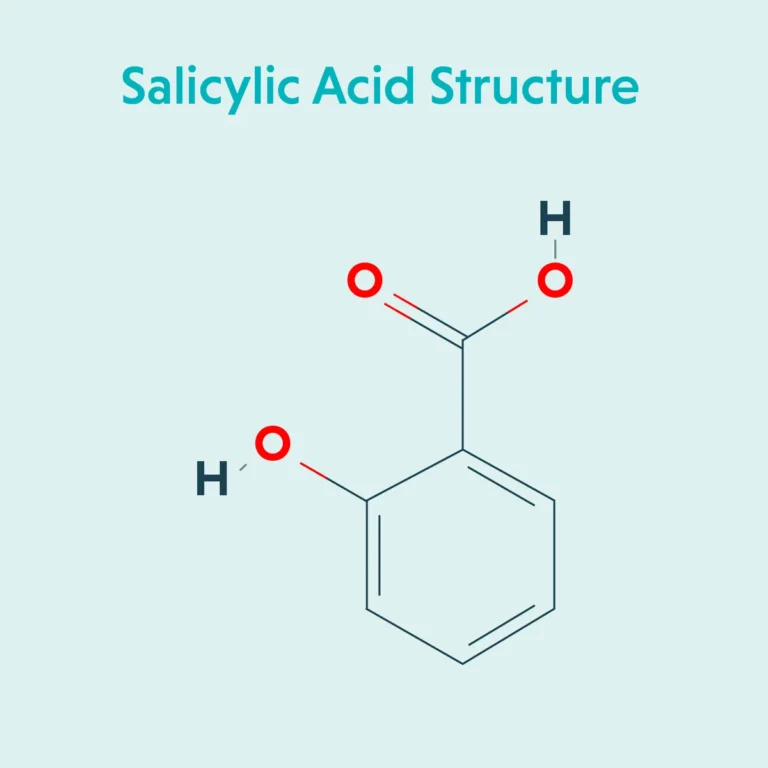
- Use salicylic acid for clogged pores and blackheads.
- Cover an open or picked spot with a hydrocolloid patch.
- Avoid touching, squeezing, or scrubbing the area.
- Use a non-comedogenic moisturizer and sunscreen.
These steps may calm a pimple quickly, but they do not remove acne in one night. Research and dermatology guidance show that acne treatments often need several weeks for full results.

What helps a pimple look better quickly?
A pimple may appear less swollen after a few simple actions. The goal is to calm the skin, reduce germs, and protect the spot from friction.
Use a cold compress
Wrap an ice cube in a clean cloth. Hold it against a swollen pimple for 30 to 60 seconds, then rest for a few minutes. Repeat two or three times.
Do not place ice directly on your skin. Direct ice can cause irritation or a cold injury. A cold compress can reduce swelling, but it will not clear the blocked pore.
Try benzoyl peroxide
Benzoyl peroxide helps kill acne-causing bacteria and reduce inflammation. A 2.5% product often works as well as stronger formulas and may cause less dryness.
Apply a small amount once daily to acne-prone skin. It can bleach towels, pillowcases, and clothing, so use white fabrics when possible.
Use salicylic acid for clogged pores
Salicylic acid helps loosen dead skin cells inside pores. It can be useful for blackheads, whiteheads, and small bumps.
Start with a low-strength product once every other day. Using too much can damage the skin barrier and make redness worse.
Cover the spot
A hydrocolloid pimple patch can protect a blemish from fingers, dirt, and rubbing. It may absorb fluid from a surface pimple and stop you from picking.
Patches work best on pimples that have come to a head. They do not treat deep cysts beneath the skin.

How do you get rid of acne fast overnight?
You cannot safely guarantee clear skin overnight. However, you can make a breakout look calmer by using a simple night routine.
First, remove makeup and wash with lukewarm water. Pat your face dry with a clean towel. Next, apply one acne treatment rather than layering many strong products.
A useful nighttime plan is:
• Cleanse gently for about 30 seconds.
• Apply benzoyl peroxide to red, inflamed spots.
• Use a hydrocolloid patch on a surface pimple.
• Apply a light, fragrance-free moisturizer.
• Change your pillowcase if it has oil, sweat, or hair products on it.
Do not sleep with toothpaste, rubbing alcohol, lemon juice, or essential oils on your face. These popular home remedies can cause burns, irritation, or dark marks. The skin is not a dirty dish that needs harsh scrubbing.
If a deep pimple hurts, use a cold compress. Do not squeeze it before bed, even if it feels ready. Pressure can push inflammation deeper and increase the risk of a scar.

How do you get rid of acne fast with over-the-counter products?
Over-the-counter acne products can work well when used consistently. The key is to choose one main active ingredient and give it time.
Benzoyl peroxide
Benzoyl peroxide is useful for red pimples and pustules. It reduces acne-causing bacteria and inflammation.
Use a thin layer once a day. If your skin becomes very dry, use it every other day and add moisturizer.
Salicylic acid
Salicylic acid helps clear oil and dead skin from pores. It is often a good choice for blackheads, whiteheads, and oily skin.
A cleanser may be easier to tolerate than a leave-on product. Avoid using several salicylic acid products at once.
Adapalene
Adapalene is a topical retinoid available without a prescription in the United States. It helps prevent clogged pores and treats both blackheads and inflammatory acne.
Apply a pea-sized amount to the whole acne-prone area, not only to visible pimples. Start two or three nights per week, then increase slowly as your skin adjusts.
Adapalene can cause dryness and peeling at first. Do not use it during pregnancy unless your health professional says it is safe. Ask a clinician about acne treatment if you are pregnant, trying to become pregnant, or breastfeeding.
Azelaic acid
Azelaic acid may help acne, redness, and leftover dark marks. It is often gentler than some other active ingredients.
Use it as directed on the product label. Stop or reduce use if you develop strong burning, swelling, or a rash.
:max_bytes(150000):strip_icc()/VWH-ZoeHansen-HowToHealAPoppedPimple-4000x2700-500b56f1c9ce495cbd70a5cec951d7da.png)
A simple acne routine that supports fast results
A short routine is easier to follow than a shelf full of products. Consistency matters more than using the strongest formula.
Morning
- Wash with a gentle cleanser.
- Apply a thin layer of acne treatment if your skin tolerates it.
- Use a non-comedogenic moisturizer.
- Finish with broad-spectrum SPF 30 or higher.
Evening
- Remove makeup and sunscreen.
- Cleanse gently.
- Apply adapalene or another chosen treatment, but do not pile on several irritants.
- Moisturize to protect the skin barrier.
Sunscreen matters because inflammation can leave dark marks. Sun exposure may make those marks last longer, especially in medium to deep skin tones.
A common mistake is changing products every few days. This makes it hard to know what works and can leave the skin irritated. Keep the routine stable for at least six to eight weeks unless you have a strong reaction.

What causes acne to get worse?
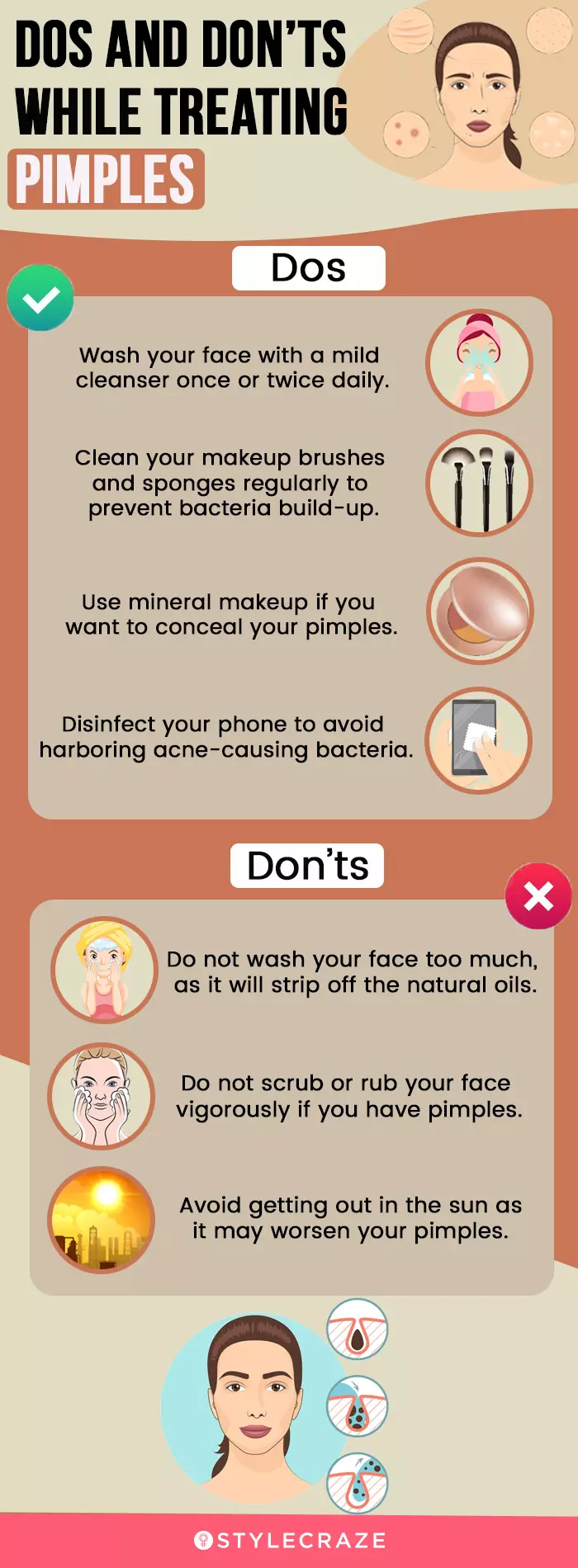
Many people blame poor hygiene, but acne is not caused by being dirty. Washing too often can strip protective oils and worsen irritation.
Common acne triggers include:
• Picking, squeezing, or scratching pimples
• Tight helmets, masks, chin straps, or sports equipment
• Heavy oils and comedogenic makeup
• Hair products that touch the forehead or cheeks
• Sweat left on the skin after exercise
• Hormonal changes during puberty, menstrual cycles, pregnancy, or certain medical conditions
• Some medicines, including corticosteroids and lithium
• Stress, which may affect hormones and skin habits
Diet can affect some people, but there is no single acne diet that works for everyone. Studies suggest that high-glycemic foods and large amounts of skim milk may be linked with acne in some people. More research is needed, so focus first on proven skin care rather than extreme food restrictions.
One practical lesson dermatology patients often learn is that “more” is not always better. Adding a scrub, mask, toner, acid, and retinoid at the same time can turn a small breakout into a painful rash.
How do you get rid of acne fast without making it worse?
The fastest way to improve acne is often to stop the habits that keep it inflamed. Treat your skin gently, and give each product enough time to work.
Avoid these common mistakes:
• Do not pop deep or painful pimples.
• Do not scrub acne with rough brushes or washcloths.
• Do not use rubbing alcohol, hydrogen peroxide, or lemon juice.
• Do not apply toothpaste to acne.
• Do not use prescription antibiotics without medical advice.
• Do not share prescription acne medicine.
• Do not stop treatment after two clear days.
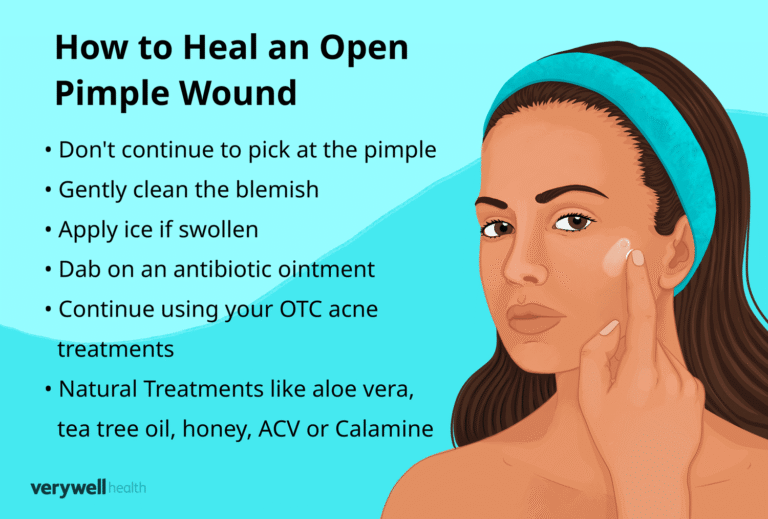
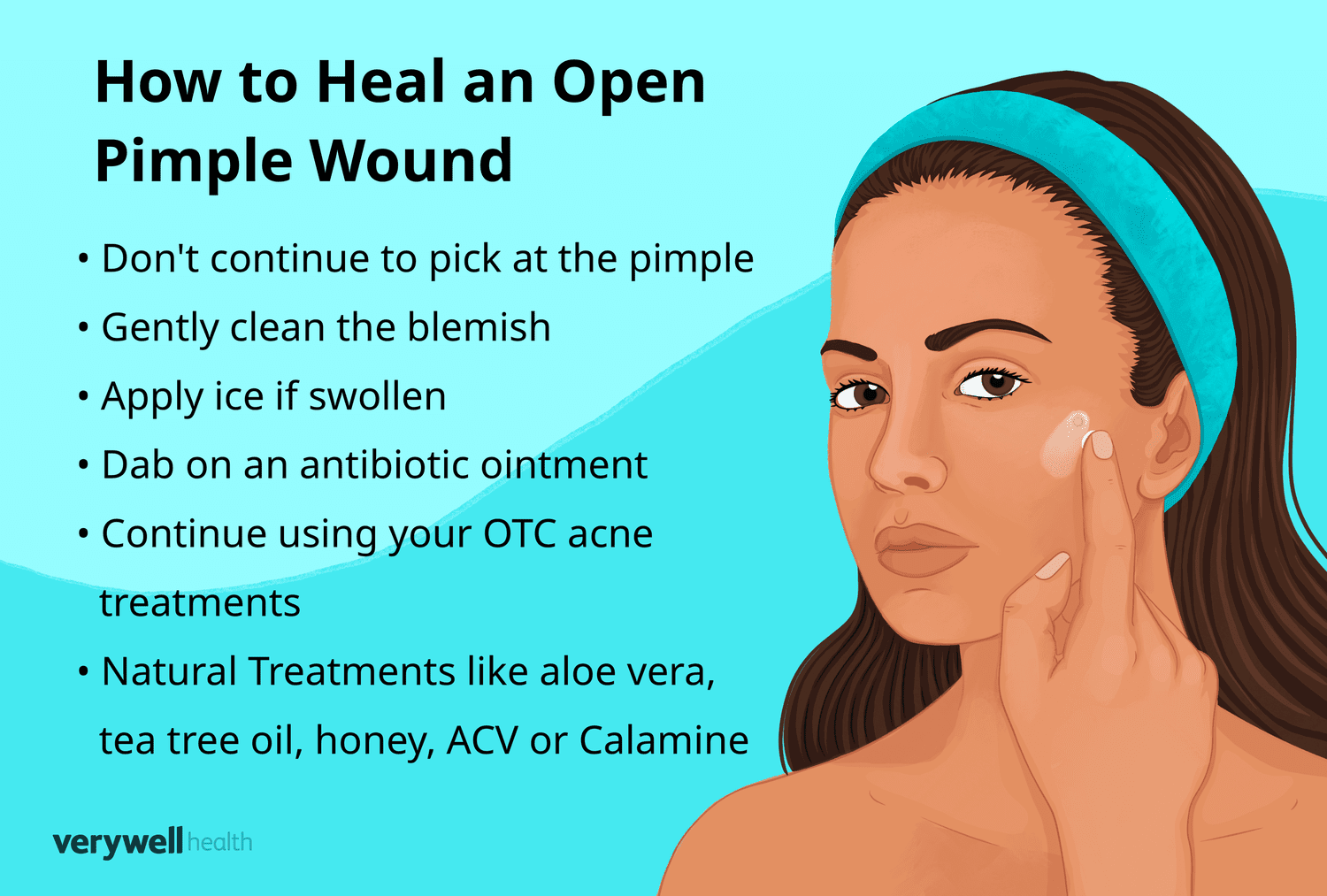
Picking is especially risky. It can drive inflammation deeper and lead to scabs, scars, or post-inflammatory hyperpigmentation. If you already picked a pimple, clean the area gently, apply a plain moisturizer, and cover it with a protective patch.
Choose products labeled “non-comedogenic,” “oil-free,” or “won’t clog pores.” These labels are helpful, but they are not perfect guarantees. Stop a product that causes swelling, hives, blistering, or severe burning.

When should you see a dermatologist?
Home treatment may be enough for mild acne. Professional care is important when acne is painful, widespread, persistent, or leaving scars.
Make an appointment if:
• You have deep cysts or nodules.
• Acne leaves dents or thick scars.
• Dark marks continue to appear.
• Breakouts affect your confidence or daily life.
• Drugstore treatment has not helped after eight to twelve weeks.
• Acne began suddenly after starting a medicine.
• You have irregular periods, excess facial hair, or other signs of a hormone problem.
A dermatologist may prescribe stronger retinoids, combination creams, oral antibiotics, hormonal treatment, or isotretinoin. A painful cyst may improve faster after a professional corticosteroid injection.
Do not expect antibiotics to be a quick, permanent fix. They should be used only when appropriate and usually with topical treatment to reduce antibiotic resistance. Your clinician can match treatment to your acne type, medical history, skin tone, and pregnancy status.

How long does it take to clear acne?
A small pimple may look better in a few days. A full acne pattern usually needs six to twelve weeks of steady treatment.
Typical timelines vary:
• Cold compresses may reduce swelling within hours.
• Hydrocolloid patches may protect surface pimples overnight.
• Benzoyl peroxide may reduce new inflamed spots over several weeks.
• Adapalene often needs several weeks before clear improvement.
• Dark marks may take months to fade.
The first weeks of a retinoid can bring dryness, peeling, or temporary worsening. This does not happen to everyone, but slow use and regular moisturizer can help.
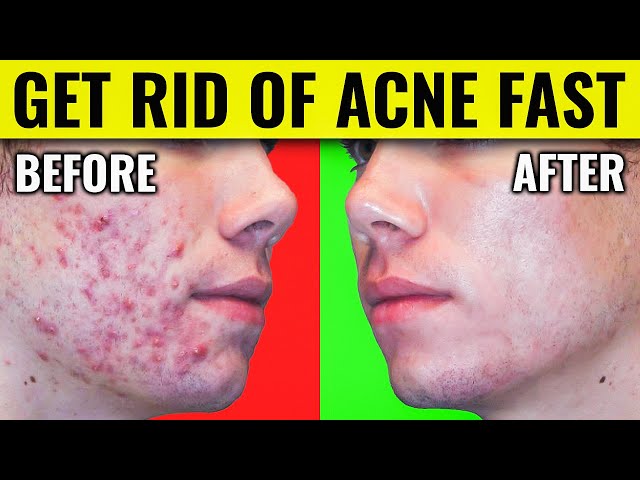
Progress is easier to judge with weekly photos taken in the same light. Daily mirror checks can make normal changes feel bigger than they are.
How do you get rid of acne fast with lifestyle changes?
Lifestyle habits cannot replace acne medicine, but they can support treatment and prevent extra irritation.
Wash your face after heavy sweating. Keep phones, helmets, pillowcases, and makeup tools clean. Remove makeup before sleep, and avoid resting your hands on your face.
Use clean fingertips instead of rough tools. Keep hair products away from the forehead, and wash oily hair regularly if it touches your skin.
Sleep, stress, and nutrition also matter for general health. Aim for balanced meals, regular rest, and stress habits that fit your life. Do not follow severe diets or skip needed care because of acne advice online.
If shaving irritates your skin, use a clean razor, shave in the direction of hair growth, and avoid shaving over active cysts. For acne on the chest or back, choose loose clothing and shower after exercise.
Frequently Asked Questions About How do you get rid of acne fast?
Can acne disappear in one day?
A pimple may look less swollen within one day, but acne rarely disappears completely that fast. A cold compress, benzoyl peroxide, or a hydrocolloid patch can improve its appearance while it heals.
Should you pop a pimple?
It is best not to pop a pimple, especially a deep or painful one. Popping can spread inflammation and raise the risk of infection, scarring, and dark marks.
Is benzoyl peroxide or salicylic acid better for acne?
Benzoyl peroxide is often better for red, inflamed pimples. Salicylic acid may work better for blackheads and clogged pores, but some people benefit from a carefully planned combination.
Does toothpaste get rid of acne fast?
No. Toothpaste is not designed for facial skin and may cause burning, peeling, or irritation. Use a proven acne ingredient instead.
How often should you wash an acne-prone face?
Wash your face twice daily and after heavy sweating. More frequent washing or harsh scrubbing can damage the skin barrier and make acne look worse.
Can stress cause acne?
Stress may worsen acne by affecting hormones, inflammation, and habits such as touching or picking the skin. Managing stress can support treatment, but it does not replace acne medication.
When does acne require prescription treatment?
Prescription care may help when acne is deep, painful, widespread, scar-forming, or not improving after about eight to twelve weeks of consistent over-the-counter treatment. A dermatologist can also help when acne affects your mood or quality of life.
Conclusion
The best answer to “How do you get rid of acne fast?” is a calm, evidence-based routine. Cleanse gently, choose one proven active ingredient, protect the skin barrier, use sunscreen, and avoid picking. Fast relief is possible, but lasting improvement usually takes several weeks.
Start with simple steps today, and seek a dermatologist’s advice for painful, severe, or stubborn acne. If this guide helped, explore more evidence-based skin care resources or share your experience in the comments.