Can Sunscreen Cause Acne?

Image source: Web (Bing) / searchenginejournal.com (Web image (fair-use with source credit))
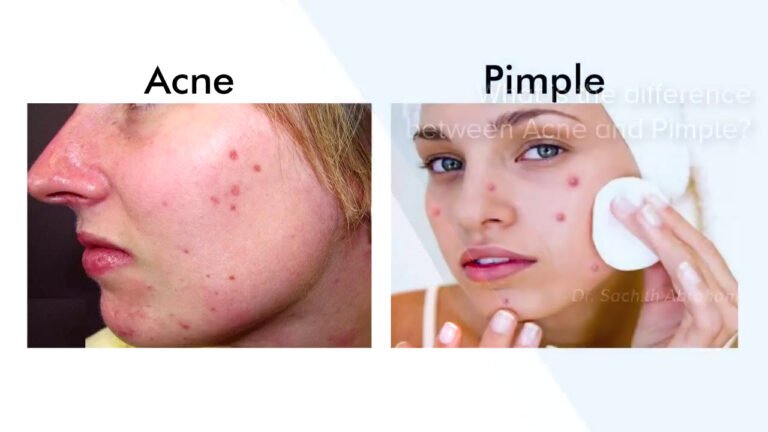
So, you're battling breakouts and wondering if that trusty sunscreen you apply every day might actually be making things worse. It's a totally fair question, especially when your skin feels sensitive. The truth is, while sunscreen is vital for protecting your skin from sun damage, certain formulations can contribute to acne for some people.
When we look at skincare research, it's clear that the ingredients and texture of a sunscreen play a huge role. For instance, some sunscreens contain occlusive agents that, according to manufacturer specifications, can trap oil and dead skin cells, leading to pore blockages. We'll dive into exactly what to watch out for.
Quick Answer
Yes, certain sunscreens can cause acne by clogging pores. This happens when sunscreens contain comedogenic ingredients or have heavy formulas. Choosing non-comedogenic, oil-free, or mineral-based sunscreens often helps prevent breakouts.
Proper cleansing is also key.
Understanding Sunscreen's Role in Breakouts
Sunscreen is a non-negotiable part of protecting your skin from harmful UV radiation, which can lead to premature aging and increase your risk of skin cancer. However, for individuals prone to acne, the daily application of sunscreen can sometimes feel like a double-edged sword. The way sunscreen interacts with your skin depends heavily on its composition and your individual skin type.
Think of it like this: just as not all moisturizers are suitable for oily skin, not all sunscreens are created equal when it comes to acne. Our research indicates that the primary concern is how the sunscreen's ingredients and overall formula can affect pore congestion.
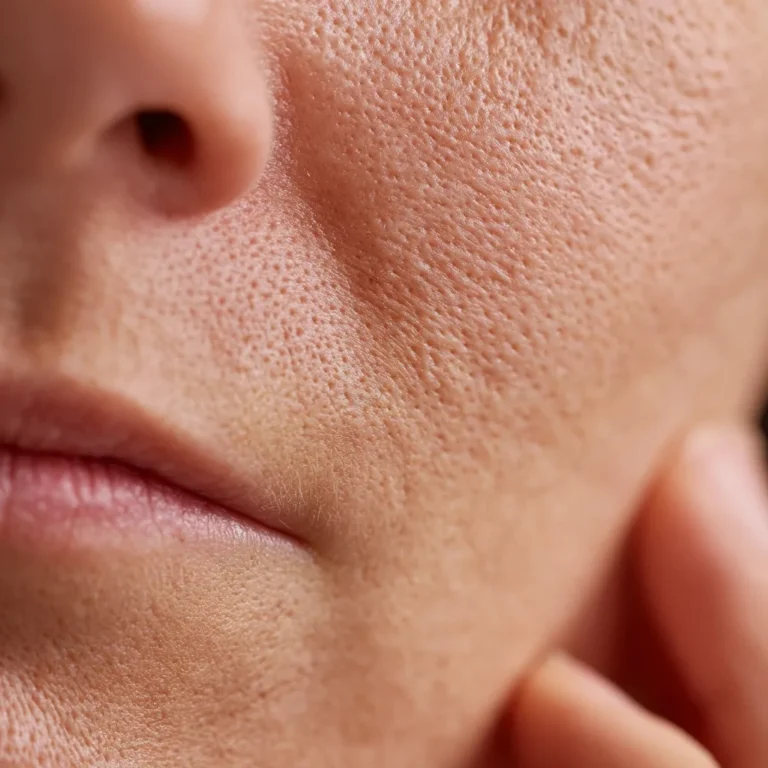
Sunscreen acts as a physical barrier or absorbs UV rays. When specific ingredients within these formulations are too heavy, or if they have a tendency to clog pores, they can trap sebum (your skin's natural oil), dead skin cells, and bacteria. This creates an environment where acne can flourish.
Fortunately, understanding these potential issues allows us to make informed choices about which sunscreens are best for keeping your skin clear and protected.
What Makes a Sunscreen Acne-Friendly (or Not)
So, what separates an acne-friendly sunscreen from one that might cause a breakout? It really boils down to two main factors: the ingredients and the texture. If you've ever looked at a sunscreen label and felt overwhelmed, you're not alone.
But focusing on a few key attributes can make a big difference.
Here’s a quick breakdown of what to look for and what to potentially avoid:
- Ingredient Watchlist: Some ingredients are known to be more likely to clog pores. We'll get into the specifics later, but generally, a sunscreen formulated with fewer potentially irritating or pore-clogging ingredients is a safer bet.
- Texture Matters: The feel of a sunscreen on your skin is a big clue. Heavy, greasy, or thick creams are more likely to feel like they're suffocating your skin. Lighter options, like gels or lotions, tend to be more breathable.
- Formulation Claims: Brands often label their products. Look for terms like "non-comedogenic" (meaning it won't clog pores) or "oil-free." While not a guarantee, these labels are a good indicator.
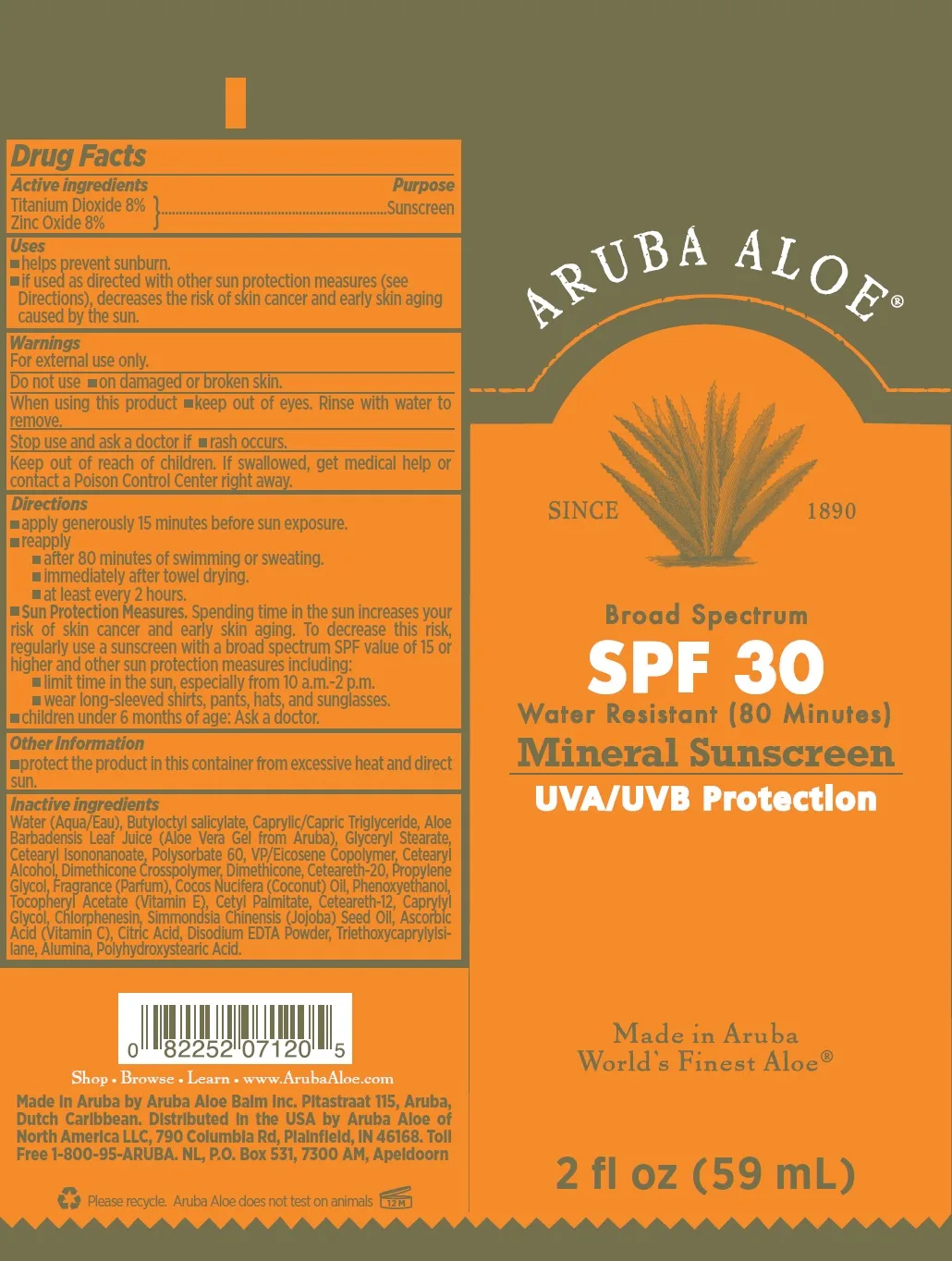
Image source: Bing (Web (fair-use with source credit))
Choosing a sunscreen that aligns with these factors can help you enjoy sun protection without the unwelcome side effect of new breakouts. It’s about finding that balance between effective sun defense and keeping your complexion clear. If you're already dealing with acne, you might want to explore what ingredients are best for treating acne.
Sunscreen Ingredients That Clog Pores
Let's get specific about what ingredients in sunscreen might be causing trouble for your skin. When a sunscreen is described as "comedogenic," it means it has ingredients known to clog pores. This is the primary reason why some sunscreens can trigger breakouts.
Identifying these can help you read labels more effectively.
Some common culprits that can lead to pore blockages include:
- Certain Oils: While some oils are beneficial, others, like mineral oil or certain plant-derived oils such as isopropyl myristate, can be highly comedogenic for some individuals.
- Silicones: Ingredients like dimethicone or cyclomethicone are popular for creating smooth textures but can sometimes trap oil and debris.
- Waxes: Some synthetic or natural waxes can contribute to a heavy feel and potential pore clogging.
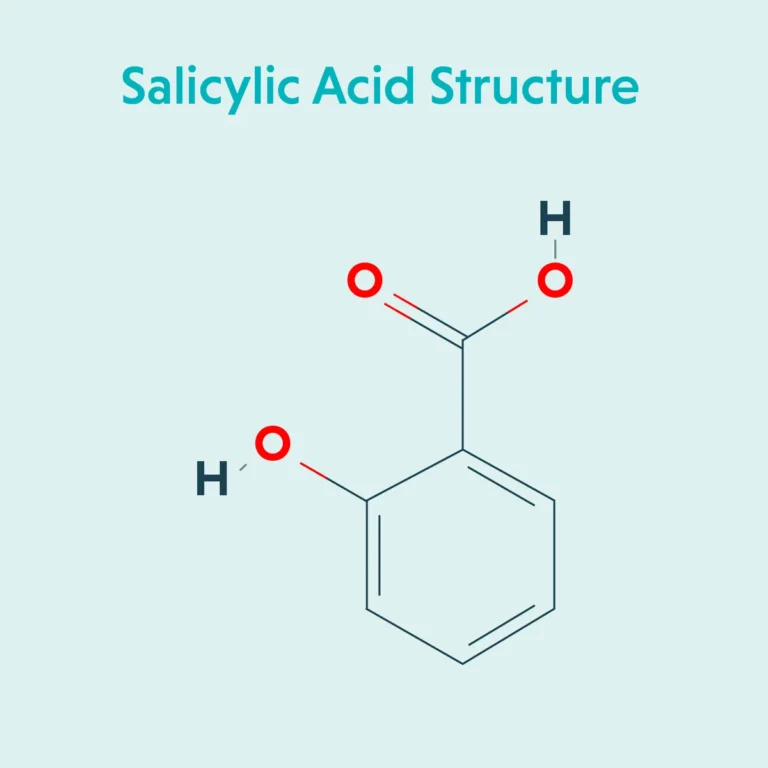
- Fatty Acids and Alcohols: While not all are bad, certain types like stearic acid or cetyl alcohol can be problematic in high concentrations for acne-prone skin.

Image source: Web (Bing) / freepngimg.com (Web image (fair-use with source credit))
It's important to remember that a single ingredient isn't always the problem; it's often the combination and concentration within the formula. For example, you might find stearic acid in a sunscreen that works perfectly fine for you because it's balanced with other ingredients. However, if you're consistently breaking out after using a particular product, checking its ingredient list for these potential offenders is a smart first step.
If you're already managing acne, you might want to explore what ingredients are best for treating acne.
When Sunscreen is Likely NOT the Culprit
Now, let's flip the script. It’s entirely possible that your sunscreen isn't the reason behind your breakouts at all. In fact, for many people, sunscreen is a crucial tool in maintaining healthy skin and can even help manage existing acne.
If you're experiencing acne, and you're using sunscreen, it’s worth considering other factors before pointing the finger solely at your SPF.
Here are a few reasons why your sunscreen might be innocent:
- "Non-Comedogenic" or "Oil-Free" Labels: Many brands specifically formulate sunscreens to be safe for acne-prone skin. These products are tested and labeled as "non-comedogenic" or "oil-free," indicating they are designed not to clog pores. This doesn't mean they can't cause a reaction for a very rare few, but it significantly lowers the risk.
- Mineral Sunscreens: Sunscreens that use physical blockers like zinc oxide and titanium dioxide are often a great choice. These ingredients typically sit on top of the skin, providing a barrier, rather than being absorbed. Many individuals with sensitive or acne-prone skin find these formulas gentler and less likely to cause irritation or breakouts.
- Proper Cleansing Routine: Even the most "acne-friendly" sunscreen can cause issues if it's not removed thoroughly at the end of the day. If you're diligently cleansing your face every night, you're likely removing the sunscreen, along with excess oil and impurities, minimizing the chance of pore blockage. If you're unsure about your routine, understanding how to get rid of acne scars can sometimes involve looking at your overall cleansing habits.
If your current sunscreen is working well and not causing breakouts, that's fantastic! The goal is always to find a product that offers effective protection without causing new skin concerns.
Your Action Plan: Finding the Right Sunscreen for Acne-Prone Skin
If you suspect your current sunscreen might be contributing to breakouts, or if you're just starting to look for a new one that's safe for your acne-prone skin, don't panic. Finding the right product is totally doable with a bit of focused searching. The key is to make informed choices based on what we know about ingredients and skin types.
Here’s a step-by-step approach to help you find that perfect, breakout-free SPF:
- Read the Label Carefully: Start by looking for "non-comedogenic," "oil-free," and "hypoallergenic" claims. These are your primary indicators that a product has been formulated with acne concerns in mind. Remember, these aren't foolproof, but they're a very good starting point.
- Favor Mineral Actives: Opt for sunscreens where the active ingredients are zinc oxide and/or titanium dioxide. These physical blockers are generally well-tolerated by sensitive and acne-prone skin. You can often find these in lighter lotions or even powders.
- Consider Lightweight Textures: Avoid heavy creams that feel greasy or suffocating. Look for gel formulas, lightweight lotions, or even spray sunscreens (though be mindful of even application with sprays). These tend to feel less heavy on the skin.
- Patch Test New Products: Before applying a new sunscreen all over your face, test it on a small, inconspicuous area, like your jawline or behind your ear, for a few days. This helps you see if you have any adverse reactions before committing to full-face application. This is a good practice for any new skincare item.
- Consult Ingredient Lists: If you know certain ingredients tend to break you out, use online resources or apps to check the ingredient list of any sunscreen you're considering. Even a sunscreen labeled "non-comedogenic" might contain an ingredient that personally affects you.
By following these steps, you can significantly increase your chances of finding a sunscreen that provides excellent protection without triggering new pimples. Remember, consistency in your sun protection is vital for long-term skin health, so finding a product you'll want to use daily is half the battle. If you're looking to improve your overall acne regimen, you might also want to learn about can makeup cause acne: causes and prevention.
Smart Sunscreen Habits to Prevent Breakouts
Finding the right sunscreen is a huge step, but how you use it also makes a big difference in preventing acne. Even the best formula can cause problems if not applied or removed correctly. Think of your daily routine as a whole system, where each part plays a role in keeping your skin clear and protected.
Here are some smart habits to adopt:
- Cleanse Thoroughly: Always wash your face at the end of the day. This removes the sunscreen, along with any accumulated oil, sweat, and environmental pollutants that could clog your pores. A gentle, effective cleanser is key. If you wear makeup, consider double cleansing.
- Apply Correctly: Don't skimp on the amount, and make sure to cover all exposed skin. For your face, about a nickel-sized amount is generally recommended. Apply it evenly, and let it absorb for a few minutes before applying makeup.
- Reapply as Needed: Sunscreen loses effectiveness over time, especially if you're sweating or swimming. Reapply every two hours when exposed to direct sunlight, or more often if needed. This ensures continuous protection without product buildup.
- Consider Your Environment: If you live in a very humid climate, or if you have a naturally oily complexion, you might need to be extra vigilant about lighter formulas and thorough cleansing.
Adopting these habits can help ensure that your daily sun protection actively works for your skin, rather than against it. Consistent, careful application and removal are just as important as choosing the right product. If you're struggling with persistent acne, you might want to look into what is the best treatment for acne.
Frequently Asked Questions About Sunscreen and Acne
Does applying sunscreen every day cause acne?
Not necessarily. While some sunscreens contain ingredients that can clog pores, many are specifically formulated to be non-comedogenic and safe for acne-prone skin. Proper cleansing at the end of the day is also crucial.
Which type of sunscreen is best for acne-prone skin?
Mineral sunscreens containing zinc oxide and titanium dioxide are often recommended for acne-prone skin. Look for "oil-free" and "non-comedogenic" labels, and favor lightweight textures like gels or lotions over heavy creams.
Can makeup worn over sunscreen cause acne?
Yes, if the makeup itself is comedogenic or if not removed properly. It's important to choose makeup labeled as non-comedogenic and to thoroughly cleanse your face each night to remove both makeup and sunscreen.
Should I stop wearing sunscreen if I have acne?
Absolutely not. Sunscreen is essential for protecting your skin from sun damage, which can worsen acne marks and increase cancer risk. The goal is to find a sunscreen that works with your skin, not against it.
How do I know if my sunscreen is causing my breakouts?
If you notice new pimples appearing after starting a new sunscreen, or if your existing acne worsens, your sunscreen might be the culprit. Pay attention to the ingredients and the texture of the product. If you're unsure, try switching to a different, specifically formulated sunscreen for acne-prone skin.