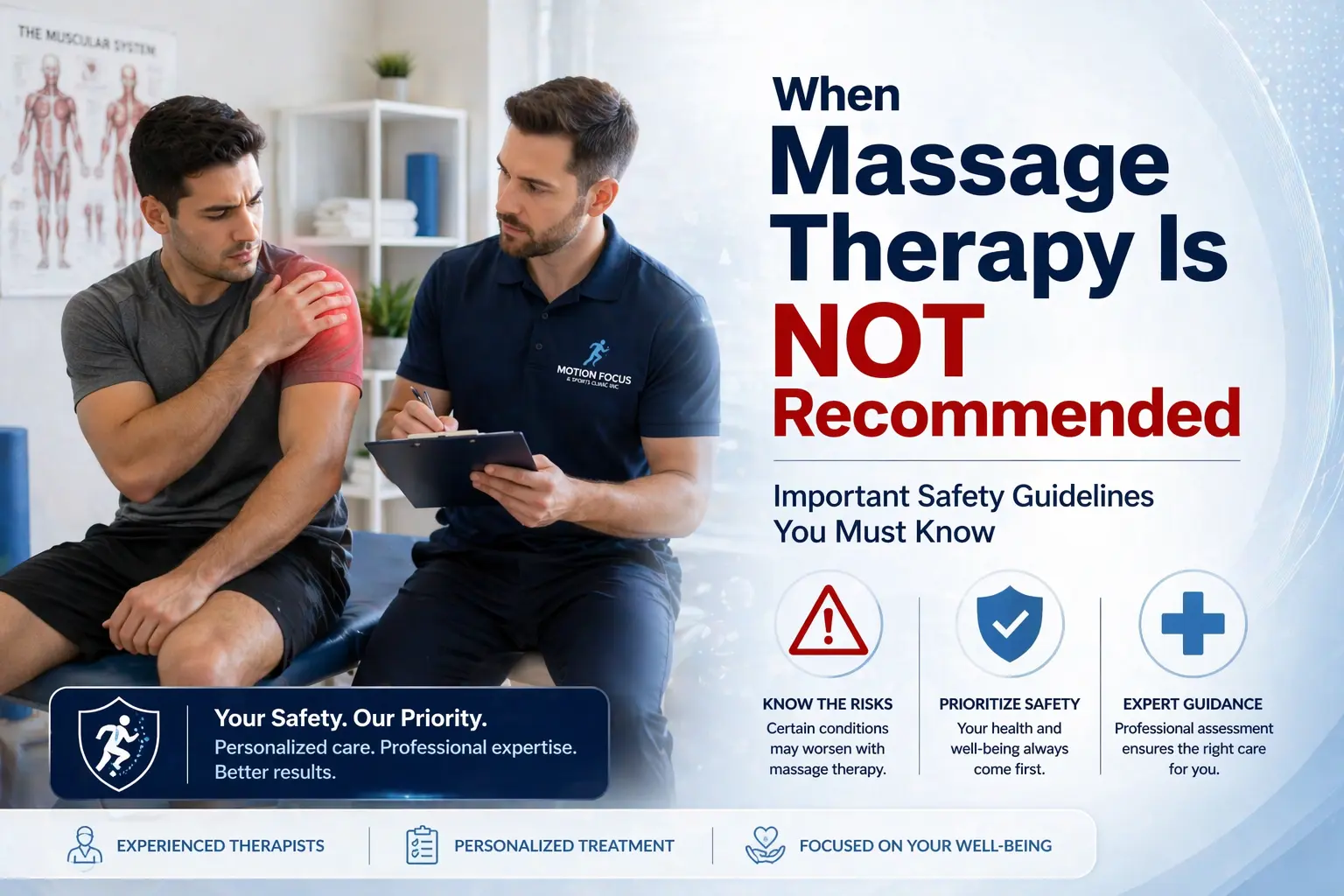
Who Should Avoid Massage Therapy: Safety Guide
People with serious illness, recent surgery, infection, blood clots, or pregnancy risks may need to avoid massage therapy.
Massage therapy can ease muscle tension, stress, and some types of pain. Yet it is not safe for everyone at every moment. Knowing who should avoid massage therapy helps you prevent complications and choose safer care. This guide explains common risks, when medical approval is needed, and how to prepare for a safe session.
What Does It Mean to Avoid Massage Therapy?
Avoiding massage therapy does not always mean avoiding it forever. In many cases, it means waiting until a health problem improves or asking a doctor for clearance first.
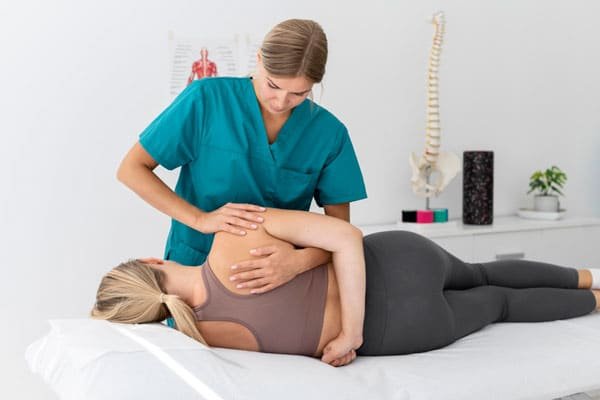
Massage therapy uses pressure and movement on the skin, muscles, fascia, and soft tissues. This can affect blood flow, pain signals, swelling, and the nervous system. Those effects may help some people, but they may also worsen certain conditions.
There are two main types of limits:
• Absolute contraindications: Massage therapy should not be performed because the risk may be too high.
• Relative contraindications: Massage therapy may be possible with medical approval, gentle techniques, or changes to the treatment area.
A licensed massage therapist should ask about your health history before treatment. However, the therapist does not diagnose disease or replace a doctor.

Who Should Avoid Massage Therapy Completely?
Some health problems make massage therapy unsafe until a medical professional says otherwise. Do not book a session without medical advice if any of these situations apply to you.
People with suspected blood clots
A deep vein thrombosis, or DVT, is a blood clot in a deep vein. It often affects the leg and may cause swelling, warmth, redness, tenderness, or pain.
Massage therapy over a suspected clot could dislodge it. The clot might travel to the lungs and cause a life-threatening pulmonary embolism.
Seek urgent medical care for sudden shortness of breath, chest pain, coughing blood, faintness, or a fast heartbeat. Do not massage a painful, swollen leg while waiting for help.
People with a fever or active infection
Fever can signal an infection or another illness. Massage therapy may place extra stress on the body when it needs rest and medical care.
Avoid massage therapy if you have:
• A high temperature
• Chills or body aches from illness
• An active bacterial or viral infection
• Cellulitis or another spreading skin infection
• Open, draining wounds
• A contagious skin condition
Massage therapy should also avoid areas with severe redness, heat, swelling, or drainage. Wait until a qualified health professional confirms that treatment is safe.
People with serious heart or breathing symptoms
Massage therapy may affect circulation and blood pressure. People with unstable heart disease, uncontrolled high blood pressure, severe breathing problems, or recent cardiac events need medical guidance first.
Do not use massage therapy to manage new chest pain, severe breathlessness, fainting, or unusual heartbeats. These symptoms need urgent evaluation, not a wellness appointment.
People with a recent fracture or major injury
A new fracture, dislocation, severe sprain, or spinal injury needs proper assessment. Pressure over the area may increase pain or delay healing.
Massage therapy can sometimes support recovery later. The timing depends on the injury, treatment plan, and advice from a doctor or physical therapist. Never ask a massage therapist to “work out” pain from an undiagnosed injury.
People immediately after surgery
Surgery changes tissues, blood flow, and wound strength. Massage therapy too soon may irritate an incision, increase bleeding, or interfere with healing.
Some people receive specialized medical massage after surgery. This must happen with clearance from the surgical team and should be performed by a therapist trained in that type of care.
People with uncontrolled bleeding
Avoid massage therapy if you have active bleeding, very low platelets, or a bleeding disorder that is not controlled. Deep pressure can cause bruising or bleeding under the skin.
People who take blood thinners may not need to avoid all massage therapy. Still, they often need lighter pressure and medical guidance. Tell the therapist about every medication you take.
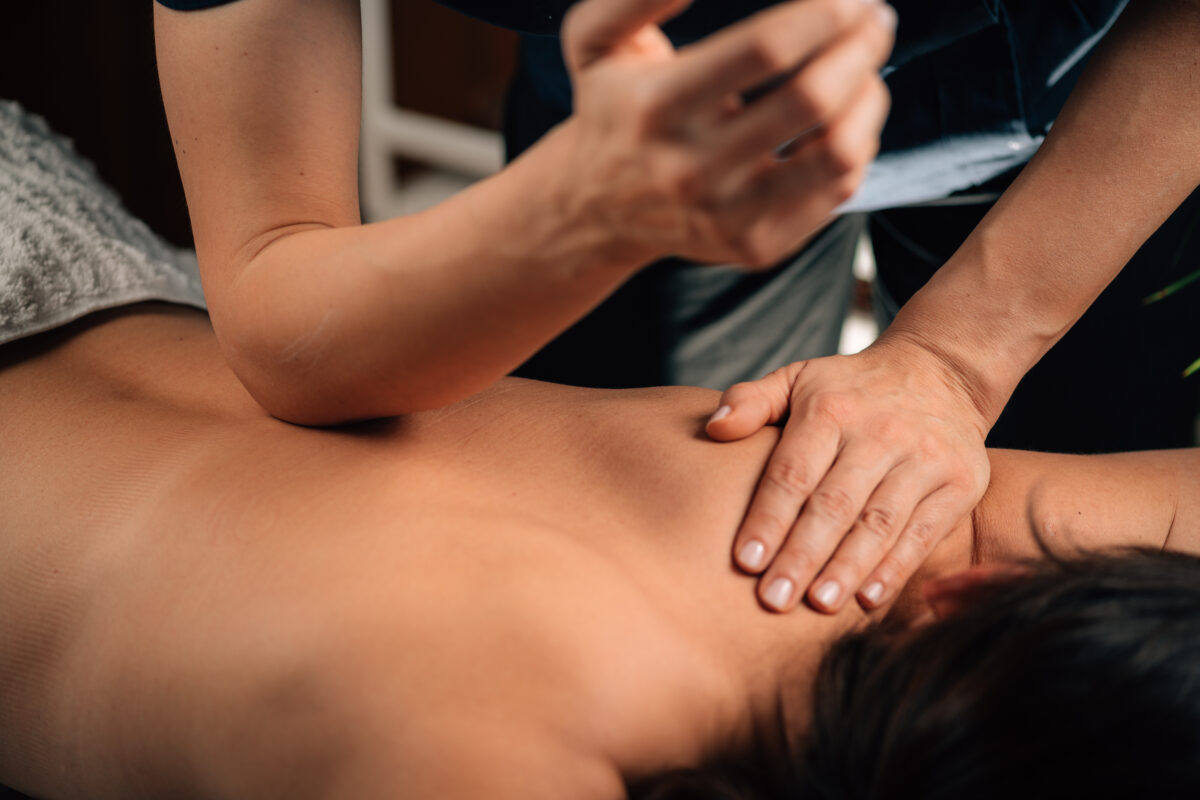
Who May Need Medical Approval Before Massage Therapy?
Many people can receive massage therapy safely, but certain conditions require a conversation with a doctor first. The goal is not to create fear. It is to match the treatment to your body and current health.
People with cancer
Cancer does not automatically rule out massage therapy. However, the treatment plan, cancer type, treatment site, bone health, and current symptoms all matter.
Massage therapy may need to avoid tumors, fragile bones, radiation-treated skin, ports, surgical areas, and places with lymphedema. People receiving chemotherapy or radiation may also have low blood counts, skin sensitivity, fatigue, or infection risk.
Ask your oncologist about massage therapy. If approved, choose a therapist with training in oncology massage.
People with osteoporosis
Osteoporosis weakens bones and can raise the risk of fractures. Deep pressure, forceful stretching, and joint manipulation may be unsafe.
A gentle session may be possible when a doctor approves it. The therapist should avoid fragile areas and use careful positioning.
People with diabetes
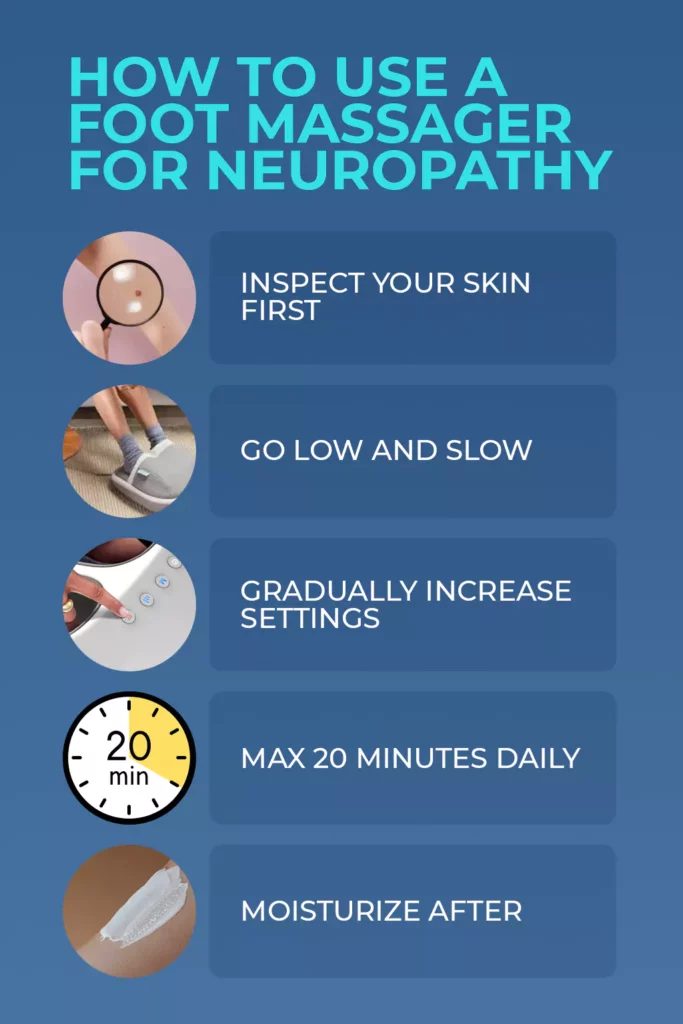
Diabetes may affect circulation, wound healing, sensation, and blood sugar control. Neuropathy can make it hard to feel pressure or injury during massage therapy.
Tell the therapist if you have numbness, foot wounds, ulcers, kidney disease, or unstable blood sugar. Avoid massage over open skin or areas with poor circulation.
People with nerve damage or reduced sensation
Neuropathy can result from diabetes, chemotherapy, surgery, alcohol use, or other conditions. Reduced sensation creates a safety problem because you may not feel that pressure is too strong.
Use clear communication during massage therapy. Ask for light pressure, and stop the session if you notice burning, sharp pain, dizziness, or unusual numbness.
People with lymphedema or swelling
Lymphedema is swelling caused by a problem with lymph fluid drainage. Specialized manual lymphatic drainage may help some people, but regular deep massage is not the same treatment.
Anyone with unexplained swelling should seek medical care before massage therapy. A trained lymphedema therapist can recommend the safest approach.
People who take blood thinners
Medications such as warfarin, apixaban, rivaroxaban, and aspirin can increase bruising or bleeding risk. This does not always prevent massage therapy, but it changes how treatment should be performed.
Share the medication name and reason for use. Never stop a prescribed blood thinner just to receive massage therapy.
People with kidney or liver disease
Serious kidney or liver disease can affect fluid balance, medication levels, bruising, and energy. Massage therapy may be appropriate in some cases, but the treatment needs to fit the person’s medical status.
Ask your medical team before scheduling a session, especially if you have swelling, fluid restrictions, or easy bruising.

When Should Pregnant People Avoid Massage Therapy?
Pregnancy is not an automatic reason to avoid massage therapy. Many pregnant people receive prenatal massage for back pain, muscle tension, and stress.
Still, pregnancy requires special care. Avoid massage therapy and contact your prenatal provider if you have vaginal bleeding, severe abdominal pain, fluid leakage, contractions, severe headache, sudden swelling, chest pain, or shortness of breath.
Massage therapy should also be adjusted during pregnancy:
• Choose a therapist trained in prenatal massage.
• Avoid deep pressure on the abdomen.
• Use safe side-lying or supported positions.
• Tell the therapist about high blood pressure or pregnancy complications.
• Ask your prenatal provider before treatment if the pregnancy is high risk.
A therapist should never claim that massage therapy can induce labor, treat preeclampsia, or replace prenatal care. Those claims are unsafe and not supported by strong evidence.
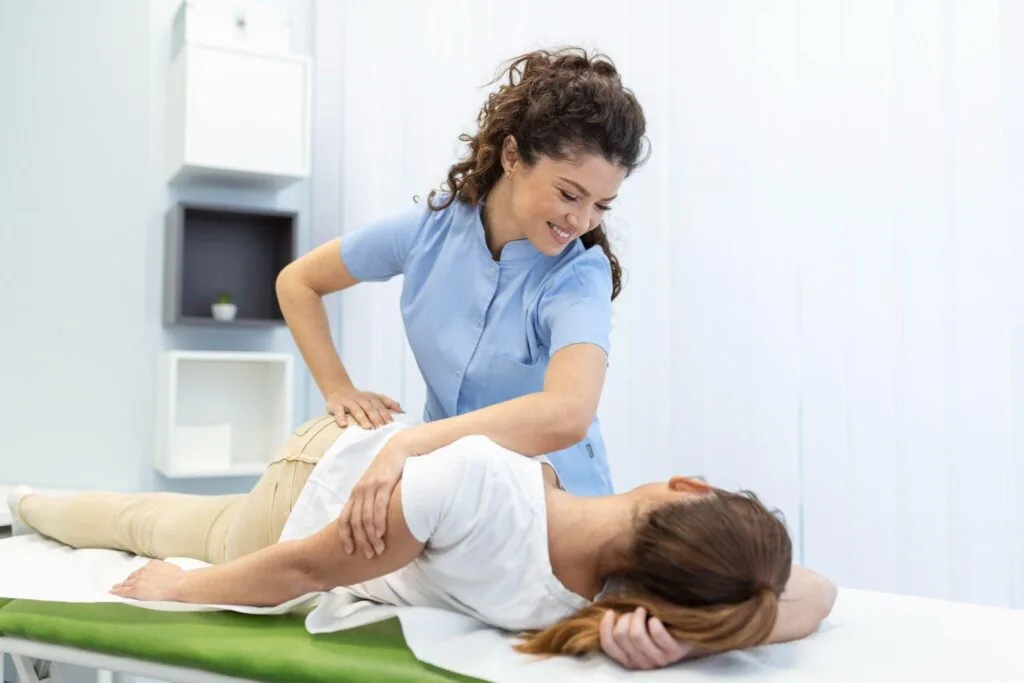
Areas Where Massage Therapy Should Not Be Used
Even when a person can receive massage therapy, some body areas may need to be avoided.
Do not massage directly over:
• Open wounds, burns, or fresh scars
• Active rashes or skin infections
• Varicose veins that are painful or inflamed
• A known or suspected blood clot
• Recent surgical sites
• Broken bones or healing fractures
• Tumors unless a qualified medical team approves treatment
• Medical devices, ports, or areas with fragile skin
• Severe swelling with no known cause
A massage therapist can work around a problem area. However, working around it does not make unexplained symptoms safe to ignore.
Warning Signs to Stop Massage Therapy
Most massage therapy sessions should feel calming or mildly challenging, not sharply painful. A strong “no pain, no gain” approach can cause injury and is not a safety standard.
Stop the session and tell the therapist if you notice:
• Sharp, burning, or electric pain
• Sudden weakness or numbness
• Dizziness or faintness
• Nausea or trouble breathing
• New chest pain
• Severe headache
• Increasing swelling
• Unusual bruising
• Skin color changes
Mild soreness may occur after deep work, but severe pain is not a sign of effective treatment. If symptoms continue or worsen, contact a health professional.

How to Make Massage Therapy Safer
Good communication is one of the best safety tools. Before your appointment, prepare a short list of your health conditions, surgeries, injuries, allergies, and medications.
Use these steps:
-
Choose a licensed massage therapist when licensing is required in your state.
-
Confirm that the therapist has training for your needs, such as prenatal, oncology, or lymphatic massage.
-
Explain your main goal and any areas that hurt.
-
Share medical conditions, even if they seem unrelated.
-
Ask what pressure and position the therapist plans to use.
-
Tell the therapist to stop or change pressure at any time.
-
Avoid massage therapy if you are intoxicated or unable to give clear consent.
-
Drink water as usual, but do not force excessive fluids.
-
Seek medical care for symptoms that massage therapy cannot safely explain.
A trustworthy therapist welcomes questions. They should explain the session, protect your privacy, use clean linens, and respect your right to stop.

Common Mistakes People Make
One common mistake is treating massage therapy as a test for an unknown health problem. For example, a swollen calf, severe back pain, or sudden numbness may need medical evaluation before any hands-on treatment.
Another mistake is hiding medication use. Blood thinners, steroids, pain medicines, and some cancer treatments can change treatment risk. Your therapist needs accurate information to choose safe pressure and positioning.
A third mistake is assuming natural care is always risk-free. Massage therapy is supportive care, not a cure for infection, cancer, blood clots, broken bones, or serious heart symptoms.
A practical lesson from patient safety guidance is simple: new, severe, or unexplained symptoms should be checked first. Massage works best when it supports a clear care plan rather than replacing one.
Benefits and Limits of Massage Therapy
For many healthy adults, massage therapy may help reduce muscle tension, stress, and some short-term pain. Research suggests that it may offer modest relief for certain lower back and neck pain problems, though results vary by person and condition.
Massage therapy has limits. It may not correct a torn ligament, remove a blood clot, heal an infection, or repair a broken bone. Evidence also differs by technique, therapist training, and the health problem being treated.
Think of massage therapy as one tool in a larger health plan. Exercise, physical therapy, sleep, medical treatment, and stress care may be just as important.
Who Should Avoid Massage Therapy? A Simple Safety Checklist
Before booking massage therapy, ask yourself:
• Do I have a fever or contagious illness?
• Do I have sudden swelling, chest pain, or breathing trouble?
• Did I recently have surgery, a fracture, or a serious injury?
• Do I take blood thinners?
• Do I have cancer, osteoporosis, diabetes, neuropathy, or lymphedema?
• Am I pregnant or managing a high-risk pregnancy?
• Do I have an open wound, rash, burn, or unexplained swelling?
• Can I clearly tell the therapist when something feels wrong?
If you answer yes to any health risk, ask your doctor or another qualified clinician before massage therapy. Delay the appointment if you have emergency symptoms.
Frequently Asked Questions: Who Should Avoid Massage Therapy?
Can massage therapy make a blood clot worse?
Yes. Massage over a suspected or known DVT may dislodge the clot and create a medical emergency. Do not massage a swollen, warm, red, or painful leg until a clinician has evaluated it.
Should people with high blood pressure avoid massage therapy?
Not always. People with uncontrolled or very high blood pressure should seek medical advice first, while those with controlled blood pressure may often receive gentle massage therapy.
Can I get massage therapy while taking blood thinners?
Sometimes, but the therapist may need to use lighter pressure and avoid aggressive techniques. Tell your doctor and therapist about the medication, and never stop it without medical instructions.
Is massage therapy safe during pregnancy?
Many people can receive prenatal massage, but the therapist must use pregnancy-safe positions and techniques. Ask your prenatal provider first if you have bleeding, high blood pressure, pain, contractions, or a high-risk pregnancy.
Should I avoid massage therapy after surgery?
You may need to wait until the surgical team confirms that treatment is safe. Massage over a fresh incision or healing tissue can cause pain, bleeding, or delayed healing.
Can I receive massage therapy if I have cancer?
Cancer does not always prevent massage therapy, but treatment must be adapted to your condition. Get approval from your oncology team and use a therapist trained in oncology massage.
Is soreness after massage therapy normal?
Mild, short-term soreness can happen, especially after firm pressure. Sharp pain, severe bruising, numbness, weakness, swelling, or symptoms that worsen should be reported to a health professional.
Conclusion
Massage therapy can be useful for relaxation, muscle tension, and selected pain problems, but it is not right for every person or every situation. People with suspected blood clots, active infection, serious symptoms, recent surgery, major injuries, uncontrolled bleeding, or certain chronic conditions may need to avoid massage therapy or receive medical clearance first.
Share your full health history, choose a properly trained therapist, and treat warning signs seriously. If you are unsure whether massage therapy is safe for you, ask your doctor before scheduling a session, then explore trusted health resources for more guidance.