Can Massage Help With Sciatica Pain: Benefits And Tips
Yes, massage may ease sciatica pain for some people, but it does not treat every underlying cause.
Sciatica can feel like an electric line running from your lower back into your hip, leg, or foot. Massage may calm tight muscles and improve comfort, yet safe care depends on why the sciatic nerve is irritated. This guide explains when massage can help with sciatica pain, which techniques are safest, what research suggests, and when you need medical care.
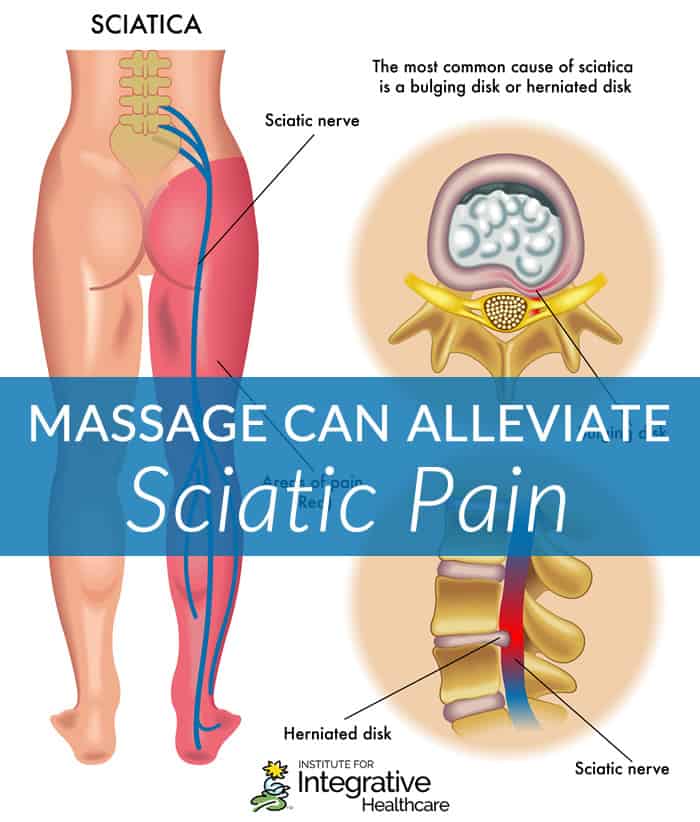
What is sciatica?
Sciatica is pain linked to irritation or pressure on the sciatic nerve. This large nerve starts in the lower back and travels through the buttocks and down each leg. Sciatica usually affects one side of the body.
Common symptoms include:
• Sharp or burning pain in the lower back, buttock, or leg
• Tingling, pins and needles, or numbness
• Weakness in the leg or foot
• Pain that worsens with sitting, coughing, sneezing, or bending
Sciatica is a symptom, not a disease by itself. A bulging or herniated disk is a common cause, but spinal narrowing, bone changes, muscle irritation, and injuries may also play a role. In some cases, the piriformis muscle in the buttock can irritate nearby nerve tissue.
The cause matters because massage works best on tight muscles and soft tissue. It cannot move a herniated disk back into place or repair serious nerve damage. That is why a proper evaluation is useful when pain is severe, new, or persistent.

Can massage help with sciatica pain?
Can massage help with sciatica pain? Yes, it may provide short term relief when muscle tension adds to your symptoms. Massage can relax tight muscles, support blood flow, reduce stress, and make movement feel easier.
The strongest benefit is often comfort, not a cure. A massage may reduce the muscle guarding that develops when your body tries to protect a painful area. Think of this tension as a clenched fist around an already irritated nerve. Soft tissue work may help the fist loosen.
Research on massage for low back pain suggests that it can offer modest relief for some people. However, evidence specific to true nerve root compression from sciatica is more limited. Results vary based on the cause, the massage method, the therapist’s skill, and your overall treatment plan.
Can massage help with sciatica pain when a disk is involved? It may ease nearby muscle tightness, but it does not remove pressure from the disk. For that reason, massage should usually support a broader plan that may include physical therapy, gentle activity, medication advice, and medical evaluation.

How massage may relieve sciatic pain
Massage may help with sciatica pain through several possible effects. These effects do not prove that massage will work for everyone, but they explain why some people feel better after a session.
It reduces muscle tension
Pain can cause muscles in the lower back, hips, and buttocks to tighten. This tension may increase pressure around sensitive tissues. Gentle massage can help these muscles relax.
It improves comfort during movement
When pain drops, simple movement may feel less threatening. You may find it easier to walk, change position, or complete light exercises. Regular movement is often helpful during recovery, unless a clinician tells you to rest for a specific reason.
It calms the nervous system
A calm massage may lower stress and help you breathe more deeply. Stress does not cause all sciatica, but it can increase muscle tension and make pain feel stronger. Relaxation may help reduce this pain cycle.
It supports body awareness
A skilled therapist can help you notice which positions or movements increase symptoms. This information may help you avoid habits that keep irritating your back or leg.
Can massage help with sciatica pain caused mainly by muscle tension? It may be more useful in this situation than when severe nerve compression causes the symptoms. Still, pain that travels below the knee, causes numbness, or includes weakness deserves careful assessment.
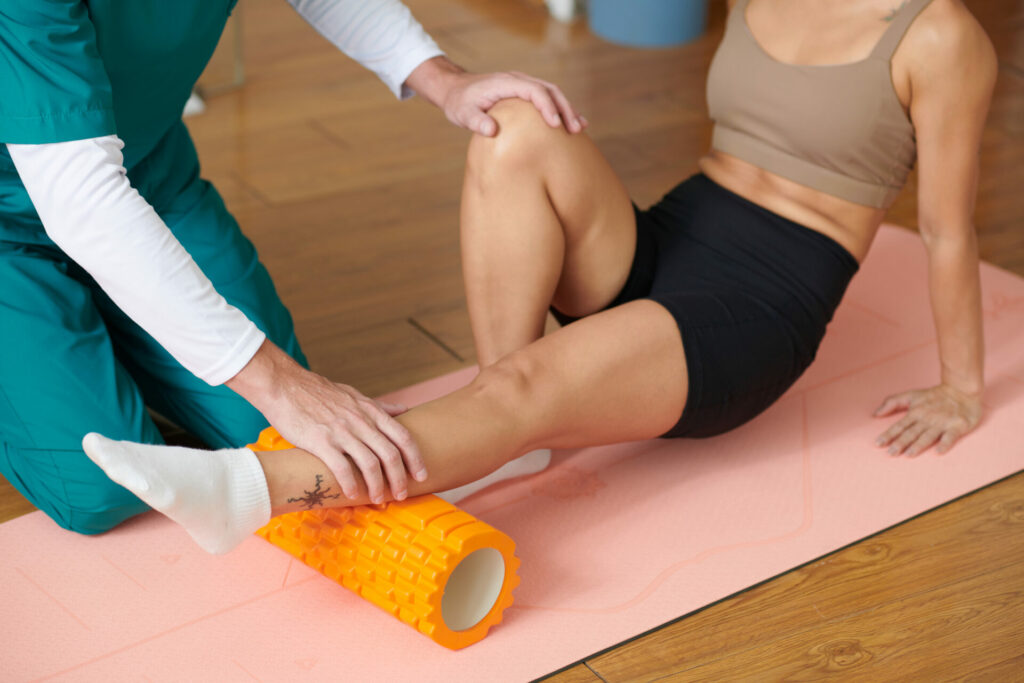
Which massage techniques may help?
The best technique depends on your symptoms, health history, and the suspected cause. A licensed massage therapist should ask about your pain before starting treatment.
Common options may include:
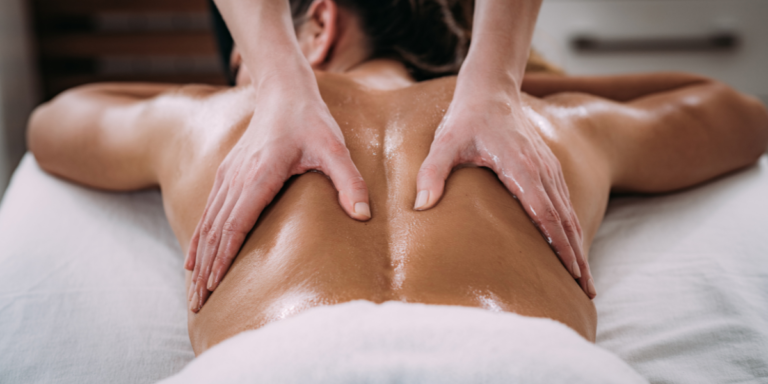
• Swedish massage, using gentle to moderate strokes to promote relaxation
• Myofascial work, using slow pressure around tight connective tissue
• Trigger point work, using careful pressure on tender muscle areas
• Gentle hip and gluteal massage, when these muscles are tense
• Light lower back massage, avoiding direct pressure over the spine
Deep tissue massage is not always better. Strong pressure can increase soreness and may aggravate an irritated nerve. A good therapist should adjust pressure based on your response rather than trying to “break up” pain.
Massage should not force your leg into a stretch or reproduce sharp, burning, or electric pain. Mild muscle tenderness can occur, but increasing numbness, tingling, or weakness is a warning to stop.
Can massage help with sciatica pain during a flare? Sometimes gentle work may help, but intense massage during a painful flare can make symptoms worse. Start with a short, light session and monitor how you feel later that day and the next morning.

How to get a safer massage for sciatica
Before booking a session, choose a licensed massage therapist who understands back pain and nerve symptoms. Tell the therapist exactly where the pain travels and whether you have numbness or weakness.
Use these practical steps:
-
Explain your diagnosis, symptoms, medications, surgeries, and health conditions.
-
Ask for gentle pressure at the first visit.
-
Avoid massage directly over the spine, open wounds, bruises, or inflamed areas.
-
Ask the therapist to stop if pain becomes sharp, burning, electric, or numb.
-
Drink water and move gently after the session.
-
Track your symptoms for 24 hours.
A common mistake is judging the session only by how it feels during treatment. Some people feel relaxed at first but become more painful later. Your next day symptoms are a better guide.
Another mistake is using massage to delay care. If symptoms keep returning, massage may be masking a problem that needs exercise guidance or medical treatment. Can massage help with sciatica pain? It can be one useful tool, but it should not replace a full plan when symptoms persist.
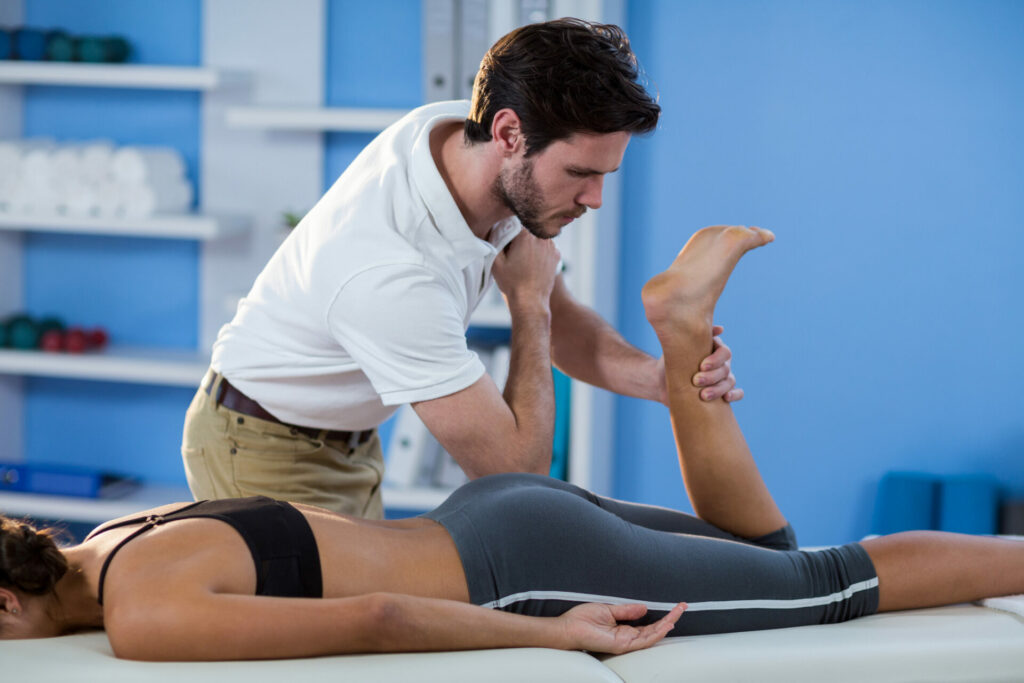
When massage may not be safe
Massage is not appropriate for every person with leg or back pain. Talk with a health professional before treatment if you have a serious health condition, recent surgery, or an unclear diagnosis.
Avoid massage or seek medical advice first if you have:
• New or worsening leg weakness
• Loss of bladder or bowel control
• Numbness around the groin or inner thighs
• Severe pain after a fall or accident
• Fever, unexplained weight loss, or a history of cancer
• A known blood clot or a swollen, hot, painful leg
• Severe osteoporosis or a recent fracture
• A skin infection, open wound, or uncontrolled bleeding problem
These warning signs may point to a serious condition. Cauda equina syndrome, for example, is rare but urgent. It can involve severe nerve compression and needs immediate medical attention.
Can massage help with sciatica pain when numbness or weakness is present? Do not rely on massage alone. Contact a clinician promptly, especially if the weakness is new or getting worse.

Massage versus other sciatica treatments
Massage may help you feel better, but other treatments often address the cause and improve function. A physical therapist can assess strength, movement, posture, and nerve sensitivity. They may prescribe exercises that build support around your spine and hips.
A complete care plan may include:
• Staying gently active instead of lying in bed for long periods
• Walking in short, comfortable sessions
• Physical therapy exercises
• Heat or cold, depending on what feels better
• Medication advice from a qualified clinician
• Changes to sitting, lifting, and sleep positions
• Massage for muscle comfort and relaxation
Evidence-based guidelines often support education, exercise, and continued normal activity for low back pain. Passive treatments, including massage, may work best when combined with active care.
This does not mean you must push through severe pain. It means you should find safe movement rather than treating your back like a fragile object. A gradual plan is often more helpful than repeated rest.

A simple massage and movement plan
If a health professional says massage is suitable, begin with a conservative plan. The goal is to reduce tension without irritating the nerve.
Try this approach:
• Book a 30 minute session with light to moderate pressure.
• Ask the therapist to focus on the glutes, hips, and surrounding muscles.
• Avoid aggressive pressure on the painful nerve path.
• Take a short, easy walk later if walking feels comfortable.
• Use the next 24 hours to assess your symptoms.
• Stop and seek advice if pain spreads farther down the leg or if numbness increases.
You can also pair massage with gentle home care. Change positions often, take brief walks, and avoid sitting for long periods. Do not perform stretches that create sharp or electric pain.
Can massage help with sciatica pain after one session? It may, but lasting improvement usually requires more than one passive treatment. If there is no clear benefit after a few sessions, ask a clinician or physical therapist to reassess the diagnosis and plan.

What does the research say?
Studies on massage for low back pain show that some people experience improved pain and function, especially in the short term. The benefits are often modest, and the quality of evidence varies. Research focused only on nerve related sciatica is smaller, so firm conclusions are difficult.
Clinical guidance generally treats massage as a possible supportive therapy rather than a cure. It may be reasonable when there are no warning signs and when a trained professional provides it. The best approach also considers exercise, daily activity, sleep, work demands, and mental stress.
Personal treatment results can differ widely. One person may feel lighter after massage, while another may feel more irritated. This difference is not a failure; it is useful feedback about what the body can tolerate.
Can massage help with sciatica pain according to current evidence? It may offer short term relief, especially when muscle tension is involved, but evidence does not show that it fixes every cause of sciatica. Keep expectations realistic and use symptom changes to guide your next step.
Frequently Asked Questions
Can massage make sciatica worse?
Yes, massage can worsen symptoms if the pressure is too deep or the technique irritates sensitive nerve tissue. Stop treatment if you develop sharper pain, spreading tingling, more numbness, or weakness.
How often should I get a massage for sciatica?
There is no single schedule that works for everyone. A short trial of gentle sessions, combined with active care, can help you judge whether massage improves your pain and movement.
Should a massage therapist massage the sciatic nerve directly?
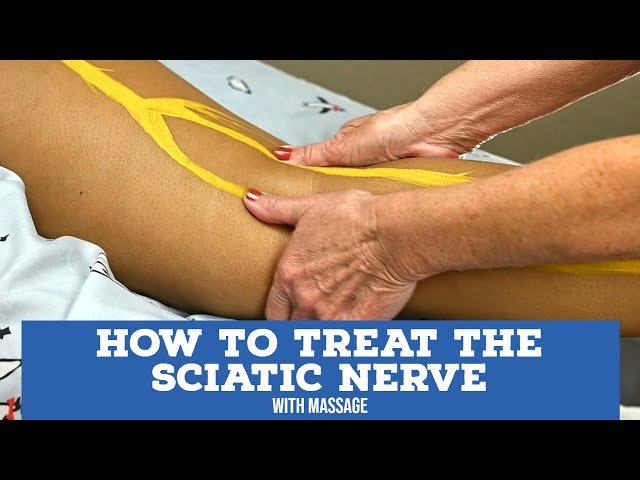
No. The therapist should not aggressively press along the nerve or force painful stretches. Work is usually safer around tense muscles in the glutes, hips, and lower back.
Is massage better than physical therapy for sciatica?
Massage and physical therapy serve different purposes. Massage may reduce muscle tension, while physical therapy can address strength, movement, and nerve sensitivity; many people benefit from a combination.
Can I massage my own lower back for sciatica?
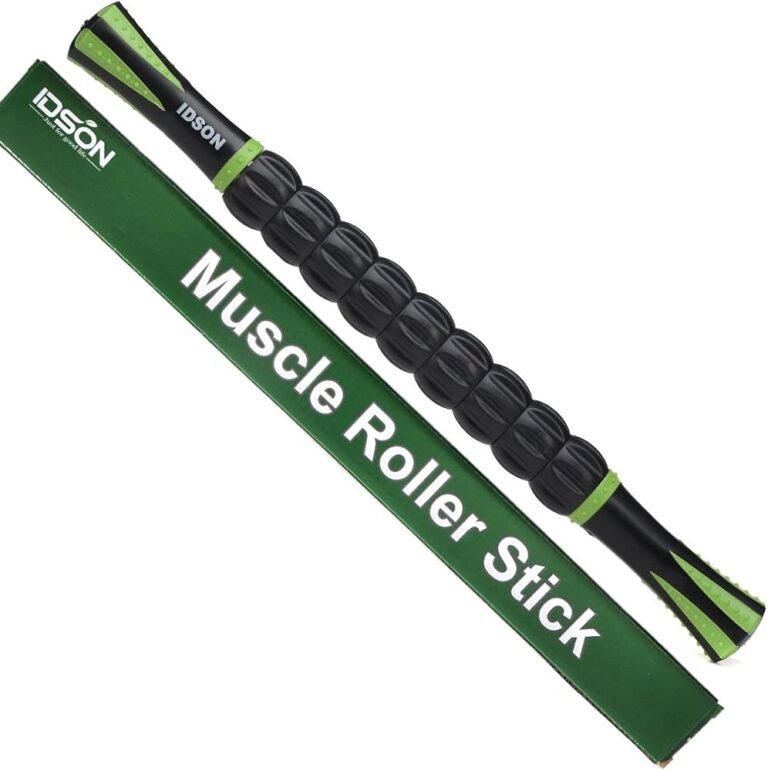
You can use gentle self massage on comfortable muscle areas, such as the outer hip or buttock. Avoid hard tools, direct pressure on the spine, and any area that causes electric pain or numbness.
When should I see a doctor for sciatica?
Seek medical care for severe or persistent symptoms, new weakness, significant numbness, or pain after an injury. Get urgent help for bladder or bowel changes, saddle numbness, or rapidly worsening leg weakness.
Conclusion
Can massage help with sciatica pain? It can reduce muscle tension and provide short term comfort for some people, especially when tight hips or gluteal muscles add to the problem. It cannot cure every cause, and deep or poorly directed pressure may make symptoms worse.
Choose a licensed therapist, start gently, and combine massage with safe movement and professional guidance. Most important, do not ignore weakness, serious numbness, bladder or bowel changes, fever, or injury related pain. Use massage as one part of informed care, and speak with a qualified clinician if your symptoms do not improve.