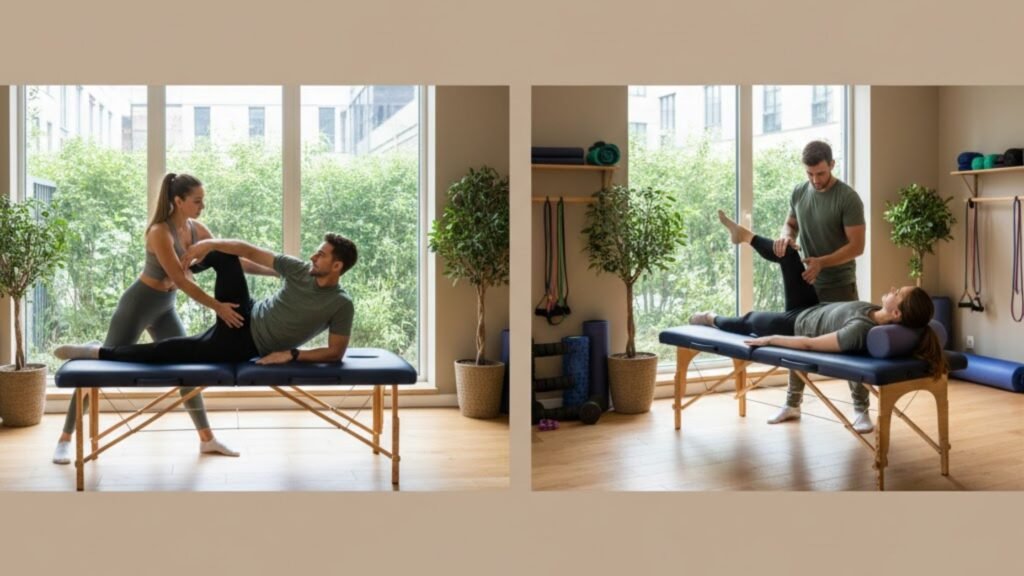
What Should You Do Before A Massage: Essential Tips
Before a massage, hydrate lightly, avoid a heavy meal, share health concerns, and arrive a few minutes early.
Knowing what should you do before a massage can make the session safer, calmer, and more effective. Small choices, such as wearing easy clothing, turning off your phone, and telling your therapist about pain or medical conditions, help you get more from every minute on the table. This guide explains the best pre-massage routine in clear, practical steps.
What should you do before a massage?
The best preparation is simple: give your body time to settle, give your therapist useful information, and avoid anything that may make treatment uncomfortable. You do not need a complex routine or special products.
If this is your first massage, you may feel unsure about what to expect. That is normal. A massage should feel supportive, not stressful. Your therapist can adjust pressure, positioning, music, temperature, and draping to help you feel safe.
When people ask what should you do before a massage, I often compare it to preparing for a gentle workout. You want enough energy, some fluids, loose clothing, and a clear idea of your needs. You should not arrive overly full, rushed, dehydrated, or afraid to speak up.
1. Drink water, but do not overdo it
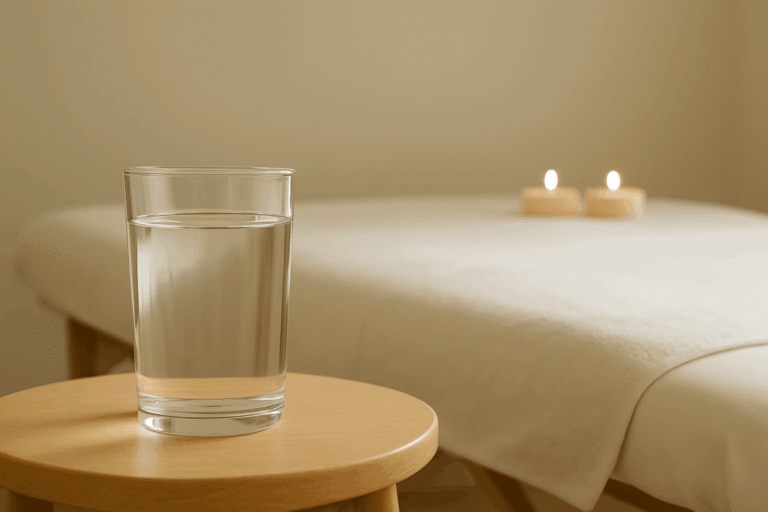
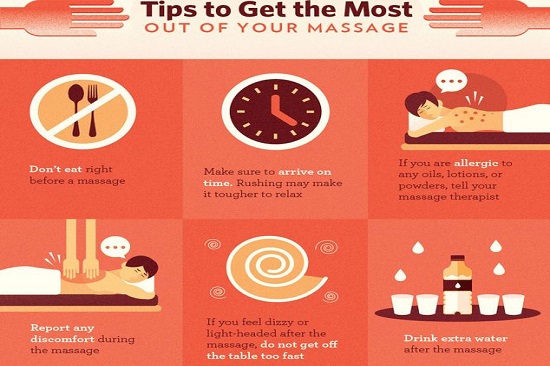
Drink water during the day before your appointment. A glass of water one to two hours before massage is usually enough for most people. Arrive hydrated, but avoid drinking so much that you feel uncomfortable or need to leave the table often.
Massage does not “flush toxins” from the body in the way some advertisements claim. Your liver, kidneys, lungs, and digestive system already handle waste removal. Water still matters because normal hydration supports comfort, circulation, temperature control, and daily body function.
Avoid alcohol before a massage. Alcohol can affect judgment, increase dehydration, and make it harder to notice pressure that feels too strong. It may also interact with medicines or health conditions.
What should you do before a massage if you are unsure about hydration? Drink normally, listen to your thirst, and avoid forcing large amounts of water.

2. Eat a light meal
Try to eat a light meal one to two hours before your appointment. Good choices include:
• Yogurt with fruit
• Toast with nut butter
• A small sandwich
• Oatmeal
• Rice with vegetables
• A banana and a handful of nuts
A heavy meal right before massage may cause bloating, reflux, nausea, or discomfort when you lie on your stomach. Very sugary foods may also leave you feeling tired or shaky later.
Do not arrive starving, either. Hunger can make it hard to relax, especially during a long session. If your appointment is early in the day, a small snack may be enough.
One practical lesson is to avoid experimenting with new foods before a massage. Choose something familiar that your stomach handles well. Your session should focus on relaxation, not on wondering whether your lunch will cause trouble.
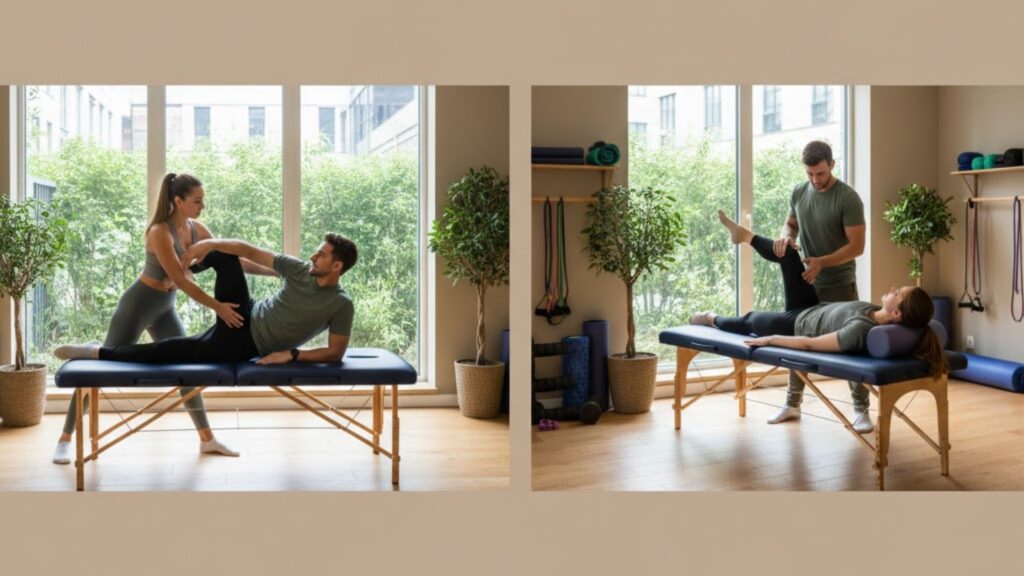
3. Avoid alcohol and recreational drugs
Avoid alcohol and recreational drugs before massage. These substances can change how you sense pain, pressure, heat, and touch. That creates a safety problem because you may not notice when treatment becomes too intense.
Alcohol may also affect blood pressure, balance, and decision-making. Some massage professionals will reschedule a session if a client appears intoxicated. This rule protects both the client and the therapist.
Certain medicines can also affect bleeding, alertness, or sensation. Do not stop prescribed medicine for a massage. Instead, tell your therapist what you take and ask your health care professional if you have concerns.
What should you do before a massage when you take medication? Make a complete list of your medicines and supplements, then share relevant information with your therapist.

4. Take a quick shower
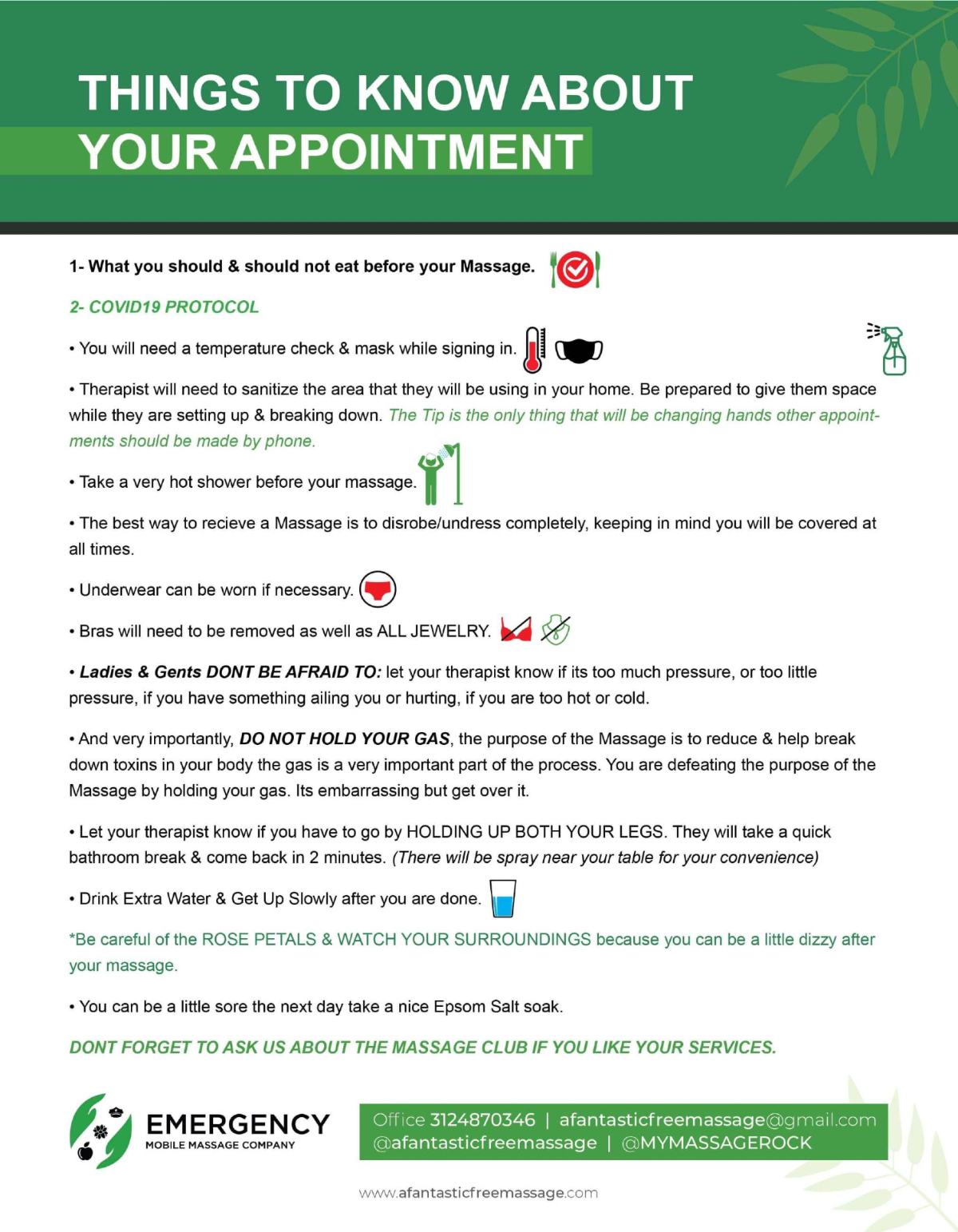
A shower is not required, but it can help you feel fresh and relaxed. Clean skin also makes the session more pleasant when the therapist uses lotion, cream, or massage oil.
Avoid applying strong perfume, body spray, or scented lotion. Fragrances may irritate your therapist or other clients. They can also trigger headaches, allergies, or breathing problems.
You do not need to shave before massage. Therapists work with normal body hair every day. Shaving right before an oil massage may irritate the skin and cause stinging.
If you have a rash, open cut, sunburn, infection, or skin irritation, tell the therapist before treatment. The therapist may avoid the area or recommend waiting until the skin heals.

5. Wear comfortable clothing
Wear clothes that are easy to remove and put back on. Loose pants, a soft shirt, or comfortable athletic wear usually work well. You can undress only to your comfort level.
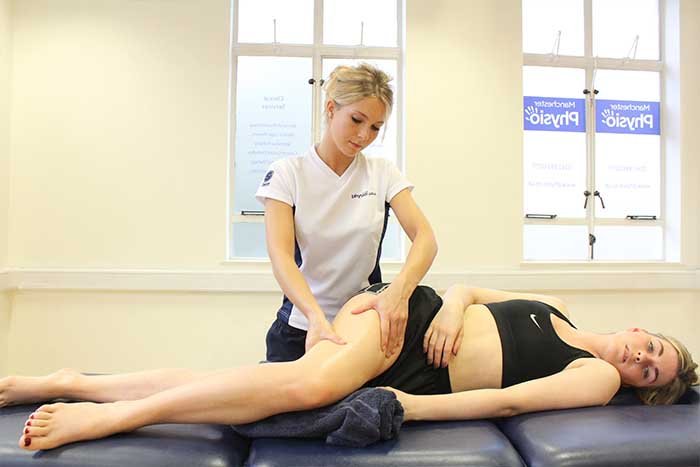
Professional massage therapists use draping. This means a sheet or towel covers the body, with only the area being treated exposed. You should never feel pressured to remove more clothing than you want.
For a scalp, hand, foot, or chair massage, you may keep most or all of your clothes on. For full-body massage, underwear is usually optional. Ask questions before the session if you feel uncertain.
Avoid tight waistbands, belts, jewelry, and complicated layers. They can press into your skin or slow down the start and end of the appointment.
6. Arrive early
Arrive about 10 to 15 minutes early for your first appointment. This gives you time to complete forms, use the restroom, meet the therapist, and explain your goals.
Returning clients may need less time, but arriving early still helps you shift out of work mode. Walking into a massage room while rushing can keep your nervous system alert.
If you are late, the therapist may need to shorten the session. Many practitioners have another client after you, so the appointment may not be extended. Call the office if traffic, weather, or an emergency will delay you.
What should you do before a massage if you feel rushed? Pause for a few slow breaths before entering. A calm start can change the whole experience.

7. Complete the health intake form honestly
An intake form helps your therapist understand your health history, current symptoms, and treatment goals. Answer carefully, even if a question seems minor.
Tell your therapist about:
• Recent injuries or surgery
• Pregnancy or possible pregnancy
• Heart or blood pressure conditions
• Blood clots or clotting disorders
• Cancer treatment
• Diabetes
• Osteoporosis
• Varicose veins
• Skin conditions
• Fever or contagious illness
• Numbness, tingling, or unusual weakness
• Medicines that affect bleeding or sensation
Massage may need to be changed or postponed for some conditions. For example, deep pressure may not be suitable over a fresh injury, open wound, active infection, or suspected blood clot.
A qualified therapist should know when to adapt treatment or refer you to a medical professional. Good massage care includes knowing its limits. Massage is not a replacement for diagnosis or medical treatment.
8. Explain what you want from the session
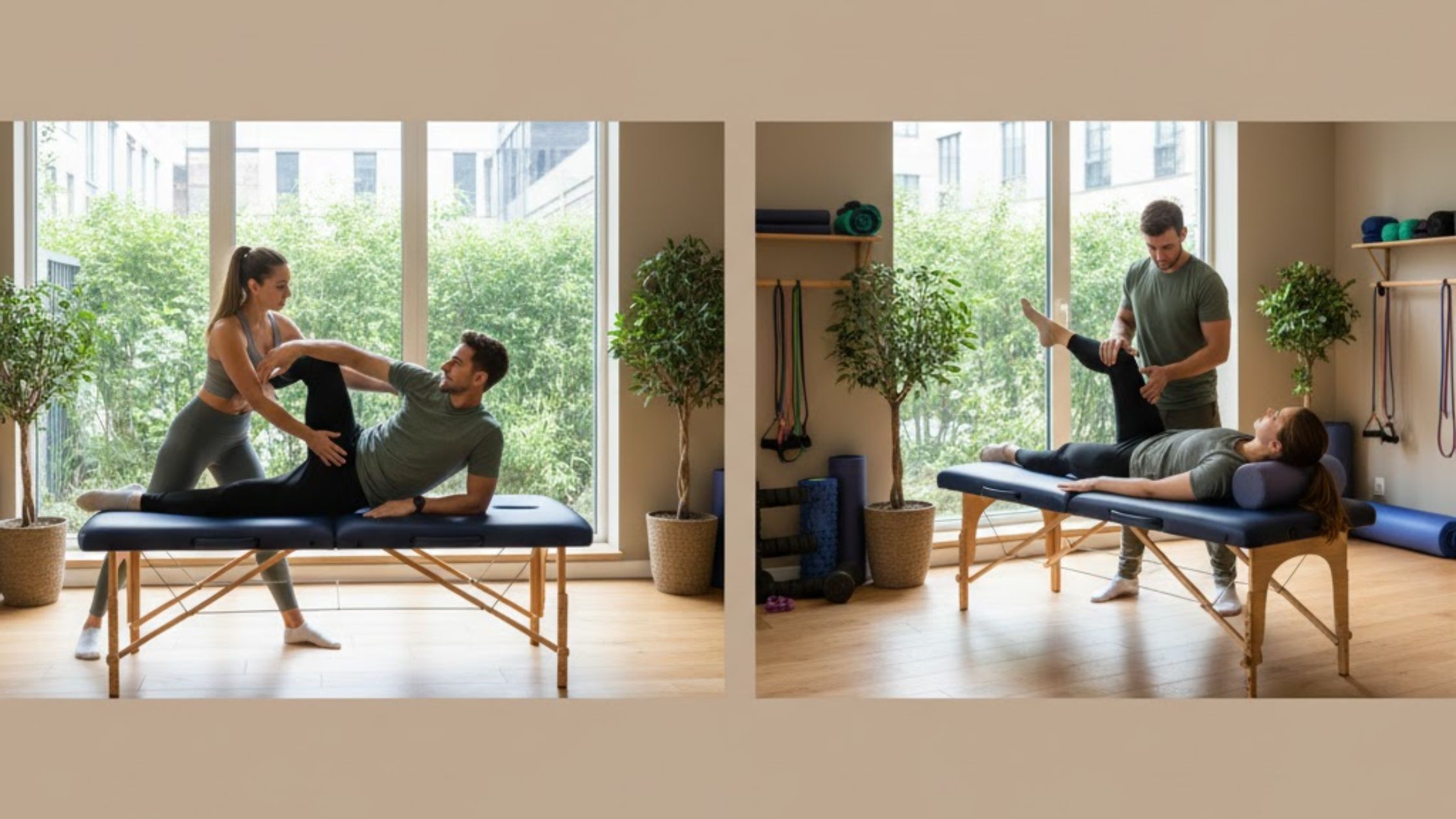
Before the massage begins, describe your main goal. You may want relaxation, relief from muscle tension, better movement, or focused work on one area.
Useful details include:
• Where you feel discomfort
• When the discomfort began
• What makes it better or worse
• Whether the pain spreads
• Your preferred pressure
• Areas you do not want touched
• Whether you feel cold easily
• Any concerns about positioning
Use clear words. Say, “I want light pressure on my neck,” or, “Please avoid my left shoulder.” You do not need to know massage terms.
Pain is not a measure of quality. Some techniques may feel intense, but sharp, burning, electric, or unbearable pain is a warning to stop. Speak up at once if anything feels wrong.
In my experience, the most useful sessions start with an honest conversation. Therapists cannot guess your comfort level. Clear feedback is one of the best ways to improve your massage.
9. Use the restroom
Use the restroom before getting on the massage table, especially if you plan to receive a full-body session. Lying still for 60 to 90 minutes can make a full bladder feel distracting.
You can always ask for a break during treatment. There is no need to remain on the table if you feel uncomfortable. Your comfort is more important than keeping the session uninterrupted.
Limit large drinks right before the appointment. This simple step can help you relax without worrying about needing to get up.
10. Put your phone on silent
Turn off or silence your phone before the massage. This helps you focus on your breathing and reduces interruptions.
You may need to keep your phone available for a family member or work emergency. If so, tell the front desk or therapist and use vibration or a quiet alert.
A massage works best when your mind has fewer tasks to manage. Even a short period without messages can feel like opening a window in a crowded room.
11. Set realistic expectations
Massage can reduce muscle tension, support relaxation, and improve how some people feel after physical activity. Research also suggests benefits for short-term pain relief in some conditions. Results vary by person, massage style, health status, and the cause of the discomfort.
One session may not solve a long-standing problem. Chronic pain can involve joints, nerves, stress, sleep, movement habits, or an underlying medical condition. Massage may be one part of a broader care plan.
Do not expect a therapist to “put something back in place” or cure every injury. A responsible professional will avoid exaggerated promises and will explain what massage can and cannot do.
What should you do before a massage if you expect major pain relief? Share that goal, but stay open to a gradual plan and medical advice when needed.
What to avoid before a massage
Knowing what should you do before a massage also means knowing what to avoid. These choices can make the session less comfortable or less safe:
• Do not drink alcohol before treatment.
• Do not eat a large meal right before lying down.
• Do not hide an injury or medical condition.
• Do not apply heavy perfume or strong oils.
• Do not exercise intensely just before the appointment.
• Do not arrive while sick with a fever or contagious infection.
• Do not assume more pressure means better results.
• Do not feel pressured to accept treatment you do not want.
• Do not stop prescribed medicine without medical advice.
Hard exercise before massage may leave your muscles sore and sensitive. A gentle walk or light stretching is usually a better choice if you want to move beforehand.
Reschedule if you have a fever, vomiting, diarrhea, a contagious illness, or a new injury that needs medical evaluation. Massage should not be used to push through a serious health problem.
When should you postpone a massage?
Some situations need a doctor’s advice before massage. Others require waiting until symptoms improve.
Postpone your appointment and seek appropriate medical guidance if you have:
• A suspected blood clot
• A high fever or active infection
• A fresh fracture or serious injury
• Unexplained swelling or severe pain
• An open wound or spreading skin infection
• Recent surgery without medical clearance
• Sudden weakness, chest pain, or trouble breathing
Pregnant clients should tell the therapist how far along they are. Prenatal massage requires appropriate training and positioning. Some people with high-risk pregnancies need clearance from their obstetric provider.
People with cancer, osteoporosis, diabetes, heart disease, or blood clotting concerns should discuss massage with a health professional and use a trained therapist. The right decision depends on the person, the condition, and the treatment plan.
This advice is general. It cannot assess your individual health history. When in doubt, ask your doctor or another qualified health professional before booking.
A simple pre-massage checklist
Use this checklist on the day of your appointment:
- Drink water normally.
- Eat a light, familiar meal.
- Avoid alcohol and recreational drugs.
- Take a quick shower if you wish.
- Wear loose, comfortable clothing.
- Arrive 10 to 15 minutes early.
- Complete the intake form honestly.
- Tell the therapist about pain, injuries, medicines, and health conditions.
- Explain your pressure and privacy preferences.
- Use the restroom and silence your phone.
- Speak up during the session if you feel pain or discomfort.
This routine takes little effort, but it can make the massage feel smoother from start to finish. Preparation is not about being perfect. It is about helping your body and mind feel ready.
Frequently Asked Questions About What Should You Do Before a Massage?
Should you shower before a massage?
A shower is helpful but not required. Clean skin can improve comfort, but you do not need to shave or use special products.
How much water should you drink before a massage?
Drink water normally during the day and have a moderate glass before your appointment if you are thirsty. Avoid forcing large amounts, since a full bladder may make relaxation difficult.
Can you eat before a massage?
Yes, but choose a light meal or snack one to two hours before the session. Avoid a large, greasy, or spicy meal right before lying down.
Should you stretch before a massage?
Gentle movement may help you feel comfortable, but avoid intense stretching or hard exercise just before treatment. Tell your therapist about any soreness from recent activity.
What should you wear to a massage?
Wear loose clothing that is easy to remove and replace. Your therapist will use proper draping, and you should undress only to the level that feels comfortable.
Can you get a massage when you are sick?
Avoid massage if you have a fever, contagious illness, vomiting, diarrhea, or symptoms that need medical care. Rescheduling protects you, your therapist, and other clients.
Should you tell your massage therapist about medications?
Yes, share medicines and supplements that may affect bleeding, alertness, sensation, or skin health. Never stop a prescribed medicine just because you have a massage appointment.
Conclusion
Knowing what should you do before a massage helps you arrive calm, comfortable, and prepared. Drink water normally, eat lightly, avoid alcohol, wear easy clothing, arrive early, and share your health information. Most importantly, communicate your needs and speak up if pressure, temperature, positioning, or draping does not feel right.
A good massage begins before you reach the table. Use this checklist at your next appointment, choose a qualified therapist, and ask a health professional when your medical history raises questions. Share your own pre-massage tips in the comments or explore more trusted wellness guides for your next session.