Can Massage Help With Neck And Shoulder Pain?: What Helps
Yes, massage can ease many cases of neck and shoulder pain by relaxing tight muscles and improving comfort.
Neck and shoulder pain often comes from long hours at a desk, poor sleep, stress, exercise, or muscle strain. As a health writer who has reviewed physical therapy guidance and massage research, I know the answer is not simply “yes” or “no.” Massage may reduce pain and stiffness for some people, but the cause of the pain matters. This guide explains how massage works, what to expect, when to avoid it, and which treatments may help most.

How can massage help with neck and shoulder pain?
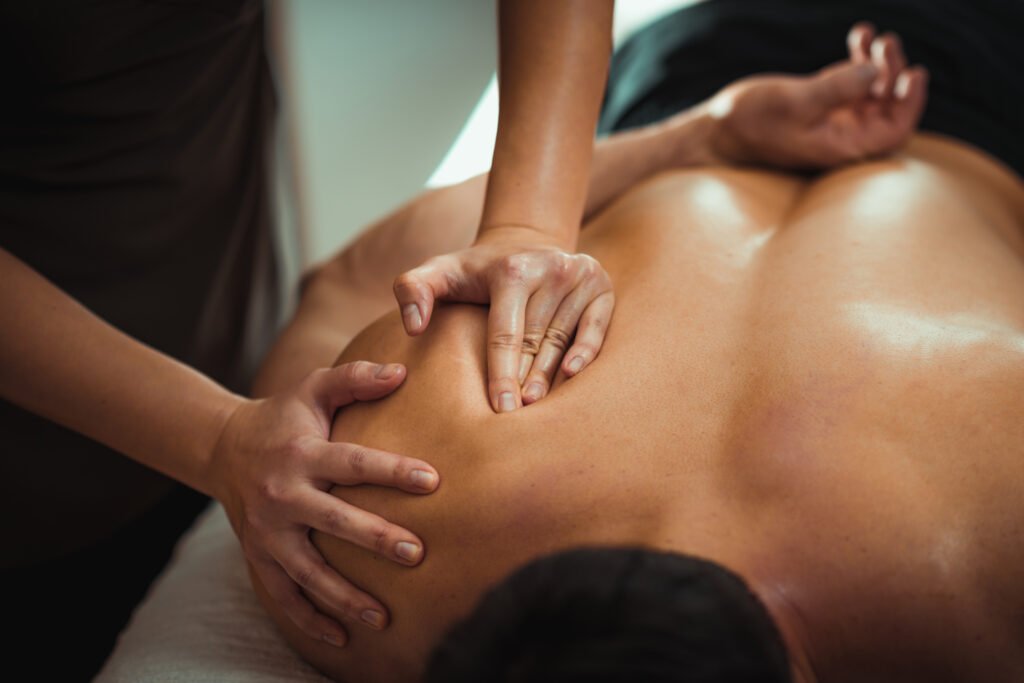
Massage may help with neck and shoulder pain by working on muscles, fascia, and other soft tissues. Gentle pressure can increase local blood flow and reduce the feeling of tightness. It may also calm the nervous system, which can lower the body’s response to pain.
When muscles stay tense for hours, they can feel like clenched fists. Massage may help those muscles let go. This can make it easier to move your head, lift your arms, or sit comfortably.
Research suggests that massage may offer short-term relief for some people with nonspecific neck pain. It may work best when combined with good posture, movement, strength exercises, and other care. Massage is usually not a complete cure for an injury or medical condition.
Massage may help with neck and shoulder pain caused by:
• Muscle tension from stress or anxiety
• Long periods of computer or phone use
• Mild exercise strain
• Sleeping in an awkward position
• Repetitive work, such as lifting or reaching
• Tension headaches linked to tight neck muscles
The best results often come from a full plan rather than massage alone. A physical therapist, doctor, or licensed massage therapist can help identify the likely cause.
What types of massage may help?
Different massage methods use different levels of pressure and movement. The right choice depends on your symptoms, health history, and comfort level.
Swedish massage
Swedish massage uses long, smooth strokes and light to moderate pressure. It may help reduce general muscle tension and stress.
This style can be a good starting point if you have mild soreness or feel nervous about massage. It should feel soothing, not painful.
Trigger point massage
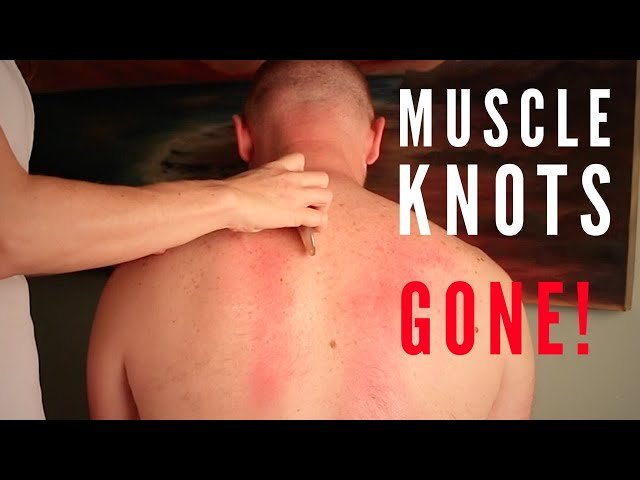
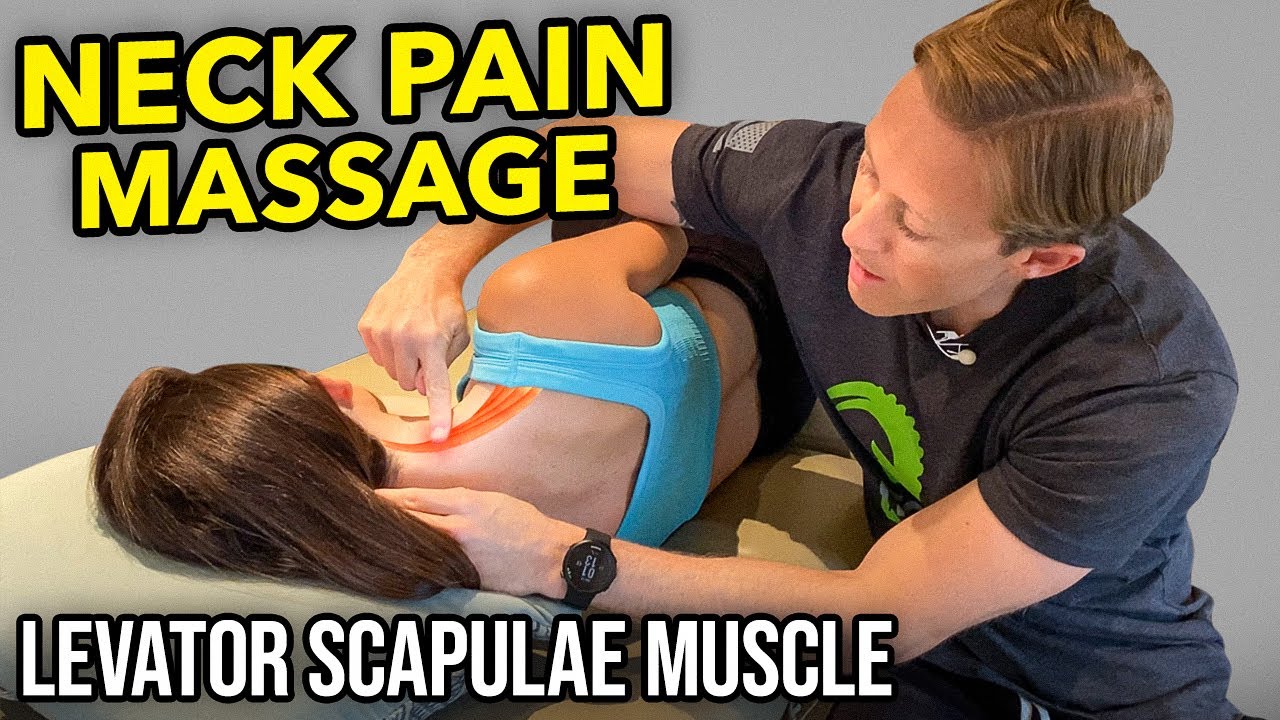
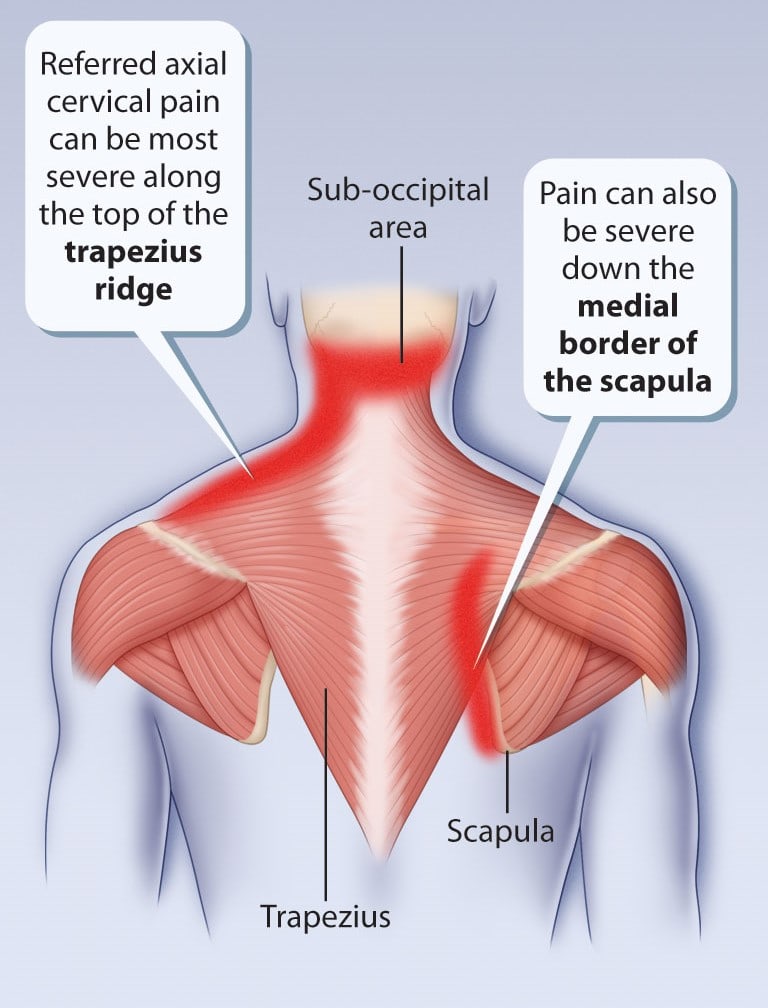
Trigger point work focuses on small, sensitive areas within a tight muscle. These spots may cause pain in another area, such as the head, neck, or upper back.
A therapist may apply steady pressure for a short time. Tell the therapist if the pressure feels sharp, burning, or too intense.
Deep tissue massage
Deep tissue massage uses slower strokes and firmer pressure. It may help some long-term muscle tension, but it is not always better than lighter work.
Too much pressure can leave you sore or may worsen an irritated muscle. A skilled therapist should adjust the session to your symptoms rather than use force.
Myofascial release
Myofascial techniques target fascia, the thin layer of connective tissue around muscles. The therapist may use slow pressure and stretching to improve tissue movement.
Evidence for specific myofascial methods varies. Still, some people find them helpful when neck and shoulder muscles feel stiff or restricted.
Sports massage
Sports massage may help people whose pain relates to training, lifting, or repeated movement. It often combines massage with stretching and movement work.
It should not be used to push through a fresh injury. Swelling, bruising, severe pain, or loss of strength requires proper assessment first.
What does a neck and shoulder massage involve?
A professional session usually begins with questions about your pain. The therapist may ask when it started, what makes it worse, and whether you have numbness, weakness, headaches, or a recent injury.
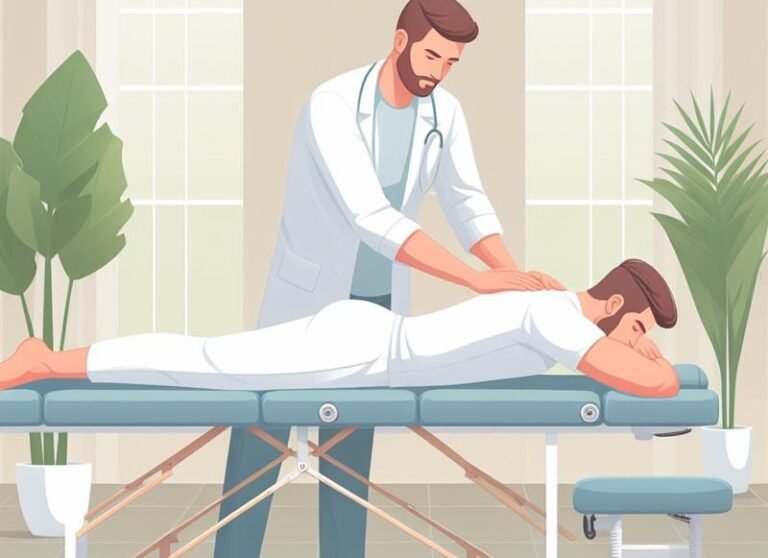
You may sit in a massage chair or lie on a padded table. The therapist may work on your:
• Upper trapezius muscles
• Neck and upper back
• Shoulder blades
• Chest and front shoulder muscles
• Arms and upper spine area
A session may include light strokes, kneading, pressure points, gentle stretching, and movement checks. You should be able to speak freely during the treatment.
Massage should feel comfortable or mildly challenging. It should not cause sharp pain, electric sensations, dizziness, or new numbness.
A useful phrase is, “That pressure is a little too much.” Good communication can make the session safer and more effective.
Can massage help with neck and shoulder pain from desk work?
Yes, massage may help with neck and shoulder pain linked to desk work, but the relief may not last if the work setup stays the same.
Computer work often keeps the head slightly forward and the shoulders raised. Phone use can create a similar pattern. Over time, the same muscles work without enough rest.
Massage may reduce tightness in the short term. To protect the benefit, also try these simple changes:
-
Keep your screen near eye level.
-
Let your shoulders rest instead of lifting them toward your ears.
-
Keep your elbows close to your body.
-
Stand or walk for a few minutes every 30 to 60 minutes.
-
Turn your whole body when checking a second screen.
-
Use a chair that supports your back.
A short movement break may help more than waiting until pain becomes severe. Think of massage as resetting the system, while daily movement helps keep it from tightening again.
Can massage help with neck and shoulder pain caused by stress?
Massage may help with neck and shoulder pain related to stress. Stress can cause people to clench their jaw, raise their shoulders, and breathe in a shallow way.
These habits may keep neck and upper shoulder muscles active for much of the day. Massage may reduce muscle tension and promote relaxation. Some people also sleep better after a calming session.
However, stress relief is not only about the massage table. You may get better results by combining massage with:
• Slow breathing
• Regular walks
• Gentle neck movement
• Better sleep habits
• Relaxation exercises
• Counseling when stress feels overwhelming
If pain returns during every stressful period, the pattern deserves attention. Treating the cause can be more useful than repeatedly treating the tight muscles.
What are the benefits of massage for neck and shoulder pain?
Massage may provide several benefits, especially when pain comes from muscle tension rather than nerve or joint problems.
Short-term pain relief
Massage may lower pain sensitivity for a period after treatment. The change may come from relaxed muscles, better movement, and how the nervous system processes touch.
The amount of relief varies. Some people feel better after one visit, while others need several sessions.
Less stiffness
Tight muscles can limit comfortable movement. Massage may make it easier to turn your head or move your shoulders.
Gentle movement after massage may help maintain that improved range of motion.
Better relaxation
Massage can shift the body toward a calmer state. This may reduce stress-related muscle guarding.
Relaxation can also help break the cycle of pain, worry, and more tension.
Improved body awareness
A therapist may help you notice where you hold tension. For example, you may discover that you raise one shoulder while using a mouse or clench your jaw while driving.
This awareness can help you change small habits before they create more discomfort.
Support for an active treatment plan
Massage may complement physical therapy, home exercise, and medical care. It may make movement easier, which can help you follow a rehabilitation plan.
It should support active recovery, not replace it.
What are the limitations and risks?
Massage is not safe or useful for every type of neck and shoulder pain. It may provide only temporary relief if the main problem involves a nerve, joint, bone, infection, or serious injury.
You may feel mild soreness for a day after firm massage. Drinking water and doing gentle movement may help, but severe or lasting soreness is a reason to stop and seek advice.
Avoid massage or get medical guidance first if you have:
• A recent car accident or major fall
• A suspected fracture
• Severe swelling or bruising
• An open wound, rash, or skin infection
• Fever or unexplained illness
• A blood clotting disorder
• Use of blood-thinning medicine
• Severe osteoporosis
• Active cancer in the treatment area
• Loss of balance or coordination
Neck manipulation deserves special caution. Forceful twisting or “cracking” is not the same as gentle massage. Rare but serious complications have been reported after high-velocity neck movements. Choose a qualified professional and avoid any technique that feels unsafe.
When should you see a doctor or physical therapist?
Massage may help with neck and shoulder pain, but certain symptoms need medical evaluation. Do not delay care because massage feels temporarily soothing.
Seek urgent help for neck or shoulder pain with:
• Chest pain, shortness of breath, sweating, or nausea
• Sudden weakness on one side
• Trouble speaking, walking, or staying balanced
• Loss of bladder or bowel control
• A severe headache unlike your usual headaches
• Fever with a very stiff neck
• New numbness or major weakness in an arm
Contact a health professional soon if pain follows an accident, keeps getting worse, or lasts more than a few weeks. You should also seek care if pain travels down the arm or causes tingling, numbness, or weakness.
A physical therapist can check your posture, strength, joint motion, and nerve function. They can then create a plan that may include exercises, manual therapy, and changes to daily activities.
How to get the most from a massage session
A little preparation can make your treatment safer and more useful.
Before the session
Tell the therapist about your symptoms, medical conditions, medications, and recent injuries. Explain whether the pain is dull, sharp, burning, or linked to movement.
Avoid arriving dehydrated or immediately after a large meal. Wear clothing that allows comfortable movement.
During the session
Communicate often. The therapist needs to know what feels helpful and what feels too strong.
Keep these points in mind:
• Mild pressure is enough for many muscle problems.
• Sharp or electric pain is not normal treatment discomfort.
• You can ask the therapist to stop at any time.
• Do not hold your breath during pressure or stretching.
• Tell the therapist if you feel dizzy, nauseated, or unwell.
After the session
Move gently and notice how your body responds. Avoid heavy lifting if the area feels tender.
Write down what helped and what made symptoms worse. This information can guide your next session or medical appointment.
A common mistake is booking the deepest massage possible. More pressure does not always mean more benefit. In many cases, steady, comfortable work is the better choice.
Massage versus other treatments
Massage is one tool among several. The best approach depends on the cause and duration of your symptoms.
Stretching and mobility exercises
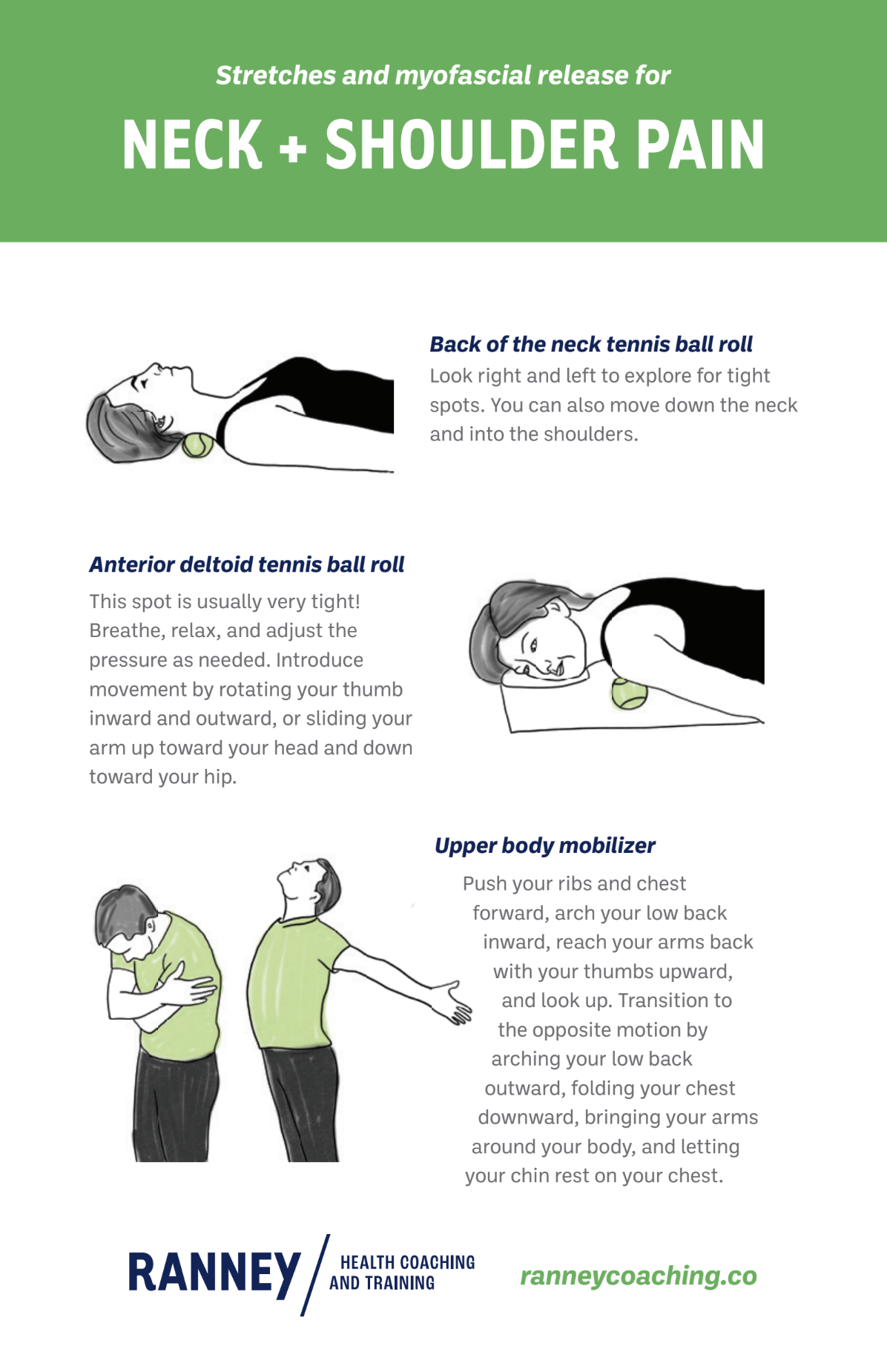
Gentle neck turns, shoulder rolls, and chest stretches may help reduce stiffness. Move slowly and stop if you feel sharp pain, tingling, or dizziness.
Strength training
Weak upper back and shoulder muscles may make the neck work harder. A physical therapist can suggest safe exercises for the shoulder blades, neck, and upper back.
Heat
A warm shower or heating pad may relax tight muscles. Protect your skin and avoid sleeping on a heating pad.
Cold
Cold may help during the first day or two after a minor strain, especially when swelling is present. Use a cloth barrier and limit each application to about 15 to 20 minutes.
Medication
Over-the-counter pain medicine may help some adults, but it is not safe for everyone. Ask a pharmacist or clinician if you have stomach, kidney, heart, liver, or bleeding problems.
Ergonomic changes
Adjusting your desk, pillow, phone habits, and work breaks may reduce repeated strain. These changes often matter more over time than occasional passive care.
Clinical guidance commonly supports staying gently active for uncomplicated neck pain. Long periods of bed rest can increase stiffness and slow recovery.

How often should you get a massage?
There is no single schedule for everyone. A person with mild tension may benefit from one session and a few home changes. Someone with long-term symptoms may need a short series while working on strength and movement.
Start with a reasonable trial. After two or three sessions, ask:
• Is my pain lower?
• Can I move more easily?
• Does relief last longer each time?
• Am I learning what triggers my symptoms?
• Am I using exercise or posture changes too?
If massage offers no meaningful benefit, reconsider the plan. Ongoing pain may need a medical exam or physical therapy assessment.
Frequently Asked Questions
Can massage help with neck and shoulder pain after sleeping wrong?
Massage may help if the pain comes from a mild muscle spasm or awkward position. Use gentle pressure and movement, and seek care if pain is severe, lasts several days, or causes numbness or weakness.
How long does relief from massage last?
Relief may last a few hours, days, or longer, depending on the cause of the pain. Regular movement, exercise, sleep support, and ergonomic changes may help extend the benefit.
Is deep tissue massage best for neck and shoulder pain?
Not always. Deep pressure can increase soreness and may irritate an injured area, while gentle massage may work just as well for muscle tension.
Can massage worsen neck pain?
Yes, especially if the pressure is too strong or the pain comes from an injury, nerve problem, or medical condition. Stop the session if you feel sharp pain, tingling, dizziness, or weakness.
Can I massage my own neck and shoulders?
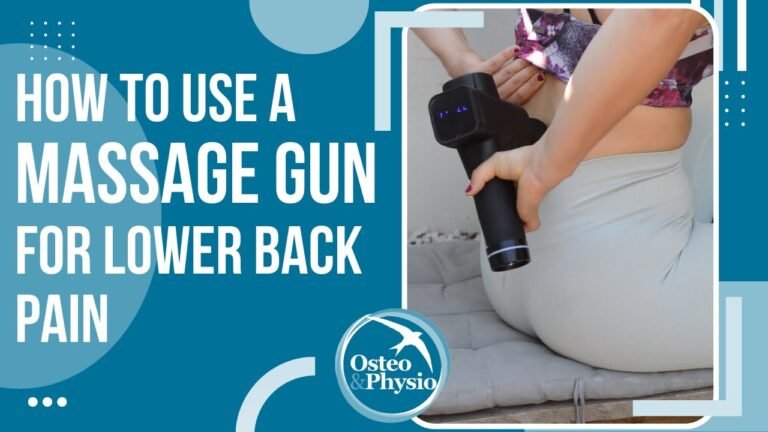
Gentle self-massage may help tight muscles around the shoulders and upper back. Avoid forceful pressure on the front or sides of the neck, and do not massage an area with swelling, injury, or unusual symptoms.
Should I see a massage therapist or physical therapist?
A massage therapist may be suitable for muscle tension and stress-related soreness. A physical therapist is a better choice when pain lasts, limits movement, follows an injury, or includes numbness or weakness.
Can massage replace medical treatment?
Massage should not replace medical care when symptoms suggest nerve damage, serious injury, infection, or heart problems. It is best used as part of a broader recovery plan when appropriate.
Conclusion
Massage can help with neck and shoulder pain when tight muscles, stress, desk work, or mild strain are the main causes. It may reduce soreness, improve movement, and support relaxation, but its effects are often temporary.
Use gentle, comfortable treatment from a qualified professional. Pair it with regular movement, better posture, strength work, and medical advice when symptoms persist or include numbness, weakness, injury, or severe pain.
Pay attention to how your body responds after each session. If massage helps, build it into a wider plan instead of relying on it alone. Explore trusted movement and ergonomics resources, and share your experience or questions in the comments.