Which Massage Is Best For Athletes: Top Sports Massage
Sports massage is usually best for athletes, but the right choice depends on training load, pain, goals, and recovery needs.
Choosing which massage is best for athletes is not as simple as picking the deepest or strongest treatment. Sports massage, Swedish massage, deep tissue work, trigger point therapy, and myofascial release can all help in different situations. This guide explains what each type does, when to use it, what to avoid, and how to choose a safe, skilled therapist.
Which massage is best for athletes?
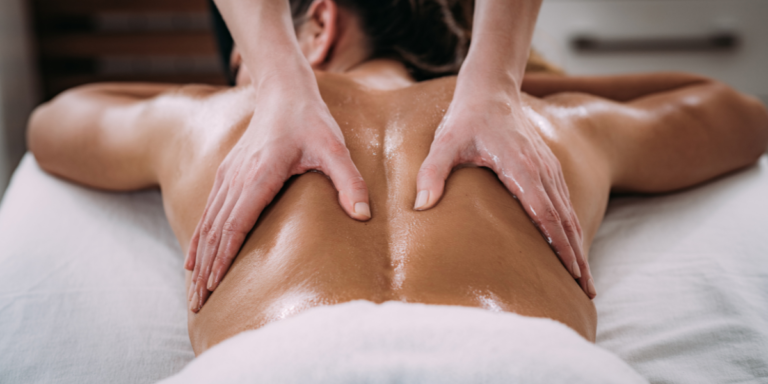
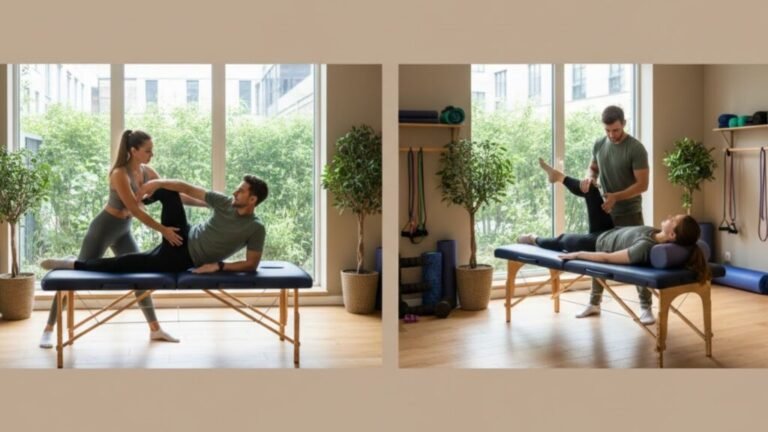
For most athletes, sports massage is the best starting point. It is designed around movement, muscle use, training stress, and recovery. A trained therapist may use several methods during one session, including compression, kneading, stretching, and focused work on tight areas.
Sports massage is not one fixed routine. A runner may need work on the calves, feet, hips, and hamstrings. A swimmer may need attention around the shoulders, upper back, chest, and neck. A weightlifter may benefit from treatment for the glutes, hips, lower back, and shoulders.
The best massage should match your current goal:
• Recovery after hard training: Choose light to moderate sports massage or Swedish massage.
• Muscle tightness: Try focused sports massage, trigger point work, or myofascial release.
• Long-term mobility limits: Use regular sports massage with stretching and strength work.
• Event preparation: Choose a short, light session, not intense deep tissue work.
• General stress: Swedish massage may be the most comfortable choice.
A massage should help you move better and feel more comfortable. It should not leave you bruised, numb, or unable to train.

How sports massage supports athletic recovery
Hard exercise creates normal stress in muscles and connective tissue. Training also causes short-term soreness, stiffness, and a feeling of heaviness. Massage may help reduce this discomfort by improving relaxation, easing muscle tone, and supporting normal movement.
Research reviews suggest that massage can provide a small, short-term benefit for delayed-onset muscle soreness. However, massage is not a magic fix. It does not replace sleep, food, hydration, smart training, or medical care.
When people ask which massage is best for athletes, they often want faster recovery. Sports massage may help you feel ready sooner, but the effect differs from person to person. Some athletes feel better after one session, while others respond better to a regular plan.
A useful recovery plan may include:
• A gentle massage within 24 to 72 hours after a demanding event
• Easy walking or light cycling
• Enough protein and carbohydrate-rich foods
• Regular sleep
• Gradual return to hard training
One practical lesson is clear: more pressure does not always mean more benefit. A lighter session can be more useful than an aggressive session when your muscles are already tired.
 competition”
style=”max-width: 100%; height: auto; border: 2px solid black; border-radius: 10px; display: block; margin: 0 auto;”
loading=”lazy”
/>
Sports massage for training and competition
Sports massage can be used before, during, or after a training cycle. The pressure and timing should change based on the athlete’s goal.
Pre-event massage
A pre-event massage is usually brief and light. It may include fast strokes, gentle compression, and movement-based techniques. The goal is to help you feel warm, alert, and mobile.
Avoid a long or painful session before competition. Deep work may make a muscle feel tender or weak. If you have never had a massage before, do not test a new technique on race day.
Post-event massage
Post-event massage should also be gentle. It may reduce the feeling of tightness and help you relax after intense activity. It should not be used to forcefully stretch painful tissue.
Maintenance massage
A maintenance session may occur every one to four weeks. The right schedule depends on training volume, injury history, budget, and personal response. Some athletes need more frequent care during a heavy training block, while others need only occasional treatment.
If you are still deciding which massage is best for athletes in your sport, start with a sports massage therapist who understands your training demands. Ask for a moderate session first. You can increase pressure later if your body responds well.

Deep tissue massage: benefits and limits
Deep tissue massage uses slow strokes and firm pressure on deeper muscle layers. It may help some athletes with persistent tightness, restricted movement, or areas that do not respond to lighter work.
Deep tissue massage is not always the best choice after a hard workout. Strong pressure can add stress to tissue that is already irritated. It may also cause soreness for a day or two.
Deep tissue work may be useful when:
• A muscle feels tight for several weeks
• Movement is limited without sharp pain
• A therapist identifies a clear area of tension
• You have time to recover after the session
It may be a poor choice when:
• You have a new injury
• The area is swollen, hot, or bruised
• You have severe soreness after competition
• You need to perform soon
When athletes ask which massage is best for athletes, many assume deep tissue massage is the strongest answer. In reality, deep pressure is a tool, not a measure of quality. Good treatment should be controlled, specific, and based on your feedback.

Swedish massage for athletes
Swedish massage uses flowing strokes, kneading, and gentle pressure. It is often slower and more relaxing than sports massage. This makes it useful for athletes who carry stress in the whole body.
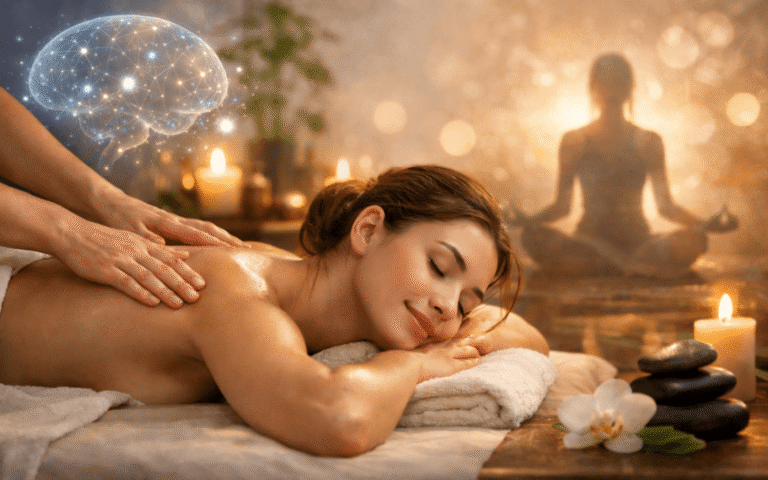
Stress can affect sleep, muscle tone, and recovery habits. A relaxing massage may help you calm down, especially during a demanding season. It can also be a good option for beginners or people who dislike strong pressure.
Swedish massage may be best for:
• General relaxation
• Mild muscle tension
• Recovery during a low-training week
• Athletes who feel mentally stressed
• A first massage experience
It may not address a specific movement problem as well as sports massage. Still, a relaxed athlete may recover better than one who is always tense. The best treatment is often the one you can tolerate and schedule consistently.
Trigger point therapy and myofascial release
Trigger point therapy focuses on sensitive spots that may refer discomfort to nearby areas. For example, a tight upper-back muscle may create discomfort near the shoulder or neck. A skilled therapist uses pressure and movement to assess whether the spot is contributing to the problem.
Myofascial release uses slow pressure on fascia, the thin connective tissue around muscles. The technique may feel gentle or firm, depending on the therapist and the area treated. Evidence for specific fascia claims is still developing, so results can vary.
These approaches may help athletes who have:
• Repeated tightness in one area
• Limited range of motion
• Muscle discomfort that returns during training
• A clear link between tension and movement
They should not be used to chase pain. Sharp, burning, electric, or spreading pain can signal nerve or tissue irritation. Tell the therapist at once if the sensation feels wrong.
So, which massage is best for athletes with stubborn tightness? Focused sports massage with trigger point or myofascial methods may help, but it should be part of a wider plan. Strength training, mobility work, technique changes, and professional assessment may still be needed.

How to choose the right massage for your sport
Your sport affects the muscles you use most. It also affects the type of stress placed on your joints and connective tissue.
Runners and walkers
Runners often focus on the calves, feet, hamstrings, hip flexors, glutes, and outer thighs. A sports massage may help manage tightness, but foot pain or repeated shin pain needs careful assessment.
Cyclists
Cyclists may develop tension in the hips, lower back, neck, shoulders, and quadriceps. Treatment should include posture and bike setup concerns, not only massage pressure.
Weightlifters
Lifters may need work around the shoulders, chest, lats, hips, glutes, and upper back. Massage can support movement, but it cannot correct poor lifting form or replace a strength coach.
Team sport athletes
Soccer, basketball, football, and hockey players often need help with several areas at once. Treatment may change after sprinting, jumping, contact, or sudden changes in direction.
Swimmers and overhead athletes
Swimmers, tennis players, and volleyball players often place high demands on the shoulders and upper back. Massage should be gentle around painful joints and should not hide symptoms that need evaluation.
The answer to which massage is best for athletes depends partly on your sport, but it also depends on your body’s response. Keep notes after each session. Record pressure, treated areas, soreness, sleep, and training quality. This simple habit can show what works for you.
When should athletes get a massage?
Timing matters. A helpful session at the wrong time can still leave you feeling worse.
Many athletes prefer massage:
• One to three days after a hard event
• During a lighter training week
• Before a rest day
• Several days before an important competition
• At regular intervals during a long season
A light session may work one day before an event if you already know how your body responds. Avoid trying deep tissue massage for the first time right before competition.
The best schedule is personal. Start with one session and watch your response for 24 to 48 hours. If you feel better and move normally, you can consider repeating the approach.
Which massage is best for athletes during a heavy training block? A moderate sports massage is often safer than repeated intense sessions. Your therapist should adjust pressure as fatigue builds.

How to find a qualified sports massage therapist
Training and communication matter as much as technique. Look for a licensed massage therapist in your state who has experience with athletes and understands basic injury limits.
Before booking, ask:
• Do you work with athletes in my sport?
• How do you change treatment before and after competition?
• Will you explain what you are doing?
• How do you handle pain or possible injuries?
• What should I do after the session?
A good therapist will ask about your training, injuries, medications, and goals. They will also explain that massage cannot diagnose every injury.
During treatment, use clear feedback. Say if the pressure is too strong, if the pain feels sharp, or if you feel tingling. You do not need to endure pain to receive effective care.
A common mistake is choosing a therapist based only on the promise of “breaking up scar tissue” or “flushing out toxins.” These claims can be too broad. Choose a provider who uses clear, realistic language and works with other health professionals when needed.
Massage safety for athletes
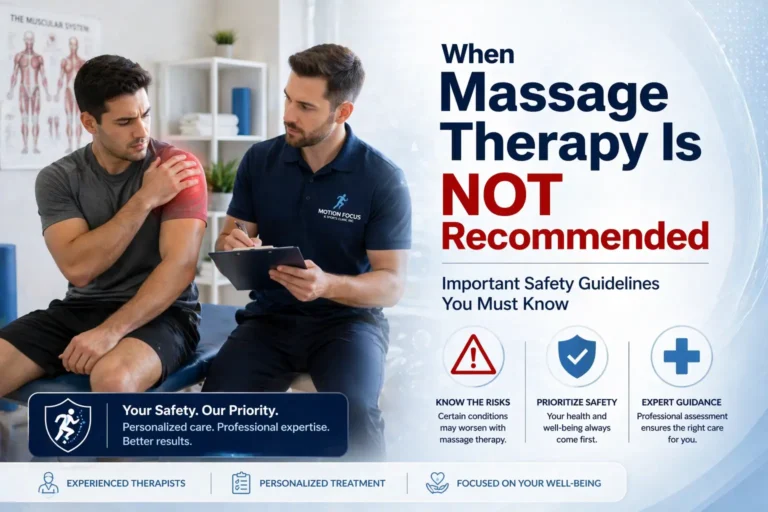
Massage is safe for many healthy adults, but it is not suitable in every situation. Delay treatment and seek medical advice if you have a serious or unexplained problem.
Avoid massage over:
• A suspected fracture
• A new severe sprain or strain
• Significant swelling or heat
• An open wound or skin infection
• A blood clot concern
• Severe unexplained pain
People with bleeding disorders, certain heart conditions, cancer, nerve problems, or recent surgery should ask a health professional before massage. Some medications can also affect bleeding or bruising risk.
Do not use massage to cover up worsening pain. If you have weakness, numbness, loss of balance, fever, severe swelling, or pain that does not improve, seek medical care.
Which massage is best for athletes with an active injury? The safest answer may be no massage until a qualified clinician evaluates the injury. Massage can support rehabilitation, but the timing and technique should be guided by the condition.
Massage compared with other recovery tools
Massage works best as one part of recovery. It should support, not replace, proven basics.
Massage and stretching
Stretching may improve flexibility in some situations. Massage may reduce the feeling of tightness. Neither should cause sharp pain, and both should match your sport and current condition.
Massage and foam rolling
Foam rolling offers self-applied pressure. It can be useful before or after training, but it is easy to press too hard. Move slowly and avoid injured, swollen, or numb areas.
Massage and physical therapy
Physical therapy focuses on diagnosis, exercise, movement control, and return to activity. Massage may be included, but it is only one part of treatment. Persistent pain often needs a full rehabilitation plan.
Massage and rest
Rest is not laziness. It is when the body adapts to training. A massage cannot make up for several nights of poor sleep or a training plan with no easy days.
Which massage is best for athletes who want complete recovery? The best choice is usually a moderate treatment combined with sleep, nutrition, gradual training, and targeted exercise.
A simple plan for your first athletic massage
If you are new to massage, keep the first session simple. Your goal is to learn how your body responds.
-
Book with a licensed therapist who works with athletes.
-
Explain your sport, training week, injuries, and goals.
-
Start with light or moderate pressure.
-
Ask the therapist to focus on two or three key areas.
-
Drink water and keep the rest of the day easy.
-
Track soreness, movement, sleep, and training quality.
-
Adjust the next session based on your response.
Do not judge a massage only by how intense it feels. A successful session may leave you calm, mobile, and ready for normal activity. Feeling beaten up is not proof that the treatment worked.
If you are still unsure which massage is best for athletes, choose a gentle sports massage first. It gives the therapist room to learn about your body without creating unnecessary soreness.
Frequently Asked Questions About Which Massage Is Best for Athletes?
Which massage is best for athletes before a competition?
A short, light sports massage is usually the safest option before competition. Avoid deep pressure or a new technique within 24 to 48 hours of an important event.
Which massage is best for athletes after a hard workout?
A gentle sports massage or Swedish massage may help you relax and manage mild soreness. Wait until severe pain, swelling, or a suspected injury has been assessed.
Is deep tissue massage good for athletes?
Deep tissue massage can help with some long-term tightness and movement limits. It is not ideal for every athlete, especially after intense training or before competition.
How often should athletes get a massage?
Some athletes benefit from a session every one to four weeks, while others need treatment only during hard training periods. Your schedule should depend on symptoms, training load, recovery, and budget.
Can massage prevent sports injuries?
Massage may support movement and help you notice areas of tension, but it cannot guarantee injury prevention. Good technique, strength, workload control, sleep, and proper rehabilitation are more important.
Should massage hurt to be effective?
No. Moderate pressure may feel uncomfortable, but sharp, burning, electric, or severe pain is not a good sign. Tell your therapist to reduce pressure or stop when a sensation feels wrong.
Conclusion
Sports massage is the best all-around option for many athletes because it can be adapted to training, recovery, and movement goals. Swedish massage may suit relaxation, while deep tissue, trigger point, and myofascial techniques may help with selected areas of tightness.
The right choice depends on timing, sport, symptoms, and your response. Start with a licensed therapist, use clear feedback, and avoid intense treatment before important events. Pair massage with sleep, good food, smart training, and medical care when needed. Book a thoughtful first session, track how you feel, and keep learning what helps your body perform at its best.