Can Massage Improve Blood Circulation: Benefits & Tips
Yes, massage may support blood circulation briefly, but it cannot replace medical care for circulation problems.
Can massage improve blood circulation? The answer depends on what “improve” means. Massage may increase local blood flow, warm the skin, relax tight muscles, and help fluid move through soft tissue. Yet its effect is often short term, and it may not fix a blocked artery, blood clot, or serious vein problem.
This guide explains how massage affects circulation, what research suggests, which techniques may help, and when massage could be unsafe. It also offers simple tips for choosing a safe approach and knowing when to seek medical care.
Can massage improve blood circulation?
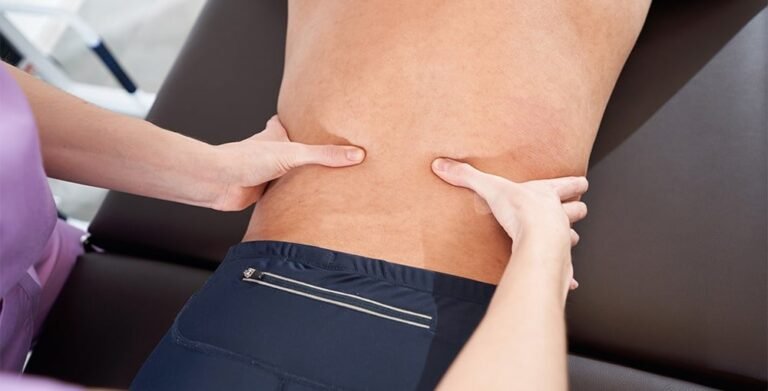
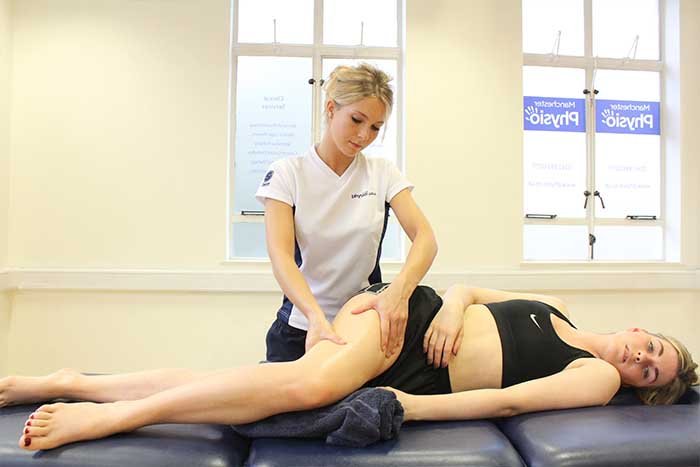
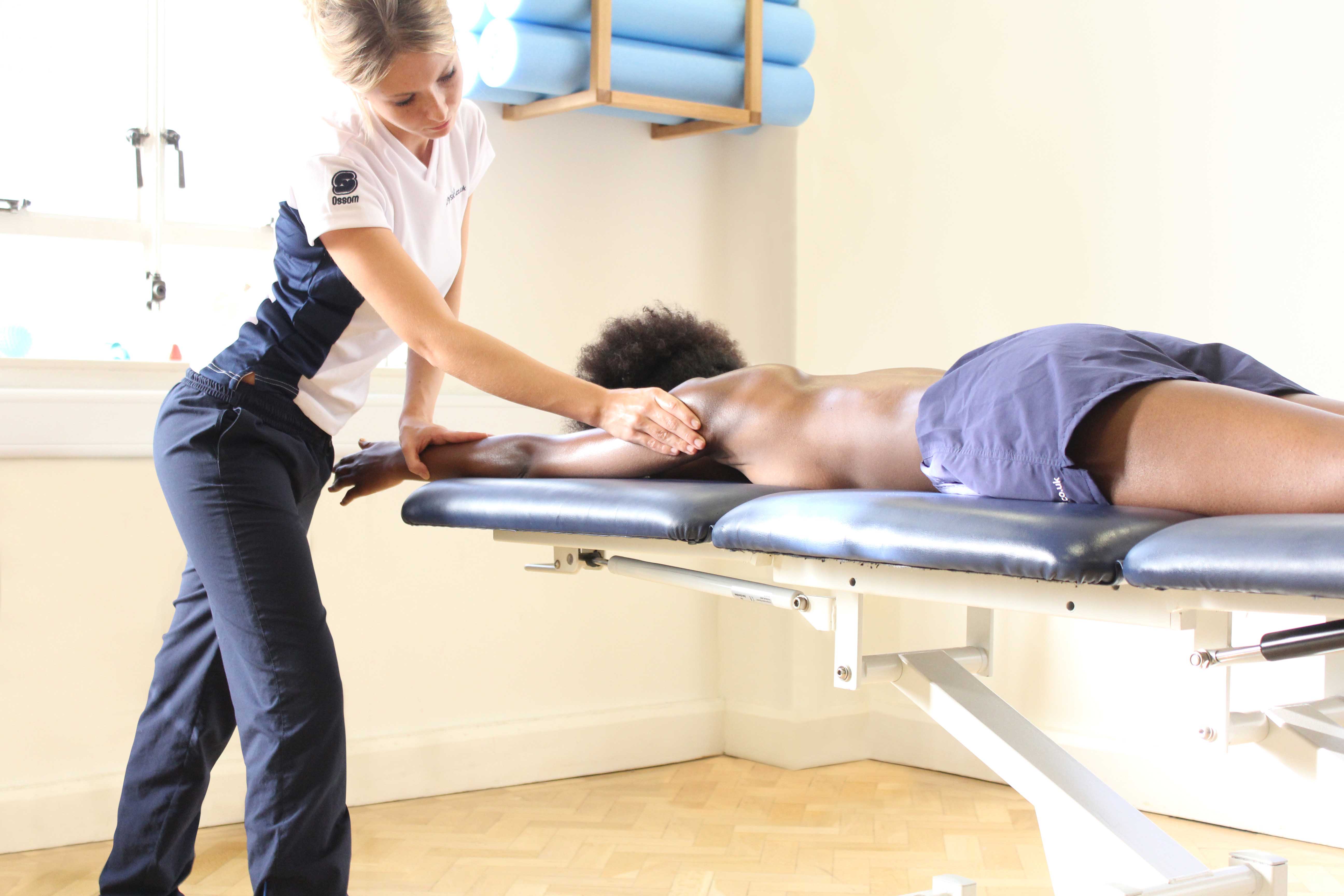
Massage uses pressure, movement, and stretching to affect the skin, muscles, fascia, and blood vessels. A massage therapist may use strokes that move toward the heart, kneading, gentle compression, or light tapping.
These actions can warm tissue and cause small blood vessels near the skin to widen. This response is called vasodilation. Massage can also reduce muscle tension, which may ease pressure around small vessels.
However, massage does not “flush out” blocked arteries. It also cannot dissolve a blood clot or repair damaged blood vessels. So, can massage improve blood circulation? It may support short-term blood flow in treated areas, but it is not a cure for a circulation disorder.
A small study may show more blood flow after massage, but that does not always mean better long-term circulation. Research varies because studies use different massage styles, pressure levels, treatment times, and patient groups.
How massage may affect blood flow
The circulatory system moves oxygen, nutrients, hormones, and waste products through the body. The heart drives this system, while arteries carry blood away from the heart and veins return it.
Massage may affect circulation in several ways:
It may widen small blood vessels
Gentle pressure and heat can increase local skin blood flow. This may make the area feel warmer or look slightly pink. These changes are usually temporary.
It may reduce muscle tension
Tight muscles can make movement harder and may place mild pressure on nearby blood vessels. Relaxing those muscles may support easier movement and comfort.
It may support venous return
Veins in the legs use muscle movement and one-way valves to send blood back toward the heart. Light massage, combined with movement, may help move fluid in the soft tissues.
It may lower stress
Stress activates the sympathetic nervous system. This can raise heart rate and tighten some blood vessels. Relaxation from massage may help the body shift toward a calmer state.
It may reduce swelling in some cases
Certain forms of gentle lymphatic massage may help move lymph fluid. This is different from boosting arterial blood flow. It should be performed by a trained professional, especially after surgery or cancer treatment.
So, can massage improve blood circulation through these effects? It may help local flow and comfort, but the results depend on the cause of poor circulation and the person’s health.
Potential benefits of massage for circulation
Massage may offer useful support for people who have stiff muscles, spend long hours sitting, or feel cold and tense after exercise. It works best as part of a wider plan that includes movement, hydration, sleep, and medical care when needed.
Possible benefits include:
• Warmer hands or feet for a short time
• Less muscle tightness
• Reduced feeling of heaviness in the legs
• Better relaxation after long periods of sitting
• Easier movement after exercise
• Temporary relief from mild stiffness
• Improved body awareness
Massage may also make movement feel easier. That matters because walking, stretching, and regular leg movement are important for healthy circulation.
A practical example is someone who works at a desk for eight hours. A short foot or calf massage may feel good, but standing up every hour and walking for a few minutes may do more for daily circulation.
Can massage improve blood circulation in the same way as exercise? No. Exercise makes the heart pump harder and trains the blood vessels and muscles over time. Massage may support comfort and local blood flow, but it does not provide the same long-term benefits.

Massage techniques that may support circulation
Different massage styles create different effects. The safest choice depends on your health, symptoms, and treatment goal.
Swedish massage
Swedish massage uses long, smooth strokes and gentle kneading. It may promote relaxation and increase warmth in the skin and muscles.
Gentle leg massage
Light strokes on the legs may feel helpful after sitting or standing for a long time. The pressure should be comfortable, not painful.
Sports massage
Sports massage focuses on muscles used during exercise. It may help with muscle tension and recovery, but deep pressure is not always better for blood flow.
Lymphatic drainage massage
This is a very gentle technique designed to encourage lymph movement. It is not a standard treatment for blocked arteries or general poor circulation.
Self-massage
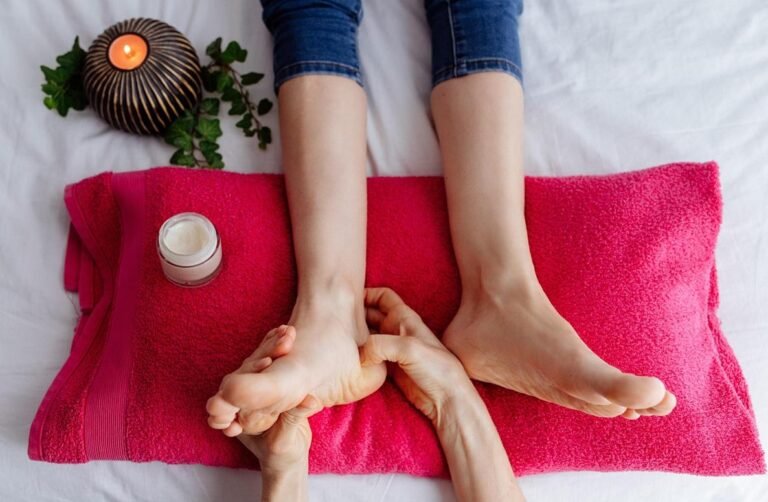
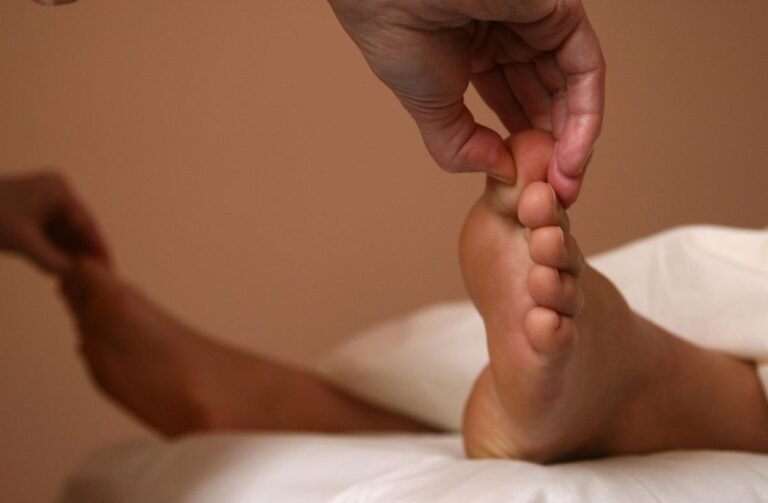
You can use light pressure on the feet, hands, shoulders, or calves. Stop if you feel pain, numbness, tingling, unusual coldness, or a change in skin color.
One lesson repeated in clinical guidance is that force does not equal benefit. Deep massage can cause bruising and tissue injury. For circulation support, gentle and steady work is often a better choice than painful pressure.

Can massage help with poor circulation conditions?
The term “poor circulation” covers many different problems. Some are mild and temporary. Others need prompt medical treatment.
Peripheral artery disease
Peripheral artery disease happens when narrowed arteries reduce blood flow, often to the legs. Symptoms may include leg pain during walking, weak pulses, slow-healing wounds, and cold feet.
Massage cannot open a narrowed artery. A person with suspected peripheral artery disease should speak with a health professional before using massage as a treatment.
Chronic venous insufficiency
This condition occurs when leg veins do not return blood effectively. It may cause swelling, aching, skin changes, or varicose veins.
A clinician may recommend walking, leg elevation, compression, or other care. Massage should not replace that plan.
Deep vein thrombosis
Deep vein thrombosis, or DVT, is a blood clot in a deep vein. It often affects one leg and may cause swelling, warmth, tenderness, or pain.
Massage over a possible clot can be dangerous because movement of a clot may lead to a pulmonary embolism. Do not massage a swollen or painful leg until a medical professional has checked it.
Diabetes-related circulation problems
Diabetes can affect blood vessels and nerves. Reduced feeling in the feet makes it easier to miss burns, bruises, or pressure injuries.
People with diabetes should use extra care. A podiatrist, doctor, or trained therapist can advise whether massage is suitable.
Lymphedema
Lymphedema causes swelling when lymph fluid builds up. Specialized therapy may help, but treatment should come from a trained lymphedema professional.
This is why the question “Can massage improve blood circulation?” needs a personal answer. Massage may be harmless for one person and unsafe for another.
When massage may be unsafe
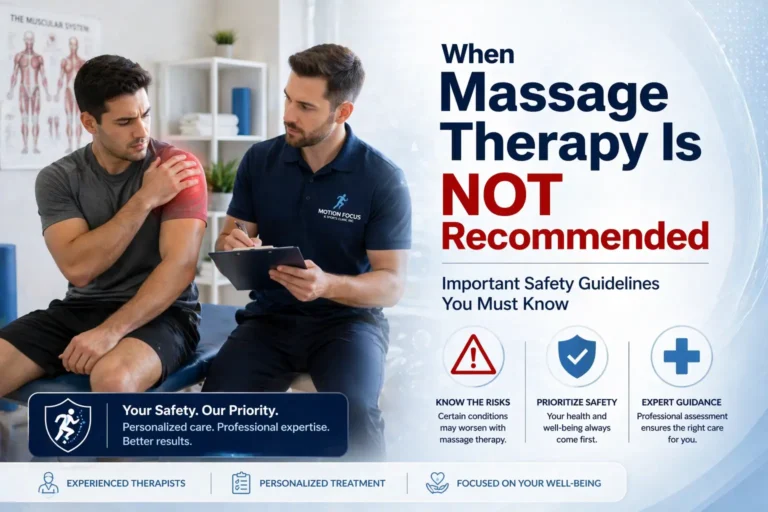
Massage is not suitable for every circulation symptom. Talk with a health professional before treatment if you have a history of blood clots, heart disease, stroke, uncontrolled high blood pressure, or serious vascular disease.
Avoid massage over areas with:
• Sudden swelling
• Redness or heat
• Severe pain
• Open wounds
• Skin infection
• Unexplained bruising
• Loss of feeling
• A recent injury
Seek urgent medical help for sudden shortness of breath, chest pain, coughing blood, fainting, or one-sided leg swelling with pain. These symptoms may signal a serious clot or heart and lung problem.
A common mistake is to treat every cold foot or tingling hand with massage. These symptoms can also result from nerve problems, diabetes, thyroid disease, anemia, medication effects, or artery disease. Finding the cause matters more than creating temporary warmth.
How to use massage safely
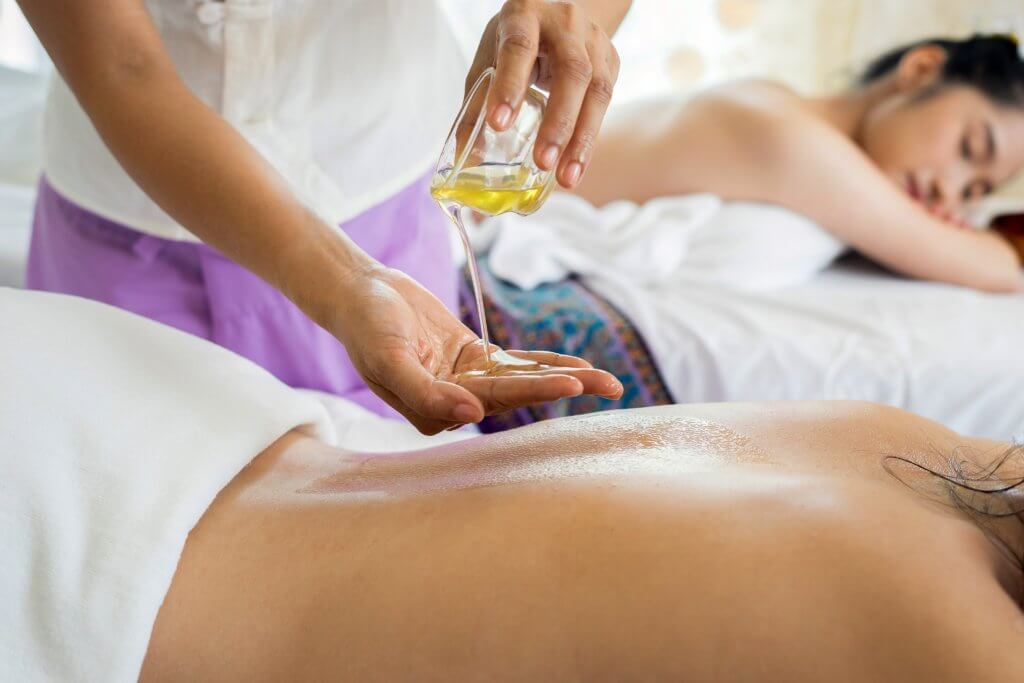
If a clinician says massage is safe, use a gentle approach. You do not need special equipment.
-
Choose a comfortable position and support the body.
-
Wash your hands and check the skin for cuts or irritation.
-
Start with light strokes for two to five minutes.
-
Keep pressure mild and steady.
-
Stop if pain, numbness, dizziness, or unusual color appears.
-
Drink water if you feel thirsty, but do not force large amounts.
-
Walk or stretch gently afterward if your health allows it.
For self-massage, move slowly over the muscles rather than pressing hard on veins. Do not use massage guns on the neck, front of the throat, areas with reduced feeling, or any place that may contain a clot.
A trained massage therapist should ask about your health history. Tell the therapist about medications, pregnancy, recent surgery, cancer treatment, diabetes, and any history of blood clots.

Massage, exercise, and other circulation habits
Massage can be helpful, but daily habits usually have a stronger effect on long-term circulation. Consider adding:
• Regular walking
• Calf raises and ankle circles
• Breaks from sitting
• Healthy blood pressure control
• Blood sugar management
• Smoking cessation
• A balanced eating pattern
• Adequate sleep
• Medical care for ongoing symptoms
Walking activates the calf muscles, which act like a pump for blood returning from the legs. Even a few minutes of movement each hour can be useful for people who sit for long periods.
Compression socks may help some people with venous swelling, but they are not right for everyone. People with possible artery disease should ask a clinician before using compression.
Can massage improve blood circulation better when combined with exercise? It may improve comfort and make movement easier, but exercise remains the key long-term tool for most healthy adults.
What research says about massage and circulation
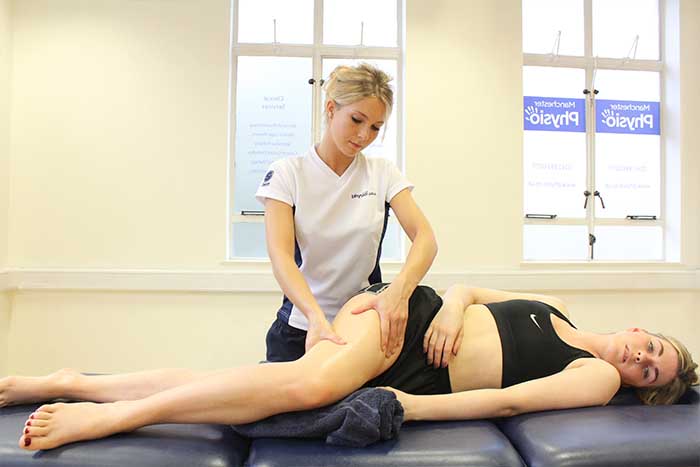
Research suggests that massage can change local blood flow, skin temperature, muscle tone, and nervous system activity. Some studies report increased blood flow after massage, while others find mixed or short-lived results.
Several factors affect the findings:
• The massage technique
• The pressure used
• The body part treated
• The person’s age and health
• The length of the session
• Whether blood flow is measured in skin, muscle, or a major vessel
This means massage research should be read with care. A temporary increase in skin blood flow is not the same as improved treatment of artery disease.
Health organizations generally support physical activity, risk-factor control, and medical assessment for circulation disorders. Massage may be a complementary option for relaxation or muscle comfort when a qualified professional confirms that it is safe.
Frequently Asked Questions About Can massage improve blood circulation?
Can massage improve blood circulation in the legs?
Massage may increase warmth and local blood flow in the legs for a short time. It cannot treat a blocked artery, severe vein disease, or a blood clot.
How long do circulation benefits from massage last?
The effects may last from minutes to several hours, but the timing differs from person to person. Long-term circulation depends more on movement, medical treatment, and control of health risks.
Is deep tissue massage better for circulation?
No. Deep pressure is not automatically better and may cause bruising or injury. Gentle massage is often safer when the goal is relaxation or mild muscle tension.
Can I massage a swollen leg?
Do not massage a suddenly swollen, hot, red, or painful leg until a medical professional rules out a blood clot or infection. These symptoms need medical attention.
Can massage help cold hands and feet?
Massage may warm the skin for a short time. Repeated or severe coldness can have many causes, so ongoing symptoms should be discussed with a health professional.
Is massage safe for people with diabetes?
It may be safe for some people, but diabetes can reduce sensation and slow wound healing. Use gentle pressure and ask a clinician or foot specialist for advice first.
Should I massage varicose veins?
Avoid firm pressure directly over varicose veins. Ask a health professional about safe options, especially if the veins are painful, swollen, or associated with skin changes.
Conclusion
Can massage improve blood circulation? It may support short-term local blood flow, reduce muscle tension, and promote relaxation. However, it cannot remove a clot, open a blocked artery, or replace proper treatment for vascular disease.
Use gentle massage only when it is safe for your health. Pair it with regular movement and medical guidance, and never ignore sudden swelling, chest pain, breathing trouble, or severe leg pain. If massage has helped your comfort or you have questions about circulation, discuss your experience with a qualified health professional and explore trusted resources for your next step.