How To Use A Neck Massager: Easy Relief Guide
Use a neck massager on clean, relaxed muscles for 10–15 minutes with gentle pressure and steady movement.
Neck massagers can ease muscle tension after work, travel, exercise, or long hours at a screen. The key is not force. Safe results come from good posture, the right setting, short sessions, and careful attention to pain signals. This guide explains how to use a neck massager, where to place it, how long to use it, and when to avoid it.

What Is a Neck Massager?
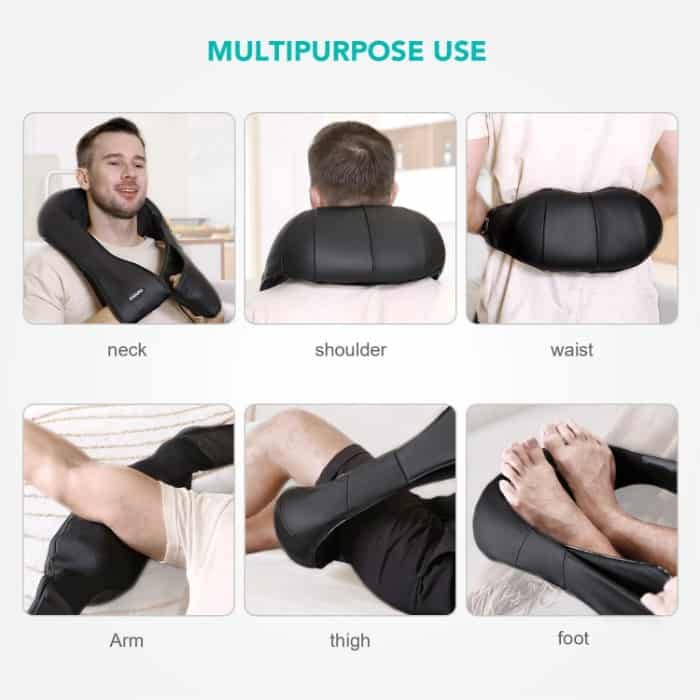
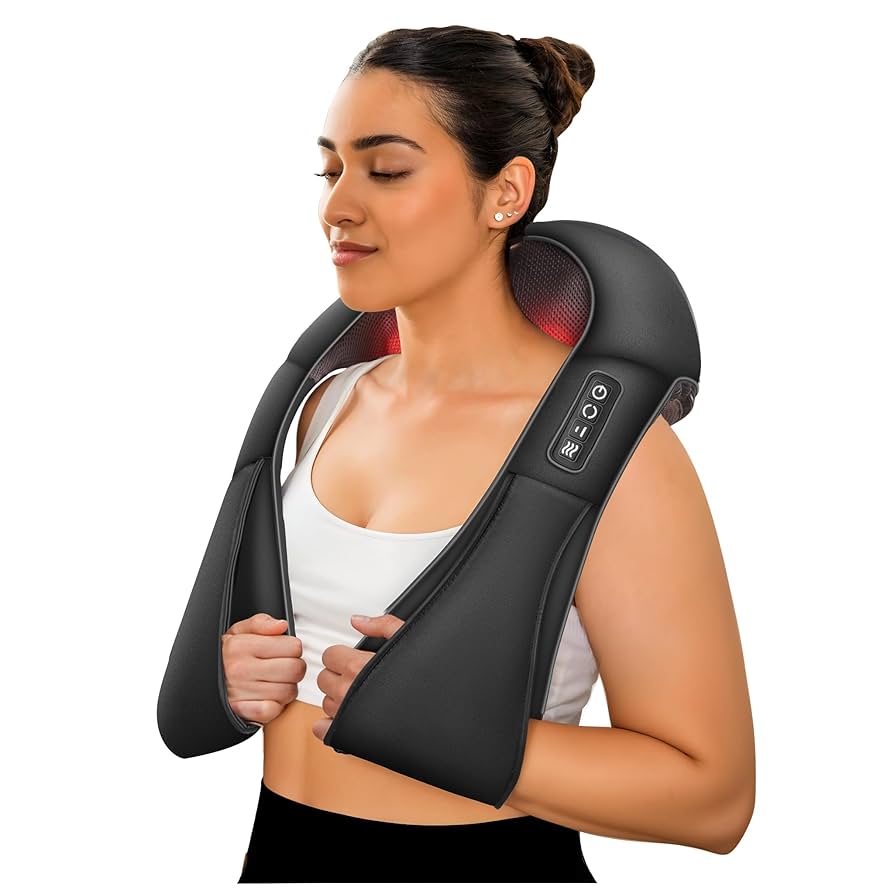
A neck massager is a handheld, wearable, or pillow-style device made to relax tight muscles around the neck and upper shoulders. Most models use one or more of these methods:
• Kneading nodes that mimic finger pressure
• Vibration to create gentle muscle movement
• Heat to support comfort and relaxation
• Electrical muscle stimulation, often called EMS or TENS
• Air compression around the neck or shoulders
Each type feels different. A kneading massager may work well for stiff shoulder muscles. A vibration model may suit people who prefer a lighter touch. An EMS or TENS device needs extra care because it sends electrical signals through the skin.
A neck massager may help with temporary muscle tension. It does not fix every cause of neck pain. Neck pain can also come from nerve irritation, arthritis, injury, infection, or other medical problems. A device should support healthy care, not replace a medical exam.

How to Use a Neck Massager Safely
Learning how to use a neck massager starts with setting it up correctly. Read the product manual before your first session. Models vary in strength, heat, placement, and safety limits.
Follow these steps:
-
Inspect the device for damage. Do not use it if the cord, casing, buttons, or heating area looks worn.
-
Charge the massager or connect it as directed. Keep cords away from water.
-
Sit in a chair with your back supported. Let your shoulders drop and keep your chin level.
-
Place the device on the thick muscles at the back and sides of your neck. Avoid placing strong pressure on the front of your neck.
-
Start with the lowest speed or pressure. Use heat only if it feels pleasant.
-
Run the device for about 5 minutes during your first session.
-
Stop if you feel sharp pain, burning, numbness, dizziness, nausea, or unusual weakness.
-
Remove the device and check your skin. Mild warmth or temporary redness may occur, but your skin should not blister or remain painful.
Think of the massager as a quiet conversation with your muscles. Begin softly, then adjust only if your body responds well. More pressure does not always mean more relief.

Where to Place a Neck Massager
Correct placement is one of the most important parts of learning how to use a neck massager. The safest target is usually the soft muscle area between the base of the skull and the top of the shoulders.
Good areas include:
• The upper trapezius muscles across the shoulders
• The muscles beside the spine, without pressing directly on the spine
• The base of the skull, using light pressure
• The shoulder blades and upper back, if the device is designed for that area
Avoid these areas:
• The front and sides of the throat
• The windpipe
• The bones at the front of the neck
• Open wounds, bruises, rashes, or swollen skin
• Areas with reduced feeling
• The exact center line of the spine when using strong kneading nodes
A simple test helps. Place the device over the muscle, not the bone. If the pressure feels sharp, pinching, or electric in a painful way, move the device or lower the setting.

Step-by-Step Guide for Using Different Types
Kneading neck massagers
Kneading models use rotating nodes. They often feel like firm thumbs working into the muscles.
• Place the unit around your neck or shoulders as the manual shows.
• Keep the nodes on the muscle, not the throat or spine.
• Start with low speed.
• Use light hand pressure if the device has handles.
• Move the unit slightly every few minutes if one spot feels too intense.
• Limit the first session to 5–10 minutes.
Kneading devices can feel strong, especially near the base of the skull. Do not push down hard to “break up” a knot. A sore feeling later may mean the session was too long or too forceful.
Vibrating neck massagers
Vibration devices usually provide a lighter massage. They may be useful before sleep or after sitting at a desk.
• Rest the device on the side or back of the neck.
• Use a low or medium setting.
• Keep the device moving if it becomes irritating.
• Avoid holding it over one spot for a long time.
Vibration should feel soothing, not frantic or painful. If you feel tingling that continues after the device is removed, stop using it and seek advice if the feeling does not fade.
Heated neck massagers
Heat may make tight muscles feel more comfortable. It can also make it harder to notice excessive pressure.
• Start with the lowest heat level.
• Use heat for a short period.
• Keep a layer of clothing or a thin cover between hot surfaces and sensitive skin.
• Never sleep while using a heated neck massager.
• Stop if your skin feels numb, very red, or painful.
People with diabetes or reduced sensation should ask a health professional before using heat. They may not notice a burn right away.
EMS and TENS devices
EMS and TENS products use small electrical pulses. They are not the same as mechanical massage devices.
Follow the manual closely and place the pads only where the product allows. Do not use electrical stimulation on the front of the neck, across the chest, on broken skin, or near implanted electronic devices unless a qualified clinician approves it.
Ask a medical professional before use if you are pregnant, have a pacemaker, have a seizure disorder, or have a heart rhythm condition. When in doubt, choose a non-electrical model and seek guidance.

How Long Should You Use a Neck Massager?
Most people can begin with 5–10 minutes. If that feels comfortable, a session of 10–15 minutes may be enough. Follow the time limit in the product manual because some devices become hot or intense with extended use.
Using a neck massager once a day may be suitable for temporary tightness. Some people use one every other day. More frequent sessions are not always better, and long sessions may leave muscles tender.
A practical routine looks like this:
• Use the massager after work or exercise.
• Start with 5 minutes at a low setting.
• Drink water and relax your shoulders.
• Wait several hours before another session.
• Stop for the day if soreness increases.
A massager should leave you feeling looser, not battered. If you need it several times a day to manage pain, the underlying problem deserves attention.

Best Time to Use a Neck Massager
The best time depends on your goal and your daily routine.
Using a neck massager after desk work may help calm tight upper shoulders. A short session before bed may support relaxation, but avoid falling asleep with the device running. After exercise, gentle massage may feel pleasant, but wait until your breathing and heart rate return to normal.
Avoid using a strong massager immediately after a neck injury. Fresh swelling, bruising, or severe tenderness can worsen with pressure. In that situation, medical advice is safer than self-treatment.
The device also works best when paired with simple habits:
• Raise your computer screen to eye level.
• Keep both feet on the floor while sitting.
• Take movement breaks every 30–60 minutes.
• Stretch gently without bouncing.
• Keep your phone closer to eye level.
In my experience with neck-care routines, the biggest mistake is treating the massager as a cure for poor posture. It may calm the muscles for a while, but the tension often returns if the same posture continues all day.

Benefits and Limits of Neck Massagers
A neck massager may provide short-term comfort for muscle tension. Massage can increase local blood flow and may help people feel less stiff or stressed. Some research also suggests that massage may support short-term relief for certain types of neck and shoulder discomfort.
Possible benefits include:
• Temporary relief from tight muscles
• A relaxed feeling after screen use
• Reduced shoulder tension
• Easier movement when stiffness is mild
• Support for a calming bedtime routine
The limits matter just as much. A massager cannot diagnose the cause of pain. It may not help nerve pain, serious injury, infection, or severe headaches. Deep pressure can also worsen irritated tissue.
Use the device as one part of a wider plan. Gentle movement, good sleep, strength work, and professional care may matter more than the device itself.
Common Mistakes to Avoid
Many problems come from using the device too hard or too long. Avoid these common mistakes:
• Starting on the highest setting
• Pressing the device firmly into the neck
• Using it on the front of the throat
• Holding a kneading node over one painful spot
• Falling asleep with heat turned on
• Using a damaged charger or wet device
• Ignoring numbness, weakness, or dizziness
• Using the massager right after a serious injury
• Sharing a device without cleaning its contact surfaces
Clean the device according to the manual. Wipe washable surfaces after use, and do not soak an electronic massager unless the manufacturer says it is waterproof.
A painful knot is not a challenge to defeat. It is a signal to slow down. Gentle pressure often works better than aggressive pressure because irritated muscles need calm, not a wrestling match.
Who Should Avoid a Neck Massager?
Ask a health professional before using a neck massager if you have a serious or unexplained health condition. Extra caution is important with:
• Recent neck or shoulder surgery
• A recent accident or whiplash
• Severe or worsening neck pain
• Numbness, tingling, or weakness in an arm
• A history of blood clots
• A bleeding disorder
• Use of blood-thinning medicine
• Osteoporosis or fragile bones
• Diabetes with reduced sensation
• A pacemaker or other implanted electronic device
• Pregnancy, especially when considering electrical stimulation or heat
Do not use a massager over a tumor, infected skin, open wound, or area of significant swelling. A clinician can help you decide whether massage is suitable.
Seek urgent care for neck pain with trouble breathing, trouble swallowing, chest pain, fainting, sudden weakness, loss of balance, a severe headache, fever, or confusion. These signs may point to a problem that massage cannot safely treat.
How to Make a Neck Massager More Effective
The best results usually come from combining gentle massage with movement. Before turning on the device, take three slow breaths and let your shoulders relax. This reduces the habit of bracing against the pressure.
After the session, try simple movements:
• Turn your head slowly to the left and right.
• Bring your ear slightly toward each shoulder.
• Tuck your chin gently, without forcing it down.
• Roll your shoulders backward several times.
• Walk for a few minutes.
Keep each movement easy. Stop if pain, numbness, or dizziness appears. Stretching should feel mild, like a gentle pull, not like a test of flexibility.
It also helps to track your response. Note the setting, session length, and how you feel one hour later and the next morning. If your symptoms repeatedly worsen after use, the device may not suit you or the setting may be too strong.
How to Choose the Right Neck Massager
When comparing neck massagers, focus on safe design rather than the highest number of settings.
Look for:
• Adjustable speed or pressure
• A clear automatic shutoff
• Easy-to-clean surfaces
• Comfortable support for the shoulders
• A manual with clear safety instructions
• Heat controls with a low setting
• A return policy from a trusted seller
• A design that does not press on the throat
Consider your main goal. A pillow massager may suit home use. A compact vibration tool may work better for travel. A wearable model can be convenient, but it must fit without squeezing your neck.
Price does not prove quality. A simple device used correctly may be more useful than an expensive model with intense settings. Read independent reviews carefully, and be cautious of claims that promise to cure chronic pain or restore damaged nerves.
Frequently Asked Questions About How to Use a Neck Massager
How often can you use a neck massager?
Many people can use a neck massager once a day for 10–15 minutes if it feels comfortable. Follow the product instructions and reduce use if you develop soreness, bruising, skin irritation, or increased pain.
Is it safe to use a neck massager every day?
Daily use may be safe for some adults when the pressure is gentle and sessions are short. It is not a good idea to use one daily without medical advice if you have an injury, nerve symptoms, reduced sensation, or a serious health condition.
Can a neck massager help a pinched nerve?
A neck massager may relax nearby muscles, but it cannot correct a pinched nerve. Stop using it if pain travels into your arm or you notice numbness, tingling, or weakness, and seek medical guidance.
Should you use heat with a neck massager?
Heat can feel soothing for mild muscle tightness, but use the lowest comfortable setting and limit the session. Avoid heat on numb skin, open wounds, acute swelling, or areas with poor circulation unless a clinician approves it.
Can you use a neck massager before bed?
A short, gentle session before bed may help you relax. Do not sleep with the device on, especially if it has heat, strong kneading nodes, or an automatic shutoff you do not fully trust.
Why does my neck hurt more after using a massager?
Your setting may be too strong, or the session may be too long. Stop for the day, use gentle movement, and seek professional advice if the pain persists, becomes severe, or includes numbness or weakness.
Conclusion
Using a neck massager safely means starting gently, placing it on the muscles, avoiding the throat and spine, and keeping sessions short. A low setting for 5–15 minutes is often a sensible starting point. Heat and electrical features need extra care, and pain with nerve symptoms should never be ignored.
Use the device as a helpful comfort tool, not as a replacement for medical care or better posture. Try one calm session, notice how your body responds, and adjust with care. Explore more guidance on posture and neck health, and share your experience or questions in the comments.