How To Use A Massage Gun For Back Pain: Safe Relief Tips
Use a massage gun gently on nearby back muscles, never directly on the spine, and stop if pain worsens.
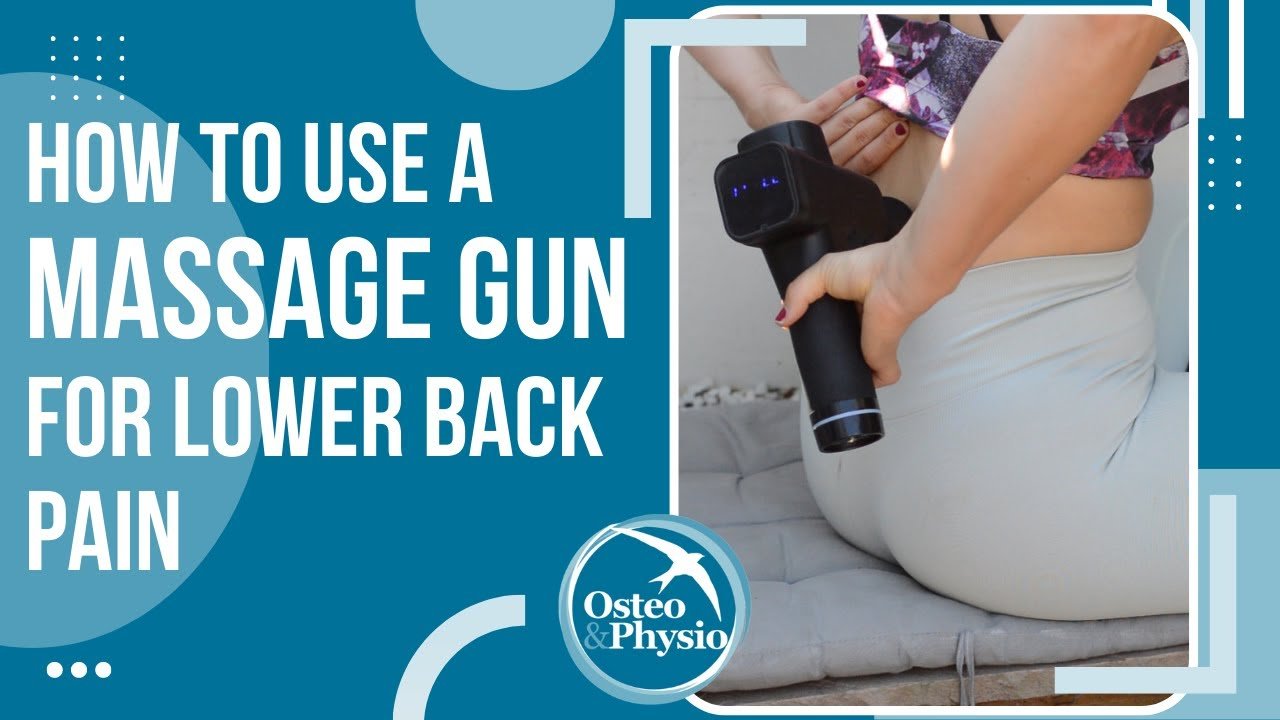
Learning how to use a massage gun for back pain can help relax tight muscles and support short-term comfort. The key is to use light pressure, the right speed, and safe body positions rather than treating the device like a deep-tissue hammer. This guide explains what works, what to avoid, and when back pain needs medical care.
What a Massage Gun Does for Back Pain
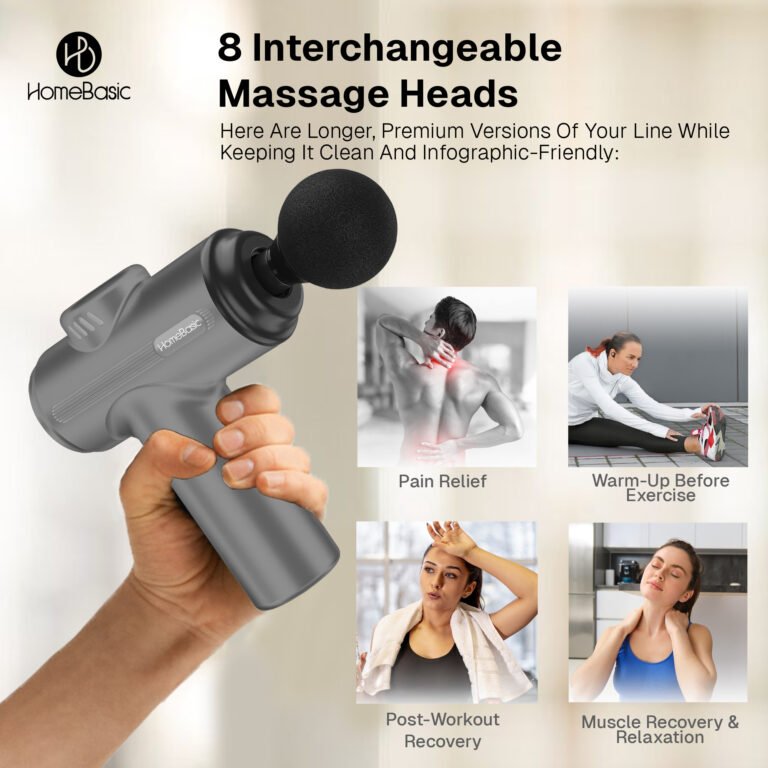
A massage gun is a handheld device that uses quick pulses to move a soft attachment against the body. This action is called percussive therapy. It may increase local blood flow, reduce muscle tension, and make stiff muscles feel more relaxed for a short time.
Research on massage guns is still developing. Early studies suggest that percussive therapy may improve short-term range of motion and reduce the feeling of muscle tightness. However, it does not fix every cause of back pain, such as a slipped disk, nerve problem, fracture, or infection.
Think of a massage gun as a tool for muscle comfort. It is not a cure, and it should not replace medical care, physical therapy, sleep, movement, or strength work.
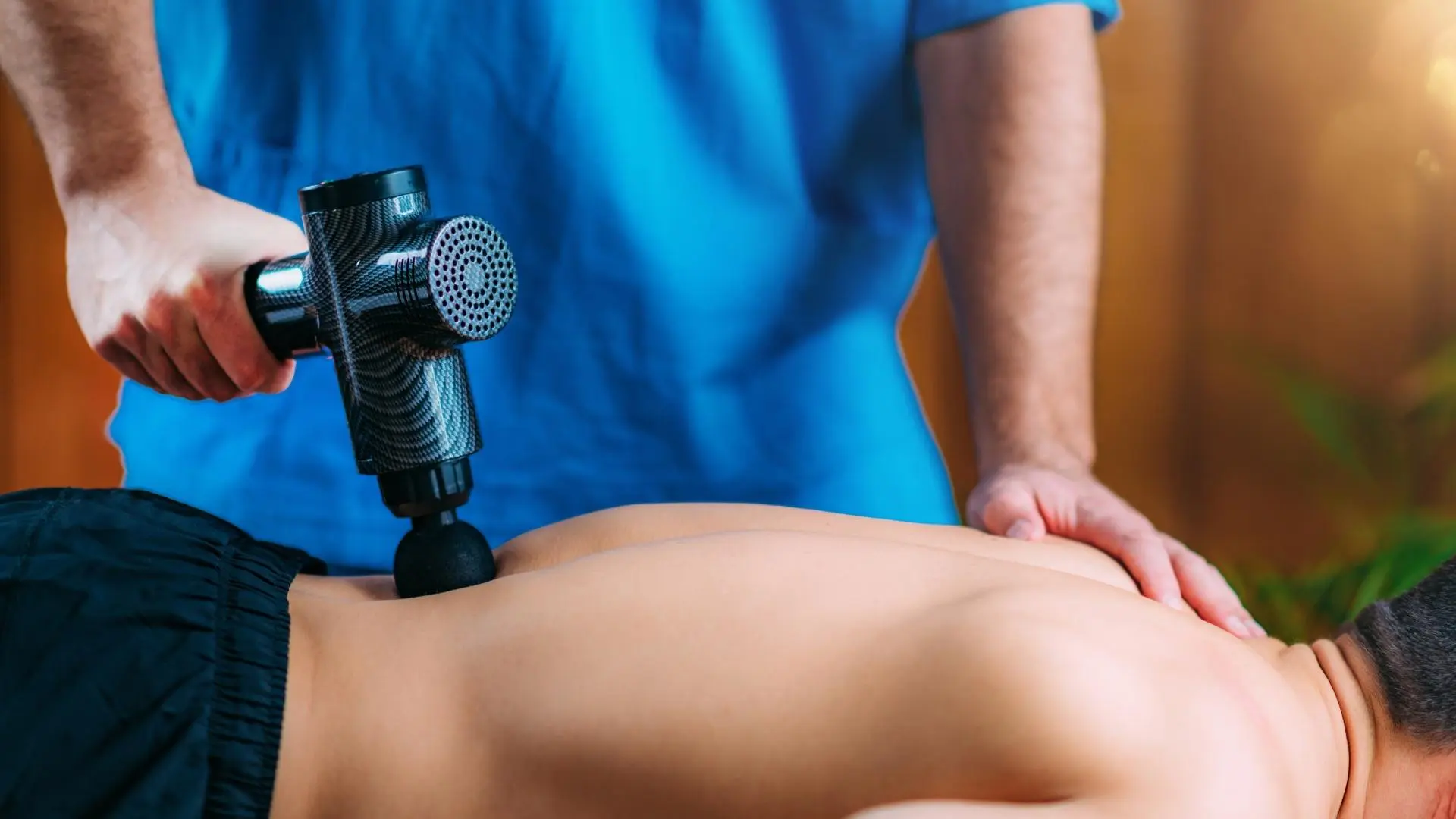
How to Use a Massage Gun for Back Pain Safely
Before you begin, learn which parts of your back are safe to reach. The large muscles beside the spine may be suitable for gentle treatment, but the spine itself is not a target.
Use these basic safety rules:
• Keep the massage gun on muscle, not bone.
• Avoid the spine, neck, front of the throat, kidneys, and any area with swelling or bruising.
• Start with the lowest speed and light pressure.
• Keep the device moving instead of holding it in one spot.
• Limit each muscle area to about 30 seconds to 2 minutes.
• Stop if you feel sharp pain, numbness, tingling, dizziness, or unusual weakness.
A massage gun should feel like firm pressure or mild vibration. It should not feel like a painful punch. More force does not mean better results.
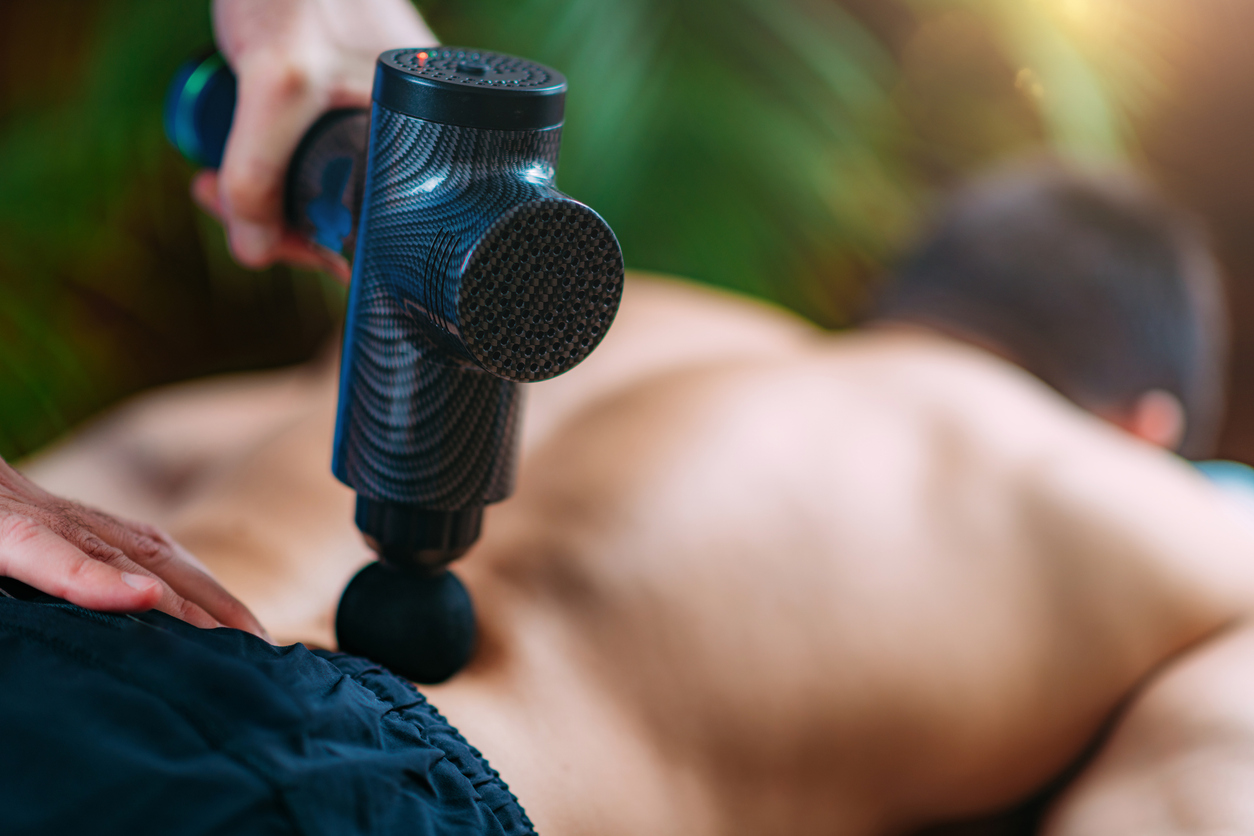
How to Use a Massage Gun for Back Pain: Step-by-Step
Follow these steps if your discomfort feels muscular and you have no warning signs.
1. Choose the right time
Use the device after a warm shower, light walk, or gentle mobility routine. Warm muscles often respond better than cold, stiff muscles.
Do not use a massage gun right after a major injury. Pain, swelling, or bruising may signal tissue damage that needs rest and assessment.
2. Pick a suitable attachment
A large, soft ball attachment is a good starting choice for broad back muscles. It spreads the pressure and feels less intense than a pointed head.
Avoid using a bullet-shaped attachment on the back. Pointed heads can place too much force on small areas and may irritate tender tissue.
3. Find a stable position
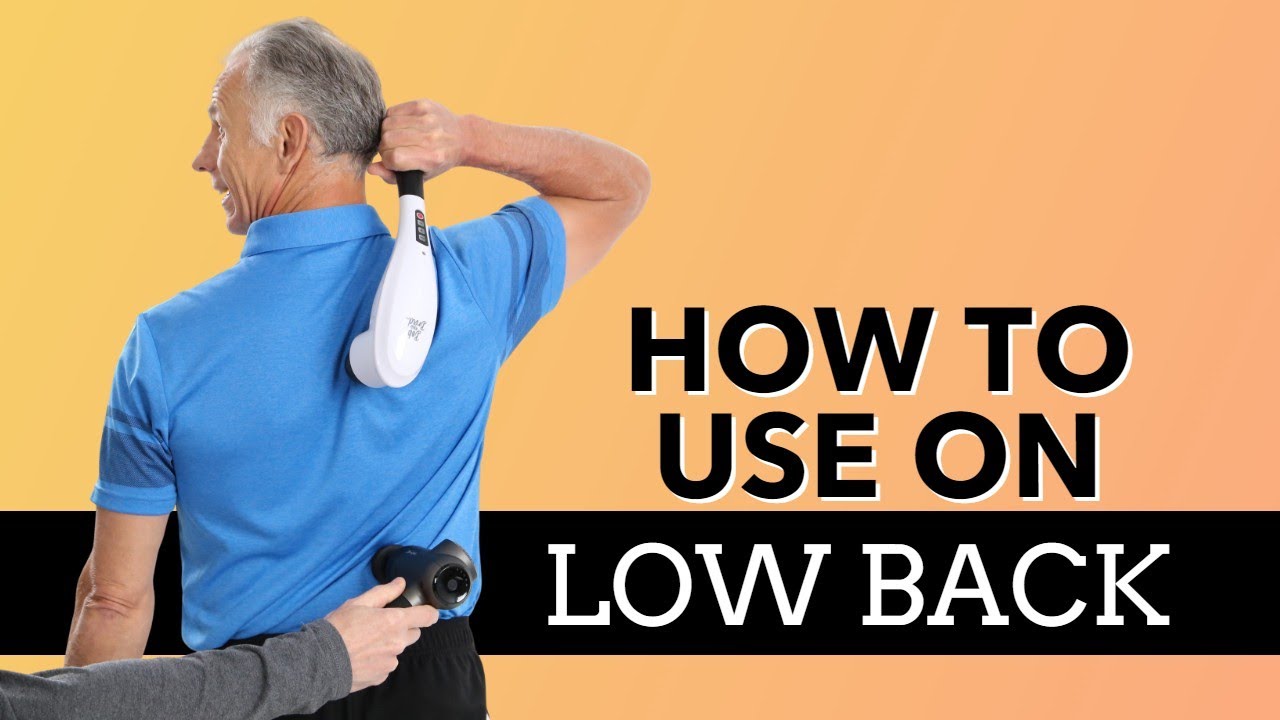
Stand near a wall or lie on your side if you need to reach your lower back. You can also ask a trusted person to help with areas you cannot reach safely.
Keep your body relaxed. Twisting hard to reach your back can add strain and make the pain worse.
4. Begin with a light pass
Turn the massage gun to its lowest setting. Glide it slowly over the muscle for 10 to 15 seconds before deciding whether the pressure feels comfortable.
Do not press down to force the tool into the tissue. Let the weight of the device do most of the work.
5. Treat the muscles beside the spine
Move along the thick muscles on either side of the spine. Stay at least an inch away from the bony center line, and move farther out if the area feels tender.
For the lower back, use short passes over the broad muscles above the hips. Avoid the soft area directly over the kidneys, especially if you feel deep pain rather than surface muscle tension.
6. Finish with gentle movement
After using the massage gun, take a short walk or perform easy back movements. This helps you notice whether your motion feels better.
Drink water if you like, but there is no strong evidence that a massage gun “flushes toxins” from the muscles. Comfort and movement are better measures of success.

Where to Use a Massage Gun on the Back
The safest targets are usually large muscle groups. You should be able to feel soft tissue under the massage head, not a hard bone.
Upper back
The muscles around the shoulder blades can become tight from desk work, driving, or stress. Use a soft attachment beside the shoulder blade, not directly on the blade.
Move in slow lines across the muscle. Avoid the front of the shoulder, the neck, and the top of the spine.
Mid-back
The muscles beside the mid-spine may respond well to gentle treatment. Keep the device away from the ribs, spine, and any spot that causes sharp pain.
Ask another person to help if you cannot reach the area without twisting. A safe position matters more than treating every tight spot.
Lower back
The lower back needs extra care because pain there can come from muscles, joints, disks, nerves, or internal organs. Use a massage gun only when the pain feels like mild muscle tightness and does not spread into the leg.
Treat the muscles above the hips and beside the spine. Do not use the device over the spine, kidneys, hip bones, or painful bruises.
Helpful nearby areas
Sometimes the back feels tight because nearby muscles are working too hard. Gentle work on the glutes, hamstrings, and upper hips may support easier movement.
Use the same rules: low speed, light pressure, and no direct work on bones or joints.
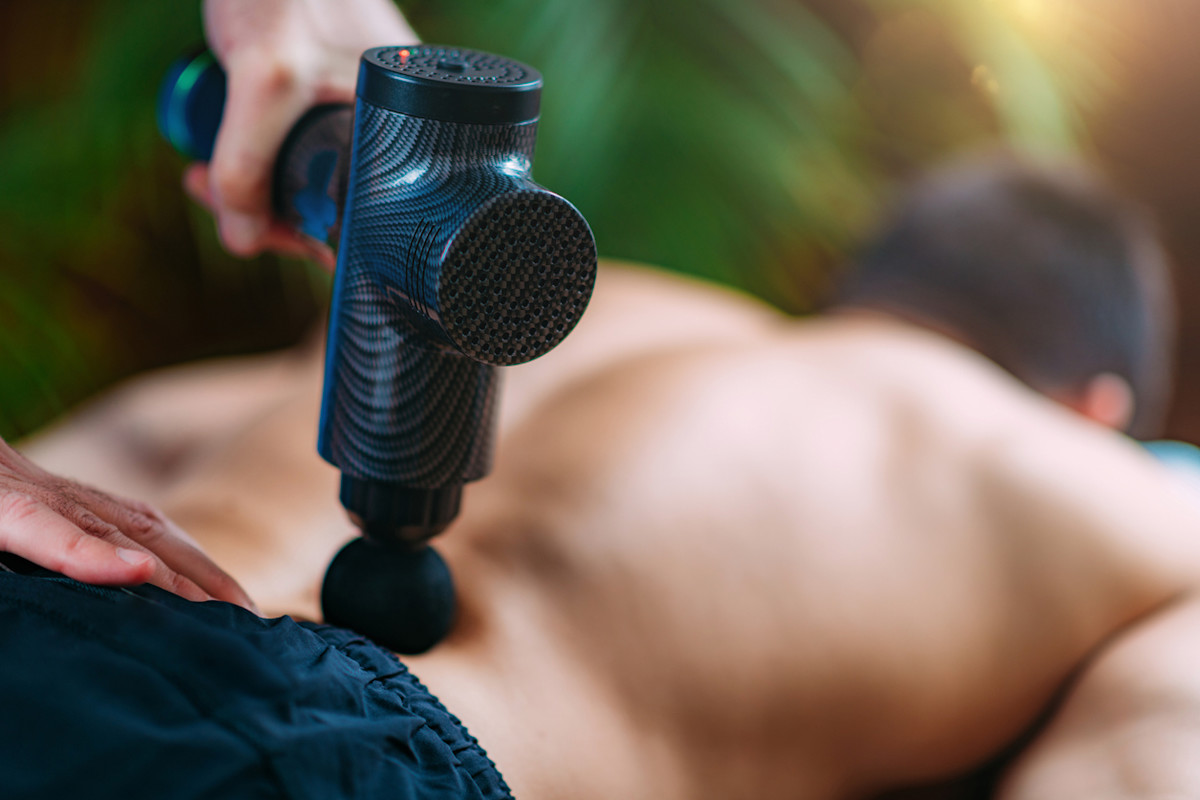
Choosing the Right Speed and Pressure
Most massage guns have several speed levels. A lower setting is usually enough for back pain, especially when you are new to percussive therapy.
Use this simple guide:
• Low speed: Best for sensitive muscles, warm-ups, and first use.
• Medium speed: Suitable for normal muscle tightness when low speed feels comfortable.
• High speed: Often too intense for painful or sensitive areas and rarely needed on the back.
Pain is not a useful goal. If your muscles tense up while you use the device, lower the speed or stop. Your body may be protecting an irritated area.
A useful rule is the “easy breath test.” You should be able to breathe slowly and speak normally while using the massage gun. If you hold your breath or clench your jaw, the pressure is likely too strong.

How Long Should You Use a Massage Gun for Back Pain?
Start with 30 seconds on each tight muscle area. If the area feels better and shows no irritation, you may work up to two minutes.
A short session of five to 10 minutes is often enough for the back. Longer sessions can leave the muscles sore, numb, or irritated.
You do not need to use a massage gun many times each day. Once daily may be reasonable for mild muscle tension, but reduce use if soreness lasts into the next day.
A massage gun should improve how you move. If it only masks pain for a few minutes and the pain returns stronger, stop and look for the underlying cause.
Potential Benefits and Limits
Using a massage gun for back pain may offer several short-term benefits:
• Less feeling of muscle tightness.
• Easier movement after sitting or exercise.
• Temporary relief from mild soreness.
• Increased awareness of tense muscles.
• A relaxing effect when used with slow breathing.
These benefits are most likely when pain comes from overuse, poor posture, exercise, or general muscle tension. They are less certain when pain involves nerves, disks, joints, or internal organs.
The main limitation is that temporary relief can hide a problem. For example, a person with a nerve-related issue may feel better for a short time but still need an examination and targeted treatment.

Common Mistakes to Avoid
Many problems come from using too much force or treating the wrong area. Avoid these common errors when learning how to use a massage gun for back pain.
• Pressing the device directly on the spine.
• Using a pointed attachment on a tender spot.
• Staying in one place for several minutes.
• Choosing the highest speed at the start.
• Treating pain that travels down the leg.
• Using the device over bruises, rashes, swelling, or open skin.
• Continuing when the area becomes numb.
• Twisting your body to reach a difficult spot.
• Assuming soreness means the treatment worked.
One mistake is especially common: chasing the most painful point. A painful spot may be irritated rather than tight. Treating nearby muscles gently is often safer than attacking the sorest area.
Who Should Avoid a Massage Gun?
A massage gun is not suitable for everyone. Ask a health professional before using one if you have a medical condition, take blood-thinning medicine, or recently had surgery.
Avoid massage-gun use over or near:
• A suspected fracture or serious injury.
• Open wounds, burns, or skin infection.
• A blood clot or suspected blood clot.
• Active swelling or severe inflammation.
• Varicose veins.
• Areas with reduced feeling.
• Recent surgical sites.
• Tumors or unexplained lumps.
People with osteoporosis, bleeding disorders, neuropathy, pregnancy-related concerns, or advanced vascular disease should get personal medical advice first. A doctor or physical therapist can help decide whether percussive therapy is safe.
When Back Pain Needs Medical Care
Do not rely on a massage gun when back pain comes with warning signs. Seek urgent medical help for back pain with:
• New loss of bladder or bowel control.
• Numbness around the inner thighs or groin.
• Severe or worsening weakness in a leg.
• Fever, chills, or unexplained weight loss.
• Pain after a major fall or crash.
• Severe pain that does not improve with rest.
• Chest pain, shortness of breath, or abdominal pain.
• Pain that spreads down the leg with numbness or weakness.
These symptoms may point to a serious condition. Massage may delay proper care, so safety must come first.
For ordinary back pain, contact a clinician if it lasts more than a few weeks, keeps returning, or limits work and sleep. A physical therapist can also teach you exercises that address strength, mobility, and posture.
A Simple Massage Gun Routine
Here is a gentle routine for mild muscle tightness:
-
Walk for five minutes or take a warm shower.
-
Use a soft ball attachment on the upper back muscles for 30 seconds per side.
-
Treat the mid-back muscles beside the spine for 30 to 60 seconds per side.
-
Treat the lower back muscles above the hips for 30 seconds per side.
-
Work the glutes for up to one minute per side.
-
Stop and check your movement.
-
Finish with easy walking and gentle stretching.
This routine should feel calm, not aggressive. If your back feels worse later that day or the next morning, use less time and pressure or stop altogether.
How to Combine Massage With Other Back Pain Care
A massage gun works best as one small part of a wider plan. It cannot replace regular movement or good recovery habits.
Try combining it with:
• Short walks during the day.
• Gentle hip and back mobility exercises.
• Strength work for the core and hips.
• Frequent breaks from sitting.
• A supportive sleep position.
• Physical therapy when pain persists.
When sitting, keep both feet supported and change position often. There is no single perfect posture, but staying in one position for hours can make stiffness worse.
If exercise causes pain, reduce the load and ask a professional for guidance. The goal is steady progress, not a quick burst of relief.
Personal Lessons From Using Percussive Therapy
One lesson that stands out is that gentle use often works better than forceful use. People commonly press harder when a muscle feels tight, but that can make the body guard the area and create more soreness.
Another useful lesson is to test movement before and after a session. If turning, walking, or standing feels easier, the massage may have helped. If the pain spreads, becomes sharp, or affects strength, the device is not the right answer for that moment.
It also helps to treat the cause of tightness. A massage gun may relax a back after a long workday, but regular movement, a better desk setup, and stronger hip muscles can reduce how often the tightness returns.
Frequently Asked Questions About How to Use a Massage Gun for Back Pain
Can a massage gun help lower back pain?
It may provide short-term relief when lower back pain comes from mild muscle tightness or soreness. It should not be used to treat severe pain, nerve symptoms, major injuries, or unexplained pain.
Can I use a massage gun directly on my spine?
No. Avoid the bony spine and use the device only on the soft muscles beside it. Direct pressure on bones can cause pain and tissue irritation.
How often should I use a massage gun for back pain?
Start with a short session once a day or less. Use it less often if soreness lasts more than a day, and stop if symptoms worsen.
What attachment is best for back pain?
A soft, rounded ball attachment is usually the safest starting choice. Avoid pointed attachments on the back because they can focus too much pressure on a small area.
Should a massage gun hurt?
No. It may feel firm, warm, or mildly intense, but it should not cause sharp pain, numbness, tingling, or bruising. Lower the speed or stop if the sensation feels unpleasant.
Can I use a massage gun for sciatica?
Use caution, especially if pain travels down the leg or causes numbness or weakness. A clinician should assess possible sciatica before you use percussive therapy as part of your routine.
Is it better to use a massage gun before or after exercise?
You can use it briefly before exercise to help muscles feel ready or after exercise for temporary comfort. Do not use it as a replacement for a warm-up, strength plan, or medical treatment.
Conclusion
Knowing how to use a massage gun for back pain means choosing gentle pressure, staying on soft muscle, and watching how your body responds. Keep the device away from the spine, bones, bruises, swollen areas, and nerve-related pain.
Use short sessions as part of a broader plan that includes movement and proper recovery. If pain is severe, persistent, or linked with weakness, numbness, fever, or bladder changes, seek medical care instead of reaching for the device.
Start slowly, track how you feel, and adjust with care. Explore more evidence-based back-care resources, and share your experience or questions with a qualified health professional.