How To Use Theragun: Easy Muscle Relief Guide
Use a Theragun by choosing the right attachment, starting gently, and moving slowly across relaxed muscles.
Learning how to use Theragun can make recovery feel simple, but good technique matters. The device uses percussive therapy, or rapid pulses, to massage soft tissue and help you feel less tight after exercise or long hours at a desk. This guide explains safe Theragun settings, body areas, attachments, timing, and common mistakes so you can use it with confidence.
What Is a Theragun?
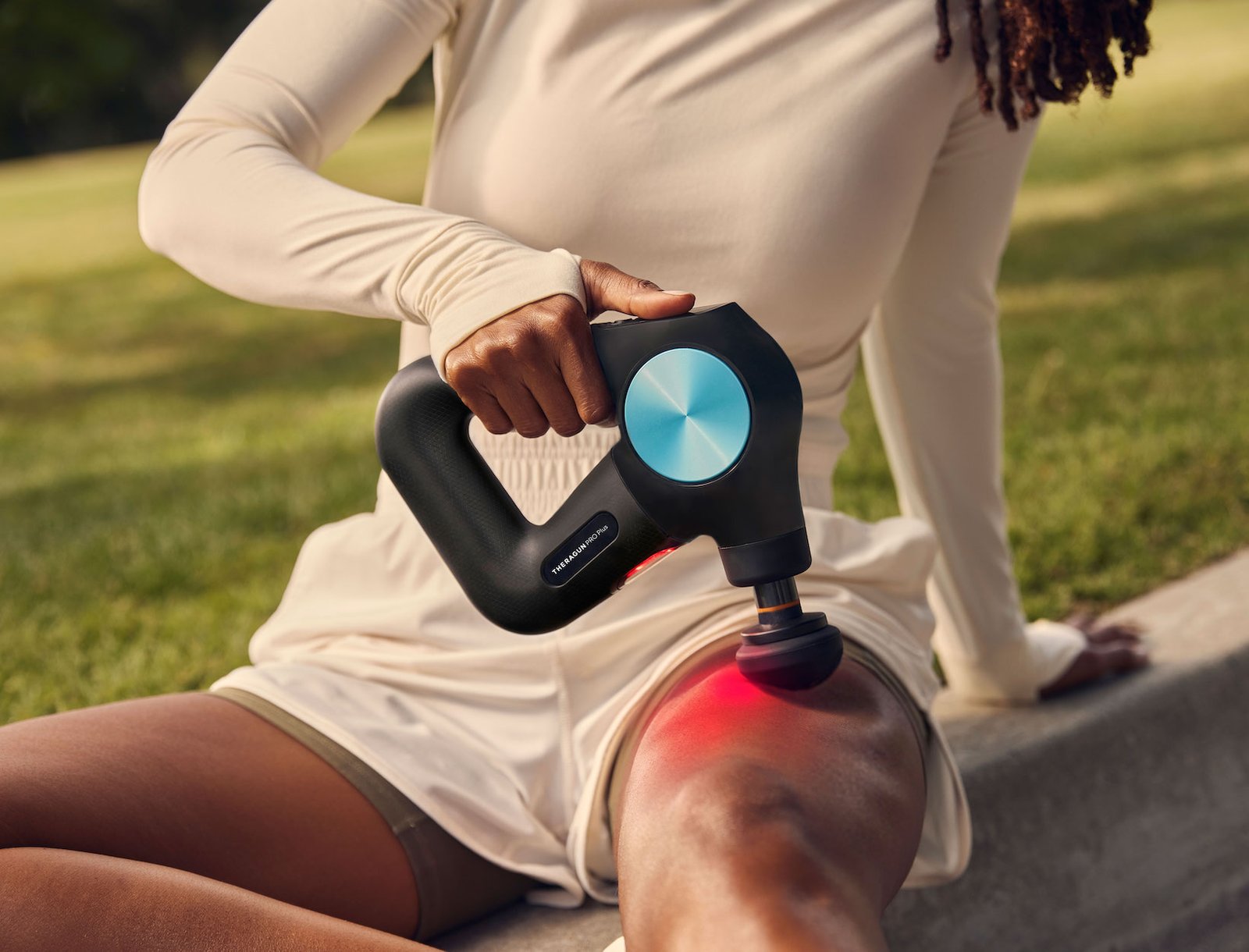
A Theragun is a handheld percussive therapy device made by Therabody. It has a motor that moves an attachment back and forth against the body at a rapid rate. This creates pressure on the muscles and soft tissue.
Many people use a Theragun before exercise, after a workout, or during a rest day. It may help increase short-term blood flow, reduce the feeling of muscle tightness, and improve your sense of movement. It should feel like a firm massage, not sharp pain.
How to use Theragun depends on your goal:
• Use it before exercise to wake up large muscles.
• Use it after exercise to ease the feeling of stiffness.
• Use it on rest days to support gentle mobility.
• Use it during the workday to relax tight shoulders or hips.
Research on massage guns suggests that percussive therapy may improve short-term range of motion without reducing muscle strength. Still, it is not a cure for an injury, and research does not prove that every claimed benefit applies to every person.
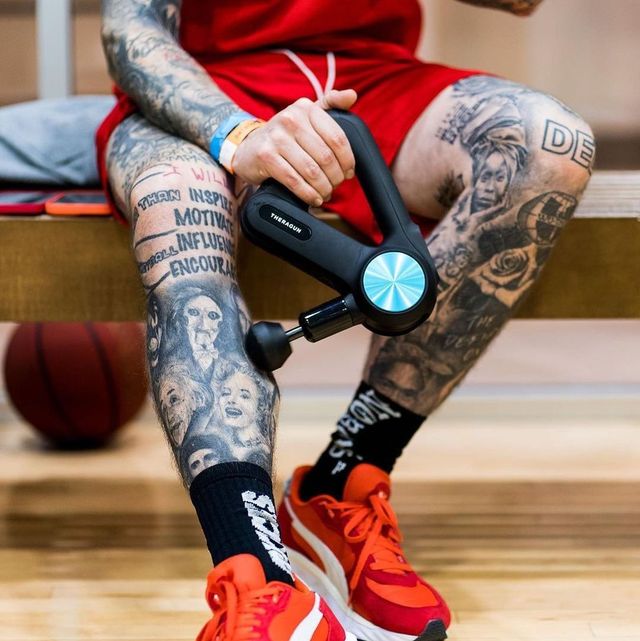
How to Use Theragun: A Simple Step-by-Step Guide
The best approach is slow, light, and controlled. You do not need to force the device into your muscles to get a useful massage.
1. Charge and inspect the device
Charge the Theragun before your first use. Check that the attachment is clean, secure, and free from cracks or damage.
If your model has a display or app, review the suggested routines. These features can guide speed and pressure, but you should still listen to your body.
2. Choose the right attachment
Most Theragun models include several attachments. Their names and materials may vary by model, but these are common options:
• Standard ball: A general attachment for large muscle groups.
• Dampener: A softer option for tender areas and sensitive muscles.
• Thumb: Designed to imitate a focused fingertip or thumb massage. Use it with care.
• Wedge: Often used for shoulder blades, the sides of the body, or sweeping motions.
• Micro-point: A textured attachment that provides a more intense sensation. Start gently.
For most beginners, the standard ball is the best place to start. It spreads pressure across a wider area and is less likely to feel too intense.
3. Start on the lowest speed
Turn the Theragun on at its lowest setting. Place the attachment on the muscle before increasing the speed.
Do not press hard at the start. Let the motor provide the movement. If the sensation feels comfortable, slowly add a little pressure or speed.
4. Glide over the muscle
Move the device slowly across the soft part of the muscle. Keep it moving instead of holding it in one spot for a long time.
Use broad strokes first. You can then spend a few extra seconds on areas that feel tight. A good session should leave the muscle feeling warm or relaxed, not bruised or numb.
5. Limit the time
Spend about 30 seconds on a small area and up to two minutes on a larger muscle group. A full-body routine may take 10 to 15 minutes.
You do not need to use a Theragun for a long time to get value from it. More time and more pressure do not always produce better results.
6. Stop if the sensation feels wrong
Stop right away if you feel sharp pain, burning, tingling, numbness, dizziness, or unusual weakness. Mild pressure is normal, but pain is a warning sign.
This step-by-step method explains how to use Theragun without turning a gentle recovery tool into an aggressive treatment.

Where to Use a Theragun
A Theragun works best on large, fleshy muscle groups. Keep the device on muscle rather than bone, joints, or the front of your neck.
Legs
You can use a Theragun on the quadriceps, hamstrings, glutes, and calves.
For the quadriceps, stand or sit comfortably and glide the device from the upper thigh toward the knee. Stay on the muscle and avoid pressing directly on the kneecap.
For the hamstrings, place one leg in a relaxed position. Move along the back of the thigh without pressing into the back of the knee.
For the calves, use light pressure. The calf can feel tender after running, so a softer attachment and low speed may work best.
Hips and glutes
The glutes are large muscles that often respond well to percussive massage. Use the standard ball attachment and move around the fleshy outer part of the hip and buttock.
Avoid the groin, hip bone, and the front or side of the neck. If you have pain deep inside the hip, do not assume it is simple muscle tightness.
Back and shoulders
You can use a Theragun on the broad muscles beside the spine and across the upper back. Avoid placing the device directly on the spine, shoulder blades, or ribs.
For the shoulders, work across the upper trapezius muscle. Keep the pressure light, especially near the base of the neck.
If you cannot reach your back safely, ask someone to help or use the device only on areas you can see and control.
Arms
Use a Theragun on the biceps, triceps, and forearms. These muscles can become tight from lifting, typing, or repetitive work.
The forearms may need very light pressure. Avoid the wrist joint, elbow joint, and any area with swelling or tingling.
Understanding where to use a Theragun is just as important as learning how to hold it. The goal is to target soft tissue, not every sore spot on the body.

How to Use Theragun Before a Workout
Before exercise, use a Theragun as part of a warm-up. It should support movement, not replace active preparation.
Spend about 15 to 30 seconds on each major muscle group. Use a low or medium speed and keep the device moving.
A simple pre-workout routine may include:
-
Glide over each quadriceps for 20 seconds.
-
Massage each glute for 20 seconds.
-
Move over each hamstring for 20 seconds.
-
Treat each calf for 15 to 20 seconds.
-
Follow with dynamic movements such as bodyweight squats, lunges, arm circles, or brisk walking.
Do not use a massage gun as your only warm-up before sprinting, heavy lifting, or sport. Your body also needs active movement to raise temperature and prepare the nervous system.
One mistake people often make is using the highest speed before exercise because it feels powerful. That can make the muscles feel dull or overly relaxed. A lighter pass is usually more practical before training.

How to Use Theragun After a Workout
After exercise, a Theragun can help you relax and reduce the feeling of tightness. It may also support short-term range of motion, which can make gentle stretching feel easier.
Wait until your breathing has settled. Then use a low or medium setting on the muscles you trained.
Try this routine:
• Spend 30 to 60 seconds on each large muscle.
• Use light pressure on tender areas.
• Keep the attachment moving.
• Drink water as you normally would after exercise.
• Finish with easy movement or gentle stretching.
A massage gun cannot prevent delayed-onset muscle soreness every time. Muscle soreness is influenced by training load, sleep, nutrition, stress, and how used your body is to the exercise.
How to use Theragun after exercise is not about chasing pain. Think of it as smoothing out a stiff feeling, much like gently loosening a knot in a shoelace.
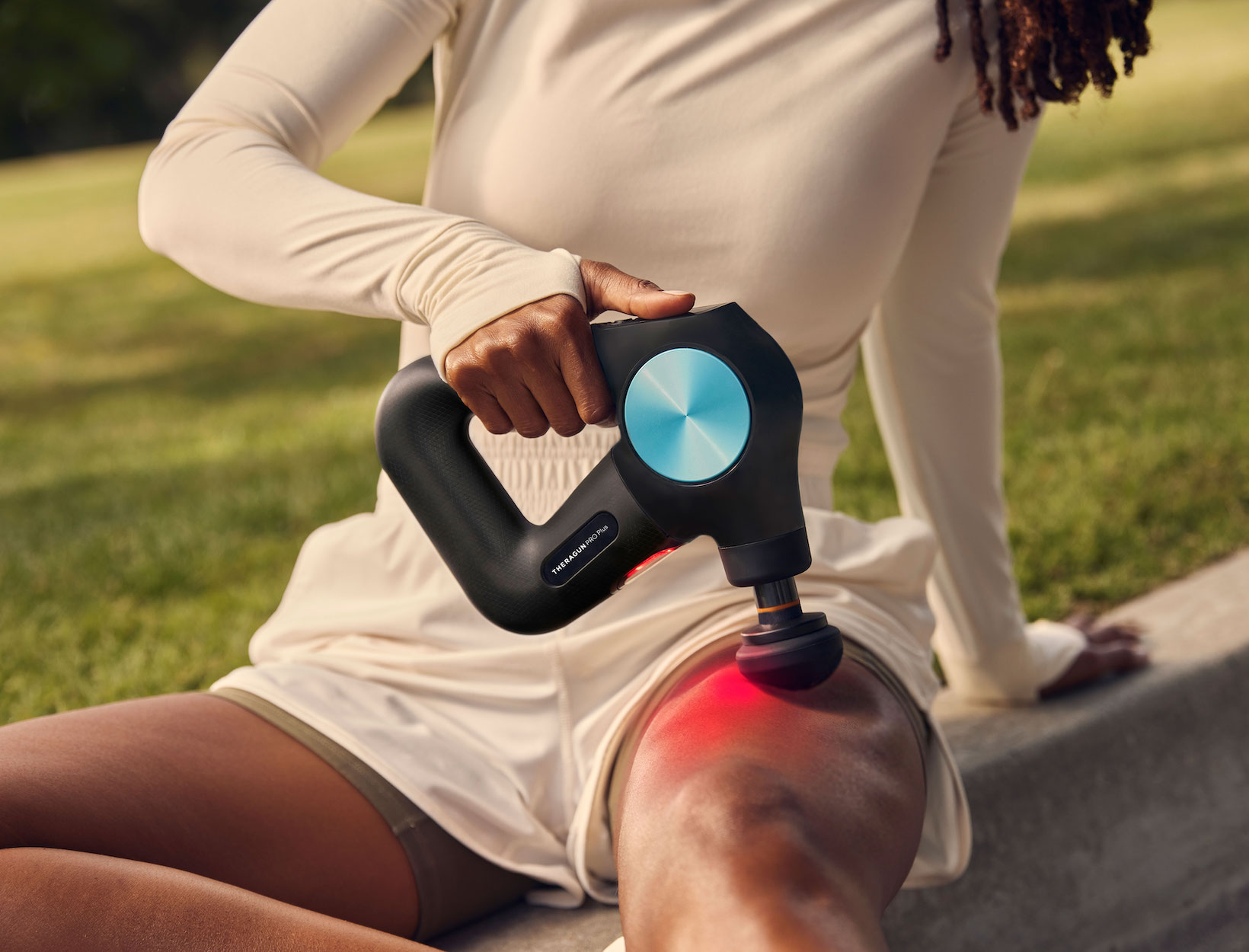
How Long Should You Use a Theragun?
Most sessions should last between five and 15 minutes. You can use short sessions more often instead of one long, intense session.
A basic guide is:
• Small muscle area: 15 to 30 seconds.
• Large muscle area: 30 seconds to two minutes.
• Full-body routine: 10 to 15 minutes.
Using a Theragun once or twice a day may be comfortable for many healthy adults. However, the right frequency depends on the area, pressure, exercise load, and your personal response.
Avoid repeatedly treating the same sore area for a long time. If soreness lasts several days, gets worse, or affects normal movement, consider speaking with a health professional.
There is no prize for using the highest setting. A comfortable session that you can repeat safely is more useful than an intense session that leaves you bruised.
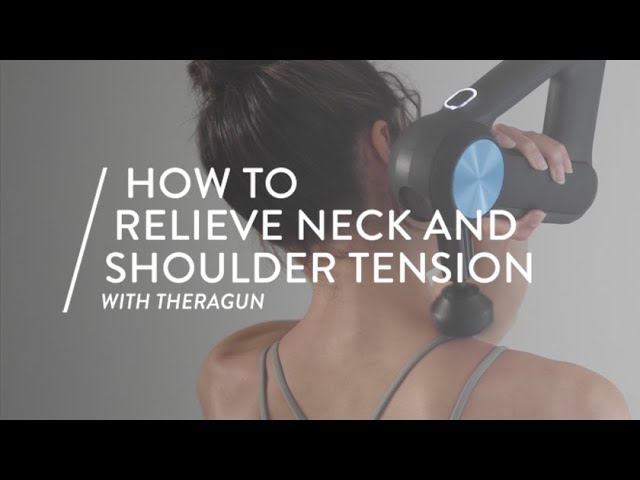
Theragun Speed and Pressure Guide
Speed controls how quickly the attachment moves. Pressure controls how firmly it pushes into your body. You can adjust one without greatly changing the other.
Use these general guidelines:
• Low speed and light pressure: Best for beginners, warm-ups, sensitive muscles, and recovery days.
• Medium speed and moderate pressure: Useful for large muscles after exercise.
• High speed or heavy pressure: Use only if it feels comfortable and your model instructions allow it.
Keep the Theragun perpendicular to the muscle when possible. This helps the attachment make even contact.
Do not lean your whole body weight into the device. Your hand should guide it, not force it. If the skin becomes very red, painful, or tender, stop and allow the area to recover.
Learning how to use Theragun safely means treating the speed and pressure controls as separate tools. More intensity is not automatically more effective.
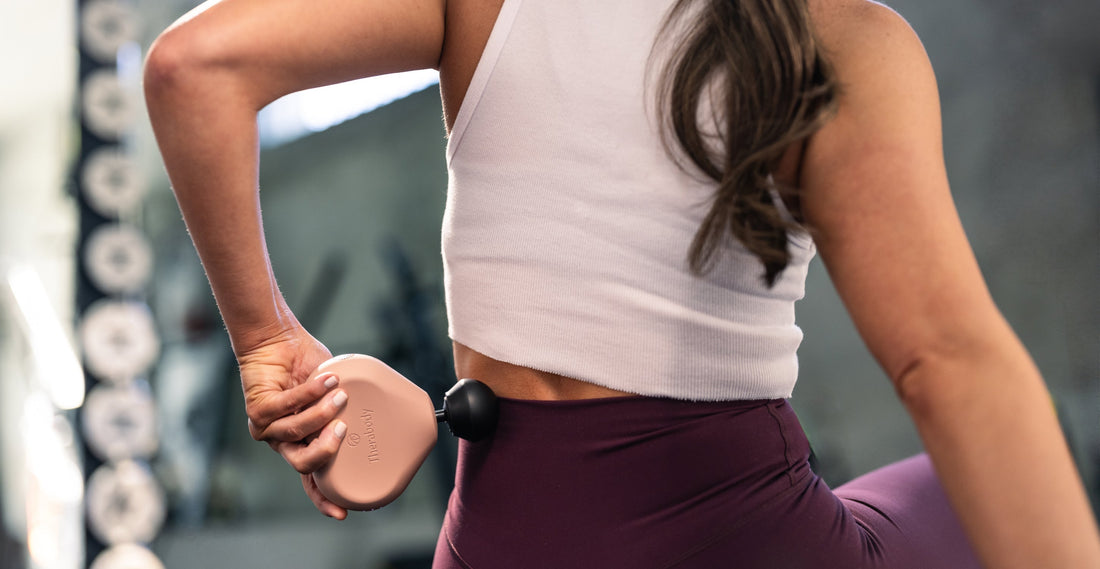
When Not to Use a Theragun
Percussive therapy is not suitable for every person or body area. Avoid using it directly over:
• Open wounds, cuts, burns, or skin infections.
• Fresh bruises or areas with significant swelling.
• Broken bones or suspected fractures.
• Varicose veins.
• Joints, bones, the spine, and the front of the neck.
• Areas with reduced sensation.
• The abdomen during pregnancy unless a qualified clinician gives specific advice.
Speak with a doctor or physical therapist before using a Theragun if you have a blood clotting disorder, take blood-thinning medicine, have a recent surgery, or have a known vascular condition.
People with cancer, osteoporosis, neuropathy, or unexplained pain should also ask a qualified clinician before using one. This guide cannot assess your medical history or diagnose the cause of pain.
Never use a Theragun to push through sharp pain. A massage gun may make some problems feel temporarily different without addressing the cause.

Common Theragun Mistakes to Avoid
Even a well-designed device can cause problems when used too aggressively. These mistakes are common among first-time users.
Pressing too hard
Heavy pressure can increase tenderness and irritate already sensitive tissue. Let the device do the work.
Staying on one spot
Holding the attachment in one place for several minutes can cause soreness. Keep it moving over the muscle.
Treating bones and joints
Bones do not need percussive massage. Direct contact with knees, elbows, ankles, and the spine can be painful and may irritate the area.
Using it on an acute injury
A new sprain, strain, or swollen area needs proper assessment. A massage gun is not a substitute for first aid or medical care.
Ignoring numbness
Numbness and tingling are not signs that the treatment is working better. Stop and seek advice if these sensations continue.
Skipping the manual
Theragun models differ in speed, amplitude, attachments, and controls. Read the instructions for your exact model before use.
The biggest lesson in how to use Theragun is simple: gentle and consistent usually beats intense and careless.
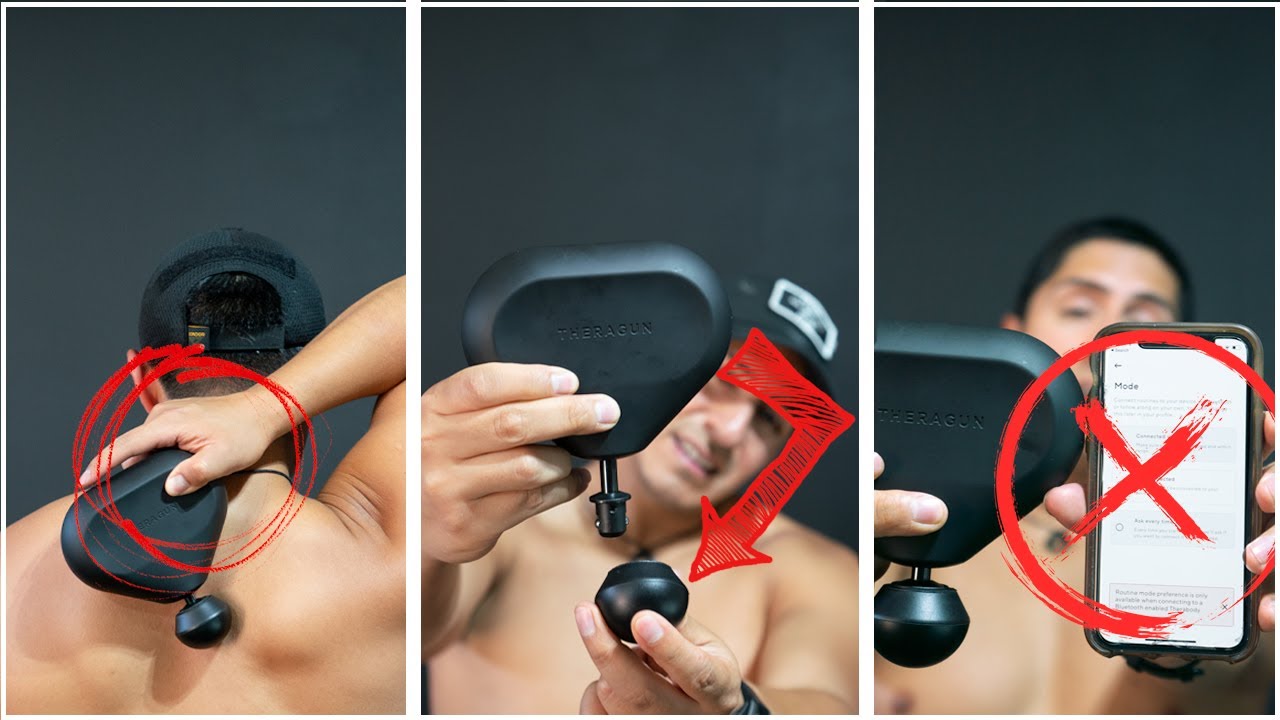
How to Clean and Maintain Your Theragun
Clean the attachments after use, especially if more than one person uses the device. Wipe them with a soft cloth and a suitable household disinfectant according to the manufacturer’s care instructions.
Keep liquid away from the motor and charging port. Do not submerge the device unless the manufacturer specifically says that a part is waterproof.
Store the Theragun in a dry place. Charge it with the correct cable or charger, and stop using it if the battery, housing, or attachment becomes damaged.
Good care helps the device last longer and reduces the spread of sweat and skin oils. It also makes each session feel cleaner and more pleasant.
Does a Theragun Really Work?
A Theragun may provide short-term relief from the feeling of muscle tightness and may temporarily improve range of motion. Studies on percussion devices and similar forms of massage support some short-term effects, but the evidence is still developing.
It is best viewed as a recovery aid rather than a medical treatment. Results can vary based on the person, muscle group, timing, pressure, and reason for use.
A Theragun will not repair a torn tendon, heal a fracture, remove a blood clot, or diagnose nerve pain. If symptoms continue, professional assessment is the safer next step.
How to use Theragun effectively involves realistic expectations. Use it to support movement and comfort, not to replace sleep, proper training, rehabilitation, or medical care.
Frequently Asked Questions About How to Use Theragun
How often can you use a Theragun?
Many healthy adults can use a Theragun once or twice a day for short sessions. Avoid long, intense treatment on the same area, and stop if you develop pain, bruising, numbness, or swelling.
Can you use a Theragun every day?
You can often use it daily on healthy muscles if the pressure is light and the area feels normal afterward. Daily use is not appropriate for a new injury, severe soreness, or a medical condition without professional guidance.
Should you use a Theragun before or after exercise?
You can use it before exercise for a brief, gentle muscle warm-up and after exercise to help you relax. It should not replace active warm-up movements, strength work, stretching, or a proper recovery plan.
Can you use a Theragun on your lower back?
You may use it on the large muscles beside the lower spine, but never directly on the spine or kidneys. Use light pressure, and avoid the area if you have unexplained back pain, numbness, weakness, or an acute injury.
Can a Theragun help with sore muscles?
A Theragun may reduce the feeling of tightness and provide short-term comfort. It does not guarantee that muscle soreness will disappear or that the underlying cause has healed.
Is it safe to use a Theragun on the neck?
Avoid the front and sides of the neck, where important blood vessels and nerves are located. If your model instructions and a qualified clinician permit use near the upper back, stay on the broad shoulder muscles and use very light pressure.
Why does a Theragun hurt when I use it?
Pain may mean the pressure is too strong, the speed is too high, the area is injured, or the attachment is too firm. Stop, reduce the intensity, or avoid the area; seek medical advice if pain continues.
Conclusion
Learning how to use Theragun comes down to four habits: choose the right attachment, start with low speed, keep the device moving, and stay on soft muscle tissue. Short sessions can fit before or after exercise, but a massage gun cannot replace medical care or a complete recovery plan.
Use comfort as your guide rather than chasing maximum pressure. Try a gentle five-minute routine this week, note how your body responds, and adjust slowly. For more practical recovery guidance, explore related mobility resources or share your Theragun experience in the comments.