How To Use A Massage Gun: Safe, Simple Guide
Use a massage gun on relaxed muscles with light pressure, slow movement, and short sessions.
Learning how to use a massage gun can make recovery feel simple and controlled. The key is knowing where to place it, how much pressure to use, and when to stop. This guide explains safe massage gun techniques for warmups, post-workout recovery, sore muscles, and daily tension, based on sports medicine guidance and practical use.

What Is a Massage Gun?
A massage gun is a handheld device that uses rapid pulses to move a soft attachment against your muscles. This action is called percussive therapy. It may help increase local blood flow, reduce the feeling of muscle tightness, and improve short-term range of motion.
A massage gun does not “break up” muscle knots or remove lactic acid. Those are common claims, but they oversimplify how muscles work. A better way to think about it is this: the device gives your muscles a strong sensory signal, much like firm massage or pressure from a foam roller.
Research on percussive therapy suggests that it may improve flexibility and short-term muscle soreness in some people. Results vary by person, device, pressure, and timing. A massage gun should support good sleep, movement, hydration, and training habits rather than replace them.

How to Use a Massage Gun Step by Step
If you are new to massage guns, start with a calm and simple routine. The goal is to relax the muscle, not to force deep pain.
1. Choose the right attachment
Most massage guns include several heads. Each one suits a different area or type of work.
- Round ball: Best for large muscle groups such as the thighs, glutes, and calves.
- Flat head: Useful for general muscle work when you want broad contact.
- Bullet head: Designed for small areas, but it requires extra care and light pressure.
- Fork head: Often used around the sides of the spine or on the Achilles area, but never press directly on bones.
- Soft air cushion: A gentle option for sensitive muscles or beginners.
When learning how to use a massage gun, the round ball attachment is usually the safest place to begin. It spreads pressure over a wider area.
2. Start with the lowest speed
Turn the massage gun on before placing it against your body. Then bring it slowly to the muscle. Begin at the lowest speed for about 10 to 15 seconds.
A low setting helps you understand how the device feels. Higher speeds are not always better. Too much force can make a muscle tighten, which defeats the purpose of the session.
3. Move over the muscle
Glide the massage gun slowly across the muscle. Do not hold it in one painful spot for a long time. Use steady strokes that follow the length of the muscle.
For most areas, spend 30 seconds to two minutes on each muscle group. Keep the device moving, and let the attachment do the work. Your hand should guide the massage gun rather than push it deeply into your body.
4. Use light to moderate pressure
You should feel firm pressure and a pleasant vibration. You should not feel sharp pain, numbness, tingling, or burning.
A useful rule is the “comfortable six.” Keep the sensation at about six out of 10 or less. If you tense your jaw, hold your breath, or pull away from the device, reduce the pressure or stop.
5. Finish with gentle movement
After using a massage gun, move the joint through a comfortable range. For example, perform slow calf raises after working on your calves or gentle bodyweight squats after working on your thighs.
This helps you notice whether your movement feels easier. It also reminds you that the massage gun is a tool for movement, not a replacement for movement.
Where to Use a Massage Gun
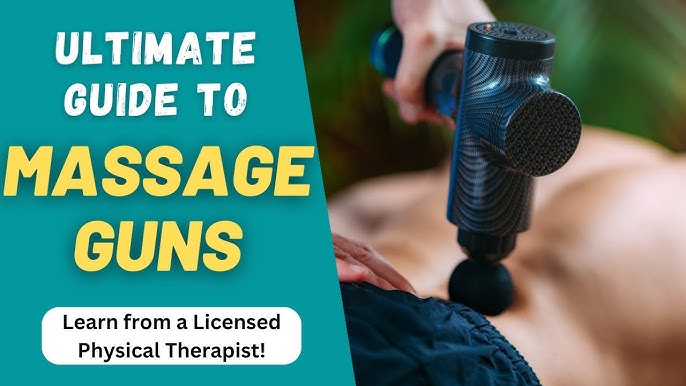
A massage gun works best on broad, fleshy muscle groups. These areas have enough soft tissue to handle the vibration safely.
Legs
The thighs, hamstrings, calves, and glutes are common targets. Move the massage gun up and down the muscle without pressing into the knee, shin, ankle, or hip bone.
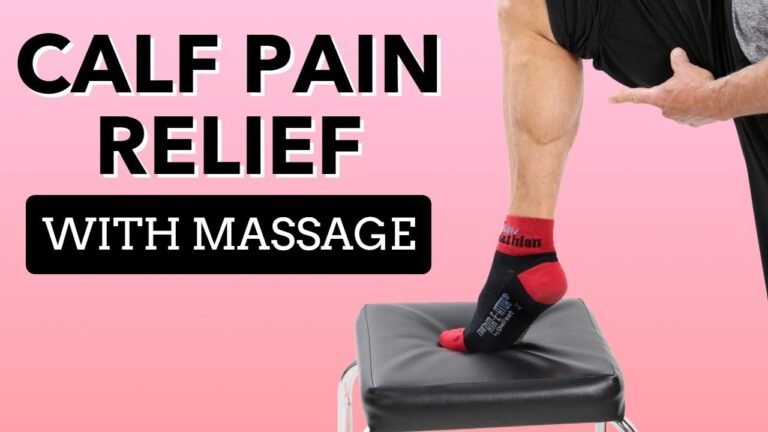
For the calf, work along the inner and outer muscle rather than directly over the shin. Use extra care near the back of the knee because important nerves and blood vessels pass through that area.
Glutes and hips
The glutes can often tolerate moderate pressure. Keep the massage gun on the fleshy part of the buttock and avoid the tailbone, hip bone, and lower back joints.
For tight hips, work the glute muscles and outer thigh gently. Do not press hard on the front of the hip, where sensitive structures and blood vessels are located.
Back and shoulders
You can use a massage gun on the upper back muscles, rear shoulders, and muscles beside the spine. If possible, ask another person to help you reach these areas.
Never press the massage gun directly over the spine, neck bones, shoulder blades, or ribs. Avoid using it on the front or side of the neck. This is one of the most important safety rules when learning how to use a massage gun.
Arms
The biceps, triceps, forearms, and shoulders may respond well to light treatment. Keep the device away from the elbow joint, wrist bones, and the inner upper arm.
Use a small range of motion and low pressure at first. Arm muscles are smaller, so they may need less time than the thighs or glutes.
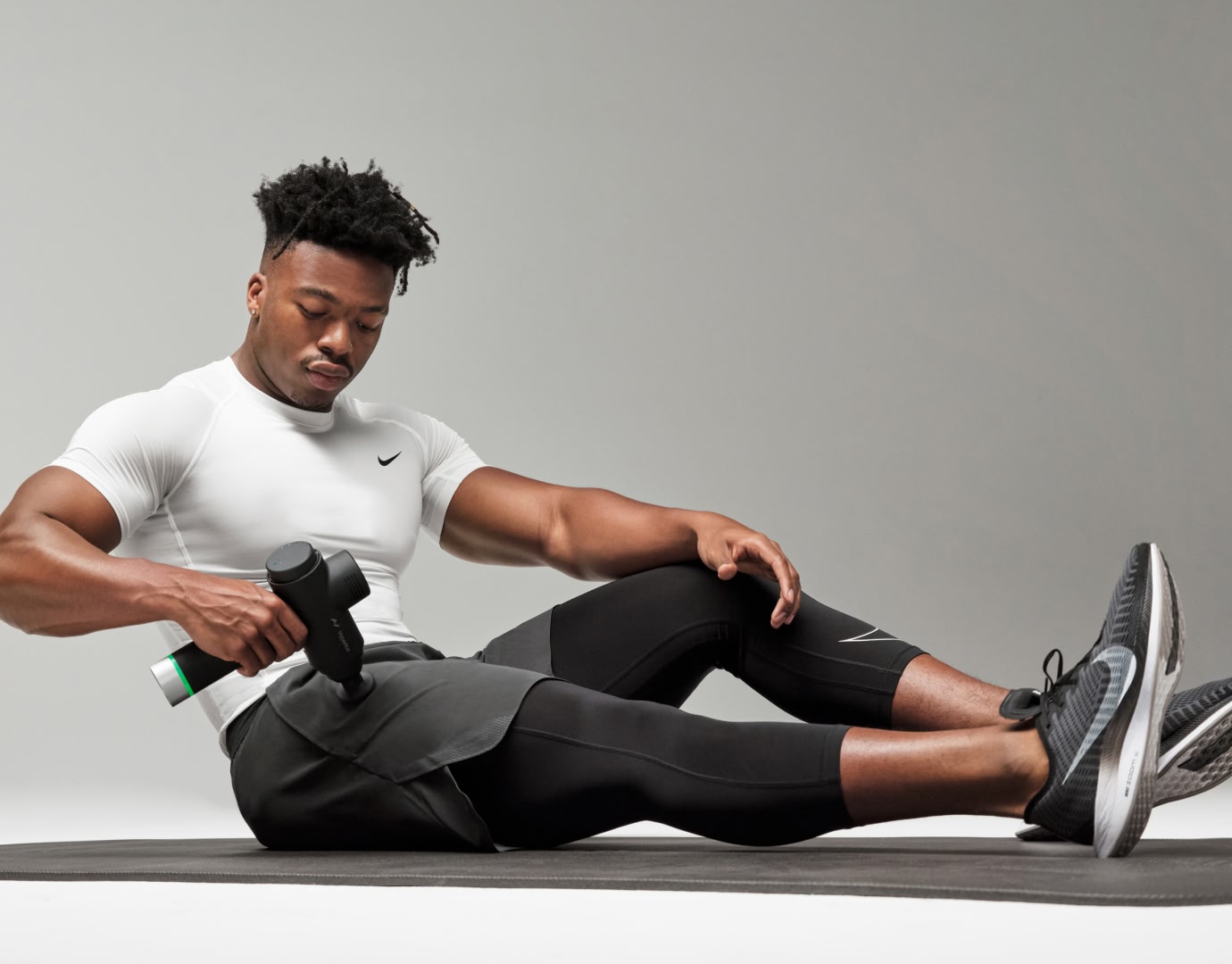
When to Use a Massage Gun
Timing depends on your goal. The same device can feel different before exercise, after exercise, or during a rest day.
Before a workout
A short session may help you feel more mobile before training. Use the massage gun for about 15 to 30 seconds on each major muscle group.
Follow it with active movements such as walking, lunges, arm circles, or bodyweight squats. Do not use a long, intense massage before heavy lifting or sprinting. Too much relaxation may make you feel less ready for explosive effort.
After a workout
Many people use a massage gun after exercise to reduce the feeling of tightness. Spend about one to two minutes on each trained muscle group, using moderate pressure.
This may support comfort and short-term recovery. However, it cannot prevent all delayed-onset muscle soreness, repair an injury, or replace rest and nutrition.
On a rest day
A light session can help you manage everyday tension from sitting, driving, or standing. Keep the speed low and the session short.
If a muscle feels worse after treatment, give it time to settle. A massage gun should leave you feeling more comfortable, not bruised or exhausted.

How Long Should You Use a Massage Gun?
Most people can start with five to 10 minutes for the whole body. Use about 30 seconds to two minutes on each muscle group.
Longer sessions are not automatically more effective. Extended pressure may irritate the tissue and create more soreness. If you are using a massage gun for the first time, treat it like a new exercise: start small and increase slowly.
A simple routine may look like this:
- Warm up the device on a low setting.
- Spend one minute on each thigh.
- Spend one minute on each calf.
- Spend one minute on each glute.
- Finish with gentle walking or stretching.
- Drink water and note how your body feels later.
Stop if you notice bruising, swelling, lasting pain, numbness, or unusual weakness. These signs are not normal benefits of percussive therapy.

Common Mistakes to Avoid
Many problems come from using too much pressure or choosing the wrong body area. Avoid these mistakes when learning how to use a massage gun.
- Pressing as hard as possible: Deep pressure can increase soreness and may irritate sensitive tissue.
- Staying on one spot too long: Move slowly instead of holding the device in one place for several minutes.
- Treating bones and joints: Massage guns are for muscle, not the spine, kneecap, hip bone, elbow, or ankle.
- Using it on an injury: A massage gun may worsen swelling, bleeding, or tissue irritation.
- Ignoring sharp pain: A strong vibration can mask a problem for a short time. Pain is a signal to stop.
- Using it on the neck: Avoid the front and sides of the neck because they contain sensitive nerves and blood vessels.
- Treating numb areas: If you cannot feel the area well, you may apply too much pressure without noticing.
- Sharing attachments without cleaning them: Wipe the device head after each use, especially when several people use the same unit.
- Using it right before maximal exercise: A long session may leave the muscle feeling dull or overly relaxed.
- Assuming every soreness needs massage: Sometimes rest, gentle movement, or medical care is the better choice.
One mistake I have seen often is chasing the most painful spot. People assume pain means progress. In practice, the best results usually come from slow movement around the tight area with less pressure than expected.

Massage Gun Safety and Contraindications
Massage guns are not suitable for every person or body area. Speak with a health professional before use if you have a medical condition, take blood-thinning medicine, or have questions about your risk.
Avoid using a massage gun over:
- Open wounds, cuts, rashes, or skin infections
- Fresh bruises or areas with swelling
- Broken bones or suspected fractures
- Varicose veins
- Blood clots or suspected deep vein thrombosis
- Recent surgery
- Active inflammation
- Tumors or areas affected by cancer
- Numb areas or areas with reduced sensation
- The front or side of the neck
- The spine, joints, and other bony areas
People with bleeding disorders, neuropathy, osteoporosis, pregnancy-related concerns, or cardiovascular conditions should ask a qualified clinician for personalized guidance. A physical therapist, physician, or other licensed professional can help you decide whether percussive therapy is appropriate.
Seek medical care for severe pain, sudden swelling, weakness, chest pain, shortness of breath, or one-sided leg swelling. Do not use a massage gun to delay care for symptoms that may signal a serious problem.

How to Use a Massage Gun for Different Goals
Your technique should match your reason for using the device.
For muscle soreness
Use a low or medium speed and light pressure. Move across the surrounding muscle for 30 to 60 seconds, then check how you feel.
Do not try to “erase” soreness with aggressive treatment. Muscle soreness can be normal after a new workout, but severe pain, swelling, or weakness may point to an injury.
For flexibility
Work on the muscle for 30 seconds before a gentle stretch. For example, treat the hamstrings lightly, then perform a slow forward hinge.
Studies suggest percussive therapy may produce short-term changes in range of motion. These changes may not last, so regular mobility work still matters.
For warmups
Use brief passes over the muscles you plan to train. Pair the massage gun with active warmup drills.
A good pre-workout plan might include one minute on the glutes, one minute on the thighs, and two minutes of walking lunges and squats. Keep the pressure comfortable and avoid making the muscles feel tired.
For desk-related tension
Use a massage gun on the upper back muscles, rear shoulders, and forearms. Keep the device away from the spine and neck.
Then stand up, breathe slowly, and move your shoulders. No massage tool can fully offset hours of poor posture without regular movement breaks.

How to Clean and Maintain a Massage Gun
Good maintenance protects both the device and your skin. Turn the massage gun off before cleaning it.
- Remove the attachment if the design allows it.
- Wipe the attachment with a soft cloth and mild disinfectant.
- Do not soak the motor or place the device under running water.
- Let the attachment dry fully before storing it.
- Charge the battery according to the manufacturer’s instructions.
- Keep the massage gun in a cool, dry place.
- Check the attachment for cracks, loose parts, or damage.
Avoid using oils or lotions unless the manufacturer allows them. Oils can make the device harder to control and may damage some materials.
How to Choose a Massage Gun
A powerful motor is not the only feature that matters. Look for a device that is easy to control and comfortable to hold.
Consider these features:
- Adjustable speed settings: More control helps you use the right intensity for each muscle.
- Several attachments: A soft head is useful for beginners and sensitive areas.
- Comfortable weight: A heavy device can strain your wrist during longer sessions.
- Low noise: A quieter motor makes it easier to relax.
- Long battery life: This helps if you travel or use it often.
- Clear instructions: Good guidance supports safer use.
- Reliable warranty: A warranty can protect you from early equipment failure.
Percussion depth and speed numbers can be confusing because brands may measure them in different ways. Instead of choosing the device with the biggest advertised number, focus on control, comfort, build quality, and safe use.
Frequently Asked Questions About How to Use a Massage Gun
Is it safe to use a massage gun every day?
Many healthy adults can use a massage gun daily for short, gentle sessions on large muscles. Avoid daily use on painful, bruised, swollen, or injured areas, and reduce use if soreness increases.
Can you use a massage gun before stretching?
Yes, you can use a massage gun briefly before gentle stretching. Treat the muscle with low pressure, then move slowly into the stretch without forcing the joint.
Can a massage gun remove muscle knots?
A massage gun may reduce the feeling of tightness around a tender area, but it cannot guarantee that a muscle knot is removed. Persistent pain may need assessment from a physical therapist or other health professional.
Can you use a massage gun on your lower back?
You may use it lightly on the fleshy muscles beside the lower back, but never directly on the spine or kidneys. Stop if you feel sharp pain, tingling, numbness, or pain that travels into the leg.
How long should you use a massage gun on one muscle?
Start with 30 seconds to one minute on a muscle and rarely exceed two minutes at a time. Use less time if the area is small, sensitive, or already sore.
Should a massage gun hurt?
No. Firm pressure and mild discomfort may occur, but sharp pain, numbness, burning, or intense tenderness means you should stop or reduce the pressure.
Can you use a massage gun after an injury?
Do not use a massage gun over a fresh injury, swelling, bruising, or suspected tear. Ask a qualified health professional for advice before treating an injured area.
Conclusion
Knowing how to use a massage gun safely comes down to a few simple habits: choose a soft attachment, start slowly, keep the device moving, use light pressure, and target muscles rather than bones or joints. Short sessions can support comfort, mobility, and recovery, but they cannot replace medical care, proper training, sleep, or rest.
Start with one large muscle group for less than a minute and observe how your body responds. With patience and good technique, a massage gun can become a useful part of your recovery routine. Explore trusted mobility resources, follow your device instructions, and share your experience or questions in the comments.