How To Use A Back Massager: Safe Tips For Relief
Use a back massager on clean, relaxed muscles with low pressure, slow movements, and short sessions.
Learning how to use a back massager can make home care feel simple and safe. The right method may ease muscle tightness, support relaxation, and help you unwind after work or exercise. This guide explains massage techniques, device settings, body positions, safety limits, and common mistakes so you can use your back massager with confidence.
What Is a Back Massager?
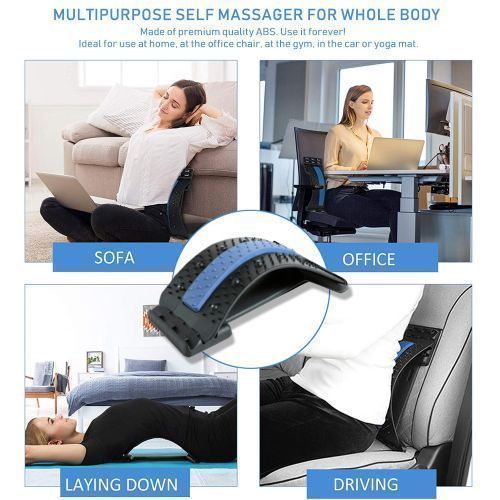
A back massager is a handheld, cushion-style, percussion, heat, or chair device that applies pressure or vibration to the back. Each type works in a slightly different way, but the goal is usually the same: help relax tense soft tissue.
A back massager does not replace medical care. It may help with short-term muscle tension, but it cannot diagnose or treat serious back problems. Research on massage suggests that it may provide modest relief for some types of low back pain, especially when used with movement, sleep, and other healthy habits.
Your back has many muscles, joints, nerves, and blood vessels. Think of a massager as a tool for soft tissue, not a tool for forcing the spine into place.
Common types of back massagers
• Handheld massager: You control the pressure and direction. It works well for the upper back, shoulders, and sides of the lower back.
• Percussion massager: This device uses quick pulses. It can reach large muscles, but it needs careful use because too much pressure may cause soreness.
• Massage cushion: You sit against it while rotating nodes or rollers work along the back. Many models include heat.
• Massage gun: This compact tool targets specific muscle groups. It is not ideal for the spine, kidneys, front of the neck, or bony areas.
• Manual roller: You move your body or the roller by hand. It offers more control and does not need batteries.
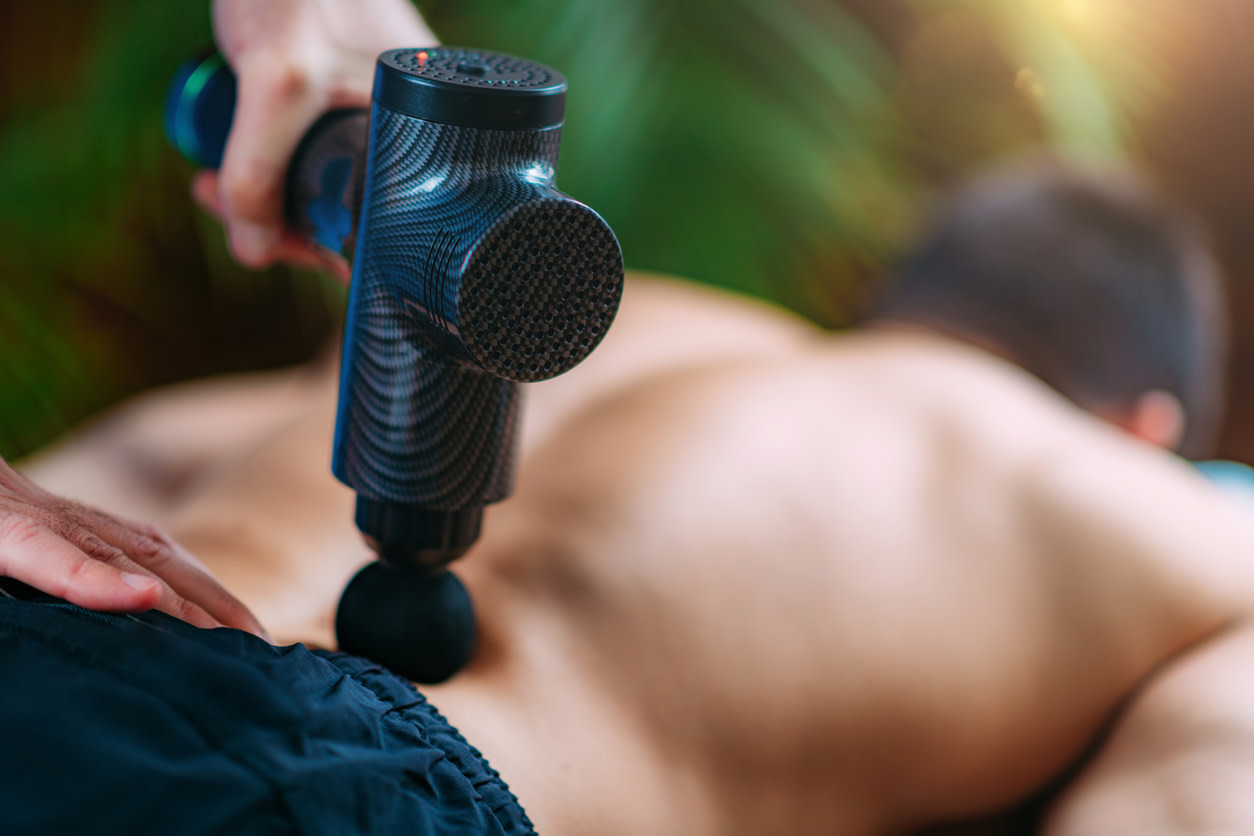
How to Use a Back Massager Step by Step
Using a back massager is not about pressing as hard as possible. Good technique feels steady, warm, and manageable. Sharp pain, numbness, tingling, or burning means you should stop.
1. Read the device instructions
Start with the user manual. Check how long the device can run, whether it includes heat, and which body areas the manufacturer lists as safe.
Look for warnings about pregnancy, implanted devices, circulation problems, or recent injuries. Device designs vary, so general advice cannot replace the instructions for your specific model.
2. Choose a comfortable position
Your muscles should be relaxed before you begin. Sit in a supportive chair, lie on your side, or lie on your stomach with a pillow under your hips if that feels comfortable.
Avoid twisting to reach a tight spot. If you use a handheld model, ask someone to help with hard-to-reach areas rather than bending into an awkward position.
3. Begin with the lowest setting
Turn the back massager on at its lowest speed or intensity. Start without heat if you are unsure how your body will respond.
Use gentle pressure for one or two minutes. Your body needs time to adjust, much like your eyes need time to adjust when you enter a dark room.
4. Move across the muscle
Keep the device moving over broad muscle areas. Move slowly from one area to another instead of holding the massager on one tender point for a long time.
For the upper back, work beside the shoulder blades and across the upper back muscles. For the lower back, stay on the thick muscles beside the spine and avoid the spine itself.
5. Keep the session short
Start with 5 to 10 minutes. If you feel comfortable, you may increase the time gradually, but longer sessions are not always better.
Many people can use a back massager once a day or a few times each week. Follow the manual and let soreness settle before repeating a session.
6. Finish with gentle movement
After using a back massager, stand up slowly. Take a short walk or perform easy stretches if they feel comfortable.
Drink water if you like, but do not assume water will “flush out toxins.” That popular claim is not well supported. The main benefit comes from relaxation and temporary changes in muscle comfort.

Where to Use a Back Massager
The safest target is usually the soft muscle tissue beside the spine. You can also work on the upper back, shoulders, glutes, and large muscles near the hips, depending on the device instructions.
Avoid direct pressure on bones. The spine, shoulder blades, ribs, tailbone, and hip bones do not need deep force. A massager should glide around these areas rather than press directly into them.
Upper back and shoulders
Upper back tension often builds after computer work, driving, or carrying a bag. Use a handheld device on the muscles between the shoulder and spine, but do not press on the neck bones.
Move in small, slow passes. Keep your shoulders down and breathe normally. If you hold your breath, the pressure may be too intense.
Lower back
For the lower back, place the device on the muscles beside the spine. Do not use strong pressure over the spinal bones or the front and sides of the abdomen.
Use extra care near the kidneys. The kidneys sit toward the back below the lower ribs, and deep pressure in that area is not a good idea. Keep the intensity light and stop if you feel deep pain.
Glutes and hips
Tight glute muscles can contribute to a feeling of stiffness around the hips. A massage device may be used on the fleshy part of the buttocks if the manual allows it.
Avoid the groin, the front of the hip joint, and areas with numbness or poor sensation. You may not notice harmful pressure if the area has reduced feeling.

How Long Should You Use a Back Massager?
A safe starting point is 5 to 10 minutes per area. For a full back, a 10 to 15-minute session is often enough for beginners.
Use these simple limits:
• Low intensity: Start with 5 minutes and assess how you feel.
• Medium intensity: Use short passes and avoid staying in one spot.
• Heat setting: Use the lowest heat and check your skin often.
• Percussion device: Use brief contact on large muscles, often 30 to 60 seconds per spot.
• After exercise: Wait until your breathing and heart rate return to normal before using the device.
Mild tenderness may occur, especially when you are new to massage. Strong pain, bruising, swelling, weakness, or symptoms that last more than a day are signs to stop and seek advice from a health professional.

How Much Pressure Should You Use?
Use the least pressure that feels helpful. A useful guide is a comfort level of about 3 or 4 on a scale of 10. The sensation may be firm, but it should not feel sharp, electric, or overwhelming.
Do not chase pain. A very tender point is not necessarily a problem that needs harder treatment. Heavy pressure can irritate muscles, skin, nerves, or small blood vessels.
When testing a new back massager, increase pressure in small steps. If your body tightens, your breathing changes, or you feel the need to brace, reduce the pressure.
Signs the pressure is too strong
• Sharp or stabbing pain
• Tingling or numbness
• Burning or electric sensations
• Dizziness or nausea
• New weakness
• Skin discoloration or bruising
• Pain that spreads down an arm or leg
Stop immediately if these symptoms appear. Persistent or severe symptoms need medical assessment.

Should You Use Heat With a Back Massager?
Heat may feel soothing for muscle stiffness, but it is not right for everyone. Use a low setting and limit the time according to the manual.
Check your skin every few minutes. Heat can cause burns, especially when you fall asleep, have reduced sensation, or use the device over clothing that hides skin changes.
Avoid heat over fresh injuries, swelling, or areas that feel unusually hot. People with diabetes, nerve problems, poor circulation, or reduced sensation should ask a clinician before using heated massage equipment.
Never sleep while using a heated back massager. A timer helps, but it should not replace attention.

Benefits and Limitations of Back Massagers
A back massager may offer several short-term benefits. It can help you relax, reduce the feeling of muscle tightness, and make it easier to focus on gentle movement.
Massage may also support body awareness. When you notice where you hold tension, you can adjust your desk setup, walking habits, lifting method, or sleep position.
Still, a back massager has limits. It does not correct poor posture, repair a disc, remove a pinched nerve, or heal a fracture. Temporary comfort can also hide a problem that needs proper care.
Use a back massager as one part of a wider plan. Regular movement, strength work, rest, and professional advice may matter more for long-term back health.
When Not to Use a Back Massager
Some health conditions raise the risk of injury. Ask a doctor or physical therapist before using a back massager if you have a medical condition or recent procedure.
Avoid using one without professional advice if you have:
• A recent fracture, surgery, or serious injury
• Severe or unexplained back pain
• Numbness, weakness, or loss of coordination
• Pain that travels down an arm or leg
• Loss of bladder or bowel control
• A fever or suspected infection
• Open wounds, rashes, or significant swelling
• A blood clot or a high risk of blood clots
• A bleeding disorder or use of blood-thinning medicine
• Severe osteoporosis
• A pacemaker or other implanted electronic device
• Pregnancy, especially when using strong pressure or heat
Seek urgent care for back pain with new leg weakness, numbness around the groin, or changes in bladder or bowel control. These symptoms may signal a serious nerve problem.
Common Mistakes to Avoid
Many problems come from using a back massager too hard or for too long. The device may feel powerful, but power does not equal better results.
• Pressing directly on the spine: Work beside the spine on soft muscles.
• Staying on one sore spot: Move the device often to reduce irritation.
• Using heat while asleep: This increases the risk of burns.
• Massaging a fresh injury: Swelling and tissue damage may worsen.
• Using a massage gun on the neck or head: Avoid sensitive areas and follow the manual.
• Ignoring numbness: Reduced sensation can prevent you from noticing injury.
• Using the device every time pain appears: Repeated pain deserves attention, not only repeated massage.
• Driving immediately after an intense session: Stand, walk, and check your balance first.
One lesson I often emphasize when explaining how to use a back massager is to treat it like seasoning, not the whole meal. A small amount may help, while too much can spoil the result.
How to Use a Back Massager for Desk-Related Tension
Desk work often causes the head to move forward and the shoulders to round. The muscles around the upper back then work for long periods without much movement.
Before using a back massager, adjust your chair and screen. Keep your feet supported, place the screen near eye level, and change position often.
Try this short routine:
-
Use the massager on the upper back muscles for 3 to 5 minutes.
-
Roll your shoulders slowly in both directions.
-
Turn your head gently from side to side without forcing the range.
-
Walk for two to five minutes.
-
Repeat only if your body feels better, not more sore.
A back massager can support comfort, but frequent movement is the real foundation. Even a short walking break every hour may be more useful than sitting still and relying on a device later.
How to Clean and Store a Back Massager
Clean the device after use, especially if it touches bare skin. Unplug it first, then follow the manufacturer’s cleaning instructions.
Use a soft, slightly damp cloth unless the manual says the cover can be removed and washed. Do not pour water into a motor, control panel, or charging port.
Store the massager in a dry place. Check the cord, battery, cover, and moving parts before each use. Stop using it if you see fraying, overheating, strange odors, or damaged parts.
Good care extends the life of the device and reduces contact with sweat, oils, and skin bacteria.
How to Choose the Right Back Massager
The best back massager is one you can control easily and use safely. More settings do not always mean a better device.
Consider these features:
• Adjustable intensity: Useful for beginners and sensitive muscles.
• Automatic timer: Helps prevent overuse.
• Removable, washable cover: Makes cleaning easier.
• Clear safety instructions: A basic but important feature.
• Comfortable shape: The device should not force your body into a painful position.
• Moderate heat control: Low, steady heat is safer than extreme temperatures.
• Warranty and customer support: Helpful if the device overheats or stops working.
Avoid products that promise to cure chronic pain, fix spinal alignment, or treat serious disease. Those claims go beyond what a home massager can reliably do.
Frequently Asked Questions About How to Use a Back Massager
How do you use a back massager for the first time?
Start with a low setting for 5 to 10 minutes. Keep the device on soft muscle tissue, avoid the spine, and stop if you feel sharp pain, numbness, or tingling.
Is it safe to use a back massager every day?
Some people can use a gentle device daily for short sessions, but the correct schedule depends on the device and your health. If daily use causes soreness, bruising, or worsening pain, take a break and ask a health professional for advice.
Can you use a back massager on the lower back?
Yes, but use it on the muscles beside the spine rather than on the spinal bones. Use light pressure near the ribs, kidneys, hips, and any area with reduced sensation.
Should you use a back massager before or after exercise?
A gentle session may help you relax after exercise, but it should not replace a warm-up or cool-down. Avoid strong massage on a fresh strain, swollen area, or painful injury.
Can a back massager help sciatica?
A back massager may temporarily ease nearby muscle tension, but it does not treat the cause of sciatica. Avoid aggressive pressure if pain travels down the leg or comes with numbness or weakness, and seek medical guidance.
How long should you leave a back massager on?
Begin with 5 to 10 minutes and follow the product timer. Longer use can increase soreness, skin irritation, or heat exposure without adding benefit.
Can you sleep while using a back massager?
No. Do not sleep while using a back massager, especially one with heat. You may miss warning signs such as burning, numbness, or excessive pressure.
Conclusion
Knowing how to use a back massager safely means starting slowly, targeting soft muscles, avoiding the spine and injured areas, and keeping each session brief. Low pressure, careful positioning, and regular movement are more helpful than intense settings.
Use your back massager as a comfort tool, not as a cure for unexplained or severe pain. Try the steps above during your next short session, monitor how your body responds, and consult a qualified professional when symptoms persist. For more practical wellness guides, explore related resources or share your experience in the comments.