What Is the Best Cleanser for Acne-Prone Skin?
Choosing the right cleanser for acne-prone skin feels like a detective mission sometimes. You're sifting through ingredients, trying to figure out what will tackle those breakouts without leaving your skin feeling tight or irritated. The goal is to find something that cleans effectively, helps manage oil, and supports your skin's natural barrier.
Understanding what makes a cleanser "best" involves looking at specific ingredients and how they interact with your unique skin. For instance, per testing standards from dermatological research bodies, cleansers containing salicylic acid can be particularly effective due to their ability to penetrate pores. This guide will break down the options to help you make an informed choice.
Quick Answer
The best cleanser for acne-prone skin balances effective pore-clearing with gentle formulation. Look for ingredients like salicylic acid, benzoyl peroxide, or niacinamide. Gel or foam textures often suit oily types, while cream or lotion cleansers are better for drier, sensitive skin.
Always ensure your cleanser doesn't strip your skin.
Cleansing Your Acne-Prone Skin: The Core Idea
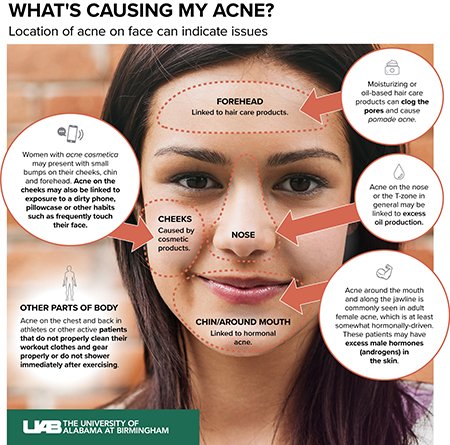
Think of cleansing as the foundational step in managing acne. It’s not just about washing away dirt; it’s about actively helping to keep your pores clear, reducing bacteria, and calming inflammation. When you have acne-prone skin, your pores can be more easily clogged by a mix of excess oil (sebum), dead skin cells, and sometimes dirt.
A cleanser's job is to gently yet effectively remove these culprits.
The challenge with acne-prone skin is that it can often be sensitive or easily irritated. This means we need to be careful about ingredients that might be too harsh. Over-stripping your skin’s natural oils, for example, can actually trigger it to produce more oil in an attempt to rehydrate, which can worsen breakouts.
Our research indicates that a pH-balanced cleanser, typically between 4.5 and 6.5, is key to maintaining the skin’s healthy barrier.
Key Ingredients: What's Actually Working in Your Cleanser
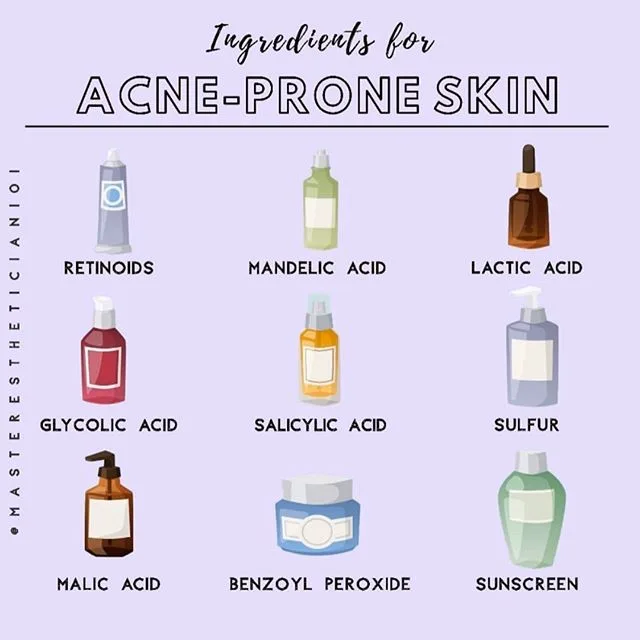
The effectiveness of a cleanser for acne-prone skin largely comes down to its active ingredients. These are the powerhouses that do the heavy lifting in tackling breakouts. Different ingredients have different mechanisms of action, so knowing what they do can help you pinpoint what your skin needs most.
Salicylic Acid (BHA)
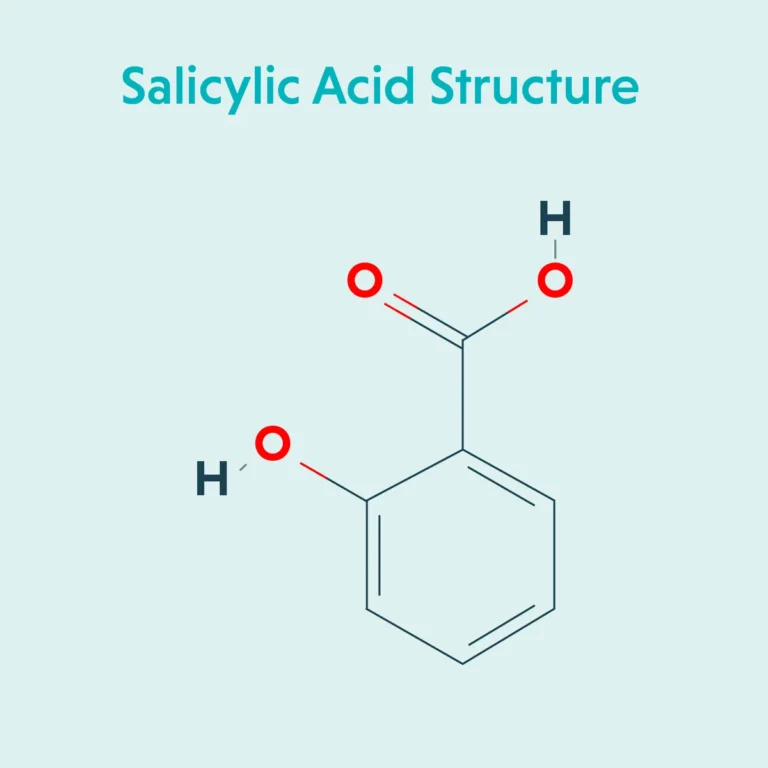
Salicylic acid is a beta-hydroxy acid (BHA) that’s a real workhorse for acne. Unlike alpha-hydroxy acids (AHAs) that primarily work on the skin's surface, salicylic acid is oil-soluble. This means it can dive deep into your pores, where it helps to break down the mixture of oil and dead skin cells that can lead to blackheads, whiteheads, and pimples.
It also has anti-inflammatory properties, which can help reduce the redness and swelling associated with breakouts. Many dermatological studies confirm its efficacy in treating mild to moderate acne.

Image source: Web (Bing) / shinailbo.co.kr (Web image (fair-use with source credit))
Benzoyl Peroxide
Benzoyl peroxide is a potent ingredient known for its ability to kill acne-causing bacteria, specifically Propionibacterium acnes (now known as Cutibacterium acnes). It works by releasing oxygen into the pore, creating an environment that bacteria can't survive in. This makes it particularly effective for inflammatory acne, such as papules and pustules.
However, benzoyl peroxide can be quite drying and may cause irritation or peeling, especially at higher concentrations. It can also bleach fabrics, so caution is advised.
Glycolic Acid (AHA)
Glycolic acid is an alpha-hydroxy acid (AHA) that is derived from sugarcane. It’s primarily known for its exfoliating properties, working on the surface of the skin to loosen the bonds between dead skin cells. This helps to shed them more effectively, revealing smoother, brighter skin underneath.
For acne-prone skin, this exfoliation can help prevent pores from becoming clogged. Glycolic acid can also help fade post-acne marks over time. However, AHAs can increase your skin's sensitivity to the sun, making daily SPF protection even more crucial.
Niacinamide
Niacinamide, a form of vitamin B3, is a true multitasker in skincare. It offers a range of benefits that are particularly helpful for acne-prone skin. It's known for its anti-inflammatory properties, which can significantly reduce redness and calm irritation.
Niacinamide also plays a role in strengthening the skin's natural barrier, which can help improve overall skin health and resilience. Additionally, it can help regulate oil production, making it a valuable ingredient for those with oily or combination skin. Its gentle nature makes it well-tolerated by most skin types.
Gentle Surfactants
While active ingredients get a lot of attention, the cleansing agents themselves are crucial. Harsh surfactants, like sodium lauryl sulfate (SLS), can strip the skin of its natural oils, leading to dryness, irritation, and potentially more oil production. Gentle surfactants, such as coco-glucoside, decyl glucoside, or sodium cocoyl glutamate, are derived from natural sources and are much milder.
They effectively cleanse the skin by lifting away dirt and impurities without disrupting the skin barrier, making them ideal for daily use on acne-prone and sensitive skin.
Types of Cleansers: Choosing the Right Texture for You
The way a cleanser feels and looks, its texture, can tell you a lot about how it will perform. Different textures are formulated to suit various skin types and concerns. Understanding these differences helps you narrow down your search for the perfect match.
Gel & Foam Cleansers: The Deep Cleaners
Gel cleansers typically have a clear, viscous consistency. They are formulated to provide a deep clean, effectively removing excess oil, dirt, and impurities from the skin's surface and pores. Foam cleansers, on the other hand, start as a liquid or gel and lather up into a rich foam when mixed with water.
This lathering action helps to lift away grime and can give a satisfying, "squeaky clean" feeling. Aggregate reviews indicate that both gel and foam cleansers are often preferred by individuals with oily or combination skin because of their effective degreasing properties.
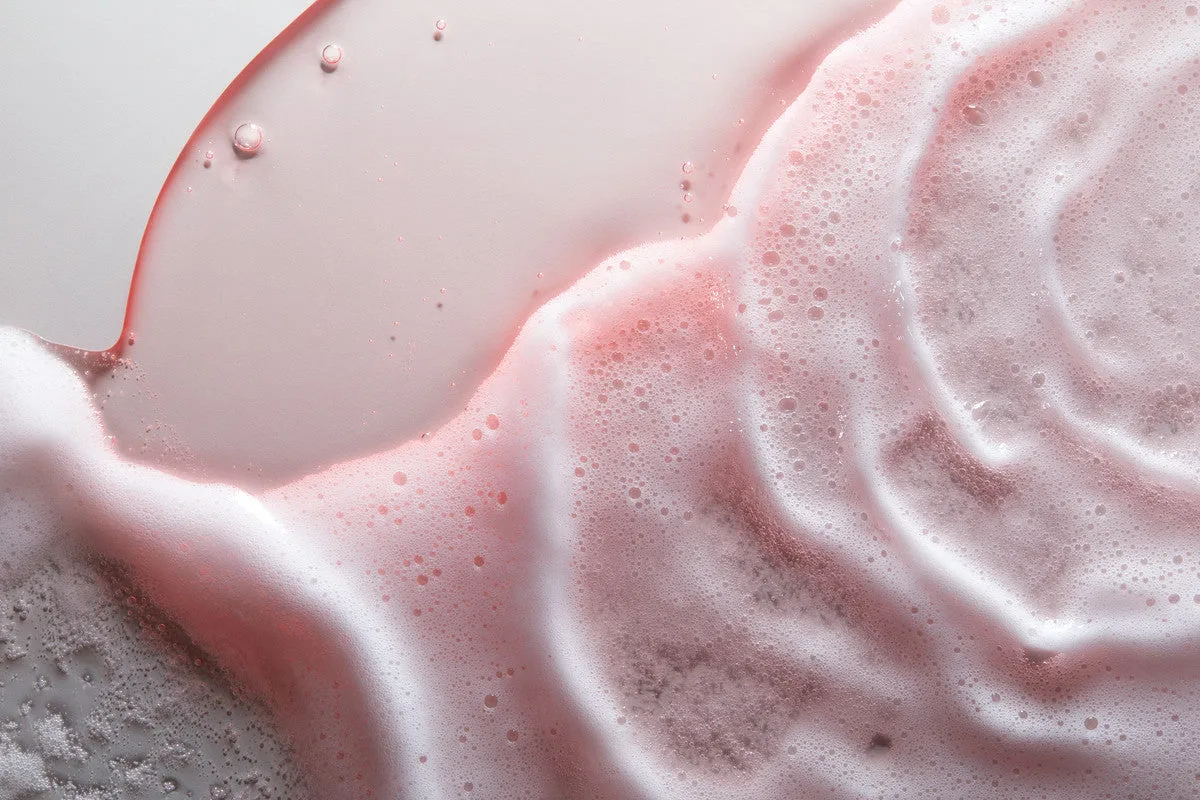
Image source: Bing (Web (fair-use with source credit))
These types of cleansers can be particularly helpful in managing the shine and congestion that often accompany oily skin. However, it's important to note that some formulations, especially those with very strong foaming agents, can sometimes be too drying if your skin is also sensitive or prone to dehydration.
Cream & Lotion Cleansers: Gentle Hydration
Cream and lotion cleansers are designed with a richer, more emollient texture. They tend to be less foamy, or sometimes not foamy at all. Their primary function is to cleanse the skin without stripping away its natural moisture barrier.
They often contain hydrating ingredients like glycerin, hyaluronic acid, or plant-based oils. These types of cleansers are usually the best choice for acne-prone skin that also experiences dryness, flakiness, or sensitivity. They provide a gentle cleanse that leaves the skin feeling soft and comfortable, rather than tight or stripped.
Micellar Water & Clay Cleansers: Specialized Options
Micellar water is a unique type of cleanser that uses micelles, tiny oil molecules suspended in soft water, to attract and lift away dirt, makeup, and oil from the skin without the need for harsh rubbing or rinsing. It's incredibly gentle and often used as a first step in a double cleansing routine or for quick, fuss-free cleansing. On the other end of the spectrum, clay cleansers typically incorporate ingredients like kaolin or bentonite clay.
These clays are known for their ability to absorb excess oil and draw out impurities from the pores, making them excellent for mattifying the skin and providing a deep detoxification.
Who Needs What Cleanser? Matching Your Skin Type
The "best" cleanser isn't a universal label; it's entirely dependent on your specific skin type and its current needs. What works wonders for someone with consistently oily skin might be too harsh for someone who experiences both breakouts and dryness. It’s about identifying your primary concerns and selecting a cleanser that addresses them without creating new problems.
Oily & Combination Skin Needs
If your skin tends to get shiny a few hours after cleansing, and you often deal with blackheads or visible pores, you likely have oily or combination skin. For this skin type, the goal is to effectively remove excess sebum and impurities without completely stripping the skin. Gel cleansers or lightweight foam cleansers are often excellent choices.
Ingredients like salicylic acid are particularly beneficial here, as they can penetrate oil to clear out pores. Aggregate reviews suggest these formulations help reduce shine and the feeling of congestion.
Dry & Sensitive Skin Needs
Acne-prone skin isn't always oily; it can also be dry and sensitive. If your skin feels tight, itchy, or prone to redness after washing, a harsh cleanser is likely the culprit. For you, the priority is to cleanse gently while maintaining hydration.
Cream or lotion cleansers are ideal because they cleanse without stripping. Look for formulas with moisturizing ingredients like glycerin or ceramides, and gentle surfactants. Ingredients like niacinamide can also be very helpful, as they soothe irritation and strengthen the skin barrier.
Targeting Specific Breakouts
Sometimes, you might have an overall skin type, but you're dealing with a specific breakout concern. If inflammatory acne, those red, angry pimples, are your main issue, a cleanser containing benzoyl peroxide could be a good option, but start with lower concentrations to avoid irritation. For persistent blackheads and congestion, a cleanser with salicylic acid or glycolic acid will be more effective.
It’s also worth noting that some people use different cleansers for different needs, perhaps a gel cleanser on oily days and a cream cleanser when their skin feels more sensitive.
Common Cleanser Mistakes Acne-Prone Skin Needs to Avoid
Even with the best intentions, it's easy to make missteps when choosing and using a cleanser for acne-prone skin. These common errors can hinder progress or even make breakouts worse. One frequent mistake is opting for cleansers that are too harsh, often because people believe a "squeaky clean" feeling means it’s working effectively.
This feeling usually indicates that the skin's natural oils have been stripped, potentially leading to increased oil production and irritation.
Another pitfall is neglecting to consider your skin type when selecting a cleanser’s texture or active ingredients. Using a highly potent salicylic acid cleanser daily when your skin is already dry and sensitive, for instance, can cause significant irritation. Similarly, failing to rinse thoroughly can leave behind residue that clogs pores or irritates the skin.
Always rinse with lukewarm water and pat your skin dry gently with a clean towel.
Expert Tips: Getting the Most from Your Acne Cleanser
To truly maximize the benefits of your chosen cleanser, a few expert-backed practices can make a significant difference. Consistency is key; using your cleanser twice daily, once in the morning and once at night, helps maintain a level of cleanliness and treatment. This regular regimen supports the active ingredients in their work to keep pores clear and reduce inflammation.
When applying, use gentle, circular motions rather than vigorous scrubbing. This ensures the cleanser is distributed evenly and avoids unnecessary friction that can irritate acne. After cleansing, it's crucial to follow up with a suitable moisturizer, even if your skin is oily.
Skipping moisturizer can paradoxically lead to increased oil production as your skin tries to compensate for dryness. Manufacturer specifications for many acne-treating cleansers recommend pairing them with a non-comedogenic, oil-free moisturizer to maintain skin hydration without clogging pores.
Frequently Asked Questions About Acne Cleansers
How long does it take to see results from a new acne cleanser?
You typically need to use a new cleanser consistently for at least 4 to 6 weeks to see significant improvements. Skin cell turnover takes time, and active ingredients need sustained exposure to work effectively. Patience is crucial.
Should I use an acne cleanser in the morning and at night?
Yes, using your acne cleanser twice daily is generally recommended for consistent management of breakouts. The morning cleanse helps remove any oil or impurities that accumulated overnight, while the nighttime cleanse removes makeup, dirt, and pollutants from the day.
Can I use an acne cleanser if I don't have active breakouts?
You can, especially if you have skin that is prone to breakouts or has a history of acne. Using a gentle acne cleanser regularly can help prevent future breakouts and maintain clearer skin. However, if your skin is consistently clear and not prone to acne, a gentler, non-medicated cleanser might be a better daily choice.
What should I do if my acne cleanser causes redness or dryness?
If your cleanser causes excessive redness, dryness, or peeling, it might be too harsh for your skin. Try using it less frequently, perhaps only once a day or every other day, and ensure you're following up with a good moisturizer. If irritation persists, consider switching to a gentler formula or one with fewer active ingredients.
Is it okay to use an acne cleanser with other acne treatments?
It can be, but proceed with caution. Combining multiple strong active ingredients from different products (like a salicylic acid cleanser with a retinol serum) can increase the risk of irritation. It’s often best to start with one active treatment and introduce others gradually, or consult a dermatologist to ensure compatibility.