Can Drinking More Water Help Acne: Does Hydration Work?
Drinking more water may support healthy skin, but it cannot clear acne on its own or replace proven treatment.
Can drinking more water help acne? It is a fair question because hydration affects nearly every body system, including the skin barrier. Yet acne has deeper causes, such as clogged pores, excess oil, bacteria, hormones, and inflammation. This guide explains what water can do, what it cannot do, and which simple habits work best alongside evidence-based acne care.
Can drinking more water help acne?
Can drinking more water help acne? The short answer is: possibly in a small, indirect way, but not as a stand-alone cure.
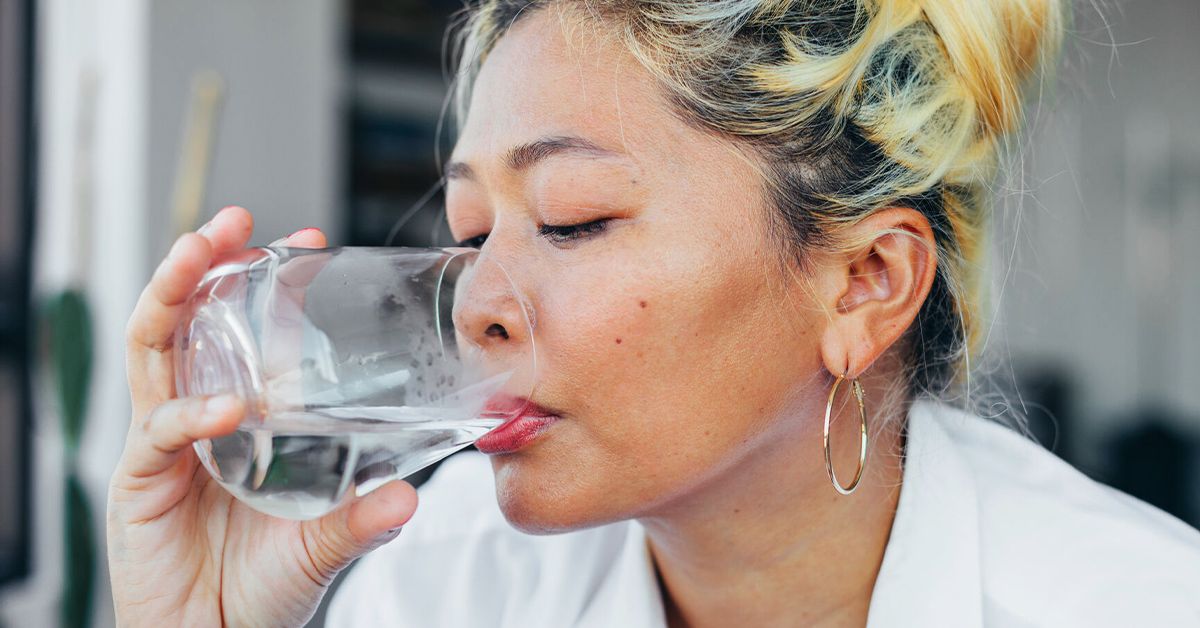
Your skin needs water to keep its outer barrier flexible and strong. When you are dehydrated, your skin may feel dry, tight, or dull. This dryness can lead some people to use heavy creams or scrub too hard, which may irritate acne-prone skin.
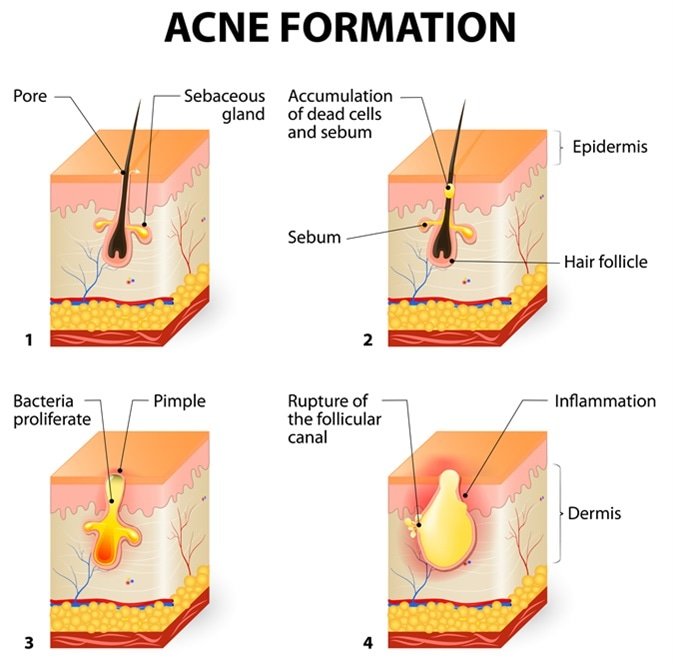
Still, drinking extra water does not wash oil and dead skin cells out of your pores. Acne begins when pores become blocked with sebum, dead cells, and bacteria. Hormonal changes and inflammation then make the problem worse.
Research does not show that simply increasing water intake clears acne. However, replacing sugary drinks with plain water may help because high-sugar drinks can raise blood glucose quickly. Some studies link high-glycemic diets with more acne in certain people.
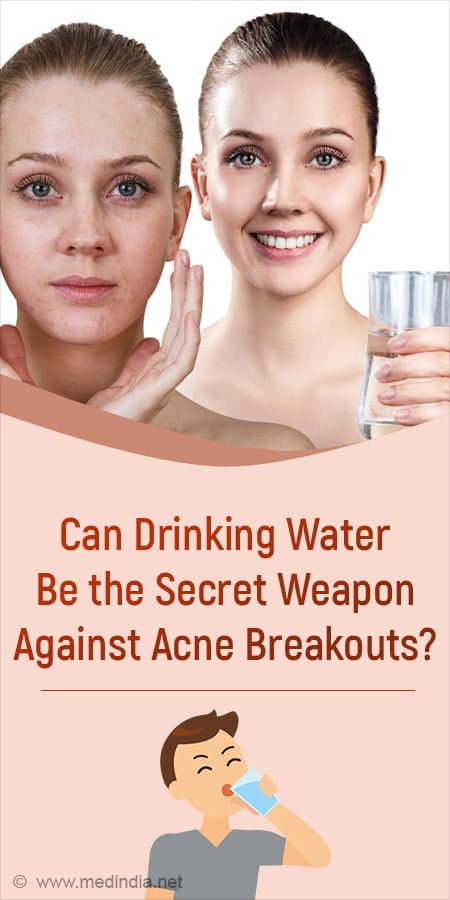
How hydration may affect your skin
Water supports the skin in several basic ways. It helps your body regulate temperature, move nutrients, and remove waste through normal kidney function. These effects support general health, but they are not the same as treating acne.
Well-hydrated skin may also tolerate acne products better. Ingredients such as benzoyl peroxide, salicylic acid, and adapalene can cause dryness or peeling. Drinking enough water will not prevent every side effect, but a healthy skin barrier, gentle cleanser, and noncomedogenic moisturizer can help.
Think of water as background support rather than a direct acne medicine. It is like keeping the soil healthy in a garden. Good soil helps plants grow, but it does not remove every weed.
Possible skin benefits of adequate hydration include:
• Less feeling of tightness and dryness
• Better support for the skin barrier
• More comfortable use of acne treatments
• Reduced temptation to overuse harsh scrubs
• Support for normal body functions that affect overall health
These benefits matter, but they should not be confused with proof that water removes pimples.

Why water does not cure acne
Can drinking more water help acne if clogged pores remain untreated? Usually, no.
Acne is a complex skin condition. It can involve several processes at the same time:
• Excess sebum production
• Buildup of dead skin cells inside pores
• Growth of acne-related bacteria
• Inflammation around the hair follicle
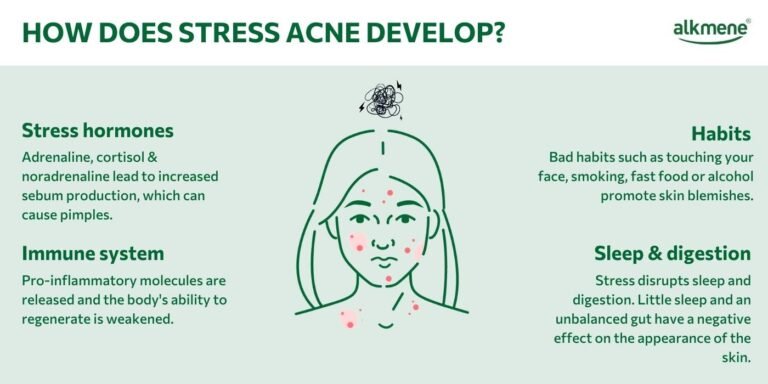
• Hormonal shifts, especially during puberty, menstruation, pregnancy, or stress
• Certain medicines, cosmetics, or hair products
Water does not directly reduce oil production. It does not unplug comedones, kill acne-related bacteria, or calm the inflammation that creates red, swollen pimples.
A person may notice clearer skin after drinking more water for another reason. They may also be eating less candy, sleeping better, exercising more, or drinking fewer sweet beverages. In that case, the wider lifestyle change may be helping, not water alone.
Can drinking more water help acne caused by hormones? It is unlikely to address the main cause. Hormonal acne often needs targeted care, such as topical retinoids, benzoyl peroxide, prescription medicines, or hormonal treatment guided by a health professional.
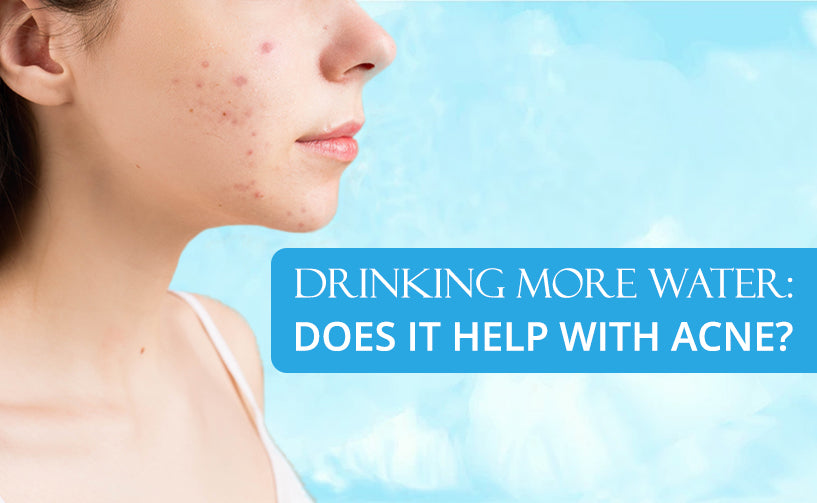
Water versus sugary drinks and dairy
One useful way to understand Can drinking more water help acne? is to consider what water replaces.
If you swap soda, sweet tea, sports drinks, or energy drinks for water, you may reduce your intake of added sugar. A high-glycemic diet may increase insulin and related signals in the body. These signals can affect oil production and inflammation in some people.
This does not mean every person with acne must avoid sugar. Acne triggers differ from person to person. A balanced diet is more practical than extreme food rules.
Dairy is also sometimes discussed in acne research. Some studies have found a possible link between certain dairy products, especially skim milk, and acne. The evidence is not strong enough to tell everyone to stop eating dairy. If you suspect a food trigger, track it for several weeks and discuss the pattern with a dermatologist or registered dietitian.
Choosing water more often can help you:
• Lower added sugar intake
• Avoid excess caffeine from energy drinks
• Support regular hydration
• Build a simple, sustainable routine
The benefit may come from the healthier replacement, not from water acting as an acne treatment.

How much water do you need?
There is no single water target that clears acne. Fluid needs vary with body size, activity, climate, pregnancy, diet, and health conditions.
A practical guide is to drink when you feel thirsty and check your urine color. Pale yellow urine often suggests adequate hydration. Very dark urine, a dry mouth, dizziness, or unusual fatigue may signal that you need more fluids, although these signs can have other causes.
General guidance often cites about 11.5 cups of total fluids per day for women and 15.5 cups for men. This includes water from food and all drinks, not just plain water. Individual needs can be much lower or higher.
You may need more fluid when you:
• Exercise or sweat heavily
• Spend time in hot, dry weather
• Have a fever, vomiting, or diarrhea
• Are pregnant or breastfeeding
Do not force huge amounts of water. Excessive intake can cause a dangerous electrolyte imbalance called hyponatremia. People with kidney, heart, or liver disease should ask a clinician about fluid limits.
Best ways to support acne-prone skin
Can drinking more water help acne more when combined with a simple skin routine? It can support the routine, but the treatment itself does the main work.
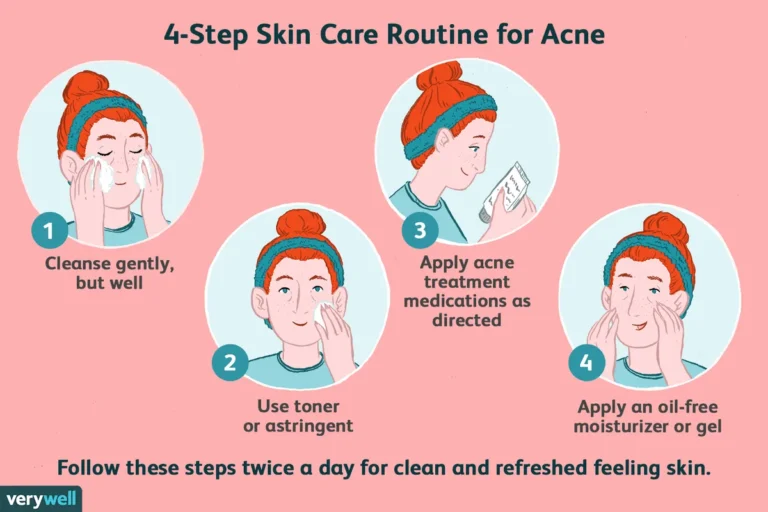
A basic plan may include the following steps:
-
Wash gently twice daily. Use lukewarm water and a mild cleanser. Avoid scrubbing, brushes, and rough washcloths.
-
Use one proven acne ingredient. Salicylic acid helps unclog pores. Benzoyl peroxide helps reduce acne-related bacteria and inflammation. Adapalene helps prevent clogged pores.
-
Moisturize every day. Choose an oil-free, noncomedogenic moisturizer. Even oily skin needs moisture.
-
Wear sunscreen. Pick a broad-spectrum, noncomedogenic sunscreen with SPF 30 or higher. This can help prevent dark marks from becoming more noticeable.
-
Avoid picking. Squeezing can push inflammation deeper and raise the risk of scars and dark spots.
-
Give treatment time. Many acne products need six to eight weeks before you see clear progress. Full improvement can take longer.
Introduce one new product at a time. Using several strong products at once is a common mistake. It can cause irritation that looks like worse acne.
In real-life skincare routines, the biggest improvements often come from consistency. People may buy five products, use them for four days, become irritated, and stop. A gentle routine used steadily usually works better than a complex routine used rarely.
Common mistakes about water and acne
Can drinking more water help acne if you use it as a replacement for medical care? No. This belief can delay treatment, especially when acne is painful or leaving scars.
Watch for these common mistakes:
• Drinking extreme amounts of water to “flush out” acne
• Using lemon water as a cure
• Washing the face many times each day
• Scrubbing pimples until the skin feels raw
• Stopping prescribed treatment after a few days
• Blaming every breakout on dehydration
• Ignoring hair products that touch the forehead
• Sleeping in makeup or heavy sunscreen
Lemon water can be a pleasant drink, but it has no proven acne-clearing effect. Also, frequent acidic drinks may harm tooth enamel. Plain water is enough for hydration.
A common real-life pattern is forehead acne caused by oily hair products. Changing shampoo, conditioner, or styling products may help more than adding several glasses of water. Look for products labeled noncomedogenic, and keep hair away from the face when possible.
When to see a dermatologist
Can drinking more water help acne that is painful, severe, or persistent? It should not be your only approach.
Consider professional care if you have:
• Deep, painful nodules or cysts
• Acne that leaves scars or dark marks
• Breakouts on the chest or back that do not improve
• Acne that affects your mood or confidence
• Sudden adult acne with other hormone-related symptoms
• No improvement after about eight to twelve weeks of careful treatment
A dermatologist can identify the type of acne and suggest a focused plan. Treatment may include topical retinoids, benzoyl peroxide, antibiotics, hormonal medicines, or isotretinoin in selected cases.
Seek medical advice sooner if acne appears suddenly with irregular periods, excess facial hair, scalp hair loss, or major weight changes. These signs can sometimes point to a hormonal condition that needs evaluation.
A simple hydration and acne plan
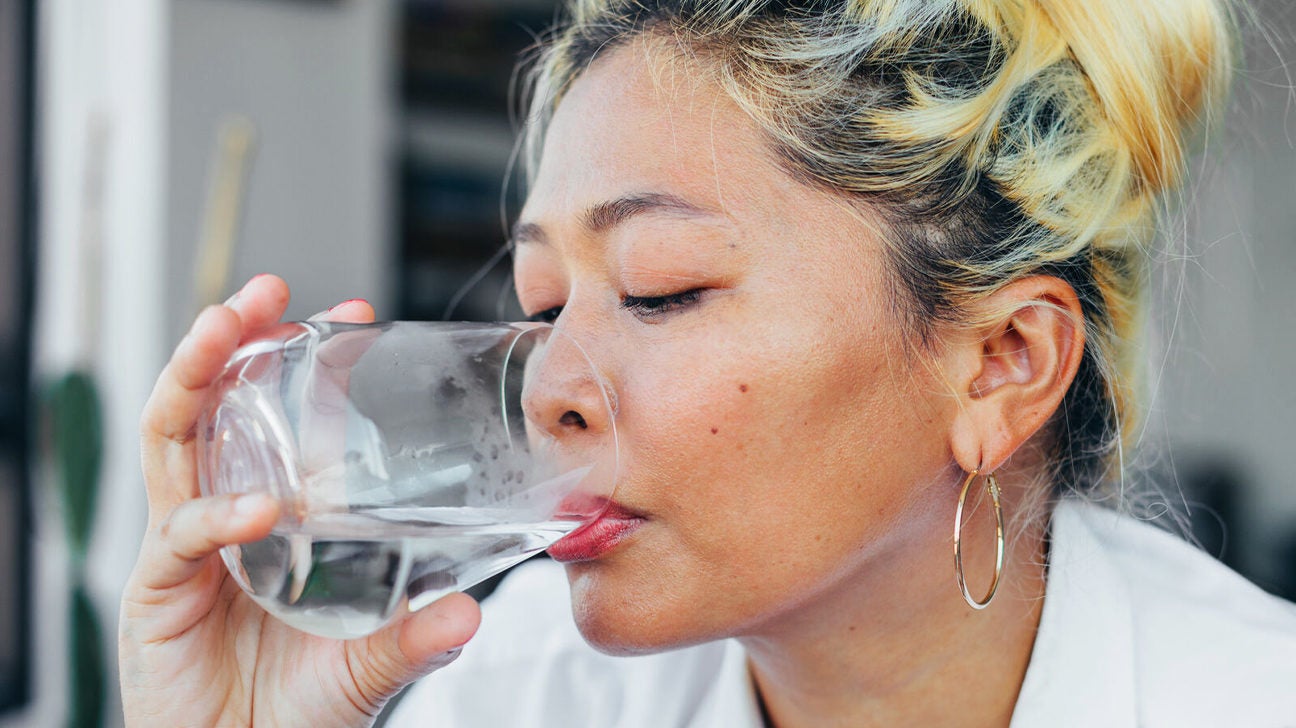
Can drinking more water help acne when you make the habit realistic? It may support your health and make it easier to avoid sugary drinks.
Try this seven-day plan:
-
Keep a reusable water bottle nearby.
-
Drink a glass of water with meals.
-
Replace one sugary drink each day with water.
-
Eat water-rich foods such as berries, oranges, cucumbers, and soups.
-
Use a gentle cleanser and moisturizer.
-
Choose one acne treatment and follow its directions.
-
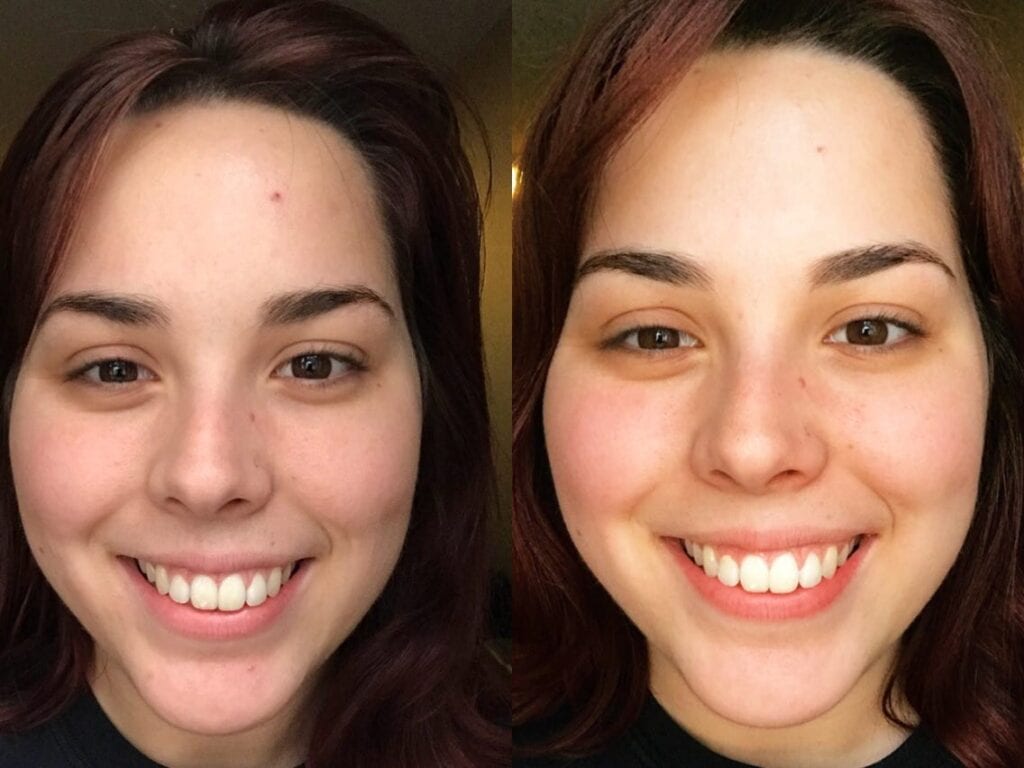
Take one weekly photo in the same light to track changes.
Do not judge your skin from one morning to the next. Acne changes slowly. Weekly photos and notes about your cycle, products, stress, and diet can reveal patterns that are easy to miss.
If plain water feels boring, add mint, citrus slices, or berries. Unsweetened sparkling water can also help. The best hydration plan is one you can follow without feeling punished.
Frequently Asked Questions About Can drinking more water help acne?
Can drinking more water help acne overnight?
No. Drinking water does not clear pimples overnight. It may correct dehydration, but acne needs consistent skin care and, in some cases, medical treatment.
How many glasses of water should I drink for clear skin?
There is no proven number of glasses that guarantees clear skin. Drink according to thirst, activity, climate, and health needs rather than forcing a fixed amount.
Does dehydration cause acne?
Dehydration is not considered a direct cause of acne. It may make skin feel dry or irritated, which can make acne care harder, but clogged pores, oil, hormones, and inflammation play larger roles.
Does lemon water help acne?
Lemon water may help you drink more fluids, but it has no strong evidence as an acne treatment. Avoid applying lemon juice to your skin because it can cause irritation and increase sun sensitivity.
Can water flush toxins that cause acne?
Your liver and kidneys already process waste in normal conditions. Drinking excessive water does not flush out a special acne toxin and can be harmful.
Is cold water better than warm water for acne?
Water temperature does not treat the root cause of acne. Lukewarm water is usually best for cleansing because very hot water can irritate and dry the skin.
Can drinking more water help acne scars?
No, water cannot remove acne scars. Sunscreen, prescription treatments, and procedures such as chemical peels or laser therapy may help, depending on the type of scar.
Conclusion
Can drinking more water help acne? It may support comfortable, healthy skin and help you replace sugary drinks, but it is not a cure. Acne usually needs a steady routine that targets clogged pores, oil, bacteria, and inflammation.
Drink enough to meet your body’s needs, but do not force excessive amounts. Pair hydration with gentle cleansing, a noncomedogenic moisturizer, sunscreen, and a proven acne ingredient. If breakouts hurt, scar, or persist, seek advice from a dermatologist.
Start with one small change today: replace one sweet drink with water and follow a simple skincare routine for several weeks. For more practical skin-care guidance, explore trusted dermatology resources and share your experience with a health professional.