Can Skincare Products Make Pores Look Smaller?
The size of our pores is something many of us think about, but can skincare products actually make pores look smaller? While we can't physically change the size of a pore's opening, certain ingredients and consistent routines can significantly refine their appearance, making them less noticeable. Understanding what influences pore size is key to managing expectations and choosing the right approach.
Our research indicates that factors like genetics, skin elasticity, and the amount of oil (sebum) produced by our skin play a major role. The U.S. Food and Drug Administration (FDA) regulates cosmetic claims, ensuring that manufacturers don't promise results that aren't scientifically backed, which means "pore shrinking" is generally a term for making pores appear smaller.
Let's break down what you can do.
Quick Answer
No, skincare products cannot physically shrink the size of your pores. However, effective ingredients and consistent routines can make pores appear significantly smaller by keeping them clean, firming the skin, and controlling excess oil production. Focusing on skin health is the best way to minimize the visibility of pores.
What's Really Going On With Your Pores?
Your pores are tiny openings in your skin that house hair follicles and oil glands. Their size is largely determined by genetics, if your parents had larger pores, you're more likely to as well. However, several factors can make them appear larger than they naturally are.
For instance, when pores become clogged with oil, dead skin cells, and debris, they can stretch.
Think of it like a balloon: when it's empty, it's a certain size, but if you fill it, it expands. Similarly, a clogged pore can appear wider. As we age, our skin also loses elasticity, which can contribute to pores looking more prominent because the surrounding skin isn't as firm.
Sun damage is another big culprit here, as UV radiation breaks down collagen and elastin, essential proteins that keep skin taut.
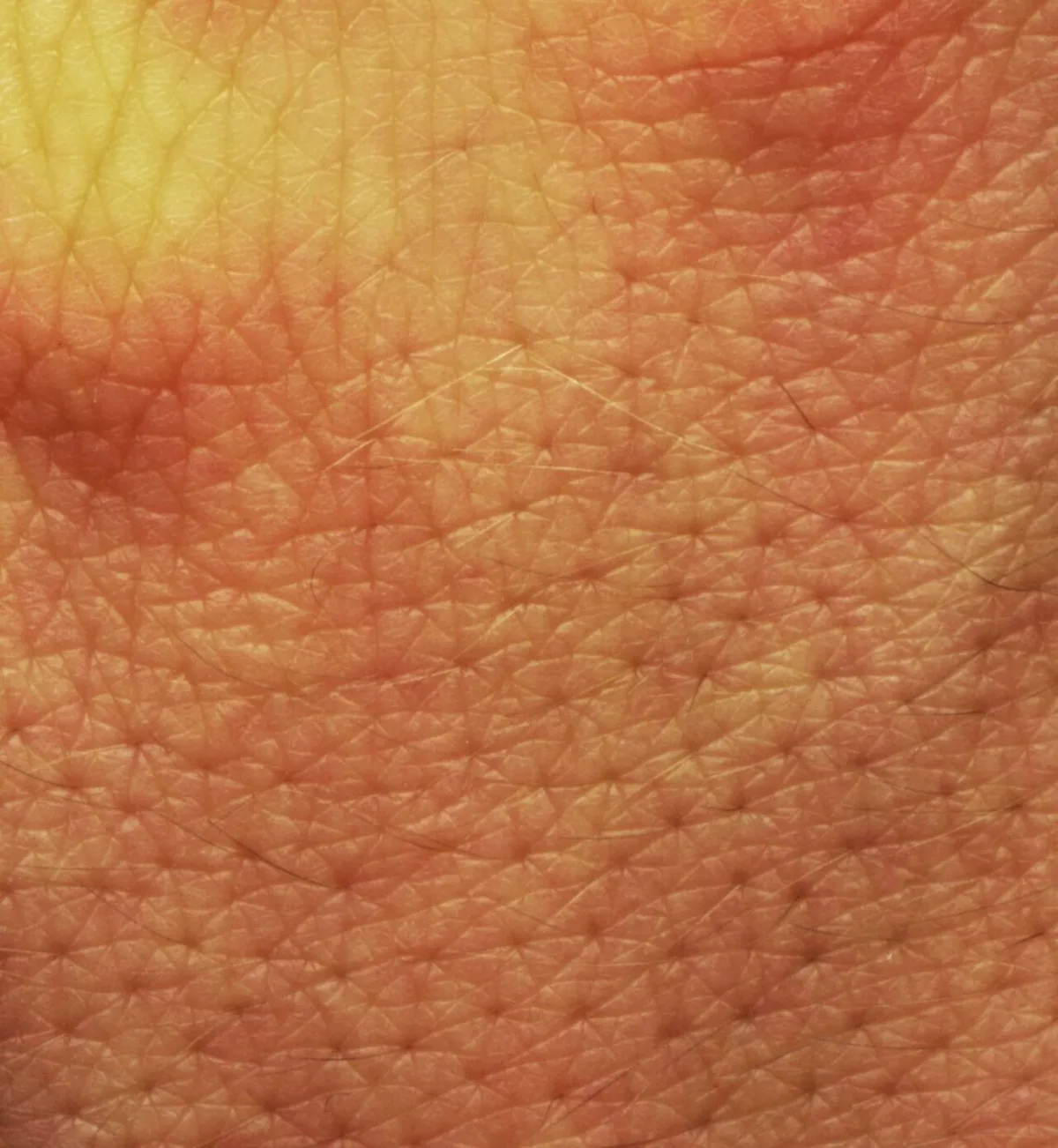
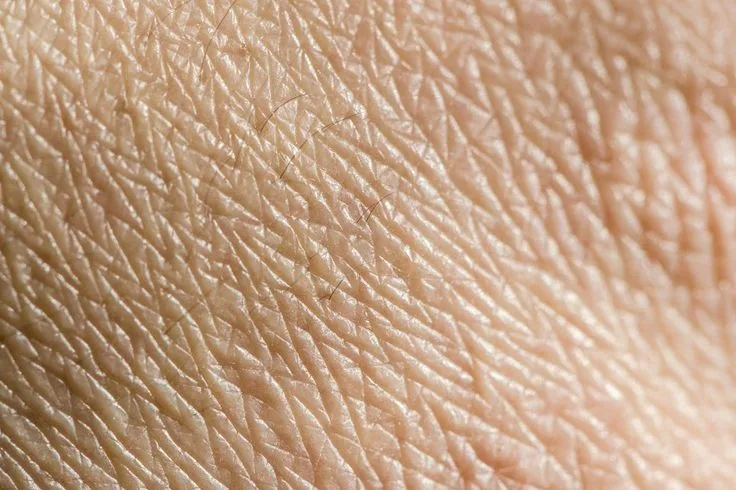
Image source: Wikimedia Commons / Klafubra at German Wikipedia (CC BY-SA)
- Genetics: Predetermines your natural pore size.
- Clogging: Oil, dirt, and dead skin cells can stretch pores.
- Elasticity Loss: Aging and sun damage make skin less firm, exaggerating pore visibility.
- Sebum Production: Higher oil output can lead to more clogged pores.
Can Skincare Actually Shrink Pores? The Truth Behind Pore Appearance
So, to directly address the question: can skincare products make pores look smaller? The short answer is no, they can't shrink your pores in a permanent, biological sense. Pores are a permanent feature of your skin.
However, and this is a big "however," many skincare products and ingredients can dramatically improve the appearance of pores, making them far less noticeable. This is achieved by tackling the common reasons why pores look enlarged in the first place.
It’s all about maintenance and improving the skin's overall health and texture. When pores are clean and the surrounding skin is firm and smooth, they naturally look smaller. As of 2026, the cosmetic industry has developed sophisticated formulations that can effectively refine pore appearance through exfoliation, tightening, and oil control.
It’s about managing the skin’s condition to minimize how visible those pores are.
Understanding Pore Size Factors
Before diving into solutions, it's helpful to understand what makes pores look larger. This isn't about changing your pore's actual diameter but rather about addressing the surrounding conditions.
- Genetics: This is the big one you can't change. Your inherited skin type and pore structure play the largest role in determining your baseline pore size.
- Sebum Production: If you have oily or combination skin, your sebaceous glands produce more oil. Excess sebum can mix with dead skin cells and debris, leading to clogged pores that appear stretched and wider.
- Skin Elasticity: As skin ages, collagen and elastin, the proteins that keep it firm and supple, degrade. When the skin loses elasticity, the pore walls can sag, making the pores look larger and more prominent. Sun exposure significantly accelerates this loss.
- Sun Damage: UV radiation from the sun breaks down collagen and elastin fibers in the skin. This loss of structural support can cause pores to widen and become more visible over time. This is why daily sunscreen use is so critical.
- Clogged Pores: When pores are filled with dirt, oil, makeup residue, and dead skin cells, they distend. This blockage causes the pore opening to widen.
Ingredients That Can Help Refine Pore Appearance
The good news is that there are several well-researched skincare ingredients that can work wonders in making pores appear smaller. These ingredients focus on exfoliation, oil control, and skin firming.
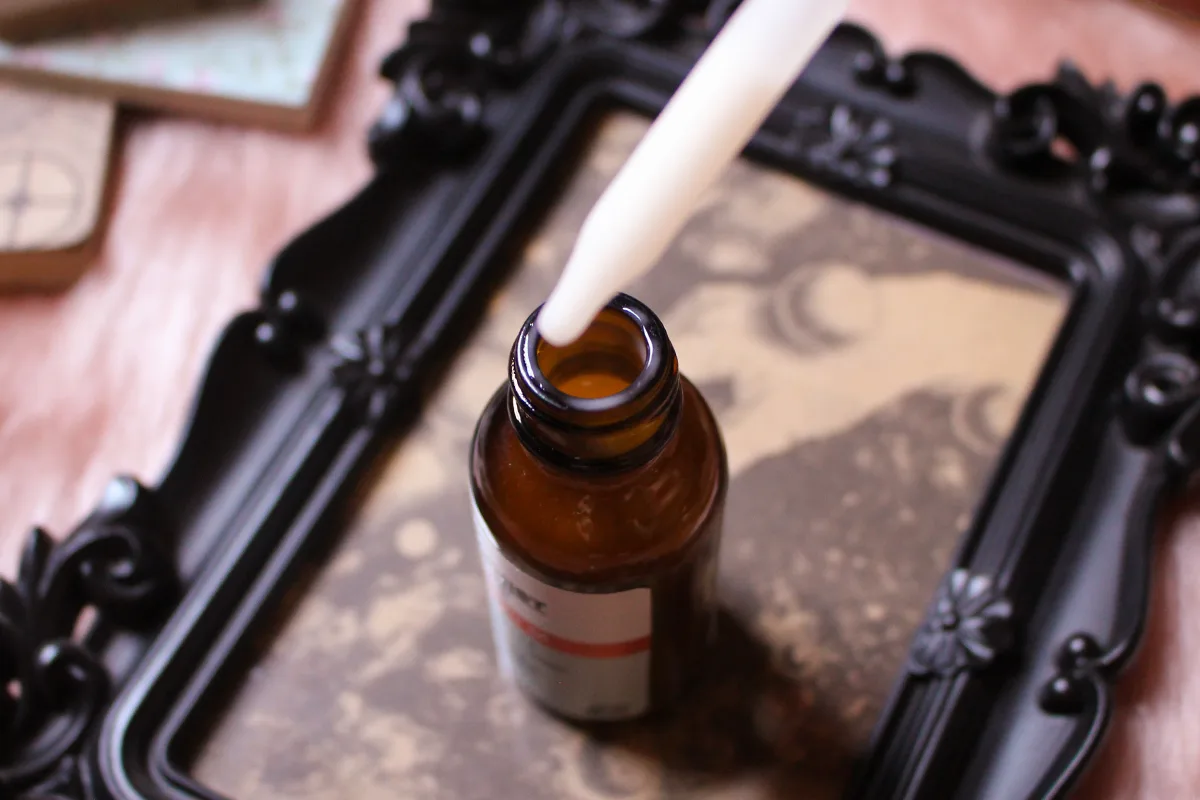
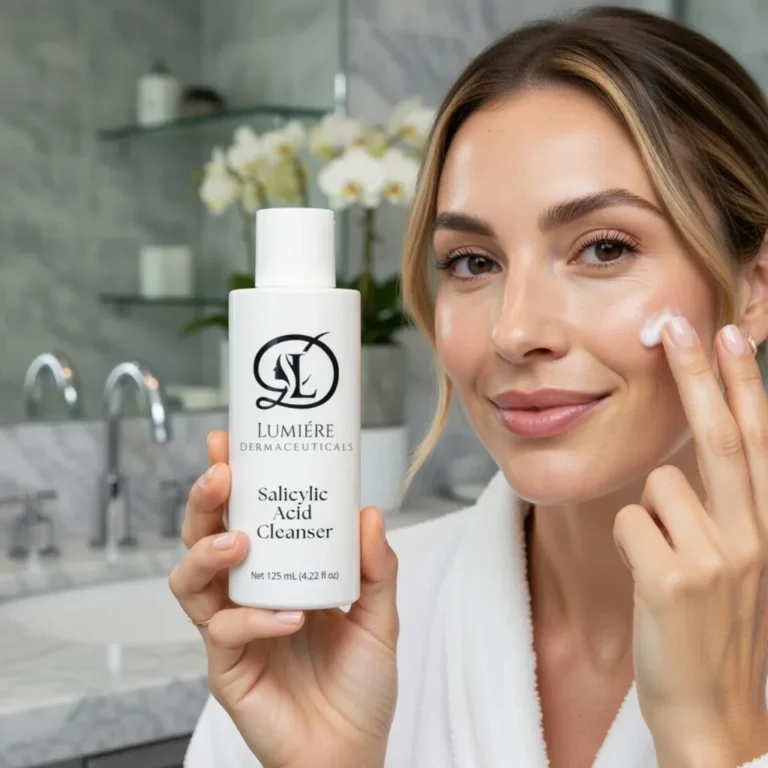
Image source: Bing (Web (fair-use with source credit))
- Exfoliants (AHAs & BHAs):
- Alpha Hydroxy Acids (AHAs) like glycolic acid and lactic acid work on the skin's surface to dissolve the "glue" holding dead skin cells together. This sloughs off dull, pore-clogging cells, revealing smoother, brighter skin underneath.
- Beta Hydroxy Acids (BHAs), most notably salicylic acid, are oil-soluble. This means they can penetrate into the pore lining to dissolve oil and debris, effectively cleaning out clogged pores from within. This is particularly beneficial for oily and acne-prone skin.
- Retinoids (Retinol, Retinaldehyde, Tretinoin): These vitamin A derivatives are powerhouses. They speed up cell turnover, which helps prevent pores from getting clogged. Crucially, they also stimulate collagen production, improving skin elasticity and firmness, which in turn helps pores appear tighter. You can learn more about can retinol help treat acne and its benefits for skin texture.
- Niacinamide (Vitamin B3): This versatile ingredient has several benefits for pore appearance. It helps regulate sebum production, reducing excess oiliness. It also has anti-inflammatory properties and can improve skin elasticity, contributing to a more refined pore look.
- Clay Masks: Ingredients like kaolin or bentonite clay can absorb excess oil and impurities from the skin's surface and within pores. When used regularly, they can help prevent pore-clogging and temporarily tighten the skin's appearance.
- Antioxidants: While not directly "pore-minimizing," antioxidants like Vitamin C can protect the skin from environmental damage that leads to collagen breakdown. Healthier, more resilient skin naturally looks better, with less exaggerated pore visibility.
Building Your Pore-Refining Skincare Routine: A Step-by-Step Guide
Creating a routine that targets pore appearance involves a consistent, multi-step approach. It's less about one miracle product and more about a daily and weekly commitment.
Step 1: Gentle Cleansing
Start with a gentle cleanser, twice a day. This removes surface oil, dirt, and debris without stripping your skin. If you have oily skin, a foaming cleanser or one containing salicylic acid can be beneficial.
Avoid harsh scrubbing, which can irritate skin and make pores look worse.
Step 2: Targeted Treatments (Serums/Toners)
Incorporate a treatment product with active ingredients like salicylic acid, AHAs, or niacinamide. Apply this after cleansing. For example, a serum formulated with 2% salicylic acid can penetrate pores to clear them out.
If using AHAs like glycolic acid, start with a lower concentration and a few times a week to assess tolerance. For a deeper dive into ingredient choices, see what ingredients are best for treating acne.
Step 3: Moisturize
Even oily skin needs hydration. Skipping moisturizer can cause your skin to overcompensate by producing even more oil. Choose an oil-free, non-comedogenic (won't clog pores) moisturizer.
Gel-based or lightweight lotions are often good choices. If you’re prone to breakouts, check out is moisturizer good for acne-prone skin.
Step 4: Sun Protection (Crucial!)
This step cannot be overstated. Daily application of a broad-spectrum sunscreen with at least SPF 30 is vital for preventing further breakdown of collagen and elastin. Sun damage is a major contributor to pore enlargement, so protecting your skin is key to maintaining its firmness and minimizing pore visibility long-term.
Learn more about can sunscreen help prevent acne.
Step 5: Weekly Treatments (Masks)
Once or twice a week, consider using a clay mask. These masks help draw out impurities and absorb excess oil, offering a temporary tightening effect and deeper pore cleansing. Follow the mask with your regular serum and moisturizer.
Key Mistakes That Worsen Pore Appearance
While we're aiming to improve pore appearance, it’s easy to make missteps that can actually make them look worse. Being aware of these common errors can help you adjust your approach.
- Over-Exfoliation: While exfoliants are key, using them too often or too aggressively can damage your skin barrier. This can lead to irritation, inflammation, and increased oil production as your skin tries to repair itself, paradoxically making pores look more prominent. This is a common pitfall; it’s important to understand that does exercise help reduce acne through improved circulation, but overdoing anything can be detrimental.
- Using Harsh Scrubs: Physical exfoliants with large, jagged particles (like crushed nutshells) can create micro-tears in the skin, causing inflammation and making pores appear larger. Opt for gentler chemical exfoliants or finely milled physical exfoliants if you choose to scrub.
- Skipping Sunscreen: Sun damage is a primary driver of lost skin elasticity, which directly impacts how visible pores look. Failing to use SPF daily means you're undoing much of the good work your other treatments are doing.
- Not Moisturizing: When skin is dehydrated, it can sometimes produce more oil to compensate, leading to clogged pores and a more noticeable appearance. Choosing the right moisturizer for your skin type is essential for maintaining a healthy skin barrier.
- Popping or Squeezing Pores: Resist the urge to squeeze! This can push bacteria and debris deeper into the pore, cause inflammation, lead to scarring, and permanently stretch the pore opening. It's generally advised not to pop pimples.
- Using Pore Strips Aggressively: While pore strips can remove some surface debris, frequent or harsh use can irritate the skin and potentially damage capillaries, making redness and pore visibility worse over time.