How Can I Prevent Blackheads?
Preventing blackheads often depends on your specific skin type and what triggers them for you. That's why we're approaching this like a personalized plan, guiding you through steps based on your skin's needs. Think of it as a workflow to find what works best.
What Exactly Are Blackheads, Anyway?
Before we dive into how to keep them away, let's get a clear picture of what blackheads actually are. They’re a type of acne lesion, specifically an open comedone. This means that a pore on your skin, which is basically a tiny opening, gets clogged.
The clog itself is a mixture of your skin’s natural oil, called sebum, and dead skin cells. When this mixture is exposed to the air, it oxidizes and turns that dark color you see, which is why they're called blackheads. It’s a common misconception that they’re caused by dirt, but it’s the oxidation of the pore’s contents that creates the dark appearance.
Your Personalized Blackhead Prevention Plan: A Decision Tree Approach
Preventing blackheads often depends on your specific skin type and what triggers them for you. That's why we're approaching this like a personalized plan, guiding you through steps based on your skin's needs. Think of it as a workflow to find what works best.
Understanding Your Skin Type & Triggers
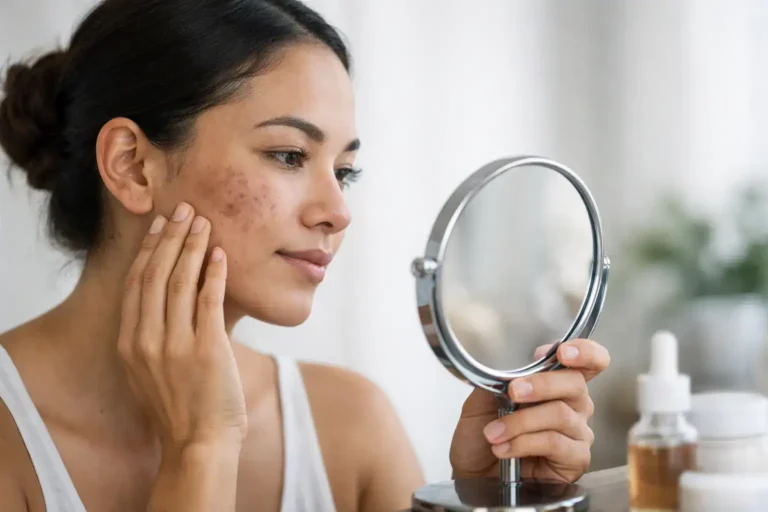
Your skin isn't just "oily" or "dry"; it has unique characteristics that influence how it responds to products and environmental factors. Identifying these can help tailor your prevention strategy.
- Oily Skin: You might experience shine, especially in the T-zone (forehead, nose, chin), and tend to break out more easily. Pores often appear larger.
- Dry Skin: Your skin might feel tight, flaky, or look dull. Even dry skin can experience clogged pores if dead skin cells aren't shed effectively.
- Combination Skin: This is common, with oily areas (usually the T-zone) and dry or normal areas elsewhere.
- Sensitive Skin: Your skin might react easily to new products with redness, itching, or stinging. Choosing gentle, fragrance-free options is crucial.
Identifying your predominant skin type is the first step in deciding which products and routines will be most effective for preventing pore blockages.
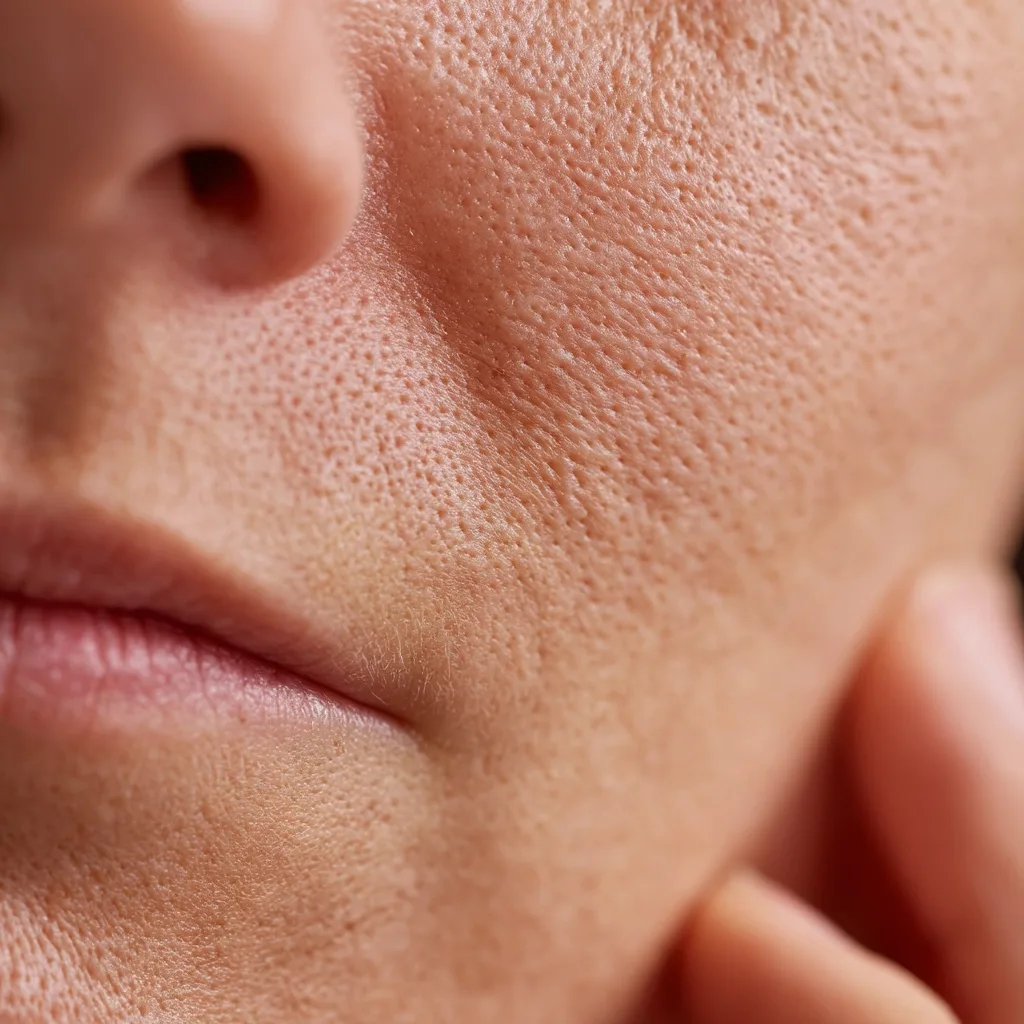
Image source: Bing (Web (fair-use with source credit))
Step 1: The Gentle Foundation – Daily Cleansing
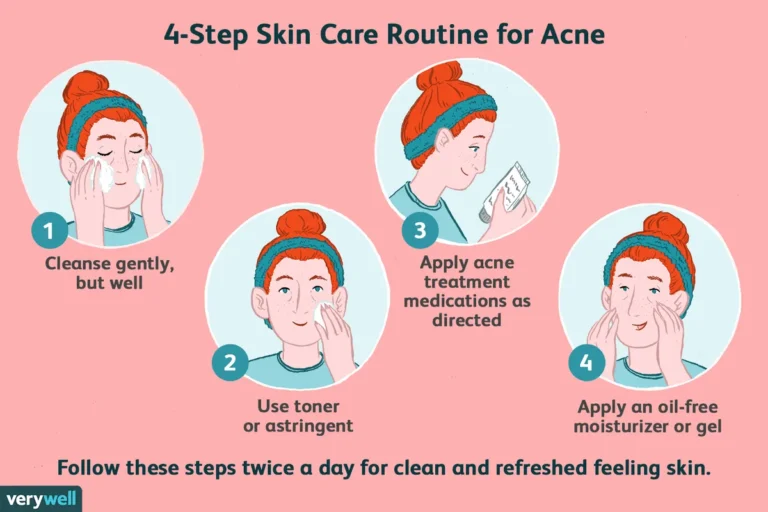
Cleansing is the bedrock of any good skincare routine, especially when you're trying to prevent blackheads. The goal here isn't to strip your skin, but to remove excess oil, dirt, and debris without disrupting your skin's natural barrier. Over-washing or using harsh cleansers can backfire by making your skin produce even more oil to compensate, ironically leading to more clogs.
- What to Look For: A mild, pH-balanced, non-comedogenic cleanser. This means it's formulated not to clog pores. Gel or cream cleansers are often good choices.
- How Often: Cleanse your face twice daily, once in the morning to refresh your skin and again at night to remove the day's accumulation. Don't forget to cleanse after any significant sweating.
Manufacturer specifications for many gentle cleansers indicate a pH range between 4.5 and 6.0, which is close to the skin's natural pH, minimizing irritation.
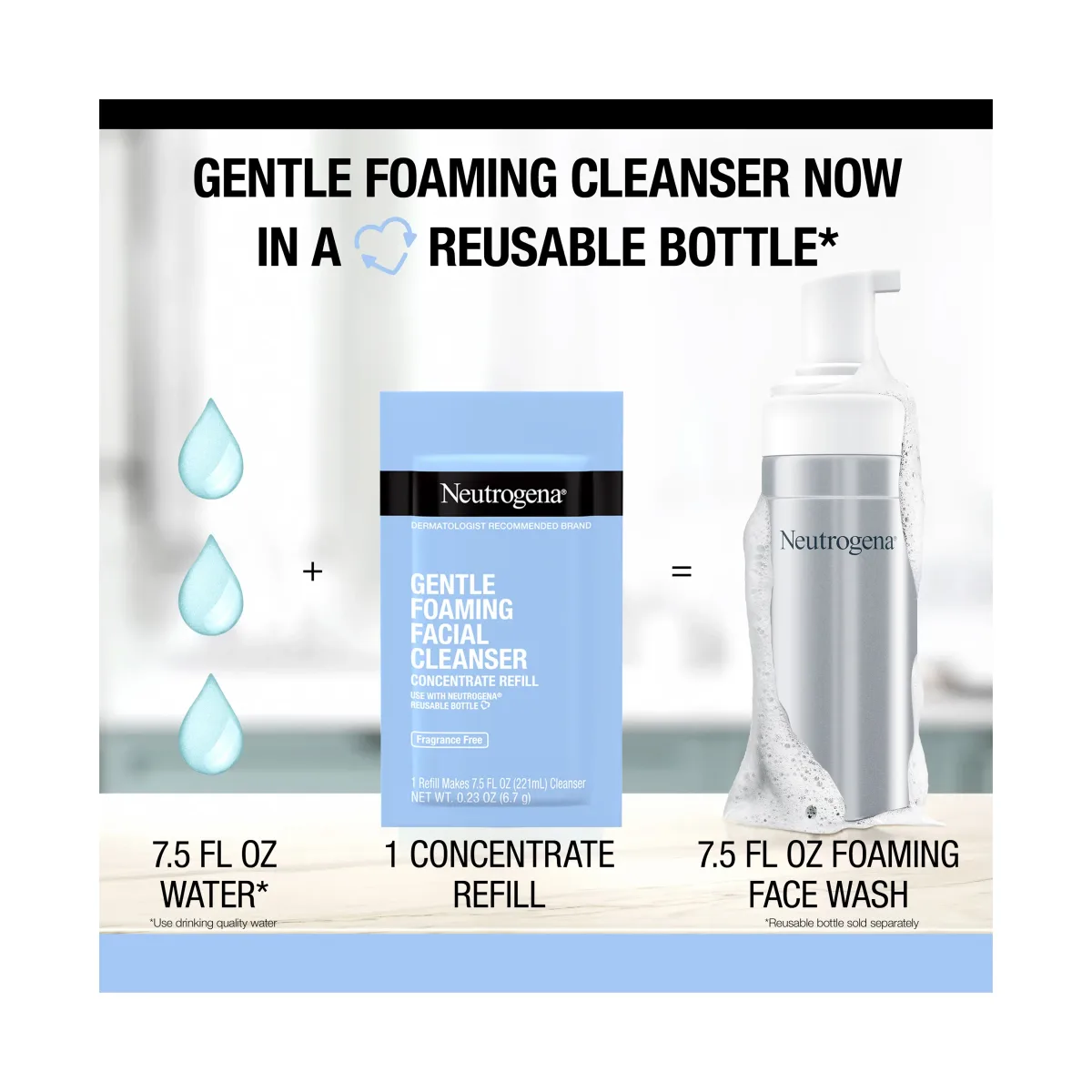
Image source: Bing (Web (fair-use with source credit))
Step 2: Clearing the Way – Smart Exfoliation Strategies
Exfoliation is key to preventing blackheads because it helps remove the dead skin cells that can contribute to pore blockages. However, "exfoliation" can mean different things, and doing it too aggressively can cause problems.
Chemical Exfoliation: These use acids to dissolve the bonds between dead skin cells.
- Salicylic Acid (BHA): This is a star ingredient for blackheads. It's oil-soluble, meaning it can penetrate into your pores to break down clogs from the inside. It’s often found in toners, serums, or cleansers.
- Alpha-Hydroxy Acids (AHAs): Glycolic acid and lactic acid are common AHAs. They work more on the surface of the skin to remove dead cells, promoting a smoother complexion.
Physical Exfoliation: This involves using a scrub with small particles to manually slough off dead skin. If you choose this route, opt for very fine, smooth particles and apply minimal pressure to avoid micro-tears in your skin.
When to Use: Start with 1-3 times per week, depending on your skin's tolerance. Watch for any signs of irritation like redness or excessive dryness, and adjust frequency as needed. You can learn more about these key ingredients in our guide on what ingredients are best for treating acne.
Step 3: Hydration Station – Moisturizing Essentials
It might sound counterintuitive, but even if you have oily skin prone to blackheads, you still need to moisturize. Skipping this step can actually cause your skin to overcompensate by producing even more oil to keep itself hydrated. The trick is to choose the right type of moisturizer.
- Look for Labels: Always opt for moisturizers labeled "oil-free" and "non-comedogenic." These are specifically formulated not to clog your pores.
- Texture Matters: Lightweight lotions or gel-based moisturizers are generally best for oily or acne-prone skin. They provide hydration without feeling heavy or greasy.
Research indicates that using an appropriate moisturizer can help support the skin barrier, which is crucial for overall skin health and can indirectly help manage breakouts. Our article on is moisturizer good for acne-prone skin provides more detailed insights.
Step 4: Targeted Treatments & Boosters
Once you have a solid routine of gentle cleansing, exfoliation, and moisturizing, you can consider adding targeted treatments to boost your blackhead prevention efforts. These products often contain higher concentrations of active ingredients.
- Salicylic Acid Serums/Toners: Applying a salicylic acid treatment directly to areas where you frequently get blackheads can be very effective. These can help to keep pores clear on a deeper level.
- Retinoids (Over-the-Counter): Ingredients like retinol are derivatives of Vitamin A and can significantly improve skin cell turnover. This means dead skin cells are less likely to build up and clog pores.
- Important Note: Retinoids can increase your skin's sensitivity to the sun. For this reason, daily use of sunscreen is absolutely essential when using these products. Aggressive sun exposure can worsen skin concerns. Learn more about can retinol help treat acne to understand its full benefits.
- Sunscreen: This is non-negotiable, especially if you're using exfoliating acids or retinoids. Sunscreen protects your skin from UV damage, prevents dark spots from forming (which can sometimes be mistaken for or accompany acne marks), and is crucial for overall skin health. Look for broad-spectrum SPF 30 or higher and remember to apply it daily. Our guide on can sunscreen help prevent acne has more tips.

Image source: Web (Bing) / aozora-brewery.com (Web image (fair-use with source credit))
Lifestyle Habits That Impact Your Skin
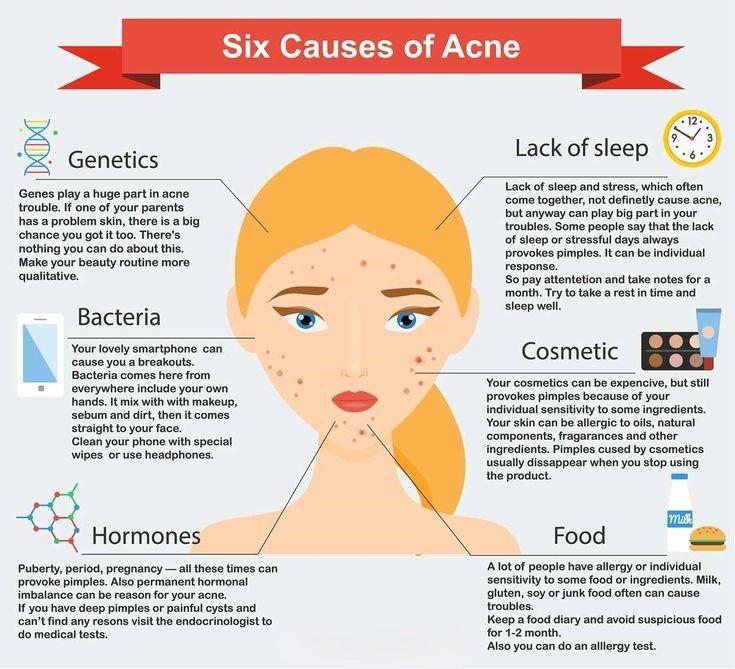
Beyond your daily skincare products, several lifestyle factors can play a role in how your skin behaves, including its tendency to develop blackheads. Paying attention to these habits can complement your topical routine and offer a more holistic approach to clearer skin.
- Hands Off Your Face: It's tempting to pick at or squeeze blackheads, but this can introduce bacteria, cause inflammation, and lead to scarring. As our article on should you pop pimples explains, resisting this urge is vital for skin health. Aim to keep your hands away from your face throughout the day.
- Phone Hygiene: Your smartphone screen can harbor a surprising amount of bacteria and oils. Regularly wiping down your phone with an antibacterial wipe can prevent transferring these impurities to your face.
- Pillowcase Changes: Oils, dead skin cells, and product residue can accumulate on your pillowcase. Changing your pillowcase every two to three days helps ensure you aren't repeatedly pressing these pore-clogging substances back onto your skin while you sleep.
- Makeup Brush Care: Makeup brushes can become a breeding ground for bacteria and old product. Washing them at least once a week with a gentle brush cleanser or mild soap will help keep them clean and prevent transferring unwanted gunk to your face. This is a key consideration if you're wondering can makeup cause acne.
- Diet and Hydration: While research on diet's direct impact on acne is complex and varies individually, maintaining a balanced diet rich in fruits and vegetables and staying adequately hydrated can support overall skin health. Some people find that reducing high-glycemic foods can help, but this is highly personal. If you're curious about this connection, explore does diet affect acne.
- Stress Management: Stress can trigger hormonal fluctuations that may lead to increased oil production and breakouts. Finding healthy ways to manage stress, like exercise or mindfulness, could indirectly benefit your skin. Our guide on can stress cause acne details this link.
- Exercise: Regular physical activity can improve circulation and help manage stress, which may benefit your skin. Ensure you cleanse your skin after sweating to remove oil and debris. You can find out more about this in does exercise help reduce acne.
Common Blackhead Prevention Mistakes to Avoid
Even with the best intentions, certain common practices can actually work against your efforts to prevent blackheads. Recognizing these pitfalls is just as important as knowing what to do.
- Over-Exfoliating: While exfoliation is important, doing it too often or too aggressively can strip your skin's natural oils, leading to irritation, redness, and paradoxically, increased oil production. This can create a cycle that worsens breakouts.
- Harsh Scrubbing: Using abrasive scrubs or scrubbing your face with too much force can cause micro-tears in the skin, damage the skin barrier, and increase inflammation, potentially exacerbating acne and making pores look larger.
- Skipping Moisturizer: As mentioned, thinking your oily skin doesn't need moisture is a mistake. Depriving your skin of hydration can lead it to produce more oil to compensate, making blackheads more likely.
- Using Pore-Clogging Products: Not all skincare and makeup products are created equal. Always check labels for "non-comedogenic" to ensure they won't contribute to pore blockages.
- Picking and Squeezing: This is a big one. Attempting to manually extract blackheads can push bacteria deeper into the pore, cause inflammation, and increase the risk of scarring. Our guide on can acne leave permanent scars discusses the long-term consequences of improper extraction.
- Neglecting Sunscreen: Skipping sunscreen, especially when using exfoliating acids or retinoids, leaves your skin vulnerable to sun damage. This can not only lead to premature aging but can also worsen hyperpigmentation from any breakouts you do experience.
When to Call in the Experts
While a consistent at-home routine can significantly help prevent and manage blackheads, there are times when professional help is the best course of action. If you're struggling to see results or if your blackheads are persistent and bothersome, don't hesitate to consult a dermatologist.
A dermatologist can provide a more accurate diagnosis of your skin concerns, as what appears to be blackheads could sometimes be something else. They can also offer prescription-strength treatments that are more potent than over-the-counter options. These might include stronger topical retinoids, prescription exfoliating acids, or other targeted therapies.
Furthermore, a dermatologist can discuss professional in-office treatments. Procedures like chemical peels, microdermabrasion, or extractions performed by a trained professional can be very effective for stubborn blackheads. They can also advise on managing any resulting hyperpigmentation or scarring.
Remember, professional guidance can save you time and frustration in the long run.
Frequently Asked Questions About Blackheads
How long does it typically take to see results from a new blackhead prevention routine?
Results can vary, but you might start noticing improvements within 4 to 8 weeks of consistent use. It takes time for the skin cell turnover cycle to adjust and for pores to become clearer.
Can stress directly cause blackheads, or is it more indirect?
Stress can indirectly influence blackhead formation. It can trigger hormonal changes that increase sebum production, making pores more prone to clogging. Our guide on can stress cause acne explores this link in detail.
Are natural or DIY remedies effective for preventing blackheads?
Some natural ingredients might offer mild benefits, but they often lack the consistent efficacy and safety testing of formulated skincare products. For reliable prevention, sticking to scientifically backed ingredients like salicylic acid and retinoids is generally more effective.
What's the difference between a blackhead and a sebaceous filament?
Sebaceous filaments are naturally occurring, tiny yellow or whitish tube-like structures that line your pores, filled with sebum and dead skin cells. They are normal and usually not visible unless pores are enlarged. Blackheads are a more significant blockage that oxidizes and appears dark.