How Long Does Acne Take To Clear Up: What To Expect
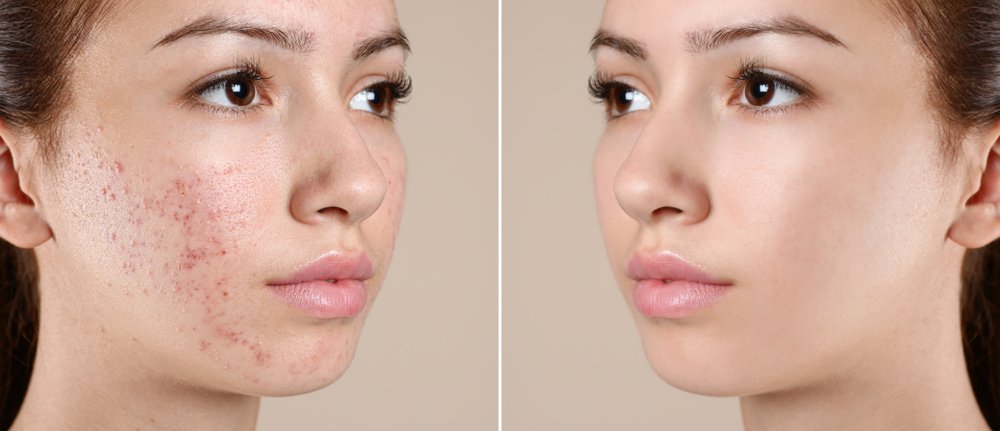
Most acne improves in 6 to 8 weeks, but clear skin often takes 3 to 4 months.
Knowing how long acne takes to clear up can make treatment less stressful. Acne rarely disappears overnight because clogged pores, oil, bacteria, and inflammation follow a cycle. The right treatment, used steadily, can shorten that cycle, while picking, changing products too often, or ignoring severe symptoms can delay healing.
How long does acne take to clear up?
For many people, acne takes about 6 to 8 weeks to show clear improvement after starting a suitable treatment. More noticeable clearing often takes 3 to 4 months. Some people need longer, especially when acne is deep, hormonal, widespread, or linked to scarring.
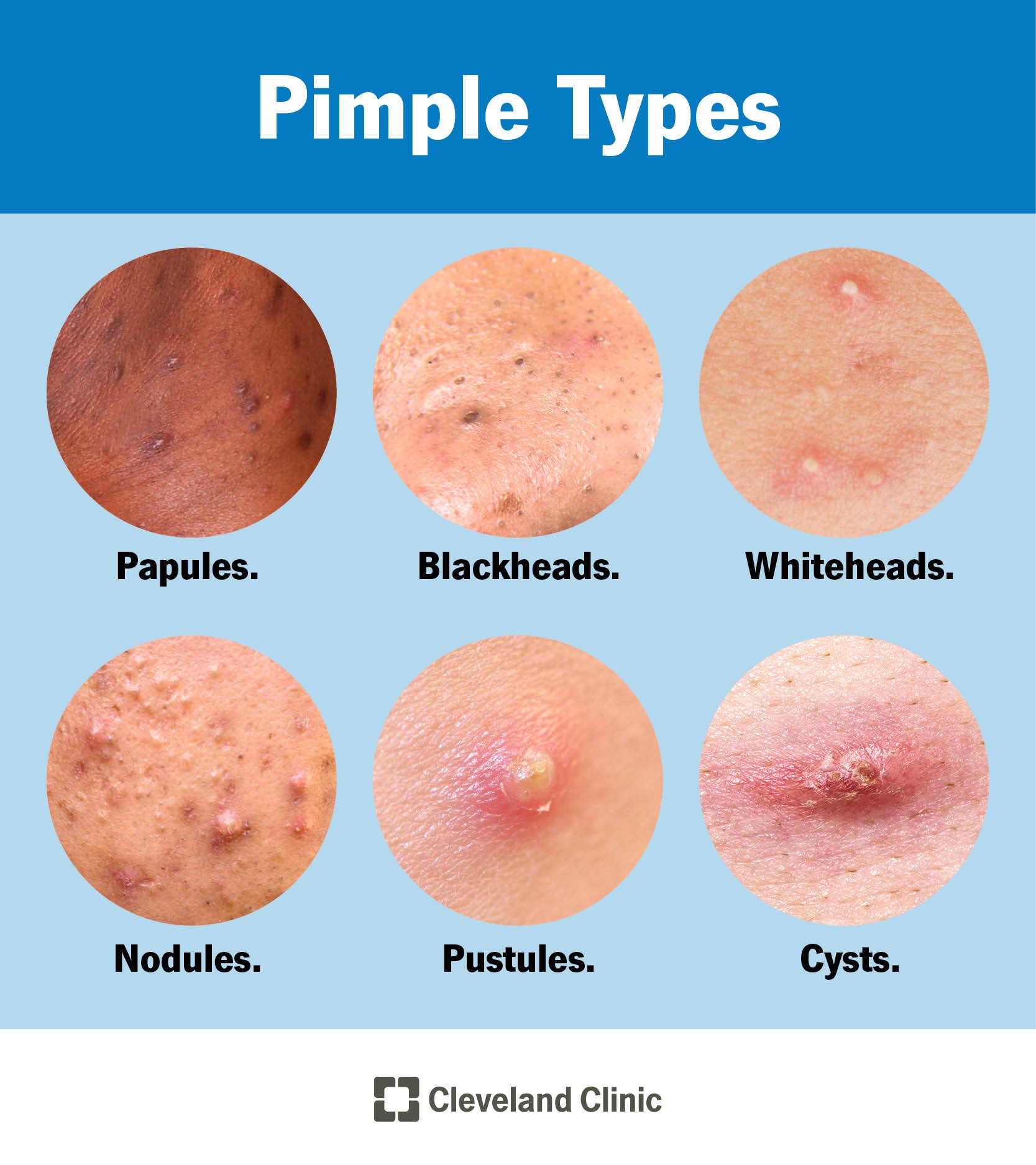
The answer depends on what you mean by “clear.” A single small pimple may flatten within a few days to two weeks. A full acne pattern, such as blackheads, whiteheads, and inflamed bumps, usually needs several weeks of steady care.
Think of acne treatment like watering a plant. One day of care will not change much, but regular care gives the best result over time.
Typical acne healing timelines
Acne does not heal at the same speed for everyone. The type of spot and the treatment you use both matter.
Small pimples
A small whitehead or mild red bump may improve within 3 to 7 days. It can take up to two weeks if the spot is irritated or repeatedly touched.
Blackheads and whiteheads
Clogged pores often take several weeks to improve. Ingredients such as adapalene or salicylic acid can help prevent new clogs, but they need regular use.
Inflamed acne
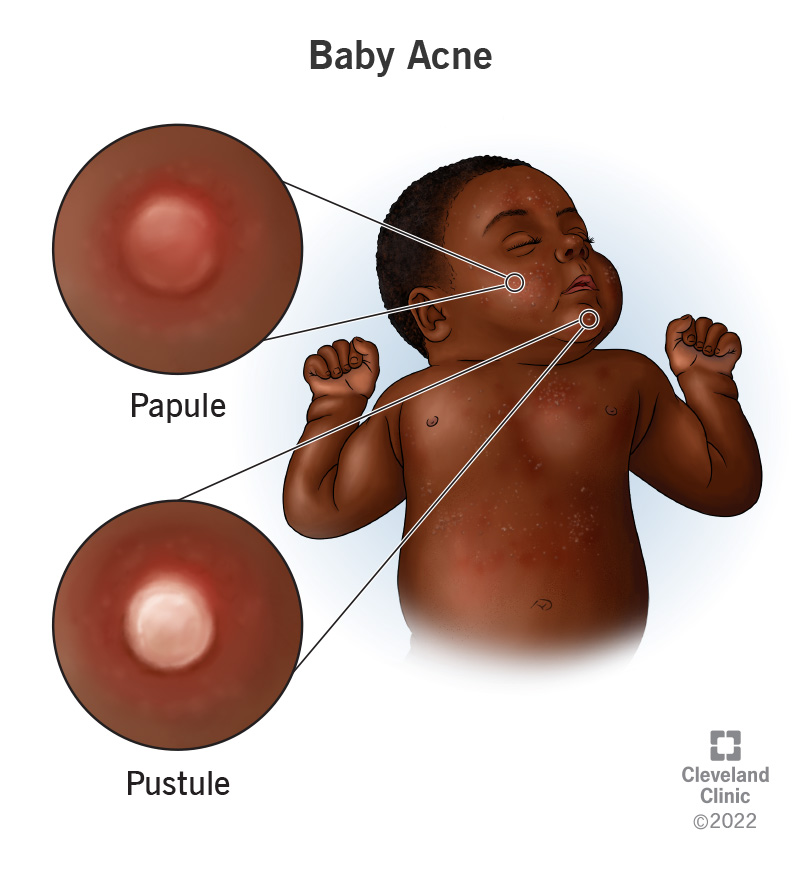
Red papules and pustules may take 1 to 3 weeks to settle. They can leave a red or brown mark after the swelling goes down. That mark is not always an active acne scar and may fade over several weeks or months.
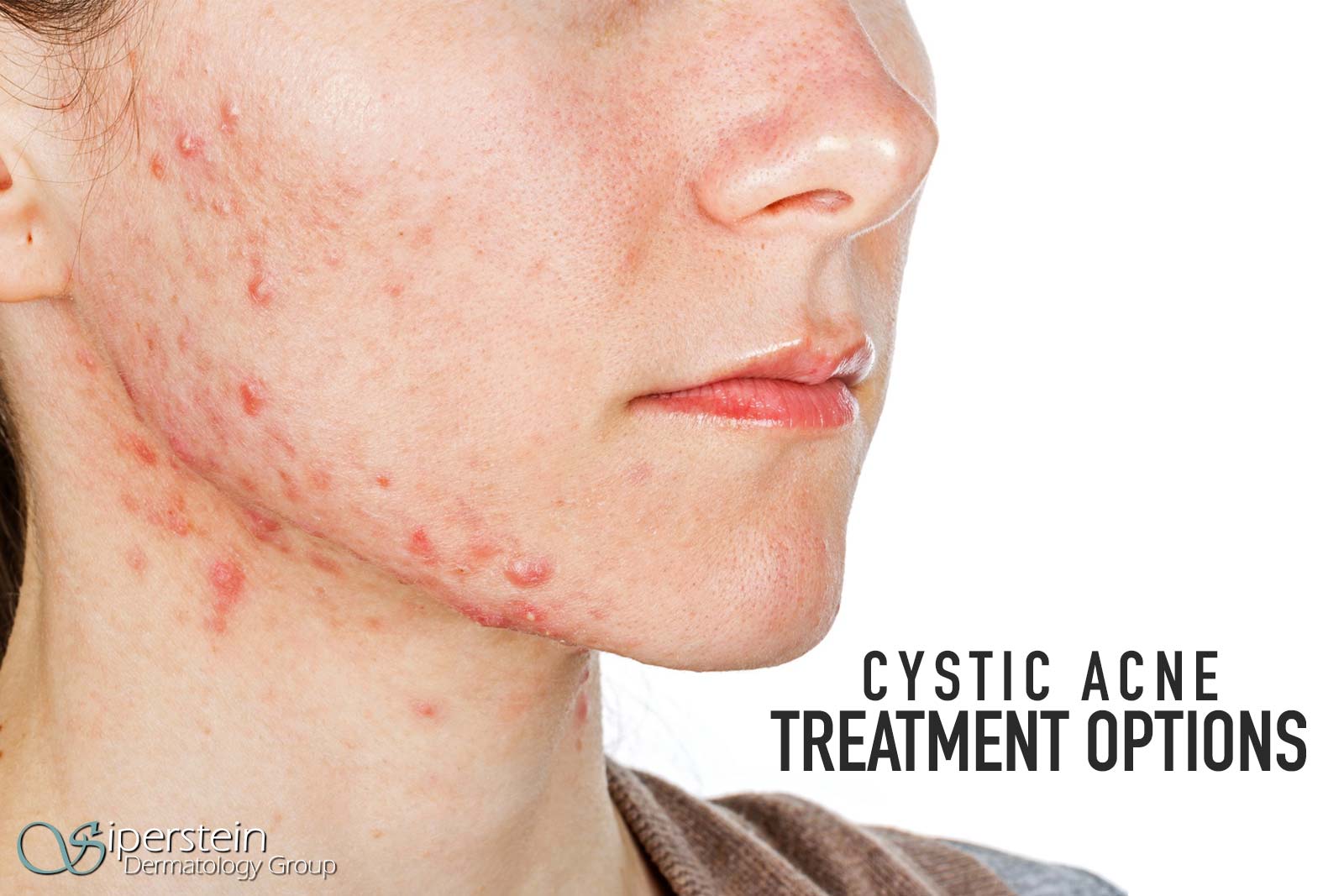
Cystic or nodular acne
Deep, painful lumps can last for many weeks and may leave scars. They often need prescription treatment from a dermatologist. Do not squeeze these lesions, since pressure can push inflammation deeper into the skin.
Mild to moderate acne overall
With consistent treatment, many people see early progress in 6 to 8 weeks. Stronger, more complete improvement may take 3 to 6 months.
What affects how long acne takes to clear up?
Several factors can change the healing time. Two people may use the same product and see very different results.
Acne type and severity
Mild blackheads often respond faster than deep, painful nodules. Severe acne has more inflammation and a higher risk of scars, so it usually needs expert care.
Treatment choice
The best treatment depends on the kind of acne you have. Common options include:
• Benzoyl peroxide, which reduces acne causing bacteria and inflammation
• Adapalene, a topical retinoid that helps prevent clogged pores
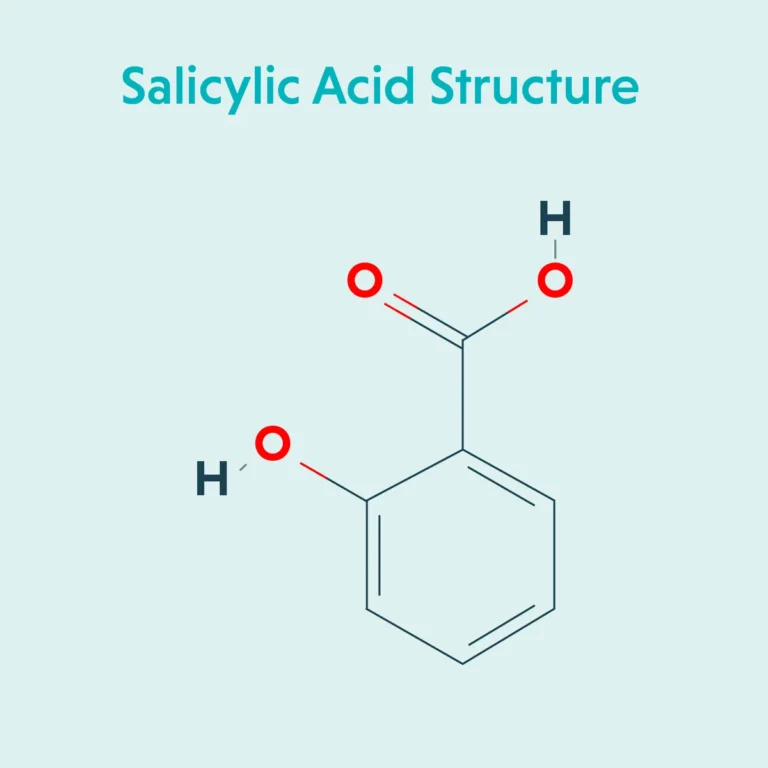
• Salicylic acid, which helps remove dead skin from the pore
• Azelaic acid, which may help acne, redness, and dark marks
• Prescription antibiotics, used for some types of inflamed acne for a limited time
• Hormonal treatment, which may help some women with hormone related acne
• Isotretinoin, a prescription medicine for severe or stubborn acne
No single product works for every person. A dermatologist can match the treatment to your skin type, medical history, and acne pattern.
Consistency
Using a treatment once or twice and stopping will not show its full benefit. Apply products as directed and give them enough time to work.
A common mistake is changing products every few days. This can irritate the skin and make it harder to know what helps. A simple routine often works better than a crowded shelf.
Skin irritation
Dry, peeling, burning skin can make acne look worse. Start strong ingredients slowly if your clinician or product instructions allow it. Use a gentle cleanser, a noncomedogenic moisturizer, and sunscreen.
Hormones and stress
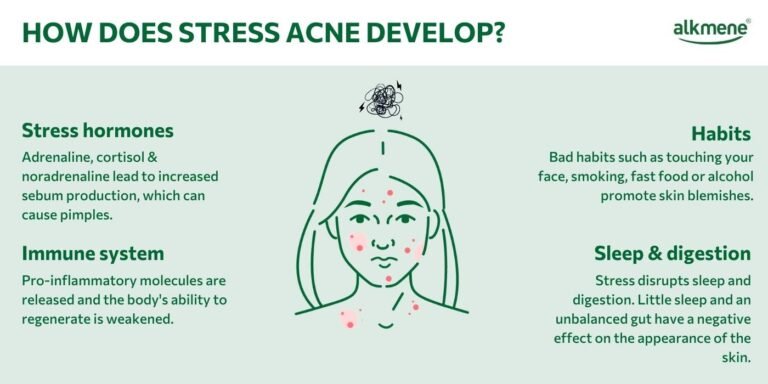
Hormone changes can increase oil production. This may happen during puberty, menstrual cycles, pregnancy, or when stopping or starting certain medicines. Stress may also worsen acne for some people, although it is not the only cause.
Picking and squeezing
Picking may push bacteria and inflammation deeper into the skin. It can also increase the chance of scarring and dark marks. If you feel tempted to touch a spot, cover it with a clean acne patch instead.
How long does acne take to clear up with treatment?
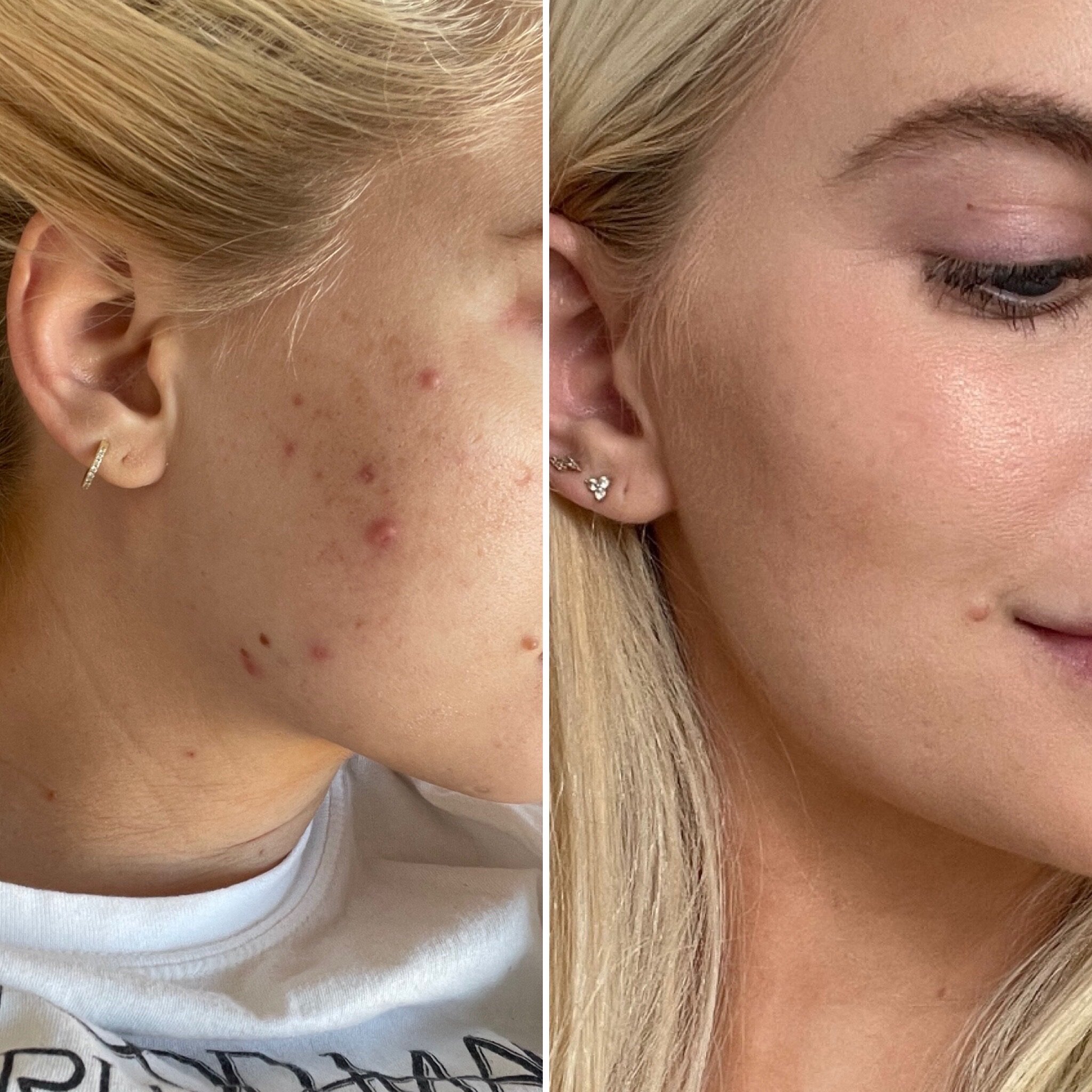
The timeline often looks like this:
-
During the first 1 to 2 weeks, your skin may feel dry or mildly irritated. You may not see much improvement yet.
-
Around weeks 3 to 6, new breakouts may become less frequent if the treatment suits your skin.
-
Around weeks 6 to 8, many people can judge whether the routine is helping.
-
By months 3 to 4, clearer skin is possible for many people with mild or moderate acne.
-
After acne improves, maintenance care is often needed to prevent new breakouts.
Some retinoids can cause a temporary increase in visible breakouts during the early weeks. This is not always “purging,” though. Severe irritation, swelling, pain, or a sudden worsening should be discussed with a medical professional.
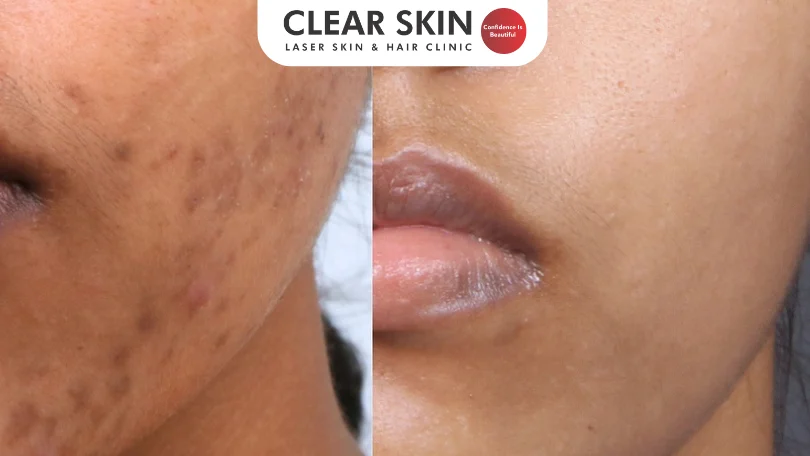
It is also important to separate active acne from acne marks. A pimple may heal, but a red, purple, or brown mark can remain. These marks often fade slowly, and daily sunscreen can help prevent them from becoming darker.
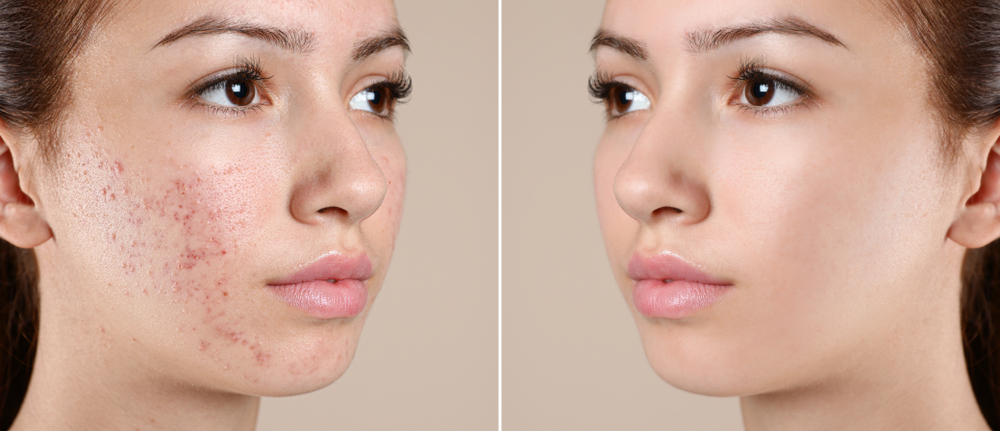
A simple routine that may help acne clear faster
A good routine should be gentle, steady, and realistic.
Morning
• Wash with a mild, fragrance free cleanser
• Use benzoyl peroxide or another acne treatment if it suits your skin
• Apply a noncomedogenic moisturizer
• Finish with broad spectrum SPF 30 or higher sunscreen
Evening
• Remove makeup and sunscreen
• Cleanse gently without scrubbing
• Apply a thin layer of adapalene or another recommended treatment
• Use moisturizer to reduce dryness
Do not use several harsh acne products at once unless a clinician tells you to. Combining scrubs, strong acids, alcohol based toners, and retinoids can damage the skin barrier.
Choose products labeled “noncomedogenic,” which means they are less likely to clog pores. Wash pillowcases regularly, clean phones that touch your face, and remove makeup before bed. These steps cannot cure acne alone, but they can support a healthier routine.
Mistakes that can delay acne healing
Many well-meant habits can make acne last longer.
• Scrubbing hard, which can increase irritation
• Popping pimples, which can cause wounds and scars
• Applying toothpaste, rubbing alcohol, or lemon juice, which can burn the skin
• Using a new treatment every few days
• Skipping moisturizer because the skin feels oily
• Tanning to hide acne marks, which can worsen pigmentation and sun damage
• Stopping treatment as soon as the skin looks better
I have seen how frustrating it can be when someone expects a product to work in three days. The most useful lesson is to track progress by looking at weekly photos, not by checking the mirror several times each day. Small changes are easier to notice over time.
If a product causes intense burning, facial swelling, blistering, or a rash, stop using it and seek medical advice.
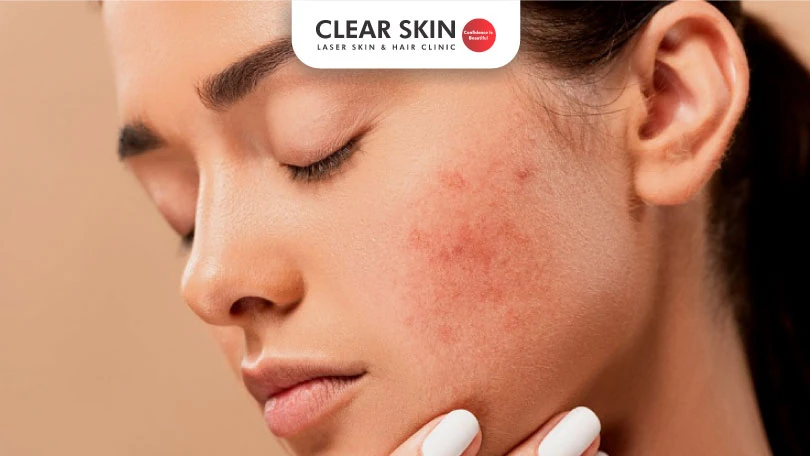
When should you see a dermatologist?
Make an appointment if acne is painful, deep, widespread, or leaving scars. You should also seek professional help when acne affects your confidence, sleep, social life, or mood.
A dermatologist may recommend prescription creams, oral medicine, hormonal therapy, or procedures. Early treatment matters because deep inflammation can create permanent scars.
See a health professional sooner if:
• Acne begins suddenly after starting a medicine
• You have painful nodules or cysts
• You notice dents or raised scars
• Nonprescription treatment has not helped after 8 to 12 weeks
• Acne comes with irregular periods, excess facial hair, or sudden hair thinning
• You are pregnant, trying to become pregnant, or breastfeeding
Some acne medicines are not safe during pregnancy. Ask a doctor or pharmacist before using retinoids or taking acne medication during this time.

Can diet or lifestyle change how long acne takes to clear up?
Lifestyle changes may support treatment, but they are not a complete cure. Some studies link high glycemic foods, such as sugary drinks and refined snacks, with more acne in certain people. Cow’s milk may also affect acne for some individuals, but the evidence is not strong enough to suggest that everyone should avoid it.
Try eating regular meals with vegetables, fruit, whole grains, protein, and healthy fats. Do not follow a very restrictive diet without medical advice.
Sleep, stress care, and regular movement may help overall health. Still, acne is not a sign of poor hygiene or personal failure. Genetics, hormones, oil production, inflammation, and skin cell behavior all play a role.
How to track whether your acne treatment is working
Use a simple tracking plan:
-
Take one photo each week in the same light.
-
Count new inflamed spots rather than focusing on one pimple.
-
Note dryness, burning, itching, or peeling.
-
Keep the routine steady for at least 6 to 8 weeks unless severe irritation occurs.
-
Review the results with a dermatologist if progress is limited.
A treatment may be working even if old marks remain. Look for fewer new lesions, less swelling, and shorter breakouts. Clear skin is usually a gradual trend, not a sudden switch.
Frequently Asked Questions About How Long Does Acne Take to Clear Up?
How long does acne take to clear up naturally?
A single mild pimple may fade within several days to two weeks. Acne that keeps returning may last for months or years without treatment, especially when hormones or genetics play a role.
How long does acne take to clear up with benzoyl peroxide?
Benzoyl peroxide may reduce new inflamed spots within 4 to 8 weeks. More complete improvement often takes about 3 months, and dryness is common at first.
How long does acne take to clear up with adapalene?
Adapalene usually needs 8 to 12 weeks for a clear improvement. Early dryness or a temporary increase in breakouts can happen, so use it as directed and protect your skin from the sun.
Does popping a pimple make acne clear faster?
No. Popping may make a spot look flatter for a short time, but it can increase inflammation, infection, dark marks, and scarring. A warm compress or hydrocolloid patch is a safer choice.
When does acne stop needing treatment?
Some people can reduce treatment after their skin stays clear for several months. Many need a simple maintenance routine because acne can return when treatment stops.
Can acne scars fade after acne clears?
Flat red or brown marks often fade gradually over months. Depressed or raised scars usually do not disappear fully on their own and may need treatment from a dermatologist.
Conclusion
How long acne takes to clear up depends on the type of acne, its severity, your treatment, and how consistently you use it. Small spots may heal in days, while overall improvement often takes 6 to 8 weeks and clearer skin may take 3 to 4 months.
Keep your routine gentle. Avoid picking. Use proven ingredients as directed, and seek professional care for deep acne, scars, or poor improvement. Start with one steady plan today, track your progress weekly, and explore trusted dermatology resources or share your experience in the comments.


2 Comments