Why Do I Keep Getting Acne On My Chin: Causes And Fixes
Chin acne often returns when hormones, clogged pores, irritation, or products keep triggering inflammation.
If you keep asking, “Why do I keep getting acne on my chin?” you are not alone. The chin and jawline often react to hormone shifts, friction, skin care products, and everyday habits. Understanding the pattern can help you choose a safer treatment and avoid wasting money on harsh products that make the problem worse.
Why do I keep getting acne on my chin?
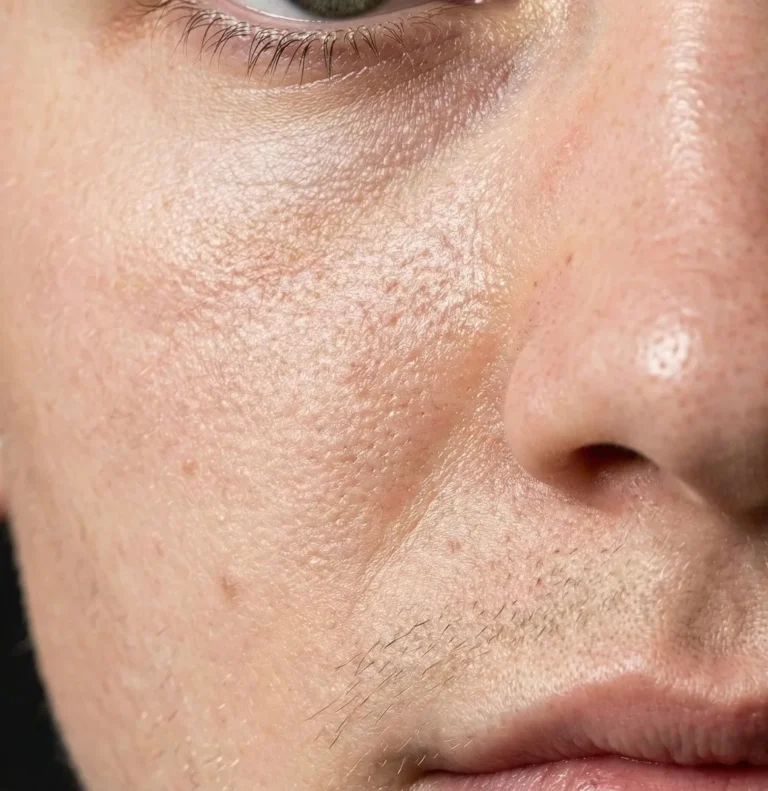
Chin acne usually develops when oil, dead skin cells, bacteria, and inflammation block hair follicles. Hormones can increase oil production, while makeup, shaving, touching, masks, or heavy creams may add more irritation.
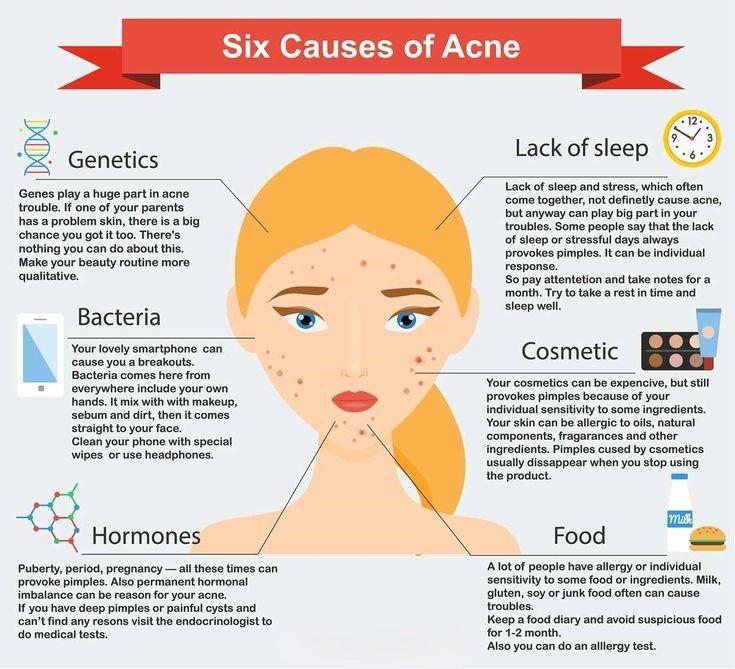
The answer is not always one single cause. In many people, chin acne is the result of several small triggers working together, much like drops filling a cup.
Common causes include:
• Hormonal changes during the menstrual cycle, pregnancy, or times of stress
• Oily skin and blocked pores
• Lip balms, makeup, sunscreen, or hair products that clog pores
• Friction from masks, helmets, phones, or clothing
• Frequent touching or picking
• Shaving irritation and ingrown hairs
• Certain medicines or supplements
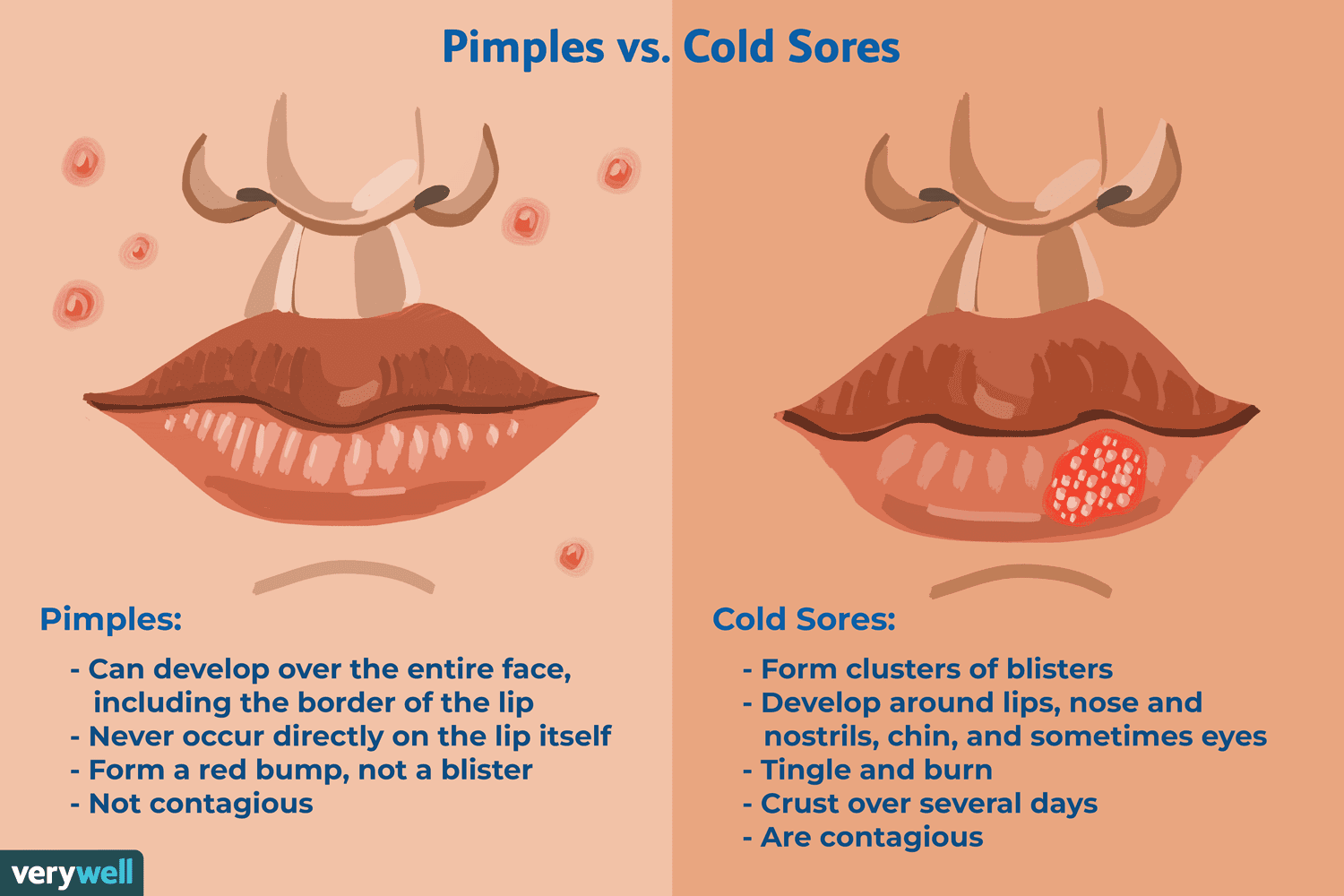
• A skin condition that looks like acne, such as perioral dermatitis
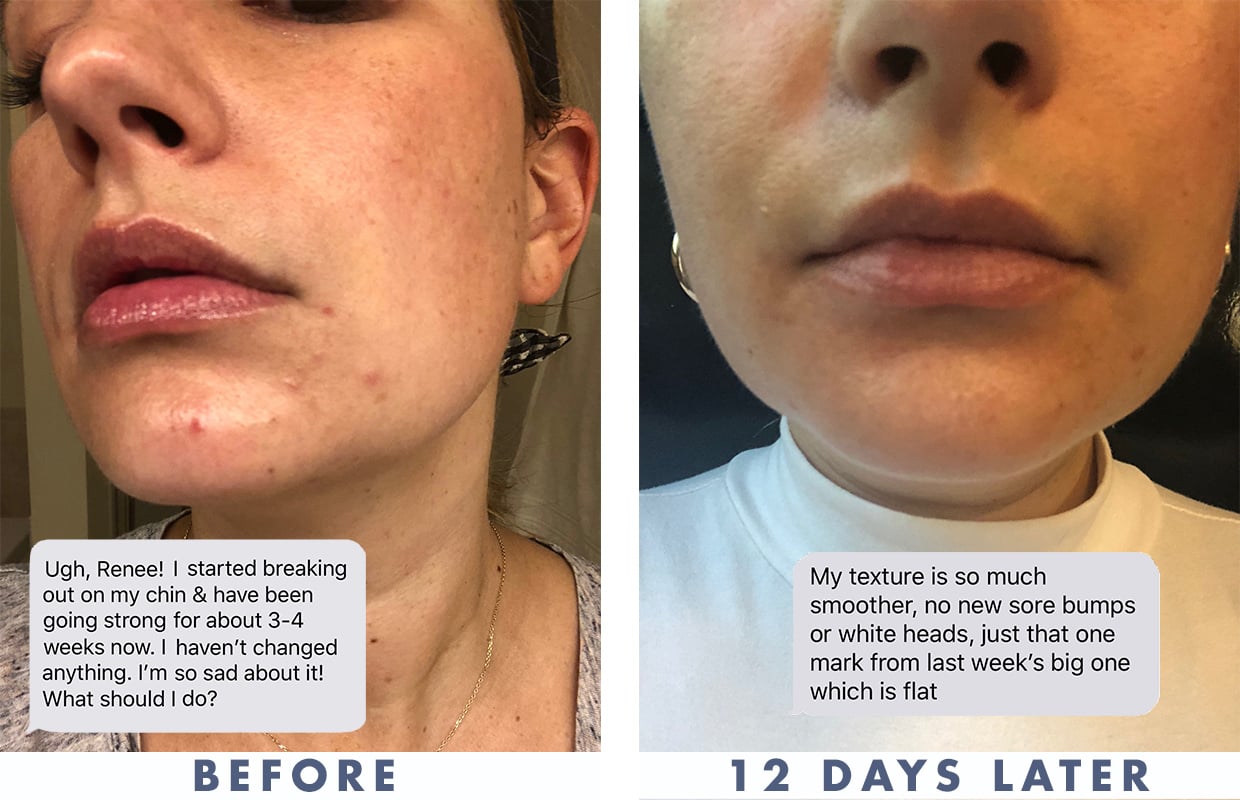
A useful lesson from treating recurring breakouts is to look for patterns rather than blame one product. Note when the spots appear, what touches your chin, and whether they worsen before your period or after a product change.
Hormones and chin acne
Hormonal acne often appears on the lower face, especially the chin, jawline, and area around the mouth. Androgens, a group of hormones found in all genders, can increase oil production and make pores more likely to clog.
You may notice deeper, sore bumps that return in the same areas. These breakouts often flare before a menstrual period, during major stress, after stopping birth control, or during other hormone changes.
Hormonal acne can affect adults who never had much acne as teenagers. It may also develop with conditions such as polycystic ovary syndrome, particularly when acne occurs with irregular periods, excess facial hair, hair thinning, or unexplained weight changes.
Hormones are not always the full explanation. Research shows that acne involves oil, follicle blockage, inflammation, and skin bacteria. Hormonal shifts may simply make the skin more sensitive to these processes.
Speak with a health care professional if chin acne is sudden, severe, painful, or paired with other hormone-related symptoms. A clinician can check for medical causes and discuss treatment options.

Everyday triggers that can worsen chin acne
Small habits can keep chin acne active even when your skin care routine seems correct. The chin is exposed to many products and surfaces during the day.
Potential triggers include:
• Touching your face while working, studying, or using your phone
• Resting your chin on your hand
• Reusing unwashed mask liners
• Leaving sweat on the skin after exercise
• Applying thick lip balm beyond the lip line
• Using oily shaving creams or aftershaves
• Wearing a tight chin strap or helmet
• Sleeping with makeup or sunscreen on
• Using hair oils that spread onto the lower face
• Scrubbing the skin too hard
To find a trigger, change only one thing at a time. If you replace five products at once, you may not know what helped or what caused irritation.
One practical mistake many people make is washing the chin repeatedly. Overwashing can damage the skin barrier and lead to dryness, burning, and more visible redness. Clean skin helps, but “squeaky clean” skin is not the goal.

Could your skin care products be causing chin acne?
Some products can clog pores or irritate the skin around the mouth and chin. This is more likely with thick oils, greasy ointments, waxy balms, and rich makeup.
Look for products labeled:
• Noncomedogenic
• Oil-free
• Fragrance-free, if your skin is sensitive
• Suitable for acne-prone skin
These labels can help, but they are not a guarantee. A product that works well for one person may still cause bumps for another.
Try a simple routine for several weeks:
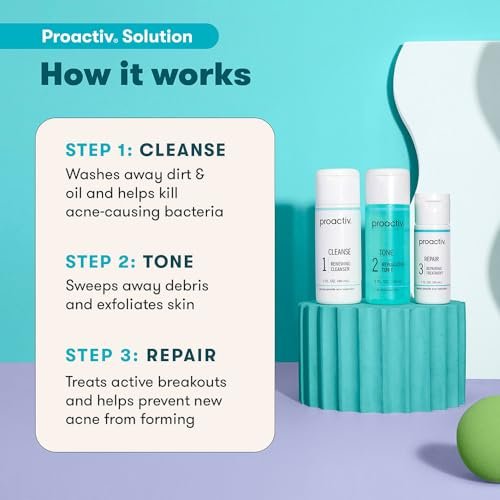
- Use a gentle cleanser twice daily.
- Apply a light, noncomedogenic moisturizer.
- Use broad-spectrum sunscreen during the day.
- Introduce only one acne treatment at a time.
- Stop a new product if it causes burning, swelling, or a fast rash.
Do not put strong acne products directly on the corners of the mouth. That skin is thin and can become irritated quickly.
How to treat recurring chin acne
Treatment depends on the type of acne and how severe it is. Small clogged pores may respond to over-the-counter products, while deep or painful acne may need prescription care.
Start with gentle skin care
Wash your face with lukewarm water and a mild cleanser. Avoid rough scrubs, cleansing brushes, and alcohol-based products.
Use a light moisturizer even if your skin feels oily. When the skin barrier becomes dry and irritated, acne treatments may become harder to tolerate.
Consider proven acne ingredients
Common options include:
• Benzoyl peroxide, which helps reduce acne-causing bacteria and inflammation
• Salicylic acid, which helps clear oil and dead skin from pores
• Adapalene, a topical retinoid that helps prevent clogged pores
• Azelaic acid, which may help acne, redness, and dark marks
Start slowly. Apply a small amount two or three nights per week, then increase as your skin adjusts. Use sunscreen because some acne treatments can increase sensitivity or make marks look darker after sun exposure.
Benzoyl peroxide can bleach towels and clothing. Retinoids may cause dryness and are not appropriate during pregnancy unless a clinician says otherwise. Ask a health professional or pharmacist about safe choices if you are pregnant, breastfeeding, or taking other medicines.
Treat the whole acne-prone area
Do not apply treatment only to one visible pimple. Acne often forms beneath the surface before it becomes noticeable. A thin layer over the acne-prone chin and jawline may help prevent new spots.
Avoid squeezing. Picking can push inflammation deeper and increase the risk of scars and dark marks.

How long does chin acne take to clear?
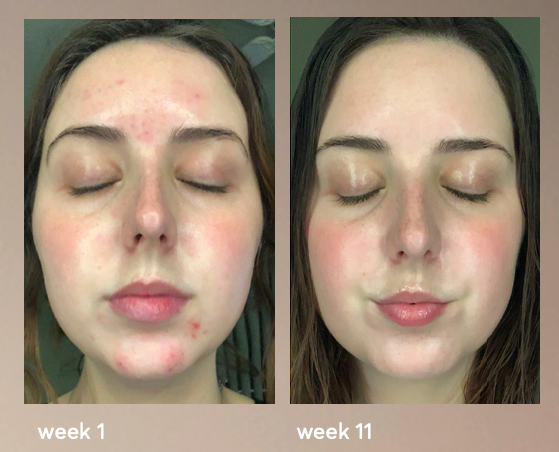
Most acne treatments need several weeks before you see clear improvement. New breakouts may continue during the early stage because existing clogged pores still need time to surface.
A realistic timeline may look like this:
• Two to four weeks: less oil or fewer new small bumps
• Six to eight weeks: clearer improvement for many people
• Three months or longer: better control of recurring acne
Results vary by skin type, acne severity, hormones, and treatment consistency. Using more product does not usually speed healing. It often causes redness and peeling instead.
If a treatment causes severe burning, swelling, hives, or worsening pain, stop using it and seek medical advice. Persistent acne deserves a proper evaluation rather than endless product testing.

When to see a dermatologist
Make an appointment if chin acne keeps returning despite a gentle routine and consistent treatment. Professional care is especially important when breakouts are painful, deep, widespread, or leaving scars.
A dermatologist may recommend:
• Prescription retinoids
• Prescription benzoyl peroxide combinations
• Oral or topical antibiotics for selected cases
• Hormonal treatment when appropriate
• Isotretinoin for severe or resistant acne
• Cortisone injections for large, painful cysts
A clinician may also check whether the bumps are actually acne. Perioral dermatitis can cause small red bumps around the mouth and chin. It may worsen with steroid creams and can require a different treatment plan.
Seek medical care sooner if acne appears with irregular periods, sudden excess facial hair, scalp hair loss, or other signs of a hormone disorder. These symptoms do not prove a specific condition, but they are worth discussing.

What not to do when you keep getting chin acne
Many popular acne tips can damage the skin or delay proper treatment. Avoid these common mistakes:
• Do not use toothpaste on pimples. It can cause burns and irritation.
• Do not scrub hard to “remove” acne. Scrubbing can increase inflammation.
• Do not pop deep bumps. This raises the risk of scars and infection.
• Do not switch products every few days. Skin needs time to respond.
• Do not use steroid creams on the face unless prescribed. They can worsen some rashes.
• Do not dry out the skin with strong alcohol products.
• Do not assume every chin bump is acne. Some need different care.
Think of your skin barrier as a protective raincoat. If you keep stripping it, water and irritants can get through more easily. Gentle care supports treatment instead of fighting against it.
:max_bytes(150000):strip_icc()/is-it-a-pimple-or-a-cold-sore-15612-final-a8de3c846a084a72b3d3d609b6e1eebe.png)
A simple routine for preventing chin acne
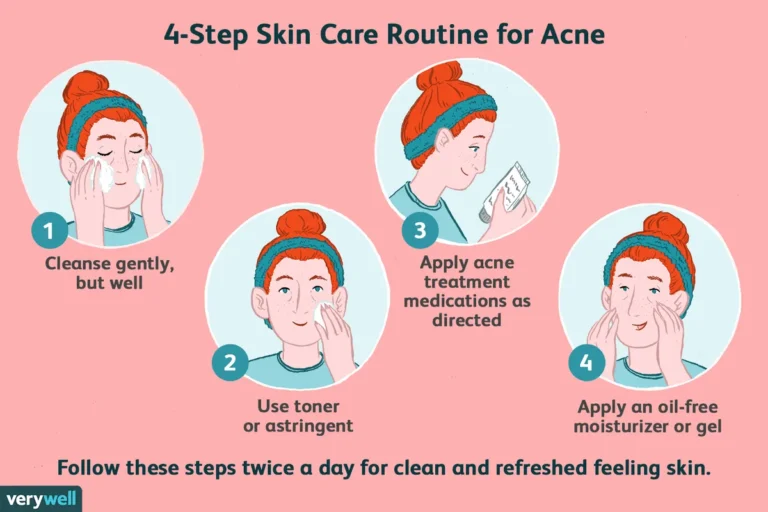
A steady routine is often more useful than an expensive one. Try these steps for at least six to eight weeks unless irritation develops:
- Cleanse gently in the morning and evening.
- Apply a light moisturizer that does not clog pores.
- Use sunscreen every morning.
- Choose one acne ingredient and introduce it slowly.
- Wash pillowcases and reusable face coverings often.
- Keep phones, makeup tools, and hands clean.
- Avoid letting hair oils and lip products spread onto the chin.
- Remove makeup before bed.
- Track breakouts, periods, stress, and product changes.
- Follow treatment directions instead of applying extra product.
Diet may affect acne for some people, but there is no single acne diet that works for everyone. Some studies suggest a possible link between high-glycemic foods, dairy intake, and acne in certain groups. More research is needed, so focus first on proven skin care and medical treatment.
Stress may also worsen acne through hormone and inflammation pathways. Stress is not your fault, and relaxation alone cannot cure acne. Still, regular sleep, movement, and stress support may help your overall skin and health.

Frequently Asked Questions
Why do I keep getting acne on my chin before my period?
Hormone changes before a period can increase oil production and inflammation. This may cause chin and jawline breakouts that follow a monthly pattern.
Is chin acne always hormonal?
No. Hormones are common, but clogged pores, skin care products, friction, shaving, and touching can also cause chin acne. Some rashes that look like acne have a different cause.
How can I stop getting acne on my chin?
Use a gentle cleanser, noncomedogenic moisturizer, sunscreen, and one proven acne treatment. Avoid picking, heavy products, and frequent routine changes while tracking possible triggers.
Does toothpaste help chin pimples?
No. Toothpaste is not designed for facial skin and may cause burning, dryness, or a rash. Use a product made for acne instead.
Should I pop a painful chin pimple?
It is best not to pop it because pressure can drive inflammation deeper and increase scarring. A dermatologist can safely treat a large, painful cyst if needed.
Can stress cause chin acne?
Stress may worsen acne by affecting hormones, inflammation, sleep, and daily habits. It is usually one contributing factor rather than the only cause.
When should I see a dermatologist for chin acne?
See a dermatologist when acne is painful, leaves scars, returns often, or does not improve after several weeks of consistent care. Also seek advice if it appears with irregular periods or other hormone-related symptoms.
Conclusion
Recurring chin acne often comes from a mix of hormones, blocked pores, irritation, friction, and product buildup. A gentle routine, slow use of proven ingredients, and careful attention to patterns can make a real difference.
Do not judge your skin by one bad day. Give a consistent plan time to work, avoid picking, and seek professional help when acne is painful or persistent. If this guide helped, explore more evidence-based skin care resources or share your experience in the comments.