Can Massage Relieve Headaches And Migraines: What Helps
Massage may ease some headache and migraine symptoms by relaxing tight muscles and calming the nervous system.
Can massage relieve headaches and migraines? Often, yes, especially when stress, muscle tension, or poor posture plays a role. As a health writer who has reviewed clinical guidance and headache research, I’ll explain what massage can do, where it may fall short, and how to use it safely.
:max_bytes(150000):strip_icc()/migraine-relief-pressure-points-5205811-FINAL-v2-23a051e7ace94d70b85a266df86fea41.png)
Can massage relieve headaches and migraines?
Massage can relieve headaches and migraines for some people, but results vary. It works best as part of a broader care plan, not as a guaranteed cure.
Massage may help by:
- Relaxing tight muscles in the neck, shoulders, jaw, and scalp
- Improving local blood flow
- Reducing stress and physical tension
- Supporting better sleep
- Calming an overactive stress response
- Easing pain linked to trigger points
The strongest benefit often appears with tension-type headaches. These headaches may feel like pressure or a tight band around the head. They commonly develop after long screen use, stress, poor sleep, or neck strain.
Massage may also help some people with migraines. However, migraine is a complex neurological condition. It can involve changes in brain activity, nerves, blood vessels, hormones, and sensory processing. Massage may reduce discomfort or help prevent attacks for some people, but it does not remove the underlying tendency to have migraines.
Can massage relieve headaches and migraines? It may, particularly when muscle tension and stress are major triggers. The goal is symptom relief, not a promise of complete prevention.
How massage may ease headache pain
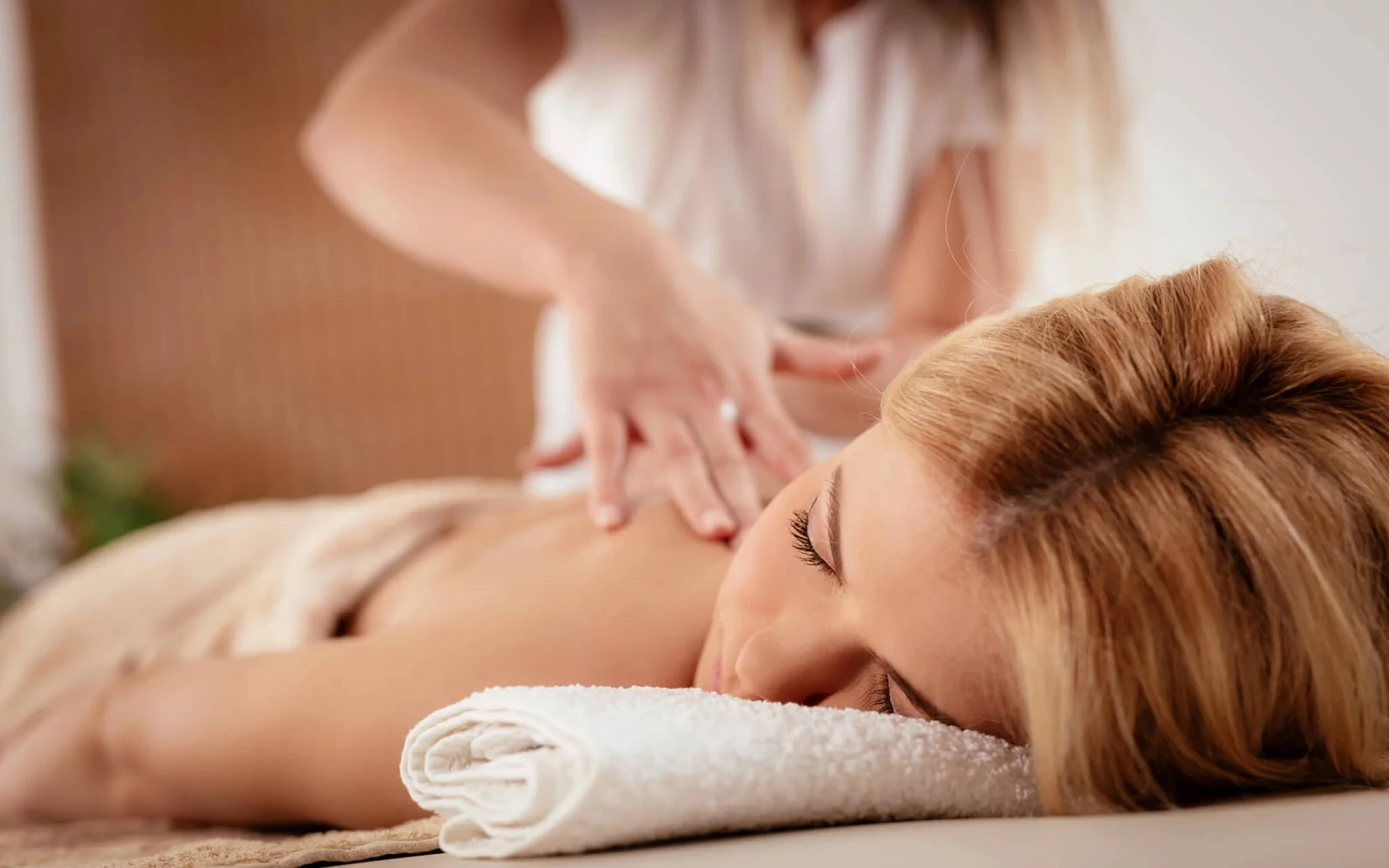
Massage may affect headache pain in several connected ways. Think of it as turning down several “volume knobs” at once: muscle tension, stress, pain signals, and body awareness.
Muscle relaxation
Tight muscles in the upper back and neck can pull on nearby tissues. This tension may contribute to pain that spreads toward the temples, forehead, or back of the head.
A trained massage therapist may use gentle pressure on the:
- Upper trapezius muscles
- Base of the skull
- Neck and shoulders
- Temples and scalp
- Jaw muscles
When these areas relax, some people notice less pressure and easier neck movement.
Stress reduction
Stress is a common headache trigger. Massage may help the body move from a “fight or flight” state toward a calmer state. Slow, steady touch can reduce muscle guarding and make it easier to breathe deeply.
This does not mean stress causes every headache. It means stress can increase the chance, intensity, or duration of headaches in some people.
Improved body awareness
Massage may help you notice early warning signs. For example, you may feel that you are clenching your jaw, lifting your shoulders, or leaning toward your screen.
Catching these habits early can help you act before pain becomes severe. This lesson is easy to overlook: massage works best when it also teaches you what tension feels like in your own body.
Can massage relieve headaches and migraines through these effects? It can provide relief when tension and stress add to the pain, although each person responds differently.
Massage for tension headaches
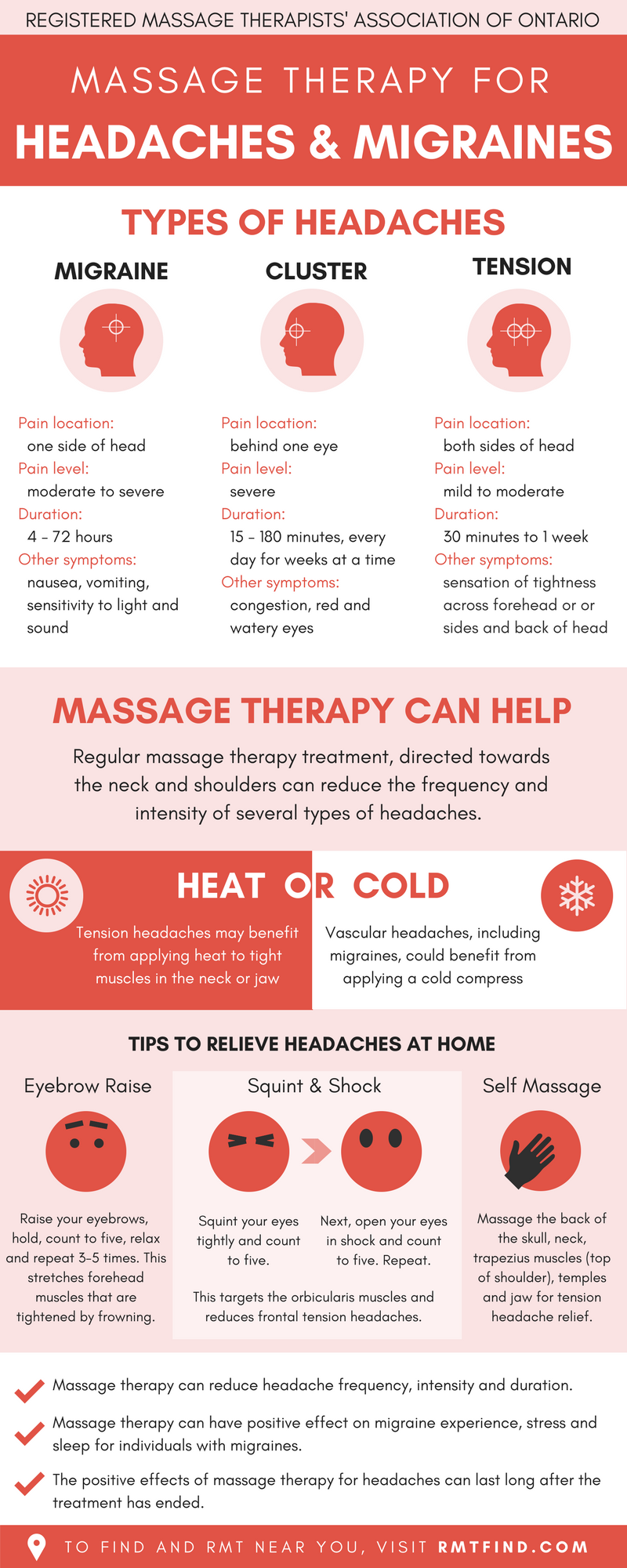
Tension-type headaches are the most likely to respond to massage. They often cause mild to moderate pain on both sides of the head. The pain may feel dull, pressing, or tight rather than throbbing.
Massage may be useful when your headache follows:
- A long day at a computer
- Tight shoulders or a stiff neck
- Emotional stress
- Poor posture
- Teeth grinding or jaw clenching
- Lack of rest
A small amount of pressure may feel helpful. Too much pressure can make pain worse, especially when the area is already sensitive.
A therapist may combine massage with gentle stretching, heat, posture advice, and breathing exercises. Research on manual therapy suggests that regular treatment may reduce the frequency or intensity of some tension headaches, though study results are not uniform.
Can massage relieve headaches and migraines when the pain comes from neck tension? It may be especially helpful for tension headaches linked to the neck, shoulders, or jaw.
:max_bytes(150000):strip_icc()/migraine-relief-pressure-points-5205811-FINAL-V4-1-217470c5a4fd4ae893e9276a86a8571c.png)
Massage for migraine symptoms
Migraines often cause throbbing or pulsing pain, commonly on one side of the head. They may also include nausea, vomiting, light sensitivity, sound sensitivity, or visual changes.
Some people find massage helpful during the early stage of a migraine. Others find touch, light, or pressure unbearable during an attack. Both responses are normal.
Massage may be more useful between attacks. Regular sessions may help reduce stress and muscle tension, which can lower exposure to personal triggers. Some studies suggest that massage therapy may reduce migraine frequency, but the evidence remains limited and more research is needed.
During a migraine, consider:
- Using very light pressure
- Keeping the room dark and quiet
- Avoiding strong scents
- Stopping if nausea or pain increases
- Asking the therapist to avoid the head if touch feels unpleasant
Can massage relieve headaches and migraines during an active migraine attack? It may help some people, but others need rest, medication, hydration, or medical treatment instead.
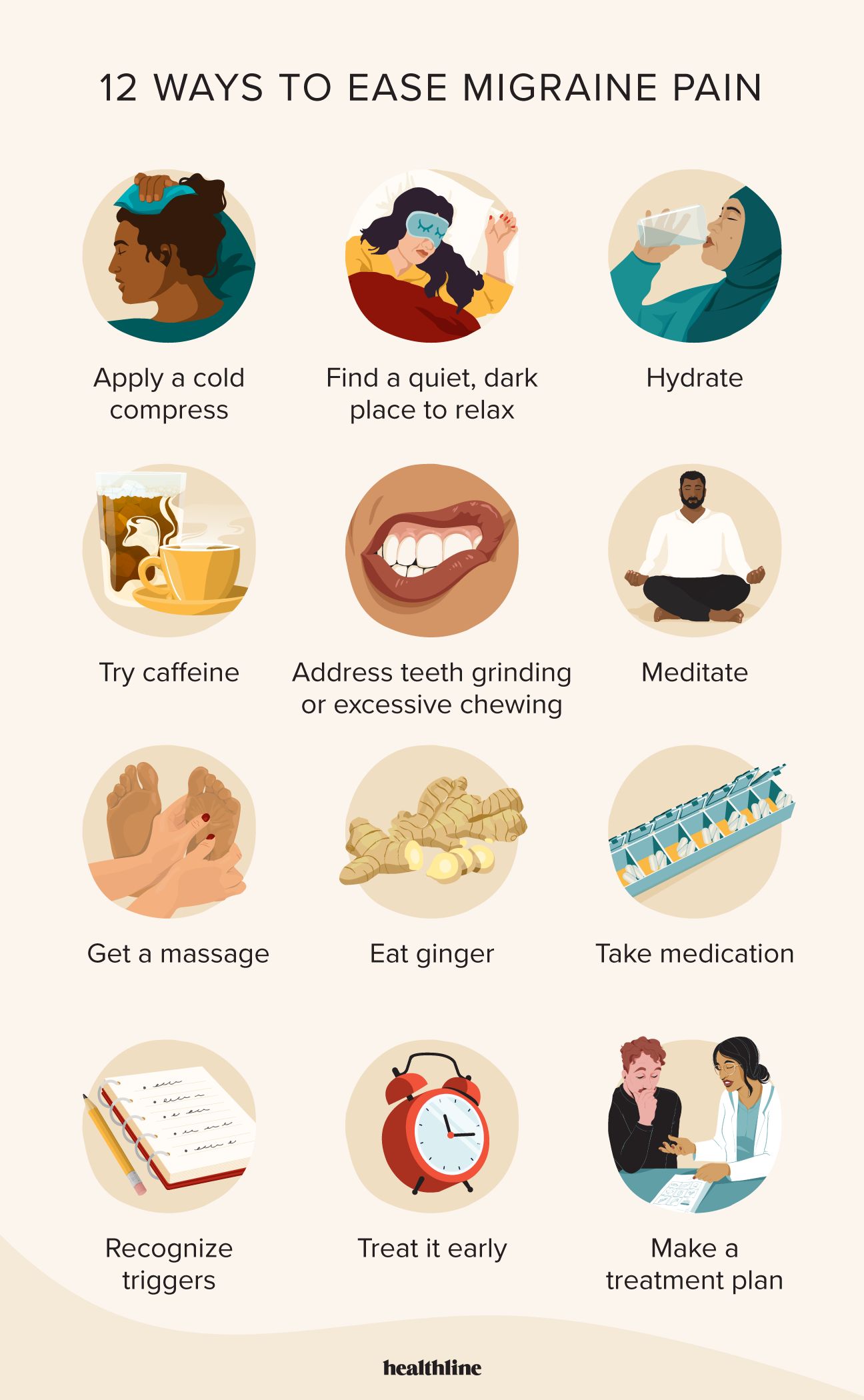
What does the research say?
Research on massage for headaches and migraines is promising but not conclusive. Some clinical trials report fewer headaches, lower pain levels, or better sleep after repeated massage sessions. Other studies are small, vary in technique, or cannot separate massage effects from relaxation and personal attention.
This matters because massage is not one single treatment. A light scalp massage is different from deep tissue work, trigger-point therapy, or neck-focused manual therapy. Results may depend on the headache type, treatment schedule, therapist skill, and the person’s main triggers.
Research and clinical practice support a balanced view:
- Massage may be a useful add-on treatment.
- It should not replace prescribed migraine medicine.
- Benefits may require repeated sessions.
- Relaxation alone may explain part of the improvement.
- More high-quality research is needed.
Can massage relieve headaches and migraines according to current evidence? Yes, it may help, but the evidence supports cautious optimism rather than certainty.

Massage techniques that may help
A massage therapist should adapt the session to your symptoms. Gentle work is usually a better starting point than forceful pressure.
Scalp and temple massage
Use the pads of two or three fingers. Make small, slow circles over the scalp and temples. Keep the pressure light and stop if pain becomes sharp or throbbing.
Neck and shoulder massage
Gentle kneading across the shoulders may help release tension. Avoid pressing directly on the front or sides of the neck, where sensitive blood vessels and nerves are located.
Base-of-skull massage
The small muscles below the back of the skull can become tight after screen use. Rest your fingertips there and apply mild pressure for a few seconds at a time.
Jaw massage
If you clench your teeth, gentle massage over the cheek muscles may help. Keep your mouth slightly open and avoid painful pressure over the jaw joint.
Hand and foot massage
Some people prefer massage away from the head. Hand or foot massage may encourage relaxation without adding stimulation to a sensitive scalp.
Can massage relieve headaches and migraines with a simple home technique? It may, but gentle pressure and careful attention to your symptoms are essential.
How to massage yourself safely
Self-massage can be useful when a headache begins, especially if you cannot see a therapist. Try this short routine:
- Sit in a quiet, comfortable place.
- Take five slow breaths.
- Drop your shoulders and unclench your jaw.
- Rub your shoulders with the opposite hand for one to two minutes.
- Use your fingertips to massage the temples gently.
- Place your fingers at the base of your skull and hold mild pressure.
- Stretch your neck slowly without forcing the movement.
- Stop if your pain, dizziness, nausea, or visual symptoms increase.
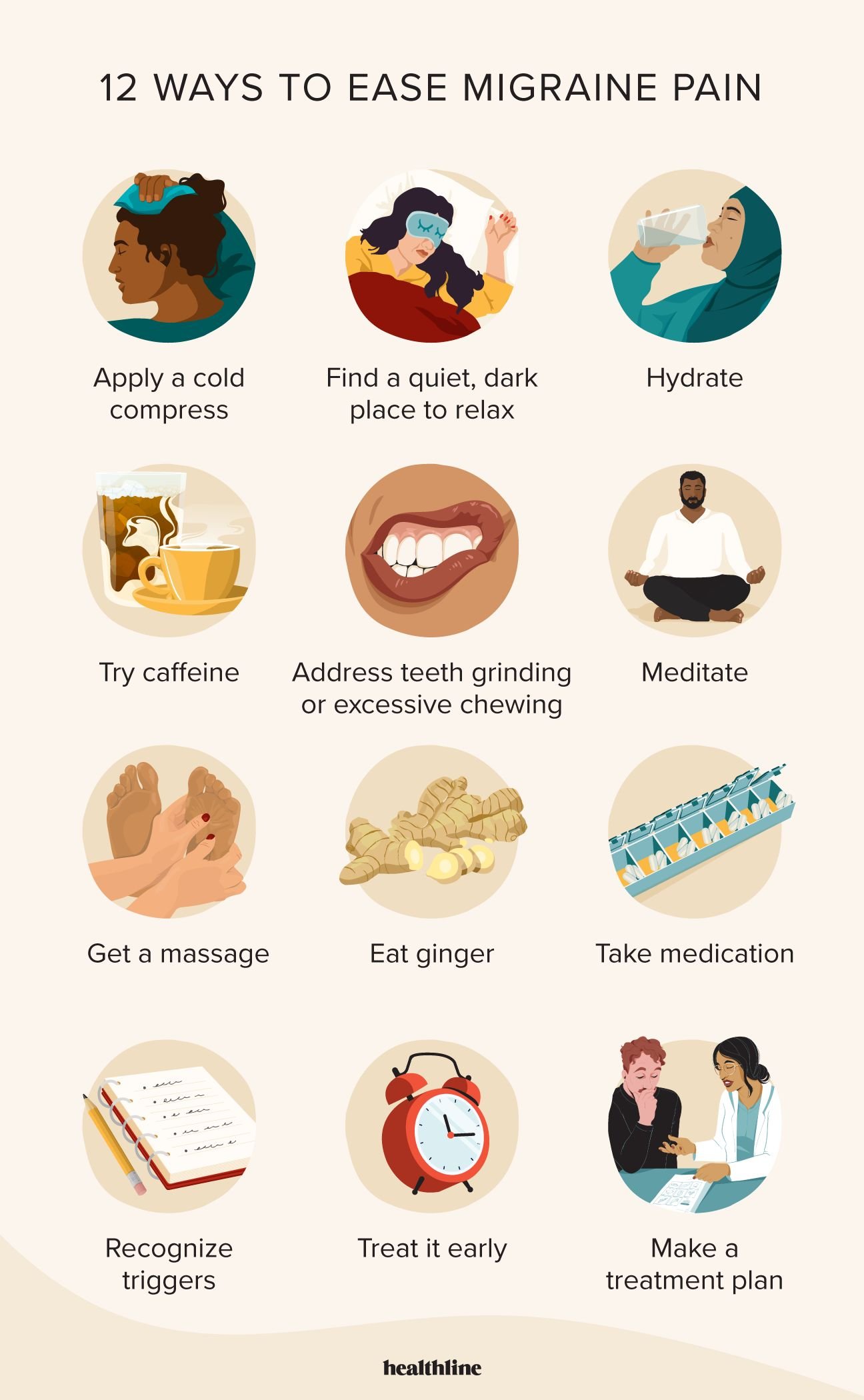
You can add a warm compress to your shoulders or neck. Some people prefer a cool cloth on the forehead during a migraine. Try one change at a time so you can learn what works for you.
One practical mistake is treating a painful area too aggressively. Deep pressure may feel productive, but it can irritate muscles and nerves. With headaches, “gentle and steady” is often wiser than “hard and intense.”
Can massage relieve headaches and migraines when done at home? It can offer comfort, but self-massage should remain gentle and should never delay urgent care.
:max_bytes(150000):strip_icc()/Migraine-relief-at-home-alternative-treatments-5202376_fina_rev-9b73eb0c69ee4350bf82df23757a2c28.jpg)
When massage may not work
Massage may provide little relief when the headache has a cause unrelated to muscle tension. For example, it may not address dehydration, infection, medication overuse, hormonal changes, severe sleep loss, or certain neurological conditions.
Massage may also be unhelpful if:
- The treatment begins after severe migraine symptoms are established
- Strong scents trigger your migraine
- Pressure increases your pain
- You have a serious neck problem
- Your headaches need preventive medicine
- You expect one session to solve a long-term pattern
Keep a headache diary for several weeks. Record sleep, meals, stress, periods, caffeine, screen time, symptoms, massage, and medication use. This can show whether massage truly helps or whether improvement happened for another reason.
Can massage relieve headaches and migraines for everyone? No. A personal trial can be reasonable, but track results and remain open to other treatments.
Safety precautions and warning signs
Massage is usually low risk when performed gently by a qualified professional. Still, certain situations require caution.
Talk with a health professional before massage if you have:
- A recent head or neck injury
- Severe osteoporosis
- A bleeding disorder
- Blood-thinning medication use
- An active infection or fever
- Recent surgery
- Uncontrolled high blood pressure
- A known blood vessel problem
Seek urgent medical care for a sudden, severe headache that reaches maximum intensity within seconds or minutes. Also seek help for a headache with weakness, confusion, fainting, trouble speaking, vision loss, seizure, high fever, stiff neck, or repeated vomiting.
A new headache during pregnancy, after age 50, or with a history of cancer or immune problems also deserves prompt medical review. Massage should never be used to test whether a dangerous headache will improve.
Can massage relieve headaches and migraines safely? Usually, yes, when the headache is familiar and the massage is gentle. Red-flag symptoms need medical care, not massage.
How to include massage in a headache care plan
Massage works best when combined with habits that lower common triggers. A simple plan may include:
- Drinking water through the day
- Eating regular meals
- Keeping a steady sleep schedule
- Taking screen breaks every 30 to 60 minutes
- Adjusting your chair and monitor height
- Stretching the neck and shoulders gently
- Limiting caffeine changes
- Managing stress with breathing or walking
- Following your clinician’s medication instructions
If you book professional massage, choose a licensed therapist. Explain your headache pattern, migraine symptoms, medications, injuries, and pressure preferences before the session begins.
Try two or three sessions over several weeks if your health professional agrees. Track headache days, pain intensity, duration, and symptoms before and after each session. This approach gives you useful evidence instead of relying only on memory.
Can massage relieve headaches and migraines as part of a broader plan? It may be most effective when paired with trigger management and appropriate medical care.
Frequently Asked Questions
Can massage stop a migraine?
Massage may ease muscle tension and stress, but it cannot reliably stop every migraine. Some people benefit from gentle massage early in an attack, while others become more sensitive to touch.
How often should I get massage for headaches?
There is no standard schedule for everyone. Some people try weekly sessions at first, then reduce treatment as symptoms improve, while others use massage only when tension builds.
Is a head massage better than a neck massage for migraines?
Neither is always better. A head massage may feel soothing, while neck and shoulder work may help when posture or muscle tension is a trigger.
Can deep tissue massage make a headache worse?
Yes. Strong pressure can irritate sore muscles, increase pain, or feel overwhelming during a migraine. Start with light pressure and ask the therapist to adjust the session.
Should I use massage instead of migraine medicine?
No. Massage can support a migraine treatment plan, but it should not replace prescribed medicine without medical advice. Talk with a clinician if your current treatment is not working.
Can massage help prevent headaches?
Regular massage may reduce tension and stress for some people, which could lower headache frequency. However, prevention often requires a combination of sleep habits, trigger control, medication, and professional guidance.
Conclusion
Massage can relieve headaches and migraines for some people, especially when stress, tight muscles, neck strain, or jaw tension play a role. It may reduce pain, improve relaxation, and support better sleep, but it is not a cure and may not help during every migraine.
Start with gentle pressure, use a qualified therapist, track your symptoms, and stop if massage makes you feel worse. Most importantly, seek medical care for sudden, severe, or unusual headache symptoms. If massage has helped you, share your experience or explore other evidence-based ways to manage headaches and migraines.