Choose The Right Type Of Massage: Find Your Best Match
Choose your massage by matching your health goals, comfort level, pressure needs, and any medical concerns.
How do you choose the right type of massage for your needs? The answer depends on what you want to feel after the session, whether you have pain or health limits, and how much pressure your body can safely handle. A skilled massage therapist can help you compare options and adjust the treatment to fit your body, not the other way around.
How do you choose the right type of massage for your needs?
Start with one simple question: what do you want massage to do for you?
You may want to relax after a stressful week. You may have tight shoulders from desk work, sore muscles after exercise, or ongoing pain that needs careful support. Each goal points toward a different massage style.
How do you choose the right type of massage for your needs? Think of massage as a set of tools. Swedish massage may help calm the body, while deep tissue massage may target stubborn muscle tension. Sports massage may support active people, and prenatal massage may address common pregnancy discomforts.
Your best choice also depends on your health history, pain level, touch preference, and the therapist’s training. A short conversation before the session is often more useful than choosing a treatment by name alone.

Match the massage style to your main goal
Your main goal is the best starting point. Try to name the result you want, such as “less neck tension,” “better relaxation,” or “help with post-workout soreness.”
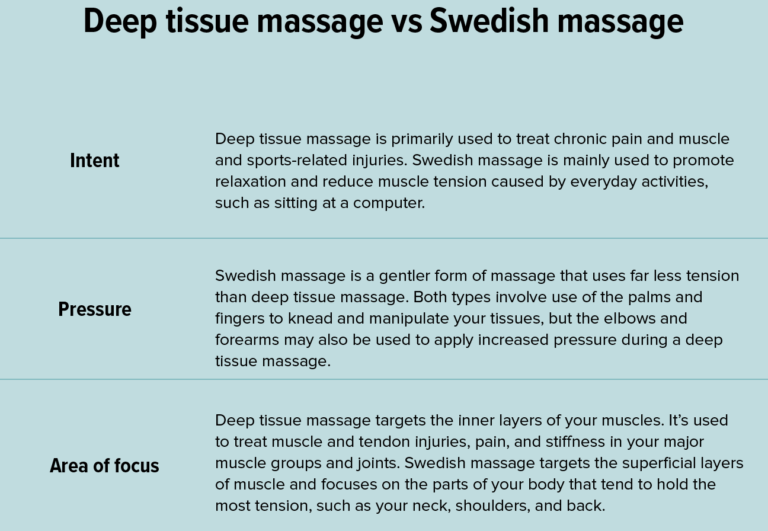
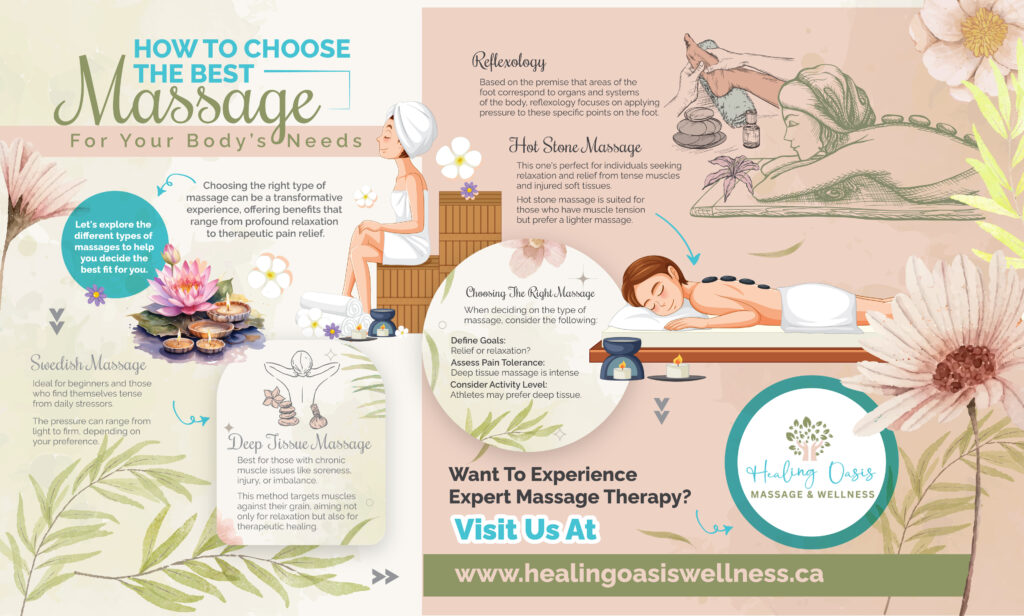
For general relaxation: Swedish massage
Swedish massage is often the best first choice for beginners. It uses smooth strokes, light to moderate pressure, kneading, and gentle movement.
Choose Swedish massage if you want to:
• Reduce everyday stress
• Relax your muscles
• Improve body awareness
• Enjoy a gentle introduction to massage
• Support a calm mood before sleep
Swedish massage should feel soothing, not painful. You can still ask for more or less pressure during the session.
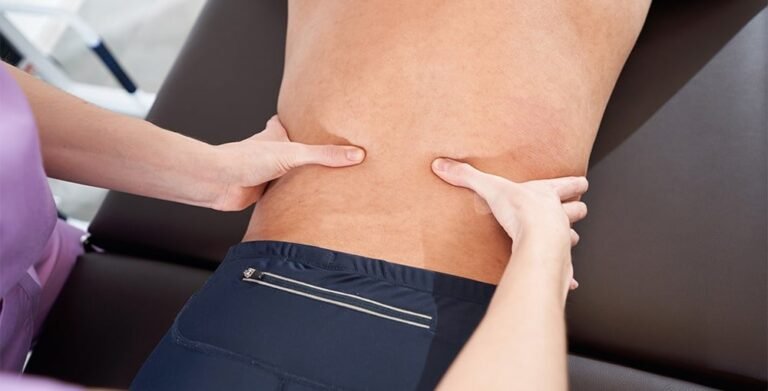
For muscle knots: Deep tissue massage
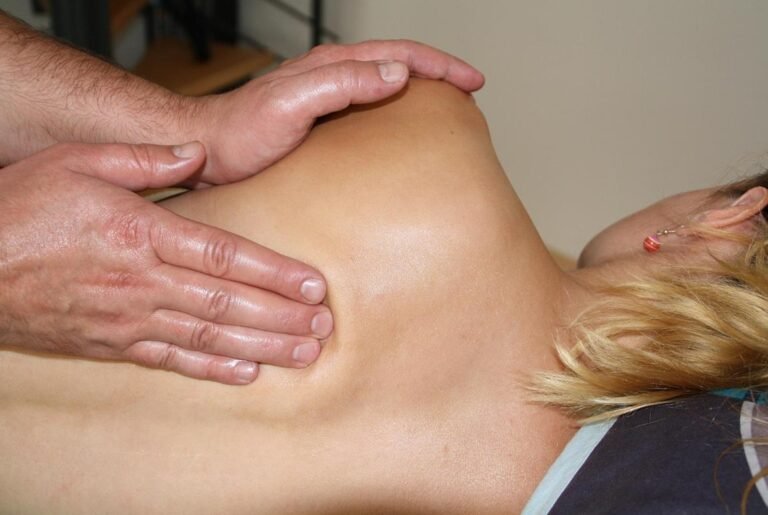
Deep tissue massage uses slower strokes and firm pressure on deeper muscle layers. It may help with long-term muscle tightness, but it is not automatically better than gentler massage.
Choose deep tissue massage if you have:
• Persistent muscle tension
• Tight areas from repeated movement
• Stiffness linked to posture
• Dense knots in the back, hips, or legs
Deep tissue massage can leave you tender for a day or two. Sharp pain, numbness, tingling, or severe soreness is not a sign of a good session. Always tell the therapist if the pressure feels too strong.
For exercise recovery: Sports massage
Sports massage is designed for active people. It may include Swedish techniques, stretching, compression, and focused work on muscles used in a sport or workout.
You might choose sports massage before an event, between training sessions, or during recovery. The therapist should understand your activity and avoid treating a fresh injury without proper medical guidance.
Sports massage may support flexibility and comfort. However, research does not show that massage alone prevents all injuries or removes the need for rest, strength work, and medical care.
For pregnancy discomfort: Prenatal massage
Prenatal massage is adapted for pregnancy. The therapist may use side-lying positions, supportive pillows, and gentle to moderate pressure.
It may help ease common discomforts such as:
• Lower back tension
• Leg and hip discomfort
• Stress and general muscle tightness
• Mild swelling linked to normal pregnancy changes
Ask your prenatal care provider before booking, especially if you have a high-risk pregnancy, bleeding, blood pressure concerns, or other complications. Choose a therapist trained in prenatal massage.
For lymphatic concerns: Manual lymphatic drainage
Manual lymphatic drainage uses very light, rhythmic strokes. It is not the same as a firm “detox” massage.
Medical providers may recommend it for certain types of swelling, including lymphedema. A trained professional should assess your needs first. Avoid this massage without medical advice if you have an active infection, unexplained swelling, or certain heart and circulation problems.
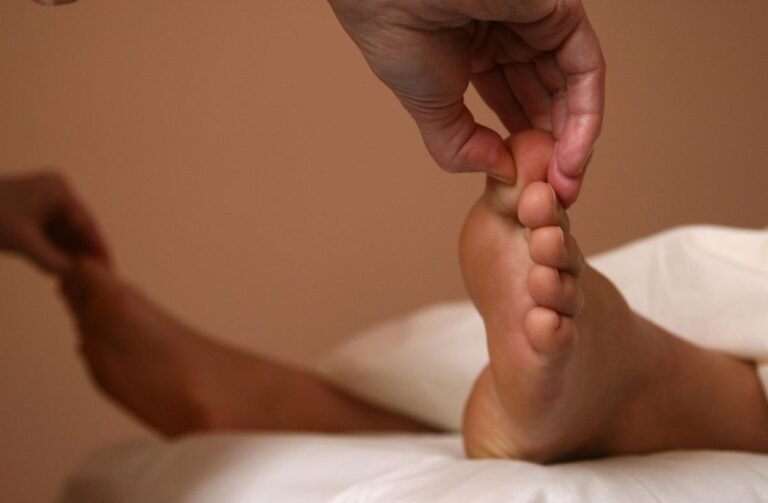
For foot comfort: Reflexology
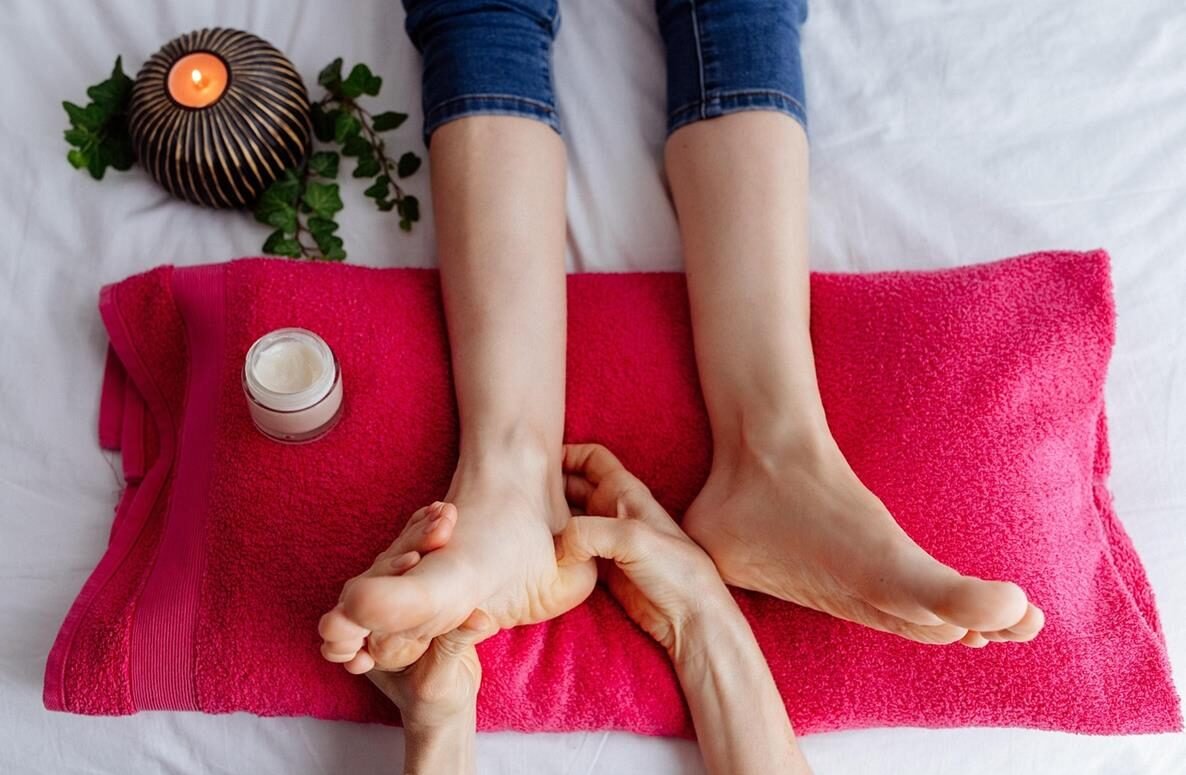
Reflexology applies pressure to areas of the feet or hands. Practitioners may link these points to other body areas.
Many people enjoy reflexology as a relaxing foot treatment. Yet claims that it can treat internal diseases through foot points are not well supported by strong evidence. Treat it as a comfort-based service, not a replacement for medical care.
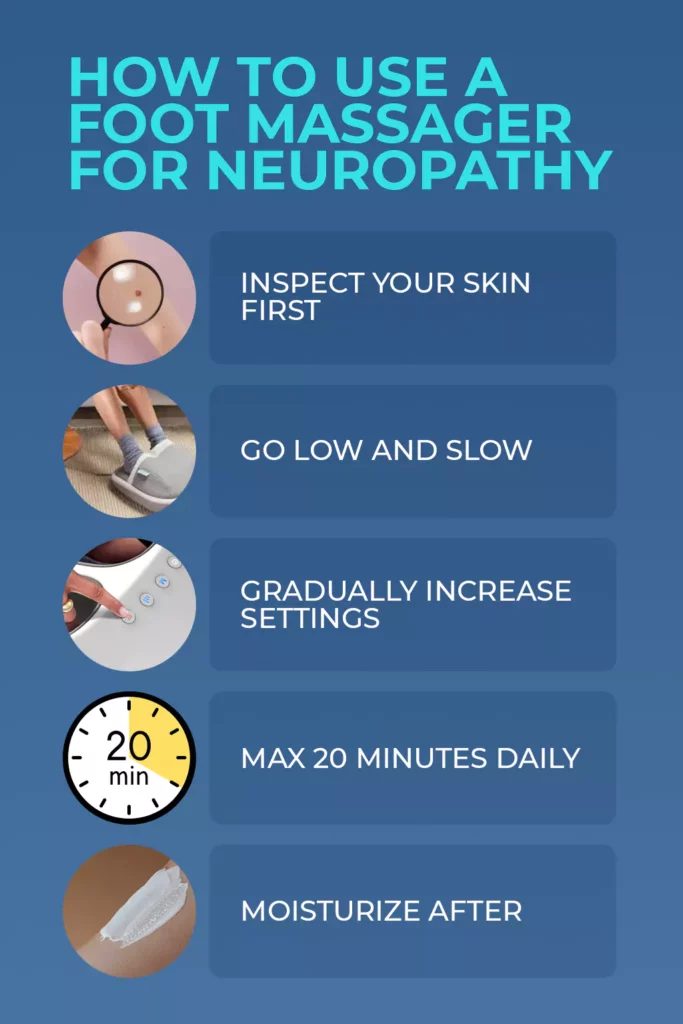
Source: caremaxwellnessandrehab.com
Let your symptoms guide the choice
Symptoms can help you narrow the options, but they should not replace a health assessment. Massage may help some types of muscle pain, stress, and stiffness. It may not be safe or useful for every cause of pain.
How do you choose the right type of massage for your needs? First, ask whether the problem feels muscular.
Muscle tension often feels like:
• A dull ache
• Tightness after work or exercise
• Tenderness that changes with movement
• Stiffness that improves with gentle activity
• A familiar knot in the neck, back, or legs
Pain needs more care when it comes with weakness, numbness, fever, sudden swelling, unexplained weight loss, or loss of bladder or bowel control. Seek medical advice before massage in these cases.
A massage therapist can notice tension and movement patterns, but they cannot diagnose many medical conditions. Good therapists know when to refer a client to a doctor, physical therapist, or other licensed professional.
Source: nekteck.com
Consider how much pressure you really need
Many people think strong pressure gives better results. That is a common mistake.
How do you choose the right type of massage for your needs? Choose pressure that feels useful and tolerable, not pressure that makes you brace, hold your breath, or tighten your jaw.
Use this simple guide:
• Light pressure works well for relaxation, sensitive muscles, and first sessions.
• Moderate pressure suits many people with everyday tension.
• Firm pressure may help some chronic tightness when applied with care.
• Very deep pressure is not needed for every knot and can increase soreness.
Your body should be able to relax during the treatment. If you feel yourself pulling away, clenching, or holding your breath, ask the therapist to reduce the pressure.
Pain is not a reliable measure of quality. A skilled therapist can create change without making you feel injured.
Source: healingoasiswellness.ca
Check your health history before booking
Massage is generally safe for many healthy adults when performed by a trained professional. Still, some conditions require medical approval, changes to the session, or avoidance of massage.
Speak with a health professional before massage if you have:
• A recent surgery or serious injury
• A blood clot or risk of deep vein thrombosis
• Unexplained swelling
• A contagious skin condition
• Fever or an active infection
• Severe osteoporosis
• Uncontrolled high blood pressure
• A bleeding disorder
• Cancer treatment or complex medical conditions
• Pregnancy with complications
Some medicines also matter. Blood thinners, for example, may raise the risk of bruising. Tell the therapist about medicines, surgeries, allergies, pregnancy, and current symptoms.
How do you choose the right type of massage for your needs? Include safety in the decision, not as an afterthought. A safe massage is always more valuable than an intense massage.
Source: nekteck.com
Compare massage techniques and their limits
Massage names can sound precise, but services vary between therapists. One therapist’s “deep tissue” session may feel moderate to another person. Ask what the treatment includes before you pay.
Hot stone massage
Hot stone massage combines massage strokes with warm, smooth stones. The heat may help muscles feel relaxed.
Avoid it or seek medical advice if you have reduced heat sensation, circulation problems, diabetes-related nerve changes, or skin conditions. Stones should feel warm, never painfully hot.
Shiatsu
Shiatsu uses pressure from fingers, thumbs, and palms. It may also include gentle stretches and joint movement.
Many people choose it for relaxation and general body tension. Tell the practitioner about injuries and ask them to modify stretches that feel uncomfortable.
Thai massage
Thai massage often includes assisted stretches and pressure while you remain clothed on a floor mat or padded surface.
It can feel active and intense. It may not suit people with limited mobility, recent injuries, joint problems, or a low tolerance for stretching.
Chair massage
Chair massage is usually shorter and focuses on the back, neck, shoulders, arms, and hands. It works well during a work break or for a first trial.
It may not provide enough time for full-body concerns. Still, it can be a practical way to learn how your body responds to massage.
Myofascial and trigger point work
These methods focus on areas that feel restricted or sensitive. The therapist may use sustained pressure, movement, or stretching.
They can be helpful for some patterns of muscle tension. The evidence varies by condition, so keep your expectations realistic and stop if you feel nerve-like symptoms.
Source: digitnow.com
Choose a qualified massage therapist
The therapist often matters more than the massage label. A caring, well-trained professional will ask questions, explain the plan, and respect your boundaries.
In the United States, licensing rules differ by state. Look for a therapist who meets your state’s requirements and has training that fits your needs. Professional credentials can help, but they do not replace good communication.
Before booking, ask:
• What training do you have for my concern?
• Which massage style do you recommend, and why?
• How will you adjust pressure?
• What should I wear?
• What happens if I feel pain?
• Do you work with pregnancy, injuries, or medical conditions?
• Can I stop or change the session at any time?
A professional should answer clearly. Be cautious if someone promises to cure a disease, remove all toxins, or fix every problem in one session.
How do you choose the right type of massage for your needs? Choose a therapist who treats you as a partner. You should feel heard before the massage begins.

Source: getblys.com
Prepare for your first massage
A little preparation can make the session more comfortable.
Try these steps:
- Eat a light meal rather than a large meal right before the appointment.
- Drink water as you normally would. You do not need to force extra water.
- Arrive early enough to complete health forms.
- Wear clothing that makes changing easy.
- Explain your goal in plain words.
- Mention areas that should not be touched.
- Agree on a pressure level.
- Ask questions before the session starts.
You control the session. You may remain dressed for some treatments, and you can request extra draping for comfort. You can also end the massage at any time.
One practical lesson is worth remembering: do not wait until the end to mention discomfort. Early feedback helps the therapist adjust the technique before your body becomes tense.

Source: massage-training.net
Use your response after the session as feedback
Your response can help you decide whether the massage style suits you. You may feel calm, loose, and pleasantly tired. Mild tenderness can happen after firm work, but severe pain is not expected.
Track how you feel over the next 24 to 48 hours:
• Did your main symptom improve?
• Did the pressure feel appropriate?
• Did the therapist respect your boundaries?
• Did you feel better, worse, or unchanged?
• Would a shorter, gentler, or more focused session help next time?
How do you choose the right type of massage for your needs? Treat the first appointment as a learning session. You do not have to commit to one style forever.
Massage may work best as part of a wider plan that includes sleep, movement, strength training, stress care, and medical treatment when needed. It is supportive care, not a cure-all.
Source: nekteck.com
Common mistakes to avoid
Choosing massage by trend or price alone can lead to a poor experience. A popular treatment may not match your body or your goal.
Avoid these mistakes:
• Choosing deep tissue because you think stronger is always better
• Booking without sharing important health information
• Ignoring pain during the session
• Expecting one treatment to fix a long-term problem
• Using massage to delay care for serious symptoms
• Assuming every therapist has the same training
• Believing “detox” claims without good evidence
• Returning to exercise too soon after intense bodywork
How do you choose the right type of massage for your needs? Start with realistic goals. Massage may reduce tension and help you feel more comfortable, but results differ from person to person.
Research reviews suggest that massage can provide short-term relief for some types of low back pain and may support relaxation. The benefit, duration, and best technique can vary. This is why honest communication and follow-up matter.
A simple decision guide
Use this quick guide when you feel unsure:
• Choose Swedish massage for general relaxation or your first session.
• Choose deep tissue massage for ongoing muscle tightness, with moderate pressure at first.
• Choose sports massage for activity-related muscle care.
• Choose prenatal massage during pregnancy with appropriate medical guidance.
• Choose manual lymphatic drainage only when a trained provider recommends it.
• Choose reflexology for a relaxing foot-focused experience.
• Choose chair massage for a short session focused on the neck, shoulders, and back.
• Choose medical advice first when symptoms are severe, sudden, unusual, or unexplained.
How do you choose the right type of massage for your needs? Match the technique to your goal, then match the therapist to your safety needs. This two-step approach is simple and works better than chasing the strongest treatment.
Frequently Asked Questions
How do you choose the right type of massage for your needs?
Start by identifying your main goal, such as relaxation, muscle tension relief, sports recovery, or pregnancy support. Then consider your health history, preferred pressure, and the therapist’s training.
What is the best massage for beginners?
Swedish massage is often a good first choice because it uses smooth movements and light to moderate pressure. It also gives you an easy way to learn what pressure and techniques feel comfortable.
Is deep tissue massage better than Swedish massage?
Neither is always better. Deep tissue massage may suit some areas of lasting muscle tightness, while Swedish massage may be more comfortable for relaxation and general tension.
How do you choose the right type of massage for your needs if you have pain?
First, consider whether the pain has been assessed by a health professional. Avoid massage and seek medical care for sudden or severe pain, numbness, weakness, fever, major swelling, or pain after a serious injury.
How often should you get a massage?
There is no single schedule for everyone. Some people book massage occasionally for stress, while others use it as part of a care plan; your response, budget, goals, and medical needs should guide the timing.
Can massage treat a medical condition?
Massage may support comfort, relaxation, and some types of muscle pain, but it does not replace diagnosis or medical treatment. Be careful with claims that promise to cure disease or remove toxins.
What should you do if a massage hurts?
Tell the therapist at once and ask for less pressure or a different technique. Stop the session if you feel sharp pain, burning, numbness, tingling, dizziness, or anything that feels unsafe.
Conclusion
How do you choose the right type of massage for your needs? Begin with your goal, then consider your symptoms, pressure preference, health history, and the therapist’s qualifications. Swedish massage often suits relaxation, deep tissue may help selected areas of tension, sports massage supports active bodies, and specialized care requires proper training.
The right massage should leave you feeling respected, informed, and comfortable. Start with a clear conversation, choose a reasonable pressure level, and treat your first session as a chance to learn what works for you.
Use this guide when comparing local therapists and share your experience or questions in the comments.