How To Use A Massage Gun For Plantar Fasciitis: Best Guide
Use a massage gun for plantar fasciitis with low pressure on nearby muscles, not directly on the painful heel.
Plantar fasciitis can make each morning step feel like a small injury. A massage gun may help relax tight calf and foot muscles, improve short-term comfort, and support gentle mobility when used with care. However, it is not a cure, and the wrong technique can make an irritated plantar fascia feel worse.
This guide explains how to use a massage gun for plantar fasciitis safely. You will learn where to use it, which speed and attachment to choose, how long each session should last, and when to stop. The advice combines current foot-care knowledge with practical tips that can fit into a normal home routine.
What is plantar fasciitis?
Plantar fasciitis is pain in the thick band of tissue that runs from the heel bone to the base of the toes. This band is called the plantar fascia. It helps support the arch and absorbs force when you walk, run, or jump.
The pain often starts near the inside of the heel. Many people feel it most during their first steps after waking up or after sitting for a long time. It may ease as the foot warms up, then return after long periods of standing or exercise.
Despite the word “fasciitis,” the problem is often linked to tissue overload and small changes in the fascia. It is not always a simple case of inflammation. This is one reason why rest, gentle loading, calf work, shoe changes, and time all matter.
Common risk factors include:
• Tight calf muscles or Achilles tendons
• Sudden increases in walking, running, or standing
• Poorly supportive shoes
• High or very flat arches
• Extra body weight
• Repeated impact on hard surfaces
A massage gun cannot repair the plantar fascia by itself. It may reduce muscle tightness around the foot and lower leg, which can make movement feel easier.

Can a massage gun help plantar fasciitis?
A massage gun uses rapid pulses to move soft tissue. This action is often called percussive therapy. It may increase local blood flow, reduce muscle stiffness, and improve short-term range of motion.
When learning how to use a massage gun for plantar fasciitis, think of it as a comfort tool. It may help tight calves, the Achilles area, and the muscles along the sole. It should not replace a full treatment plan.
Research on percussion devices is still developing. Some studies suggest short-term improvements in flexibility, pain, or muscle soreness. Yet strong evidence for treating plantar fasciitis itself remains limited. Most clinical care still focuses on stretching, progressive strengthening, activity changes, and supportive footwear.
A massage gun may be useful when:
• Your calf feels tight after walking or exercise
• Your foot feels stiff after rest
• You want a short warm-up before stretching
• You need temporary relief from muscle tension
It may not help if the main issue is a stress fracture, nerve problem, severe tendon injury, or another condition that resembles plantar fasciitis. A correct diagnosis matters.
How to use a massage gun for plantar fasciitis safely
The safest approach is to treat the muscles around the painful area first. Avoid attacking the sore heel with high force. The plantar fascia is a firm, sensitive band, not a large muscle that needs deep pounding.
Follow these steps for how to use a massage gun for plantar fasciitis.
1. Check your foot before starting
Do not use the device over open skin, bruising, swelling, infection, or a fresh injury. Check whether the pain feels like the usual ache of plantar fasciitis. Sharp, electric, burning, or rapidly worsening pain may point to another problem.
Sit in a relaxed position. Keep the foot supported so you do not tense your calf while using the device.
2. Choose a gentle attachment
Use a soft, rounded attachment if your device has one. A ball or cushioned head is usually a better choice than a narrow bullet head.
Start with the lowest speed. More power is not better. The goal is a mild, comfortable vibration that helps the tissue relax.
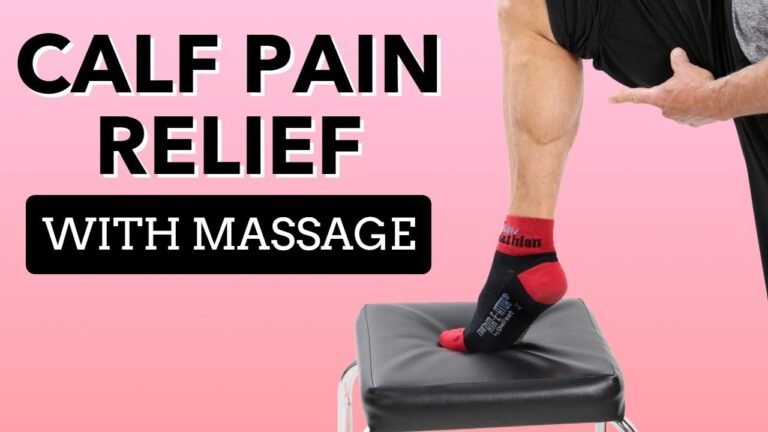
3. Begin with the calf
The calf is often the best starting point. Tight calf muscles can limit ankle movement and increase strain on the heel and plantar fascia.
Move the massage gun slowly over the main calf muscle. Use light contact. Spend about 30 to 60 seconds on each section, including the upper calf and lower calf.
Do not press hard into the back of the knee. This area contains nerves and blood vessels.
4. Treat the sides of the lower leg
Move to the outer and inner parts of the lower leg. Work on the fleshy muscle areas rather than the shin bone.
Use slow passes for 30 seconds on each side. Stop if you feel tingling, numbness, burning, or pain that travels into the foot.
5. Work around the Achilles tendon
You may gently treat the muscle just above the Achilles tendon. Avoid pressing directly on the tendon if it is sore, thick, or swollen.
The Achilles tendon connects the calf muscles to the heel bone. It can tolerate load, but direct percussion on an irritated tendon may increase symptoms.
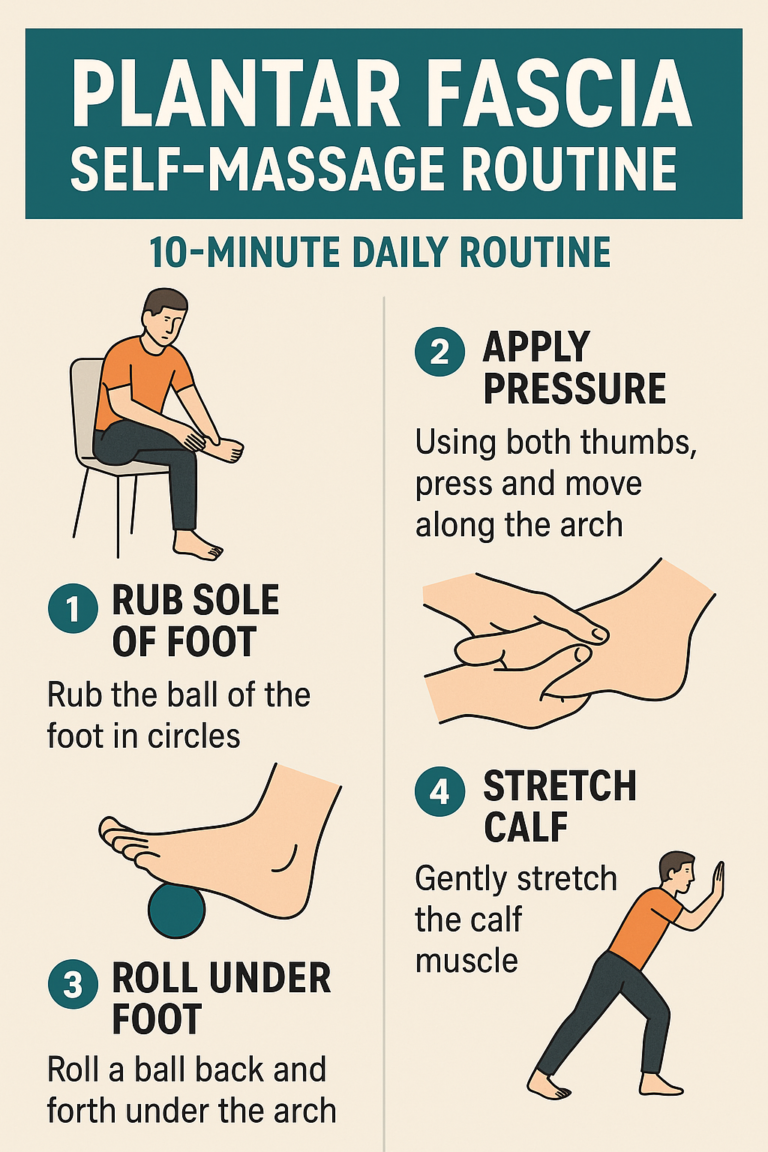
6. Use very light pressure on the sole
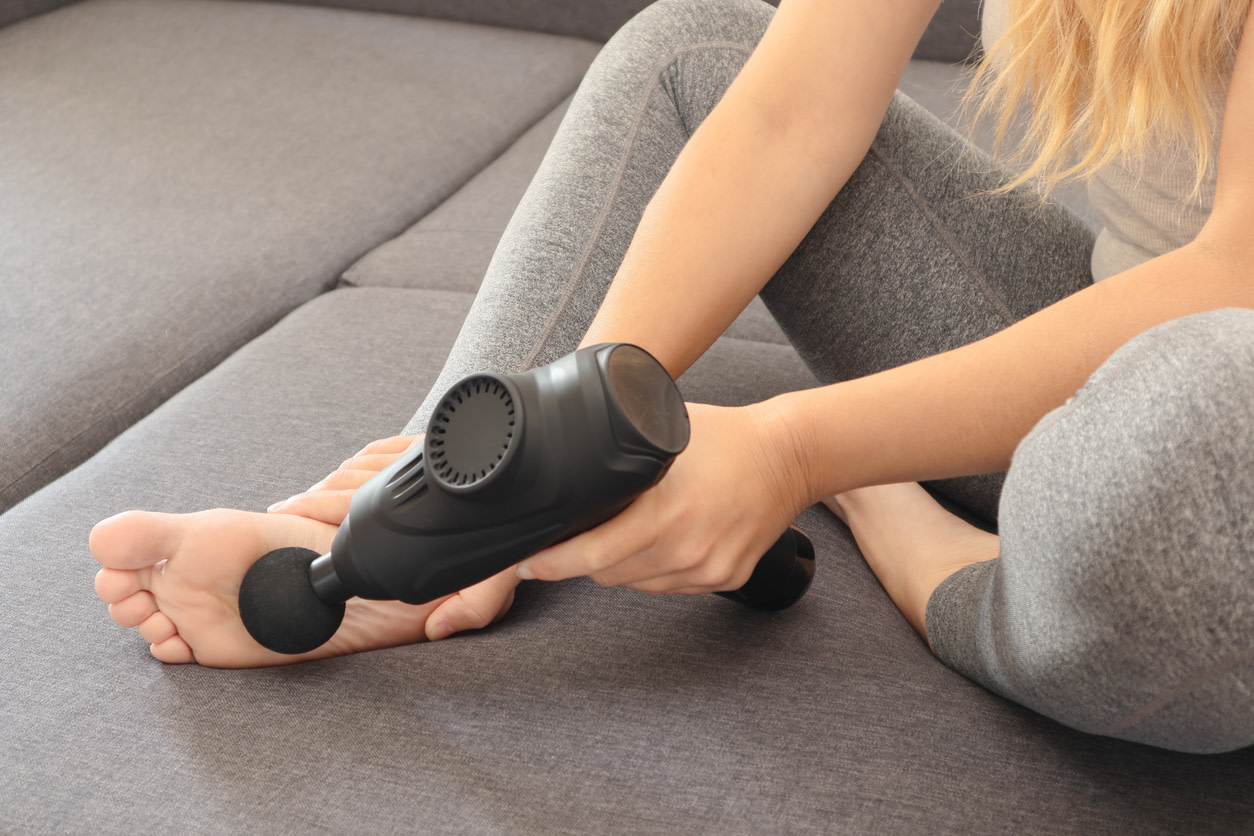
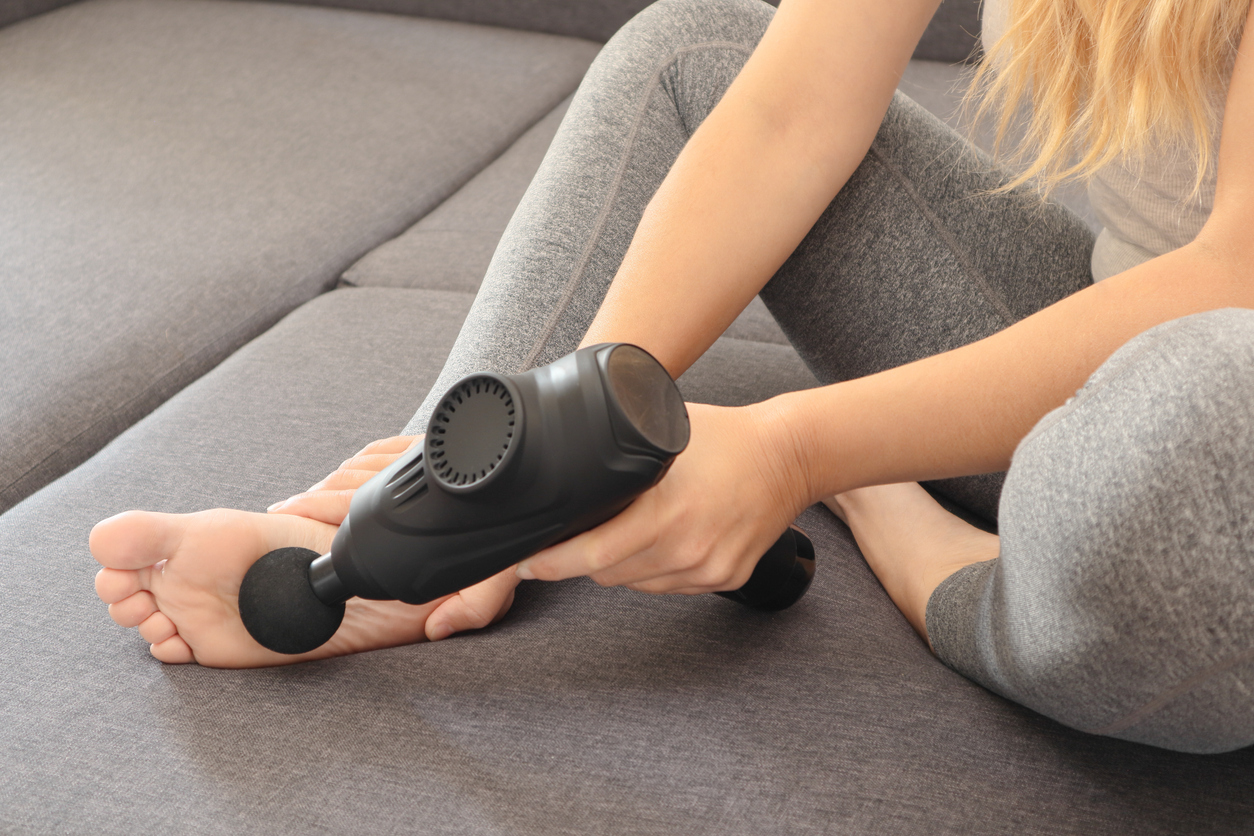
If the sole is not sharply painful, you can briefly use the massage gun on the arch. Keep the pressure light and the speed low.
Move from the middle of the arch toward the ball of the foot. Do not hold the device in one spot. Limit this area to about 15 to 30 seconds at first.
Avoid direct use on the painful heel pad or the most tender point. This is a key part of how to use a massage gun for plantar fasciitis without aggravating the tissue.
7. Finish with gentle movement
After the massage, move the ankle up and down several times. Then perform a mild calf stretch if it feels comfortable.
Do not force the stretch. Your foot should feel looser, not irritated. If pain increases during the next few hours, reduce the pressure or stop using the device.

Where should you use a massage gun for plantar fasciitis?
The best areas are usually the calf, the muscles along the lower leg, and the soft arch of the foot. These areas can become tense when you change the way you walk to avoid heel pain.
Use the device on:
• The gastrocnemius, or larger upper calf muscle
• The soleus, which sits deeper in the lower calf
• The soft tissue beside the shin, not the bone
• The muscle above the Achilles tendon
• The arch, with very light pressure
Avoid these areas:
• The painful heel point
• The heel bone
• The Achilles tendon when it is painful or swollen
• The ankle bones
• The front of the ankle
• Any area with numbness, bruising, or broken skin
A useful rule is simple: treat muscle, not bone. If you cannot tell whether you are over muscle or bone, use less pressure or skip that area.

How long and how often should you use it?
For beginners, one short session is enough. Try five to eight minutes in total. Spend most of that time on the calf and only a small amount on the sole.
A simple routine may look like this:
-
One minute on the upper calf
-
One minute on the lower calf
-
One minute on each side of the lower leg
-
Thirty seconds above the Achilles tendon
-
Fifteen to thirty seconds on the arch
-
Two minutes of gentle ankle movement and stretching
Use the device once a day at first. If your foot feels the same or better later that day and the next morning, you may continue. Some people prefer using it before activity, while others find it more comfortable after a long day.
The right dose is the least amount that helps. Longer sessions do not always create better results. Too much pressure can cause soreness and may hide signs that the foot needs rest.

Massage gun technique before and after activity
When exploring how to use a massage gun for plantar fasciitis, timing can make a difference.
Before walking or exercise, use a low setting for a brief warm-up. Focus on the calf and ankle muscles for two to three minutes. Follow this with ankle circles, gentle calf raises, and a few slow steps.
After activity, use the device only if the foot feels tight rather than inflamed. Keep the session gentle. If the heel throbs, swells, or feels hotter than usual, choose rest and a cool pack instead.
A massage gun should not be used to push through pain during a run or workout. Pain is useful information. It may be telling you that the tissue needs a smaller load.

What to do along with massage gun therapy
Massage alone rarely solves plantar fasciitis. Think of it as one small tool in a larger plan.
Helpful habits include:
• Wear shoes with good cushioning and arch support
• Avoid walking barefoot on hard floors during a flare
• Increase exercise slowly
• Stretch the calf and plantar fascia gently
• Strengthen the calf and foot muscles
• Take short breaks during long periods of standing
• Use a frozen water bottle roll only if it feels soothing
Strength work is especially important for long-term improvement. Calf raises, towel scrunches, and controlled foot exercises can help the foot handle daily load. Start with a small number of repetitions and increase slowly.
A physical therapist can check your walking pattern, ankle movement, footwear, and strength. This is helpful when pain lasts for several weeks or keeps returning.
In practical home routines, one common mistake is using the massage gun first and then doing too much activity because the foot feels temporarily better. Relief is not the same as full healing. Let your symptoms guide your activity level.
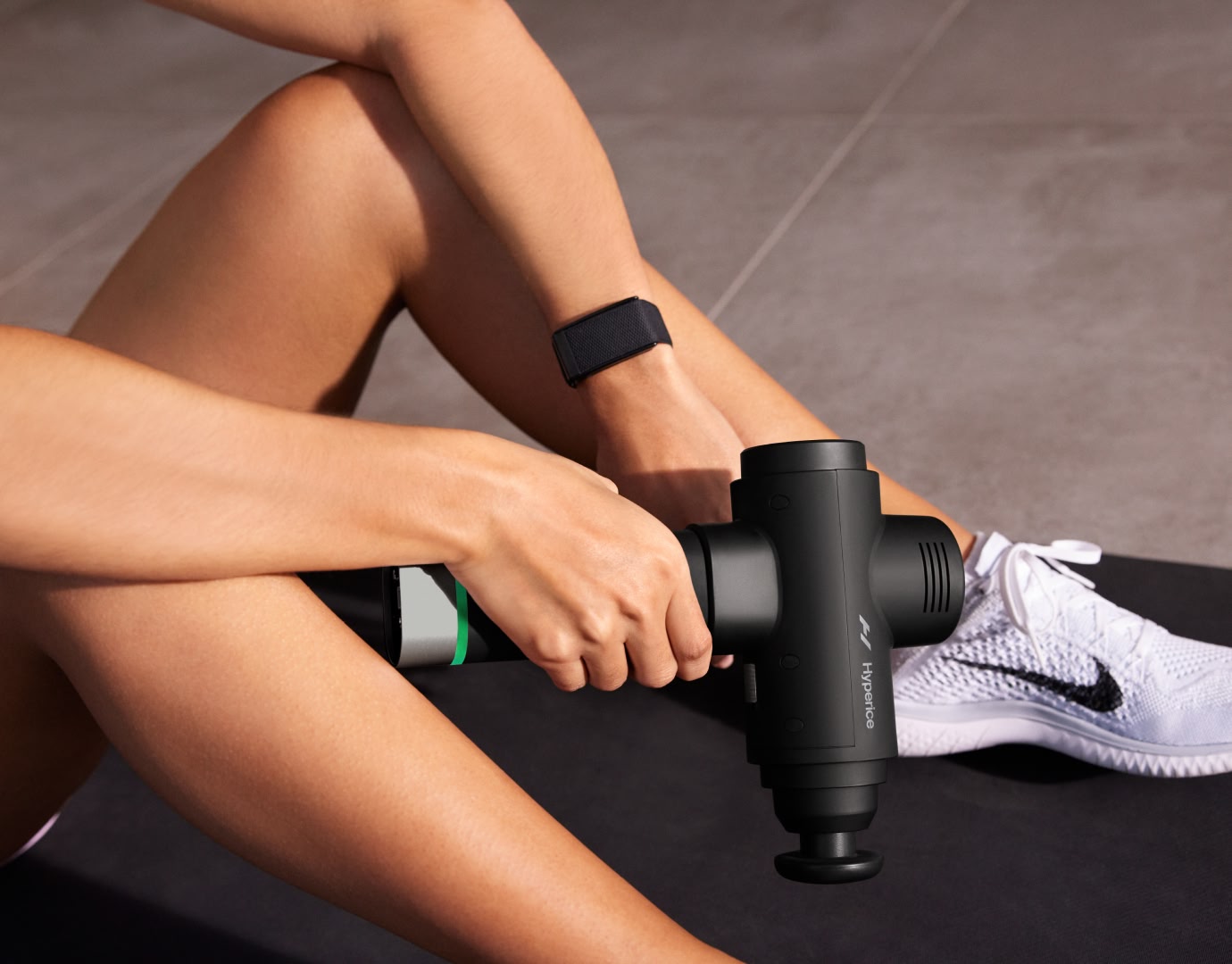
Mistakes to avoid when using a massage gun
Knowing how to use a massage gun for plantar fasciitis also means knowing what not to do.
Pressing directly on the heel
The sore heel area is often the most sensitive part of the condition. Direct pressure can increase pain and may irritate the tissue.
Using the highest speed
A strong setting can feel satisfying, but it may create more soreness. Start low and increase only if the treatment remains comfortable.
Holding the device in one spot
Keep the massage gun moving. Staying in one place can overload the tissue and leave a painful mark.
Treating numbness as a benefit
Numbness is not a sign of successful treatment. Stop at once if you feel numbness, pins and needles, burning, or weakness.
Using it on an injury that needs care
Do not use percussion to mask severe pain after a fall, sudden twist, or sharp increase in exercise. Get medical advice when the cause is unclear.
Ignoring the next morning
Morning pain is a useful test. If your first steps are worse after using the massage gun, the session was probably too strong or the device is not suitable for your symptoms.
Who should avoid a massage gun?
Ask a health professional before using a massage gun if you have diabetes with reduced foot sensation, poor circulation, a bleeding disorder, or a history of blood clots. People taking blood-thinning medicine should also seek medical advice.
Avoid the device over varicose veins, tumors, open wounds, active skin infection, or areas with reduced feeling. Children and people recovering from surgery should use it only with professional guidance.
Seek prompt care for major swelling, redness, warmth, fever, inability to bear weight, or severe night pain. A healthcare professional should also assess pain that does not improve after several weeks of sensible home care.
These precautions are not meant to alarm you. They help separate ordinary muscle tightness from problems that need a proper exam.
When to stop using a massage gun
Stop the session if pain becomes sharp, intense, or more focused at the heel. Also stop if your foot becomes numb, weak, swollen, or unusually sensitive.
Watch your symptoms for the next 24 hours. Mild, short-lived muscle soreness may occur, but increasing heel pain is a sign to reduce the dose or stop.
If your symptoms continue for more than six to eight weeks, schedule an assessment with a podiatrist, physical therapist, or primary care clinician. Persistent heel pain may involve plantar fasciitis, but it can also come from nerve irritation, a heel stress injury, arthritis, or Achilles problems.
Frequently Asked Questions
Can I use a massage gun directly on plantar fasciitis?
It is usually safer to avoid direct, forceful treatment on the painful heel or the most tender part of the plantar fascia. Use gentle treatment on the calf and nearby soft tissue instead.
How often should I use a massage gun for plantar fasciitis?
Start with one gentle session per day that lasts about five to eight minutes. If your pain is worse later that day or the next morning, use less pressure, shorten the session, or stop.
What speed is best for plantar fasciitis?
Use the lowest comfortable speed, especially during your first few sessions. A mild vibration should feel relaxing, not painful, sharp, or numbing.
Is a massage gun better than stretching for plantar fasciitis?
A massage gun and stretching serve different roles. The device may offer short-term comfort, while regular calf and foot stretching can support mobility; neither should replace strengthening and proper load management.
Can I use a massage gun before walking or running?
You can use it briefly on the calf and lower-leg muscles before activity. Do not use it to hide pain and then continue an activity that clearly worsens your symptoms.
How long does it take for plantar fasciitis to improve?
Many cases improve over several months with steady care, but recovery time varies. Footwear, activity level, body weight, strength, and the accuracy of the diagnosis can all affect progress.
Conclusion
Learning how to use a massage gun for plantar fasciitis starts with a gentle approach. Target the calf and surrounding muscles, choose a low setting, keep the device moving, and avoid forceful pressure on the painful heel.
Use massage as part of a wider plan that includes supportive shoes, gradual activity, stretching, and foot strength. Pay attention to your next morning’s pain, and stop if symptoms become sharper or worse.
Start with a short, light session today and track how your foot responds. If heel pain persists, seek an assessment from a qualified healthcare professional and explore a treatment plan made for your needs.